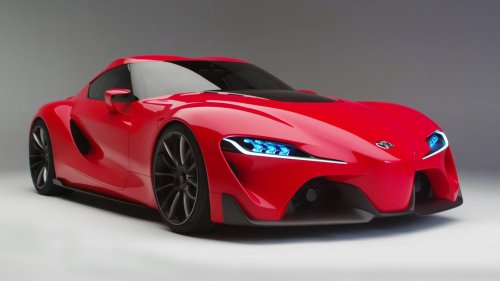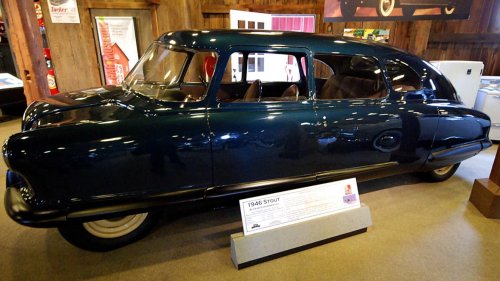
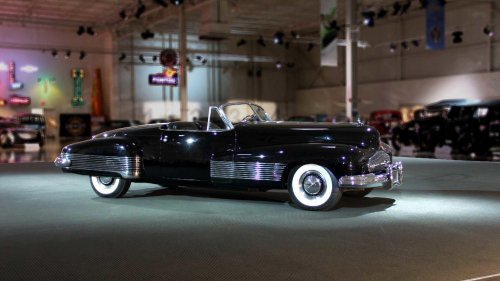
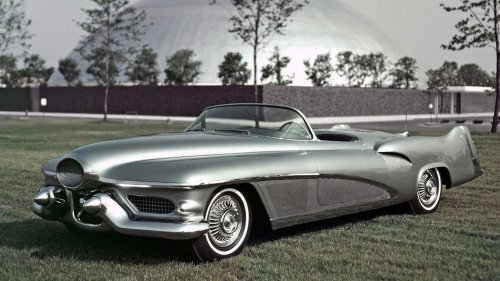
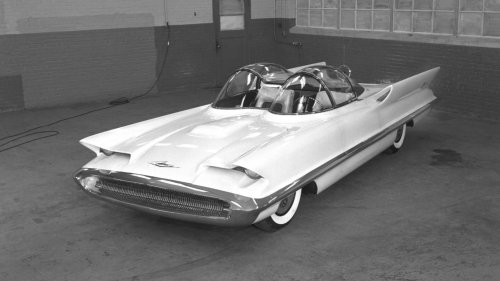
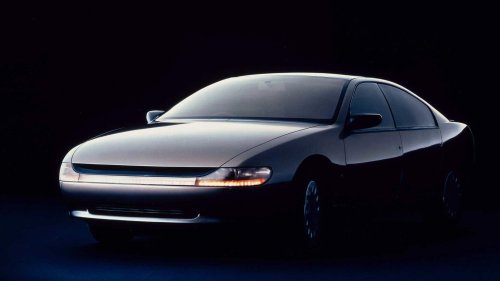
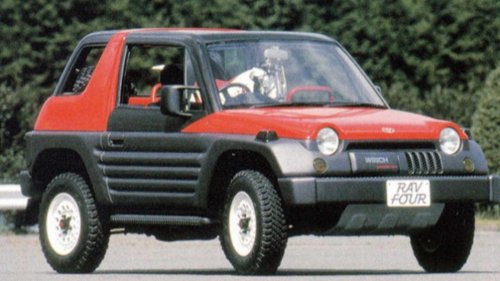
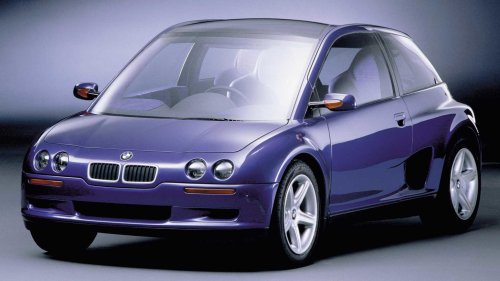
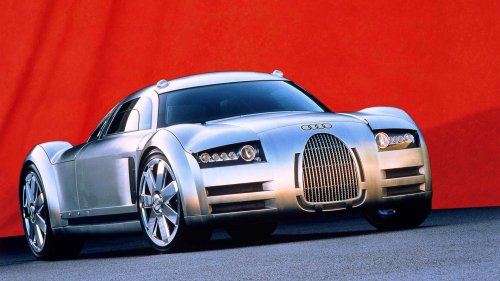
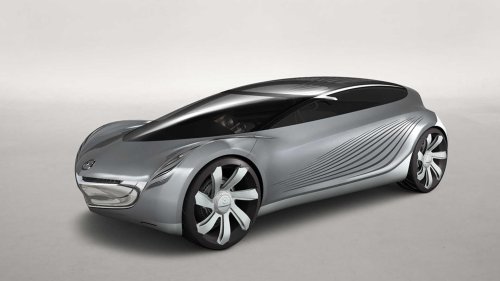
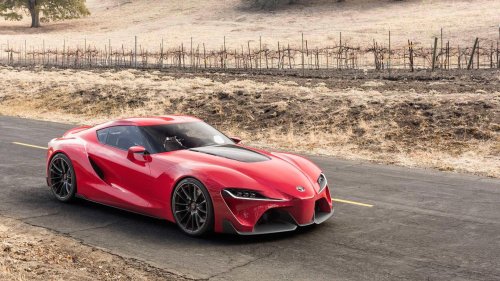



















Concept cars are one of the most fascinating aspects of the automotive world. Bringing us new technology and new design ideas, they offer a glimpse into automakers’ vision of the future. For the better part of a century, they have been one of the most important ways for car brands to showcase their current research and development work; in many cases, these show cars also serve as a preview of upcoming production models.When looking back at the history of concept cars, some stand out among the rest for the role they have played in automotive history, or the way they have influenced a production model that later became widely popular. In this list, we have assembled 10 concept cars from across the decades that we think have had a particular influence on the automotive world.Let’s take a closer look at them. The items are listed in chronological order, from the oldest to the newest. Stout Scarab Stout Scarab Joanna Poe WCThe first car on our list wasn’t described as a concept car in the modern sense when it was released, because the very idea of one did not yet exist. The Stout Scarab, however, was a prototype that incorporated several of the core characteristics that define concept cars today. It introduced new ideas and fresh technology to the automotive world, and only a handful of examples were produced.The Stout Scarab, named after its inventor (William Bushnell Stout) and its unique shape, can be considered the world’s first minivan. Its unique layout was a predecessor of the monospace MPV/minivan configuration we know today. It was oriented towards passenger comfort, with an adjustable seating layout and even a removable table on board. Buick Y-Job 1938 Buick Y-JobThe first “real” concept car was the Buick Y-Job, introduced five years after the Scarab’s debut. It was penned by automotive designer Harley Earl, who was also responsible for other innovations such as the use of hand-sculpted clay models and sketches. Earl also used the Y-Job as his personal daily driver for several years.Although it was built before World War II, the Y-Job anticipated several of the design cues that defined automotive styling of the post-war era. The forward-thinking looks were informed by aerodynamic principles, which had only just begun to be adopted by the automotive world at the time. It also had a powered convertible top, which was almost unheard of in cars at the time. General Motors Le Sabre 1951 GM Le Sabre Silver Front AngleAnother concept car that had a strong influence on the models of the postwar era was the General Motors Le Sabre (not to be confused with the Buick LeSabre production model). This car was introduced in 1951 and was also designed by Harley Earl. His intention was for it to be a spiritual successor to the Y-Job.Its design was symbolic of the Jet Age, an era characterized by scientific optimism and a view towards a high-tech future. The Le Sabre’s bodywork was inspired by fighter jets; it was packed with innovative features, such as tail fins that doubled as fuel tanks and a 12-volt electrical system (at the time, most American cars used a six-volt system). It was also equipped with built-in powered lifting jacks, aimed at making tire changes easier. Lincoln Futura 1955 Lincoln Futura Concept 1Next up, we have a concept car that has achieved cinematic fame. The Lincoln Futura was introduced in 1955, but became a pop culture icon in the 60s thanks to its appearance in the Batman TV show. The inspiration for its design came from a shark that designer Bill Schmidt saw while diving, which became the source of the Futura’s sharp lines.While the design and promotion of the car was managed by Ford’s sub-brand Lincoln, the body was built by Italian coachbuilder Ghia. Years after its debut, the Futura was modified extensively to transform it into the Batmobile, as well as being given a black paint job with red accents that became part of its signature look. Nissan Arc-X Nissan Arc X front profile black Nissan’s luxury sub-brand, Infiniti, was launched in 1989. A large amount of inspiration and groundwork for the creation of this high-end marque came from a Nissan concept car that had debuted the year before: the Arc-X.The Arc-X’s futuristic character showcased Nissan’s engineering capabilities and its forward-thinking approach to automotive design. It had a transversely mounted V6 engine, an advanced all-wheel-drive system, and four-wheel steering. The bodywork showcased smooth, sleek lines, which gave the car a drag coefficient of 0.26. It was also packed with tech features that were highly advanced for the time, such as drive-by-wire controls and a rudimentary infotainment screen. Toyota RAV-FOUR 1989 Toyota RAV-FOUR Concept Black/Red Front Angled ViewCrossovers make up a huge part of the automotive market today. Incorporating features of both cars and SUVs, they offer a mix of practicality and compact dimensions, which makes them popular with a wide range of drivers. Singles, couples, and families all gravitate towards the crossover thanks to its versatility. The story of the crossover begins around the turn of the millennium. One of the models that defined the category is a best-seller still produced today, the Toyota RAV4.The RAV4 arrived in North America in 1996, but its earliest incarnation was a 1989 concept car called the RAV-FOUR. This quirky vehicle introduced several of the production model’s design elements and helped usher in the crossover as an automotive category. BMW Z13 1993 BMW Z13 ConceptThe modern, BMW-produced Mini is a very recognizable vehicle, and the brand's revival over roughly the past two decades has been a success. What many car enthusiasts don’t know, however, is that the BMW Mini can trace its origins to a concept car that debuted several years earlier: the Z13.The BMW Z13 was introduced in 1993 at the Geneva Motor Show. It was the third car created by the now-defunct BMW Technik division, which specialized in innovative concept vehicles. Powered by a 1.1-liter inline-four engine sourced from a BMW motorcycle, it was compact and practical, with an unusual three-person seating layout reminiscent of the McLaren F1. Several tech features that would later become commonplace, such as a rotary switch controlling the transmission and a navigation display, were also on board. Audi Rosemeyer Audi Rosemeyer concept-1Next, we take a leap from the world of daily drivers to the world of supercars with the Audi Rosemeyer, the ancestor of a model that has appeared on countless gearheads’ bedroom posters: the Bugatti Veyron.The Rosemeyer concept was an all-wheel-drive supercar introduced in 2000, named after legendary racing driver Bernd Rosemeyer. Its design even loosely evokes the Auto Union racing cars that he raced in the 1930s. It did not directly result in a production model. However, many of the assets and engineering expertise that went into it were eventually channeled into the Bugatti Veyron, which began production in 2005. Mazda Nagare 2006-mazda-nagare-concept-1The Mazda Nagare, which debuted in 2006, was the first in a series of concepts that employed the design language of the same name. The Nagare (Japanese for “flow”) was characterized by gentle, flowing lines, influenced by the natural world and the way liquids behave. The result is a dynamic look that gives the illusion of movement.Six other concepts that used the Nagare language followed over the next few years: the Ryuga, Hakaze, Taiki, Furai, Kazamai, and Kyora. The Nagare design language never really found a home in Mazda’s lineup of production models. However, a few traces of the Nagare concept series’ DNA remained in the brand’s later output. Toyota FT-1 2014 Toyota FT-1 Concept Red Front Angled ViewThe most recent concept car on our list is the Toyota FT-1, which gave us a preview of the legendary Supra’s modern incarnation. The FT-1 was introduced in 2014, five years prior to the GR Supra's debut. The similarity between the two cars is striking: the FT-1 anticipated several of the design elements that made the fifth-gen Supra iconic.Tracing its origins back to Toyota’s Calty design studio in California, the FT-1 drew inspiration from historical Toyota models such as the 2000GT, a sports car famous for its appearance in the 1967 James Bond movie You Only Live Twice. The FT-1 concept car was also immortalized in the virtual world, thanks to its appearance in the Gran Turismo video game series.Sources: General Motors, Ford, Toyota, BMW, Mazda, Audi, Nissan