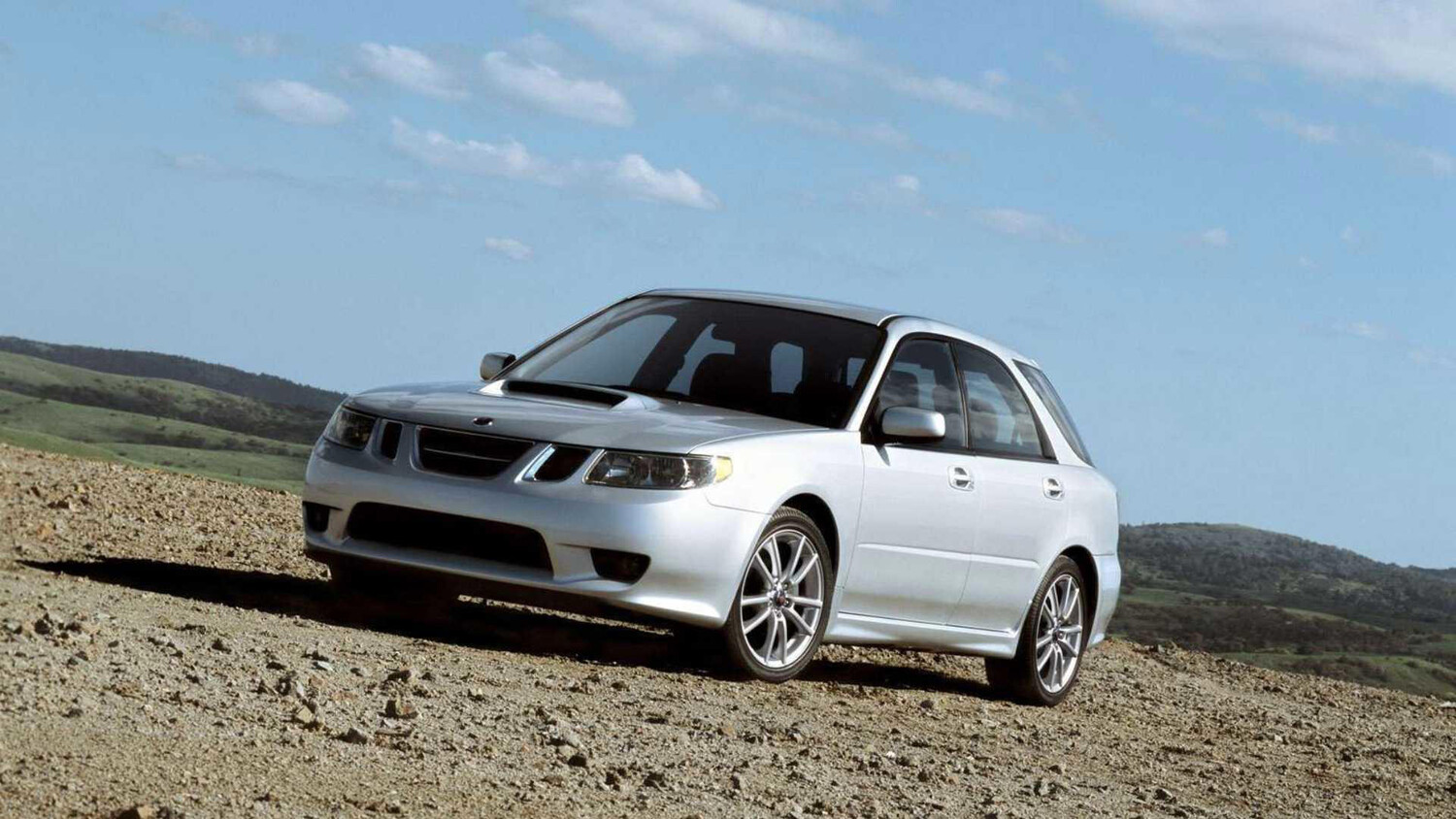
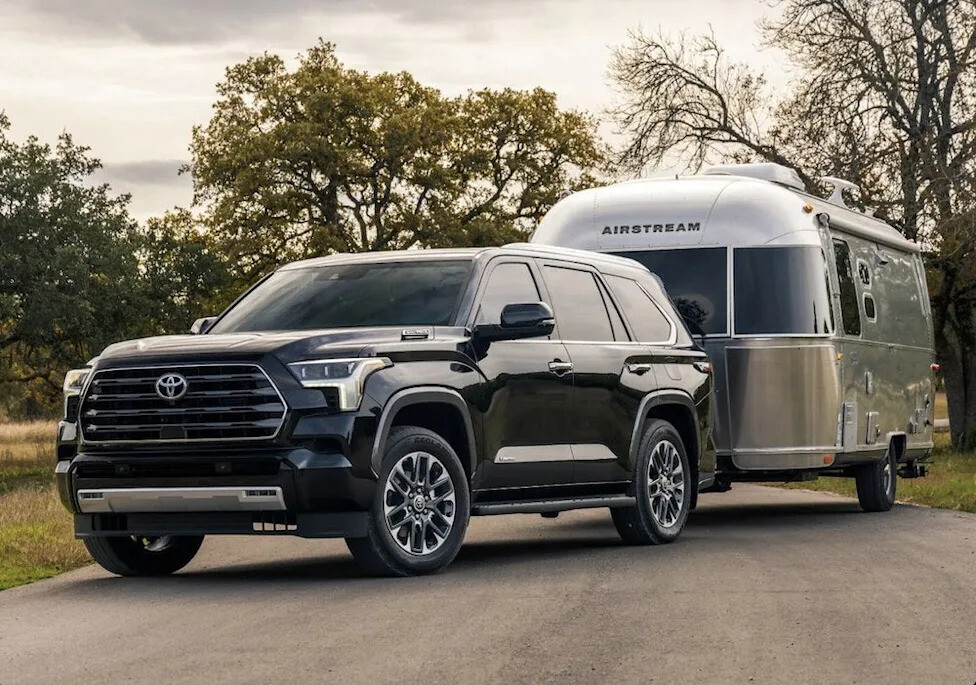
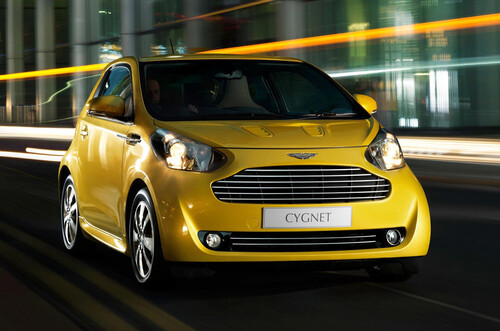
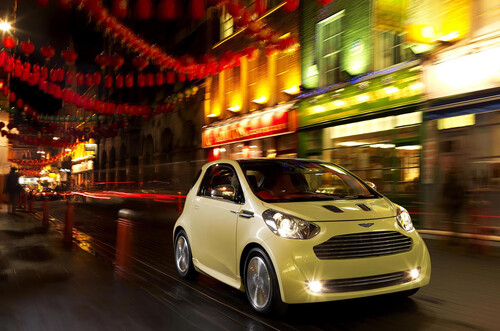
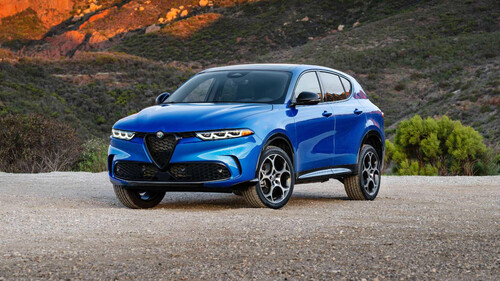
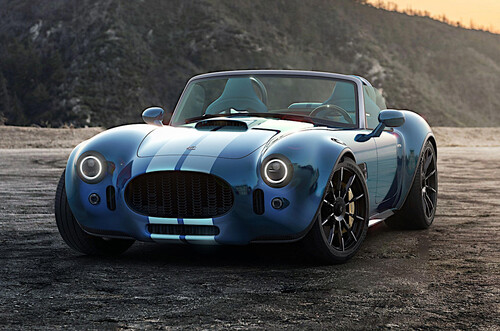
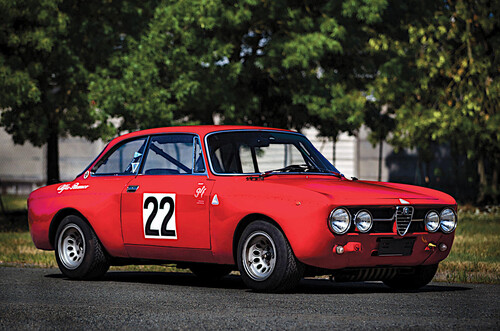
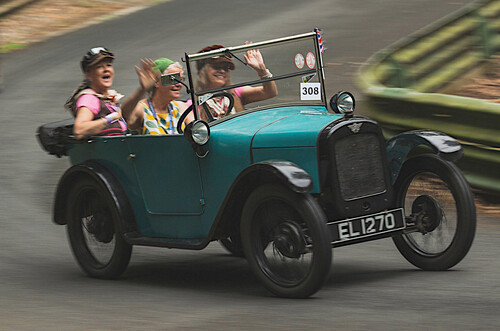
Rebadged cars often get a bad reputation, and there's good reason for that. The idea of taking one model, slightly changing the looks, and throwing on a new badge doesn't inspire much confidence after decades of automakers botching these products. However, with enough trial and error, a company is bound to get the formula right finally. It turns out a few of these cost-cutting endeavors actually created something worthwhile.We know it's hard to believe, but after much deliberation, we've come up with 10 models we consider to be some of the greatest rebadges of all time. They consist of average everyday vehicles turned into Herculean recreations, as well as forbidden fruit brought to the United States thanks to some corporate wizardry. These cars represent high points of automotive identity swapping and prove that sometimes, the suits can get it right.Before we get onto the alphabetically-ordered list, we want to state that we understand that there isn't one universally accepted definition of "rebadging." As such, some of these models may not fit under a person's criteria. However, we believe rebadging can be broad or narrow, and all of these cars fit because they at the very least share body styles and corporate platforms. Disagree? Let us know in the comments. Alfa Romeo TZ3 Stradale Based on: Dodge Viper ACR 2010 Alfa Romeo TZ3 Stradale front three-quarter angleWhen Fiat decided to start taking a stake in Chrysler starting in 2009, it meant the various brands gained access to more platforms, designs, and powertrains than ever before. Alfa Romeo took advantage of the opportunity. Since a brand revival was at hand, the marque looked to the Dodge Viper to underpin its new low-volume supercar. The development took only six months for the brand's designers to overhaul the famed Dodge model, and when the TZ3 Stradale finally debuted, the striking vehicle took the world by storm.Mechanically, it was identical to the ACR-X and shared the same suspension and brake components, too. We know we wouldn't complain about our supercar utilizing a 640-horsepower V10 engine, but it turns out current owners of the nine examples are having a harder time offloading them than you'd expect. Regardless, this gorgeous rebadge still has a special place in our hearts. Aston Martin Cygnet V8 Based on: Toyota iQ 2019 Aston Martin Cygnet V8 front, three-quarterIf you aren't aware, in the early 2010s, Aston Martin decided to rebadge the Toyota iQ (sold as a Scion in the US) compact city car to comply with 2012 EU emissions regulations. Nothing about it made sense for Aston Martin, but if the brand wanted to keep selling its V8 and V12 supercars, it had to get creative. Toyota was happy to take its money. The resulting Cygnet was about as true to a rebadge as one can imagine, with the only changes being to the bodywork and interior.However, the engineers at the company got the last laugh because they soon went to work creating a one-off model that turned the Cygnet into the craziest compact car of all time. The development team shoved the brand's 4.7-liter V8 under the hood, switched the power to the rear wheels, gave it a crazy, widened makeover, and overhauled just about everything else. The Cygnet V8 finally made the compact worthy of the Aston Martin name, but only for one lucky individual. Cadillac XLR Based on: Chevrolet Corvette C6 2006 - 2009 Cadillac XLR-V front 3/4When Cadillac went through its revitalization in the early 2000s, the brand decided it needed a halo car to get buyers excited. The model the company settled on closely resembled the Evoq concept from 1999. The new Arts & Science design language was striking, but the brand needed the right platform to implement this styling on a production vehicle for the first time. The brand settled on the then-new C6 Corvette as the right starting point. With new bodywork, suspension, and interior, and soon, the XLR was born.The resulting vehicle had a hard-top convertible design and used the Cadillac Northstar V8 rather than the Corvette's LS2. The powerplant choice was an issue, though. Many buyers couldn't fathom spending so much more money on a vehicle with, for all intents and purposes, a universally worse powertrain. Even the later, supercharged XLR-V did little to move the needle, but that hasn't stopped us from loving this perfectly imperfect gem. Chevrolet SS Based on: Holden Commodore VF 2014 Chevrolet SS Red Front Angled View 3/4This entrant took a bit of thinking, because if you know your GM history, then you know the Pontiac G8 was the original Holden Commodore rebadge. Despite the brief production run, the model holds a special place in our hearts. We feel the Chevrolet SS did more to spread the joys of GM's Australian division than any other vehicle. This was because it was a beast from the get-go, as the only powertrain available was a naturally aspirated 415-hp 6.2-liter V8 sending its power to the rear wheels through either a six-speed auto or six-speed manual transmission.The looks were strong, yet understated. The interior was pleasant and had room for a small family. Thanks to the magnetic-ride suspension and a host of standard features, it was the perfect car for the driver who needed performance with a little extra space. The SS is a personal favorite of ours, mostly because a sedan like this will never be made again. Dodge Stealth Based on: Mitsubishi 3000GT VR-4 1995 Dodge Stealth R/T front quarterOne of the more interesting rebadges on this list is the Dodge Stealth, a sports car with a Japanese pedigree and one of the coolest names in recent memory. The idea behind the vehicle came about because Chrysler and Mitsubishi had a partnership that helped the Japanese brand sell cars here in the US. This Diamond-Star Motors joint venture saw the creation of a few models, but none were as cool as the Stealth, which was Dodge's version of the 3000GT.This 2+2 sports car was one of the most technologically advanced cars of the 90s, with available adaptive suspension, active aero, 4-wheel steering, and a twin-turbo DOHC V6 powertrain on the top Stealth R/T and 3000GT VR-4 trims. Power would reach 320 hp at the model's peak, helping it outgun some of the greatest cars of the time, but the high price kept this a niche product. Ford Probe GT Based on: Mazda MX-6 GT 1992 Ford Probe White front 3/4One of the biggest blunders in automotive history was Ford's attempt to follow up the famed Mustang with the sports car that would eventually become the Probe. The design wasn't the problem, because buyers and journalists eventually came to like it. What they couldn't get past was the rest, namely that it was built on the Mazda MX-6, which meant the Probe was front-wheel drive and offered, at best, V6 power.Fortunately, the press found out before it debuted, and a concerted effort by fans saw Ford reconsider. The Blue Oval wasn't about to throw out all the hard work, however. The resulting model lasted two generations and proved to be a fun and engaging FWD sports car. It even looked rather sharp, too, by the time the second generation came around. We can't blame Ford for axing it with a name like that, though. Maserati MC12 Based on: Ferrari Enzo 3 Maser newWe admit calling the Maserati MC12 a rebadge is a bit of a stretch, but for our purposes, we are including it on this list. Back in 1999, Ferrari took over Maserati and planned to make it a volume sub-brand of sorts. While this turned out to be a lackluster love story in the end, the partnership spawned the MC12 in 2004, when Maserati decided the best way to show the world it was back in the saddle was to go racing.The automaker decided to enter the FIA GT Championship and based its race car on the Ferrari Enzo. The MC12 underwent an extensive reworking of nearly every piece, resulting in slightly less power. The rules required the company to build 25 of them to homologate the car. Maserati dominated the series and later decided to make another 25 examples. Today, the model has a reputation as one of the most incredible cars of the 21st century. Even if the MC12 didn't have the performance of the Enzo, we love it just the same. Merkur XR4Ti Based on: Ford Sierra XR4i 1987 merkur xr4ti front red 3/4The Merkur XR4Ti is one of the most obscure models ever sold by a mainstream US company. The concept behind the Merkur brand wasn't a terrible one. Ford thought it could rebadge its European models and sell them to Americans for less than the premium German brands, and it conjured up the Merkur brand as a posh, foreign brand for the task.The Merkur XR4Ti was a rebadged version of the Ford Sierra XR4i. While many of the models on this list had the same, or even worse, performance, the XR4Ti was an exception. Ford felt the performance of the V6 European model wasn't enough, so it installed the turbocharged four-cylinder out of the Mustang SVO. However, improved performance couldn't save the bizarre styling and lack of brand awareness, which is too bad, because the car is so weird, we can't help but like it. Mercury Marauder Based on: Ford Crown Victoria LX Sport 2003 Mercury Marauder Brochure Image front 3/4 drivingAh, the Panther platform. One of Ford's greatest creations underpinned taxis, limos, and police cars for the better part of three decades. Across the many versions from the automaker's stable of brands, the greatest "rebadge" had to be the Mercury Marauder. This muscle sports sedan was one of two Panther body products available under the Mercury brand at the time, and they both followed in the footsteps of the Ford LTD and the later LTD Crown Victoria.However, the Marauder had no real counterpart to the Ford or Lincoln brands. It featured a more aggressive appearance, stiffer suspension, and a more potent version of its Modular V8 engine. It essentially featured all the Crown Victoria police car's upgrades in a dark and daring package. If you can't get behind that, you need to rethink your interests. Saab 9-2x Aero Based on: Subaru Impreza WRX (2005) 2005 Saab 9-2X front 3/4When we first conceived of this list, we knew we wanted to include a Saab model under GM ownership. The General misused the Swedish brand in the last few years of its life. Several of the final Saabs were rebadged vehicles, such as the 9-7X, sharing underpinnings with the Chevrolet Trailblazer. However, we chose the 9-2x Aero because it combined two brands we could never have otherwise envisioned joining forces, and the result was fantastic.Since GM owned Saab and had a stake in Subaru, it decided to give Saab the Impreza to work with. Saab went about turning the hatchback into a much more refined and luxurious vehicle. Reviews of the time said the boxer engine was the perfect match for Saab's image. The Aero was the best because it was essentially a Saab WRX, making it one of the coolest mashups of all time. We don't know about you, but we also think it looks rather fantastic.