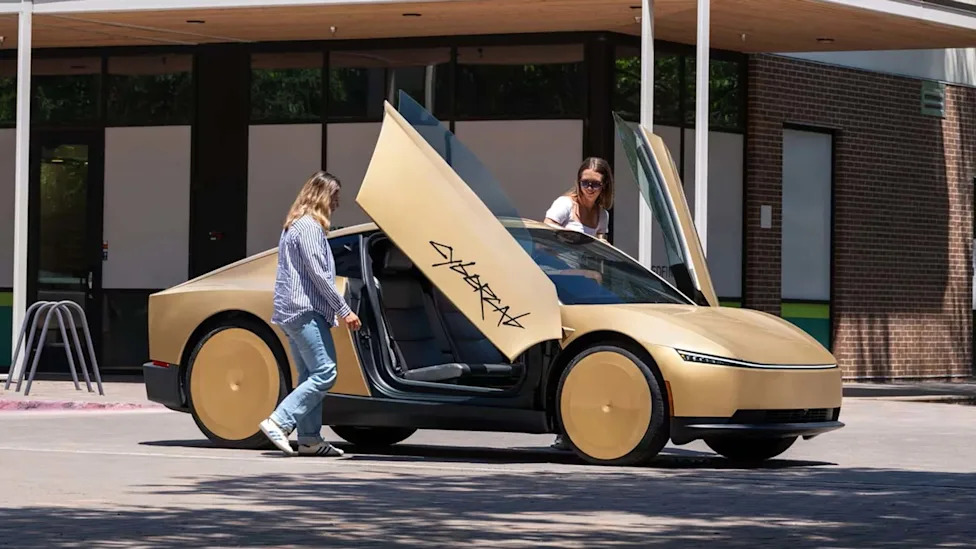
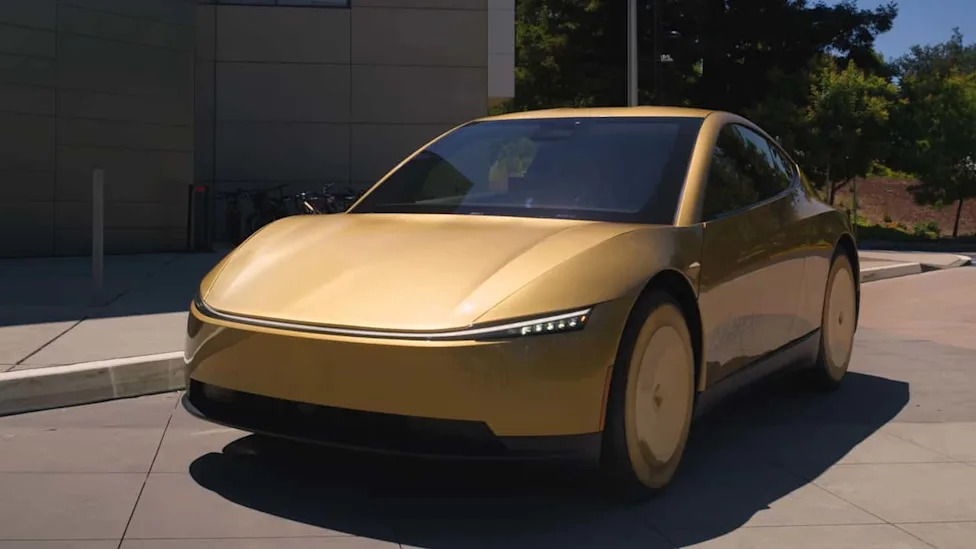
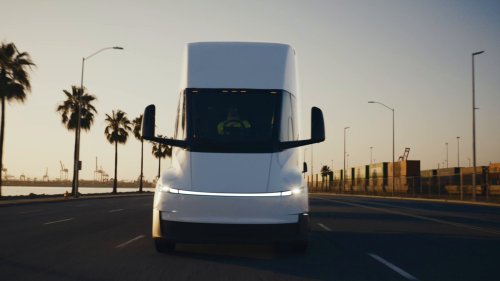
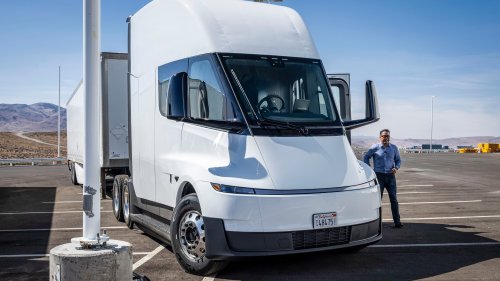
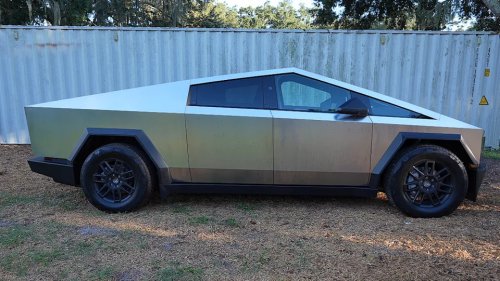
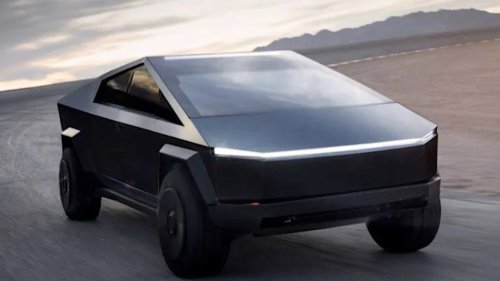
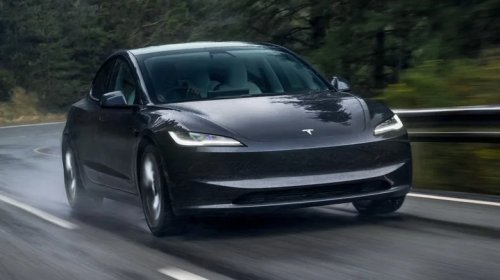
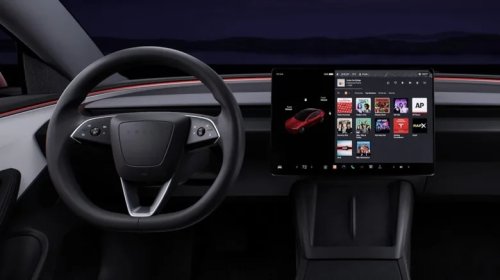
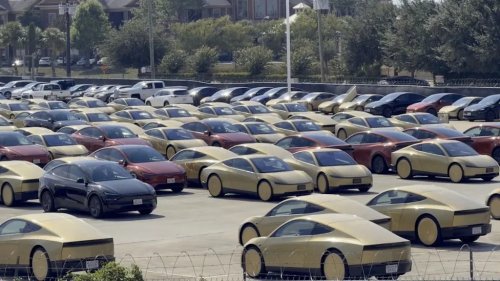
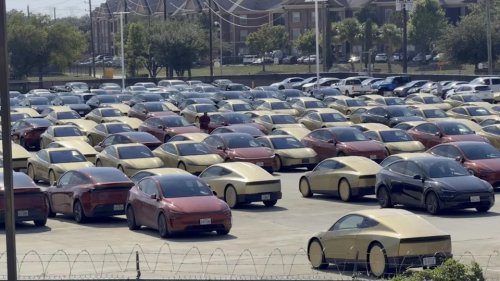
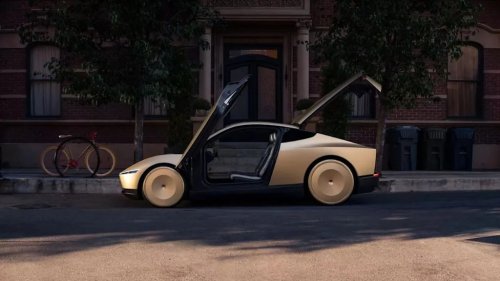
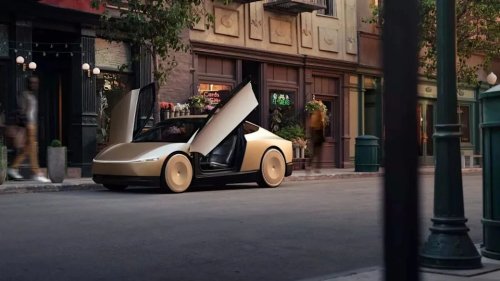
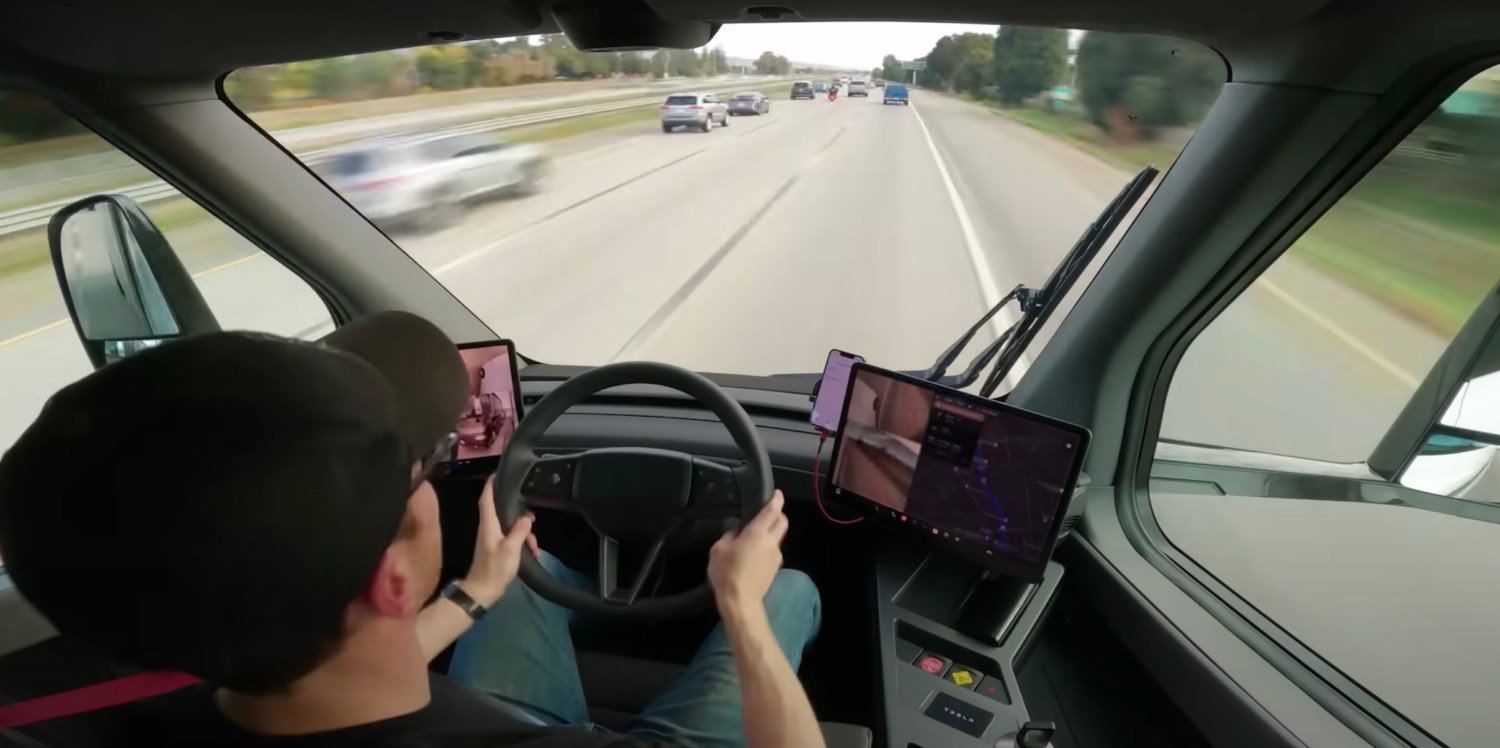
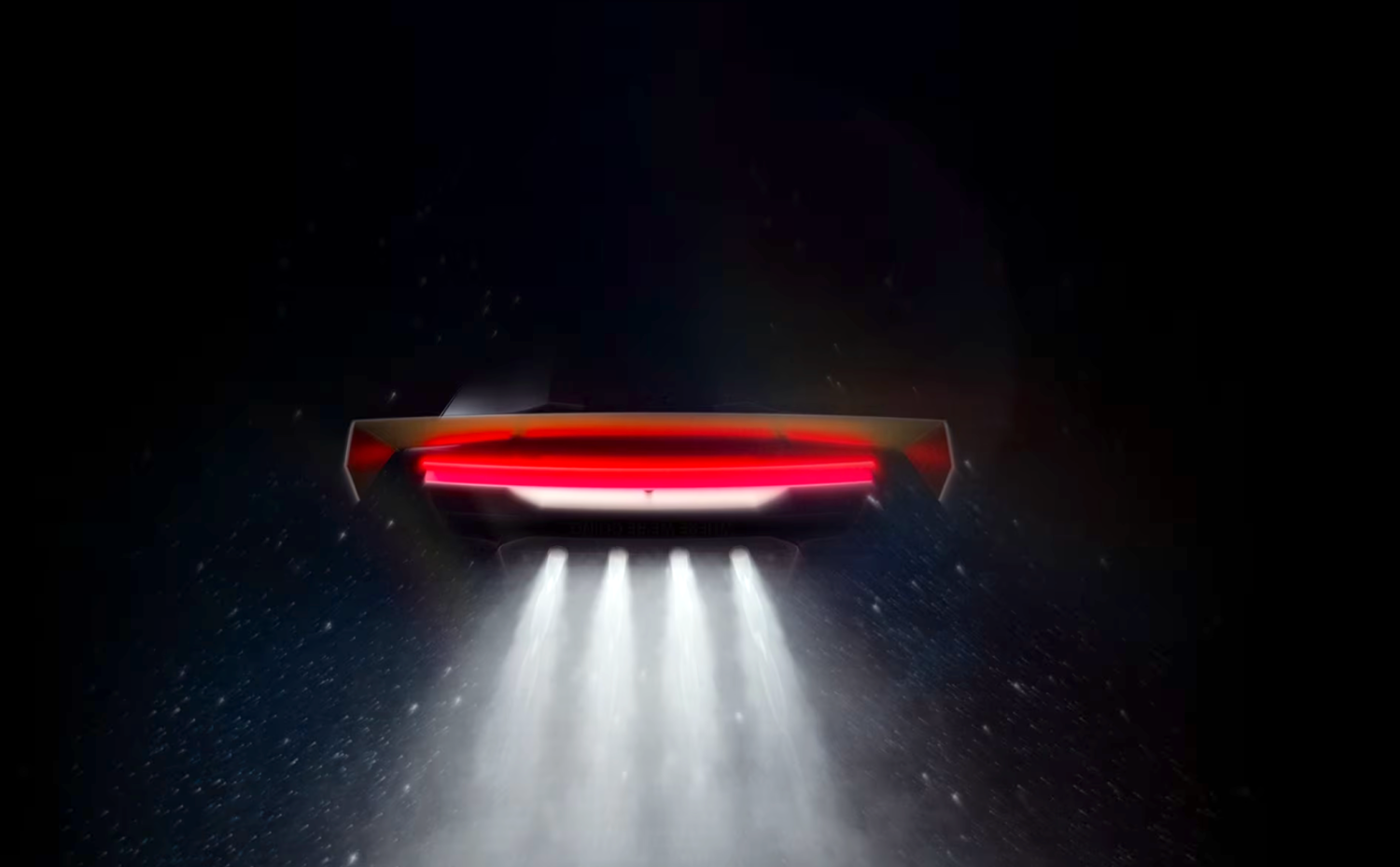
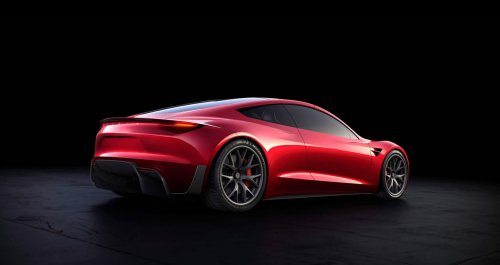
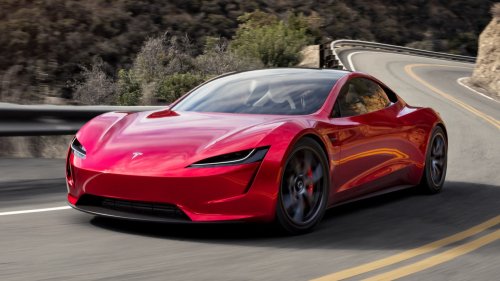
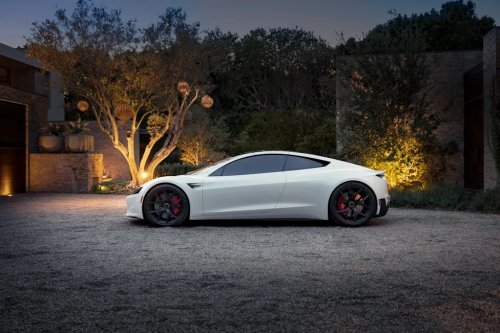
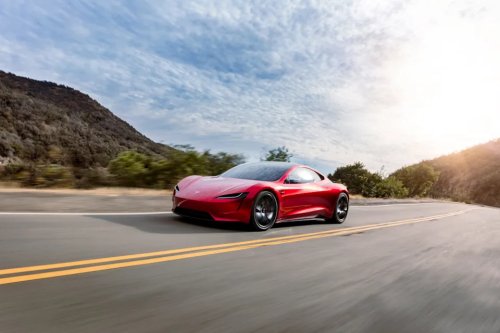
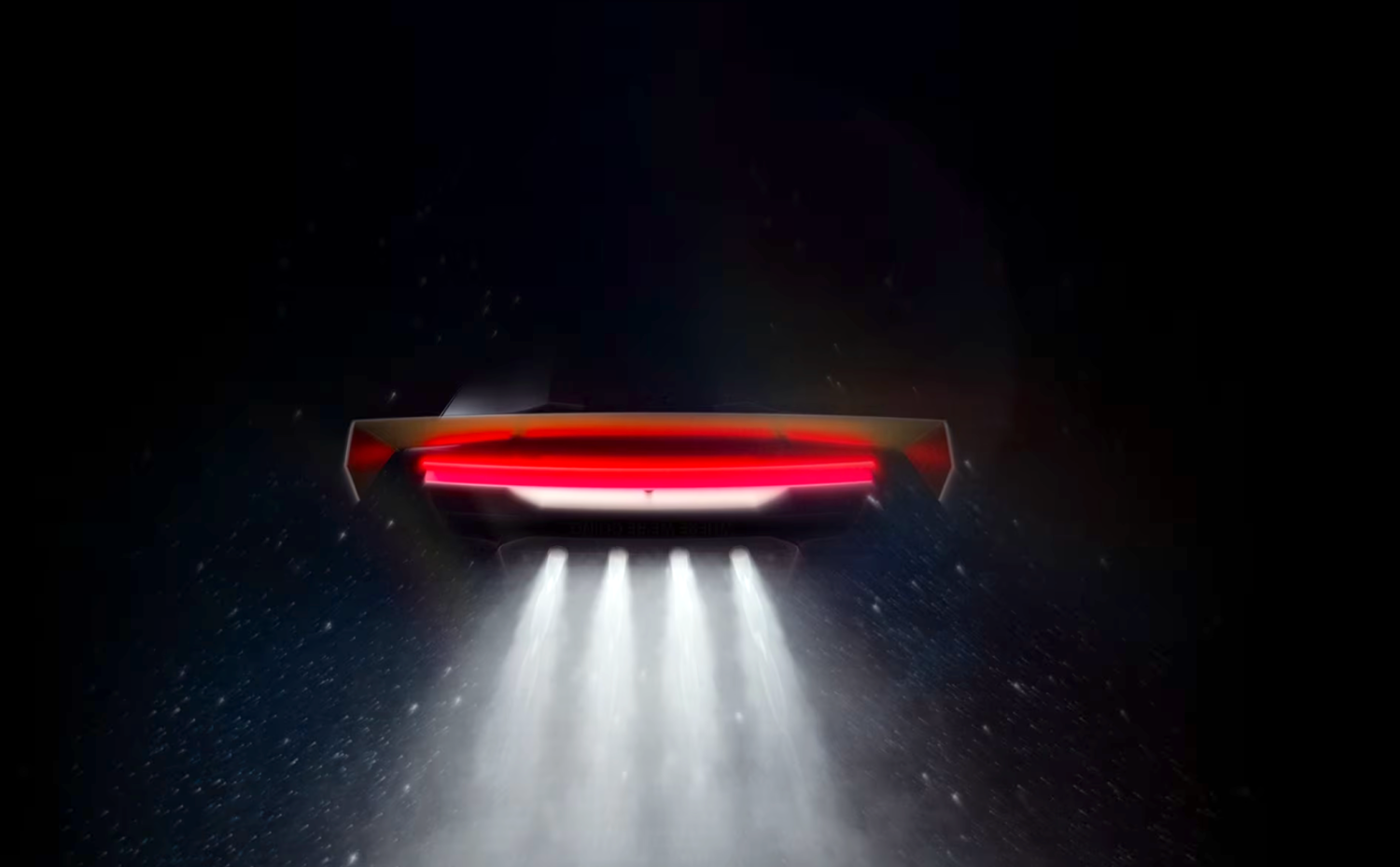
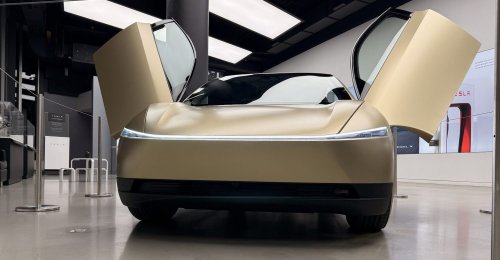
Tesla Cybercab RobotaxiIt's been hours since Tesla officially launched the Cybercab and the Feds are already putting it under a microscope.Tesla's Cybercab launched on Thursday evening.The NHTSA has already launched an investigation into the car, which lacks a steering wheel, brake pedal, and side mirrors.It launched a similar investigation into Zoox over the same self-certification process of its robotaxis previously.On Thursday, Tesla launched the much-hyped Cybercab to the streets of Austin, Texas. It was a gleeful moment for Tesla's biggest fans, some of whom attended a private event marking the occasion. But the party may be short-lived. The U.S. is already investigating how Tesla put the golden two-seater, which doesn't have a steering wheel or brake pedals, on the road. The National Highway Traffic Safety Administration said on Friday that Tesla self-certified that the Cybercab meets Federal Motor Vehicle Safety Standards (FMVSS). Now NHTSA is probing how exactly Tesla did that. AdvertisementAdvertisementNHTSA said it is opening an audit query "to examine the process and technical data on which Tesla relied when certifying the Cybercab and related issues. Among other things, NHTSA will consider the extent to which Tesla's certification depended on determinations that certain FMVSS are inapplicable to the Cybercab."Tesla Cybercab RobotaxiThe issue that NHTSA has with the Cybercab is that it lacks, well, all physical controls. There's no steering wheel, no pedals, and no side mirrors in case something goes wrong with the car's onboard cameras. Tesla considers this to be a bragging right, but the feds see it as a potential issue, since these features are typically required in motor vehicles. "In the U.S., NHTSA establishes clear vehicle performance requirements. In order for automakers to access the U.S. market, they must certify that their vehicles meet these standards – subject to oversight from the agency to confirm compliance," the agency said in a press release. "When certified vehicles appear to not adhere to these requirements, NHTSA conducts an investigation."Under the Biden administration, NHTSA also opened a similar probe into Amazon-owned Zoox after it self-certified its own driverless cars in a similar fashion. The agency ultimately closed the investigation in 2025, then allowed Zoox an exemption for testing purposes. In July, the agency granted Zoox another exemption from FMVSS to commercially deploy its autonomous pods. It's possible that the Tesla situation will be resolved in a similar manner. AdvertisementAdvertisementNHTSA has begun reworking its rules to make it easier to deploy autonomous vehicles. It is working on rules that would ease the restrictions on these types of rollouts by revising how things like brake pedals, mirrors, and lighting are regulated. But NHTSA's message here is clear: The rules are the rules until they're changed. "NHTSA fully supports the safe development and deployment of automated vehicles. But as the federal regulator, we need to ensure that all of our laws are followed," NHTSA Administrator Jonathan Morrison said in a statement. "Our approach of balancing innovation with safety oversight will allow the United States to maintain its global leadership in AV innovation."More Tesla Cybercab NewsWatch Tesla's Cybercab Carry Passengers Through Austin. It's Almost BoringThe Tesla Cybercab Has No Brake Lines Or Brake Fluid. Here's How It StopsTesla's Cybercab Is Finally Giving Paid Robotaxi Rides. Here's What It Can And Can't DoTesla's Cybercab Launch Is Next Week. Here's What Tesla Still Needs To Prove