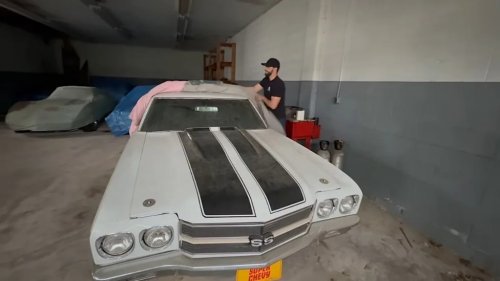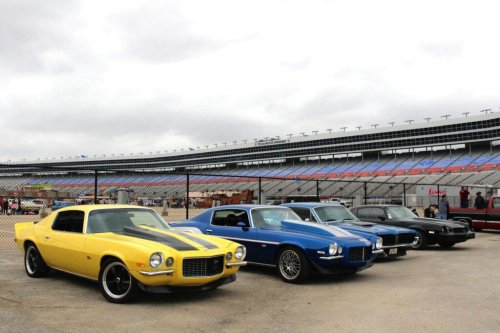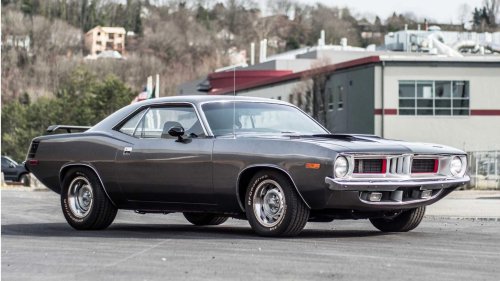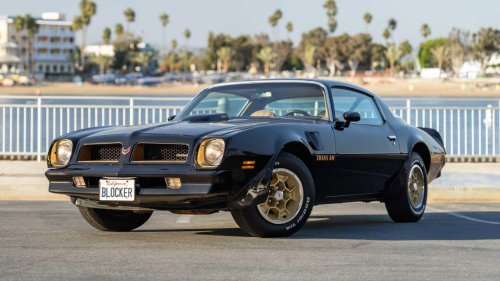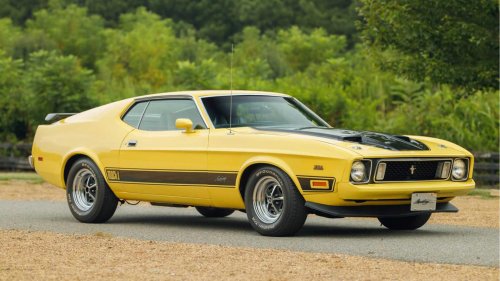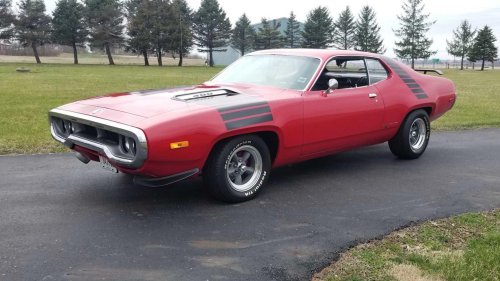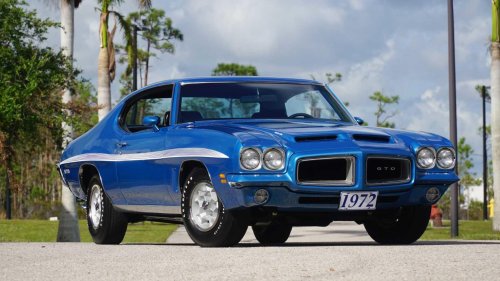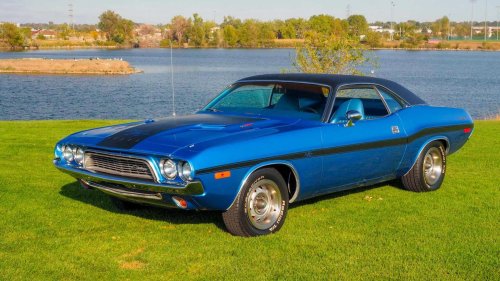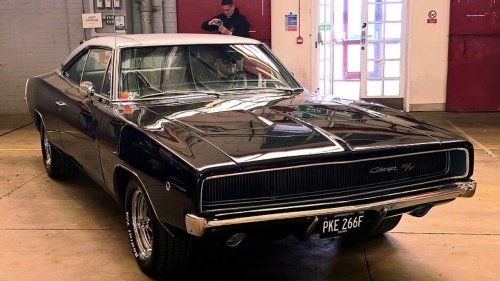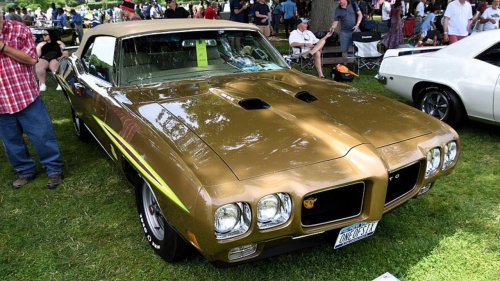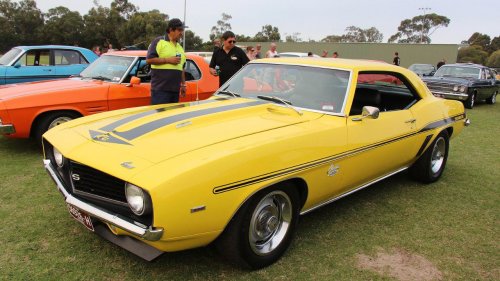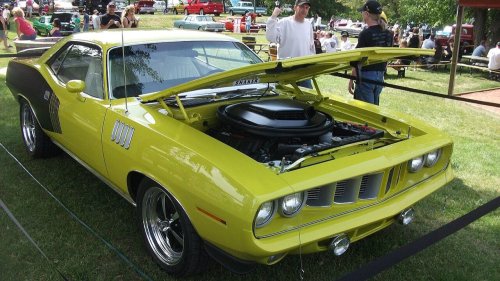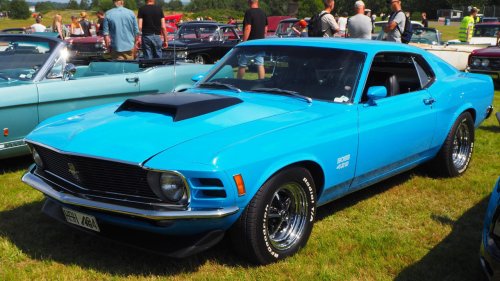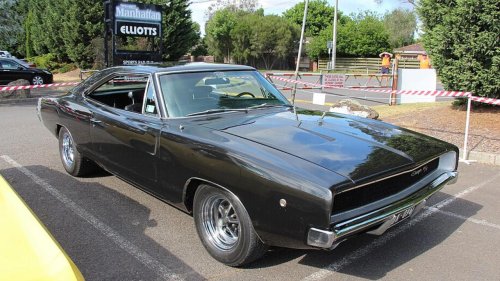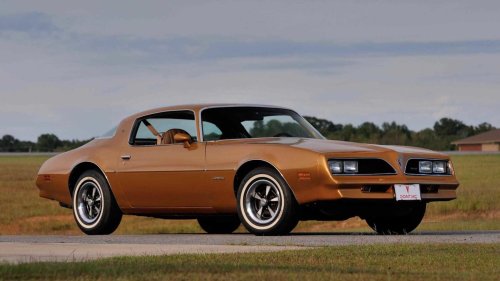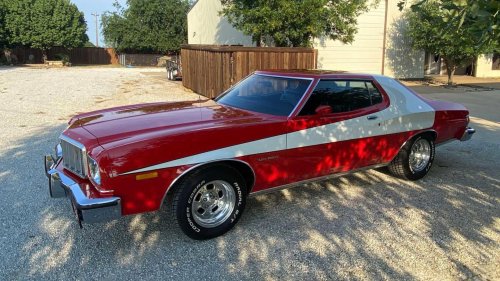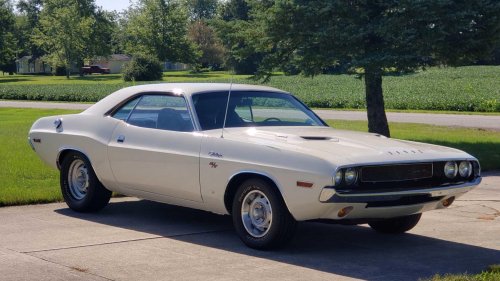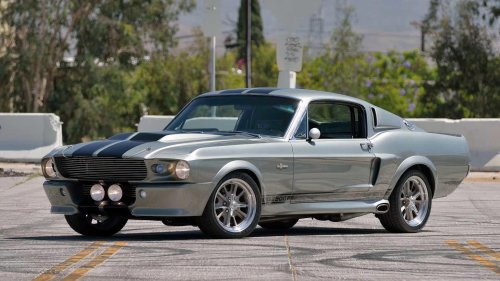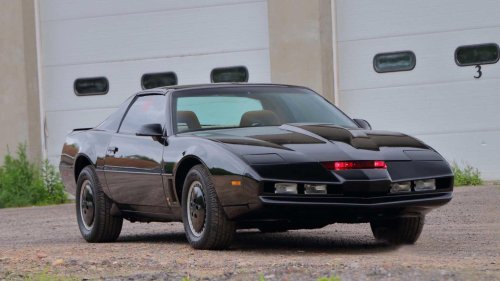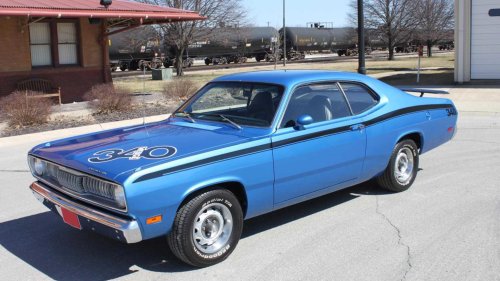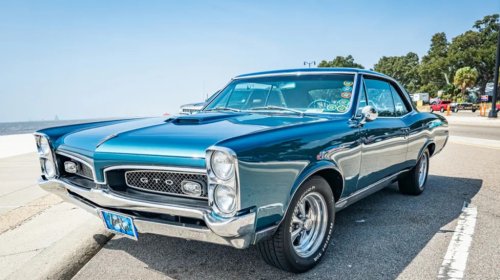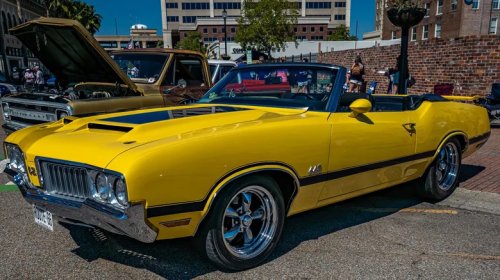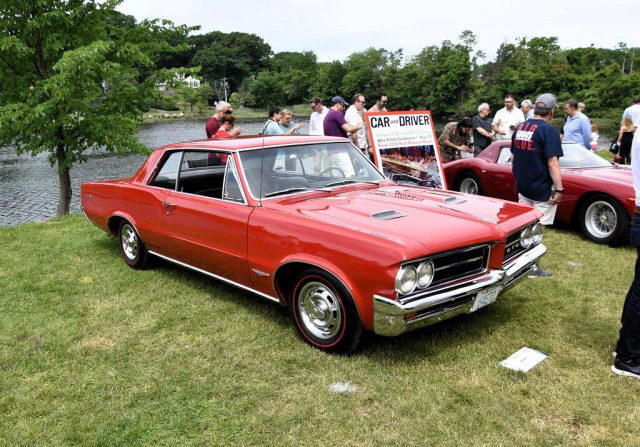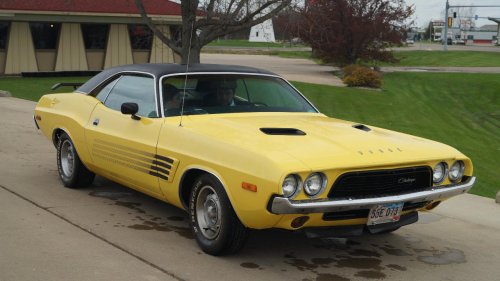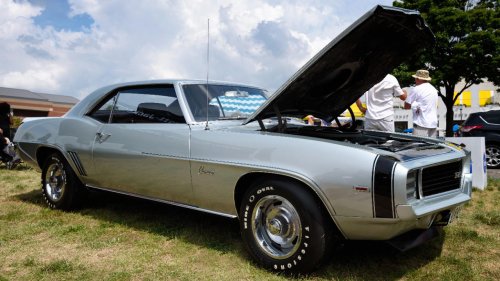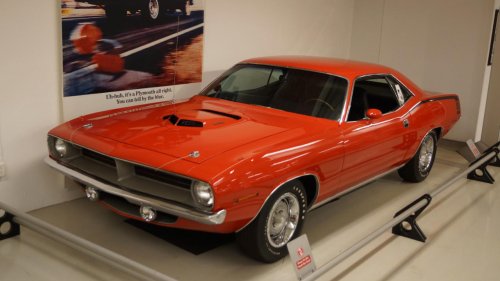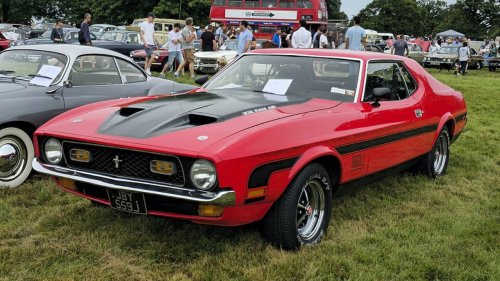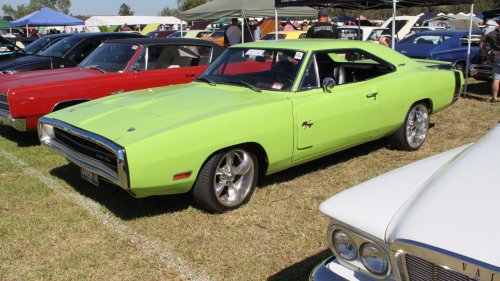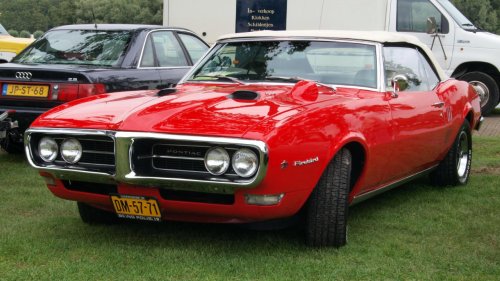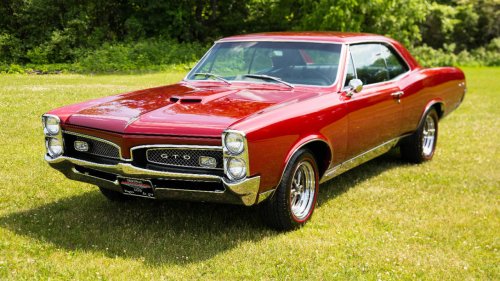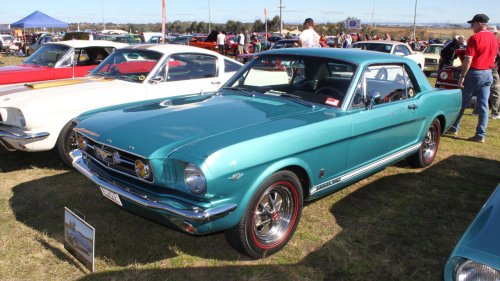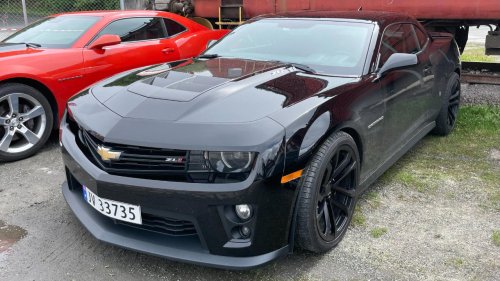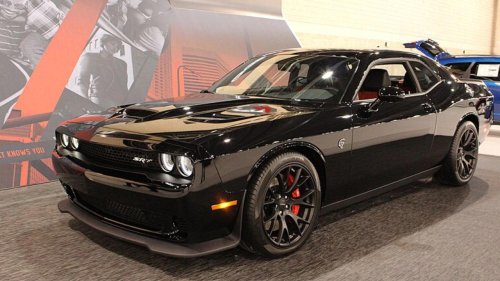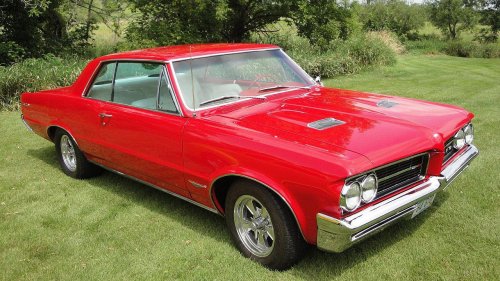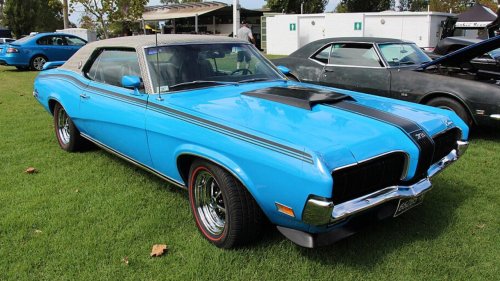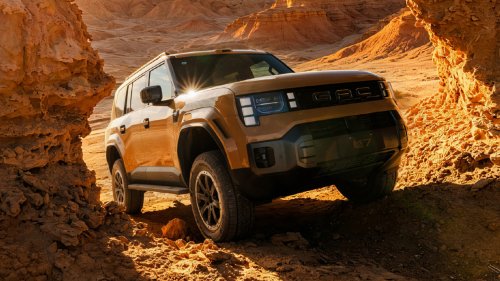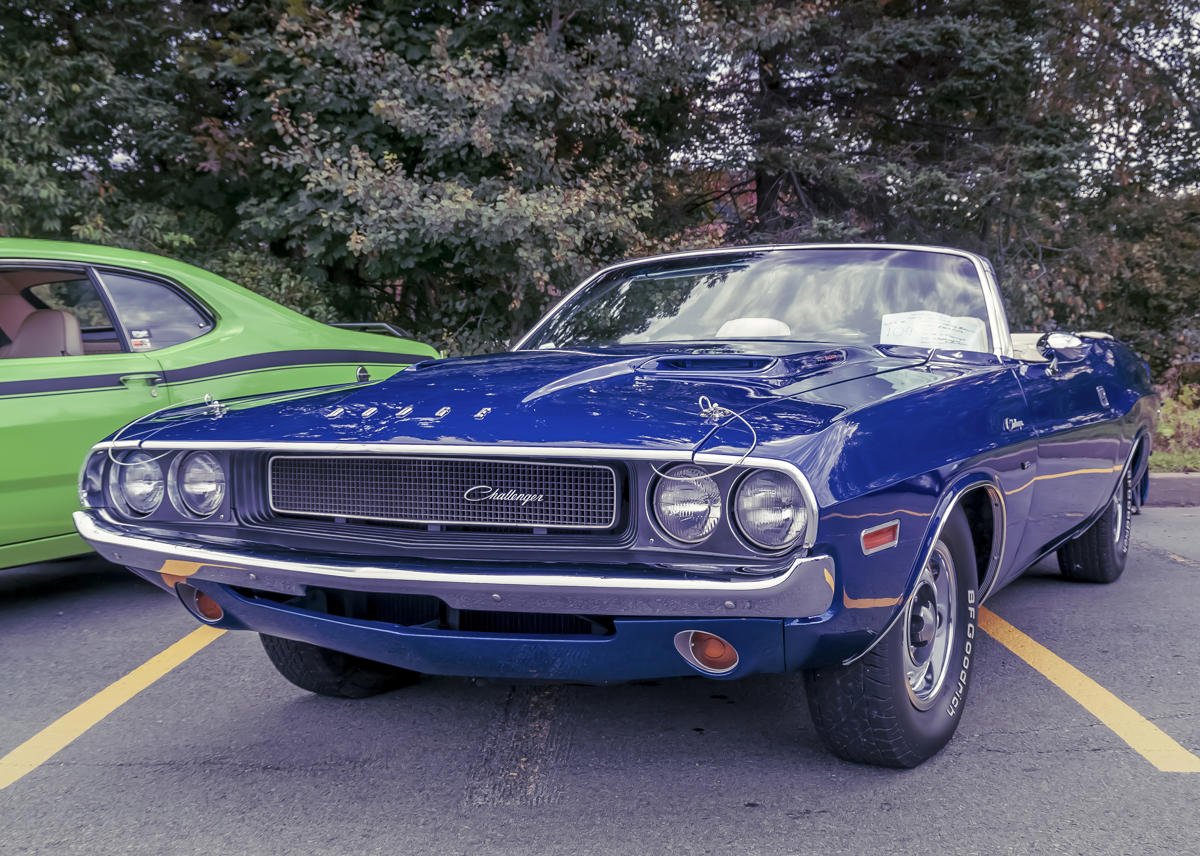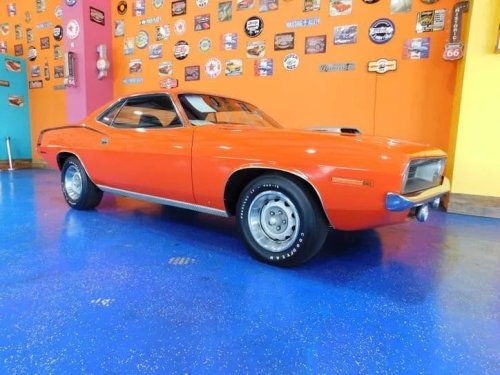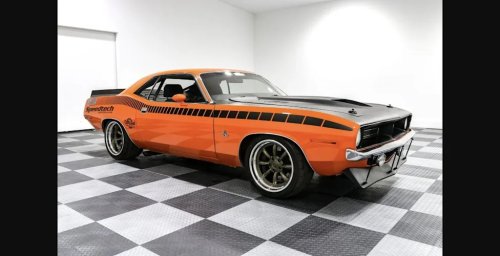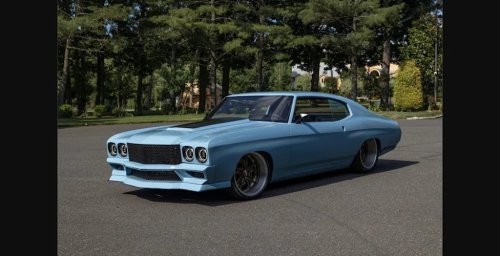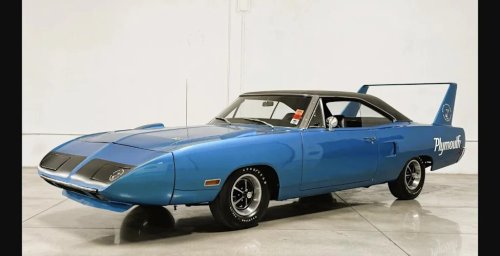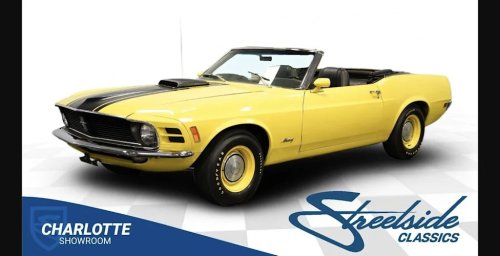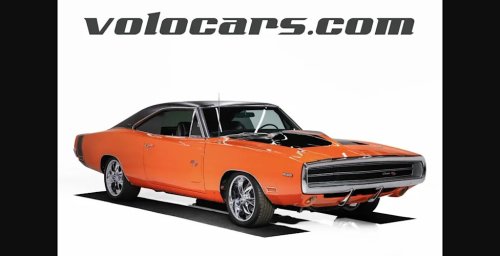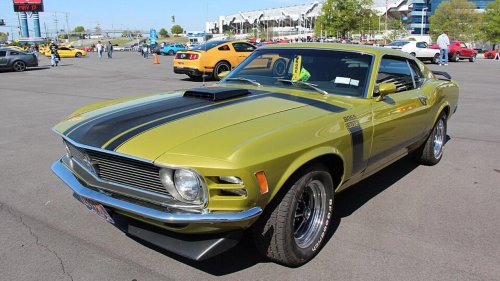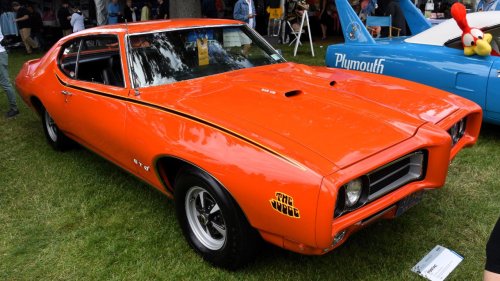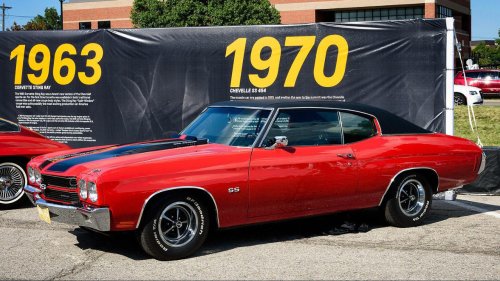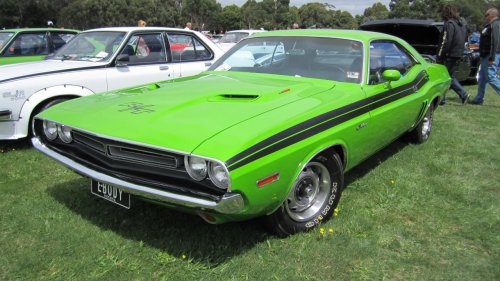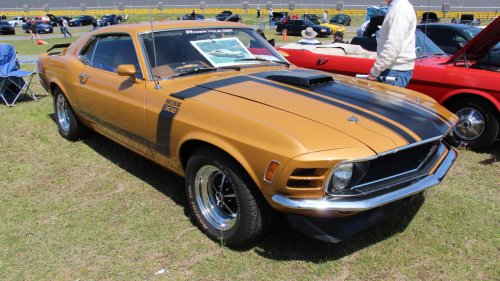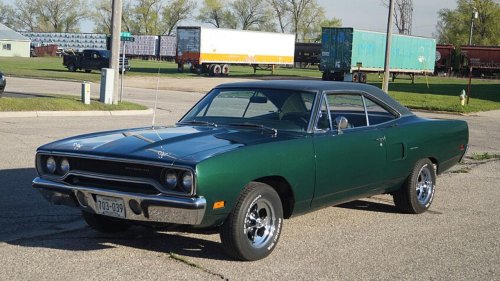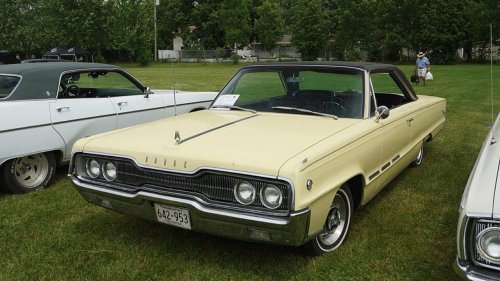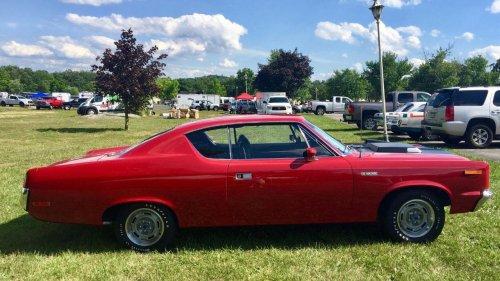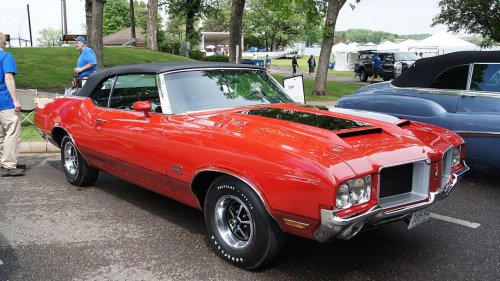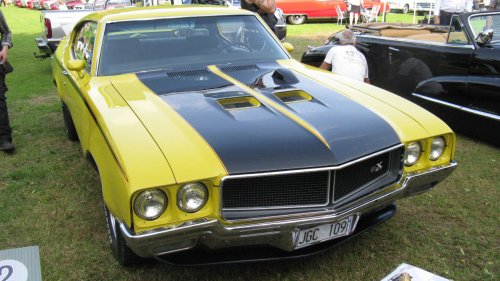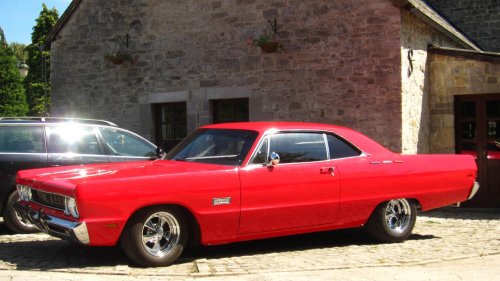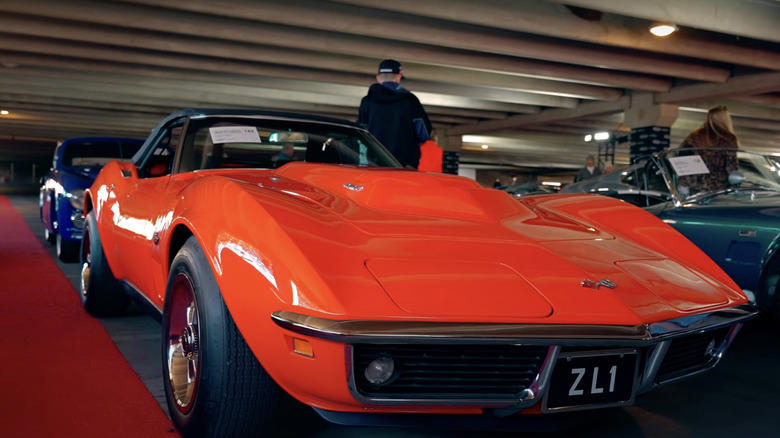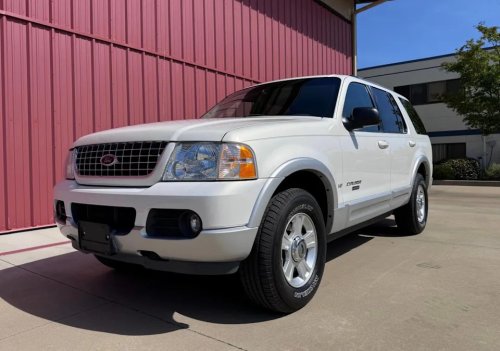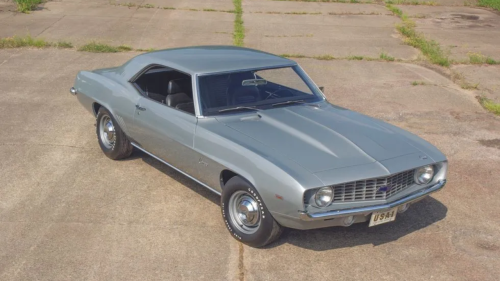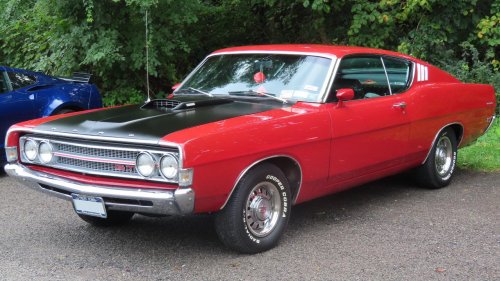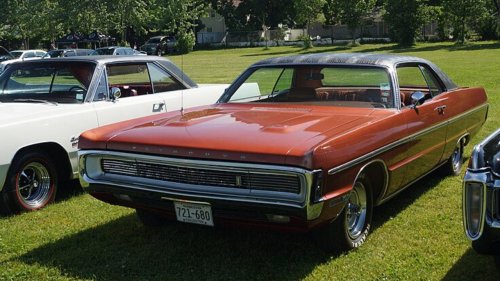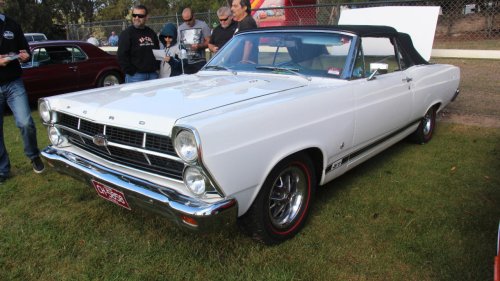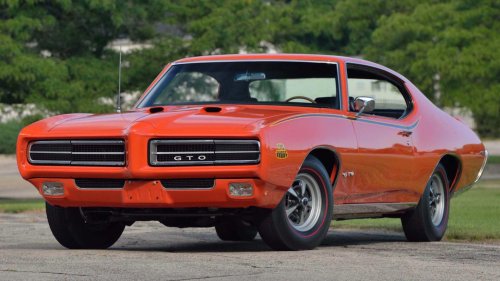
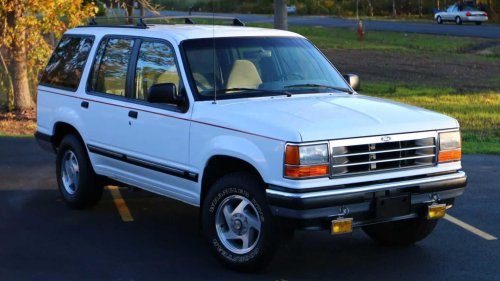
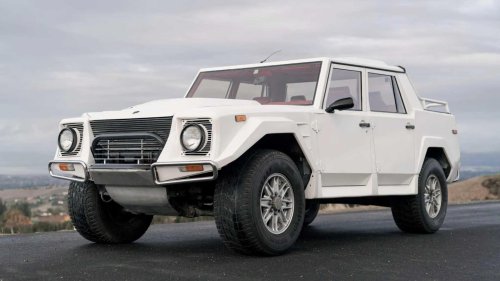
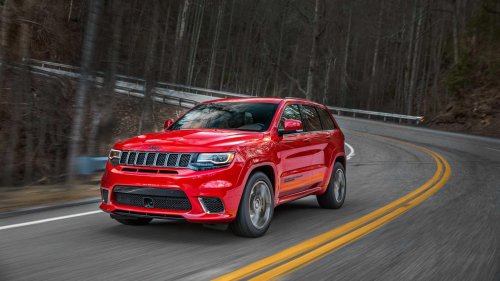
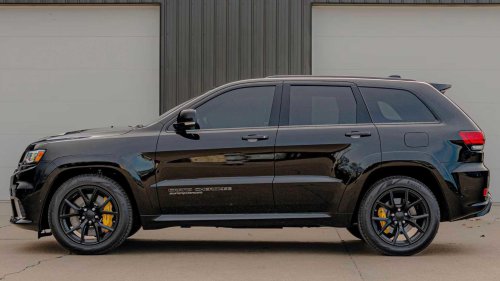
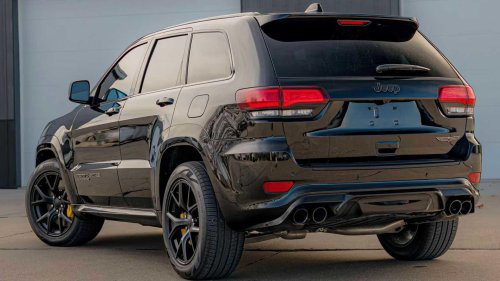
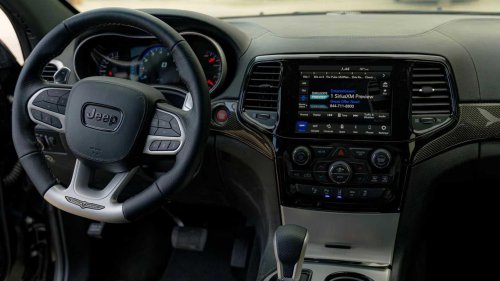



















Muscle cars had a tight grip on the US automotive public. They were cool, fast, and powerful. But things went awry, and the lumbering behemoth SUVs stole their place on the roads. And while the SUV took the place of many traditional family cars, there was one that went straight for that muscle car market giving people everything they could want and more. The wildest part? It was a Jeep. Muscle Cars Ruled The Streets Mecum While 41% of car owners might own an SUV today, that wasn’t always the case. Back in the muscle car golden age of the late 1960s-early 1970s, Detroit Power was the one to have, as they were fast, accessible, and culturally important. They were plentiful, too, as manufacturers jumped on the trend to battle it out for muscle car supremacy.There was the Pontiac GTO, Ford Mustang Boss 302, Chevrolet Chevelle, Dodge Charger, Plymouth Barracuda, and even more that readily showed their muscle on both the streets and screen, making American-made cars cool and instilling a sense of patriotism in their owners. And while these performed well for a time, their place on the road started to dwindle by the mid-1970s, as the oil crisis, emissions laws, and insurance premiums made muscle cars a much less attractive prospect.They wouldn’t die off completely, of course, but pony cars and imports would take their place in the zeitgeist. SUVs existed but, through the 1980s, they were seen more as dedicated off-roaders than a viable family car. Something big and safe in which to ferry the children around and still have room for strollers and bikes. That would soon change though. The World Wasn’t Ready For A Performance SUV… Yet Bring a TrailerThe Ford Explorer hit the market in 1991 and almost single-handedly created the family SUV segment, offering room, power, luxury, and a perceived increase in safety and security. From there spawned others, and the sector picked up speed.But while improvements came in the SUV genre, there were still surprisingly few performance SUVs. Perhaps out of a faint hope from the auto industry that SUVs wouldn’t become as ubiquitous as they eventually would, or because they were too expensive to build, nobody really dared make them too exciting.That’s not to say that none existed. Lamborghini, a bastion of incredibly powerful sportscars, actually made a performance SUV in 1986 with the Lamborghini LM002, a 5.2-liter V12-engined off-roader that towered over the rest of the stable’s cars and was produced sparingly. 1992 saw the GMC Typhoon, which was a V6-powered SUV also sold in smaller numbers, not quite hitting 5,000 units.Bring a Trailer Porsche made more considerable inroads into the performance SUV niche with the Cayenne in 2002. The SUV became a massive success, and helped to save Porsche from ruin. But while it did numbers, it was still a Porsche at the end of the day — not exactly a hard sell. But while Porsche had shown that there was a market, nobody else had really tested it. Pushed the limits of it. Taking it further than it realistically should have gone. Until Jeep released something ground-breaking in 2018. The Jeep Trackhawk Shakes The Market JeepBy 2018, the SUV genre had exploded. They were so popular, in fact, that Ford decided to stop selling traditional sedans in North America that year, instead focusing on SUVs, trucks, crossovers, and the Mustang. And with the popularity increase came power increases, too. The 2018 Porsche Cayenne Turbo made 550 horsepower, while the 2018 Jeep Grand Cherokee SRT made 475 hp. The thing is, that wasn’t the most powerful Jeep Grand Cherokee on the market that year.Jeep also released the Grand Cherokee Trackhawk, a 707 hp, 645 lb-ft V8-engined SUV capable of 0–60 in 3.5 seconds, a quarter-mile in 11.6 seconds, and a top speed of 180 mph. The engine was the same as you’d find in the Dodge Challenger SRT Hellcat, itself a viscerally-quick machine.The Trackhawk understandably became both the most powerful and quickest SUV ever on launch, beating the Porsche Cayenne Turbo by over 150 horsepower. Not only did it beat the performance SUV benchmark, though, it was more powerful than the hotly-anticipated 2018 Lamborghini Urus (the first “Super SUV”) by around 60 horsepower. It was a powerful message. Jeep wasn’t just a rugged off-roader. It was an extreme vehicle maker, in every sense of the word.MecumNot only did it have power, but it reviewed incredibly well. Here was an SUV with supercar performance, Brembo brakes, Bilstein suspension, a supercharged engine, and all-wheel-drive. It made around 250 more horsepower than that year’s Mustang GT, and even more than the Camaro ZL1.Of course, being an SUV, it was heavy. It weighed significantly more than a muscle car of the time (the Mustang GT weighed 3,705 pounds while the Trackhawk broke the scales at 5,363 lbs). It also cost far, far more (the Mustang GT was $35,190 new compared to $85,900 for the Trackhawk). And while muscle cars aren’t exactly known for their fuel efficiency, the Trackhawk practically drank gas at an EPA-rated 13 combined MPG. But it didn’t matter. The Trackhawk wasn’t meant to be practical, it was meant to be a mental halo car. And it absolutely achieved it. Why Buyers Started Switching Camps MecumThe Trackhawk wasn’t a replacement for a muscle car. If people wanted an incredibly powerful muscle car, they could just buy the Challenger SRT Hellcat that the Trackhawk’s engine came out of and get slightly better performance. In fact, almost everything performance-wise was worse on the Trackhawk than it would have been on a comparable muscle car. It was heavier, less aerodynamic, more expensive, had worse fuel economy, and wasn’t as fun on twisty roads. But people still bought it.That’s because the Trackhawk offered something that muscle cars didn’t. The increased cabin space that the Ford Explorer exploited in the 1990s was the same here, while the all-wheel-drive meant it could be used year-round. It was a sleeper, too, looking like a plain old family car until the driver put their foot down.The Trackhawk essentially offered two cars in one. You didn’t have to buy a boring SUV and then convince the wife to let you have a muscle car as well. You could just buy what was basically a muscle SUV and make both of you happy. Three Years Changed Performance Forever MecumJeep decided that the Trackhawk had its fun by 2021 and, with emissions and fuel economy rules tightening and parent company Stellantis’ move towards electrification, put the SUV’s 707 horses to pasture. It had more than proved its point, putting a performance SUV front and center, and paving the way for more to come.Though dearly departed, the Trackhawk still has a cult following. This following has helped it to retain a solid market value, with the car selling for around $82,000 on average today. Not bad considering it retailed for $85,900 eight years ago. So while the hawk may have flown the nest, its legacy lives on. More powerful than a muscle car, more practical than a muscle car. Perhaps the only SUV that a car person can truly enjoy.