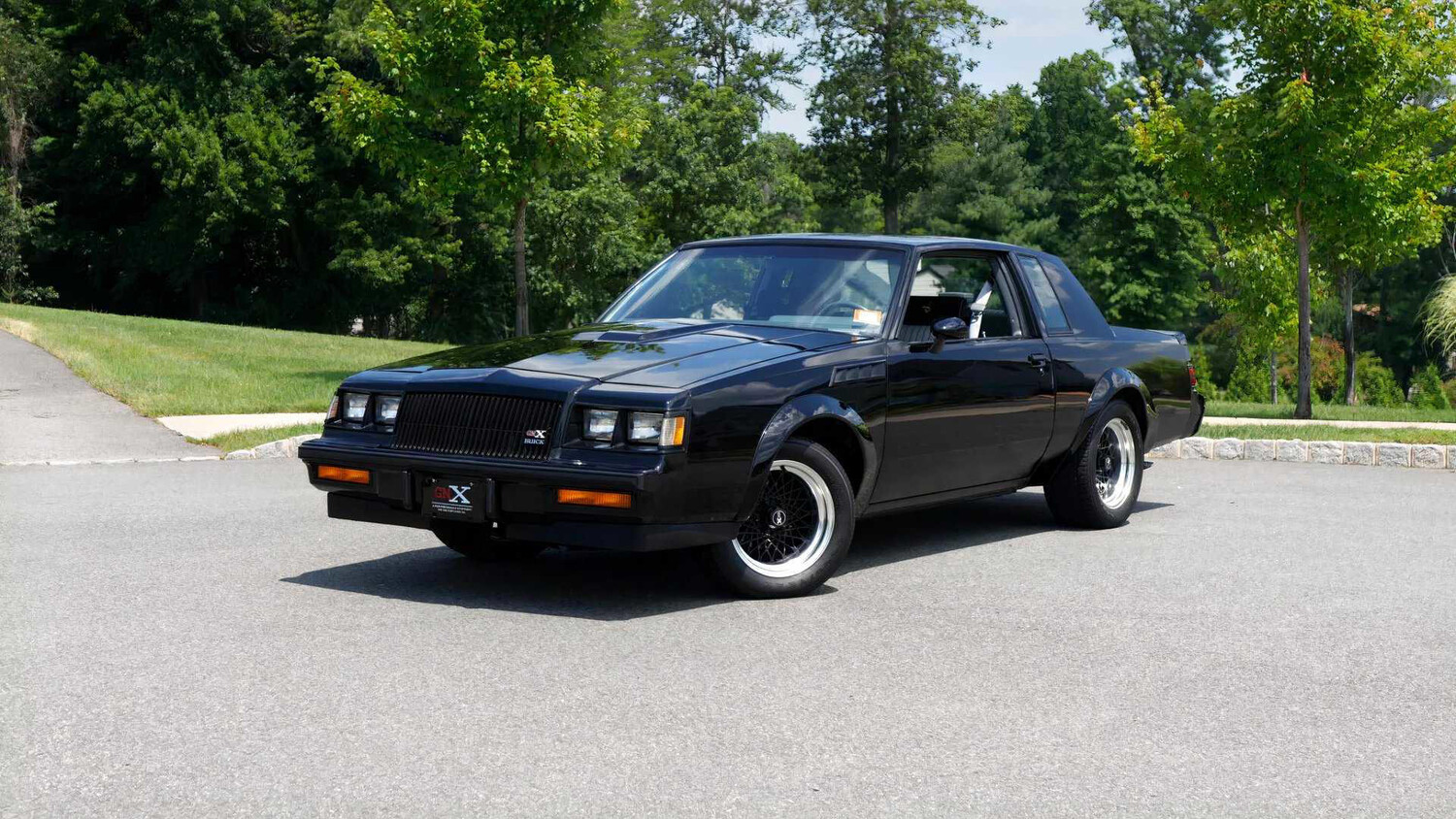
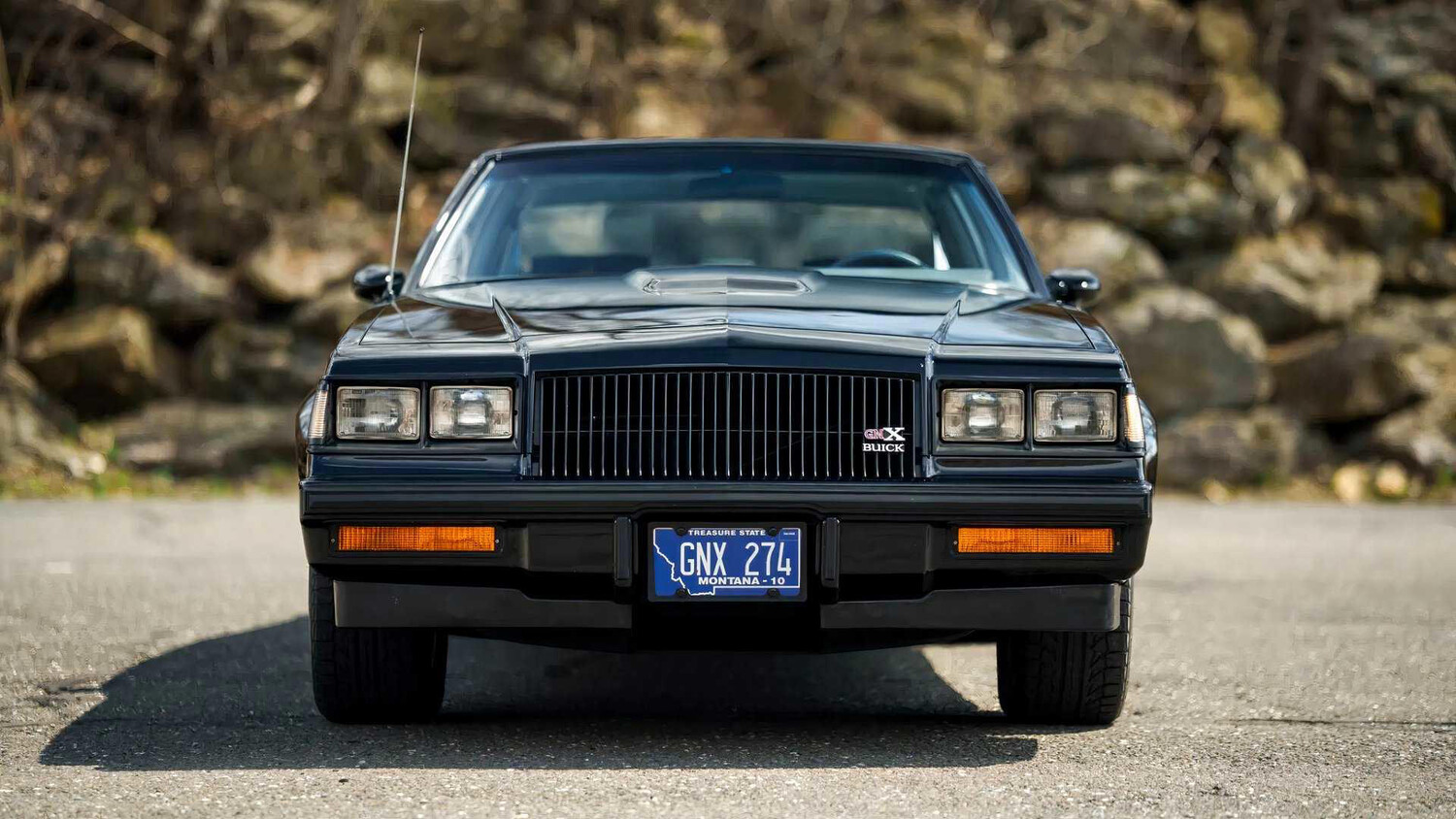
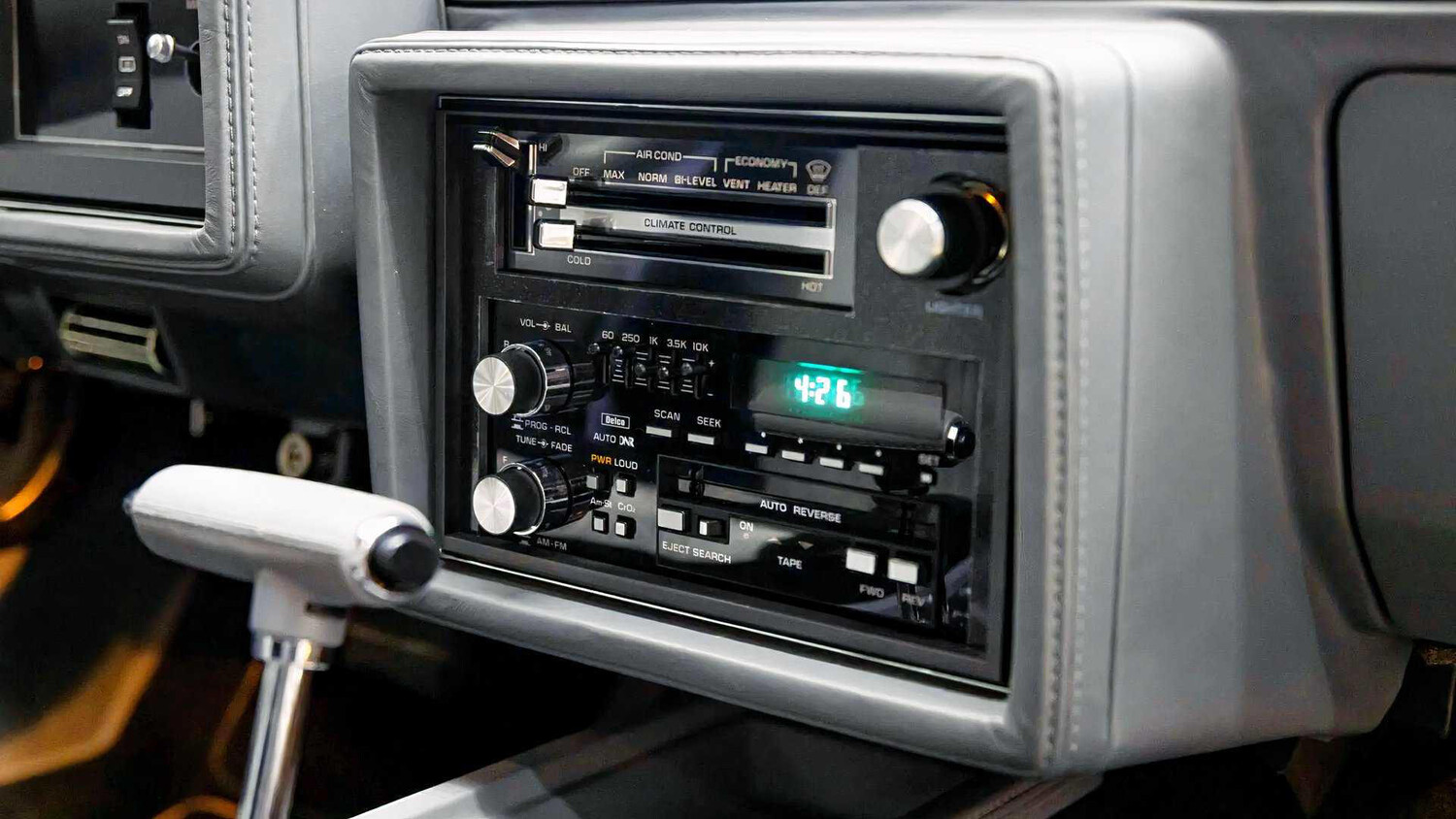
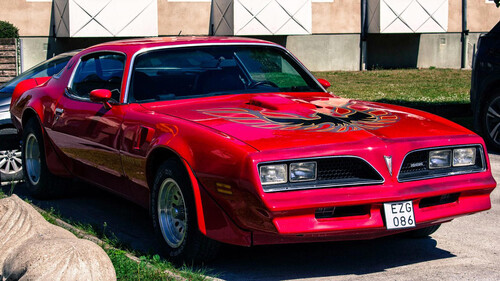
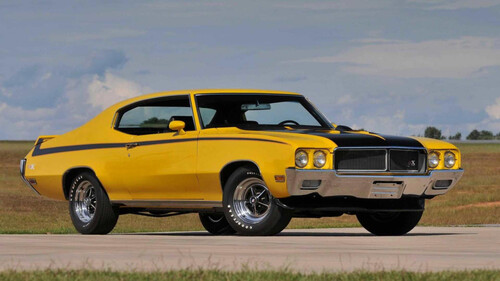
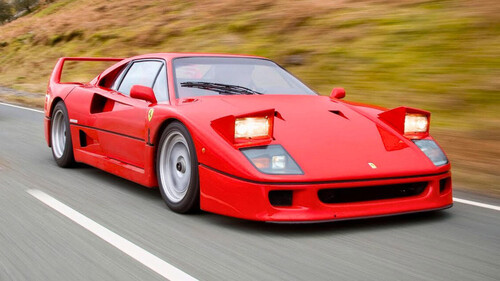
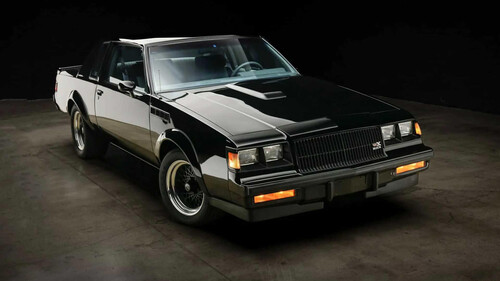
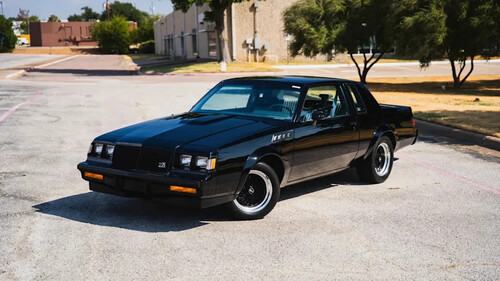
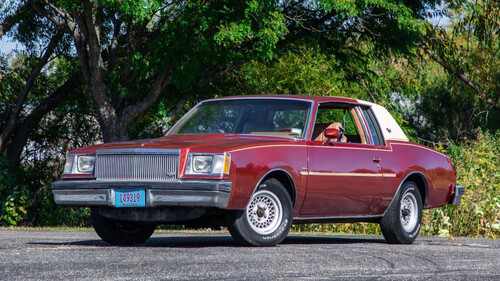
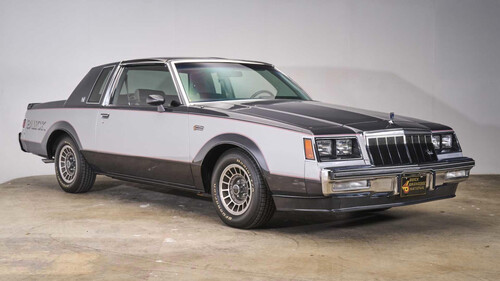
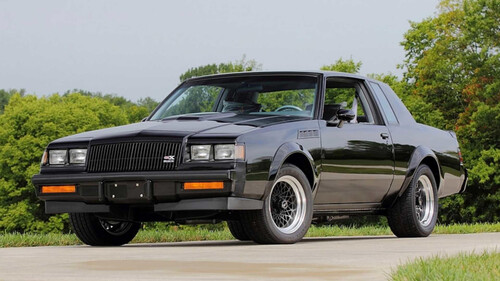
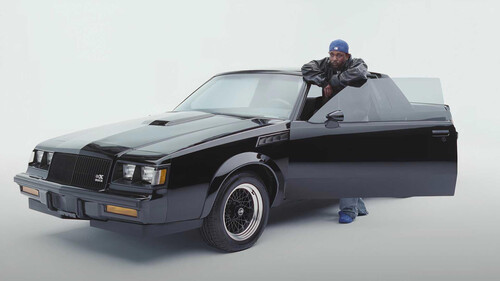
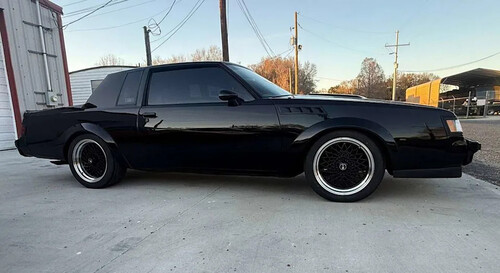
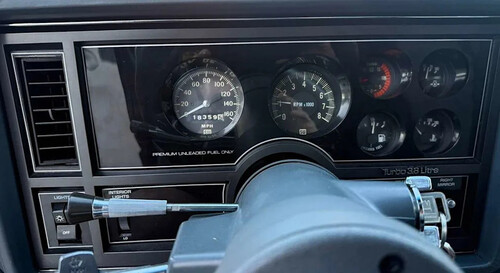
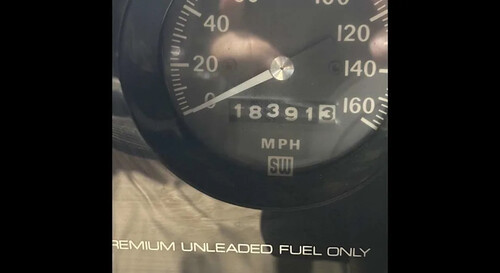
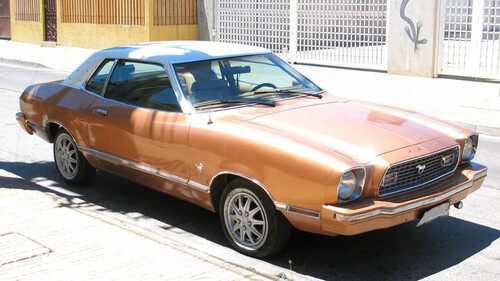
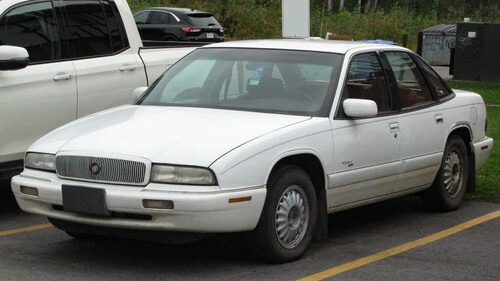
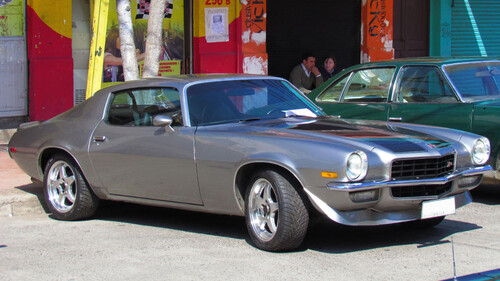
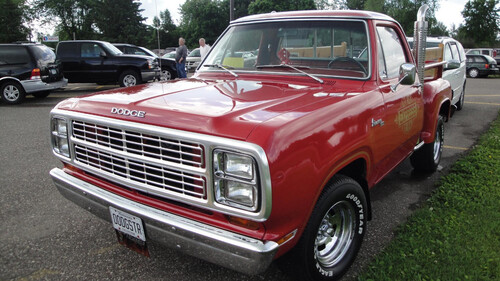
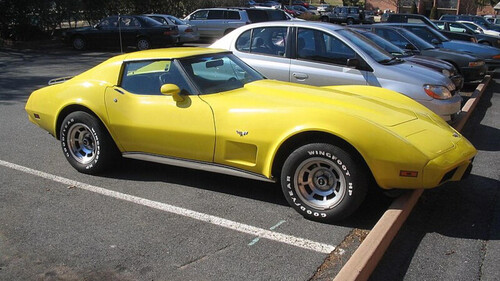
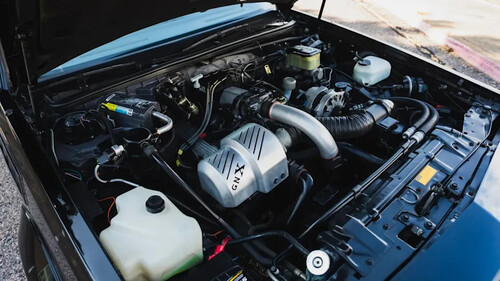
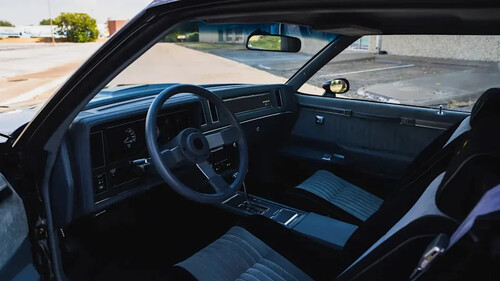
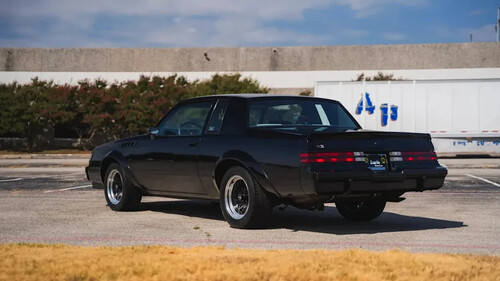
The 1980s were defined by bold performance statements as performance cars embraced excess with dramatic styling, high-revving engines, and attention-grabbing badges that left little doubt about their purpose. Yet, American performance, meanwhile, was still finding its footing after a decade shaped by tightening emissions standards and shrinking horsepower figures.Sure, speed was returning, but it usually arrived wearing bright graphics, aggressive bodywork, and unmistakable performance branding designed to make a statement before the engine even turned over. Yet, hidden within this era of loud performance was a machine that approached speed from a far quieter direction.This sleeper speed king delivered acceleration numbers that rivaled some of the most respected performance cars of its time while maintaining an appearance that suggested comfort and practicality rather than outright domination. For gearheads in the know, it represented a turning point in how performance could be engineered and delivered. For everyone else, it remained one of the most unsuspecting speed legends of its decade. Let’s dive in. Buick Wasn’t Supposed To Build A Performance Legend, But It Did With The 1987 GNX via Bring A TrailerBy the late 1980s, the Buick brand had already firmly established its reputation as a luxury automaker built to satisfy an older generation of sophisticated gearheads. Thus, when people thought of performance machines during this era, Buick was usually the last thing on their minds. So, if that’s true, now you’re probably wondering just how Buick ended up producing a sleeper speed king that slipped through everyone’s radar. Well, to get to the bottom of this, we have to take a moment to jump back to the 1970s.As seasoned gearheads will remember, this was a time when emissions and fuel economy regulations were turning the American performance scene inside out. These stricter regulations led to most V8 muscle cars being down on power and image. However, as a result, turbocharging began to emerge as a more unexpected workaround instead of displacement. And that’s where Buick’s performance story starts to come to life.You see, in 1978, Buick introduced the turbocharged 3.8-liter V6 with the debut of the 1978 Buick Regal Sport Coupe. After evolving across several stages, this sneaky assassin of a performance engine garnered some serious credibility once Buick introduced the Sequential Fuel Injection (SFI) in 1984, which seriously improved its power and reliability, especially when it was dropped under the hood of the 1987 Buick GNX a few years later.via Bring A Trailer Now, gearheads should note that 1987 marked the final year of the G-body Regal platform. And that’s exactly why the 1987 Buick GNX exists at all. Rather than quietly ushering out the old platform and making way for the new, Buick decided to create a halo-style send-off rather than a quiet discontinuation. Thus, Buick went big, working in partnership with ASC/McLaren to upgrade the suspension, turbocharging, drivetrain, and chassis beyond the standard specs of the Grand National. The 1987 Buick GNX was capped at just 547 units, adding to its sleeper status.At the end of the day, the GNX wasn’t just a farewell to the Regal platform. It was proof that Buick’s decade-long turbocharged experiment had reached its peak. And when the numbers finally surfaced, the GNX didn’t just surprise the performance world; it rewrote expectations for what an American performance car could be, all while flying well under the radar of mainstream gearheads. The GNX Had A Turbocharged V6 That Embarrassed V8 Muscle Cars via Bring A TrailerBy 1987, Buick’s turbocharged 3.8-liter V6 had reached its most advanced factory form inside the GNX. Officially, the LC2 turbocharged V6 was rated at 276 horsepower and 360 lb-ft of torque. The engine paired forced induction with sequential fuel injection and an air-to-air intercooling system, allowing it to deliver strong low-end torque and rapid boost response. Power was routed through a four-speed automatic transmission and a strengthened rear axle designed to handle the GNX’s increased output.Performance numbers quickly validated Buick’s engineering approach. The 1987 Buick GNX could launch itself from 0 to 60 in just 4.7 seconds and run an impressive quarter-mile time of about 13.4 seconds. These figures placed the GNX among the quickest American production cars available in the late 1980s. When compared to powerhouse V8 performance cars of the era, the GNX’s capability becomes even clearer.Just take the 1987 Chevrolet Corvette C4, for example. Powered by a 5.7-liter V8 producing 240 horsepower, the C4 typically recorded a 0 to 60 mph time in the mid-five-second range. The 1987 Ford Mustang GT, equipped with a 5.0-liter V8, generally launched from 0 to 60 mph in the low six-second range, with quarter-mile times around mid-14 seconds. Even Chevrolet’s Camaro IROC-Z, another respected performance benchmark of the period, delivered acceleration figures that trailed Buick’s turbocharged coupe in most independent testing scenarios.via Bring A Trailer What allowed the GNX to go toe-to-toe with its V8 rivals was not just its insane horsepower, but its torque delivery and traction management. The turbocharged V6 produced strong torque early in the rev range, allowing the car to launch aggressively and maintain acceleration through each gear change. Combined with suspension refinements developed alongside ASC/McLaren, the GNX translated engine output into real-world speed that rival manufacturers were still attempting to achieve through larger displacement engines. The GNX Redefined What A Sleeper Car Could Be via Bring A TrailerBy the time the GNX reached showrooms in 1987, performance cars were typically designed to announce their capability before the engine was even started. Wide bodywork, bright graphics, aggressive spoilers, and bold badging defined the visual language of speed during the 1980s. The GNX rejected that formula almost entirely. Instead, Buick refined the Grand National’s already restrained styling into something even more understated, creating a car that delivered supercar-level acceleration.The GNX’s appearance was intentionally subtle. Aside from its blacked-out paint, functional fender vents, and modest GNX badging, there were few exterior indications that noted the car’s performance potential. The interior was pretty plain Jane, too. While it featured upgraded instrumentation, including a Stewart-Warner gauge cluster that provided detailed turbo and performance monitoring, the overall cabin still resembled a well-appointed Regal rather than a purpose-built performance machine. And thus, this deviation between its outward appearance and performance capabilities became central to the GNX’s identity.via Bring A TrailerWhat truly separated the GNX from earlier sleeper cars was how little it was modified. You see, many sleeper vehicles of the muscle car era relied on factory options, dealer upgrades, or special tuning that happened after it left the factory. The GNX, however, arrived fully developed from the factory as a limited-production performance flagship.The GNX also helped reshape how American performance could be defined during a period when manufacturers were still rebuilding their reputations after the emissions-era downturn. It demonstrated that performance credibility could actually come from engineering refinement and forced induction. In proving so, the GNX established a blueprint that later performance sedans and coupes would follow. Why The GNX Became One Of The Most Valuable American Performance Cars Of Its Era via Bring A TrailerWhen the 1987 Buick GNX debuted, it carried a starting sticker price of $29,900, a steep price for a Buick coupe at the time. That figure placed it noticeably above the standard Grand National and even pushed it into pricing territory occupied by established performance icons like the Chevrolet Corvette. For many buyers in the late 1980s, spending nearly $30,000 on a Buick challenged traditional brand expectations.However, over time, that initial hesitation helped create the collector rarity that defines the GNX today. With production limited to just 547 units, the car immediately became scarce, but its understated styling meant it never achieved the widespread pop culture visibility enjoyed by flashier performance cars of the same era. Instead, the GNX built its reputation through enthusiast communities, performance testing data, and word-of-mouth recognition. How Much Does A 1987 Buick GNX Cost Today? Mecum Sadly, the only gearheads getting their hands on one of these sleeper speed kings nowadays are those with the deepest of pockets. Accoring to auction data collected by Classic.com, over the last 12 months, the average sale price of a 1987 Buick GNX has hovered at a staggering $196,264. The top sale recorded over these 12 months came in at an impressive $255,000, while the lowest was a cool $100,000.One high-figure example came up for sale via Bring A Trailer in December 2025. In pristine condition with just 1,200 miles on the clock, one lucky gearhead was able to take this 1987 Buick Regal GNX home for a whopping $243,096.via Bring A TrailerWhile it still required six figures, one 1987 Buick GNX exchanged hands for quite a bit less at just $101,987. Of course, this ‘87 model wasn’t in pristine condition and already had 82,000 miles on the odometer. Still, it’s got enough power under the hood to make the soul of any gearhead come to life, well, those that can afford it, that is.So, why are collectors still drawn to the GNX, nearly four decades after its initial release? Well, you see, this halo-style coupe represents the final evolution of Buick’s turbocharged V6 performance program and the closing chapter of the G-body Regal platform. It also stands as a rare example of a factory-built American sleeper that delivered verified performance capable of challenging global sports car benchmarks.Thus, the GNX remains appealing because it combines documented performance credibility, limited production exclusivity, and a distinctive engineering delivered without all that unnecessary spectacle.Sources: Classic.com, Hagerty, Hemmings