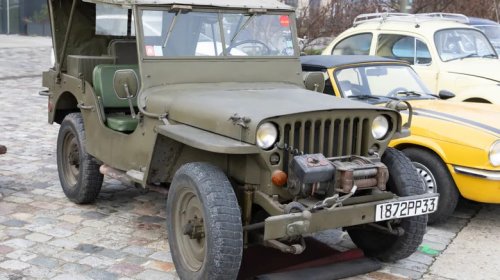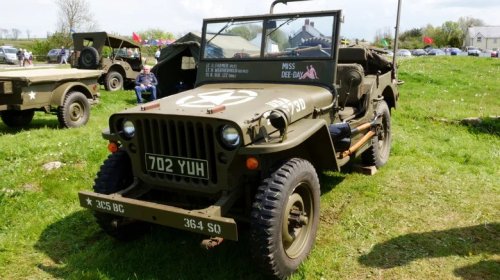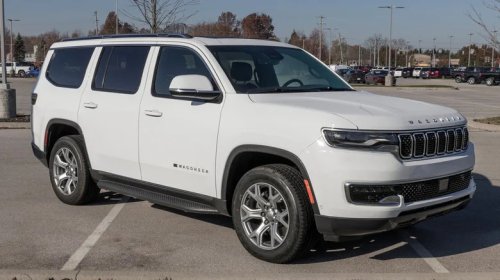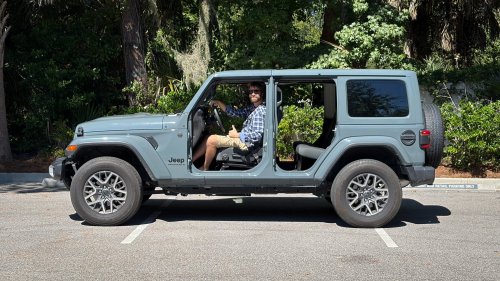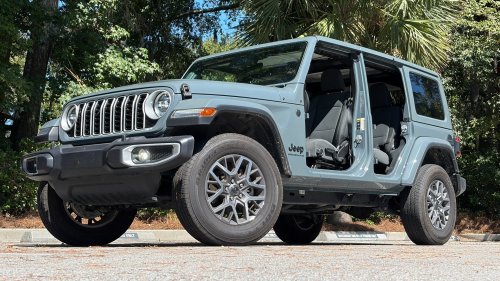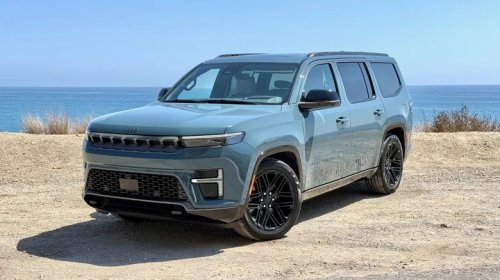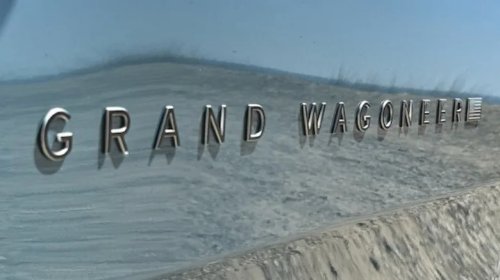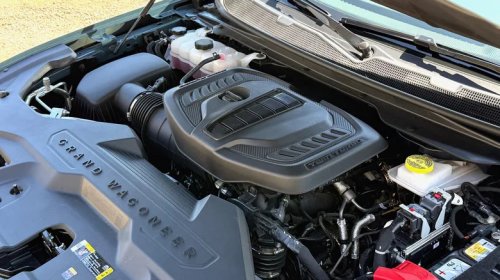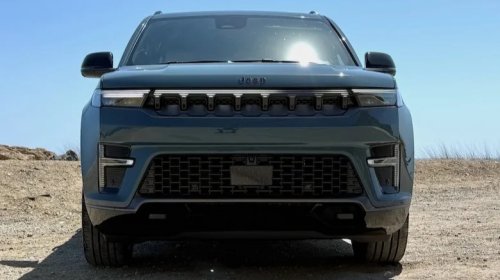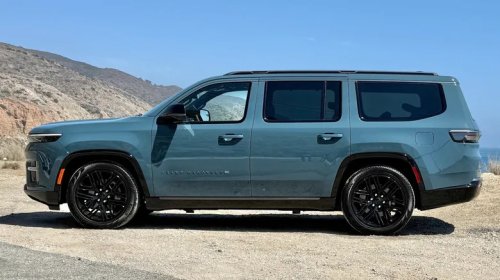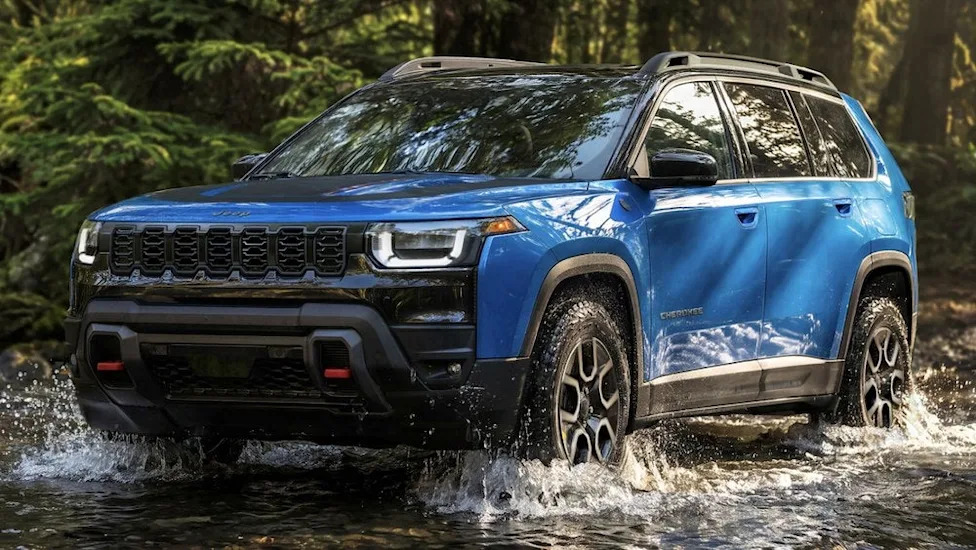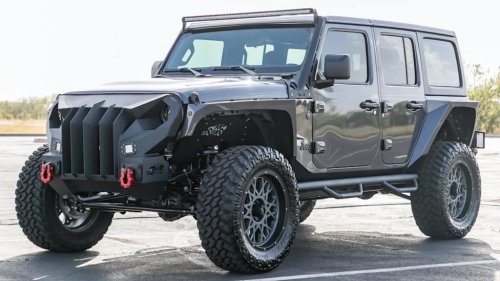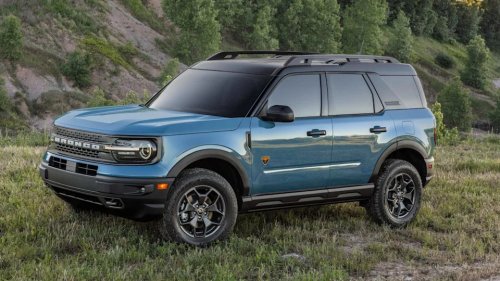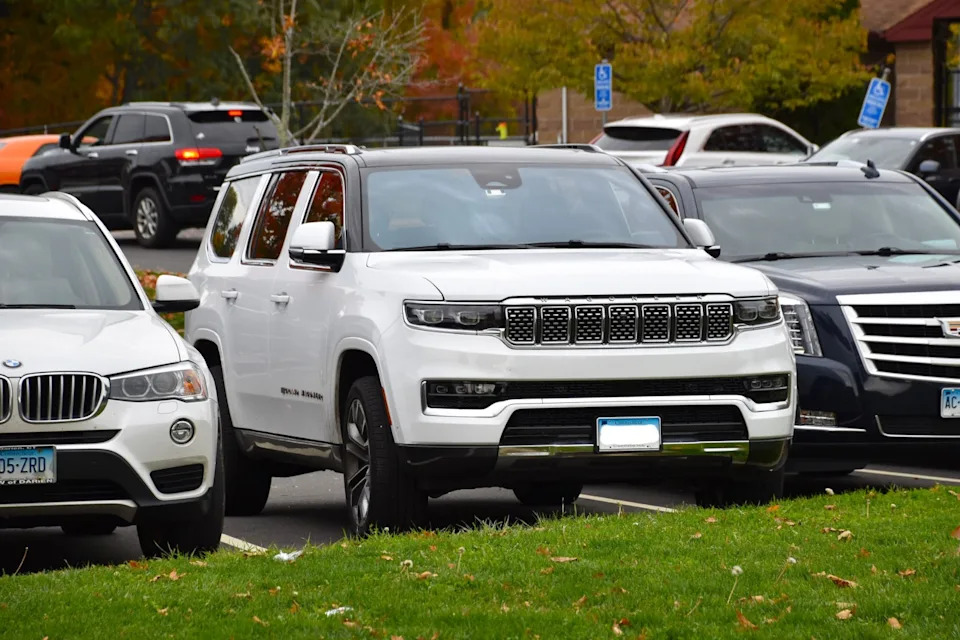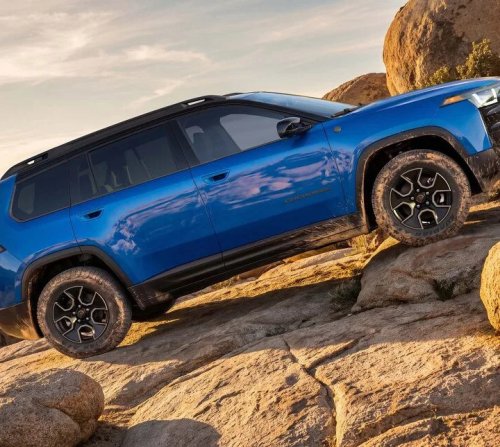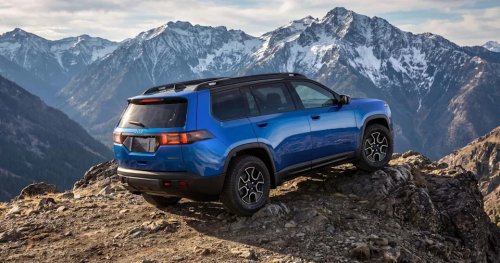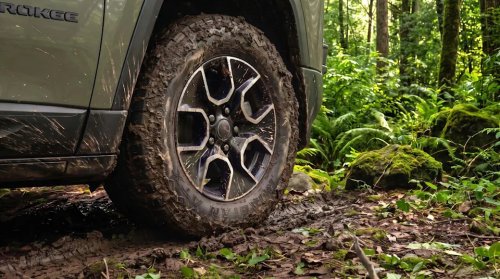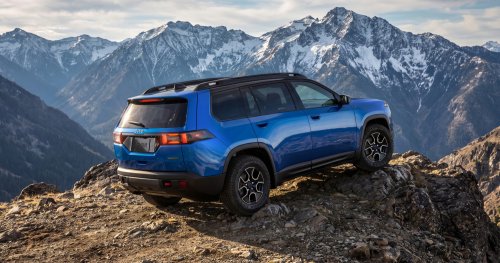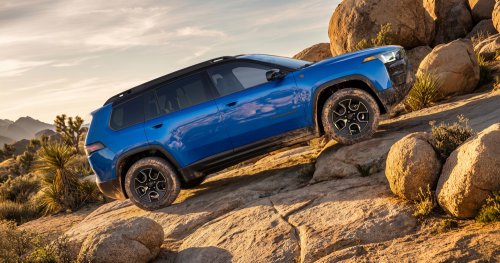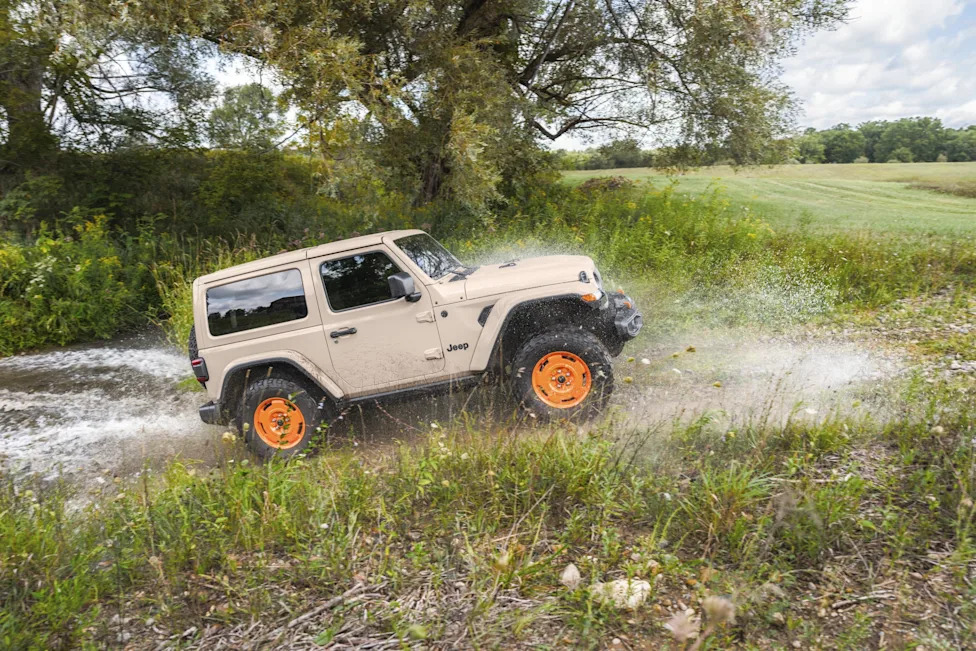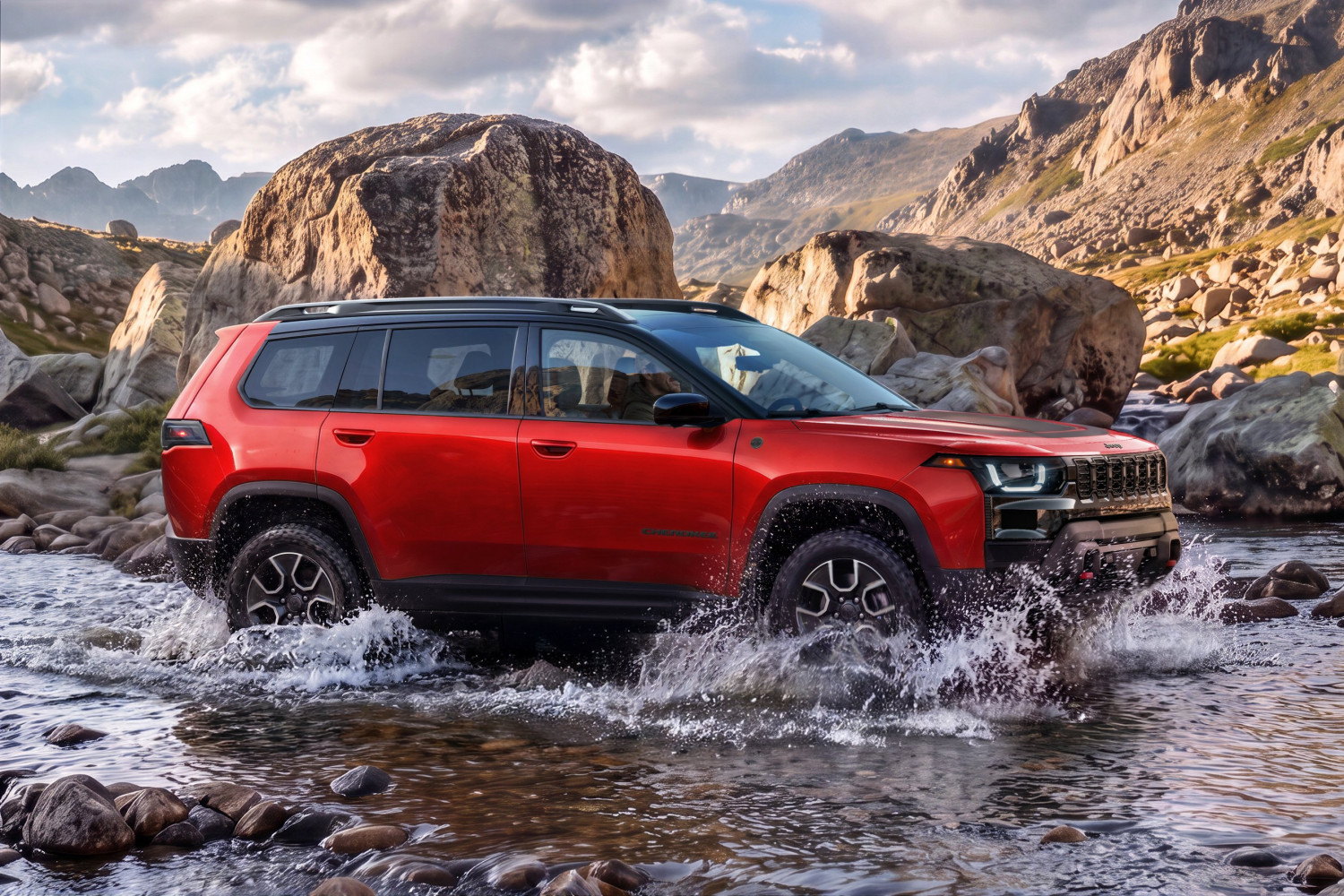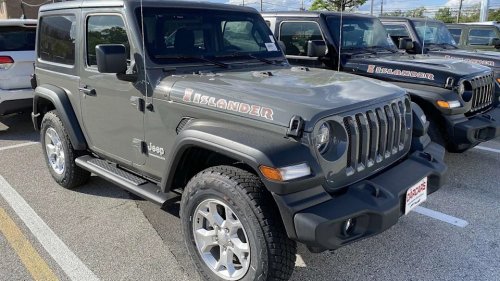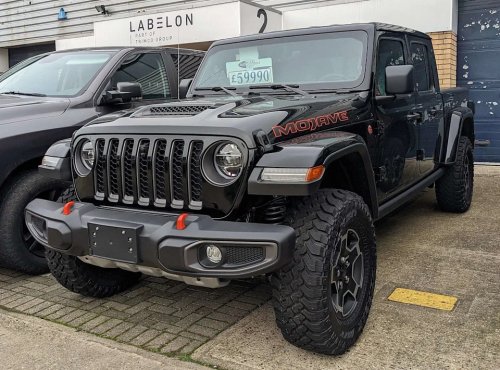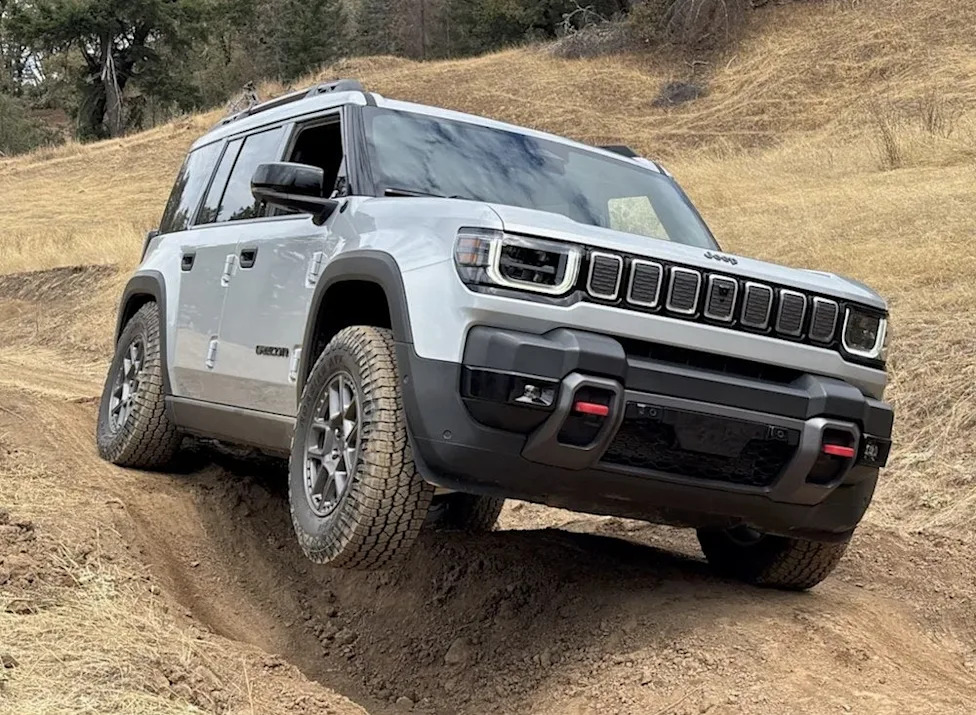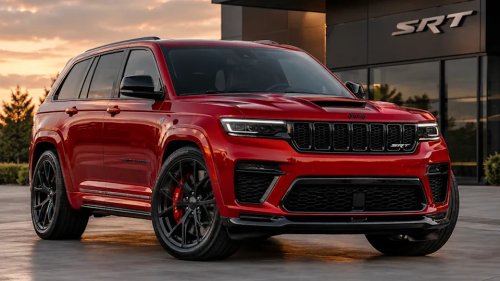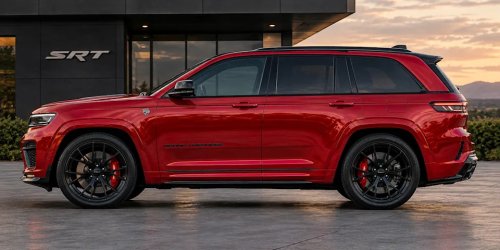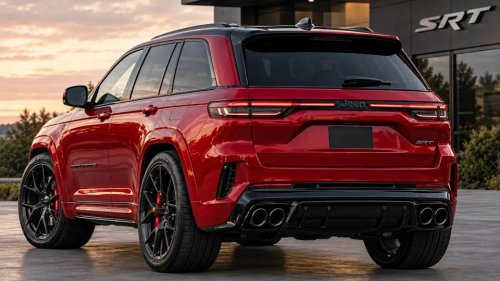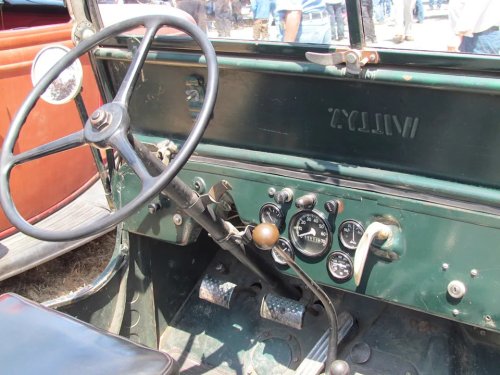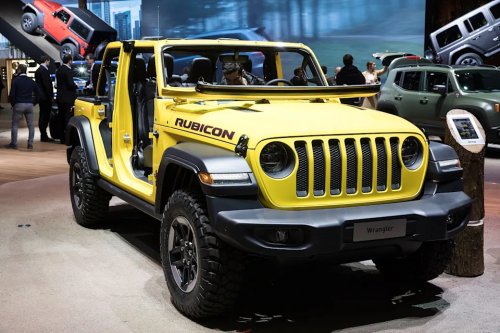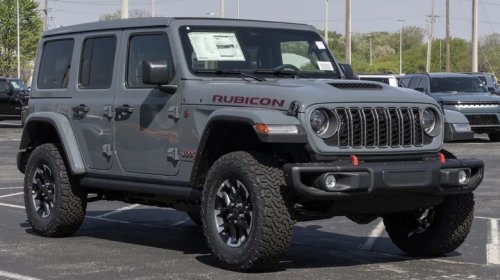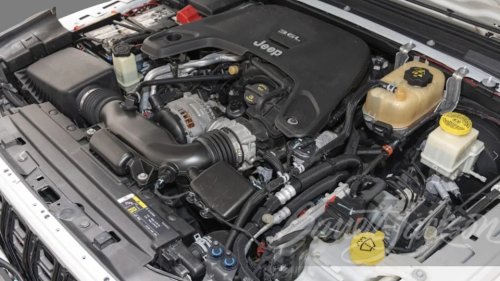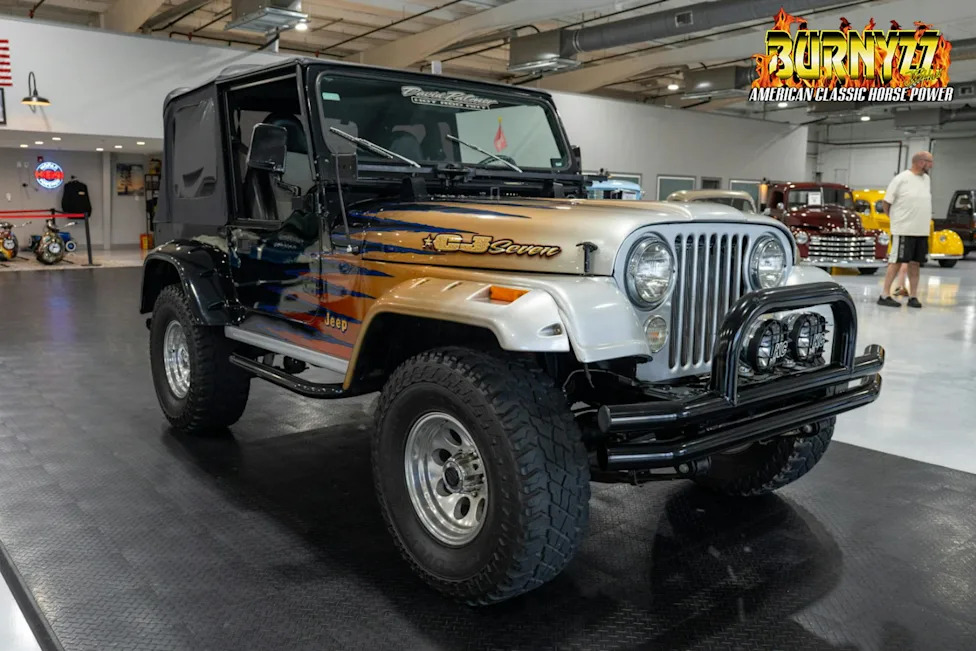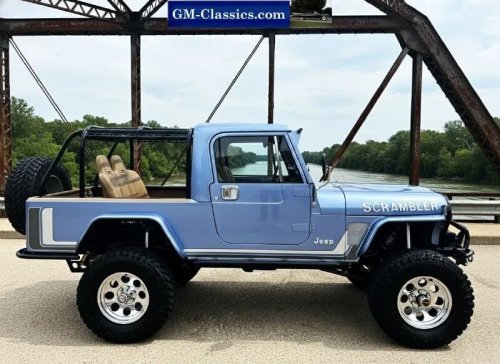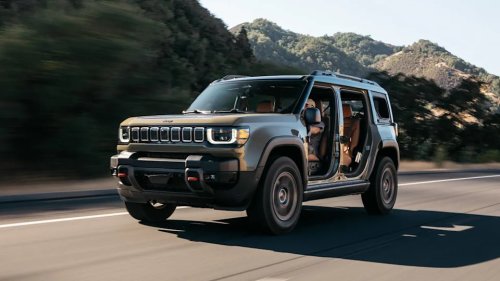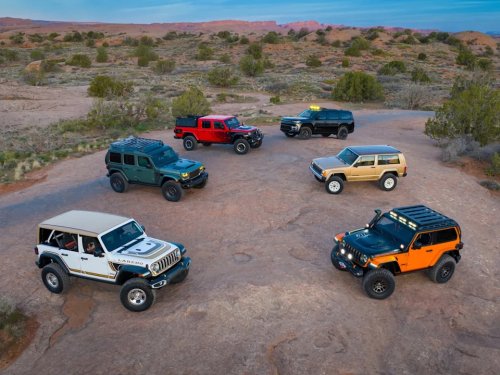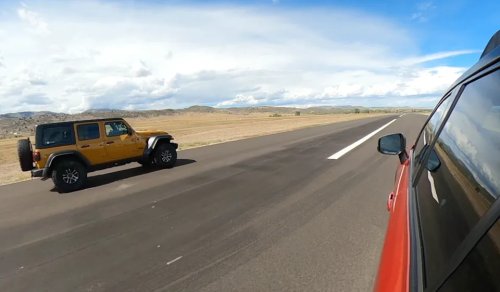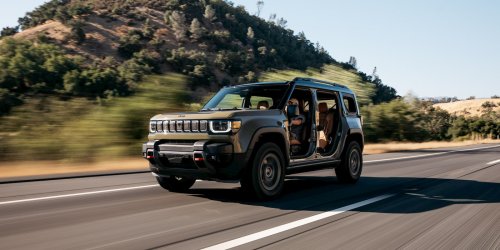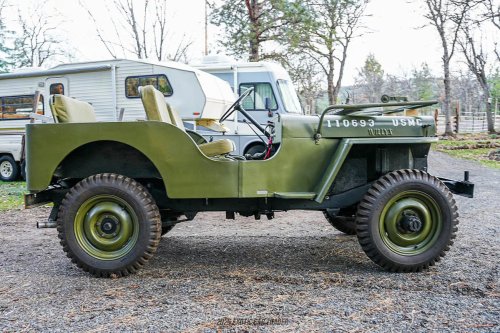
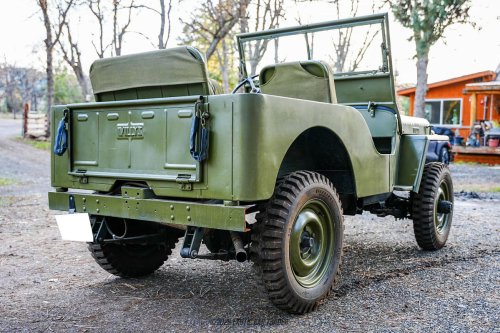
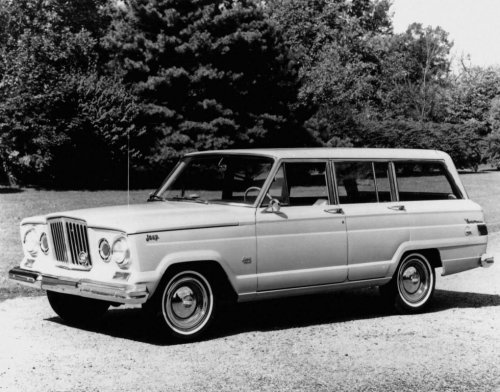
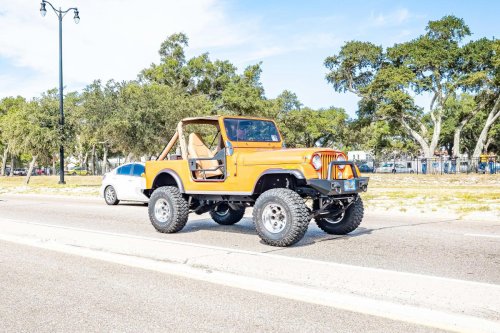
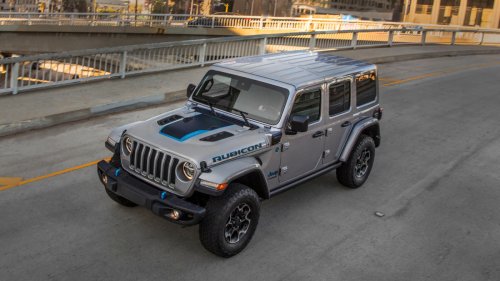


















Built for war, wired for survival How could something originally intended to be a rugged combat vehicle turn into a decorative item you see driveway parked beside e-bikes? To find out how this happened, we have to rewind. In 1940, the U.S. Army requested 135 companies to submit proposals for a new type of simple (brutal) vehicle. According to Motor Authority, some of the requirements included:• A maximum quarter-ton weight • A feather-light weight limit of 1,300 pounds• Room for three and a 30-caliber machine gun• Payload of 600 pounds• 4x4 drivetrain1947-willys Willys produced a Quad Prototype that amazed them with a “go devil” engine delivering 60 horsepower. As World War II came to an end, many veterans used their surplus Jeeps for everything from parades to farm use and off-road rallies. No advertising was necessary. The original Jeep is based on the shell fire that fell during the war rather than a design studio and represented American ingenuity better than almost any vehicle. That first spark of mythology didn’t stay confined to parades and backroads for long.1947-willys-jeep-cj-2a-military-green-110693_019 The workhorse becomes the weekend heroBy 1946, nearly 600,000 surplus military Willys MBs and GPs were being auctioned off at an average price of $500 each. Those who purchased them were mostly rural dwellers, such as farmers, ranchers, and hunters.The CJ-2A and CJ-3A were both civilian versions of the U.S. Military’s that came out in 1945 and 1949, respectively. They had many of the same characteristics as their predecessor, like the rugged 4x4 bones, but also added a few features to make them more practical and comfortable, such as a tailgate, improved seating, and commercial paint schemes. A rancher might weld on a toolbox by day, then hit the trails for fun on the weekend. This dual purpose helped define “off-road” in America as a way to express one’s independence/freedom, rather than merely utility. When comfort met capability: the Wagoneer gambleWhen the 1963 Wagoneer hit the streets, the public saw a body-on-frame ruggedness meet 327ci V8 grunt, a TorqueFlite three-speed automatic transmission, and real carpet under the floorboards, all wrapped up in a family station wagon vibe with 4x4. Jeep’s comfy weekend-warrior style of off-roading arrived nearly a full decade earlier than other manufacturers, and at a time when suburban baby boomers were looking to escape their homes and explore expanding interstates. In comparison, the Land Rover Series II (produced from 1958-1961) was a bare-bones British hauler, but the Wagoneer added chrome accenting and optional air conditioning. Since buyers were expecting prestige with their capability, the 1984 Grand Wagoneer piled on fake wood sides, full-time Quadratrac 4WD, supple leather, and a 360ci V8.Need new tires? Save up to 30% at Tire RackFind the perfect tires for your exact vehicle and driving style. Click here to shop all top-tier brands, including Michelin, Bridgestone, and more, directly at Tire Rack. Reinvention in an age of excessThe oil shock in the 1970s and the urban sprawl of the 1980s required more accessible 4x4s. The raw CJ-5 that Jeep offered felt old-fashioned, so staying the same risked irrelevance. Jeep responded by introducing the 1976 Jeep CJ-7, which offered a removable Targa top and a V8 engine. The brand’s introduction of the XJ Cherokee in 1984 marked the first-ever unibody (monocoque) design on a vehicle with a 101-inch wheelbase. Additionally, the Cherokee was nearly half the size of the Bronco but could provide twice the daily use, driving like a tall Accord. Jeep effectively modernized without losing its wild side. When the SUV craze took hold of the marketplace in the late 1990s, consumers were looking for Jeep to be their benchmark. The ad slogan “there is only one Jeep” evoked an emotional response among customers, extending beyond the technical aspects of the vehicles and into badge magic. The Jeep Wrangler wave is another example showing how badge magic and a sense of belonging can outshine specs. At this time, Jeep had transitioned from cult status to mainstream without losing any soul, demonstrating that rugged brands could experience significant growth. From cult wave to electrified waveThe Wrangler 4xe, launched in 2021, contributed significantly to Jeep’s position as a lifestyle king. The model features a 2.0-liter turbo four with an electric motor for a combined 375 horsepower, 44 miles of all-electric range, and offers a towing capacity of up to 8,000 pounds. Even in all-electric mode, it retains a high level of off-road capability. Jeep’s new Grand Cherokee L model is aimed at families, boasting three rows of seating, adaptive air suspension, and a 5.7-liter V8 engine option. Other brands like Ford were late to the party with their 2021 Bronco revival. A Wrangler 4xe with an open-top sky roof and a $65k price tag can still be driven like its ancestor, the Willys MB mud-lugged Jeep. The true test will be preserving that analog rebellion as connectivity continues to creep into every inch of new vehicles.