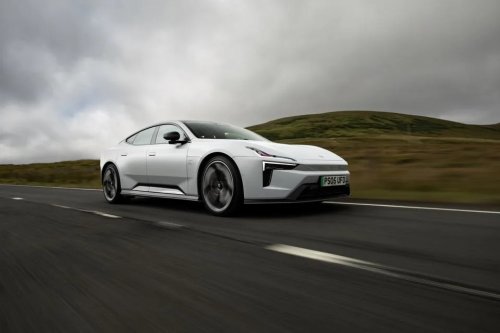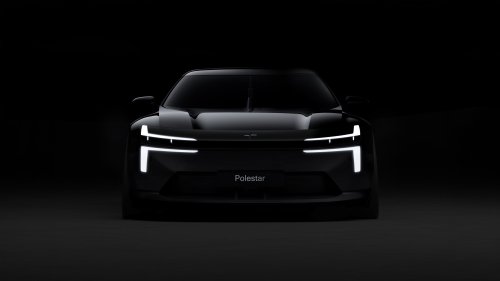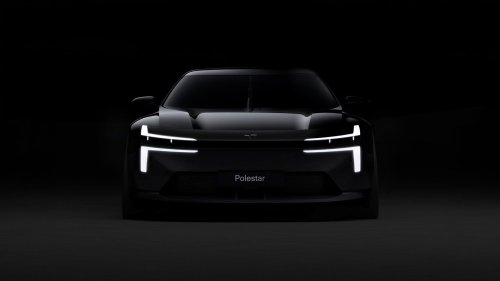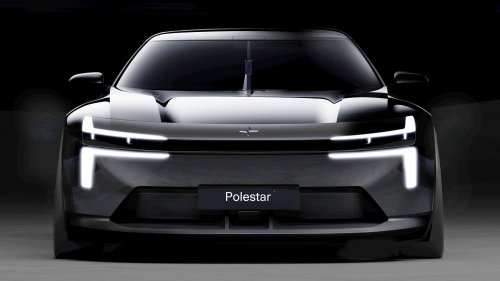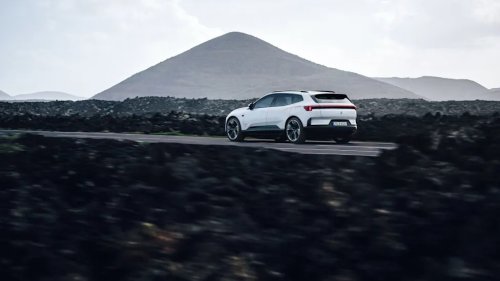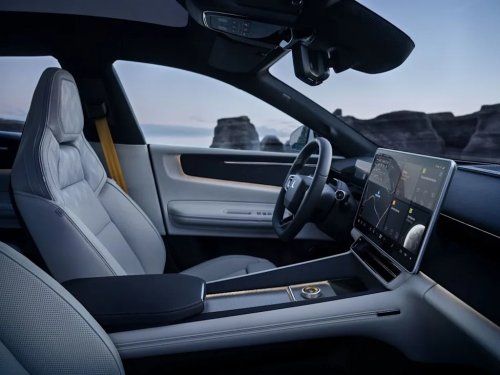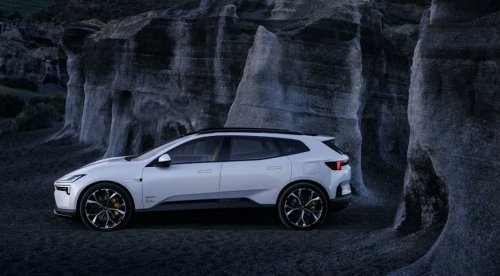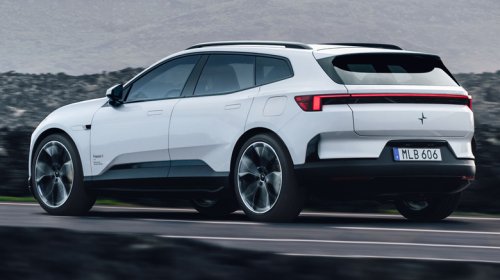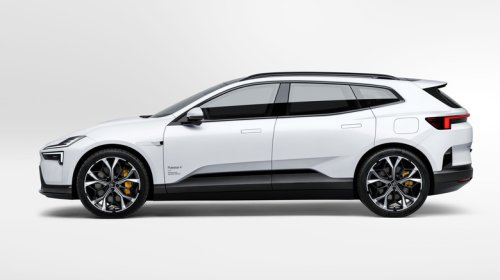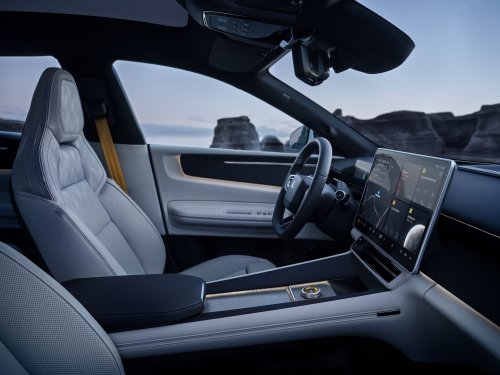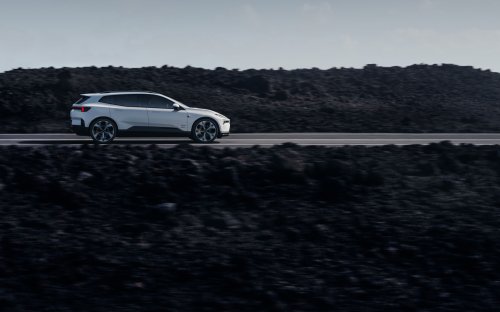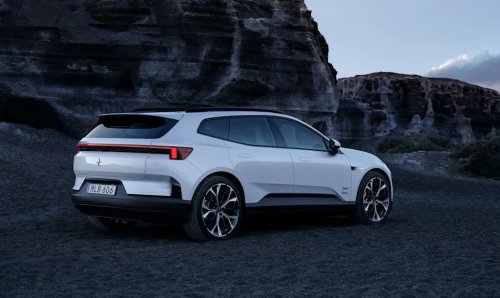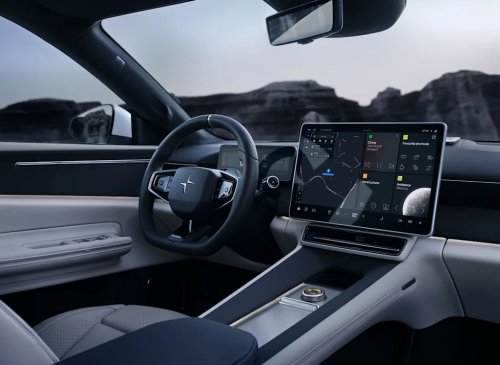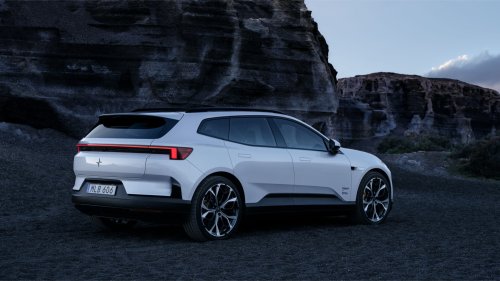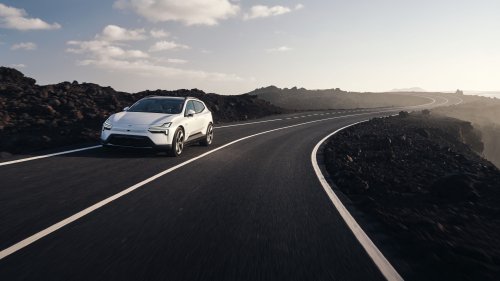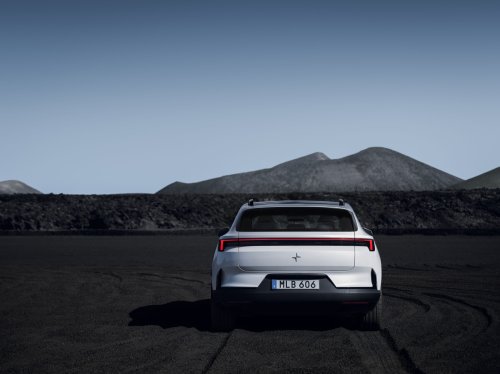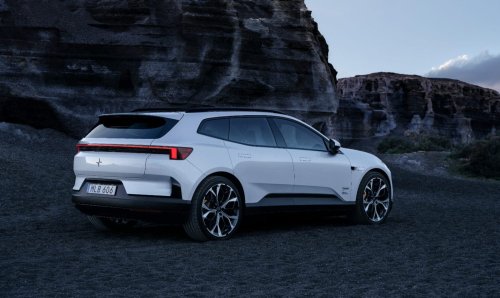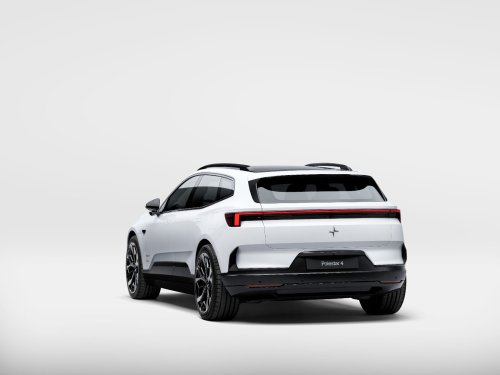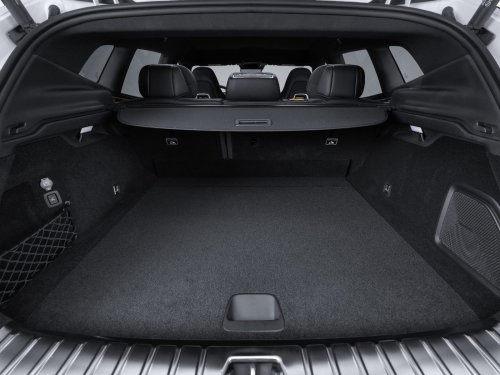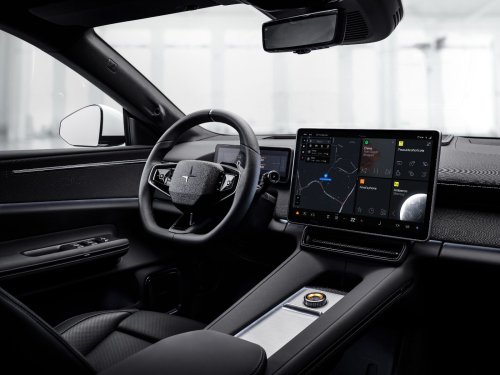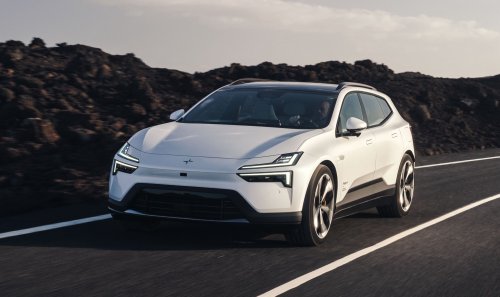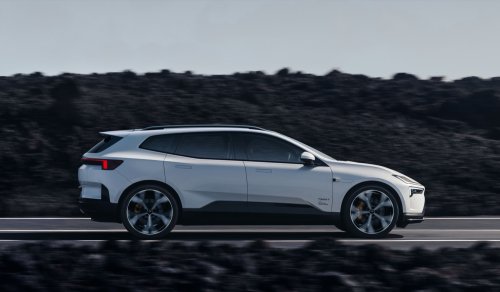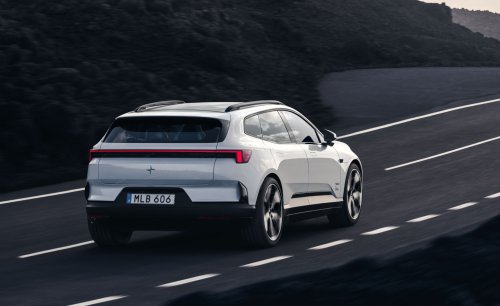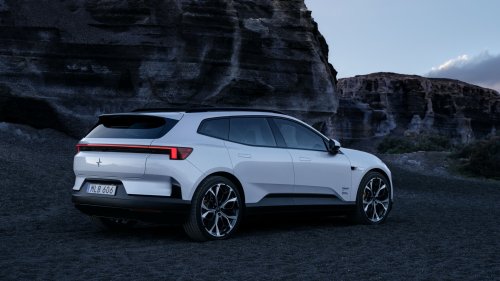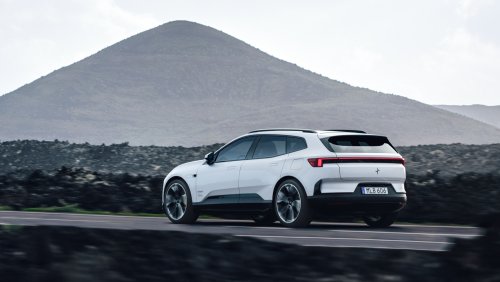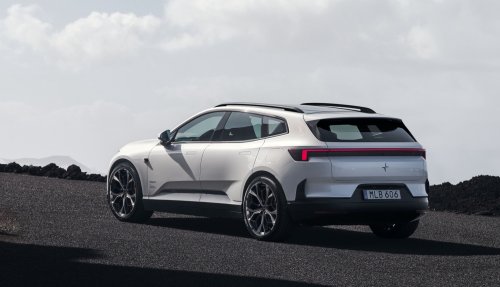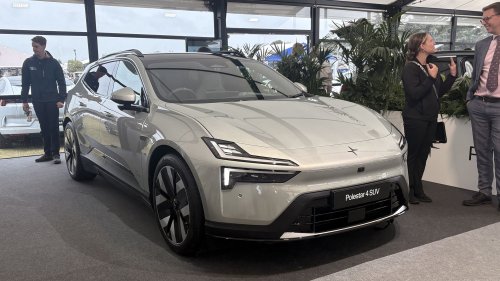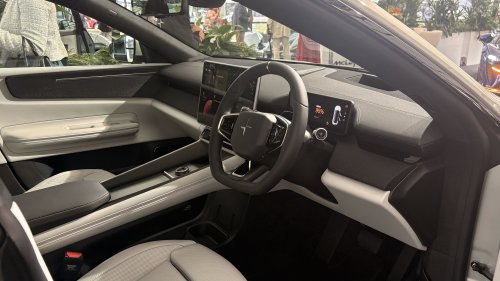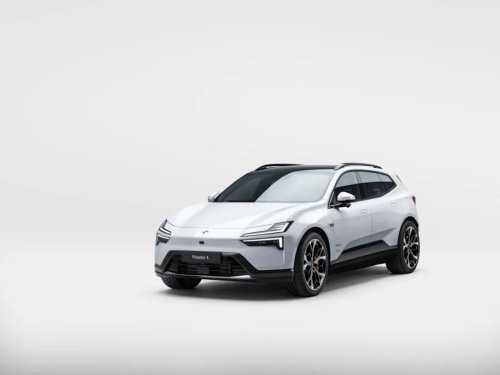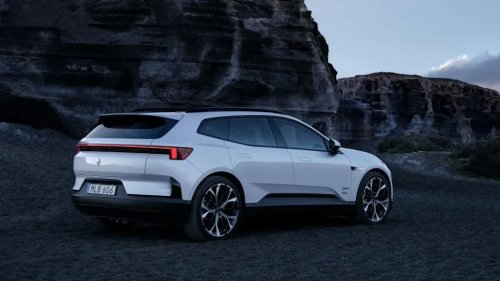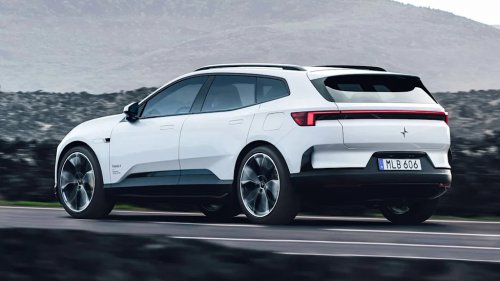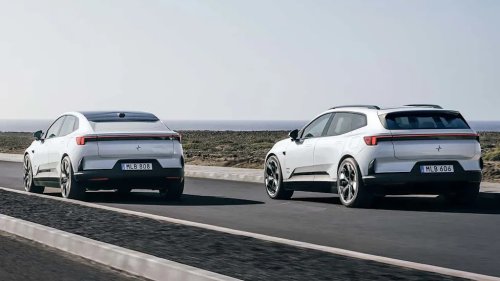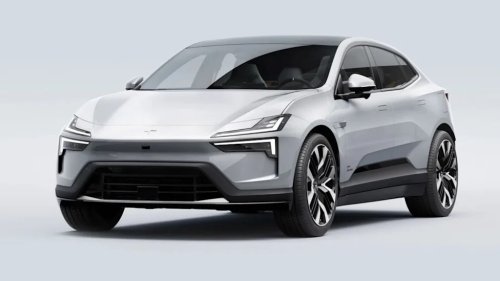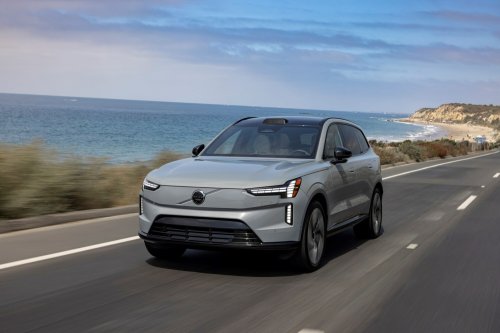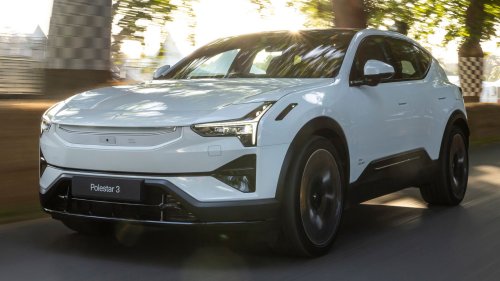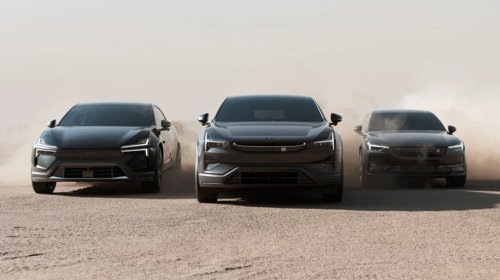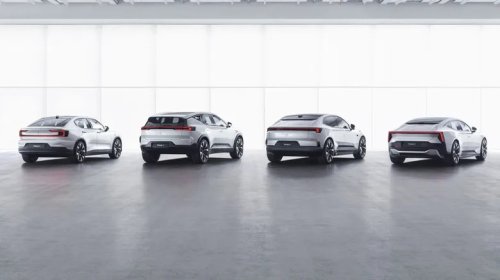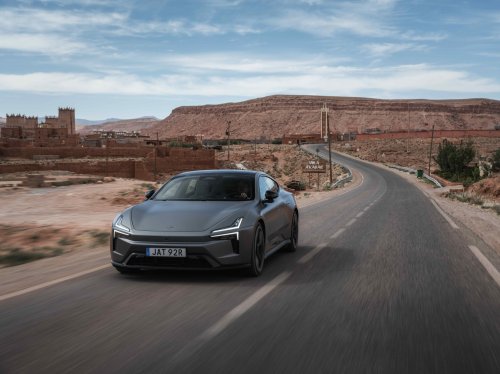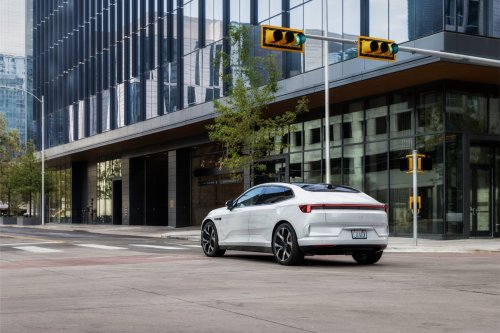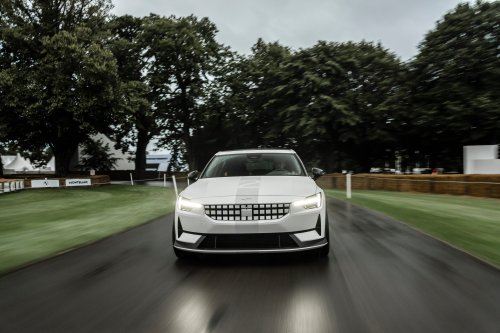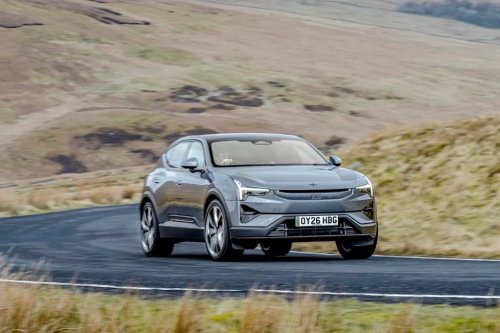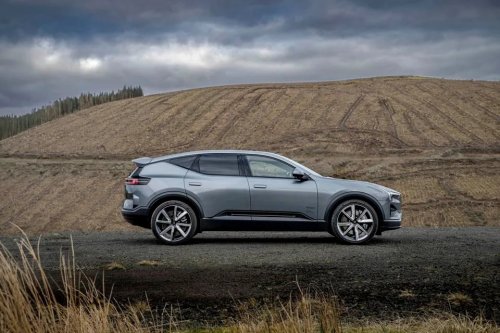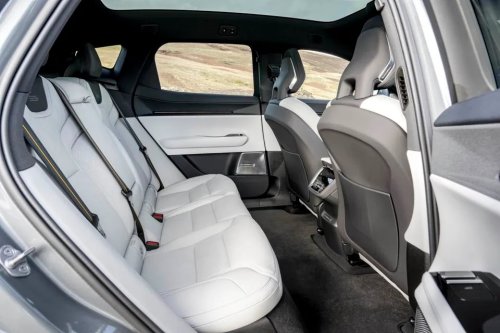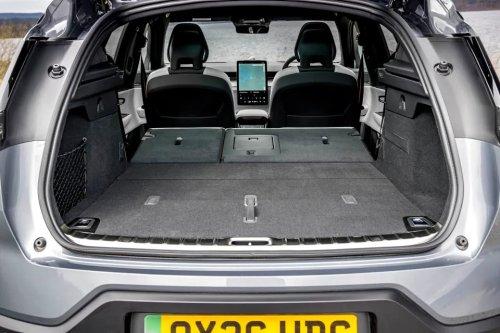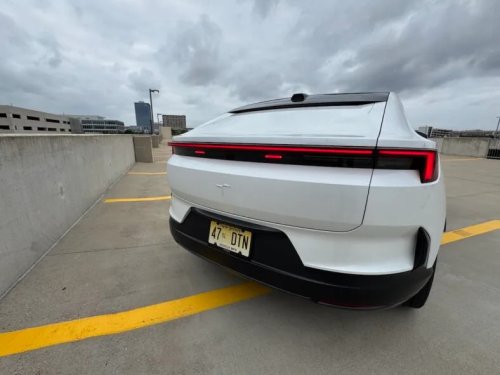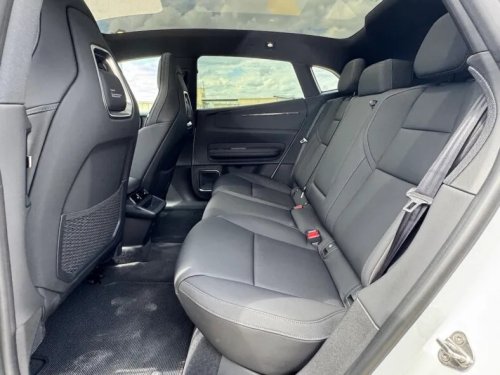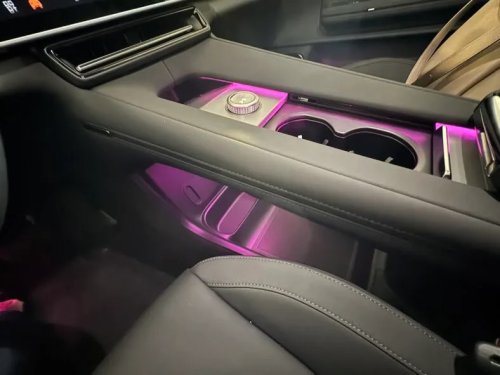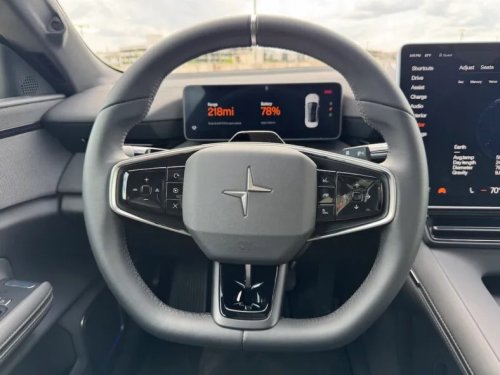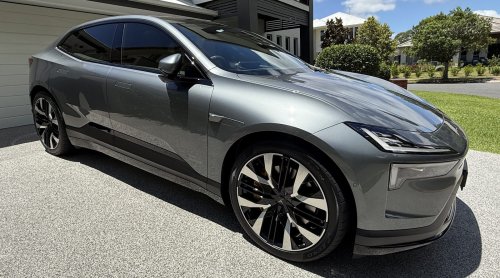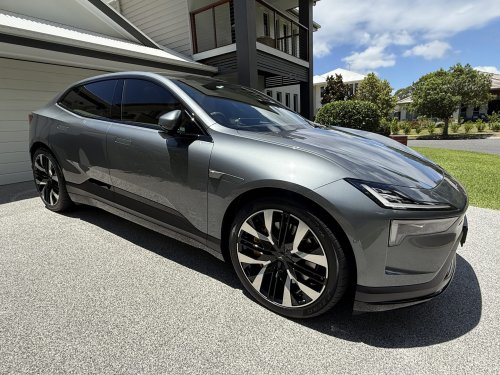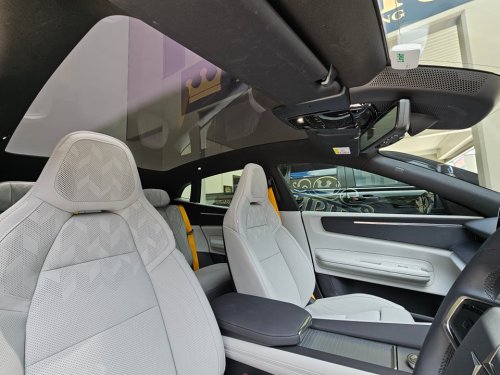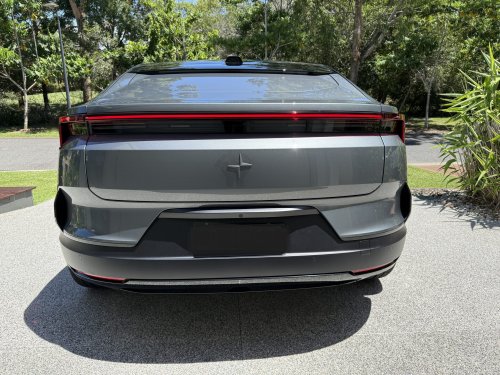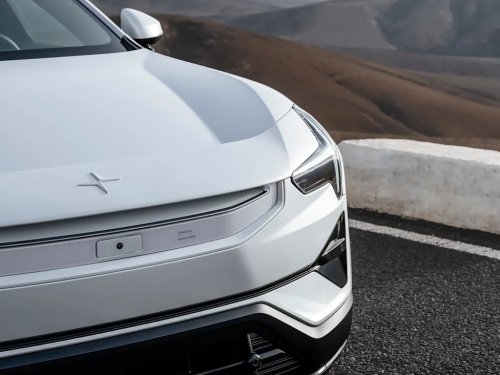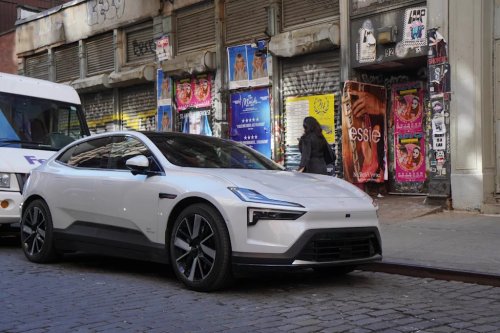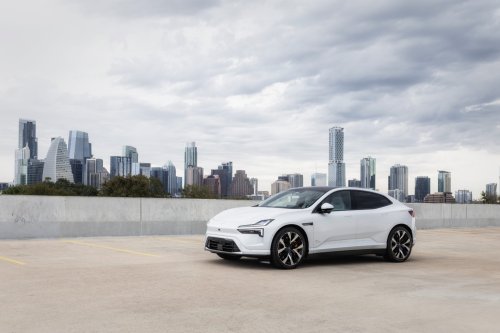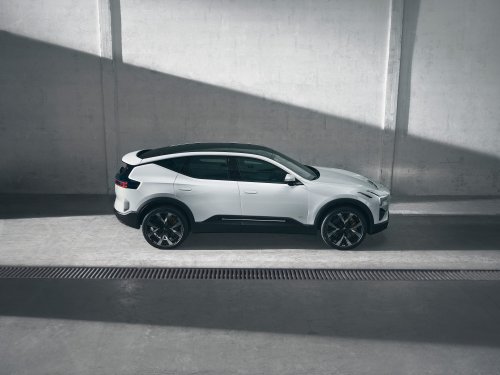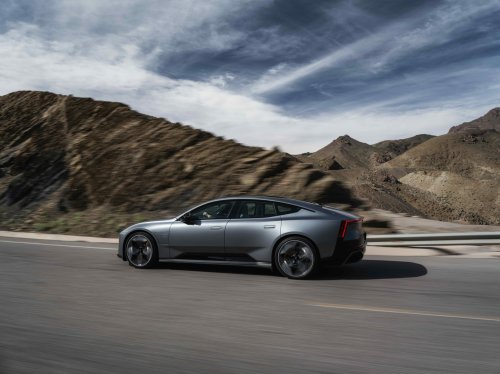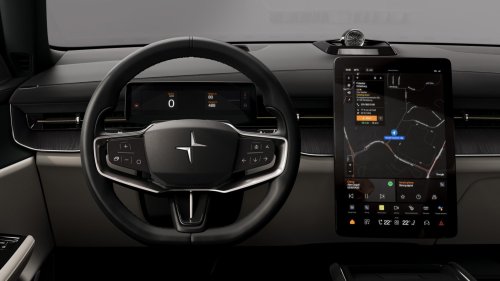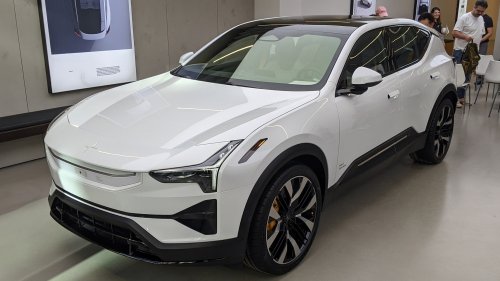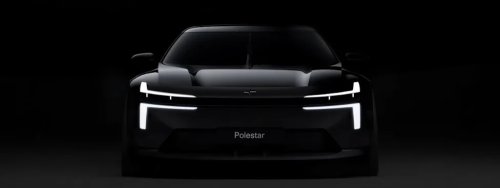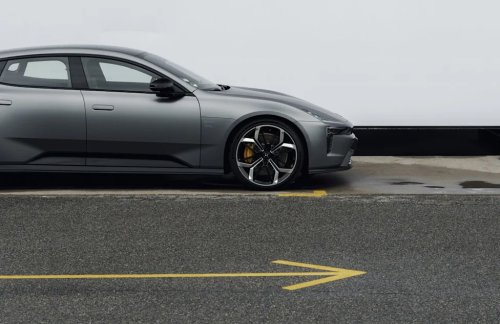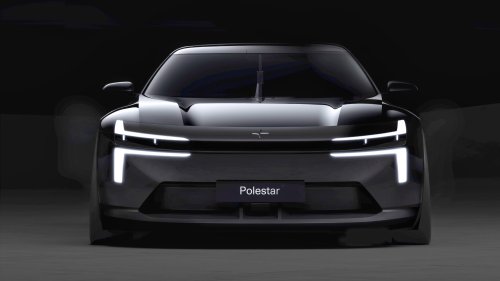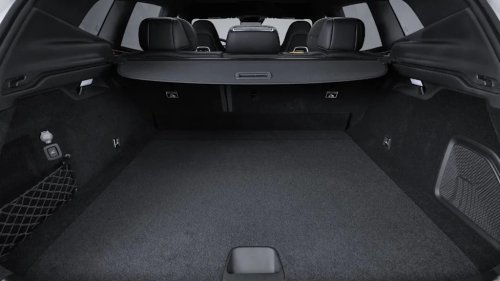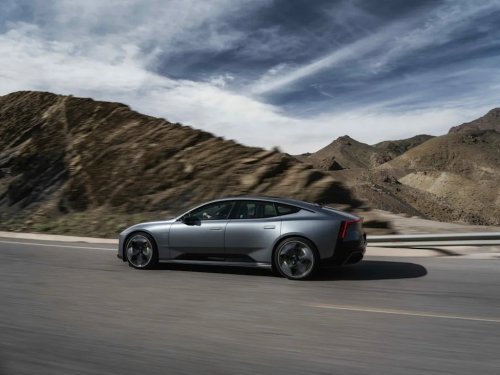
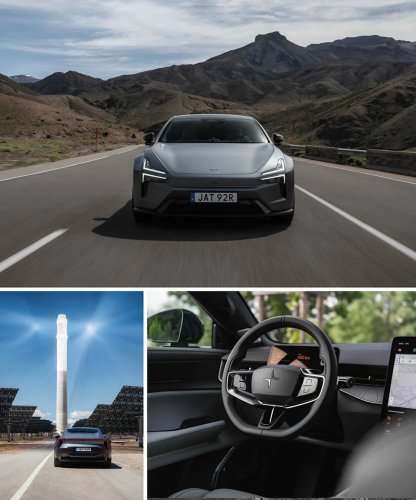
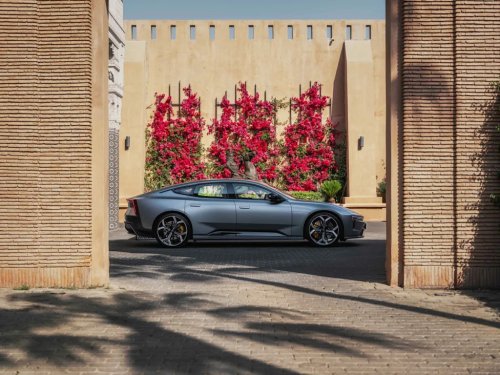
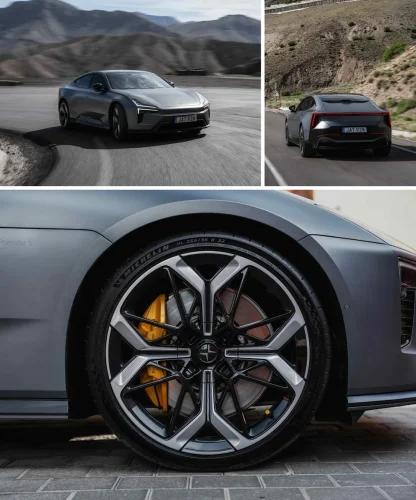



















The Polestar 5 Takes Aim at the Porsche TaycanPolestar (Polestar)The auto industry works to timescales that often fail to align with trends within the wider world. That's why you are reading lots of reviews about new, exciting, and tech-packed luxury EVs even as demand for expensive electric models slumps in the U.S. and is failing to meet projections in many other parts of the world. The investment decisions behind these models were made back when EV adoption rates were spiking and full electrification seemed inevitable pretty much everywhere. These are, in essence, bets that were placed a while back.The Polestar 5 is another addition to a crowded part of a not-especially-fast-moving market, positioned in the same space as the Porsche Taycan, the Lucid Air, and the forthcoming Jaguar Type 01. It is Polestar's halo model, a slinky coupe-sedan that sits above the existing Polestar 3 SUV and Polestar 4 crossover. It also sits on another new architecture, this unrelated to that of either of its siblings, meaning the Swedish brand now has three different models sitting on three different platforms. Which isn't generally an efficient way to make cars.The Polestar 5's underpinnings are the grandly named Polestar Performance Architecture, this using a structure made from bonded aluminum. It's the same technique that both Aston Martin and Lotus have been using for more than 20 years, well suited to low-volume high-end models. Which is why it is unsurprising to realize there is a British connection here, the Polestar 5 having been engineered in large part by a U.K.-based R&D team, although it is set to be manufactured in China, an issue for U.S. sales given the size of the tariff wall.Polestar (Polestar)The basics are as we previously reported. Two versions of the Polestar 5 will be offered initially, both with all-wheel drive from a motor at each axle. The entry-level Dual Motor can deliver peaks of 738 hp and 599 lb-ft, while the punchier Performance gets 872 hp and 749 lb-ft. The car uses uses an 800-volt electrical architecture, a first for Polestar, with both versions using the same 106-kWh battery pack. DC fast-charging at up to 350 kW is supported, with the usual disclaimer of having to find a socket capable of delivering that. There is no EPA range estimate yet, but the European WLTP figures of 416 miles for the Dual Motor and 351 miles for the Performance will likely translate to around 350 miles and 300 miles. The rear motor can also disengage when cruising to improve efficiency, with this further enhanced by a claimed 0.24 drag coefficient.AdvertisementAdvertisementBeyond the increase in power and the decrease in range, the big hardware difference between the two versions is standard active dampers for the Performance in place of the Dual Motor's passive shock absorbers. Both ride on steel springs in a part of the market where air suspension is increasingly common, and there is no torque-biasing differential or rear-axle steering. For a high-end EV, it's pretty lacking in tricks. The Performance can also be ordered with 22-inch-diameter wheels, an inch up on the standard rims, these coming shod with Michelin Pilot Sport 5S sports tires in place of the regular Pilot Sport EVs.The question of how to add dynamic character to an EV remains a fascinating one. Some automakers have chosen to digitally synthesize it—to add artificial sounds and even seat-shaking vibrations to what is essentially a near-silent powertrain, plus a pretense of a combustion-adjacent driving experience through simulated gearshifts. That's the approach taken by the Hyundai Ioniq 5N and also by the forthcoming BMW iM3 and AMG GT 4-dr.Polestar (Polestar)The other way is purer but much harder to pull off: keeping the tranquillity intrinsic to EVs but creating personality through the fidelity of control responses and the way a car behaves when pushed hard. Of cars in this category, the Porsche Taycan, still Road & Track’s EV benchmark, has been the most successful to date. In engineering terms, it's a more honest approach and the one the Polestar 5's development team has taken. On the basis of my first experience in Morocco, it's been done impressively well.Why Morocco? Because, to prove the 5's grand-touring credentials, Polestar decided to take the new car on a trip, one that started in Sweden and ended on the edge of the Sahara desert. Different media groups got to drive different parts of this, but R&T was invited to take the checkered flag with a leg that included the spectacular roads of the Atlas Mountains and also a visit to the otherworldly Noor concentrated solar power plant near Ouarzazate, on the edge of the desert, one that uses acres of moving mirrors to concentrate sunlight onto a tower. I got to experience the Polestar 5 Performance on the same day as the Muslim festival of Eid al-Adha, meaning roads were almost empty, including challenging mountain passes. It felt very close to driving in paradise.AdvertisementAdvertisementI won't talk much about straight-line performance. As the figures suggest, there was more than enough of this, as there is in any expensive EV. Beyond reporting that the rate of acceleration didn't seem to diminish much as speeds turned extralegal, there isn't much to say: I made my co-driver feel motion sick within 10 minutes on the twistier tarmac, then he returned the favor. Polestar claims a 155-mph limited top speed and a 3.1-second 0-to-60-mph time for the Performance when riding on the sport tires; the Dual Motor manages the same benchmark in 3.8 seconds. Braking felt reassuringly powerful, with no sense of a transition from regen to friction, and there are two levels of one-pedal operation, plus a more natural-feeling coast mode.Polestar (Polestar)Much more important for my enjoyment was the Polestar 5's steering, by far the dynamic high point and outstanding for an EV. With the switchable assistance in its lightest setting, discernible off-center feedback was reaching my fingers, and it also stayed locked to the front tires' trajectories as forces built. The low-level chatter through the rim is a distraction from electric serenity and exactly the sort of thing that EV chassis engineers are normally diligent in coding out. But it gives a sense of communication unusual in this segment. Polestar's head of vehicle attributes, Christian Samson, is a man who definitely sweats the details. He explained that the decision to position the steering rack ahead of the front axle, mounted to the suspension-carrying subframe, had been done primarily to improve fidelity and feedback.Chassis responses are direct, proportional, and well matched between both ends of the car at everyday speeds. Like most high-performance EVs, the Polestar 5 rides on vast tires—255/35R22 at the front, 295/30R22 at the rear—these going with the territory of something so heavy and powerful. But the quantity of grip didn't smother sensation. The system was good enough to overwrite my recent memories of the Volvo EX60's novocaine-numb rack and give welcome proof that Swedish engineers can do this stuff if given the chance.Samson was also happy to discuss the thought given to the 5's dynamic behavior when it is pushed harder. With low-mounted underfloor batteries between their axles, EVs are built for neutrality, and to bring the handling characteristics of a combustion model requires careful tuning. Being effectively a large, sporting GT, the Polestar 5 has been given the same cues as a powerful, front-engine rear-wheel-driver: a smidgen of understeer as grip starts to fade, then the ability to use the accelerator to bring power-induced neutrality, or even to push it into feeling very rear-driven, indeed.Polestar (Polestar)The stability control's sport mode is permissive, allowing significant yaw angles before intervention, but the Polestar 5 Performance stayed friendly and predictable even when pushed beyond its limits. I didn't get to drive the Dual Motor at a similar pace, but beyond having fractionally less accelerative punch, it felt pretty much identical.AdvertisementAdvertisementMorocco also presented another kind of driving adventure. This is a country where, although generally well maintained, roads are often crowded with everything from mopeds to comically overloaded trucks, livestock often travels in subcompacts and where—despite numerous police checkpoints—adherence to traffic laws is often slight. On more than one occasion I was thankful to the power of the Polestar 5's seemingly over-spec Brembo brake discs and calipers when encountering over-optimistic passing moves approaching me around blind corners.Polestar's first CEO was a car designer, Thomas Ingenlath, and styling has always been the brand's A-game. In the unforgiving Moroccan sunshine, the Polestar 5 looked superb, close to being the slinky Precept concept car from 2021 brought to life, with muscular aluminum bodywork stretched over a beautifully proportioned low, wide shape. It's got enough detailing and changes in form to be interesting from every angle, but without any sense of being fussy or overwrought. My drive took place the day after Ferrari had shown the new Luce and a week after the AMG GT 4-dr had been unveiled in California, so the reminder that it is possible to make an EV that stuns without shocking was a timely one.Polestar (Polestar)But one legacy of Polestar's design-led product strategy is that practicality takes a back seat to styling. Like the Polestar 4, the 5 lacks a rear screen, a decision that feels contrived given there is a screen-shaped piece of aluminum bodywork where glass would normally be. Rear visibility therefore relies on a camera-based mirror system, which actually proved its smarts on the crowded streets of Marrakesh with a clear, wide-angle view of what was going on and the ability to actually adjust the area being displayed to draw attention to any approaching threats.Space in the cabin is good up front, with a commendably low seating position for an EV, and tolerable in the rear; the Polestar 5 definitely has more second-row space than the Taycan does, although its individual rear buckets mean it's definitely a four-seater. The battery pack that sits beneath the floor has a notch in it to improve legroom in back, which is a nice touch. Visibility is a little compromised by the lowness of the roof rail, this making it hard to see stoplights when close to them. Interior design has an airy minimalism and materials feel on point for the car's positioning, although Polestar's habit of labeling continues. The leather seats in the Performance I drove bore the legend "100 percent traced leather, animal welfare secured."AdvertisementAdvertisementTechnology is the area where Polestar is starting to feel off the pace. Like many rivals, the brand has eliminated pretty much all conventional switchgear, but it hasn't switched to the extra-large displays which typically accompany this in luxury EVs.Polestar (Polestar)Most of the Polestar 5's functions need to be managed through the 14.5-inch portrait-oriented touchscreen that looks to have been stuck to the center of the dashboard without any attempt at a binnacle. And although much better than my glitch-prone experience in the earlier Polestar 4, the 5's user interface is still lacking in usability smarts.The screen sometimes struggled to recognize touch inputs, and moving between different functions often felt awkward. As in the Volvo EX60, steering-column and door-mirror adjustment is done by a two-press screen input, then using the wobbly-feeling control pads on the steering wheel. The 5 also keeps one of those strange labor-increasing driver's electric window switches, requiring a tab to be switched to toggle between front and rear.Sure, buyers will get used to this stuff, but it still feels harder than it should be. One plus: The Polestar's dashboard air vents are still manually adjustable, unlike the screen-managed ones in the Polestar 4 and the Volvo EX60. And one minus: The lane-keeping enhanced cruise control was woeful in the 5, struggling with Moroccan lane markings as it zig-zagged along a straight stretch of highway.Polestar (Polestar)I liked the Polestar 5 a great deal. This is an EV that isn't trying too hard, rather one that is stylish, comfortable, and excellent to drive. But I left Morocco with the question that bugs me around almost all expensive electric cars: Would I have preferred it with a charismatic combustion engine to accompany the talented chassis? Being honest, yes—there is still that "for an EV" proviso to the praise here, largely because every electric car feels very similar most of the time. It's only when pushing harder that you discover just how well engineered the Polestar 5 is.AdvertisementAdvertisementThe other big question is that of when the Polestar 5 will reach the U.S., and there isn't an answer yet. Brand executives promise that American sales are definitely part of the plan, but Chinese assembly (which would more than double the Polestar 5's price at current tariff rates) creates a huge challenge. The 5 would be competitive in the low-$100K range of most of its rivals, but it definitely doesn't feel like a $200,000-plus car. Of course, it might be possible to build U.S.-bound 5s in a lower tariff part of the world, and the Lotus factory at Hethel in the U.K., another part of the Geely empire, doesn't seem to be doing much at the moment.Let's see if some stars can align.You Might Also LikeIf You Can Only Own One Car, Make It One of TheseThese Are the Most Popular Cars by State