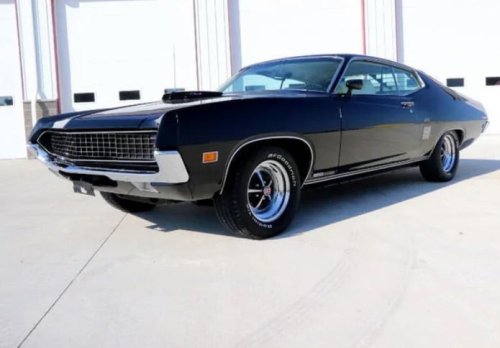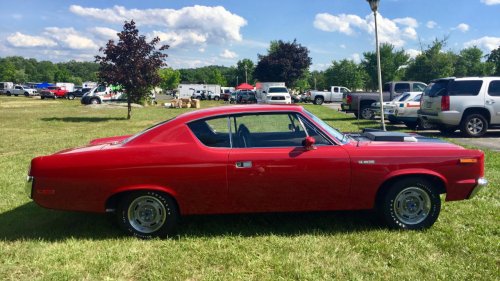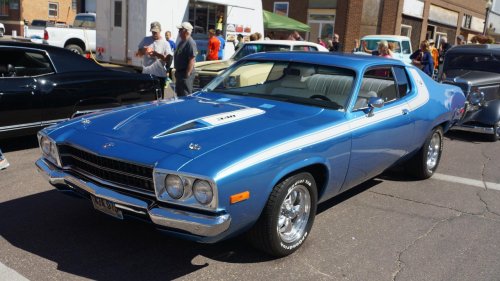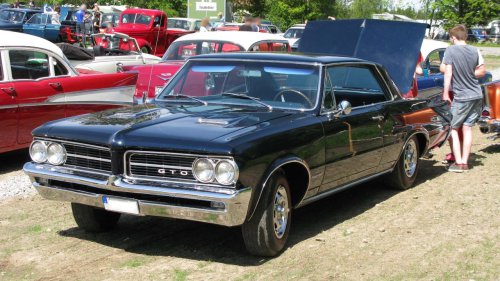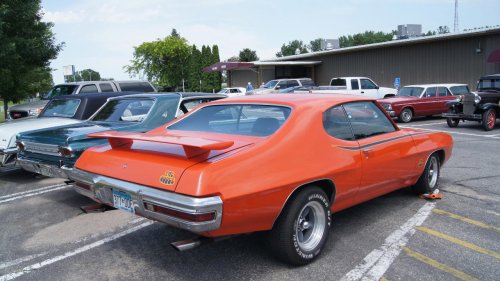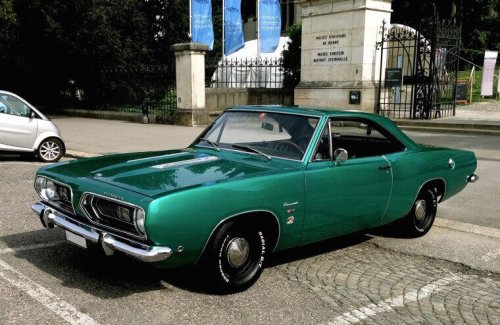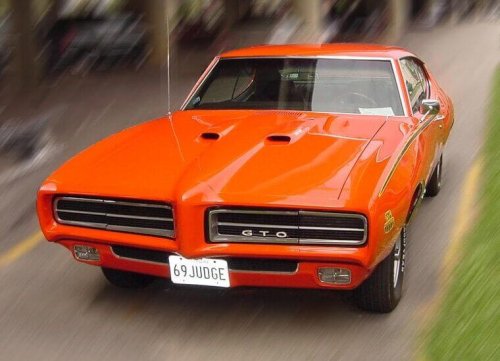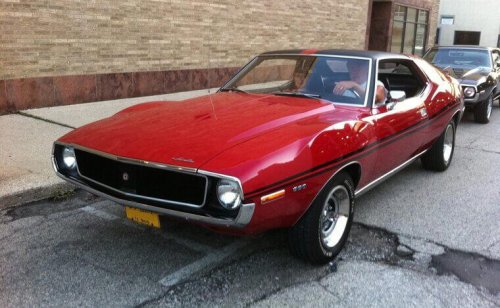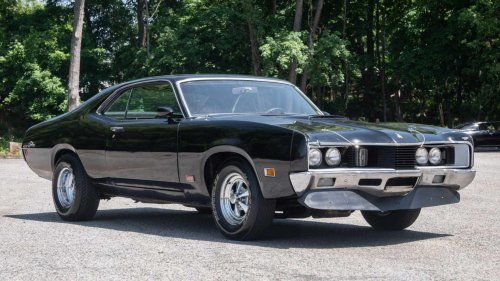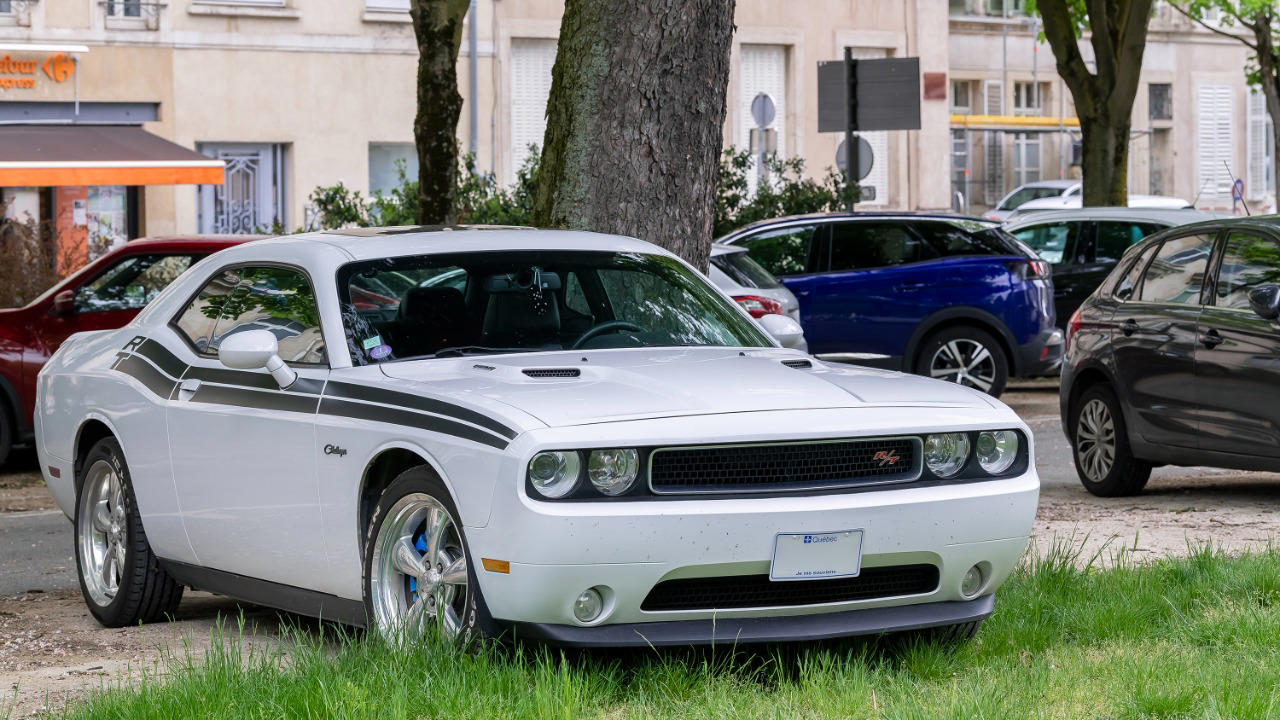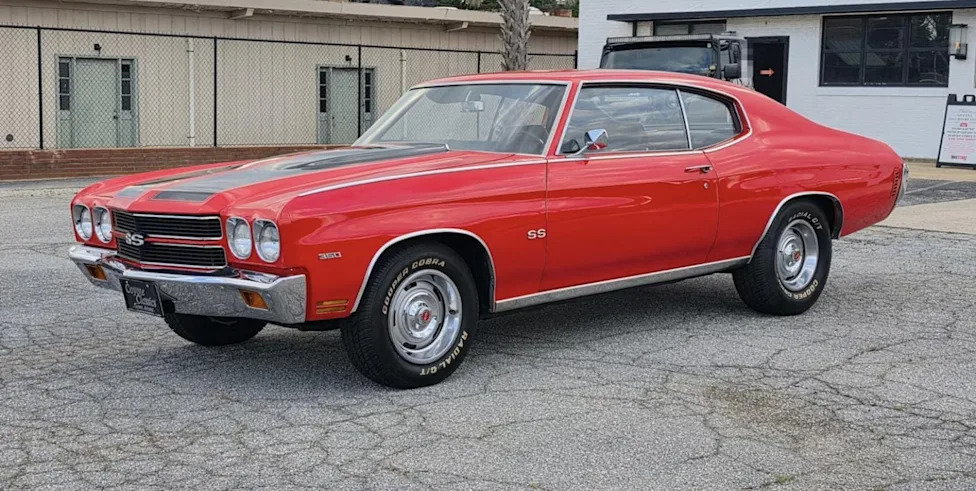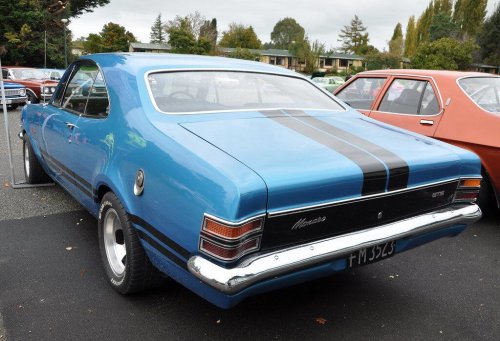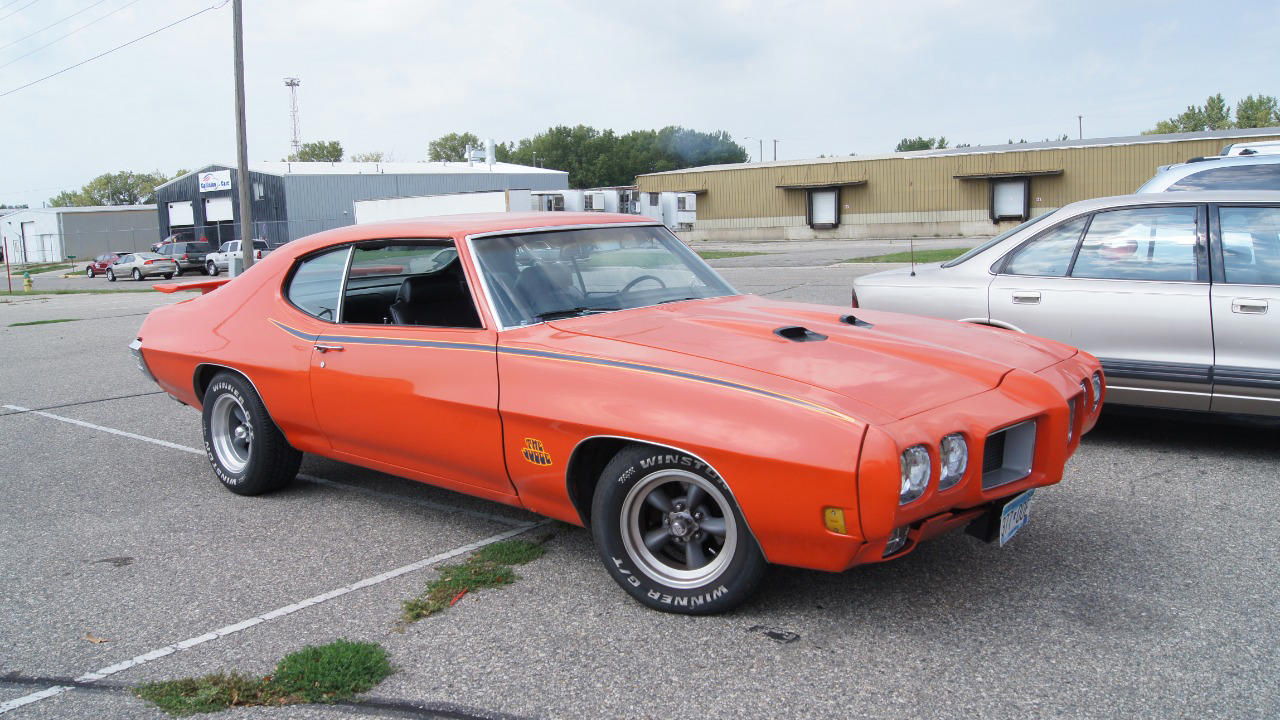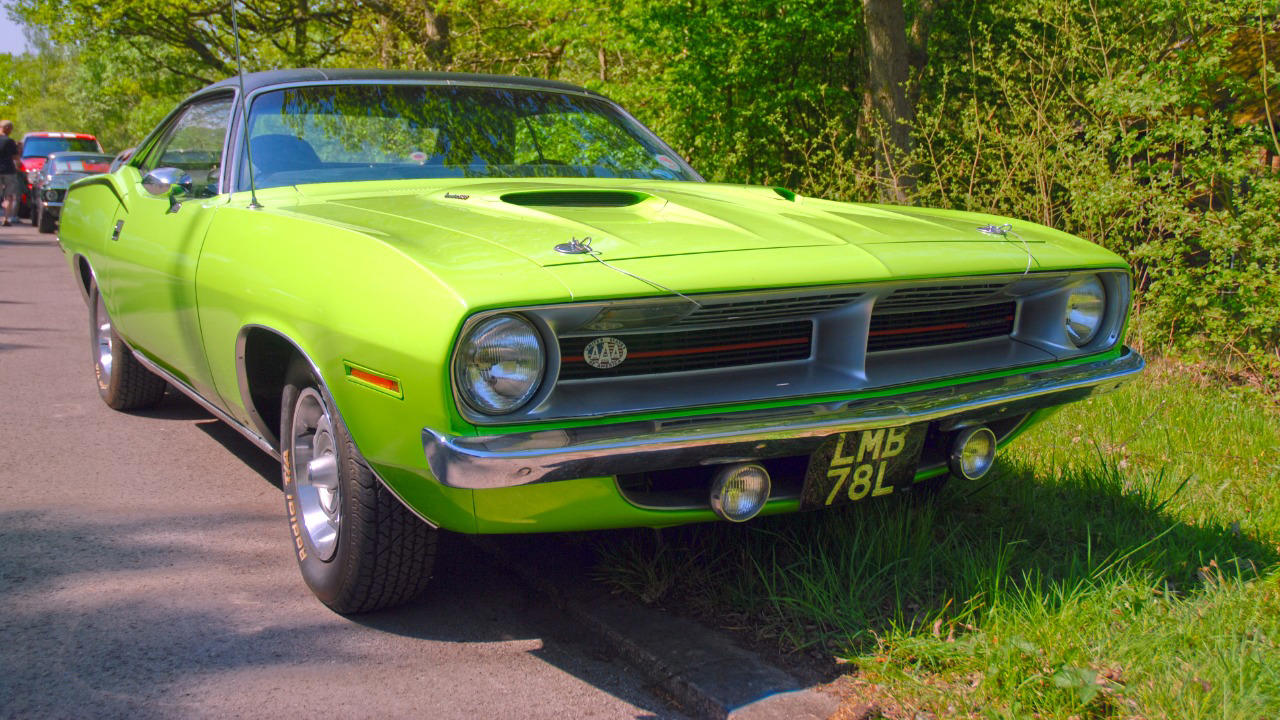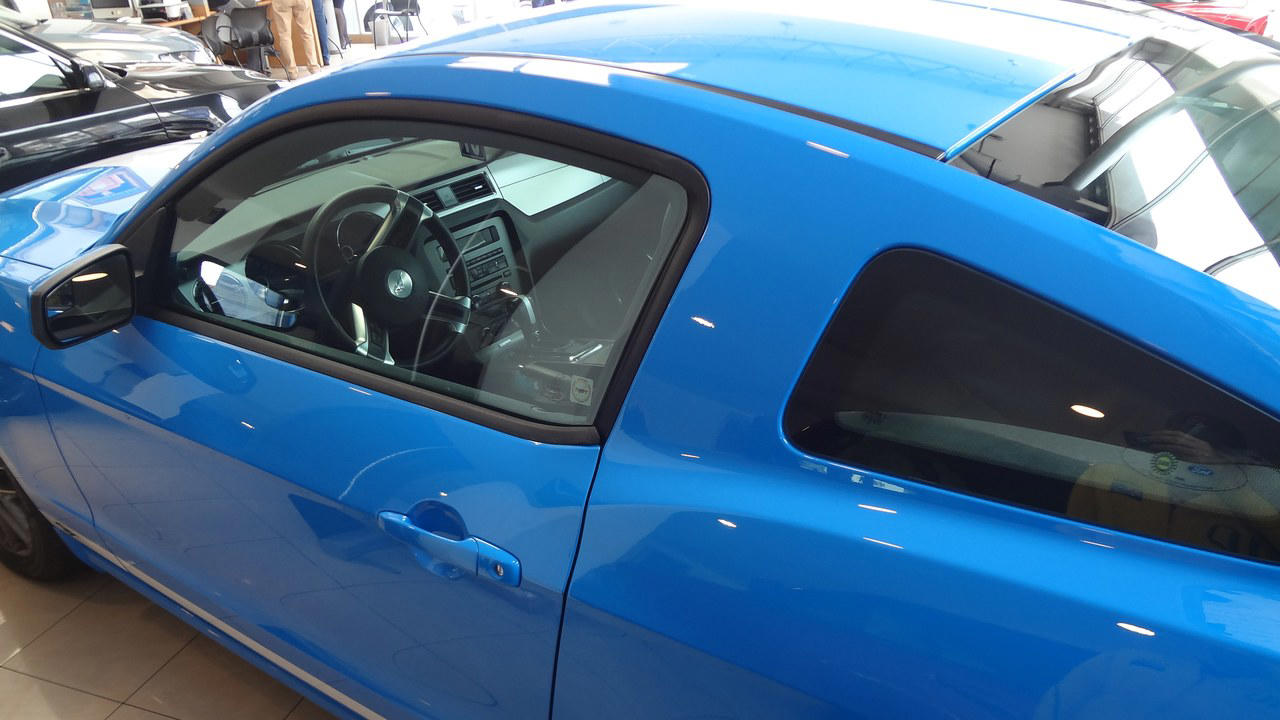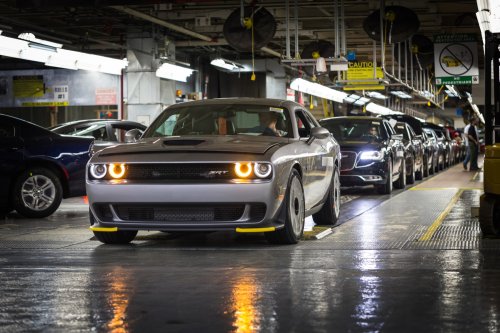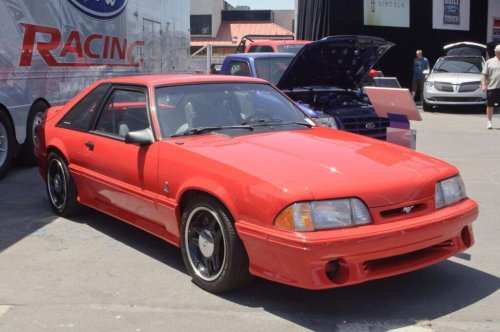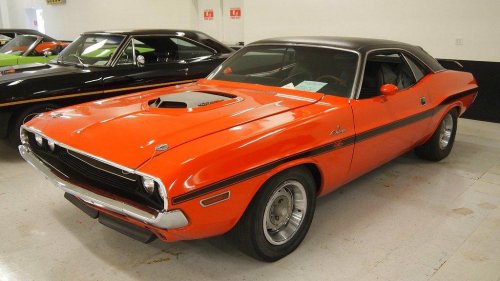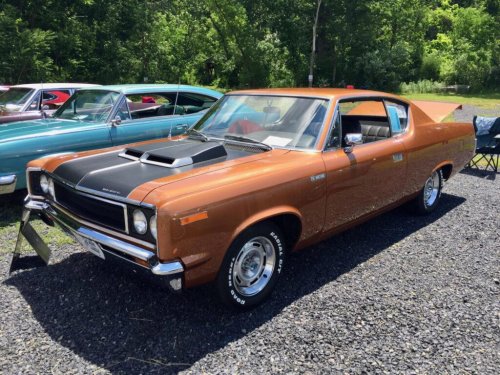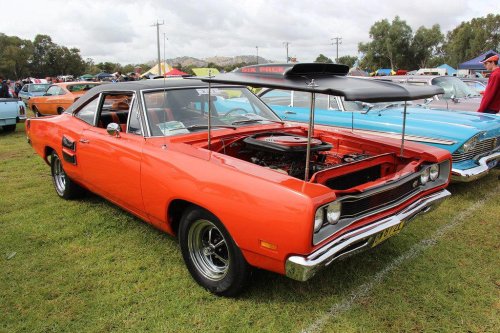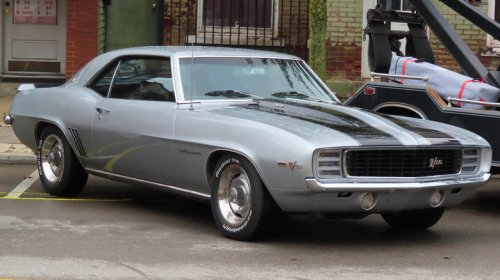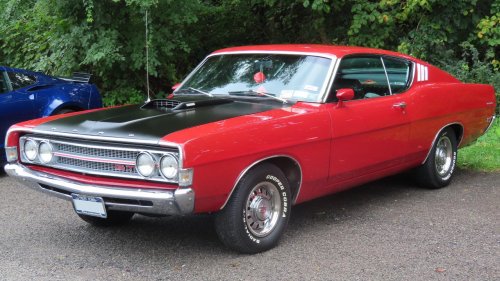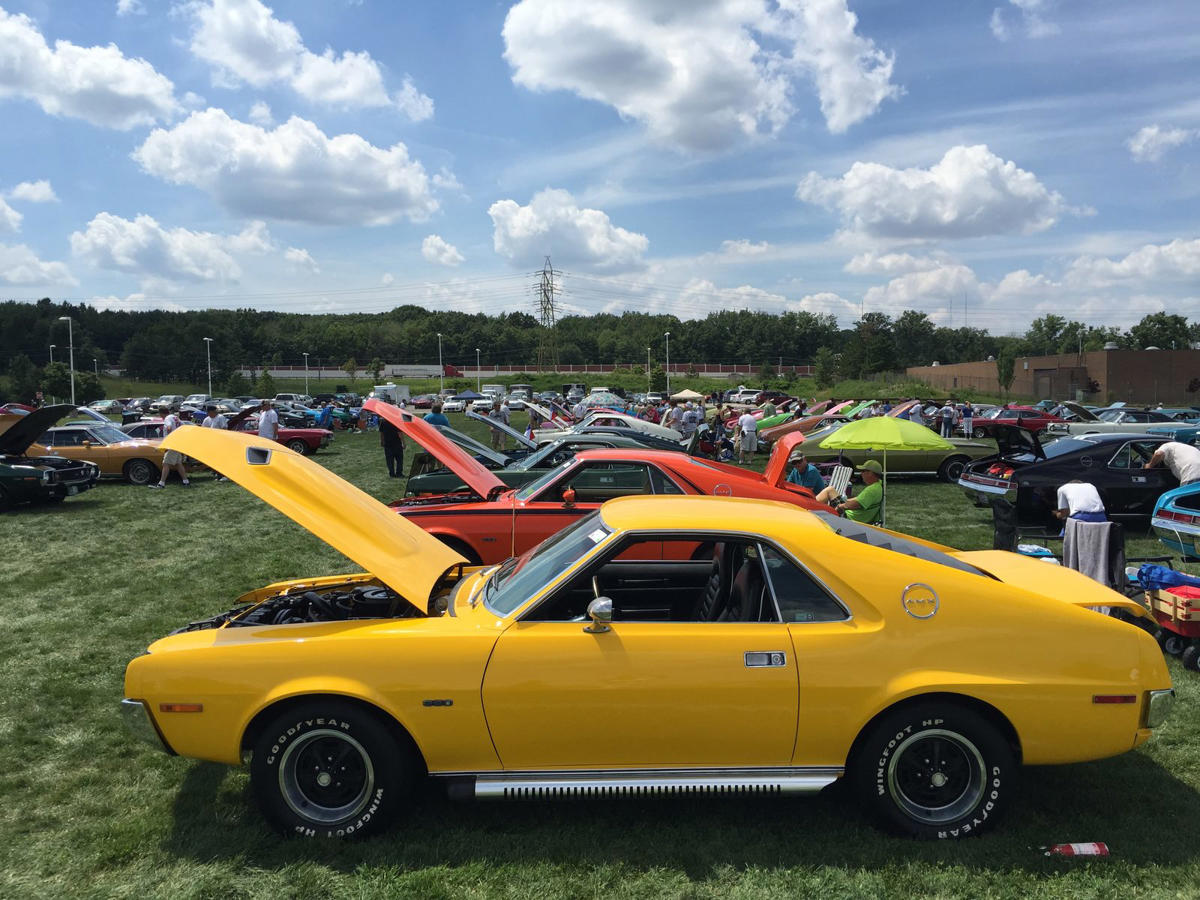



















The Muscle Car That Was All Show and No Go Key Takeaways Cosmetic packages built to look fast often had far less power under the hood than their styling suggested. Tightening emissions rules in the mid-1970s forced automakers to trade horsepower for compliance while marketing leaned harder on visual drama. Hood scoops, stripes, and spoilers were frequently non-functional design choices meant to evoke speed rather than deliver it. Despite modest performance, these style-driven muscle cars have become sought-after collectibles today, valued for nostalgia rather than speed. There was a moment in the 1970s when a car could look like it belonged on a drag strip and drive like a grocery-getter, and buyers rarely found out which one they'd bought until they were already signing the paperwork. Bold stripes, blacked-out scoops, and aggressive spoilers had become shorthand for speed, a visual language borrowed straight from the horsepower wars of the late 1960s. What most people don't realize is how deliberate that gap between look and performance actually was. Regulations changed what engines could do, so Detroit changed what buyers could see. What follows traces how one of the most recognizable muscle car packages of the era became famous for exactly the opposite of what muscle cars were supposed to deliver. A Stripe Job That Fooled Everyone The showroom sparkle promised a fight it couldn't finish Picture a Ford showroom in 1976, sunlight bouncing off a Mustang Cobra II wrapped in bold red-white-and-blue racing stripes, blacked-out hood scoops, and a front spoiler that looked ready to scrape asphalt. A buyer circles the car twice, convinced this was the second coming of the muscle car glory days. The dealer nods along, pointing out the Cobra II badge stitched into the seats and the throaty exhaust note echoing through the tailpipes. Then comes the test drive. Underneath all that visual muscle sat a modest 302 cubic-inch V8, the kind of engine that would have been considered mid-pack a decade earlier. The car looked like it wanted to eat a quarter-mile for breakfast. It drove more like a comfortable commuter with a loud personality. That gap between appearance and performance wasn't a one-off mistake. It became the blueprint for an entire era of American muscle cars built to look faster than they actually were. How Muscle Cars Lost Their Muscle From big-block brawlers to compliance-choked commuters in a decade Rewind to 1969 and a Camaro SS could be ordered with a 396 big-block engine putting out well over 300 horsepower, a genuine street fighter built for stoplight drag races. Muscle cars back then earned their name honestly. Big displacement, minimal emissions restrictions, and insurance rates that hadn't yet caught up with the horsepower wars meant Detroit could build engines as aggressive as the styling around them. By the mid-1970s, that formula collapsed. New emissions rules choked engines with restrictive exhaust systems, unleaded fuel requirements forced lower compression ratios, and insurance companies started charging steep premiums on anything with a performance badge. Horsepower numbers dropped across nearly every brand. Automakers still wanted to sell the muscle car dream, so they leaned harder on the one thing regulations couldn't touch: appearance. Stripes got bolder, scoops got bigger, spoilers got sharper. The cars looked angrier than ever while their engines quietly got weaker under the hood. Decals, Scoops, and Empty Promises That aggressive hood scoop wasn't feeding the engine anything A common assumption about muscle car styling is that every scoop, vent, and stripe served some functional purpose, feeding air to a thirsty carburetor or cooling a hard-working engine bay. That assumption falls apart once you look closely at cars like the Cobra II. Its hood scoop, dramatic as it looked, was sealed shut underneath. No ductwork, no airflow, just a molded piece bolted on for effect. The same went for plenty of fake vents scattered across quarter panels and rocker panels on cars from this era, many of them stamped or painted rather than cut open. Shaker hoods on other models sometimes vibrated convincingly with engine movement without actually drawing in a meaningful amount of outside air. Design teams understood that buyers associated these shapes with performance, so they kept using them long after the engines underneath stopped justifying the look. It was styling borrowed from a faster era and grafted onto a slower one. The Numbers Nobody Wanted to Print 134 horsepower wearing a costume built for 300 Flip open a brochure for the 1976 Mustang Cobra II and the horsepower rating for its 302 V8 lands at just 134 horsepower. Compare that to a 1969 Mustang Mach 1 with a 428 Cobra Jet engine pushing well past 300 horsepower, and the drop looks almost impossible for cars wearing similar badges less than a decade apart. Buyers who remembered the late 1960s expected a certain kind of shove when they hit the gas pedal. What they got instead was adequate, unremarkable acceleration dressed up in the loudest graphics package Ford's design studio could dream up. The Cobra II wasn't alone. Plenty of performance trims across Detroit's lineup during this stretch carried similarly modest numbers, a byproduct of engines built to satisfy emissions testing rather than dominate a drag strip. Those horsepower figures rarely made it into advertising copy for good reason. The stripes sold the fantasy. The spec sheet told a quieter story. Why Detroit Chose Looks Over Power Regulations tied engineers' hands, so stylists picked up the slack Engineers weren't the ones deciding to make muscle cars slower. Federal mandates forced their hand. New emissions standards required catalytic converters, which meant switching to unleaded fuel and dropping compression ratios that had once let engines breathe hard and burn hot. Every one of those changes trimmed horsepower, sometimes by a wide margin, regardless of how aggressive a car looked from the outside. With engineering options limited, the responsibility for keeping the muscle car spirit alive shifted toward marketing and design departments. Bigger scoops, bolder color schemes, and eye-catching decal packages became the tools available to signal performance without an engine to back it up. Dealers leaned into that same messaging on showroom floors, since a car that looked fast still moved units even when it couldn't back up the swagger on a drag strip. It wasn't dishonesty so much as adaptation, an entire industry reshaping its identity around restrictions nobody in Detroit had asked for. Driving One Home and Finding Out The first stoplight told him everything the brochure didn't One retiree still remembers the day his father brought home a brand-new performance coupe in 1977, stripes gleaming, dealer tag still hanging off the mirror. His father had grown up racing at the local strip in the 1960s and expected the same kick in the chest he remembered from those years. He pulled up to the first stoplight, waited for the light to change, and put his foot down. Nothing about the launch matched the car's appearance. The engine strained rather than surged, and by the time the light changed again half a block later, his father was already shaking his head. He joked for years afterward that the car wrote checks its engine couldn't cash, a line that stuck with the family. Stories like that played out in driveways across the country during this era, as buyers who remembered real muscle cars discovered that the badge and the graphics package no longer guaranteed the drive to match. Why Collectors Still Want the Fakes Modest horsepower hasn't stopped these cars from climbing in value It would be easy to assume cars built with more style than substance faded into obscurity, unwanted by anyone who valued real performance. Auction results tell a different story. Clean, original examples of cars like the Cobra II routinely draw strong bidding today, often selling for solid five-figure sums when properly restored with factory-correct stripes and trim intact. Collectors chasing these cars usually aren't hunting for quarter-mile bragging rights. They want the exact styling package that once felt like a punchline, the same blacked-out scoops and bold graphics that couldn't deliver on their promise back in 1976. Rarity plays a role too, since plenty of these cars got driven hard, rusted out, or modified over the decades, leaving fewer honest survivors than most people expect. A car doesn't need a big-block engine to earn a spot in someone's garage. Sometimes the memory of what it looked like pulling into a high school parking lot is worth just as much as anything under the hood. Practical Strategies Check the Build SheetBefore buying an old cosmetic muscle car, track down the factory build sheet or window sticker to confirm which engine actually came with the trim package. Styling badges and engine options were often mixed and matched more than most buyers expect.: Value Originality Over HorsepowerIf collecting is the goal, factory-correct decals, spoilers, and trim usually matter more to value than a swapped-in bigger engine. These cars earn their price tag from nostalgia and rarity, not from what they can do at a stoplight.: Compare Era-Specific Spec SheetsDon't assume a badge means the same thing across different model years. Look up the exact horsepower rating for the specific year in question, since numbers on cars with identical names swung wildly through the 1970s.: Inspect Before You AssumePlenty of hood scoops and side vents from this era were sealed for looks rather than function. Popping the hood before a purchase or restoration saves the surprise of discovering a scoop that never fed air to anything.: The gap between how a car looked and how it actually performed defined an entire stretch of American automotive history, one where regulations rewrote the rules faster than engineers could adapt. Cars like the Cobra II became rolling reminders that muscle car identity could survive on styling alone, at least for a while. Today, that same styling has aged into something collectors genuinely want, proof that a bold look and a good story can outlast raw horsepower in the long run. The next time a flashy hood scoop catches your eye at a car show, it might be worth asking what's really underneath.