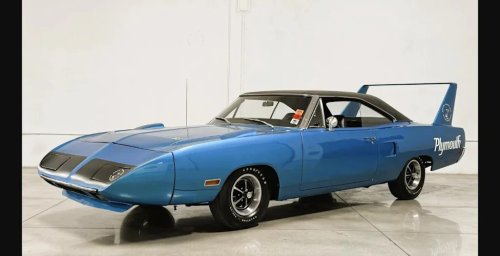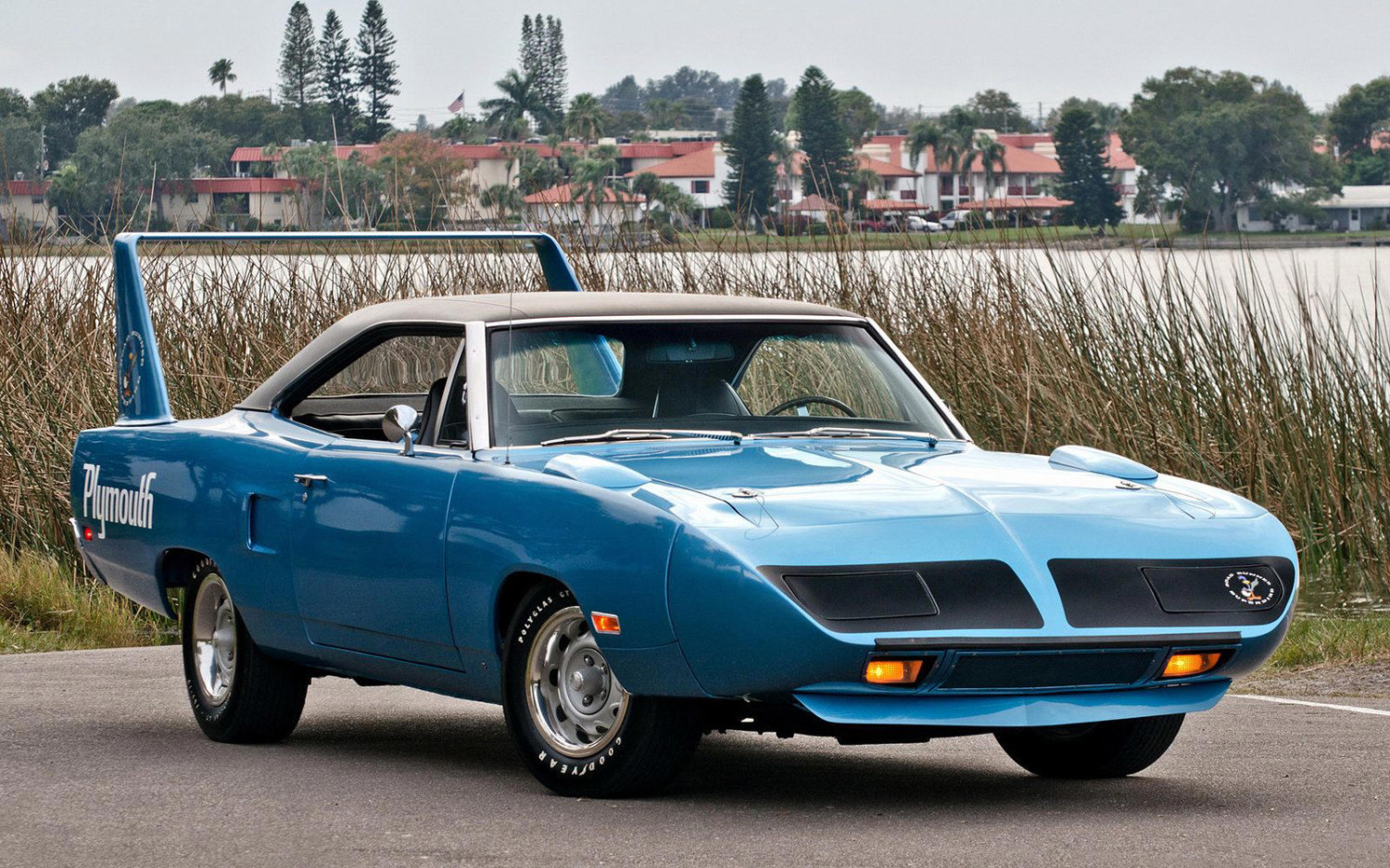



















The Muscle Car Everyone Wanted Until They Got Behind the Wheel Key Takeaways A hyped muscle car built for NASCAR glory ended up frustrating the very drivers who chased it down The aerodynamic features that made it a track icon turned into daily headaches on ordinary streets Heavy steering and steep fuel costs turned a status symbol into a burden dealers struggled to unload Cars that once sat unsold on lots now sell for prices that dwarf their original sticker Rarity and nostalgia eventually rewrote the reputation of a car once considered impractical to own For a brief stretch in 1970, one car dominated every conversation at the local drive-in. It had a nose cone that stretched nearly two feet past the bumper and a rear wing tall enough to clear the trunk lid by a foot and a half, both borrowed straight from a NASCAR rulebook. Buyers lined up just to be seen near one. What almost nobody realized was how different that same car would feel once it left the showroom and had to survive a grocery run, a gas station line, or a tight turn into a driveway. The gap between the hype and the daily reality turned out to be enormous. America Falls for a Winged Warrior A NASCAR loophole created the most talked-about car in town In 1970, Plymouth pulled the covers off a machine that looked like it had escaped from a NASCAR pit lane and rolled straight onto a suburban showroom floor. The car wore a twenty-inch nose cone and a rear wing that stood a foot and a half above the trunk lid, both born from a rule requiring manufacturers to sell a street version of anything they wanted to race. Fans didn't need to understand aerodynamics to know something unusual had arrived. They just wanted to stand next to it. Plymouth had another motive beyond racing rules. The car was also built to lure a star NASCAR driver back after he'd jumped to a rival brand, a story detailed in coverage of the era's winged-car rivalry. Word of the wing spread through drive-ins faster than any ad campaign could manage, turning a homologation special into the most talked-about car in town before a single customer had taken one around the block. “Like its ’69 Dodge Charger Daytona sibling, the Superbird was developed to win in NASCAR competition, yet it was also created to bring Richard Petty back to Plymouth after he’d left for Ford for the 1969 season.” Why Everyone Had to Have One The numbers that made grown men rearrange their weekends Fewer than 2,000 examples ever reached buyers, with most production estimates landing between 1,900 and 2,000 units. Buyers could order a 440 Super Commando or the fabled 426 Hemi, and magazine writers wasted no time promising quarter-mile runs in the 12-second range. At a time when a strong daily driver might need fifteen seconds to cover the same stretch, that number alone was enough to send people to the dealership on a whim. The bragging extended past the showroom floor. Owners liked to claim their car outran anything else on the street, though the true speed record actually belonged to a rival from another brand. Brendan McAleer, automotive journalist at Car and Driver, points out that the competition was closer than most owners wanted to admit. That rivalry only added fuel to the hype, since nobody wanted to accept their prized purchase wasn't technically the fastest thing Detroit had built that year. “The Charger Daytona was the first stock car to crack 200 mph, making it faster than Plymouth's best efforts.” The Nose Cone Nobody Could See Past The same feature that won races made parking lots miserable Picture backing out of a supermarket lot in 1971 with two feet of sheet metal stretching out in front of the windshield before the driver could even spot the bumper. That nose cone, which looked so purposeful at speed, became a genuine problem the moment daily errands started. Judging distance to a curb, a shopping cart, or another driver's fender required guesswork that no amount of racing pedigree could solve. The design wasn't a mistake. It shaved crucial fractions of a second off lap times by cutting through the air more cleanly than a standard grille ever could, a detail covered in retrospectives on the aero cars' development. On a superspeedway at 190 miles per hour, that nose meant the difference between winning and finishing mid-pack. On a residential street at 15 miles per hour, it was just two feet of blind spot. Plenty of first owners learned to nose into parking spaces rather than back in, a habit that stuck long after the car found its way into a garage instead of a driveway. A Steering Wheel That Fought Back A car built for 200 mph fought back at every stoplight Nothing about a car built to survive a high-speed NASCAR draft suggested it would fight back at a stoplight. Yet without power steering as standard equipment, turning the wheel at parking-lot speeds took real effort, the kind that left forearms sore after a single afternoon of errands. Wide tires and a heavy front end, designed for high-speed stability, made low-speed maneuvering feel like arm-wrestling the car itself. Restoration mechanics who work on these cars today still hear the same reaction from new owners who expect showroom smoothness and instead get a workout. The unassisted steering box wasn't a flaw so much as a sign of the era. Power steering existed as an option, but plenty of cars left the factory without it, since buyers chasing top speed rarely thought about how the car would behave crawling through a school zone. What felt like a minor footnote on the spec sheet turned into the first thing owners noticed the moment they pulled out of the dealership lot. Gas Stations Became a Second Home A status symbol that turned into a weekly expense A car built around a 440 or a Hemi was never going to sip fuel gently, and most owners settled in around 10 to 12 miles per gallon on a good day. That number looked fine in 1970, when gas sat well under fifty cents a gallon. It looked very different by 1973, when the oil crisis sent prices climbing and lines forming at stations across the country. A contemporary Plymouth Valiant, built on similar underpinnings but with a modest six-cylinder engine, could stretch a tank of gas more than twice as far. Owners who once enjoyed being the center of attention at the pump found themselves visiting that same pump two or three times as often as neighbors driving something far less exciting. What started as a badge of status slowly turned into a line item that showed up every single week. Dealers Practically Gave Them Away The hype cooled faster than anyone at the dealership expected Everyone assumed a car this hyped would fly off the lot. It didn't. By late 1970, unsold units sat gathering dust at dealerships that had ordered them expecting a bidding war. The wing and nose cone that made the car a sensation on the showroom floor made it a hard sell to buyers who actually had to live with it, and some showrooms reportedly stripped both features off entirely, converting leftover cars back into standard Road Runners just to clear space for the next model year. That kind of desperation seems almost impossible given how the car is remembered today, but it lines up with a pattern that showed up across the entire winged-car movement documented in coverage of the era's NASCAR-driven design race. Manufacturers built these cars to satisfy racing rules, not necessarily the buying public, and once those rules changed the following year, the incentive to keep building them disappeared just as fast as the hype had arrived. From Unwanted to Untouchable The car nobody wanted now headlines every auction A brand-new example carried a sticker price of $4,298 in 1970, a modest sum next to some of the fancier cars on the same lot, and even that price struggled to attract buyers once the practical complaints started circulating. Dealers cutting deals and stripping options tells the story of a car that couldn't find a home. Decades later, the same car regularly crosses the auction block for well over $150,000, with pristine, numbers-matching examples pushing past that mark without much resistance. Documentation on what a 1970 muscle car price tag reveals helps explain why collectors now treat these once-unwanted machines as pieces of history rather than used transportation. For retirees who remember seeing one parked outside a diner back when it was simply the strange-looking car nobody's uncle could sell, the shift in status carries its own kind of vindication. Rarity turned out to matter more than practicality ever did, and the car that once embarrassed dealers now headlines their most valuable inventory. Practical Strategies Verify Original Wing HardwareSince some dealers stripped wings and nose cones off unsold units decades ago, confirm the aero pieces on any car for sale are original factory parts and not later reproductions. Mismatched mounting holes or fresh paint under the wing brackets are common giveaways.: Match the Build SheetEngine codes, VIN stampings, and broadcast sheets should all line up before serious money changes hands. A car with its original drivetrain intact carries far more value than one with a period-correct but swapped engine.: Budget Beyond the PurchaseFuel, insurance, and specialty parts add up fast on a car this thirsty and this rare. Get a quote from an insurer familiar with collector vehicles before assuming coverage will be simple or cheap.: Drive It Slow FirstBefore committing, spend time maneuvering the car at low speed in a parking lot rather than just taking it for a highway cruise. The unassisted steering and long nose reveal themselves at ten miles per hour, not seventy.: Join an Owners ClubMarque-specific clubs track parts sources, authentic restoration standards, and known fakes better than any general classifieds site. Long-time members often spot inconsistencies a casual buyer would miss entirely.: The gap between showroom hype and daily reality made this car one of the more unusual stories in muscle car history. What frustrated owners for a few short years became the exact reason collectors treasure it today. Rarity outlasted the complaints about visibility, steering, and fuel bills, and nostalgia did the rest. For retirees who remember the original buzz, that transformation from lot-sitter to auction star is proof that some cars need decades to finally get their due.