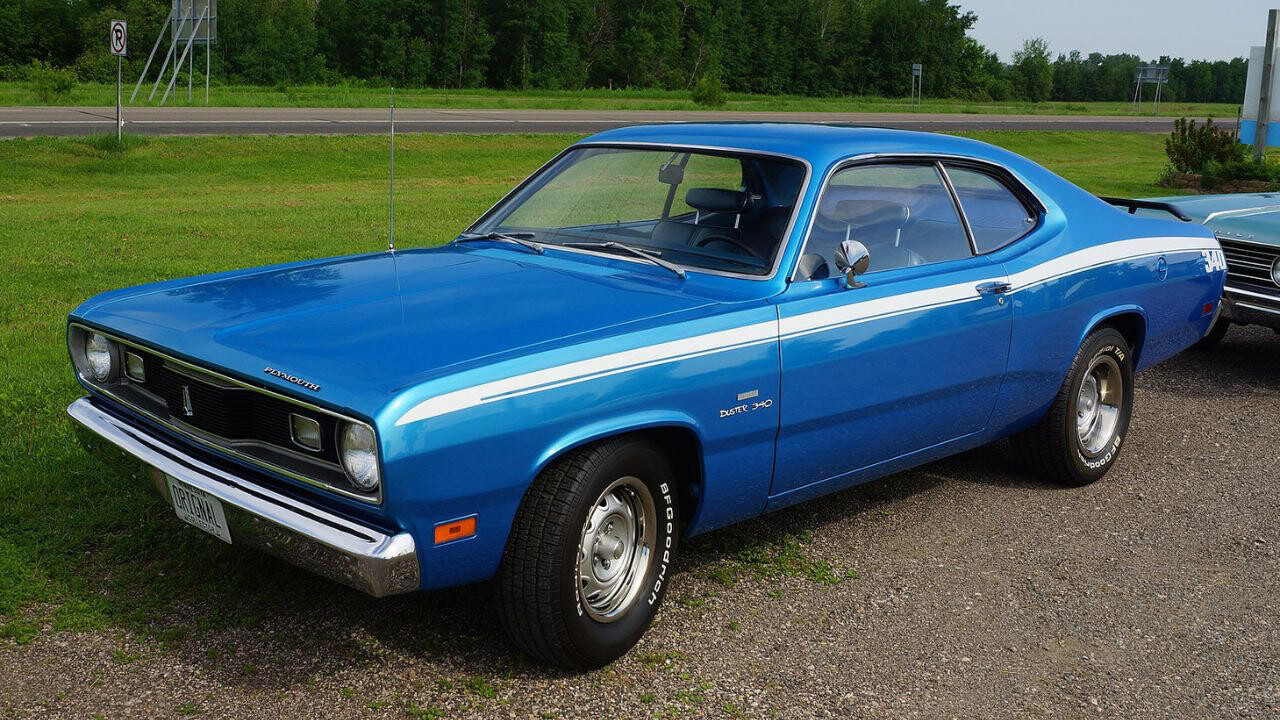
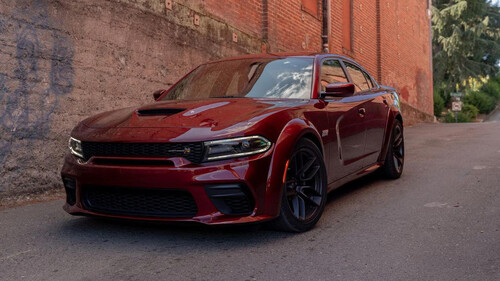
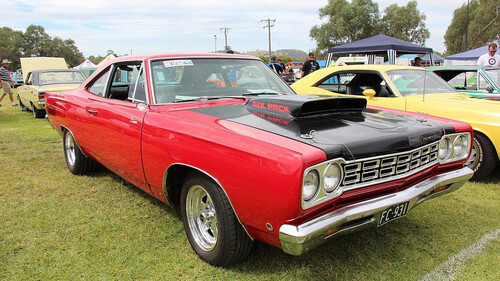
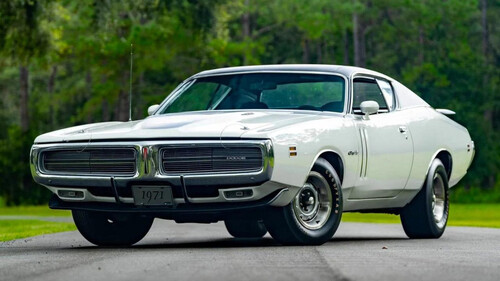
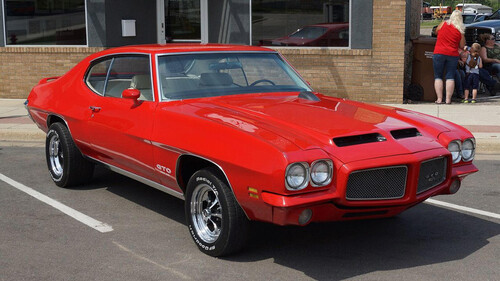
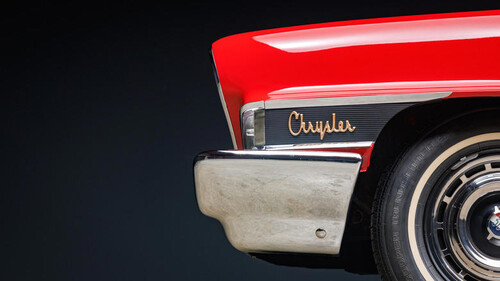
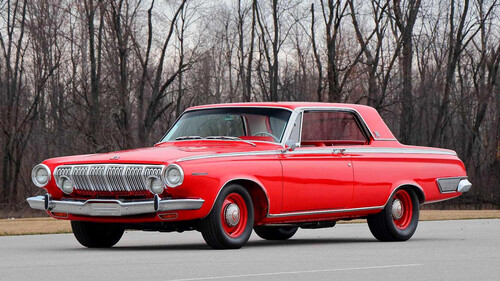
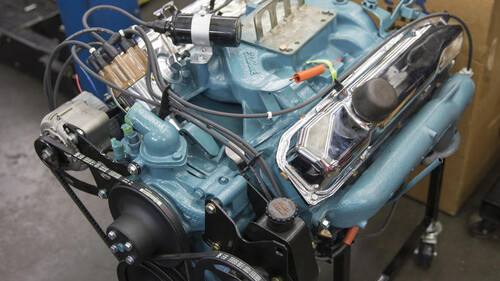
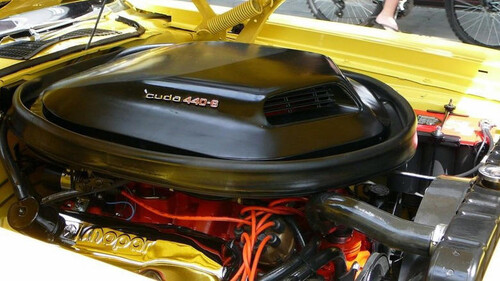
The Mopar package that made one ordinary car feel specialThe right factory option can turn a forgettable commuter into something owners remember for decades. For Chrysler fans, a single Mopar package often carried that magic, transforming a basic sedan or coupe into a car that felt quicker, rarer, and more personal than its window sticker suggested. That mix of bolt-on hardware and factory-backed attitude still shapes how enthusiasts modify and value Mopar cars today. Muscle car option codes may belong to an era half a century in the past, but the formula behind those packages remains relevant. Modern tuners, auction buyers, and even new-car shoppers still chase that same recipe: take an ordinary platform, add a carefully chosen performance bundle, and unlock a driving experience that feels far more special than the spec sheet predicts. How a single Mopar package reshaped an everyday car Mopar’s genius was often less about building all-new models and more about stacking the right parts onto existing ones. A modest Dodge or Plymouth could leave the factory with a slant-six and hubcaps or, with the right option box ticked, with a hotter engine, upgraded suspension, and subtle visual cues that only insiders recognized. The result was a car that still looked like a neighbor’s grocery-getter but drove like a weekend race car. Period performance packages typically bundled a stronger engine with supporting hardware. A small-block V8 paired with a higher numerical rear axle ratio, better cooling, and dual exhaust instantly changed the character of a car that otherwise shared its body shell with fleet sedans. The same thinking appears in later turbocharged cars, where a compact engine and light chassis can feel far more urgent than their brochure figures suggest, as seen in some overlooked turbo models that punch above their weight. Exterior changes were often restrained but meaningful. A stripe kit, discreet emblems, and unique wheels signaled that this was not the base model, yet the car still blended into traffic. Inside, a factory tachometer, sport steering wheel, and bucket seats reinforced the sense that the driver had bought into something more focused than a standard family car. These touches did not radically alter the platform, but they shifted the emotional experience every time the key turned. Some of the rarest 1960s and 1970s Mopars show how far this approach could go. Special-order combinations of engines, transmissions, and appearance packages created low-production variants that now rank among the most sought-after muscle cars. In many cases, these cars started life as the same body and chassis as thousands of others. The difference was a coded package that quietly transformed them into serious performance machines. The strategy also made ownership feel more personal. Buyers were not just purchasing horsepower; they were selecting a personality. A Mopar with a specific package could be tuned for street racing, drag strips, or long highway runs, all while sharing most of its parts with more mundane siblings. The package served as a shortcut to a coherent setup, curated by the factory instead of assembled piece by piece in a driveway. Why that old Mopar formula still matters now Half a century later, collectors and drivers still respond to that blend of subtlety and intent. Auction results show that cars with documented performance packages routinely command higher prices than visually similar base models. The package code on a fender tag or build sheet can double or triple a car’s value, even when the underlying sheetmetal is identical. That premium reflects both scarcity and the confidence that the car was engineered as a complete performance package from day one. The same logic shapes how enthusiasts modify their cars now. Instead of random bolt-ons, many owners chase period-correct or factory-style combinations. They look for original intake manifolds, correct cam profiles, and suspension setups that mimic the balance of the original packages. Guidance from long-running enthusiast outlets, including features on how to prepare a Mopar, often emphasizes coherent builds that echo those factory recipes rather than scattershot upgrades. Modern turbocharged and supercharged cars follow a similar path. A base model may share its platform with an enthusiast version, yet a single factory performance pack can change gearing, software, brakes, and cooling. Owners report that these cars feel faster and more alive than their numbers alone suggest, echoing the way earlier Mopar packages made relatively ordinary chassis feel special. The lesson is that a well-matched set of upgrades can transform character more than raw power increases alone. There is also a cultural dimension. Mopar packages helped define tribes within the broader car community. Owning a car with a specific code or stripe pattern signaled belonging to a subset of enthusiasts who knew what those details meant. That social currency persists at shows and online forums, where a correctly optioned car often draws more attention than a more heavily modified but less coherent build. For younger enthusiasts priced out of the rarest 1960s and 1970s cars, the package mindset offers a way to find meaning in more attainable models. A lightly optioned sedan or hatchback can be upgraded with a mix of period-inspired parts that honor the Mopar approach: focus on balance, choose components that work together, and let subtle cues tell the story. The goal is not to clone a famous model, but to give a humble car a clear identity. Automakers have rediscovered the appeal as well. Limited-run appearance and performance packs on modern muscle cars borrow directly from that heritage. Retro stripes, shaker hoods, and coded option bundles sell nostalgia, but they also deliver curated hardware that makes ownership feel like membership in a small club. Buyers are not just getting extra horsepower; they are buying into a narrative that stretches back to the original muscle era. Where the Mopar package idea goes from here Looking ahead, the concept that once turned a basic Mopar into something memorable is likely to evolve rather than disappear. As electrification and software-defined vehicles spread, the future “package” may rely less on mechanical parts and more on code. Over-the-air performance modes, configurable suspension maps, and subscription-based power upgrades can replicate the old experience of unlocking extra capability with a single option choice. For enthusiasts who value mechanical authenticity, that transition raises questions. A vintage Mopar package is tangible: a specific carburetor, a certain axle ratio, a set of leaf springs or torsion bars. Future packages might exist mostly in software, with the same hardware delivering different personalities depending on what is unlocked. The emotional impact could be similar, but the sense of craftsmanship will feel different. At the same time, the collector market suggests that scarcity and story will remain powerful forces. Just as rare 1960s and 1970s combinations are prized today, limited-run software configurations or short-lived hardware packs on modern cars may become the next generation of coveted builds. Documentation, from digital logs to factory records, will matter as much as fender tags once did. Owners of current Mopars and other performance cars can still apply the original lesson. Instead of chasing the highest dyno number, they can think in terms of packages: a balanced set of upgrades that suit how the car is actually driven. That might mean pairing a mild power increase with better brakes, cooling, and tires, then finishing the build with a few carefully chosen visual touches that nod to heritage without copying it outright. Ultimately, the Mopar package that once made a single ordinary car feel special represents a mindset more than a part number. It is the idea that character comes from a well-chosen combination of pieces, not from excess for its own sake. As technology changes, that philosophy remains a guide for anyone who wants a car that feels tailored, distinctive, and memorable, even if it started life as just another model on the lot. More from Fast Lane Only Unboxing the WWII Jeep in a Crate 15 rare Chevys collectors are quietly buying 10 underrated V8s still worth hunting down Police notice this before you even roll window down *Research for this article included AI assistance, with all final content reviewed by human editors