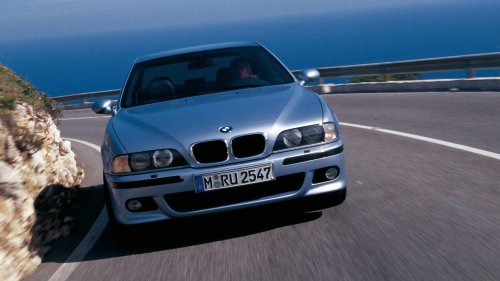
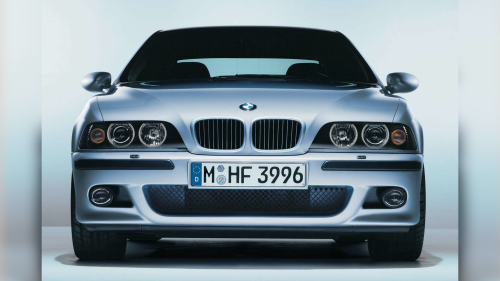
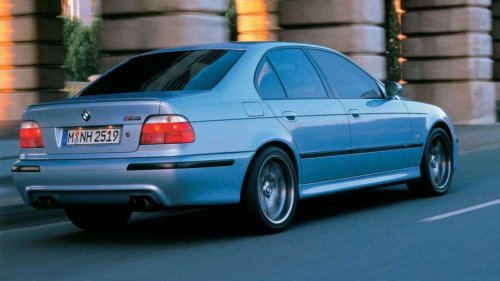
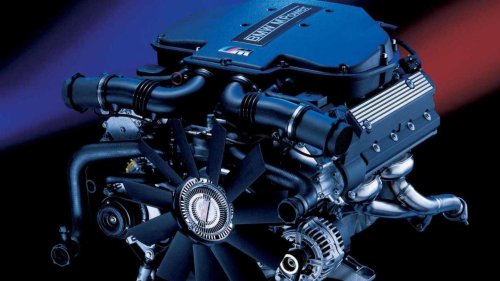
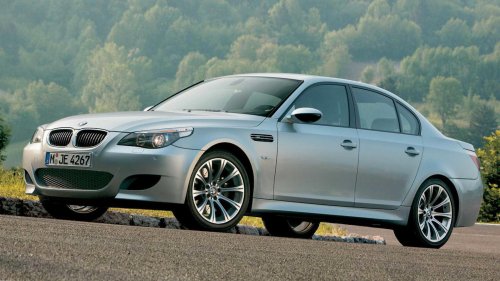
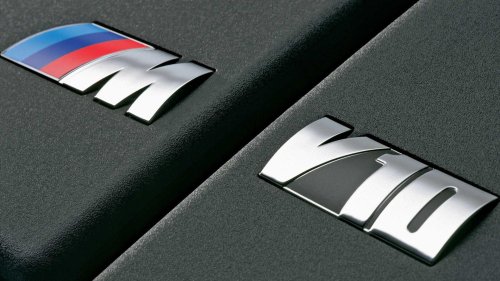
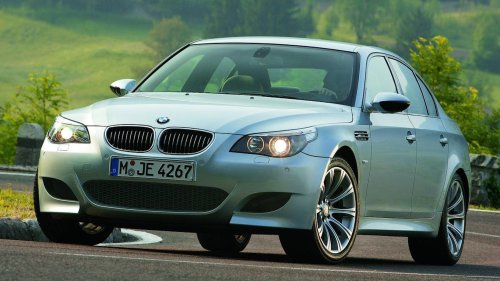
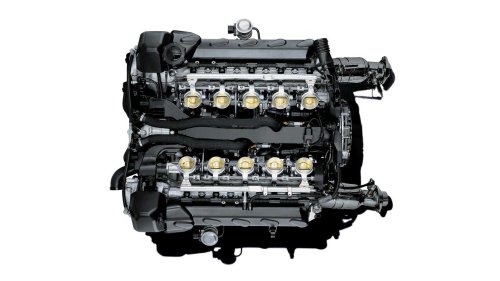
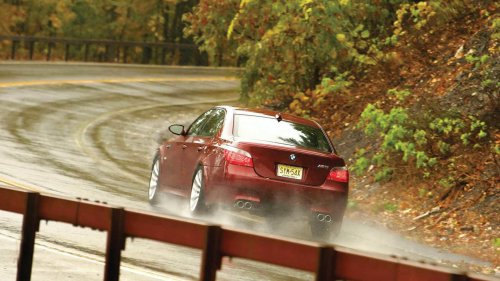
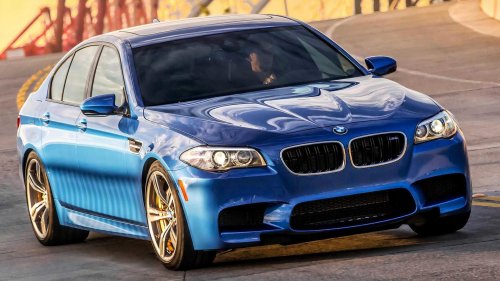
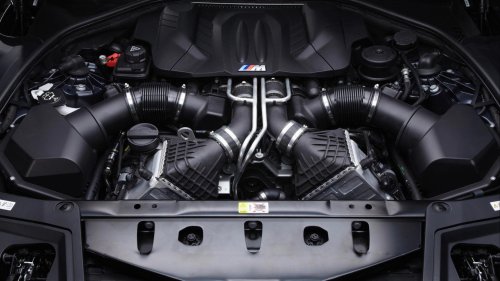
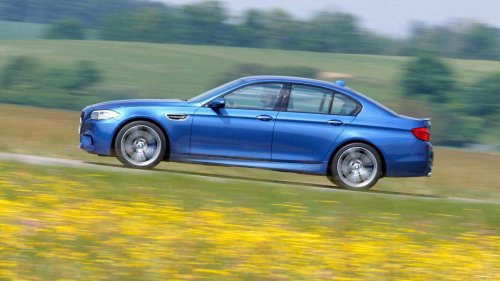
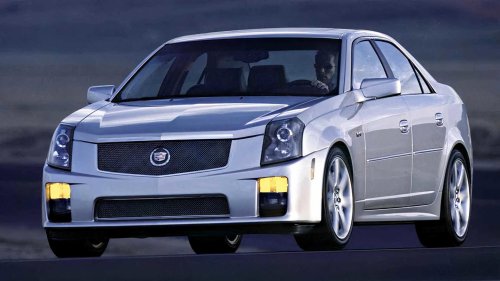
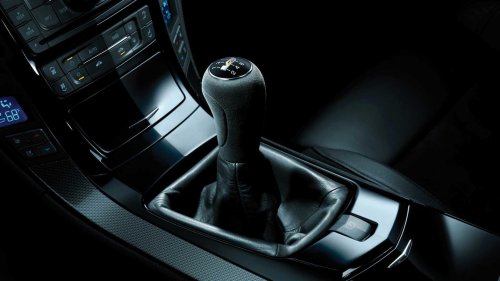
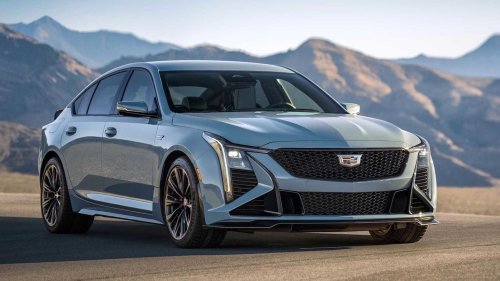
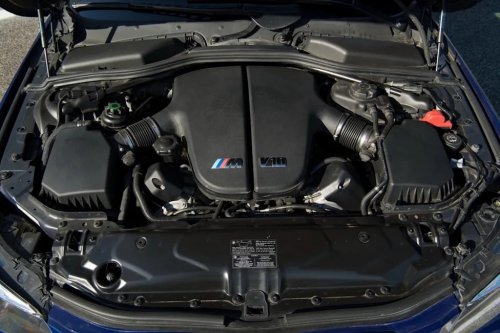
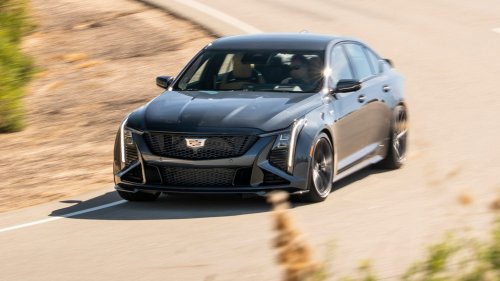
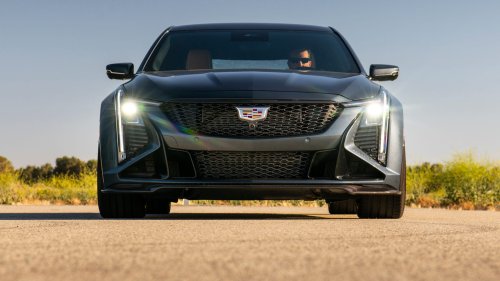
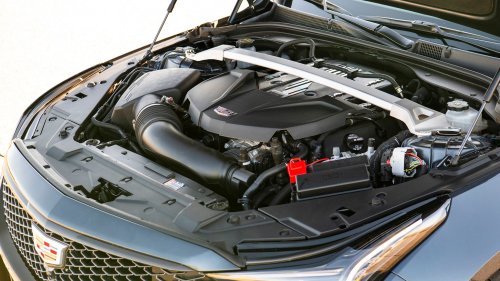
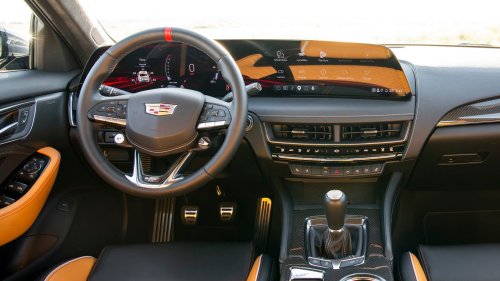
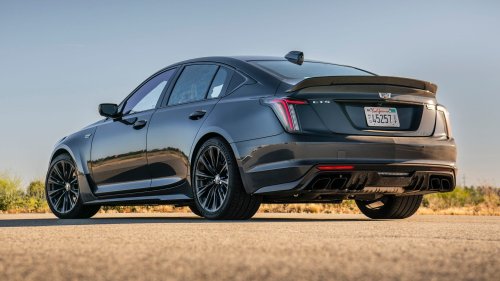
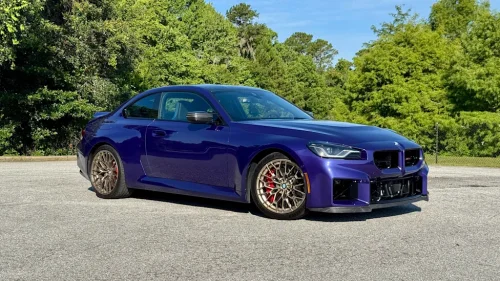
In the early 2000s, the E39-generation BMW M5 was the executive super sedan to have. Built a stone's throw from some of the world's fastest roads and engineered to be one of the fastest four-doors on them, the E39 was a rolling culmination of everything the automaker knew about building high-performance four-doors at the time. The market celebrated the M5's pure, manual-only offering, intended to appeal to driving enthusiasts in a very big way, as an incoming breed of high-performance automatic options was being readied to help respond to incoming emissions and fuel economy regulations.BMW In the years and generations that followed, it'd be harder and harder to find a BMW M5 with three pedals, as subsequent generations were mostly automatic-only affairs. Still, with the intention of doing right by the M5's biggest fans, several subsequent generations were available with manual gearboxes, though these represented a fraction of the model's production numbers. Interestingly, this rapid loss of the three-pedal M5, represented an interesting opportunity for Cadillac to swoop in and capitalize. Below, we'll dig into how that all went down. The E39 BMW M5 BMWThe E39 generation was the BMW M5's third, and marked the first time that the automaker broke from its straight-six traditions and put a 4.9-liter V8 under the hood instead. When it arrived in 1999, the V8 engine was largely considered a masterpiece of electronic control and high-performance breathing. With 400 horsepower on tap from one of the most sought-after engines of the day, the E39 not only helped build brand recognition for decades to follow, it also forced the competition to step up their game.BMW Every E39 M5 built had a manual transmission; there was no automatic available. Production ended after 2003, and today, the E39 M5 is a 20-plus-year-old super sedan that isn't without its challenges to maintain, but remains highly loved by enthusiasts after a powerful four-door with a fantastic engine, classic BMW sedan looks, and three pedals at their feet.BMW BMW built about 20,500 examples between 1998 and 2003, with just under 10,000 allocated to the US. One hundred percent of these had a six-speed manual. Today, you'll easily pay $40,000 for a solid second-hand copy, with some extremely low-mileage offerings commanding double or triple that amount. The E60 BMW M5 BMWThe E60 BMW M5 comes next. It arrived in 2006, a few years after the E39 departed (2003). This time around, the M5 would be powered by its most exotic engine ever: a 5-liter V10 with F1-derived tech built in to deliver 500 horsepower and a screaming, naturally-aspirated redline. This was the first V10-powered sedan, but Audi was right on BMW's tail.BMW In this era, automakers around the world were building some of the best free-breathing engines of all time, as turbocharging and hybrid power were being queued up for the coming era of ever-tightening emissions. Like the E39 M5 before it, the V10-powered E60 used a bespoke engine that was designed solely as a high-performance unit.2005 BMW M5 E60 Silver Front Angled ViewS85 V10: Key Advances From 2005 F1‑influenced firing order– Runs a 1‑6‑5‑10‑2‑7‑3‑8‑4‑9 sequence derived from BMW’s early‑2000s V10 race research. Triple‑pump oiling– Maintains oil pressure during high g-force cornering Ten ITBs– One electronically actuated throttle per cylinder for immediate response Ten equal‑length runners– Composite intake with matched velocity stacks feeding each ITB Ion‑current knock sensing– Uses spark‑plug ionization instead of conventional knock sensors to support high revs Bedplate block– Rigid aluminum bedplate stabilizes the crank during sustained high rev operation Smart alternator drag reduction– Cuts alternator field current under load, then recharges aggressively on lift‑off BMW’s only production V10– A one‑generation experiment sitting between decades of V12s and the later S65 V8 BMW The E60's V10 engine helped satisfy the expectation of an even more extreme M5 to replace the E39, though the E60 was mainly offered with an SMG transmission, a type of high-performance automatic. Though high-tech and capable of some serious performance feats, this transmission drew a lot of criticism, leaving many shoppers wishing for a three-pedal option to conduct their new V10 orchestra. The E60 M5 would answer their call by making a six-speed manual available only in the US, and the SMG transmission remained the quicker machine.BMW BMW built 20,648 units globally, with US sales amounting to 1,300 manual-equipped M5s and roughly 7,400 with the SMG. Today, expect to pay $25,000 to $30,000 for a good used copy, with extremely clean and low-mileage units adding another $10,000 to $20,000 easily. The F10 BMW M5 BMWThe E60 generation M5 disappeared after 2010, and the successor arrived in 2013. The new F10-generation M5 now had a hot-vee twin-turbo V8 engine which would power a wide range of other models in various configurations. Fans missed the screaming high rev character of earlier M5's, but the increased torque at low revs made the latest M5 more driveable and easier on fuel. In 2013, you could order your new M5 with a six-speed manual, alongside the newly-developed seven-speed double-clutch transmission, which replaced the clumsier SMG box from the V10-powered car before it.2013–2016 BMW M5 F10 twin-turbo S63 V8S63 V8: Key Advances From 2013 Hot‑V twin‑turbo layout– twin turbochargers located inside the engine’s ‘hot-V’, reducing plumbing and improving response. Twin‑scroll turbochargers– Equipped with low‑inertia twin‑scroll IHI turbochargers for fast spool and high mid‑range torque. Dual Injection– Uses Bosch HDEV5 direct injection with additional port injection for mixture stability under high load. High‑output flexibility– Across variants, the S63 produces 547–617 hp and up to 553 lb‑ft, depending on model and tune. Advanced cooling system– Features a dual‑circuit water‑cooling system and water‑to‑air intercoolers for charge‑air temperature control. BMWIn 2013 and 2014, a six-speed manual was available as a no-cost option. It disappeared from the options list not long after, permanently, after BMW made just 577 copies (out of nearly 20,000) with three pedals. Today, if you can find one of them on the used market, you'll be paying about $30,000 for a higher-mileage unit, and close to double that for something with 35,000 to 70,000 miles of former use.If you're shopping for a used BMW M5 and it just has to be a manual, you've got three difficulty levels depending on the generation you're considering. The E39 is easy; all units were six-speed stick. Some E60 units with the V10 were made with a manual gearbox for the US market, but roughly six times as many sold here were SMG-equipped instead. With just 577 manual-equipped F10 M5's ever built out of 19,500 units globally, this final generation M5 counted just three percent of production with three pedals. How And Why Cadillac Swooped In And Capitalized CadillacWhen the E39 departed, the M5 was one of the only manual-equipped sedans in the high-performance space. With the E39 gone and the next-generation M5 built with a high-priced exotic V10 and mostly SMG transmissions, it's likely no coincidence that Cadillac launched the first CTS-V just a year later: complete with a V8 engine, rear-drive, and a six-speed manual. Sound familiar?Cadillac As BMW began winding down manuals in super sedans while making their engines ever more complex, Cadillac was building a reputation for world-class performance and adding more manuals to the mix. Today, they're well known as the market's go-to supplier of easy-access super sedans with three pedals, even pushing towards 700 horsepower with the latest CT5-V Blackwing, today's sole M5 fighter with a manual gearbox.Cadillac Consider the second-hand shopper of the late 2000s and early 2010s as well, perhaps comparing a second-hand BMW with an exotic engine to a brand-spanking new Cadillac with similar intentions, a dealership on every corner, a full warranty, and widespread availability of a manual gearbox. There's also that small-block dependability baked right in, too. So, in this way, BMW's shift away from the manual transmission after the 2003 M5 left an opening in the enthusiast marketplace that Cadillac pounced on and still benefits from to this day.Sources: Cadillac, BMW, BMWClub