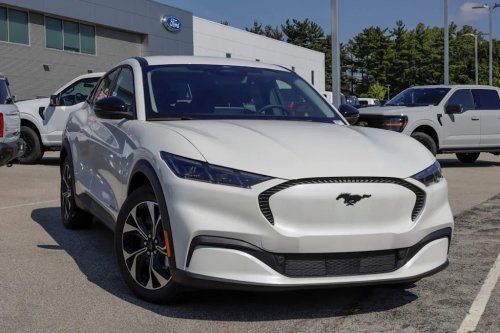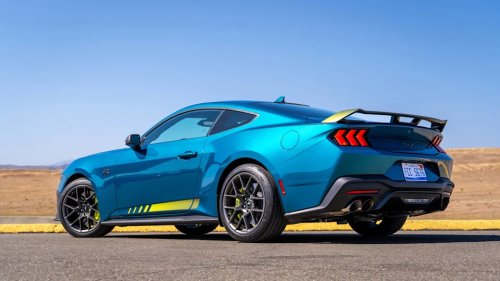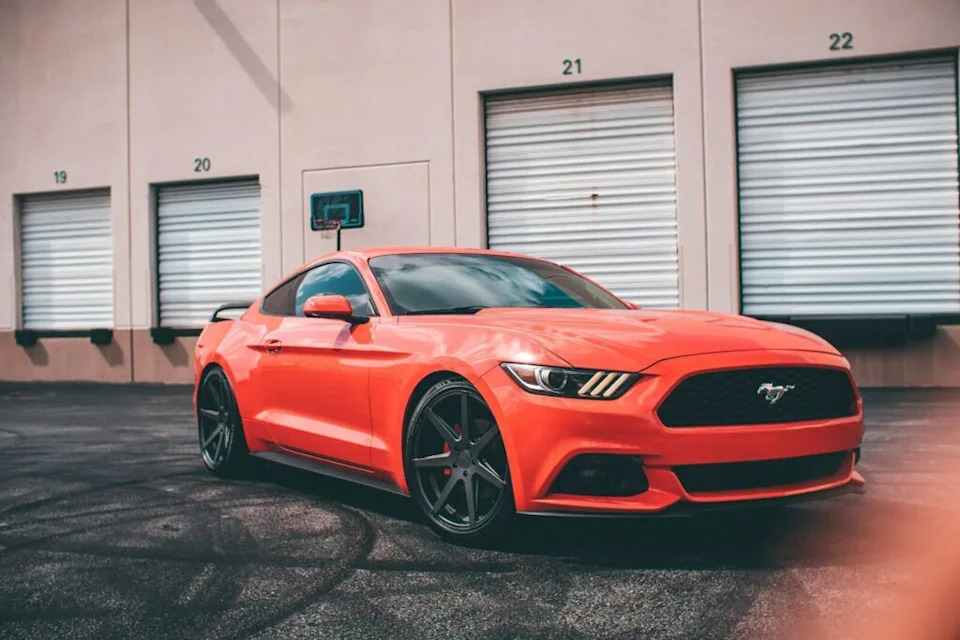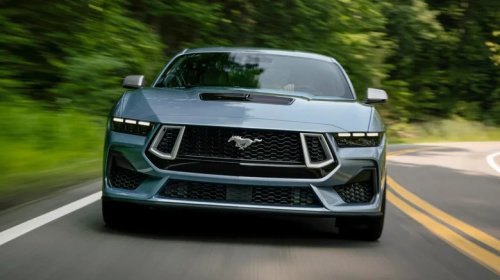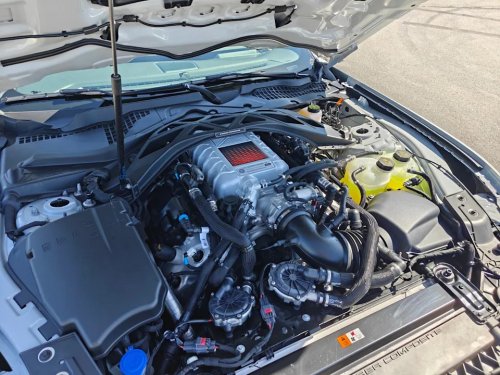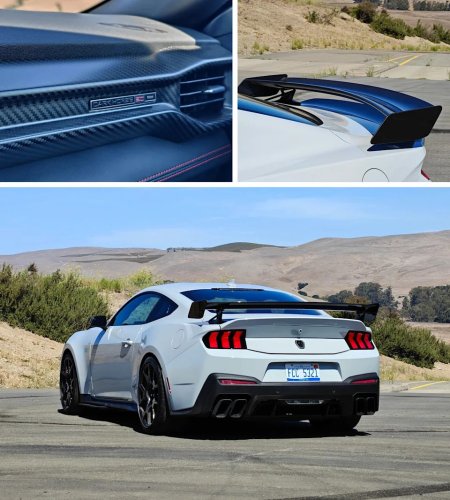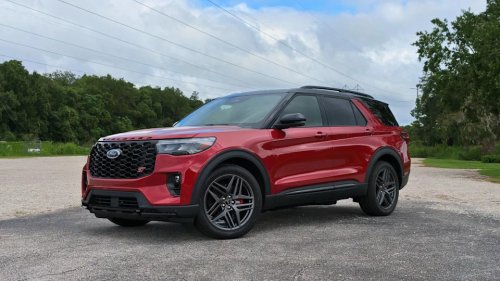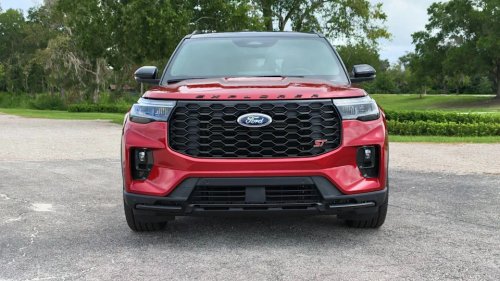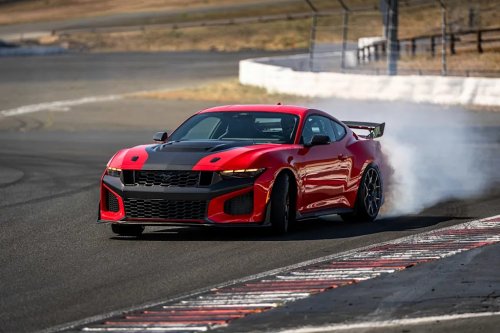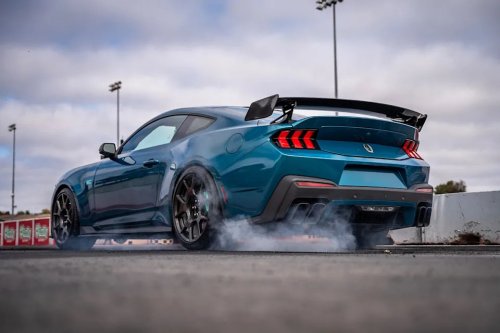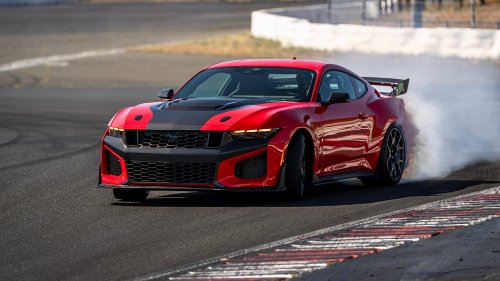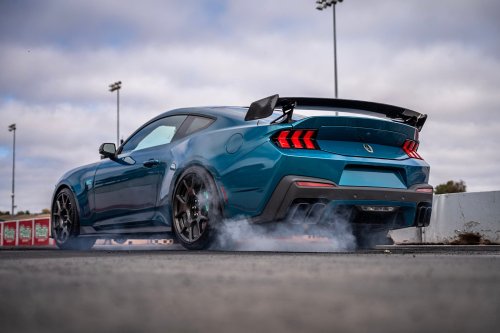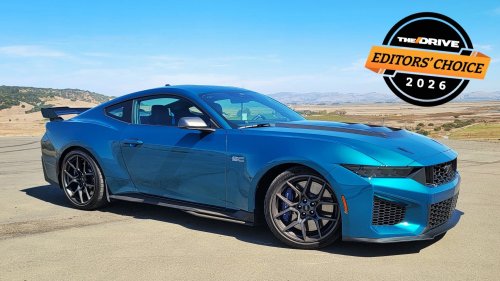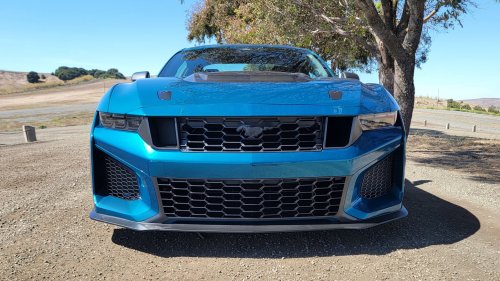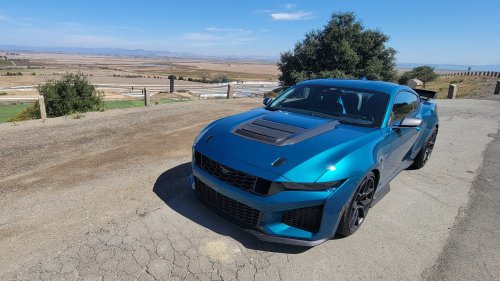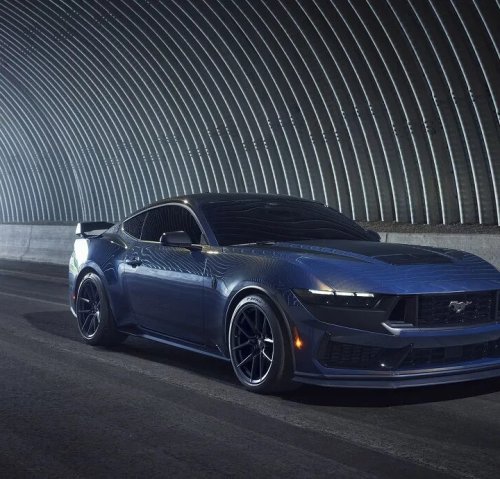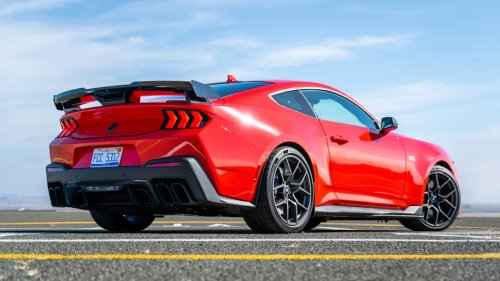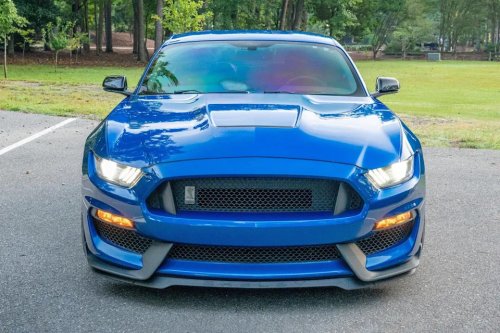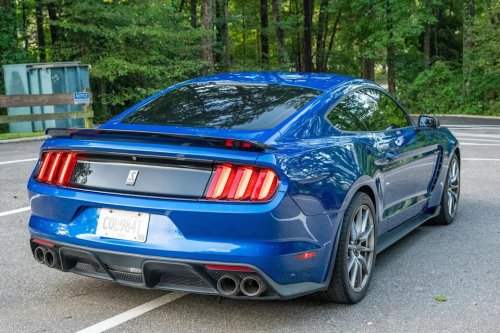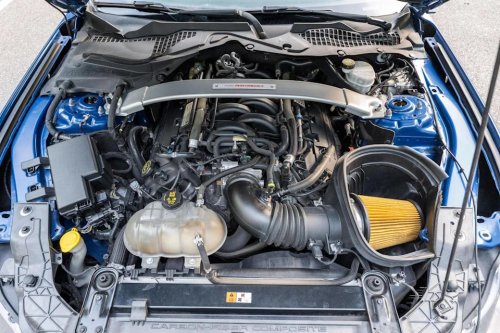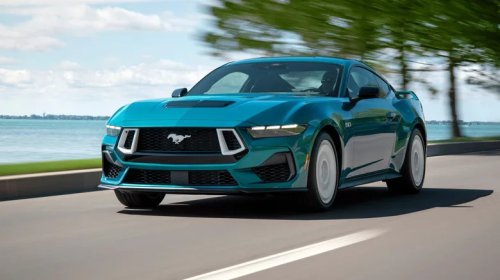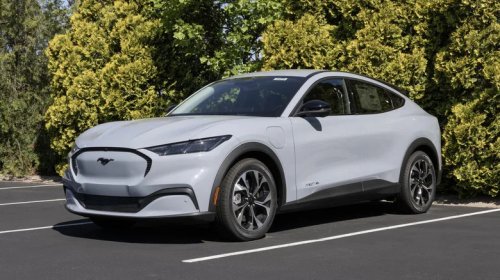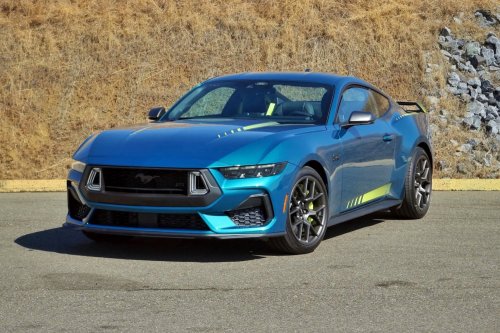



















The Real Reason a Ford Mustang Sedan Won't Get a V8, No Matter How Bad You Want OneLet's get the fantasy out of the way first. A rear-drive, four-door Mustang with a V8 rumbling under the hood sounds like the kind of car that would have enthusiasts lining up before the doors even opened. It is the dream sedan a lot of muscle car fans have been quietly hoping for. The problem is that everything Ford has actually said and done points to a very different outcome. If a Mustang sedan happens, the smart money says it shows up with a battery, not a Coyote.The conversation kicked off when Andrew Frick, president of Ford Blue and Model e, floated the idea that a Mustang sedan could be on the table. He noted that sedans still hold appeal for some buyers, which is true enough in a market that has spent years chasing crossovers. Here is the part that matters though. Frick made clear that any new sedan would have to make sense within Ford's portfolio and that any expansion of the lineup needs to be very cost-effective. Those are not the words of a company about to build a niche V8 four-door for the love of the game.10 Automotive Gadgets Worth Checking OutAdvertisementAdvertisementWhy the V8 Math Doesn't WorkThat cost-effective requirement is where the V8 dream starts falling apart. Building a rear-drive four-door around a big naturally aspirated engine is expensive, and the appeal is narrower than an electric version that can reach a broader pool of buyers. The S650 Mustang coupe exists, sure, and some of its parts could theoretically carry over. But a lot of reengineering would be required to make a sedan work off that base, and that engineering is unlikely to benefit anything else Ford builds. You do not spend money like that on a single low-volume product and call it cost-effective. 10 Amazon Finds Every Road Trip Enthusiast NeedsThen there is the raw price problem. Ford has been talking about affordable sedans, the kind that slot under $40,000. A Coyote V8 crate engine alone retails for five figures. Try fitting a five-figure engine into a sub-$40k car and still turning a profit. The numbers simply do not cooperate. That detail alone makes a V8 sedan look less like a bold enthusiast play and more like a financial mistake waiting to happen.The Electric Clues Are EverywhereAdvertisementAdvertisementThis is where the story turns. The signs pointing to an electric Mustang sedan are stacking up fast, and a lot of them come straight from CEO Jim Farley. When Ford announced five new vehicles priced under $40,000, the company said the Universal EV Platform underneath them would support cars, trucks, SUVs, vans, and multi-energy powertrains. That means a Mustang sedan built on this architecture would not share its bones with the S650 coupe. It would instead be designed around flexible powertrains shared across a whole range of models.That platform strategy is the giveaway. Ford wants components that spread across the lineup to drive down cost, and a bespoke V8 setup is the opposite of that approach. A brand-new platform can also unlock efficiencies that simply are not possible when you try to repurpose an existing one. Ford could take everything it learned from the Mach-E and apply it in a far more efficient way on a clean-sheet design.There is also the trademark breadcrumb. Ford filed to trademark the name Mach 4, which reads like a strong hint that a Mustang sedan would live in the same family as the Mach-E. The Universal EV Platform's multi-energy capability technically leaves room for a combustion or hybrid option, so the door is not fully shut on gasoline. But a V8 specifically, at that price, on that platform, is a different story entirely.Farley Keeps Describing an EVAdvertisementAdvertisementFarley has practically sketched the car out loud. He has repeatedly pointed out that the sedan silhouette is very clean aerodynamically, which is exactly what an EV chasing range wants. In a video shot during Monterey Car Week last August, he described a rear-wheel-drive, high-performance, affordable sedan with a clever rear closure system for carrying cargo, built as an all-electric vehicle with serious performance. Then he said that description is how he thinks about a new Ford sedan.Read that back. High-performance and rear-drive sounds like a Mustang. A cool closure system in the back sounds like a liftback, similar to an Audi A5, and it echoes the practicality of the Mach-E. Farley is not being subtle. He is laying out an electric performance sedan and letting everyone connect the dots themselves.What Ford Actually WantsStrip it all down and Ford's wish list is pretty clear. It wants sedans at an attractive price. It wants them efficient and practical. It wants them on a new platform. And above all, it wants them profitable, which is something the old Fusion never managed. That car started life as the European Mondeo and had to be reworked for American tastes, and Ford lost money on it. Nobody at the company wants a repeat of that.AdvertisementAdvertisementAn electric Mustang sedan also opens up Europe, where tightening emissions rules make a V8 a genuine headache. A vehicle that can share parts across the portfolio and sell on both sides of the Atlantic is exactly the kind of product that pencils out. A thirsty V8 four-door does not.The Hard Truth for EnthusiastsSo here is the call. A V8 Mustang sedan is not just improbable, it borders on financially irresponsible when you stack it against an electrified version that can share components, hit the price target, and sell globally. That is a tough pill for the people who want one more big-displacement four-door before the era ends. The enthusiast heart wants the V8. The accounting department wants the EV. And in modern Ford, the accounting department tends to win.The real question is whether Ford can build an electric Mustang sedan that actually earns the badge instead of just borrowing it. Slapping the pony on a clean, aero-friendly EV is easy. Making it feel like a Mustang is the hard part, and that is the test that actually matters here.SourceJoin our Newsletter, follow our Instagram page, and connect with us on Facebook.