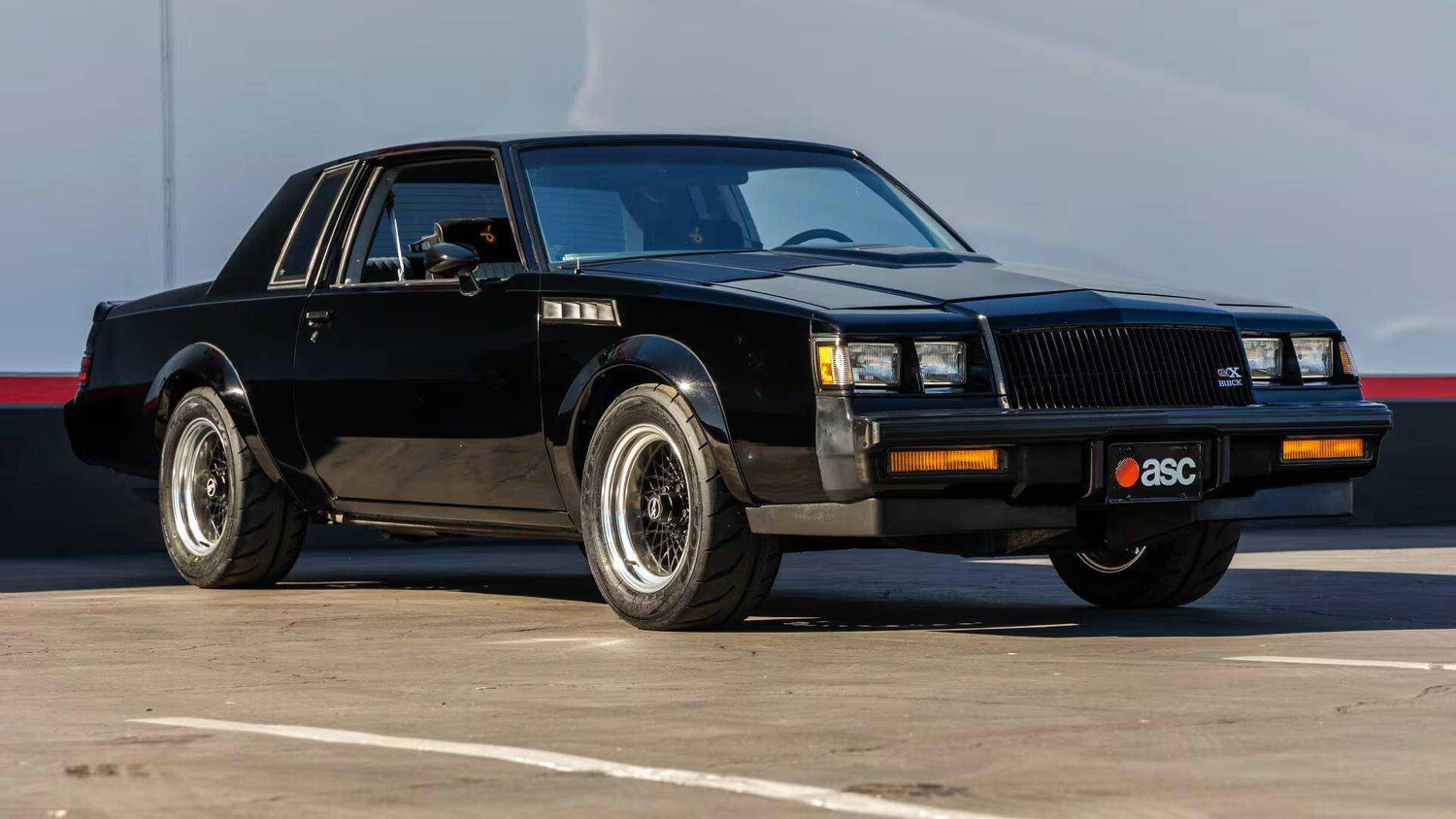
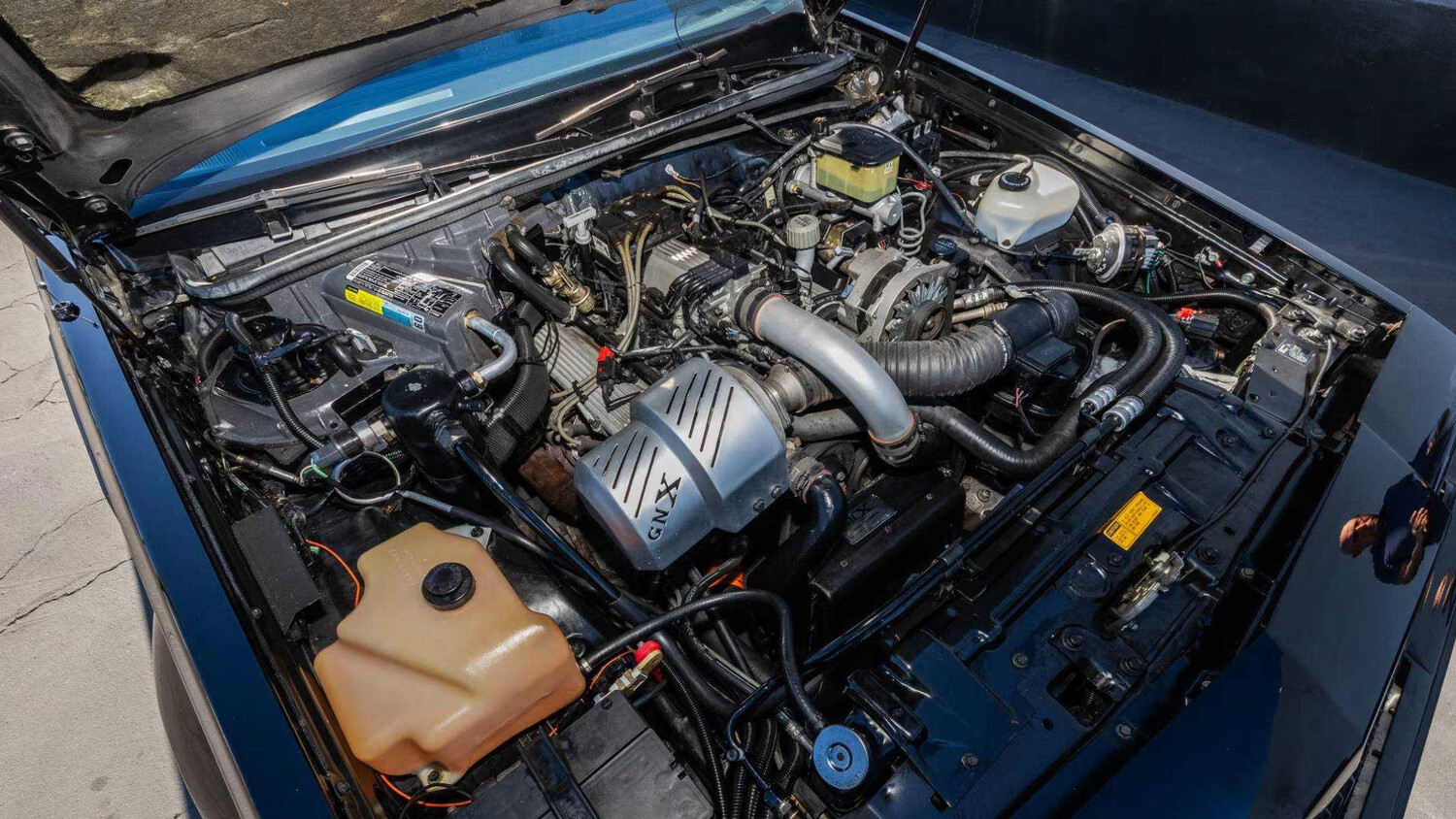
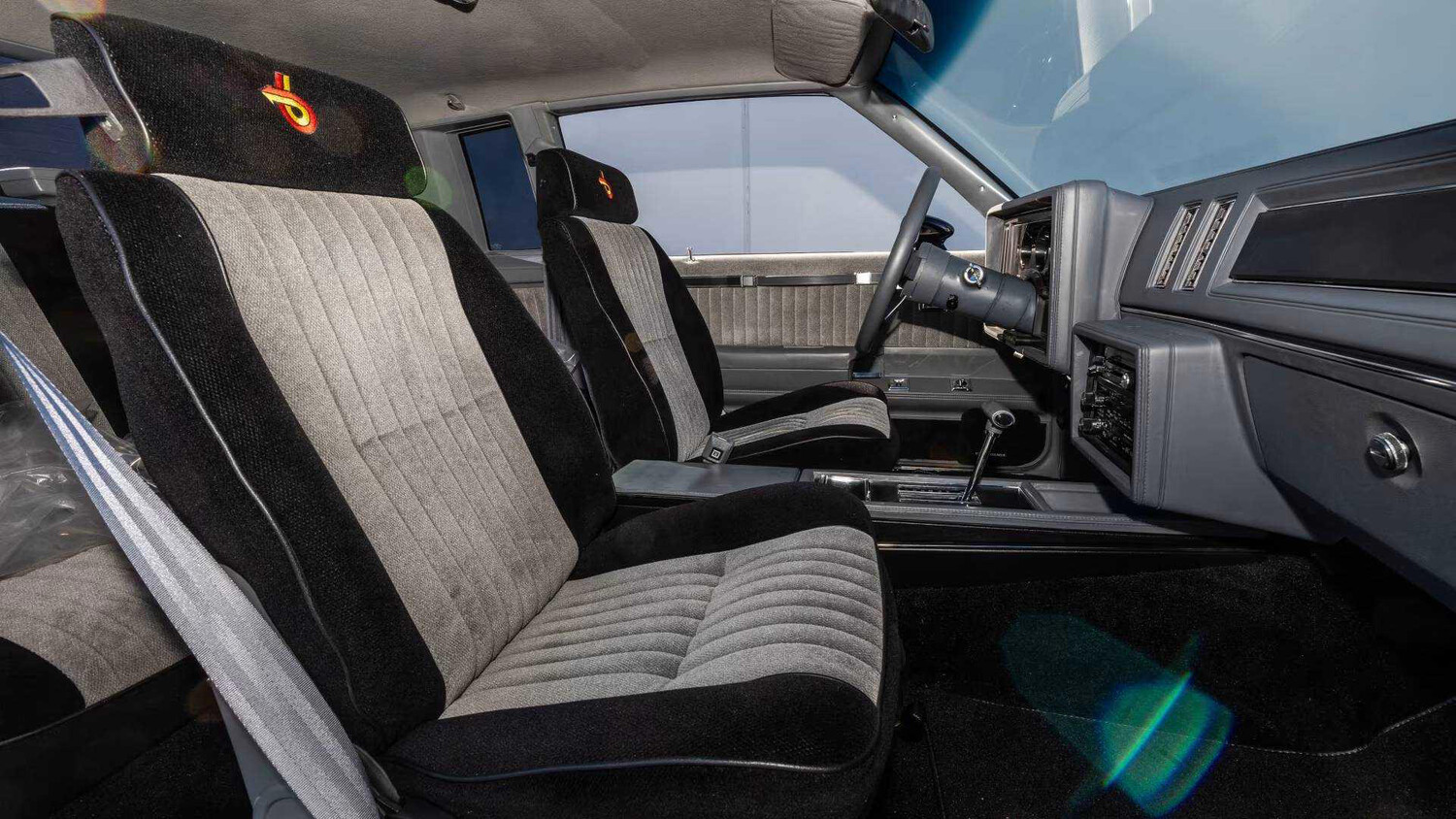
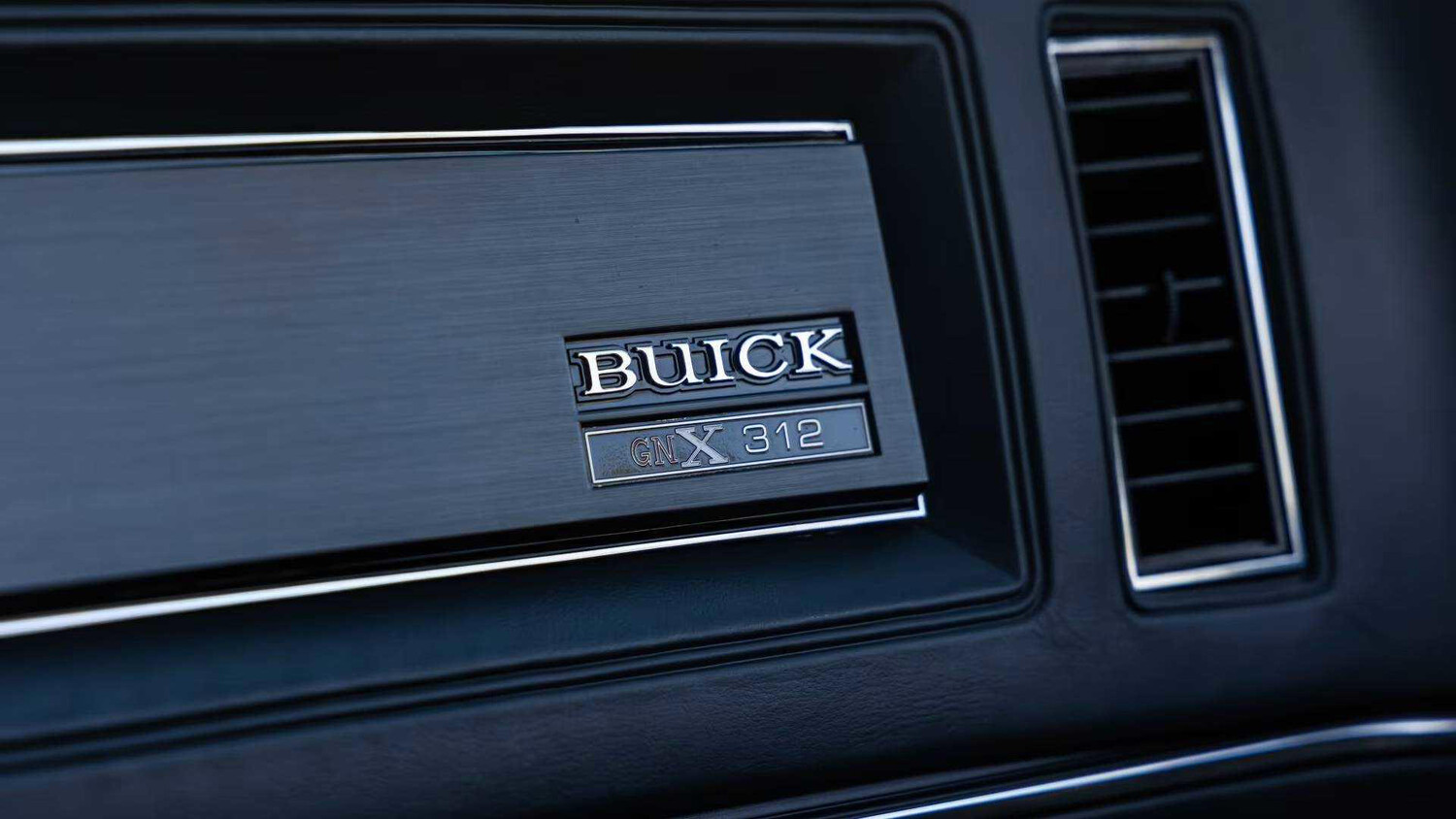
I may be a Mopar guy first, but I’m not a hard-headed loyalist. I appreciate all classic-era cars, regardless of the make. That said, none from outside of the Chrysler umbrella captivates me quite like the GM G-bodies. More specifically, the Buick GNX has long been a dream car of mine.The Buick Grand National first caught my attention as a teenager, and I’ve wanted to own one ever since. I came somewhat close when I settled for an ‘86 Cutlass with a 350 Rocket under the hood, but that never quite scratched the itch. Since then, my ‘69 Charger has been a top priority, and I haven’t had much time to seriously consider bringing another classic into the fold. When I encountered a real GNX for the first time last month, the bug to snag an ‘80s Buick came back full-swing.A big part of what made GM G-bodies so appealing to me is that they were affordable cars 15 years ago. This GNX selling for deep into the six-figures reminded me that a lot has changed since then. As frustrating as it can be to know I’ll never own the real thing, not all hope is lost. The Legacy Of The Buick GNX Mecum The Buick Grand National was born in what was arguably the worst era for muscle cars. It was the mid 1980s, and emissions regulations all but killed high-performance V8s. The odds being stacked against it were a blessing in disguise, though. It forced the engineers to think outside the box and explore new ways to make a fast car. The result was the turbocharged 3.8-liter V6 that made the Grand National an unlikely hero.As great as the original package was, Buick wanted to send the line out with a bang. For 1987, its final year in production, Buick sent 547 Grand Nationals to ASC/McLaren, who would make mythical creatures out of them.Mecum The GNX saw several upgrades over the basic Grand National. The engines were upgraded with better heads and bigger turbos. The suspension was revised, and a rear torque bar was added to get power to the ground. Bigger wheels and tires were added for improved traction. Functional fender vents and flared wheel arches were used to give a more aggressive appearance.‘GNX’ stands for Grand National eXperimental. The name, paired with all the aforementioned hardware updates and signature black paint job, gave it a mystique unlike any other car in history. The fact that its performance made it a threat on a global scale is a massive bonus. All Hail The 3.8-Liter Turbocharged V6 MecumThe GNX was proof that there is, in fact, a replacement for displacement. Rather than featuring a 5.0-liter or 5.7-liter V8 like other GMs, it used a small 3.8-liter V6 that put out some serious heat. So much so that it even made the Corvette look bad, which has always been something the executives bent over backwards to prevent from happening.The basic Grand National was capable of cranking out 245 horsepower and 355 lb-ft of torque. It could accelerate from 0 to 60 mph in about 4.9 seconds and clear the quarter-mile in 13.8 seconds. Those are respectable numbers, but the GNX naturally outperformed it. With a bigger intercooled turbo and better-flowing heads, the GNX’s 3.8 was given a conservative rating of 276 horsepower and 360 lb-ft of torque. It’s 0-60 time bumped to 4.7 seconds with a quarter-mile time of 13.4 seconds.The GNX was given the nickname “Corvette Killer” because it outran the factory versions, making it the fastest production car in America that year. That put it in the ring with titans from around the globe, and it held its own. The black brick could outrun the lightweight Porsche 911 in the quarter. While those cars are built with more than straight-line performance in mind, it’s still impressive to think about what Buick produced. Another Legend Reserved For Collectors Mecum The Buick GNX I encountered was number 312 of 547. It sold for $192,500 at Mecum Kissimmee in January 2026. Now, that’s an astronomical price to try and process, but it’s pretty much average. According to Classic.com, the typical going price for these cars is $196,264. The highest recorded sale was in 2022, when a GNX with just 568 miles on it went for $308,000 at Barrett-Jackson Scottsdale.As impressive as numbers like that are, they can be heartbreaking for newcomers to the car world. It always sucks to see your dream car sell for a price you could never imagine spending. It’s something you get used to, though. Even as a kid, GNXs sold for big money. For example, one sold for $104,500 in 2014, which equals out to roughly $145,000 in today’s money, which seems about right for a car that could only appreciate in the collector market.Mecum Now for the next tough pill to swallow, even regular Grand Nationals are really starting to come up in value. The average price is about $50,000, and, speaking as someone who regularly searches the classifieds for them, you’re going to have a hard time finding one in good condition for less than $35,000. Now, that’s not a bad price for a dream car, but is it what you want to pay for something you actually want to drive when there’s a cheaper alternative that can be even faster? A Reminder Of What Makes Tributes So Great Mecum The silver lining to finding out you’ll never be able to afford your dream car is that you can build a clone for much less and make it perform even better. Buick built a ton of Regals in the 1980s, and you can still find those cars for dirt cheap. On top of that, you can get all the parts you need to build a solid tribute to the Grand National.Now, here’s where I’m going to get into trouble. As much respect as I have for the turbocharged 3.8, you can run an LS instead. Sure, maybe it won’t have the same soul, but you can make a lot more power and still be into the project for less than what a real Grand National will run you. Not only that, but you can easily rival or outrun the GNX, all in a package you’re not afraid to drive because of its historical value. The GNX Would Always Become This Mecum I’m not bitter about the GNX being an expensive, unobtainable car, and you shouldn’t be either. The cost of GNXs is something a lot of people have complained about recently, but, from the moment Buick decided to build just 547 of them, this is all they could ever become. So, we might as well enjoy the fact that a car we love is being celebrated with plenty of examples being preserved for future generations to admire, too.The reality is that high-performance factory cars like th GNX really only serve as a benchmark for hot rodders to strive to surpass anyway. I’m not here to knock the accomplishments of the GNX, but you could build a much better-performing car with similar looks today. So, why wouldn’t you do that instead? It’s cheaper, you can actually enjoy it without the pressures of trying to protect it, and you can still tip your hat to the original along the way. Now, some purists will be upset if you don’t use the right motor, but what does that really matter anyway? As long as you don’t put the badges on it, I can’t see an issue whatsoever.