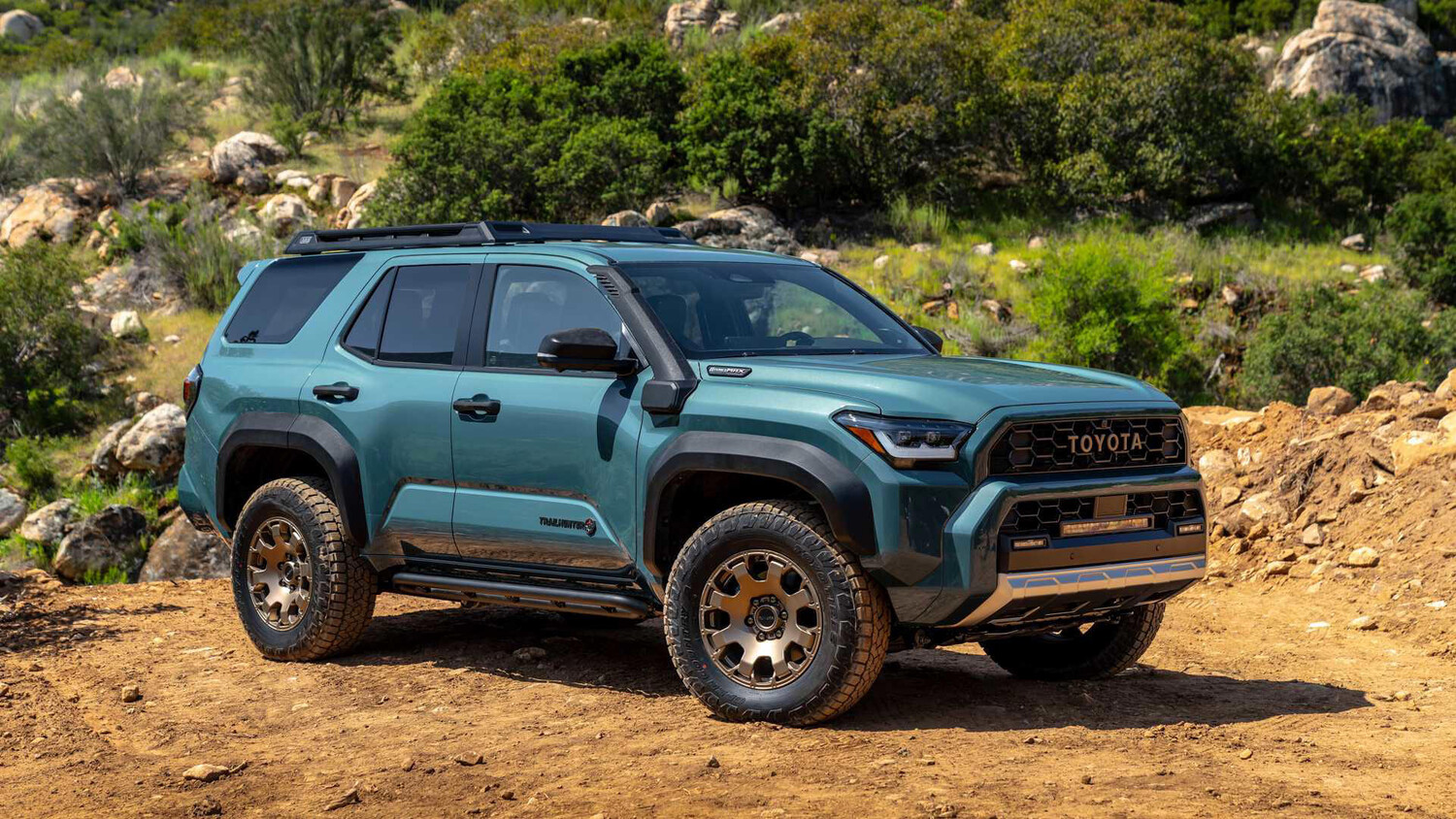
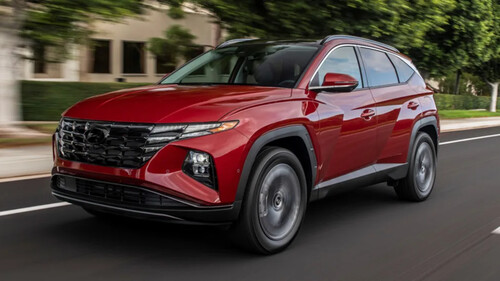
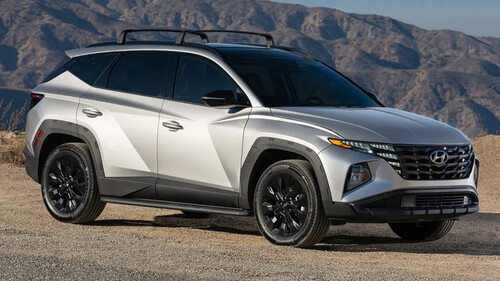
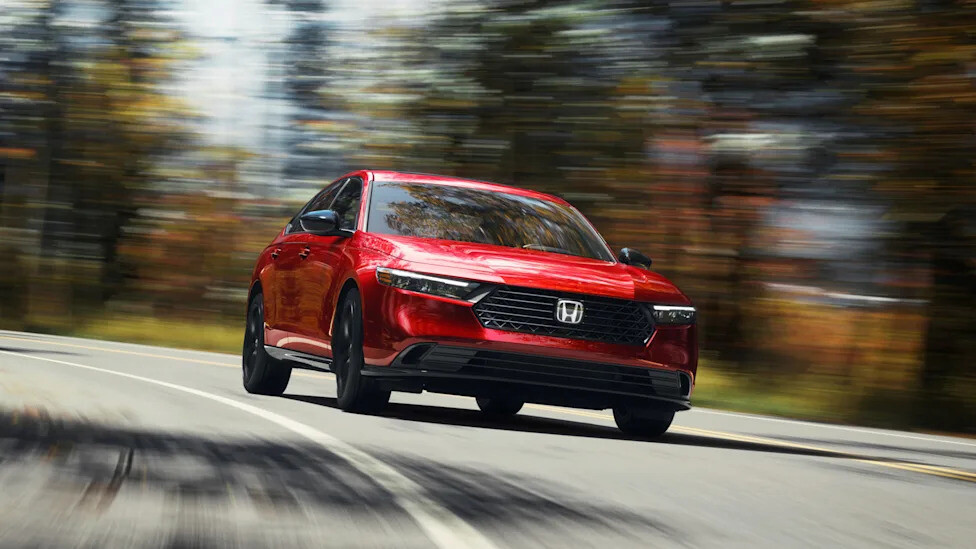
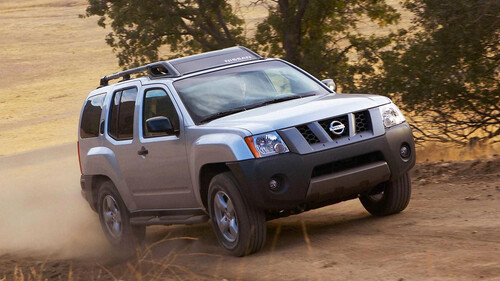
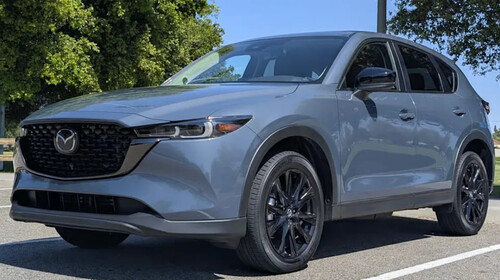
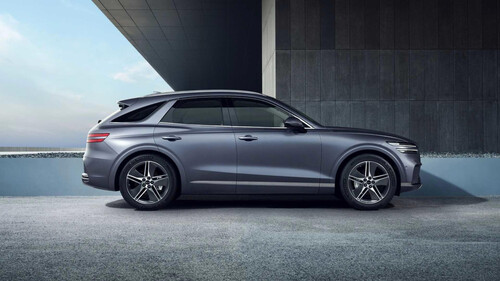
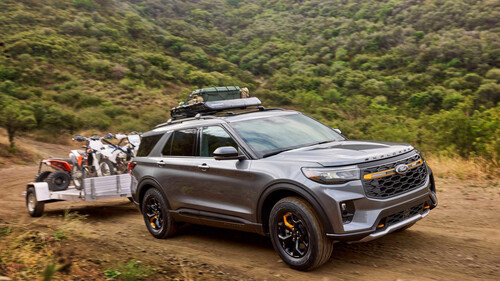
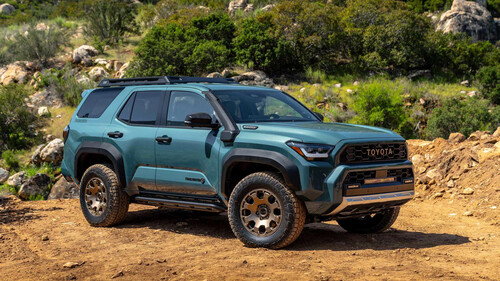
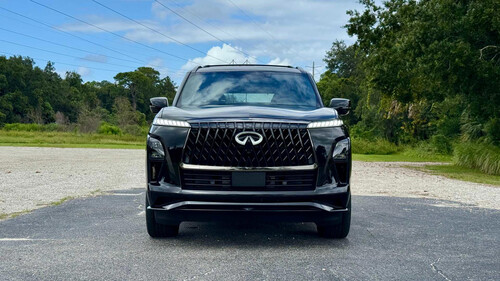
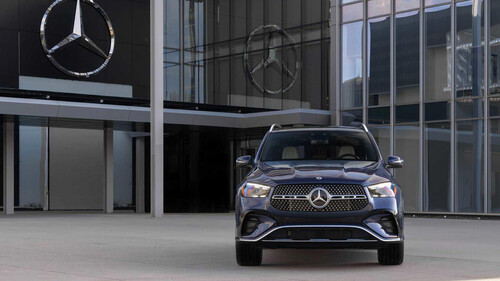
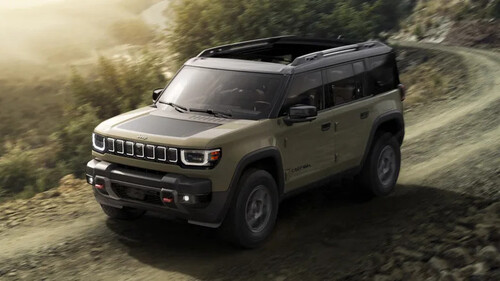
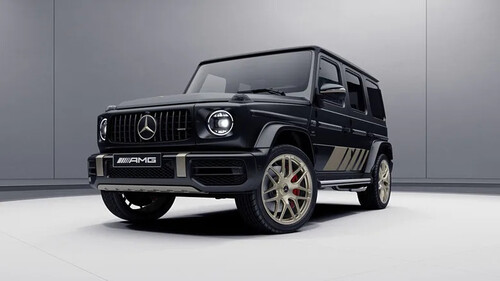
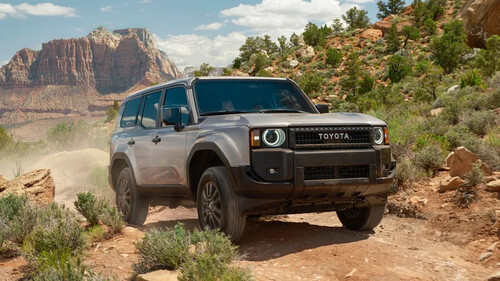
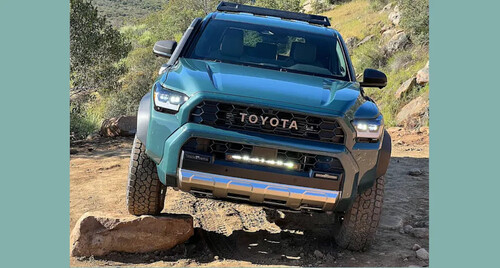
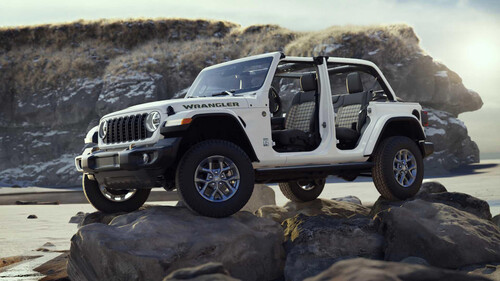
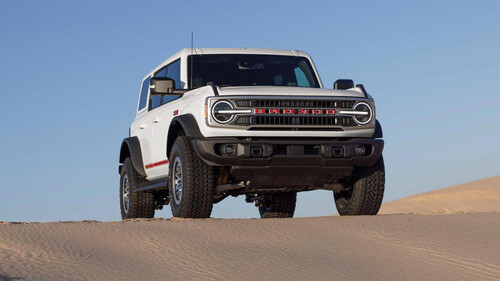
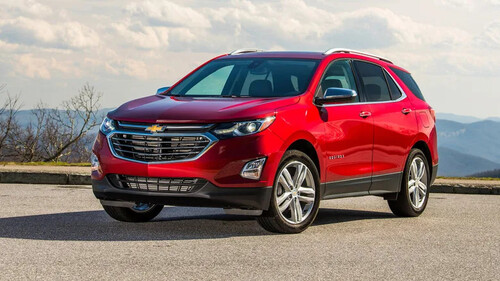
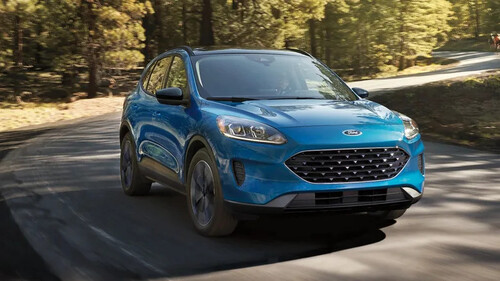
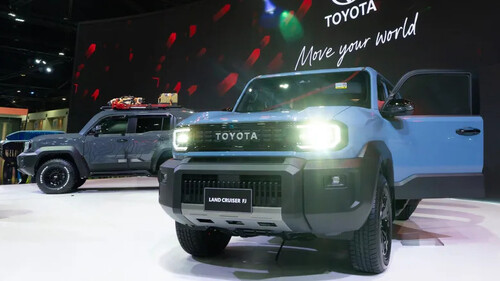
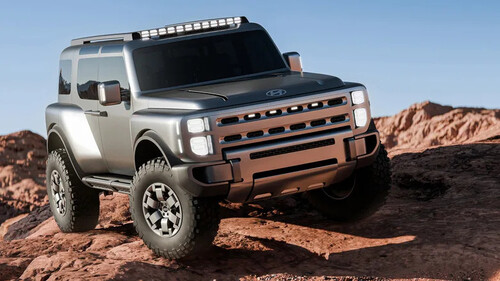
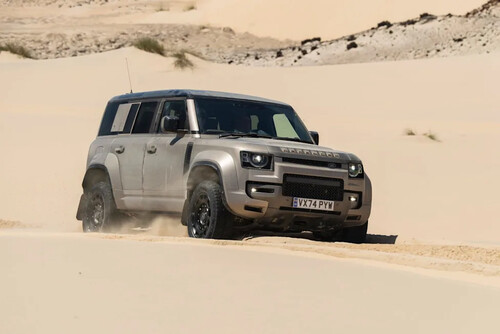
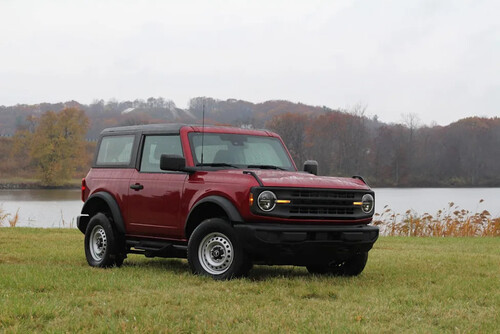
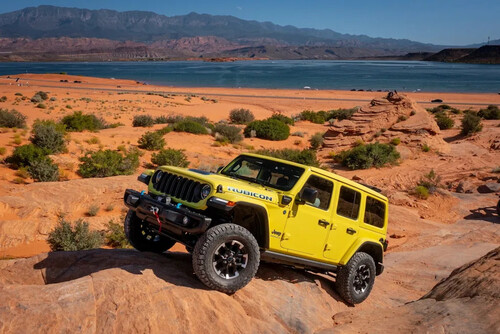
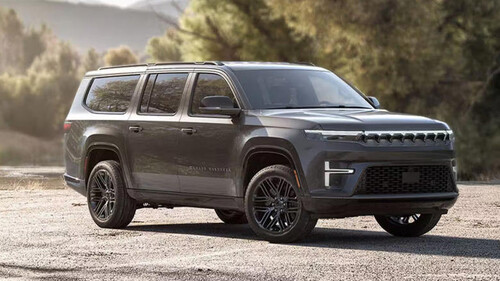
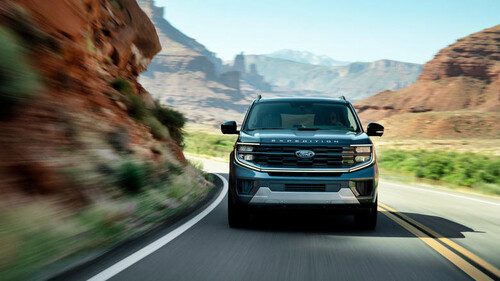
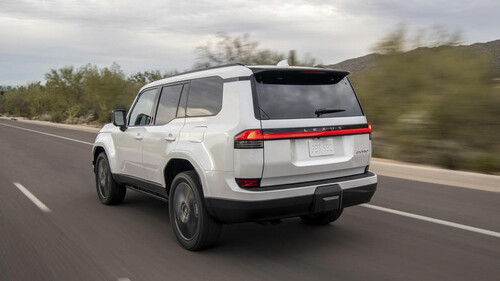
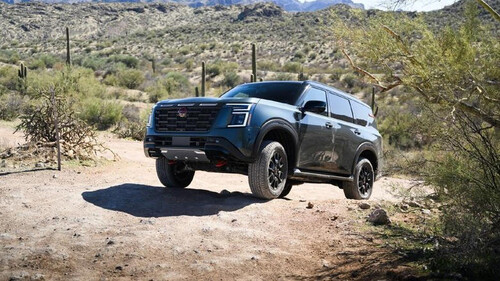
For decades, the adventure‑vehicle space was defined by a small circle of body‑on‑frame segment stalwarts like the Jeep Wrangler and Toyota 4Runner, with the reborn Ford Bronco joining the scene in more recent years to inject some fresh energy into the segment. This once-narrow field has been widening in recent years, and it's about to start widening even faster: a week ago, Nissan confirmed it’s reviving the Xterra nameplate as a true body‑on‑frame SUV, with a luxurious Infiniti counterpart incoming as well.Toyota and Lexus have already been riding a wave of success with new purpose-built body‑on‑frame nameplates and revitalized icons, and Korea is preparing to enter the chat with Kia Tasman and Hyundai Boulder pickup and SUV models poised to join as well, with recent concepts looking increasingly production-ready for North America. Let's take a look at what's driving the shift. Rugged SUVs Are A Hot Item Today Ford Motor Company The growth in demand for adventure vehicles we see today actually began decades ago, when the first so-called crossover SUVs arrived. Before long, the market shifted from small cars to small crossovers at a rapid pace, and the motoring masses fell in love with the elevated ride height, all-wheel drive traction, and upgraded cargo flexibility offered. It was easier than ever to get out exploring in an off-road setting, even in a vehicle that could do double-duty as a comfortable and fuel-efficient family hauler.Along the way, maximum capability in the adventure SUV space came primarily from body‑on‑frame models like the Wrangler and 4Runner. Around the time the COVID pandemic hit, it became trendier than ever to choose a new vehicle that'd help you distance yourself from others. The Wrangler and 4Runner were already perfectly positioned to capitalize on the increasing number of shoppers searching for a high-capability off-roader.The Ford Bronco launched right into the middle of all this, with impeccable timing: the adventure vehicle marketplace was in a frenzy, and Ford had just dropped the latest new toy onto the scene. Long wait times and big-money deposits combined with the low initial production volumes of the Bronco to see some early units sell for well above MSRP. The exploding overlanding trend helped add fuel to the fire, and the competition was watching. The Technological Timing Is Right For A Resurgence, Too Toyota Early SUVs constructed on body‑on‑frame platforms were just pickup trucks: they ran pickup brakes, suspension, powertrains, and were slow, heavy on gas, and not particularly enjoyable to drive. Today's body‑on‑frame offerings are considerably more advanced, having solved various problems that previously kept shoppers away. Specifically, today's shopper has more body-on-frame options than ever on next-generation powerplants, including high-efficiency gas engines, hybrid engines, mild hybrid engines, and even Plug-In Hybrids and full electric offerings.With modern electrification and turbocharging under the hood, today's SUV engines give drivers loads more power, torque, towing capacity, and throttle response for their gas dollars. Modern global platforms like the Toyota TNGA-F help provide shoppers a just-right sized machine, too: like many global platforms today, TNGA-F is built to be easily scaled up and down, fitting a variety of different applications without a total engineering overhaul. The TNGA-F platform can accommodate vehicles with a wheelbase between 112.2 and 164.6 inches, which is why you'll find it beneath the Tundra, Tacoma, 4Runner, and Land Cruiser today. With a scalable platform like TNGA-F, it's easier than ever for automakers to rapidly bring new offerings to market in varying sizes, while keeping development costs down.The latest platforms are also increasingly designed with electrification in mind, as regulatory pressures continue to mount. Modern refinements and extensive use of high-tensile steel are allowing engineers to tune ride quality to new levels, meaning driving a body‑on‑frame vehicle these days no longer means a 'truckish' experience. The Pros and Cons of Body-On-Frame Jeep There are basically two ways to build a mass market vehicle. The body‑on‑frame method involves building the 'rolling chassis' of the vehicle as one unit, which contains the structure, chassis, axles, and powertrain. The body of the vehicle, and the interior within, are built separately. Later, the two are bolted together, and a new pickup truck or SUV is born. Decades ago, this is how almost all vehicles were built before the unibody structure came along. Today, the concept is the same: the frame carries the loads, the body carries the people.Instead of building the body and structure separately and bolting them together later, unibody vehicles have a body shell and structure that are 'unitized' into a single unit. The body shell of the vehicle is its structure: the floor, pillars, roof rails, and other parts are formed into a single, rigid unit that handles both passenger protection and chassis loads without the bulk of a two-part solution. With unibody construction, there's no separate frame and no joining of two major assemblies required.Which is best? That depends on what you like.Many drivers prefer body‑on‑frame construction for added toughness and durability while towing or driving in locales with poorly maintained roads. Drivers who frequently venture into remote areas and off-road situations tend to prefer body‑on‑frame vehicles for their articulation and use of more truck-like componentry to better withstand severe use. Vehicles built on body‑on‑frame platforms and optimized for some off-road work also tend to ride more comfortably and inspire more confidence on the trails, specifically by way of a heavier-duty, more durable feel to the ride when the going gets rough.How Is Your SUV Built? Toyota 4Runner: Body-on-Frame Toyota Land Cruiser: Body-on-Frame Lexus LX: Body-on-Frame Nissan Armada: Body-on-Frame Cadillac Escalade: Body-on-Frame Kia Sportage: Unibody Mazda CX-5: Unibody Subaru Forester: Unibody Ford Explorer: Unibody Ford Expedition: Body-on-Frame Infiniti QX80: Body-on-Frame Jeep Wagoneer: Body-on-Frame Lexus GX: Body-on-Frame Honda CR-V: Unibody Toyota RAV4: Unibody Hyundai Tucson: Unibody Chevrolet Tahoe: Body-on-Frame Chevrolet Suburban: Body-on-Frame GMC Yukon: Body-on-Frame Kia Telluride: Unibody The thing is, body‑on‑frame vehicles tend to be heavier and thirstier than their unibody counterparts. They're also less efficient when it comes to packaging, which can limit interior space relative to the overall size of the vehicle. The isolation of the body on the frame assists comfort, but can reduce handling and response characteristics. A higher center of gravity is part of the package, too.Key benefits to a unibody model include lighter weight, easier fuel consumption, better crash-impact performance, and optimized interior space. Drivers can expect a more car-like ride and handling, excellent comfort in more situations, and a more engaging overall drive. Still, expect lower towing capacities, more complex repairs, and more noise and harshness from the drive in rough-road or off-road settings. Platform Selection Can Make Or Break Nameplates, But It Depends On The Timing Nissan Sometimes, popular nameplates cross between body and frame, and more common unibody construction. One example relates to the Nissan Pathfinder. For three generations, it was a traditional body‑on‑frame 4×4. As crossovers surged to popularity in the early 2010s, sales softened, and the Pathfinder was becoming irrelevant. For 2013, Nissan launched a radically new version of the Pathfinder, now riding a unibody platform as a crossover SUV that traded ground clearance and truck‑like hardware for better fuel economy, safety, and family‑friendly comfort. Pathfinder enthusiasts lamented the ruggedness downgrade, but Nissan wasn't too worried: the Pathfinder's big shift roughly tripled sales of the nameplate in its early years.The Ford Explorer is another example. It switched from a Ranger-based body‑on‑frame platform to a unibody platform in 2011, to massive sales success. Early Kia Sorentos were body‑on‑frame, but moved to unibody construction in 2011 to similar effect.Interestingly, another popular off-roader, the Jeep Grand Cherokee, has been a unibody ordeal from the get-go. When it arrived in 1993, the midsize SUV scene was dominated by body‑on‑frame SUVs based on trucks. The original Grand Cherokee rode a unibody structure instead, a radical move for the time. The resulting combination of ruggedness and comfort powered generations of sales success. The Kia Borrego SUV basically did the opposite: this body-on-frame SUV intended to challenge the unibody-dominated segment, but arrived as the economy was tanking and gas prices were reaching skyward. Customers weren't interested in a heavy body-on-frame SUV, and Kia scrapped the Borrego after a single model year.These examples show that while customers rewarded capability when they needed it, they tended to reward comfort, efficiency, and safety far more often. That's exactly why today's modern body‑on‑frame SUV is better than ever at providing all of the above.