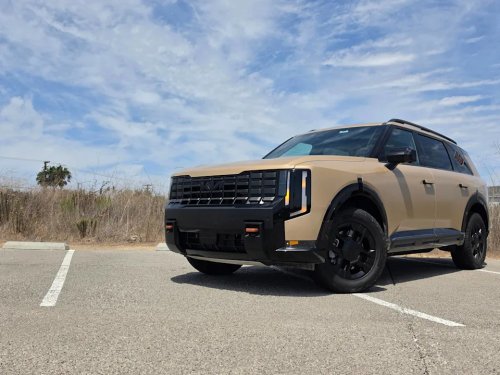
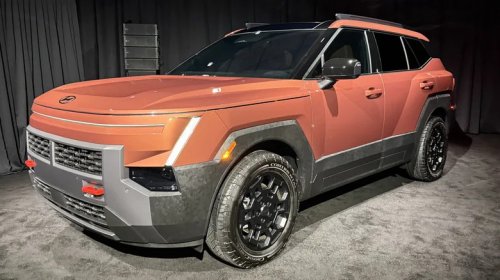
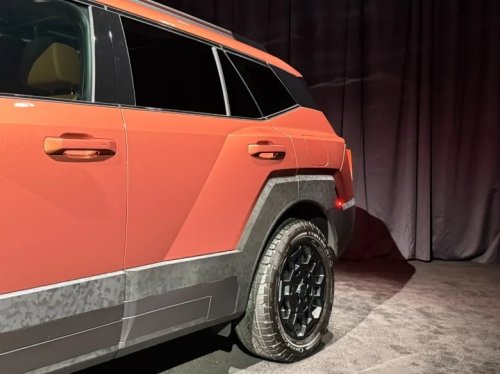
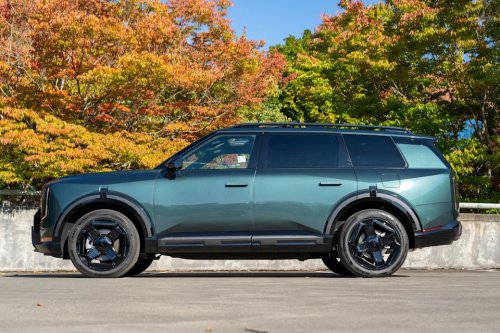
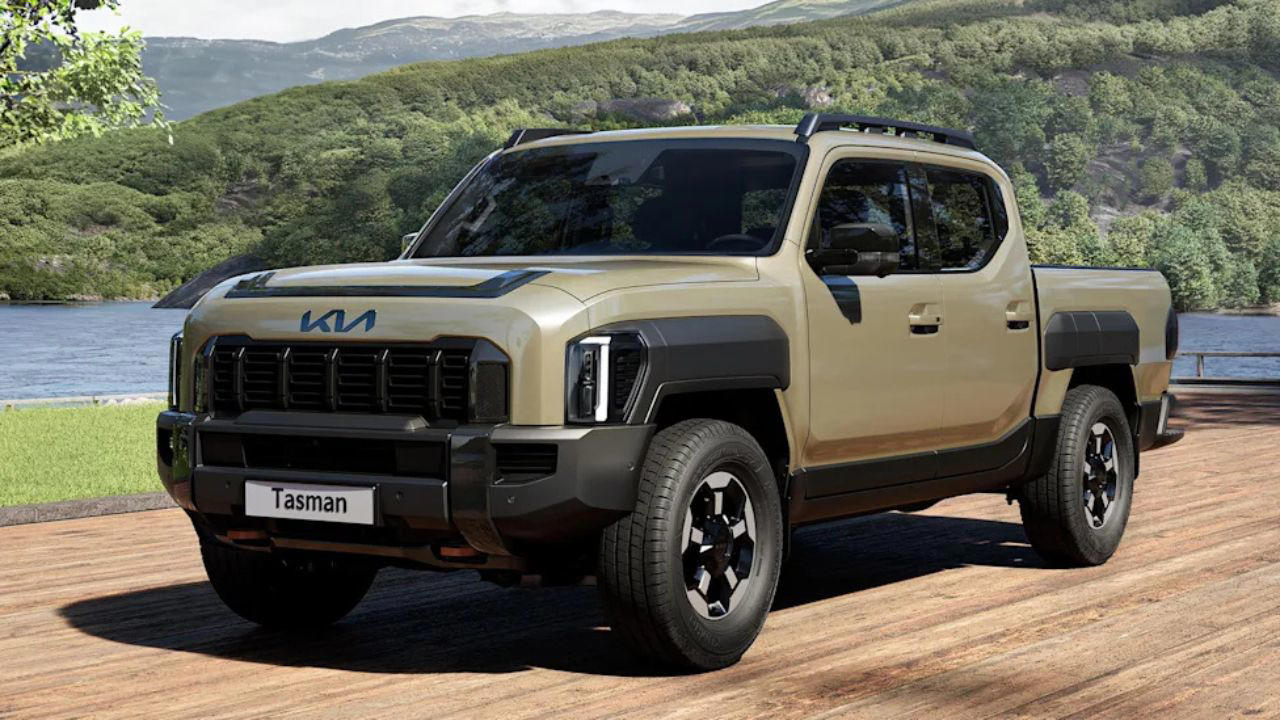
Hyundai and Kia target a body-on-frame pickup launch by 2030Hyundai Motor Group is moving to fill one of the last big gaps in its global portfolio, preparing body-on-frame pickups under the Hyundai and Kia brands with a target launch window by 2030. The strategy blends traditional truck engineering with hybrid and extended-range electric powertrains, aimed squarely at markets like the United States, where midsize pickups are both lucrative and fiercely contested. For investors and truck buyers, the plan signals that Hyundai and Kia no longer intend to sit out a segment dominated by Toyota, Ford, General Motors and Stellantis. Rather than watching from the sidelines, the group is tying its pickup ambitions to a broader growth blueprint that leans on electrification, software and manufacturing scale. What happened Kia has confirmed that it is developing a body-on-frame midsize pickup truck for the United States, with hybrid and extended-range electric versions planned for launch by 2030. At a recent strategy presentation, Kia executives described the truck as a key part of the brand’s push into higher-margin segments and said it would be engineered on a ladder-frame platform rather than the unibody architecture used by the Hyundai Santa Cruz and many crossovers. Reporting on the product plan indicates that the pickup will arrive in both hybrid and so-called eREV configurations, pairing a battery pack with an internal combustion engine used primarily as a generator. Accounts of Kia’s long-term roadmap describe the truck as a midsize model sized for the American market, with the body-on-frame structure chosen to deliver higher towing and payload ratings than a car-based platform. The vehicle is expected to be built on a dedicated ladder-frame chassis that can support both electrified and conventional powertrains, giving Kia flexibility to tailor versions for different regions. According to detailed product previews, the company is planning a hybrid variant and an extended-range electric version, positioning the truck as a bridge between traditional pickups and full battery-electric models, and targeting U.S. sales before the end of the decade through what one report calls a 2030 launch. The pickup project sits inside a broader Kia growth strategy that targets 4.13 million global vehicle sales in 2030, including 1.6 million electrified units. At an investor event, Kia president and CEO Ho Sung Song set out a plan to raise annual sales from 3.2 million vehicles in 2023 to 4.13 million in 2030, with 1.6 million of those coming from electric vehicles and hybrids. The company is also aiming for 1 million annual EV sales by 2030. The truck is one of several new products meant to support that volume and profit growth, alongside additional EVs and purpose-built vehicles. The sales and product roadmap was laid out in detail in an investor presentation that highlighted the importance of high-value models and electrified powertrains to hit the 4.13 million-unit target. Hyundai Motor Group is treating pickups as part of a larger electrification and software push that spans both Hyundai and Kia. In a recent investor day, Ho Sung Song told analysts that Kia plans to reach 1 million annual EV sales by 2030 and that the brand will expand its lineup of electric and hybrid models to support that goal. The same presentation highlighted a focus on software-defined vehicles and new digital revenue streams, with Kia seeking to increase the share of electrified models in its sales mix and to use modular platforms to reduce development costs. The EV growth targets and pickup plans were presented together as part of a single roadmap that links product expansion, electrification and profitability for Kia’s 2030 strategy. The parent group is also investing in advanced manufacturing and automation that will support these new vehicles. Reporting from the United States describes how Kia is preparing to deploy humanoid robots in its American operations, including logistics and possibly manufacturing tasks, as it ramps up production of software-defined vehicles and electrified models. The same coverage notes that Kia is integrating more software into its vehicles and expanding its U.S. footprint, which will include the hybrid truck program. The use of humanoid robots is presented as part of a broader effort to boost efficiency and flexibility in plants that will build vehicles such as the hybrid pickup and other advanced models. Hyundai is expected to share in the ladder-frame strategy, even if it has not yet detailed its own pickup for the U.S. market in the same way. Industry reports from South Korea describe Hyundai Motor Group’s broader body-on-frame platform investment, which will support both SUVs and pickups across the group’s brands. One such report notes that Hyundai is preparing a new ladder-frame architecture and that Kia will use it for a midsize pickup and other models, with Hyundai likely to field its own derivatives. The same coverage also points to Hyundai’s ongoing work on rugged SUVs, such as the Boulder off-road model, as evidence that the group is building out a family of body-on-frame products. The Korean reporting frames the ladder-frame platform as a shared asset that will underpin pickups and SUVs for both Hyundai and Kia, giving the group a more complete lineup and helping it compete with established truck makers, according to South Korean industry. Early U.S. reporting on the truck indicates that Kia has already confirmed the project to dealers and is positioning it as a direct rival to established midsize pickups. One account describes a dealer meeting where Kia executives outlined a body-on-frame truck that would be sold in the United States with hybrid and extended-range electric powertrains. The truck is expected to target models like the Toyota Tacoma, Ford Ranger, Chevrolet Colorado, GMC Canyon and Nissan Frontier, with towing and payload figures to match the segment. The same reporting stresses that the vehicle will not be a lifestyle unibody model like the Hyundai Santa Cruz, but a traditional ladder-frame pickup designed for work and recreation, as described in U.S. dealer briefings. Further coverage of Kia’s U.S. strategy reinforces that the hybrid and eREV pickup is central to its American ambitions. Reports on the company’s U.S. product cadence state that the midsize truck will arrive by 2030 and that it will be part of a wave of electrified vehicles meant to grow Kia’s market share. These accounts describe the pickup as a ladder-frame model with hybrid and extended-range electric options, and they emphasize that Kia is targeting mainstream truck buyers rather than only niche early adopters. The hybrid and eREV system is expected to deliver better fuel economy than conventional gasoline pickups while avoiding the range and charging concerns that still limit some buyers’ interest in full battery-electric trucks, according to U.S. product planning. Hyundai’s parallel work on rugged vehicles supports the idea that the group is serious about trucks and body-on-frame engineering. Coverage of the Hyundai Boulder off-road SUV, revealed earlier this year, describes it as a ladder-frame vehicle aimed at markets that favor tough, adventure-oriented models. The Boulder is built to compete with off-road SUVs and uses a traditional frame construction, signaling that Hyundai has already invested in the kind of hardware that can also underpin pickups. While the Boulder itself is not a truck, its development shows that Hyundai is building the engineering base needed for a family of body-on-frame products, as highlighted in coverage of the. Why it matters The decision by Hyundai and Kia to commit to ladder-frame pickups by 2030 carries significant implications for the global truck market, especially in North America. For years, the group has lacked a direct competitor to stalwarts like the Toyota Tacoma and Ford Ranger, relying instead on crossovers and the unibody Hyundai Santa Cruz to cover buyers who might otherwise choose a pickup. A true body-on-frame midsize truck changes that equation and signals that Hyundai Motor Group wants a slice of the segment’s healthy margins. In the United States, midsize pickups have become more profitable as buyers load them with options and use them as primary family vehicles as well as work tools. Manufacturers that dominate this space enjoy strong brand loyalty and steady demand, even when broader car sales soften. By moving into the segment with a ladder-frame truck, Kia is positioning itself to capture customers who value towing, payload and durability, and who might not consider a unibody alternative. The hybrid and eREV powertrains give Kia a differentiator in a field still dominated by gasoline engines, and they align with the company’s target of 1.6 million electrified sales and 1 million EVs annually by 2030. For Hyundai Motor Group, pickups also serve as a way to spread development costs for its new body-on-frame platform. Ladder-frame architectures are expensive to engineer but can support multiple vehicles across brands and regions. By using the same underlying hardware for Kia’s midsize truck, Hyundai’s rugged SUVs and potential future pickups, the group can improve economies of scale. This shared platform strategy mirrors what Toyota does with the Tacoma and 4Runner, or what Ford does with the Ranger and Bronco, and it helps Hyundai and Kia compete on both price and capability. The electrified focus of the planned pickups is another key factor. Full-size electric trucks like the Ford F-150 Lightning and Chevrolet Silverado EV have drawn attention but also faced challenges with cost, weight and charging infrastructure. A midsize hybrid or extended-range electric pickup offers a different trade-off: lower fuel consumption and partial electric driving without the need for ubiquitous fast charging. For many buyers who tow or travel long distances, a hybrid or eREV ladder-frame truck may feel like a more practical step than a full battery-electric model. That could give Kia an opening with customers who are curious about electrification but not ready to commit to a pure EV. The strategy also ties into Hyundai Motor Group’s broader push into software-defined vehicles and advanced manufacturing. The use of humanoid robots in Kia’s U.S. operations, for example, is not just a novelty. It reflects a drive to automate complex tasks and increase flexibility in plants that will build sophisticated electrified vehicles. As Kia and Hyundai roll out more hybrids, EVs and software-rich models, including pickups, they will need factories that can handle frequent updates and multiple powertrain types on the same line. Advanced robotics and digital systems can help manage that complexity and support the group’s volume and margin targets. From a competitive standpoint, the arrival of a Kia midsize pickup with hybrid and eREV options will put pressure on established players to accelerate their own electrified offerings. Toyota has already added hybrid powertrains to its latest Tacoma, and Ford offers hybrid options in the Maverick and F-150. A credible hybrid ladder-frame truck from Kia, backed by Hyundai Motor Group’s scale and engineering, could intensify that race and push the segment toward faster adoption of electrified powertrains. It could also spur rivals to rethink pricing and feature content if Kia positions its truck aggressively. More from Fast Lane Only Unboxing the WWII Jeep in a Crate 15 rare Chevys collectors are quietly buying 10 underrated V8s still worth hunting down Police notice this before you even roll window down



















 +21 others