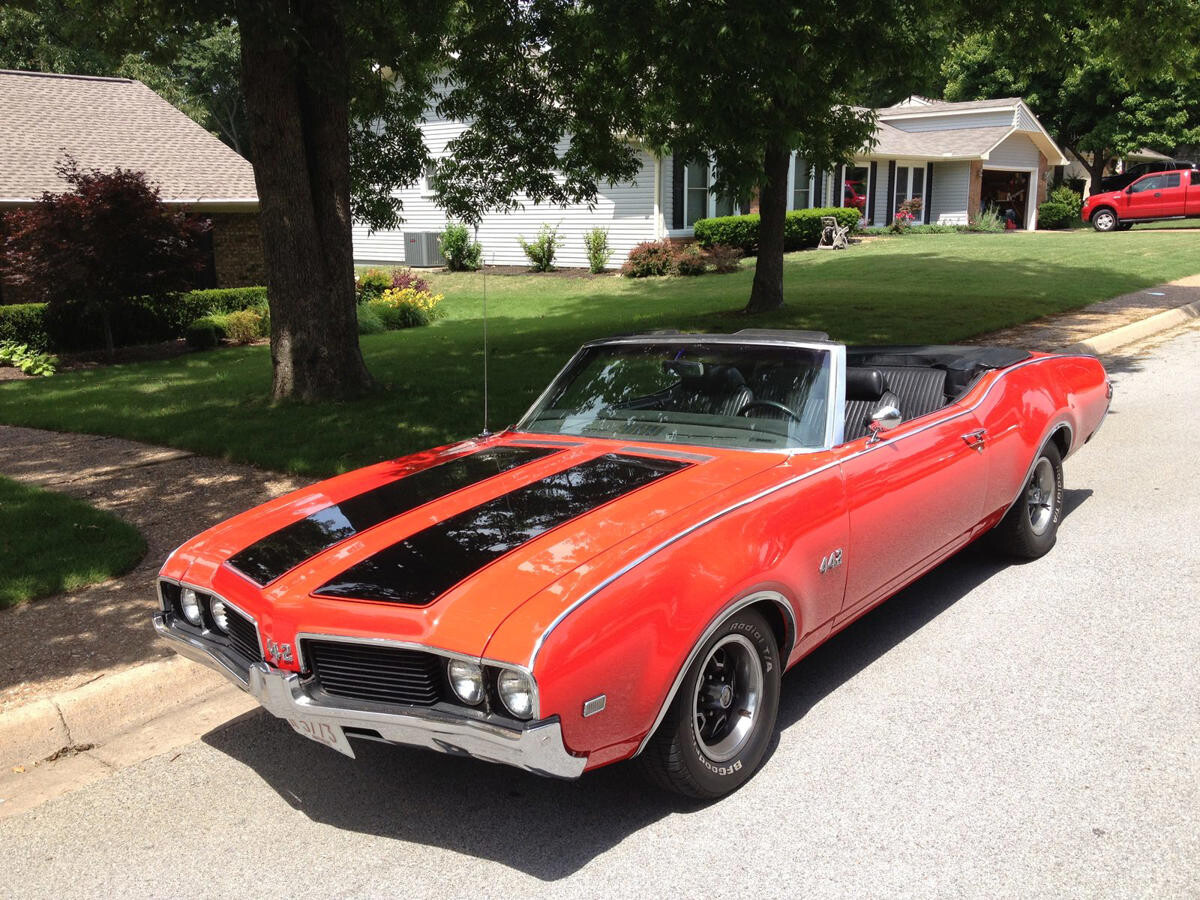
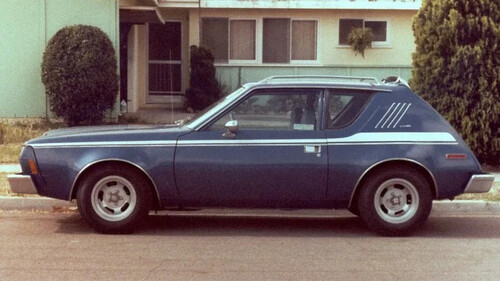
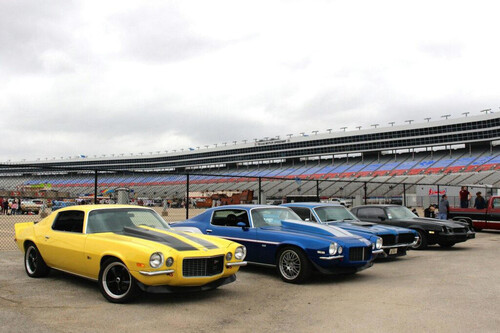
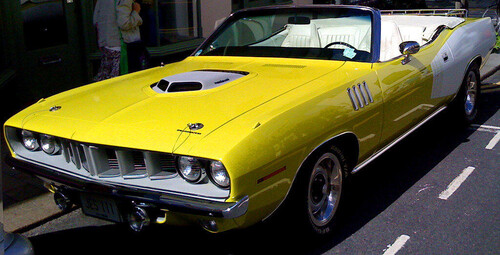
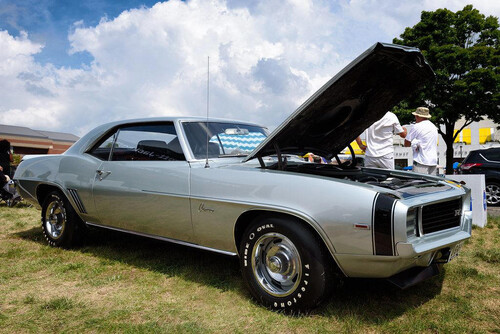
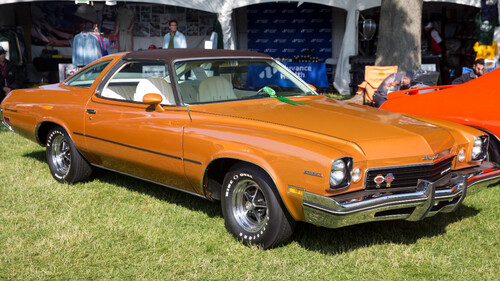
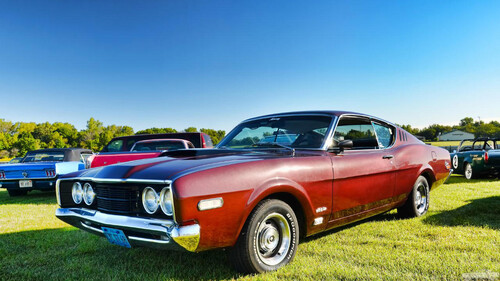
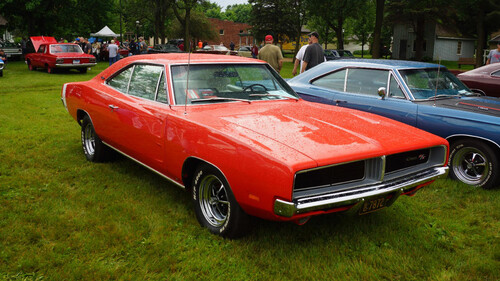
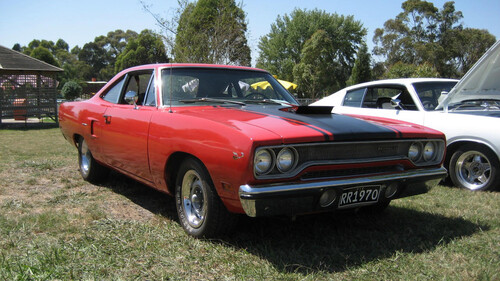
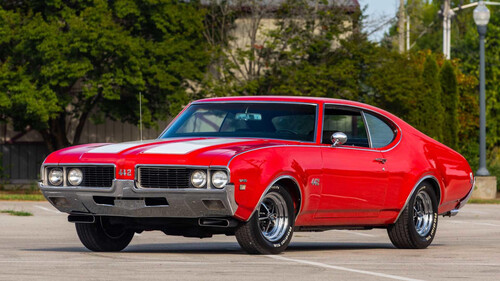
The Debate Over the Most Underrated Muscle Car Ever Built Key Takeaways Popularity at car shows rarely lines up with how a muscle car actually performed on the road. Dealership sales records from the era sometimes tell a very different story than modern reputation suggests. Brand image, more than horsepower, often decided which muscle cars became legends and which were forgotten. Auction data shows once-overlooked models gaining value faster than the icons that overshadowed them for decades. Every car show has a hierarchy, and it rarely has much to do with what actually happened on the pavement fifty years ago. The Hemi Cudas and Boss 429s draw crowds three deep while cars with matching horsepower numbers sit quietly a few rows back, mostly ignored. That gap between reputation and capability runs through the entire muscle car era, from dealership sales charts that told a different story than car show attendance does today, to badges that hid genuine performance behind an unassuming grille. Auction houses and a new wave of collectors are starting to notice what period road tests already proved decades ago. What follows is a look at the muscle cars that did everything right except get remembered for it. Muscle Car Fame Isn't Fairly Earned Why crowd size at car shows misleads about performance Walk through any weekend car show and the crowd tells you everything about muscle car fame. A cherry-red Hemi Cuda draws a ring of onlookers three deep, phones out, engines rev-matched for the cameras. Fifty feet away, a rough-idling 1970 AMC Rebel Machine sits nearly untouched, its red-white-and-blue paint scheme and screaming eagle hood scoop drawing a glance or two at most. On paper, the two cars are closer than the crowd size suggests. The Rebel Machine's 390 cubic-inch V8 put out 340 horsepower, numbers that stood shoulder to shoulder with plenty of cars that became household names. What separated them wasn't torque or top speed. It was marketing budgets, dealership relationships, and pop culture placement that had nothing to do with what happened at the drag strip. Rare muscle cars often sit quietly in owners' garages or forgotten corners of small dealer lots, overshadowed not by performance gaps but by decades of uneven attention. Sales Charts Told a Different Story Sales charts reveal a very different muscle car hierarchy Fame and sales success don't always move together, and the muscle car era proves it clearly. Dodge built the 1971 Dart Demon 340 as a lightweight, affordable alternative to the big-block heavyweights getting all the magazine covers, and in certain years it moved off dealer lots faster than flashier stablemates that history remembers first. The car leaned on a strategy few competitors tried at the time, trading cubic inches for a lighter chassis and a favorable power-to-weight ratio, and it worked well enough to outsell plenty of cars that ended up more famous. Period dealership numbers back that up. Five decades of muscle car nostalgia rewrote the hierarchy anyway, favoring displacement and marketing over the smarter engineering choices some manufacturers made under the hood. The cars that won showrooms and the cars that won reputations turned out to be two very different lists. “The Demon 340 was Dodge's lightweight muscle car shortcut, a compact, affordable street brawler that delivered outsized performance by prioritizing power-to-weight ratio over massive engine displacement.” The Buick Nobody Saw Coming How a formal Buick badge hid serious quarter-mile speed The 1987 Buick GNX only built 547 units, wore a formal Buick badge, and looked more like something your uncle drove to church than a car capable of running quicker quarter-miles than the Corvette of its era. Turbocharged, intercooled, and tuned by a partnership between Buick and McLaren Performance Technologies, the GNX put nearly every contemporary in its rearview mirror, wrapped in a body style nobody associated with performance. Buick's performance streak wasn't new even then. Automotive journalist Matt Litwin has pointed to the 1969 GS 400 Stage 1 as an earlier example of the same pattern, a car whose factory output ratings understated what it could actually do. Two decades apart, the same brand kept building genuinely fast cars that nobody expected to be fast, and both times the badge did more to hide the performance than the spec sheet ever could. “Buick's Stage 1 was a subtle street killer, with suspect factory output ratings that belied its true performance capabilities.” Everyone Assumes Bigger Names Won The Mercury that matched icons without the marketing budget Ask most people to name the fastest performance car of 1970 and you'll hear Mustang or Camaro before anything else leaves their lips. Those two dominated the marketing conversation, backed by racing programs, factory-sponsored teams, and dealer floor plans built around performance image. The 1970 Mercury Cyclone Spoiler rarely comes up, despite carrying a 429 cubic-inch V8 producing output that matched what Ford's own showroom stars were putting down. Mercury built the Cyclone Spoiler with front spoilers, hood scoops, and a suspension tune aimed straight at NASCAR homologation rules, the same rules that shaped some of the era's most celebrated machines. It simply never got the ad spend or the movie cameos. Bigger names didn't win every performance metric of the era. They just won the conversation. Collectors Weigh In on Overlooked Legends Why appraisers see nostalgia beating actual engineering at auction Ask someone who has spent decades appraising these cars and a pattern starts to show up fast. Cars like the Oldsmobile 442 or the Plymouth GTX get passed over at auction not because they came up short mechanically, but because buyers chase the cars they remember from movies, magazine covers, and childhood posters rather than the ones that actually delivered the best numbers. Writer Douglas Glad has covered this gap closely, pointing out that plenty of genuinely rare performance cars stay hidden in plain sight. Enthusiasts walk right past them at small dealer lots more interested in moving trucks than closing a deal on an old muscle car nobody's asking about. That mismatch between nostalgia and engineering keeps reshuffling which cars collectors chase first and which ones sit waiting for someone who actually knows what they're looking at. “These rare muscle cars are out in the open, often found in owners' garages, or better yet, on a small dealer lot that is more interested in selling its fleet of Ford F-150s over the old car in the corner.” Prices Are Finally Catching Up Auction numbers show underrated models finally gaining real value Numbers from major auction houses are starting to close the gap between reputation and reality. Values for once-ignored models like the AMC AMX have climbed over the past five years, with some examples posting gains north of 40 percent as buyers look past the usual short list of muscle car royalty. Small-block V8 muscle cars that collectors ignored for years are drawing bidder interest they never had when they were new, partly because supply of the famous stuff has thinned out and partly because buyers are doing more homework than they used to. Mecum and Barrett-Jackson results from recent seasons back this up, showing steady upward movement on models that spent decades parked at the bottom of price guides. The market isn't correcting itself out of sentiment. It's correcting itself because more buyers are finally looking at what these cars can actually do. Respect Finally Meets the Right Cars New collectors are rewriting which muscle cars deserve respect Younger collectors entering the hobby didn't grow up with the same short list of untouchable icons that shaped earlier generations' taste, and that's changing which cars get respect. Without decades of inherited nostalgia steering them toward the same half-dozen nameplates, newer buyers are digging into build sheets, production numbers, and dyno results instead of just chasing whatever showed up in a movie soundtrack. That shift is quietly rewriting which muscle cars matter. Cars that spent fifty years as afterthoughts are turning up at shows with fresh paint and proud owners who know exactly what they're driving. The debate over the most underrated muscle car ever built doesn't have a tidy answer, and it probably never will. What's clear is that the story is still being written, one overlooked engine bay at a time, by people willing to look past the badge and the reputation to see what the car was actually built to do. Practical Strategies Check Production NumbersLow production runs often explain why a capable car never built a reputation. Look up how many units left the factory before assuming a low profile means low performance.: Read Period Sales DataDealership records and old magazine road tests sometimes show a completely different sales picture than modern car show attendance suggests. A model that outsold its famous rival in period is worth a second look.: Look Past Badge BiasPerformance hardware sometimes ended up wearing a badge nobody associated with speed. As Matt Litwin's research on the Buick GS 400 Stage 1 shows, factory output numbers on some of these cars actively understated what they could do.: Track Niche Auction ResultsWatch results from smaller specialty auctions rather than only the headline sales. Values for once-overlooked models have moved fast in recent years, and early movement usually shows up there first.: Verify Original DrivetrainsA car's underrated reputation can evaporate fast once an original engine and transmission are confirmed. Documentation matters more for these models since fewer buyers know what to look for.: The most underrated muscle car ever built probably isn't one single car at all. It's a whole category of machines that got outsold by marketing rather than horsepower, and spent decades sitting in the shadow of a shorter list of household names. Auction data, period sales charts, and a new generation of collectors willing to look past familiar badges are slowly settling old scores. The next time an overlooked muscle car sits quietly in the back row of a car show, it might be worth a second look before walking past it toward the crowd.