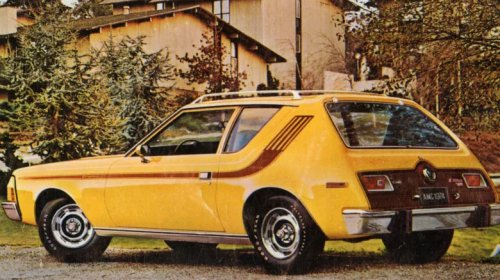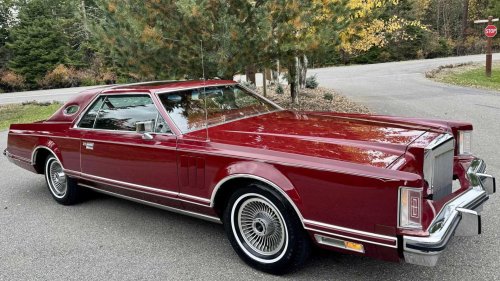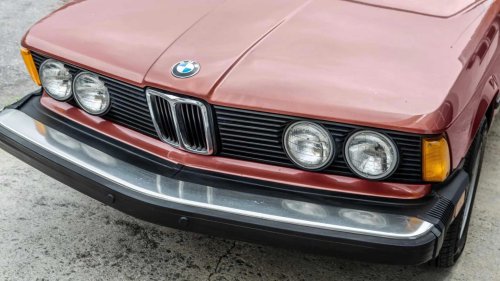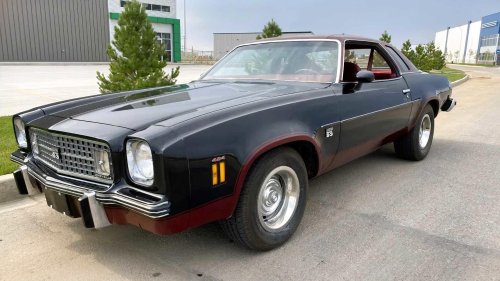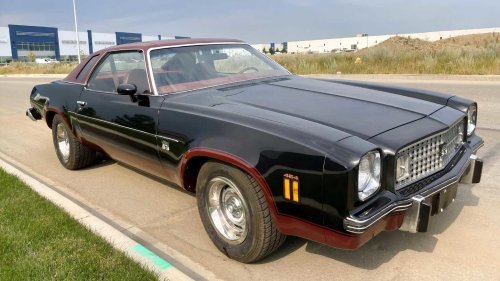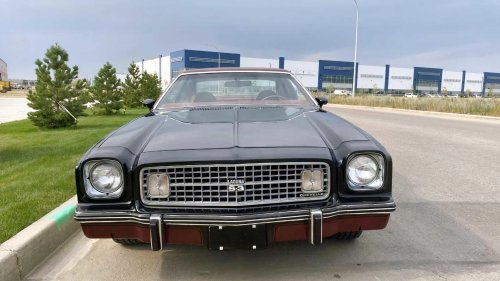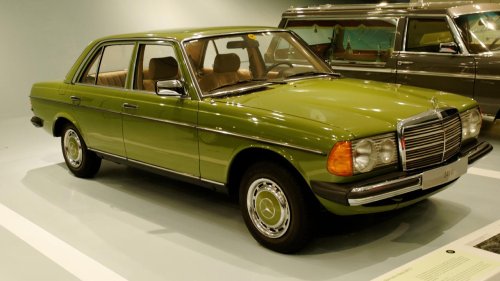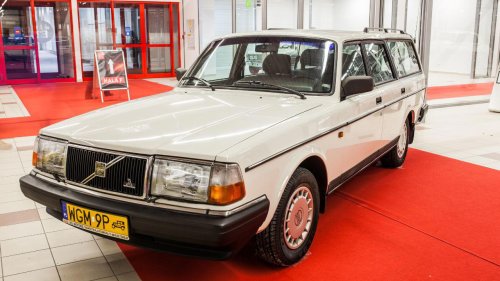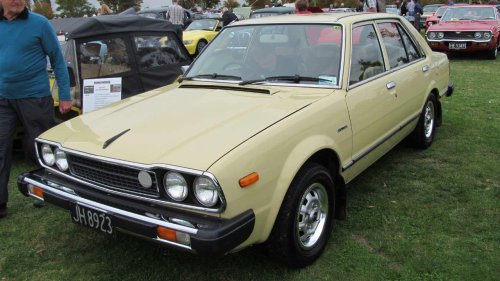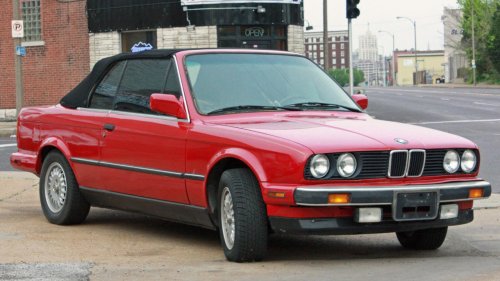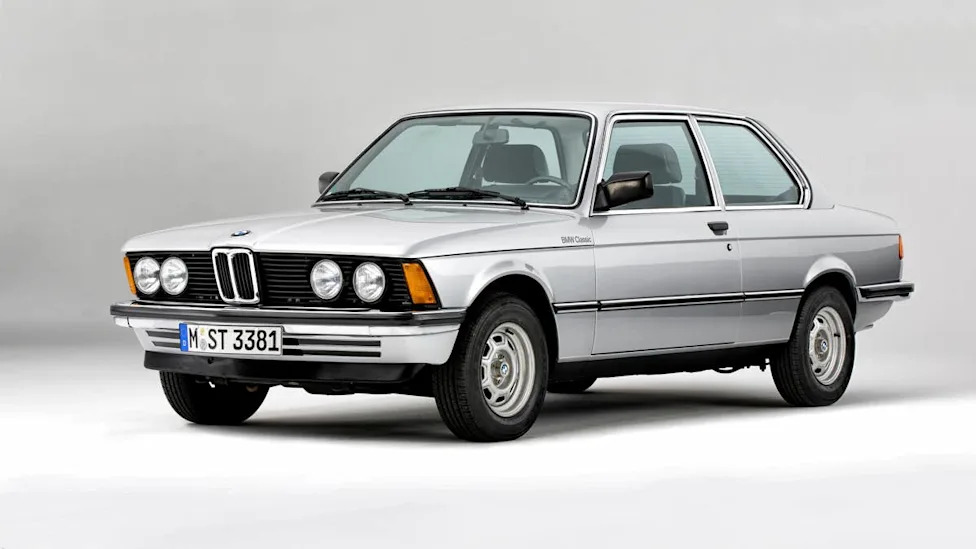

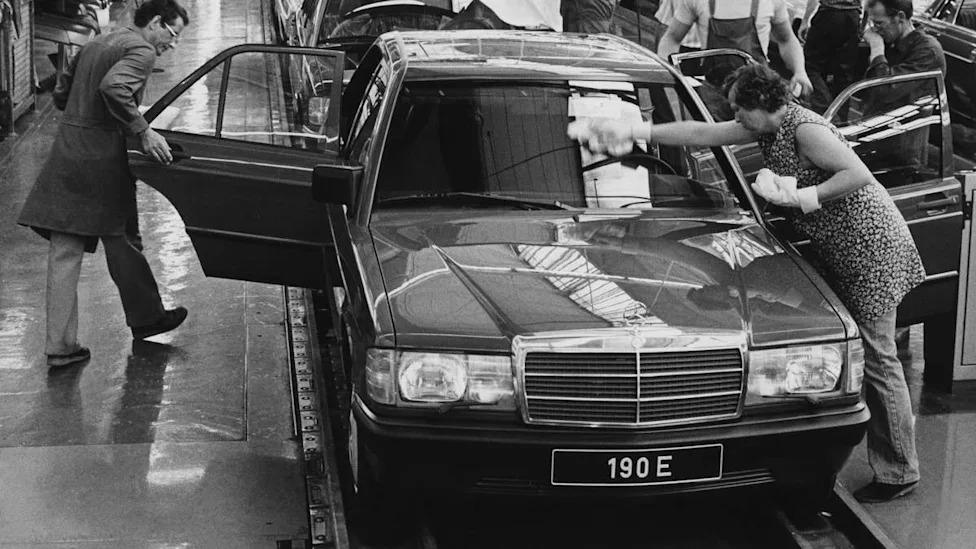



















Autoblog and Yahoo may earn commission from links in this article.Good Intentions and Ugly ConsequencesIf you've ever encountered any cars from the 1970s or early 1980s at a car show or early-morning weekend cars and coffee, you may have thought to yourself, "why do these cars have such fat lips?" This era of American-market cars, whether made in Detroit, Yokohama or Bavaria, quite literally sticks out due to outsized safety bumpers that protrude from the front and rear of these vehicles.However, these design oddities are not part of a design trend or by-gone fad; they're the result of the most consequential and least-celebrated chapters in American automotive history. Nearly fifty years ago, a federal safety regulation forced automakers to bolt massive, ungainly crash absorbers onto their cars, and in doing so, accidentally broke the visual language of an entire era of American design.AdvertisementAdvertisementThe story starts with the best of intentions: protect consumers from costly low-speed collision damage. However, it ended with grafted-on rubber bricks, a booming underground import scene and one of the biggest gray markets the car world has ever seen. Five Miles Per Hour In 1971, the National Highway Traffic Safety Administration began rolling out a new set of bumper standards that would be fully enforced by the 1974 model year. Formally called FMVSS 215, it was a straightforward concept; a car's bumper had to withstand a 5-mph impact with no damage to safety-related components, its lights and the engine. The goal was to cut down on insurance claims from minor parking lot fender-benders, which was a genuine consumer concern at the time as 60% of accidents occurred at or below 5 mph.By 1974, this standard was applied to both front and rear bumpers, which had a practical impact. However, what nobody anticipated was how badly the rules would translate into actual design. By the mid-70s, European automakers had already been building cars with elegant integrated bumpers for years, while American brands, who were still building cars like it was the 60s, responded to the mandate with brute force. The result was a generation of cars wearing what were called "impact absorbers;" which were eyesores. Out the front and back of everything from family sedans to ultra-luxe limousines were these bumpers that stuck out, whether they took the form of rubber-tipped battering rams, or chromed "boat anchors" and "surfboards."Beginning in the 1974 model year, cars that had looked sleek just a year earlier suddenly had front ends that were downright ghastly. No car was safe. American-market cars, including the Cadillac Eldorado, Ford Mustang II and Chevy Camaro, and European imports like the VW Beetle and top-dollar Mercedes-Benzes, all got bumpers that looked like afterthoughts.BMWView the 2 images of this gallery on the original articleEuropean Resistance and CompromiseWhile Japanese automakers like Datsun were quick to integrate 5-mph bumpers into the design of their cars, some of the worst executions in adapting to the 5-mph bumper rules came from Europe and for good reason. At the time, European safety regulations were less aggressive on bumper standards, which meant manufacturers could offer sleeker, integrated bumpers on Euro-spec cars including the MGB, Mercedes and BMWs, as well as Fiats like the X1/9 roadster.AdvertisementAdvertisementFacing limited resources and materials, marques were left to take two steps back and revise designs by slapping on big metal girders, or chunks of plastic or rubber. The Merc SL (R107) got bigger bumpers known as "park benches," which disrupted the clean lines in the European models. BMW replaced the chrome bumpers on the 2002 with protruding aluminum ones mounted on hydraulic shocks. Known as "diving boards" among the BMW community, this design feature persisted through the first two generations of US-spec 3 Series. Worst of all, the MGB got the infamous black rubber bumpers that were sold in all its markets. It didn't take long for American owners of European imports to notice that the same cars sold on their home continent looked much better than the official US market counterparts. This spawned what became known as the "Euro" aftermarket; a phenomenon that has lasted decades after these cars' original run. Specialty shops started sourcing European-spec front and rear body parts and selling them to American owners who wanted their cars to look the way the factory actually intended. For dedicated enthusiasts, swapping to Euro bumpers or "tucking" their U.S. spec bumpers became a rite of passage; a way of undoing what Washington had done to their car.Dick/picture alliance via Getty ImagesThe Gray MarketHowever, styling was just the tip of the iceberg for American motorists. The safety and emissions regulations that were enacted through the 1970s and into the 1980s had ballooned into a major issue for one of the world's most prestigious automakers, as a full-blown gray market import industry had taken root in the U.S., and desirable European brands like Mercedes-Benz were at the center of it. For well-to-do Americans, the prospect seemed simple. Mercedes and BMW models sold over in Europe were not only cheaper than American-spec models, they looked better without the 5-mph bumpers and had more power because they weren't strangled by U.S. emissions equipment like catalytic converters. A few entrepreneurs over in the states figured out that if you imported a European-spec car, hired a federalization shop to bring it up to U.S. safety and emissions standards, you could undercut the authorized dealer price by thousands of dollars.Maucher/ullstein bild via Getty ImagesView the 2 images of this gallery on the original articleAdvertisementAdvertisementAt its peak in the early 1980s, the gray market was moving tens of thousands of vehicles per year. Mercedes-Benz was reportedly losing significant U.S. market share to its own cars. The federalization shops were booming businesses, certifying everything from 500SLs to diesel wagons for American roads. Some estimates put gray market imports at more than 60,000 units annually by 1984; a number that was a major chunk of total German luxury car sales in the U.S.In a roundabout way, the bumper regulation helped create an entire economy around the shortcomings of U.S. regulations. Mercedes and other manufacturers lobbied hard for relief, and eventually got it in 1988 when the U.S. government implemented tighter import regulations. Under this ruling, federalization modifications would only be allowed to be performed by the original manufacturer or a small number of Registered Importers, which collapsed the gray market almost overnight. The End and LegacyThe 5-mph bumper standard was eventually rolled back. By 1982, the Reagan administration had reduced the front standard to 2.5 mph for passenger cars as part of a broader deregulation push to match the rest of the world. Over the following years, the regulations were revised further. Today, bumpers are engineered as part of a car's full crash management system, which not only consist of foam, but also crumple zones, pedestrian safety structures and even the sensor-laden collision avoidance systems in modern cars.However, the era left a permanent mark on how enthusiasts think about federal safety mandates and automotive design. The 5-mph bumper era is a case study in well-intentioned regulation producing unintended aesthetic consequences, and in how quickly car buyers will go looking for workarounds when the factory version of something is obviously worse than it should be. Today, there are still long threads on forums that compare Euro bumper kits for European cars of the era.AdvertisementAdvertisementIn the end, this era shook up the entire auto industry and changed the way drivers looked at car design forever.This story was originally published by Autoblog on Jun 7, 2026, where it first appeared in the Features section. Add Autoblog as a Preferred Source by clicking here.