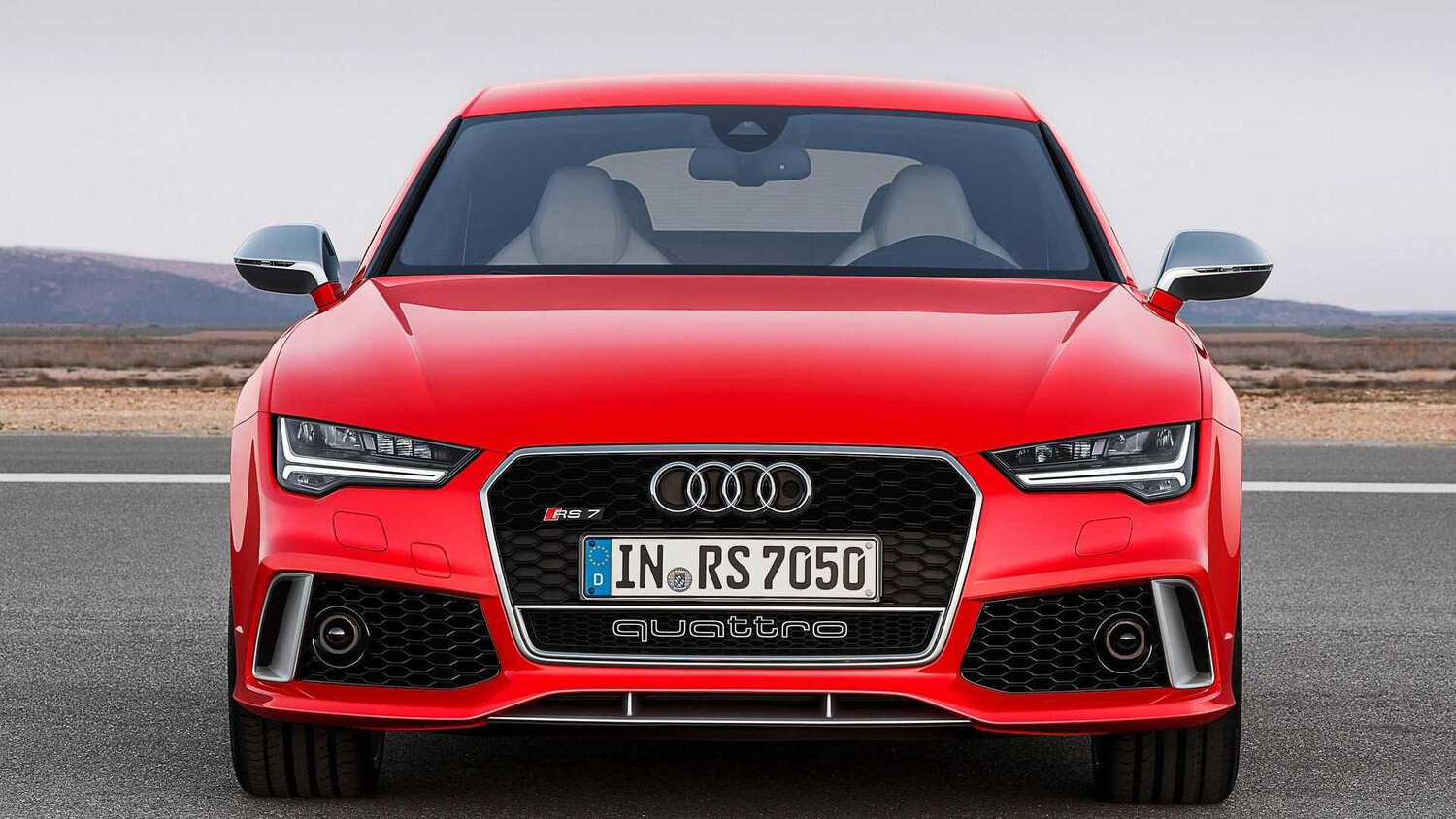
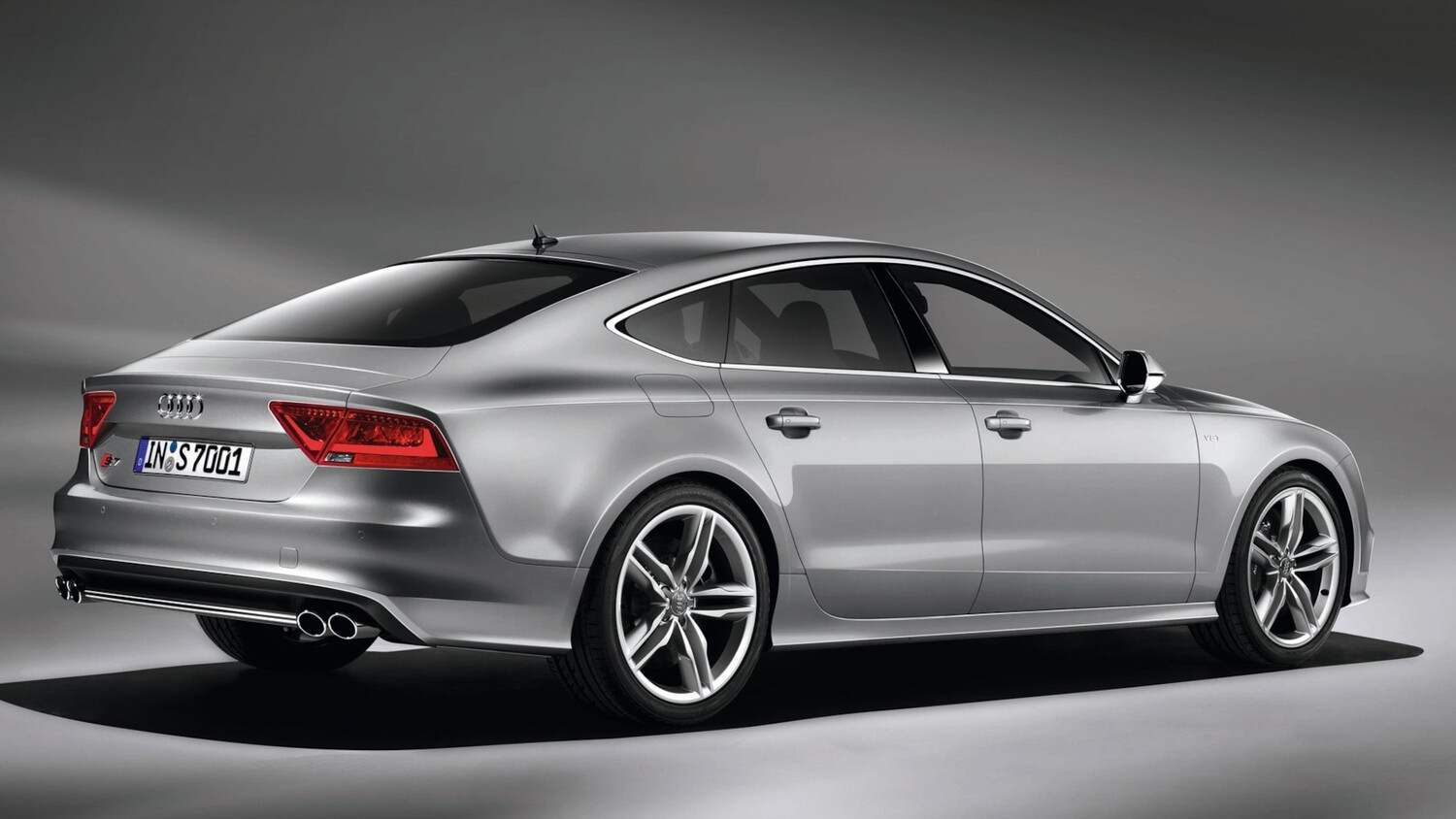
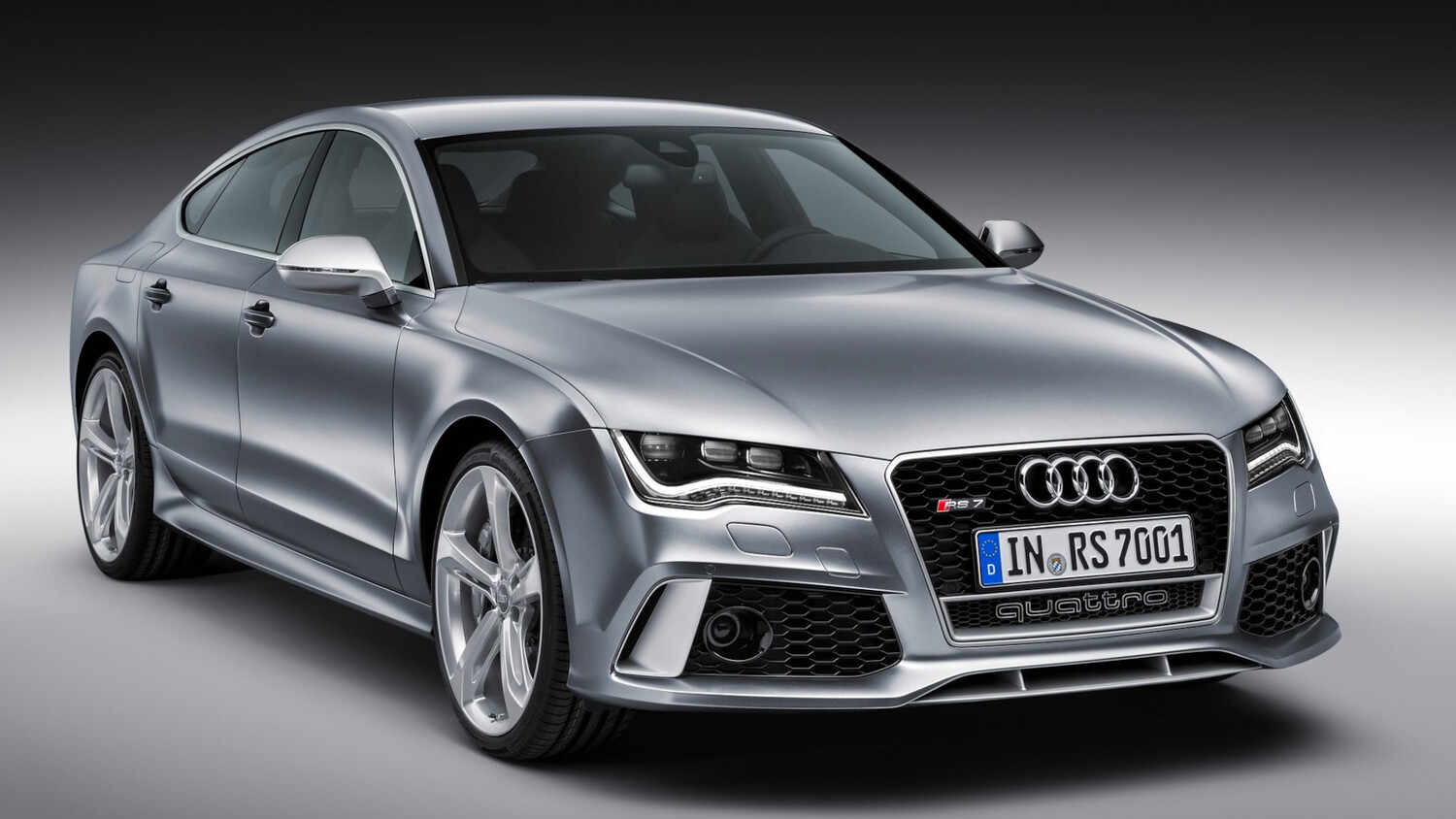
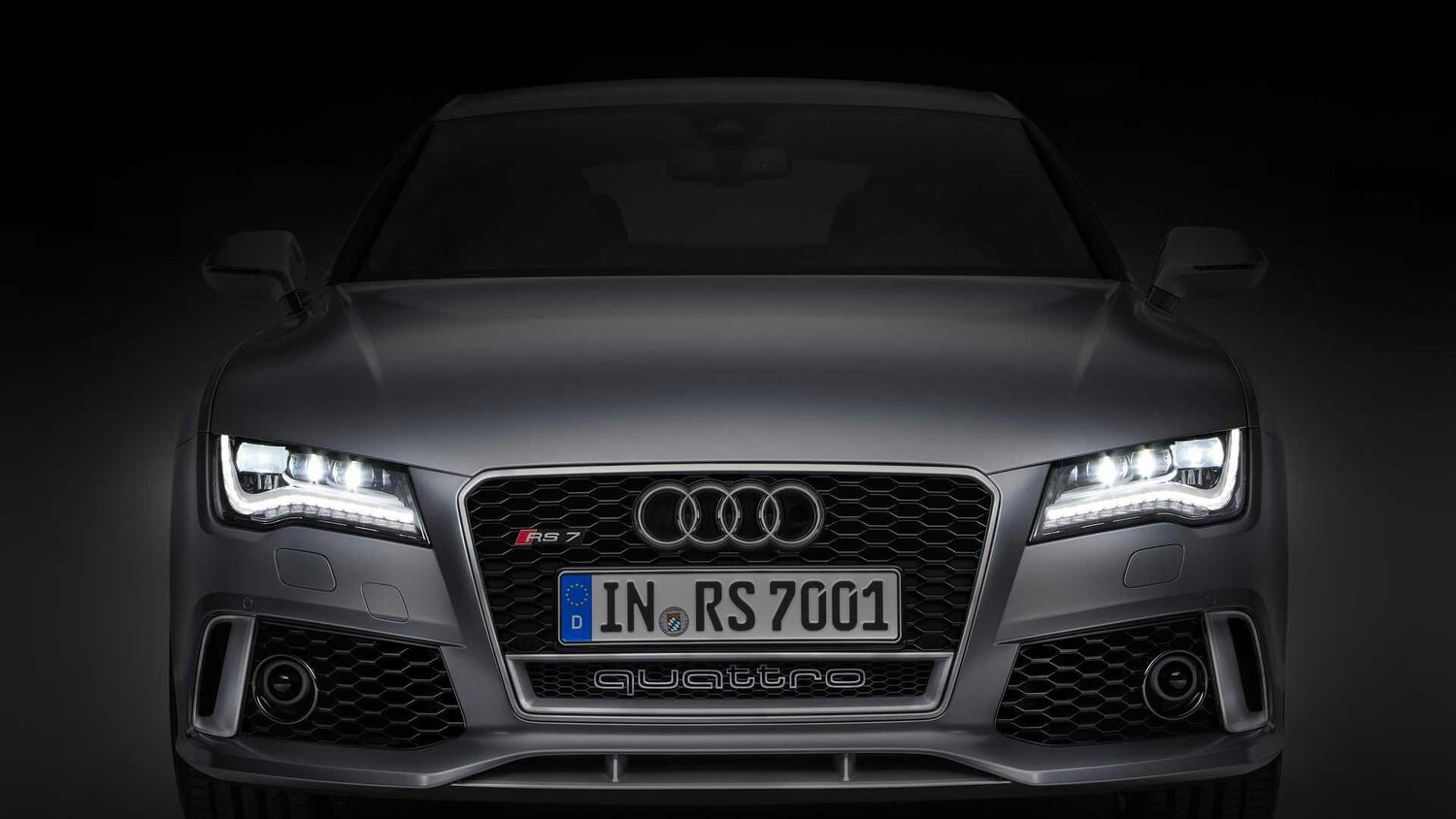
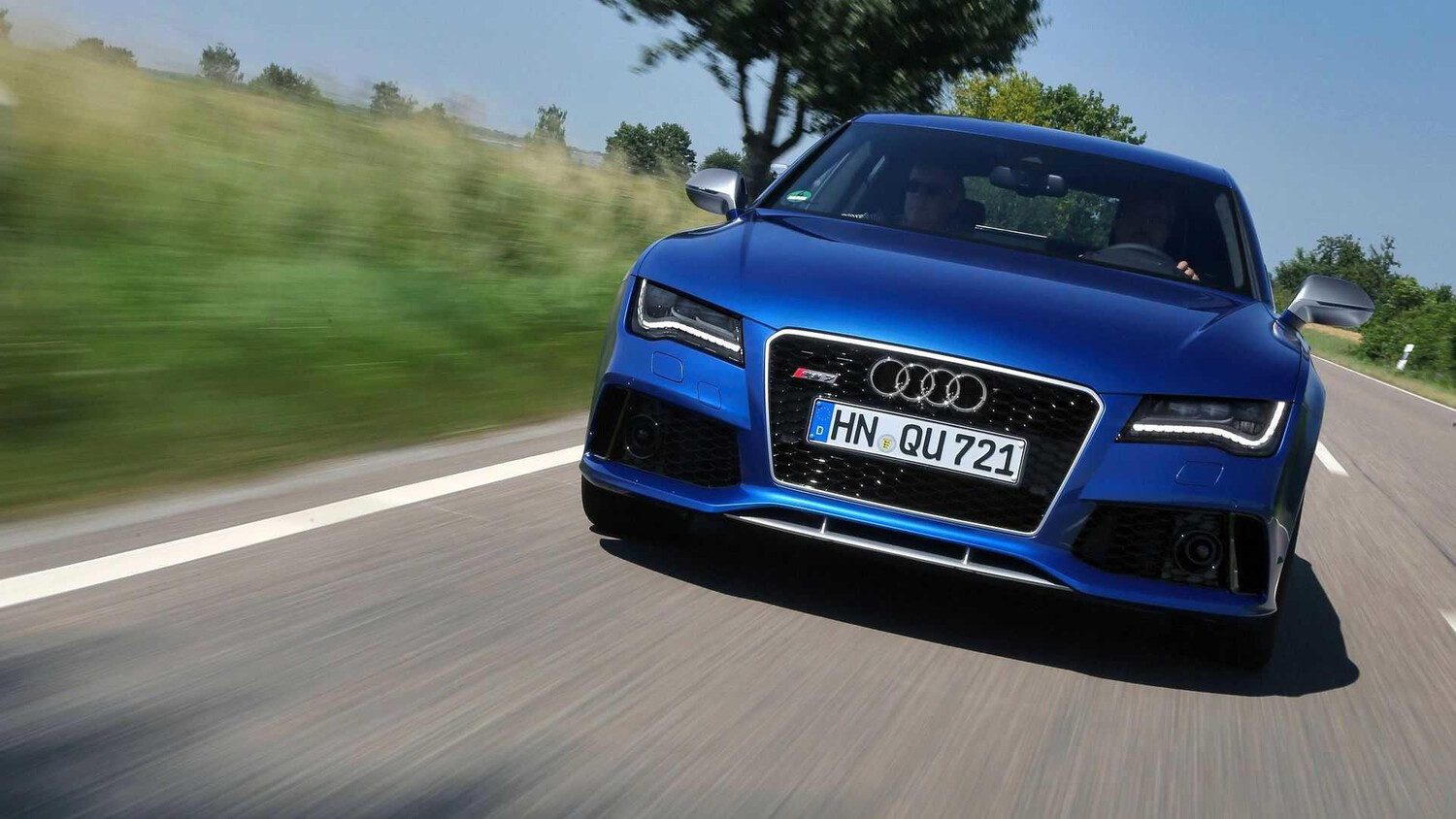
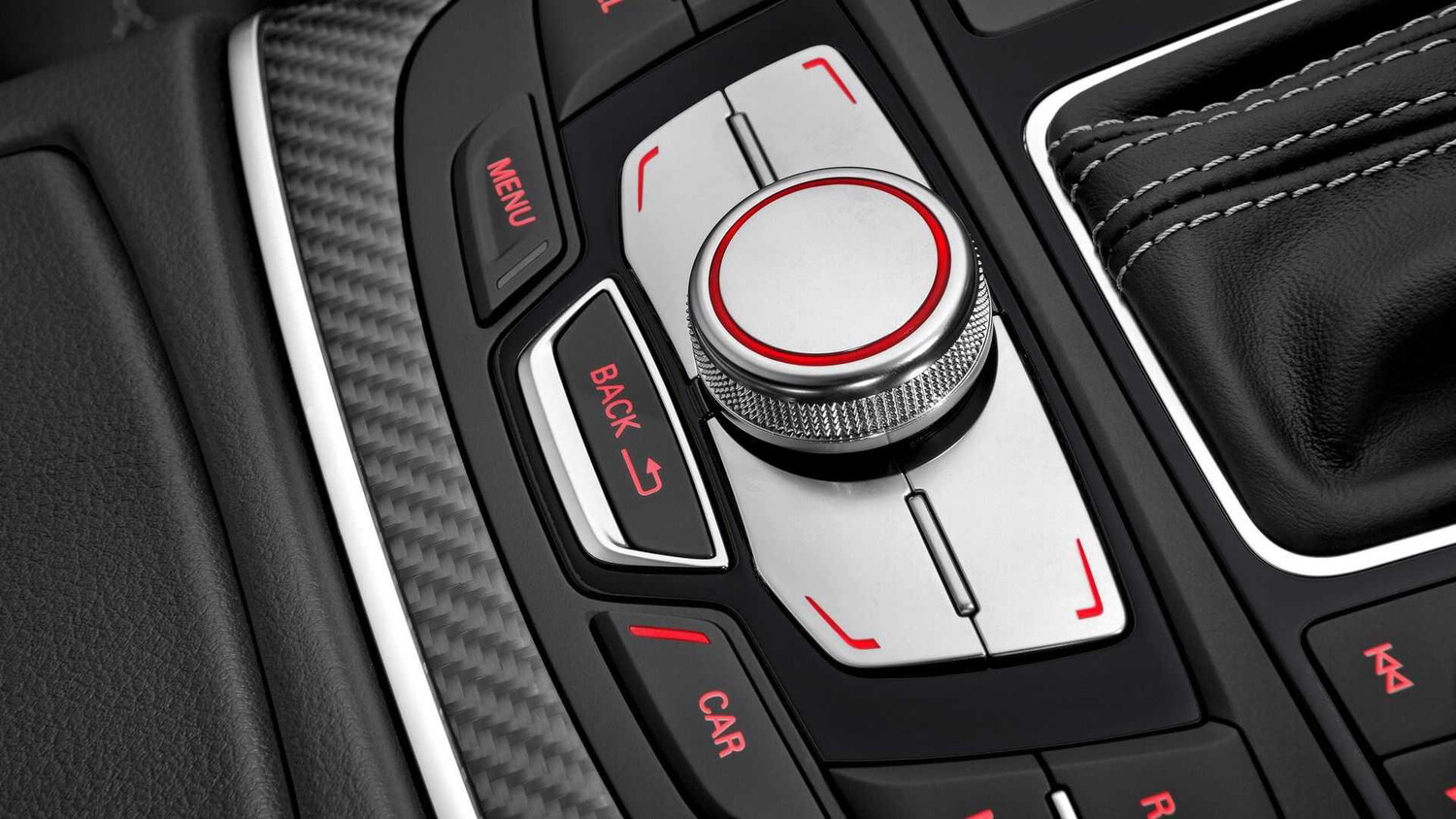
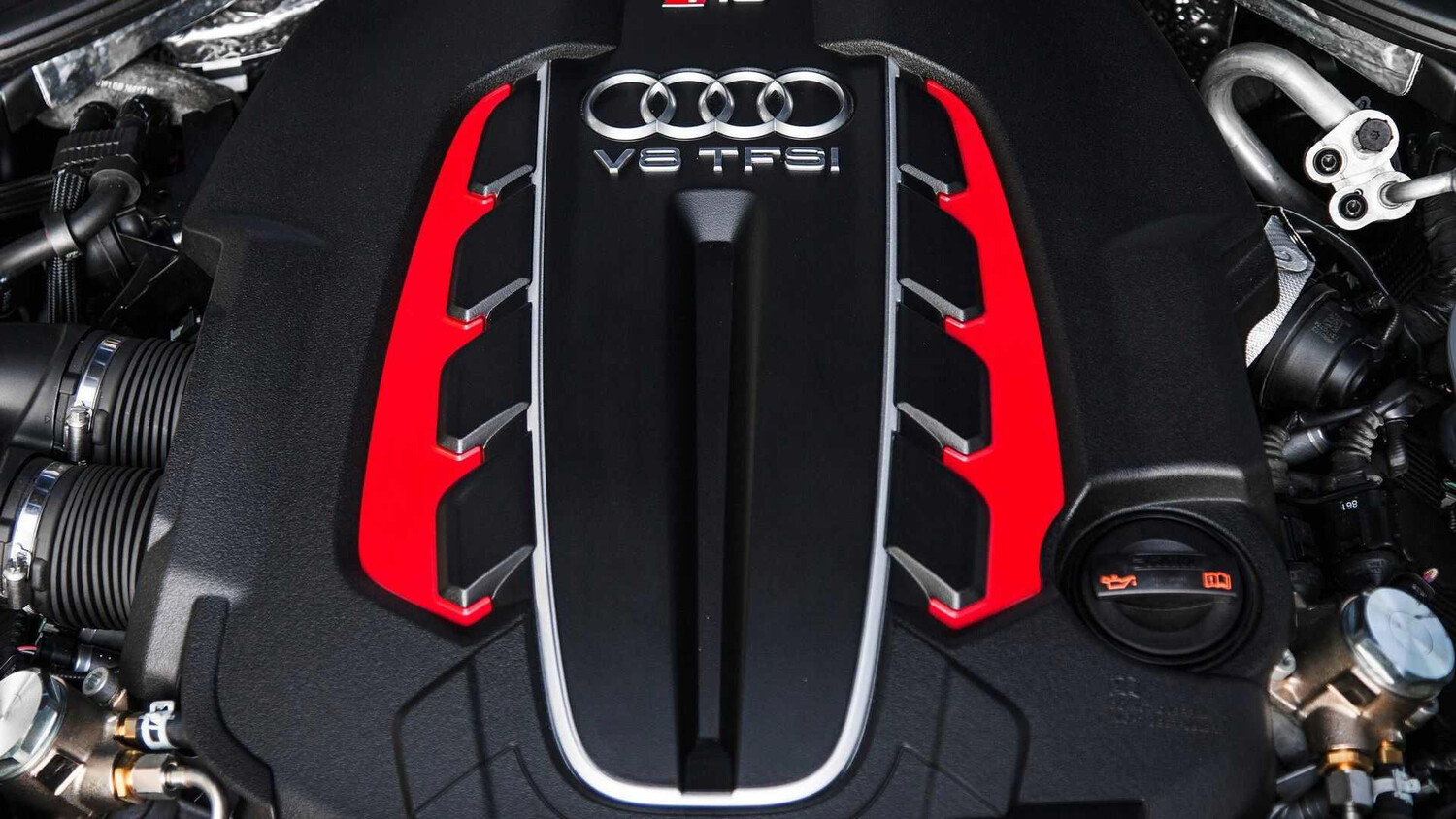
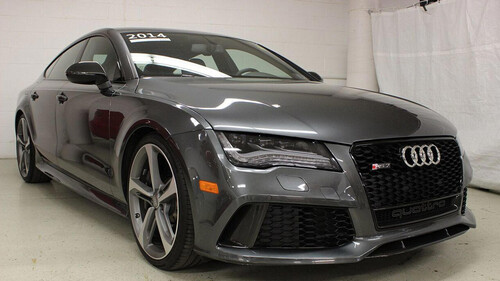
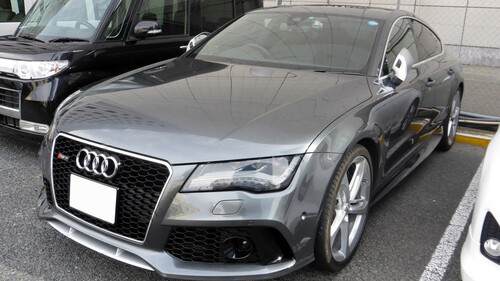
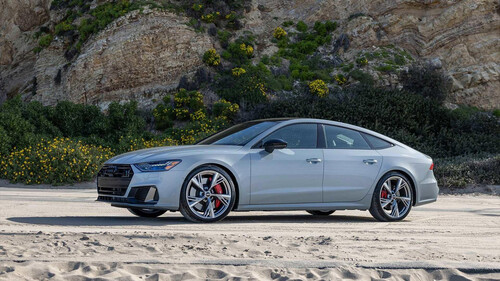
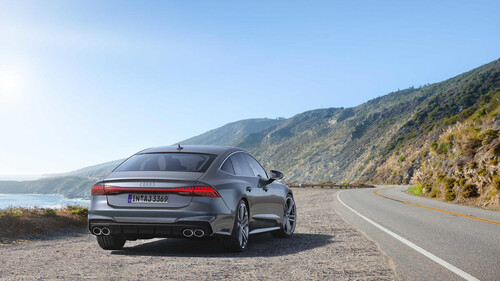
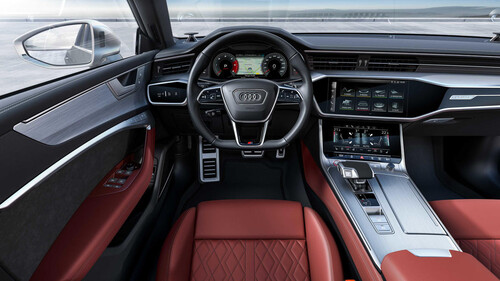
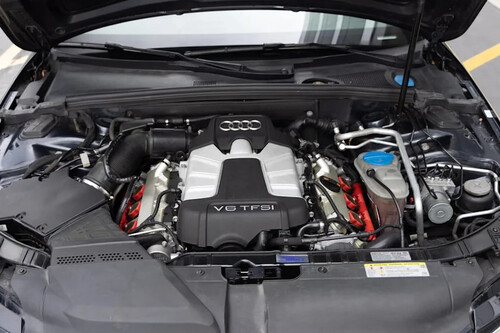
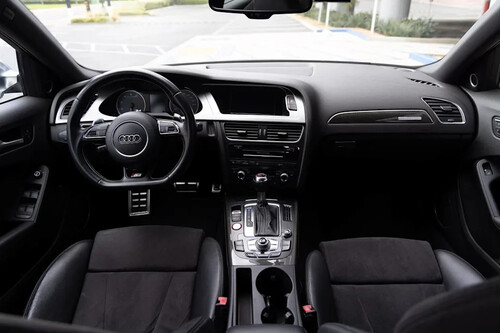
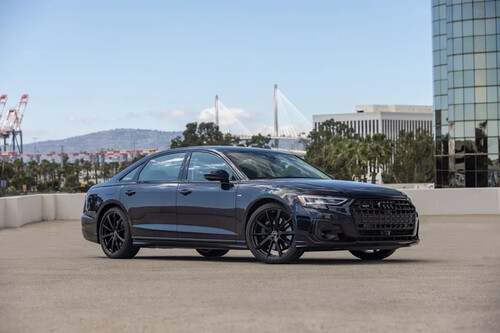
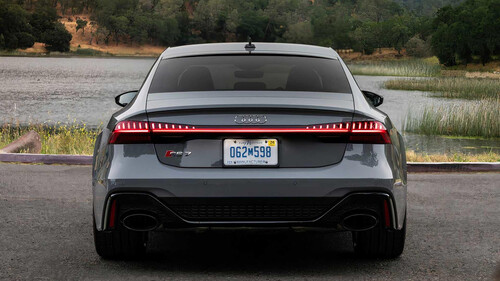
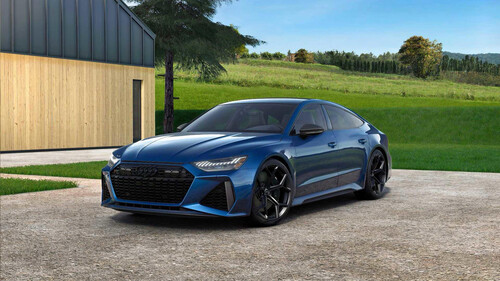
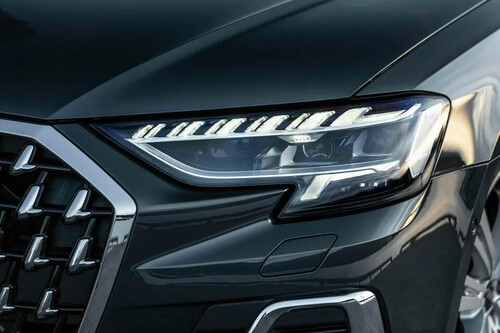
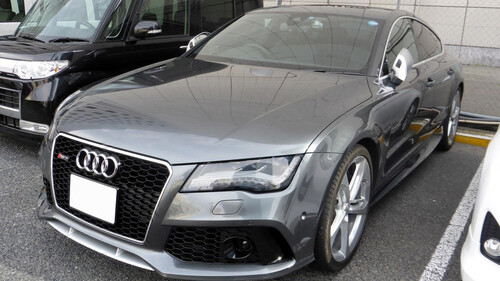
It's probably a style not so popular a decade down the line, but Audi's A7 four-door coupe (technically classified as a hatch), has not only retained its timeless looks, but its performance is still up there with the best sports sedans on the market. Especially the flagship model, the RS7.Here is some good news, then. After ten years on the market, prices for first-generation RS7's have started to drop quite significantly. That means you can get a real supercar with a sub-four acceleration time and serious road-holding skills, for more than half the price it cost when new. That's a win in our books, any day. The RS7 - A Modern-Day Classic Audi Brief History of Audi's RS division The original performance division, Quattro GmbH, was founded in 1983, based in Neckarsulm, Germany Changed to Audi Sport GmbH in 2016 Responsible for all S (Sport) and RS (RennSport) performance models in the Audi lineup The first S car was the S2 Coupe (1990) The first RS model was the RS2 Avant (1994) S and RS models are wholly designed, developed and produced in-house In the early 2000s, luxury carmakers explored new segments in the market to gain more sales. One of these was the so-called four-door coupe - an oxymoron, as a coupe typically is a car with two doors, and a sedan with four - which mainly slotted into the top end of automakers' portfolios.AudiToday, this has changed, as nearly everyone is producing a four-door coupe version of a sedan. But when Audi unveiled its Sportback Coupe concept car at the 2009 Detroit Auto Show, it was still early days for this new trend. Mercedes-Benz started the modern trend with the CLS, and BMW literally took it to new heights when it launched the first-generation X6. What is the A7 family?audiIn essence, the A7-family was a fastback version of the A6 Sedan. The car had the normal appearance of a four-door sedan up to its B-pillar, but from there the roofline dropped straight into the short tail and rear-end of the car. It has a squat, powerful stance. The idea was clear: where the sedans would be the safe, neutral and logical type of car in the product tree, the new coupe versions would be the stylish, sportier versions. To add to the sporty character of the vehicle, the windows were frameless, and inside a wooden strip stretched from side to side underneath the windscreen.AudiAudi also didn't mess around with model options. There were the basic diesel (3.0-liter turbocharged V6) and petrol versions (3.0-liter V6, supercharged), but then also the more powerful S7 with a detuned version of the 4.0-liter twin-turbocharged V8, while the RS7 was the top of the crop with the most powerful version of the 4.0-liter V8 on board. Then came the hot RS7AudiThe RS7 debuted in the States as a 2014 model. It was equipped with a 4.0-liter V8, and customers could choose between 20 or 21-inch-sized wheels with low-profile tires. It is a big car (197 inches in length), and weighs a mighty 4,398 pounds, but thanks to the biturbo-power and eight-speed gearbox, the RS7 could still claim a top speed in its unrestricted German home market of 190 mph (US models are governed at 174 mph). Audi's claim for a 0 to 62 mph sprint was 3.9 seconds, but some testers in the US got 3.4 seconds to 60 mph.AudiThe RS7 received a minor facelift in 2016, bringing a more modern version of the digital interface to the car. This included a bigger digital display between the tachometer and speedometer, and better graphics and quicker operation for the MMI system. The front and rear bumpers received minor updates to their appearance, while the headlights were also new units. There's Understated Power, And Then There's An RS7 AudiUsed widely in the Volkswagen-group, in various states of tune and still to this day in Bentley's new hybrid models, the RS7's 4.0-liter V8 with its twin-scroll turbos provided oodles of torque, available across a flat, broad torque curve (1,750–5,500 rpm). With 560 hp and 516 lb-ft of torque virtually immediately on tap, you have rocket-booster power behind you - and in front of you. Yes, that's because, in true Audi RS fashion, the RS7 came equipped with full-time 4x4-traction courtesy of the famous quattro system.Power is sent to the axles in a 40/60 rear-bias distribution, while an electronically controlled torque-vectoring rear sports differential sends power to the outer wheel when cornering hard, ensuring maximum traction as you power out of the corner. Whereas the S7 uses the seven-speed dual-clutch automatic gearbox, the RS7 received the more robust, but equally capable, ZF-sourced 8-speed box. Crisp handling, despite its size AudiDespite its heavy body mass, the RS7 is quite the agile handler. This is mainly due to the power going to all four wheels, with that trick torque vectoring system ensuring you always have the most power available at the wheel with the most traction. The turn-in is sharp, and it is only at the edge of the grip when the rear-end starts to slide out when you give too much power too early, powering out of a corner. Straight-line performance, very much like its Stuttgart rival the CLS AMG, is the RS7's party piece, as it can put power down through all four paws, for maximum traction in the lower gears.AudiSpeaking of gears, every gearshift unlocks a symphony of mechanical grunge music to the ears. With upshifts, there's a pop and bang as the next gear is hooked, and with downshifts a beautiful gurgle and pop will sound as the car slows down for your next tight turn.All this power doesn't come at the expense of practicality, though. As said earlier, the A7 is a big car. The frameless windows look stunning with a sporty character, while the low-slung roofline and angled rear-end lend themselves a classy, sleek profile. The hatchback swings easily open to unveil a huge load bay and even with that lowering roofline, the rear headroom isn't compromised. You Could Grab One For Decent Money Today AudiAs is often the case with niche models, the A7 family, with the early versions of the RS7 in particular, has come under some serious price depreciation pressure. We've seen a 2016 model available for just under $54,000. That is half its list price of $107,425 a decade ago, and means you get a lot car for what is close to the average price of a new car in the USA. Typical problems to look out for AudiIs there anything particular to look out for with the older RS7? It's good to keep in mind that these are performance cars with 560 horses being sent through the eight-speed-box and to all four wheels. The technical bits thus received a good hammering during their lifetime. Around the 60,000-mile mark, you’ll need to have the intake ports cleaned of oily deposits, and the high-pressure fuel pump arrangement can wear out around the same time.The "hot-V" layout of the engine (with the turbos between the cylinder banks) means that the intake ports and emissions control add-ons reside on the outside of the V, partially hidden away by sturdy box sections and engine supports, thus making them more difficult to reach. This also applies to possible injector maintenance, and may require the engine to be removed for access to these parts.It is also a good idea to check the turbos' condition (there was a recall on the turbo oil strainers), as well as the brakes, control arms and bushings, the thermostat and water pump. Conclusion AudiIn essence, the Audi RS7 is an ideal family hatchback, considering the big price drop it has received in recent times, and the value and performance you get for that money. The car is luxurious, it will seat a family of four without any effort, and has a practical, big trunk to accommodate everyone's luggage. Most of all, you can smoke Porsches and Ferraris while taking the family on holiday. That's a win in our books.