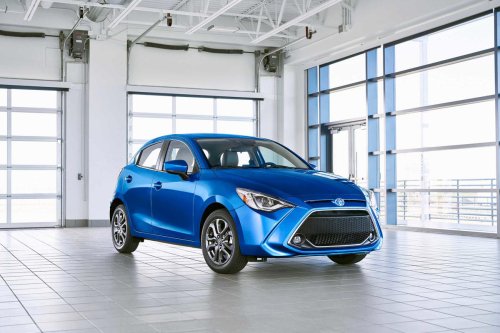
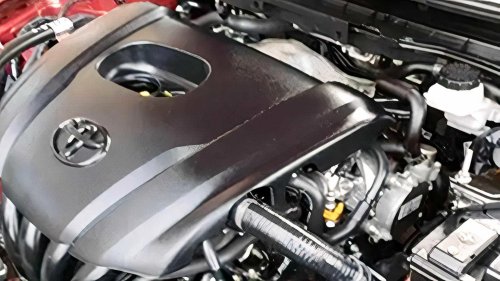
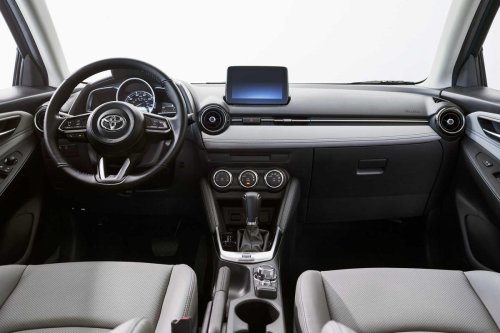
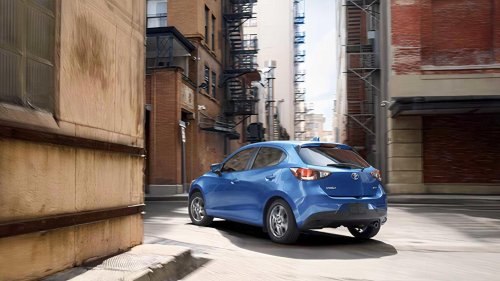
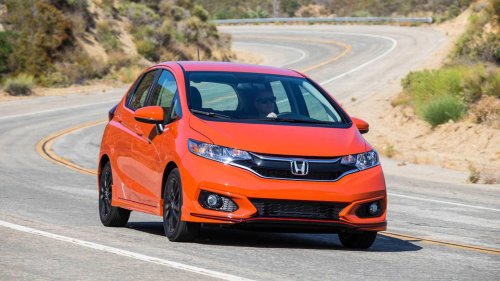
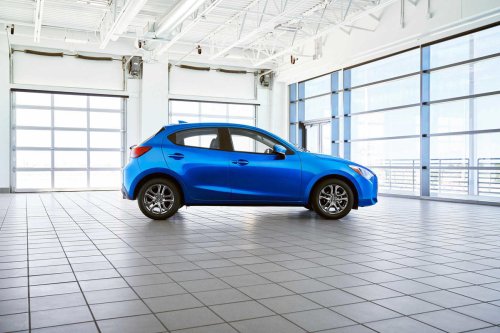
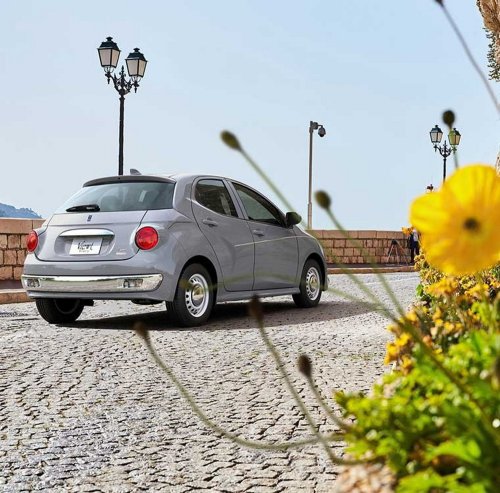
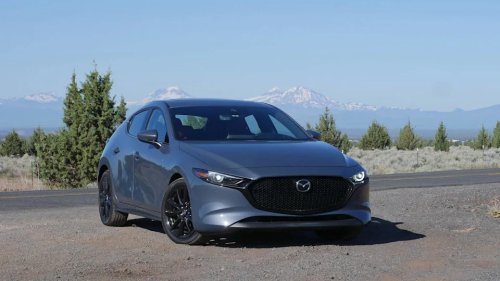
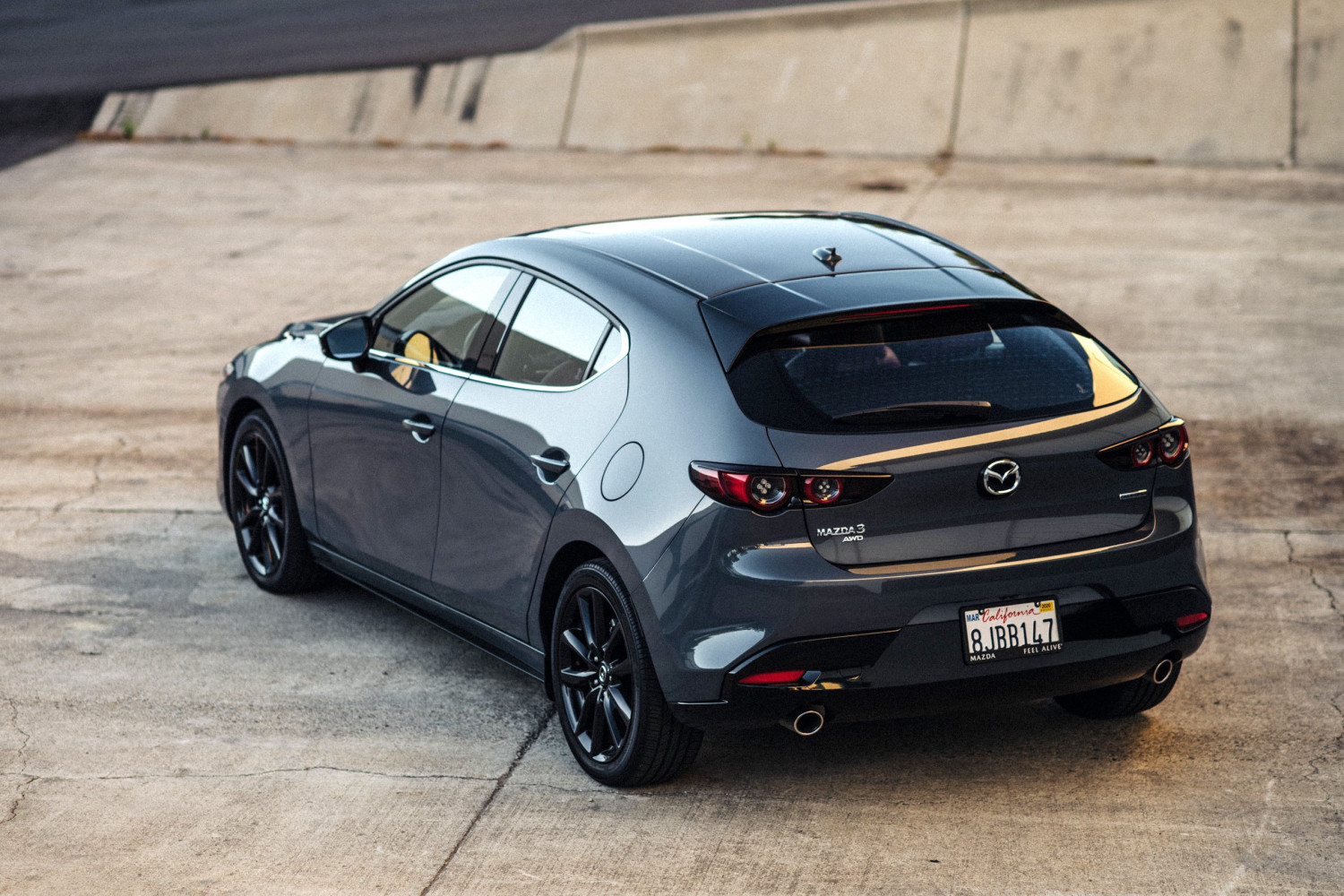
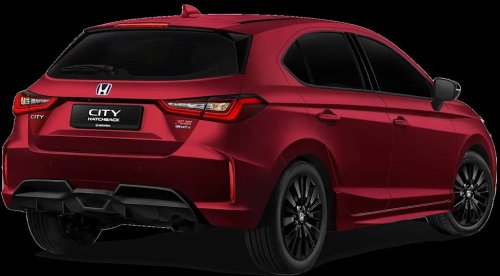
Jump LinksThe Yaris Hatchback Used A Unique Powerplant To Every Yaris That Came BeforeHonda's Fit Provided More Practicality For LessWhile developing a new vehicle means a manufacturer can enjoy the profits if the model becomes a sales success, it also means that the company takes on all the financial impact if the project fails. This is particularly precarious should a brand want to get into an automotive sector that offers far from guaranteed success, but could also be a handy payday should they play their cards right. Toyota found itself in this position in the late 2010s, when it struggled to find success in the subcompact hatchback market.Having recently discontinued the hatchback version of the Yaris, the company embarked on one final roll of the dice. The Japanese giant struck a partnership with Mazda to continue offering a subcompact hatch, though it ultimately failed after just one year. This piece explores the 2020 Toyota Yaris Hatchback, a short-lived model only offered for a single model year in the United States. The 2020 Toyota Yaris Hatchback Was A Rebadged Mazda2 Toyota The 2020 Toyota Yaris Hatchback replaced the third-generation Yaris hatchback in the US market. The Yaris had been slipping in popularity throughout the 2010s, dropping from yearly US sales figures of over 70,000 in the late 2000s to less than half that by 2012. By 2019, a little over 20,000 examples were finding new buyers, so the plug was pulled. Feeling there was still some life in the market, though, Toyota cut a deal with Mazda to rebadge the Mazda2 hatchback as a Yaris.The Mazda2 hadn't been sold in the US since 2014, so it gave Mazda a chance to earn a bit of cash on the side, while Toyota retained a share in the subcompact hatch market should it suddenly find its feet again. The finished article was literally a 2 hatch with the Mazda badges replaced with Toyota ones, though this wasn't necessarily a bad thing. The partnership wasn't exactly unprecedented either, as Toyota had been marketing the sedan version of the Mazda2 as the Scion iA, and later the Yaris Sedan, since 2015. The Yaris Hatchback Used A Unique Powerplant To Every Yaris That Came Before Cars.com As a rebadged Mazda2, the 2020 Yaris Hatchback was purely a Mazda beneath the badges. This meant it got the marque's 1.5-liter Skyactiv-G inline-four engine beneath the hood, which sent 106 horsepower to the front wheels via a six-speed automatic transmission. Placed at the lower end of the used market, the Yaris Hatch was equipped with torsion beam rear suspension and drum brakes, but a more sophisticated independent suspension and disc brakes were used at the front.It may not have been a Toyota underneath, but the 2020 Yaris Hatchback has proven dependable since its release. Plus, its combined 35 miles per gallon fuel economy made the machine a frugal city slicker for those on tighter budgets. The 2020 Yaris Hatch Has Held Its Value Extremely Well Toyota Despite not being a Toyota beneath the skin, the 2020 Yaris Hatch has depreciated very little compared to its original MSRP. Two trims were available, the LE and XLE, and these were offered at $17,750 and $18,750, respectively. The duo was identical on the technical side, but the latter came with additional equipment, including automatic climate control, premium synthetic seats, and a leather steering wheel.Fascinatingly, the 2020 Yaris Hatch is valued at $15,742 in the nicer XLE grade by CarBuzz's Marketplace (see graph below), not far below its original sale price. There are plenty of examples priced below this, but those examples likely have more than 70,000 miles on the clock. While this is not the end of the world, you'd have expected to get a better deal on a six-year-old car that has been well-used during its short life. This is a testament to how dependable the machine has proven to be so far, as even these more well-traveled cars should have plenty of meat left on the bone. The Yaris Lacked Pace, But Stood Out For Its Chassis Toyota The 2020 Yaris Hatch also deserves to be singled out for its excellent handling. The steering was quick and precise, while the car's nicely balanced chassis meant it could be thrown around like a little go-kart. This makes the car great fun to drive through city streets, though the rather gutless engine lets the side down somewhat. The cabin was also praised at the time for being of higher quality than you'd typically expect at its price point. Honda's Fit Provided More Practicality For Less Honda The Yaris Hatch was ultimately a solid subcompact offering for those after a well-put-together and reliable runabout, though it had one big problem – the Honda Fit. The Yaris' rival proved to be a considerable thorn in its side, primarily as it provided considerably more interior space. While the Yaris provided more front legroom than the Honda, the latter was better in every other area. It had over an inch of extra front headroom, as well as a little more rear space. The Fit also boasted just under one cubic foot of extra trunk capacity and a vastly superior five inches of rear legroom.The Fit also promised excellent reliability, and could also be purchased for over $1,500 less in base form. The better-equipped Sport CVT grade was about $350 cheaper than the higher-end Yaris XLE and came with a more potent 1.5-liter engine that produced 128 hp. That said, the Yaris was around 4 MPG better on average, while its chassis comfortably beat the Fit's. In terms of used value, both models are worth about the same as of 2026.The choice is simple: if you prioritize practicality, the Fit would be better. If handling, refinement, and lower running costs sit higher on the priority list, then Toyota's rebadged Mazda could be the used subcompact hatch for you. Toyota's Experiment Swiftly Failed ToyotaThe 2020 Yaris Hatch is a rather rare specimen in the grand scheme of things, seeing as Toyota only offered it for a single model year in the end. The automotive behemoth managed to shift only 6,436 examples that year, a dismal performance that led it to kill the deal with Mazda by the end of the year. At the same time, Toyota elected to ditch the Yaris Sedan for good measure, bringing an end to its time in the American subcompact sector.As a result, the closest you can get these days is the Corolla Hatchback. It's not as small as the Yaris was, since the Corolla is designed for the compact market, though it at least offers a similar hatchback-style tailgate, which helps boost practicality versus a sedan-style arrangement. It's also considerably more expensive than the Yaris was, with a base price of $24,580. That said, you do get a lot more space to play with, as well as a more powerful and equally efficient 2.0-liter engine.The US subcompact segment has collapsed in recent years, as drivers prefer larger crossovers and SUVs in their driveways over tinyvehicles such as the 2020 Yaris Hatch. As a result, don't expect the Yaris name to be resurrected stateside anytime soon, but at least the last one to grace the nation is still modern enough to work well as a chuckable runabout.Sources: Honda, Toyota.