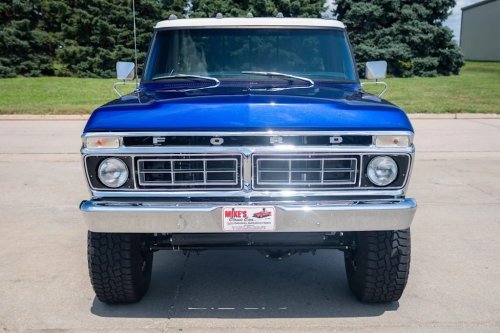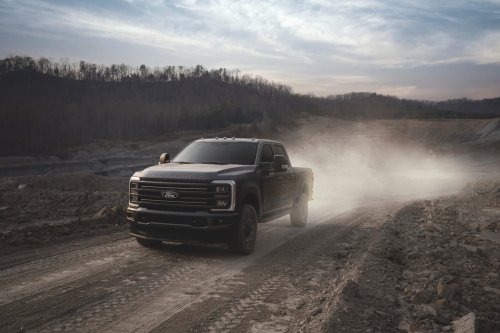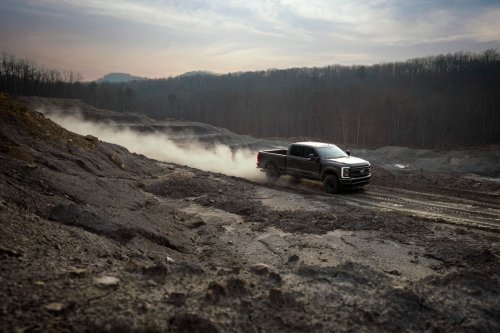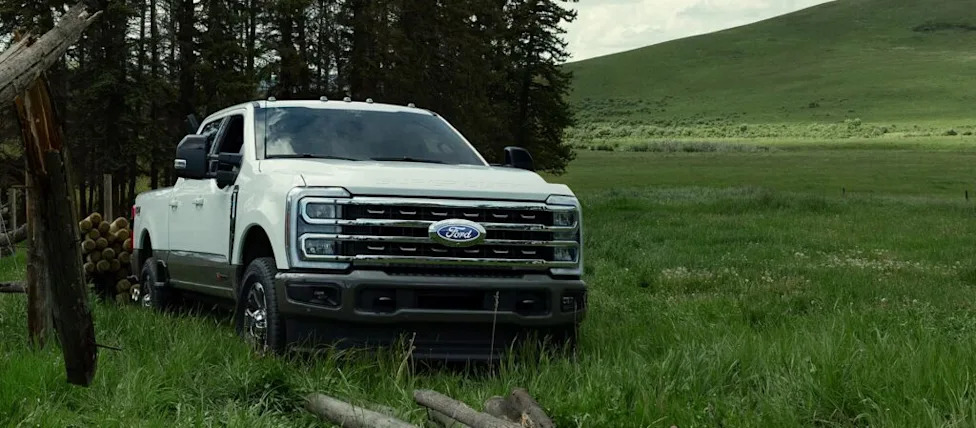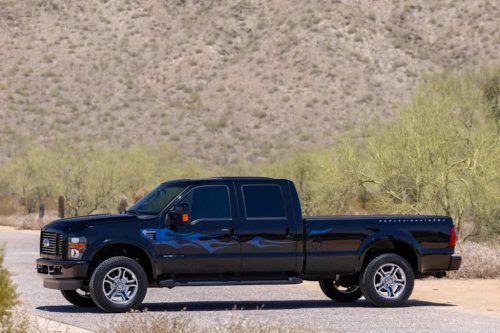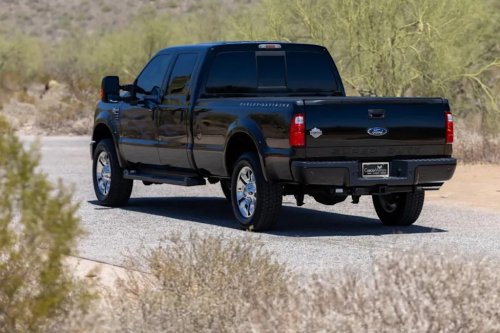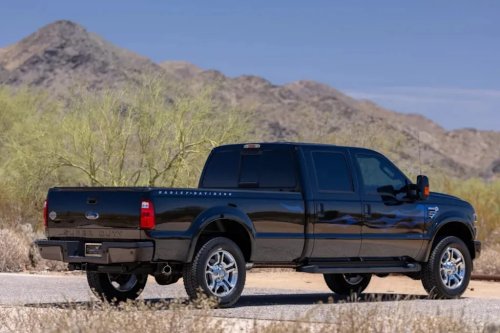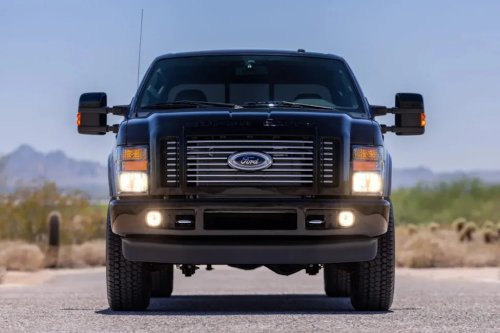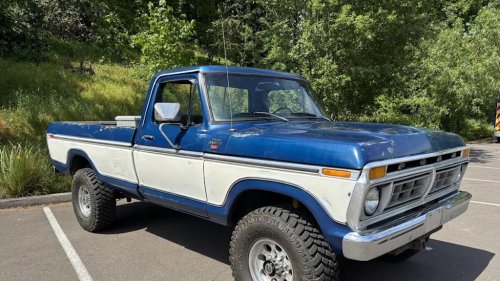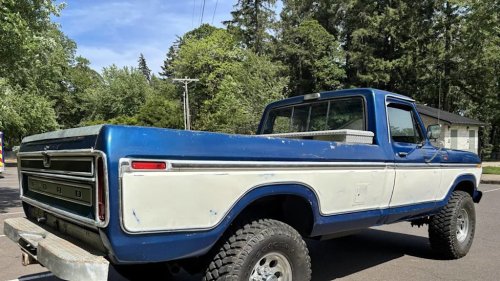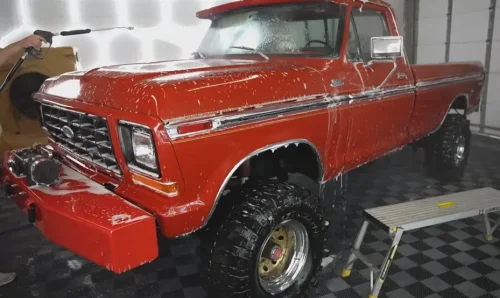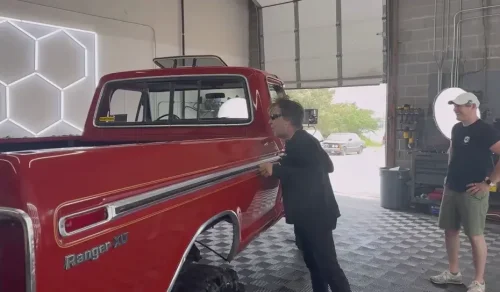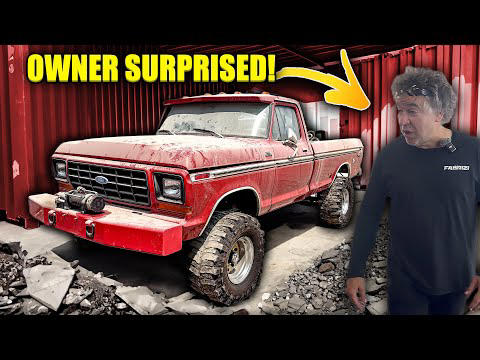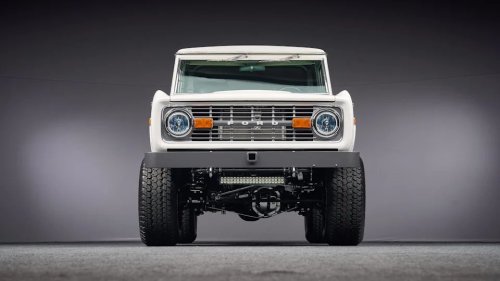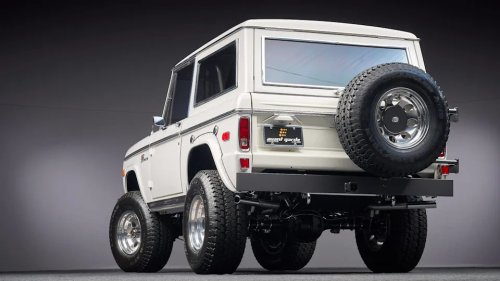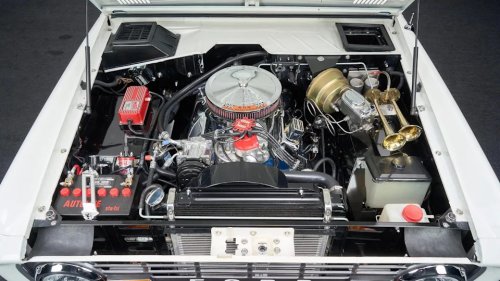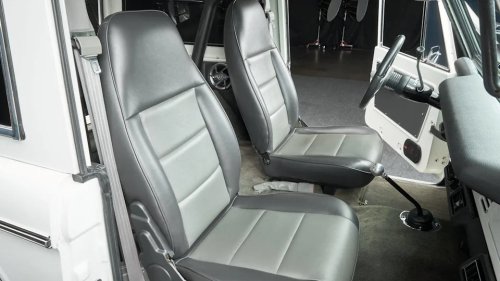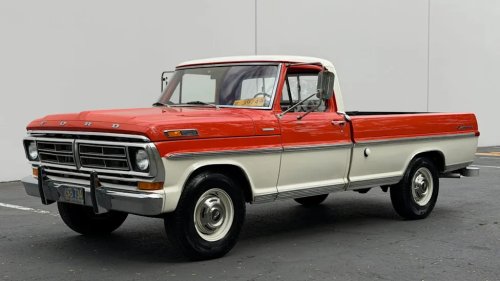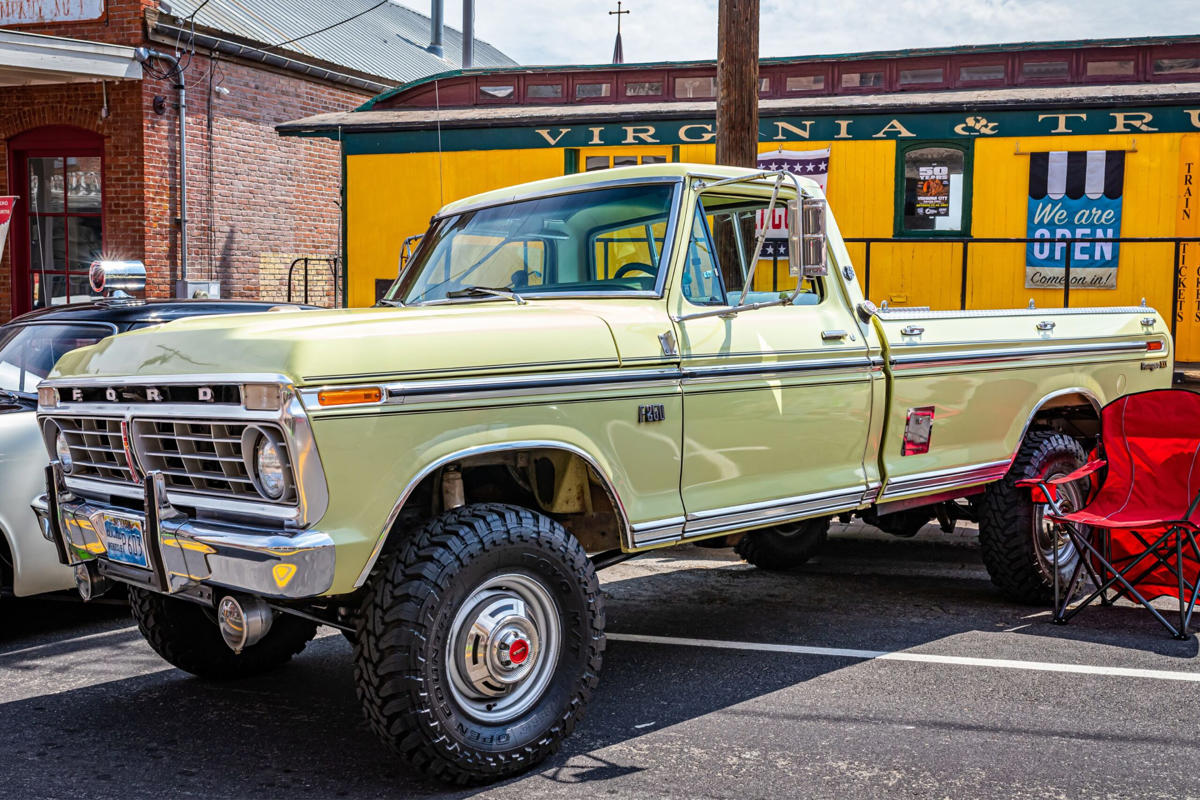



















The 1975 Ford F-250 proved durability was still the priorityThe 1975 Ford F-250 emerged as a beacon of durability during a time when the automotive industry was undergoing significant transformations. Known for its robust construction and reliable performance, this truck became a trusted companion for both work and leisure. Delving into its engineering, design, and cultural impact, the 1975 Ford F-250 stands as a testament to Ford’s commitment to durability. A Legacy of Strength Ford’s reputation for producing tough and reliable trucks was well-established by the mid-1970s. The F-series, which began in 1948, had already garnered a loyal following, noted for its ruggedness and dependability. By the time the 1975 F-250 rolled off the assembly line, the F-series had evolved through several generations, each iteration building on the strengths of its predecessors. The 1975 model was no exception, embodying the core values of strength and durability that Ford customers had come to expect. In the 1970s, consumer expectations for durability in vehicles were high, particularly for trucks. With the oil crisis of the early decade looming large, buyers wanted vehicles that could withstand rigorous use and offer longevity. The F-250’s construction catered to these demands with a focus on reliability and toughness. Ford’s marketing and engineering teams understood that their target audience, which included farmers, contractors, and outdoors enthusiasts, needed a vehicle that could handle harsh conditions and heavy workloads. Engineering Excellence The 1975 Ford F-250 was engineered with durability in mind, featuring several key mechanical components that contributed to its reputation as a workhorse. One of the standout features was its heavy-duty suspension system, designed to handle significant loads and provide a stable ride even on uneven terrain. This was complemented by robust axles and a reinforced frame, which together ensured that the truck could endure the demands of daily use without compromising performance. Innovations in chassis design and materials also played a crucial role in the F-250’s longevity. Ford utilized high-strength steel in the construction of the chassis, enhancing the truck’s ability to withstand stress and resist corrosion. Engine options for the 1975 model included the 360 and 390 cubic inch V8 engines, both of which were known for their power and reliability. These engines not only provided the necessary muscle for towing and hauling but also demonstrated remarkable durability, often remaining operational for hundreds of thousands of miles with proper maintenance. Design and Functionality The exterior design of the 1975 F-250 emphasized sturdiness, with a boxy, utilitarian look that communicated its capability and strength. The truck’s high ground clearance and wide stance provided both functional benefits and a commanding presence on the road. Signature design elements, such as the bold grille and robust bumper, added to its rugged appeal while serving practical purposes in protecting the vehicle’s front end during work tasks. Inside, the 1975 F-250 struck a balance between comfort and utility. The cabin was designed to be functional and durable, featuring materials that could withstand the wear and tear of daily use. Vinyl seats and durable carpeting were standard, offering easy cleanup after a long day on the job. The dashboard layout was straightforward, with clearly labeled controls that were easy to operate even while wearing work gloves. Additionally, the truck bed was a significant selling point for those requiring a vehicle for heavy-duty tasks. With its ample load capacity, the F-250 was capable of transporting large amounts of cargo, making it ideal for industries like agriculture and construction. Real-World Applications The practical applications of the 1975 Ford F-250 were vast, and its impact was felt across various industries. In agriculture, the truck was a valuable tool for farmers who relied on its towing capacity to transport equipment and livestock. Its durability meant it could handle the rigors of farm life, from navigating muddy fields to hauling feed and supplies. In the construction industry, the F-250 was often seen on job sites, where its ability to carry heavy loads and withstand harsh conditions made it indispensable. Testimonials from long-term F-250 owners highlight the truck’s reliability and performance. Many owners have fond memories of their trucks lasting decades, often passed down through generations as a testament to their enduring quality. One owner from Texas reported using his 1975 F-250 for over 30 years, praising its ability to handle everything from daily commutes to cross-country hauls. Such stories underscore the truck’s role in shaping the identity of American work vehicles, setting a standard for durability that continues to influence perceptions of what a pickup truck should be. Cultural Impact and Longevity The 1975 Ford F-250 left a lasting imprint on American automotive culture. It became more than just a vehicle; it was a symbol of strength and reliability, resonating with a generation that valued hard work and resilience. The truck’s rugged image and proven performance helped cement its status as an icon, featured prominently in advertisements and popular media of the time. This cultural significance has only grown over the years, contributing to the model’s collectability today. Within the classic truck community, the 1975 F-250 holds a special place. Enthusiasts celebrate its design and engineering, often restoring these trucks to their former glory or modifying them for modern use. The interest in classic models reflects a broader appreciation for vehicles that embody a bygone era of automotive craftsmanship. As a result, well-preserved or restored examples of the 1975 F-250 are highly sought after, fetching high prices at auctions and car shows. This enduring legacy is also evident in the way modern trucks are designed. The principles of durability and utility that defined the 1975 F-250 continue to influence Ford’s approach to vehicle design. Current models may feature advanced technology and modern styling, but the core values of toughness and reliability remain unchanged, a testament to the lasting impact of the F-250’s legacy. Ford’s Commitment to Durability Ford’s ongoing dedication to building durable vehicles is evident not just in its historical models, but in its current lineup as well. The lessons learned from the 1975 F-250 have informed the company’s engineering philosophy, emphasizing the importance of reliability and strength in vehicle design. This commitment is reflected in Ford’s modern trucks, which continue to lead the industry in terms of performance and durability. The 1975 F-250’s place in Ford’s storied history is significant, marking a period where the brand solidified its reputation as a manufacturer of tough, reliable trucks. The enduring influence of this model is seen in subsequent iterations of the F-series, which have consistently been among the best-selling vehicles in the United States. As Ford looks to the future, the legacy of the 1975 F-250 serves as a guiding example of the brand’s dedication to producing vehicles that meet the demanding needs of their customers. More from Fast Lane Only Unboxing the WWII Jeep in a Crate 15 rare Chevys collectors are quietly buying 10 underrated V8s still worth hunting down Police notice this before you even roll window down