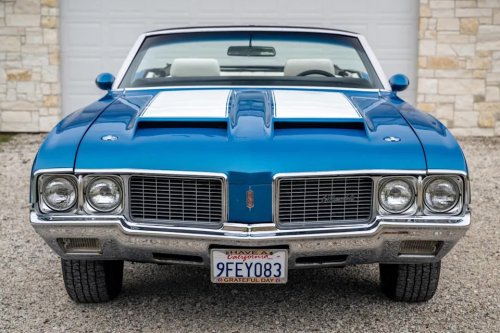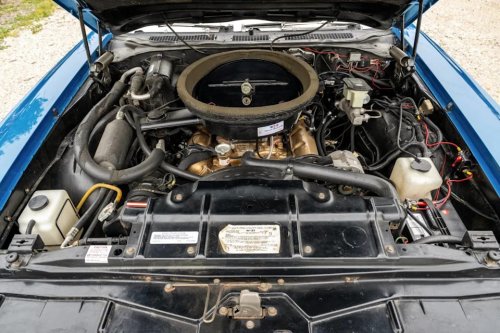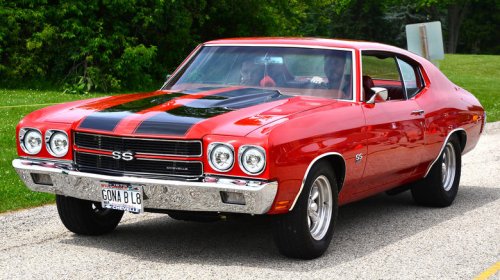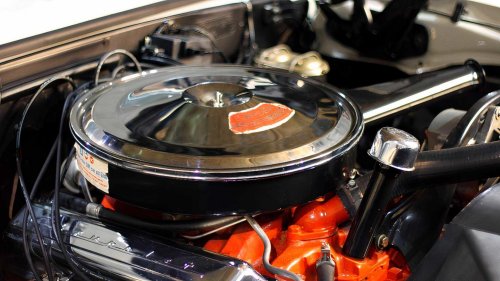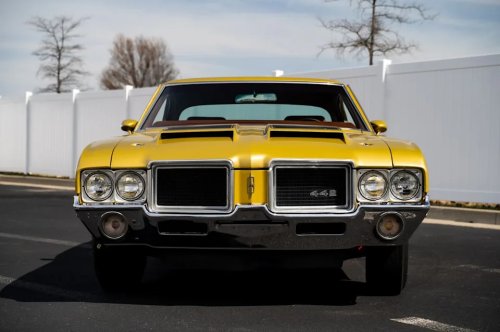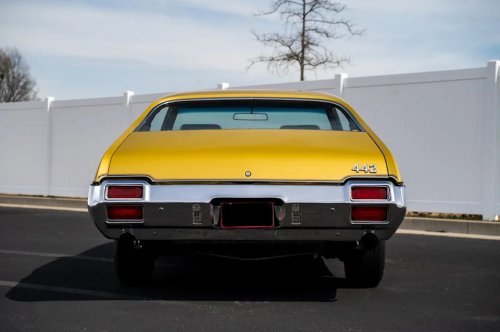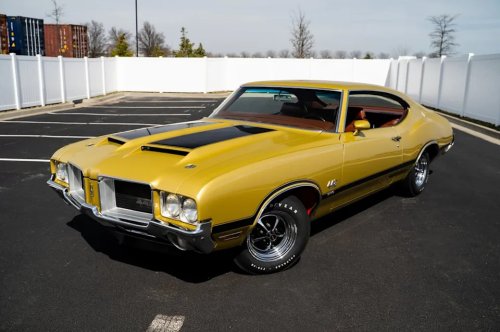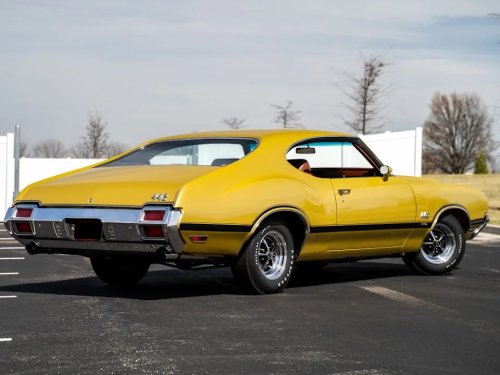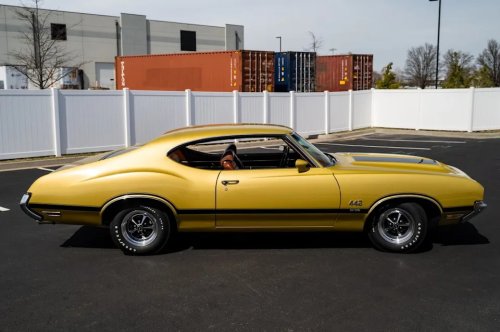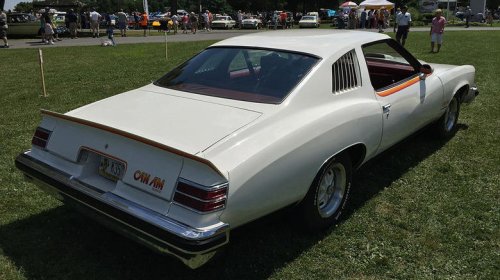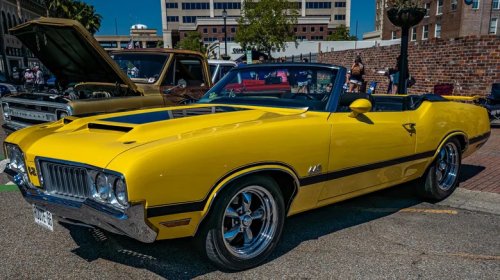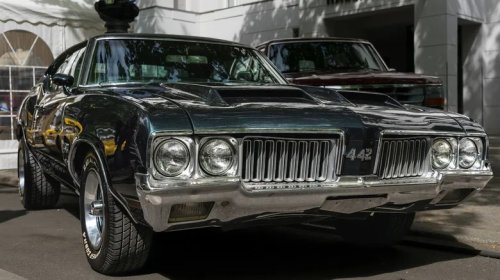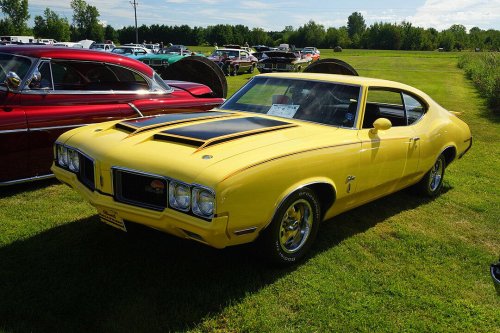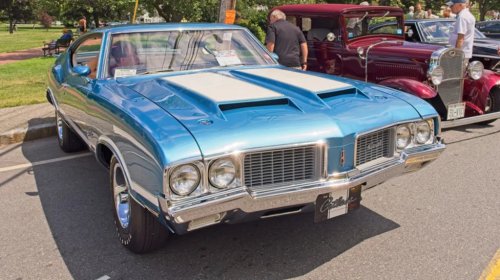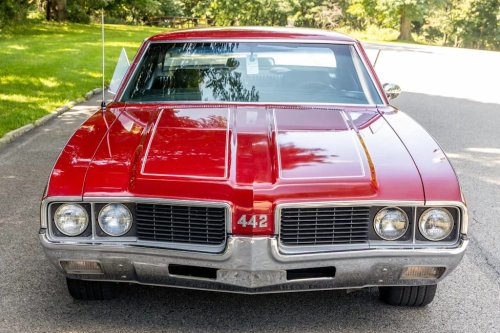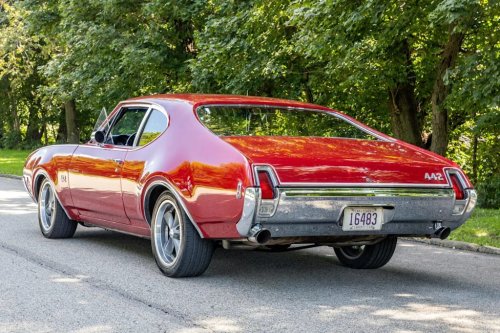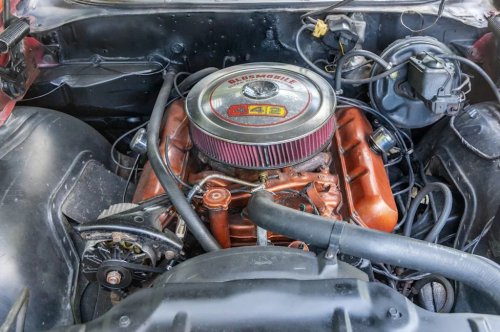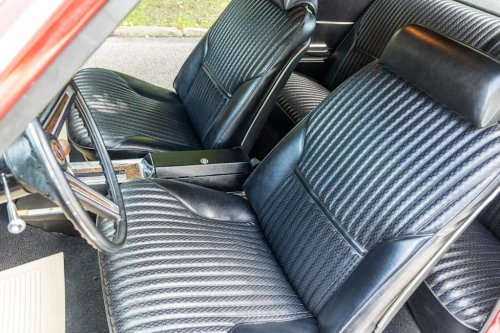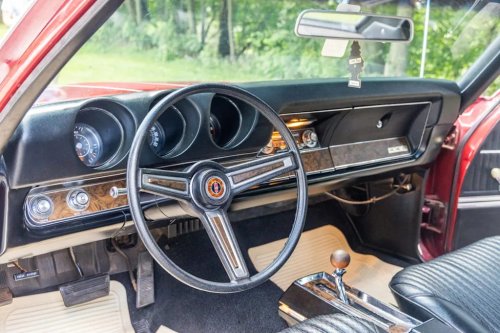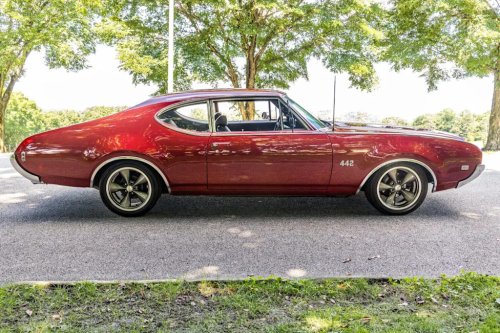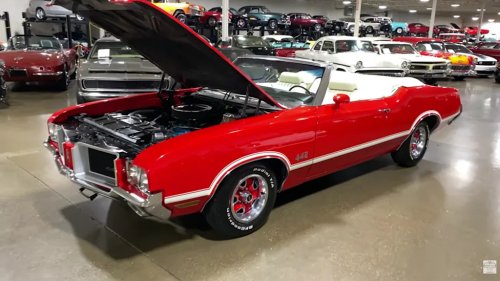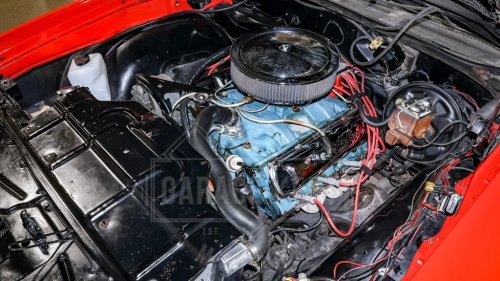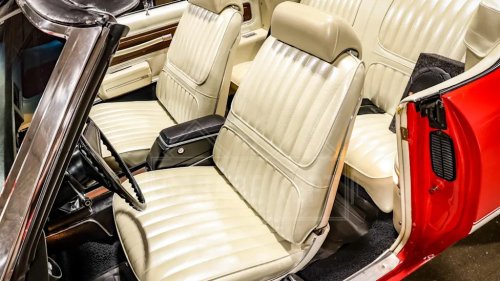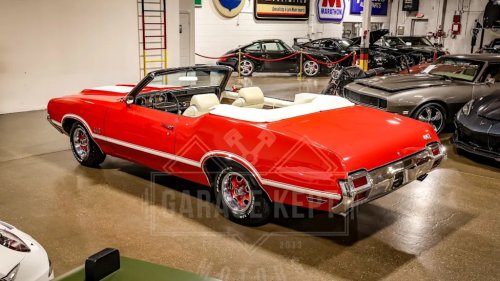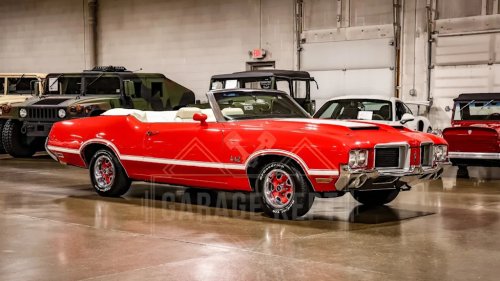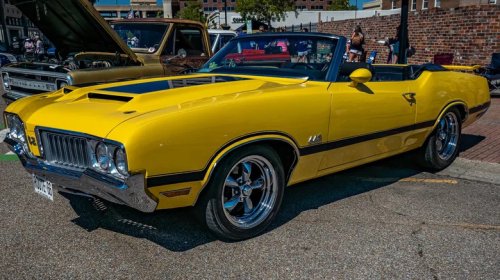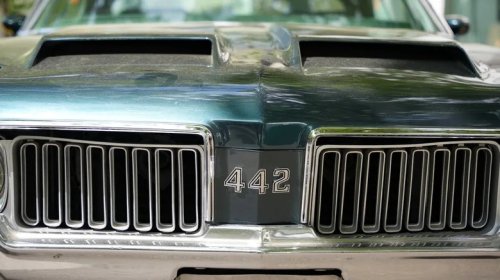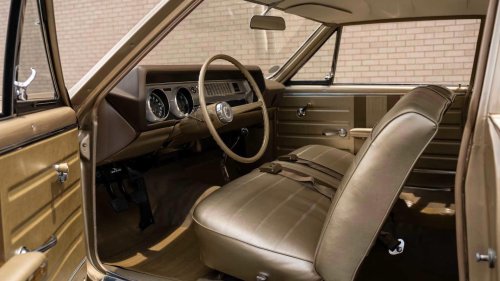
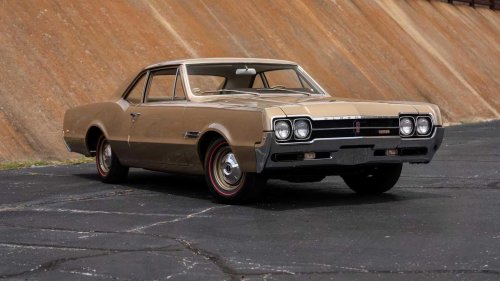
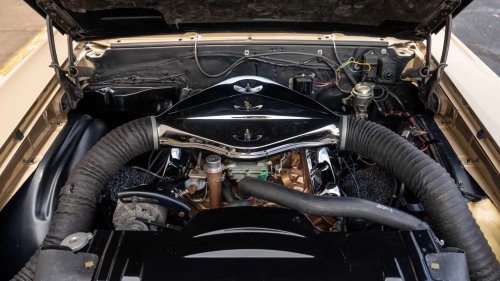
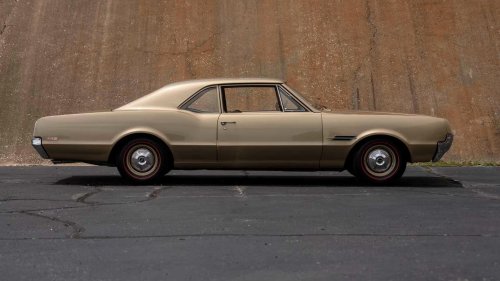
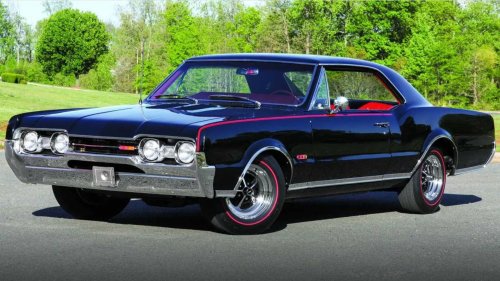
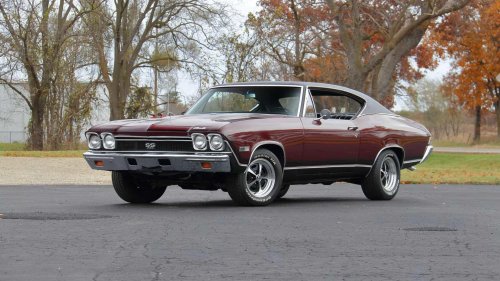
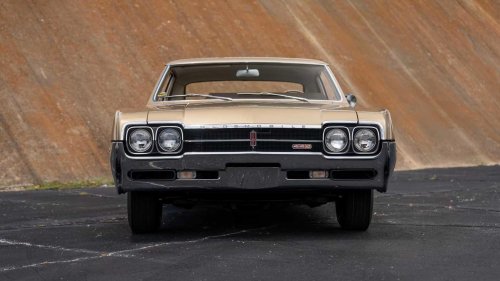
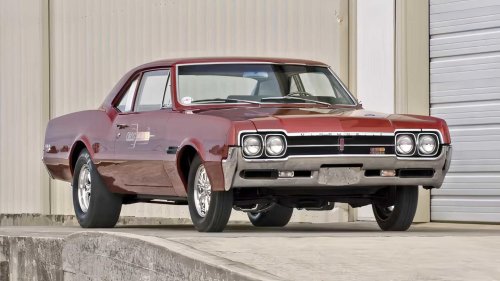



















By the mid-60s, General Motors’ internal muscle car war was in full swing. Chevy was turning heads with the Chevelle SS at the lights and on the drag strips, while the Pontiac GTO was solidifying its reputation as the car that lit the spark that sent everyone into a frenzy. Oldsmobile, meanwhile, remained focused on building more upscale, refined options. They were fast and solid cars, but still hardly the type to throw a punch strong enough to give the others a bloody nose.That was until its engineers began cooking up something different. Adopting clever induction work, a stout V8 engine, and some other performance upgrades, Oldsmobile took a solid mid-size coupe and made it a force to reckon with. The result was an Olds from the mid-'60s that could run with, and even beat, some of the most famous Chevrolet muscle cars of the era. How Oldsmobile Turned The 4-4-2 Into A Legitimate Muscle Car Threat During The Peak Of The 1960s Horsepower Wars MecumAs some of Detroit's major players were fighting it out for '60s muscle car supremacy, Oldsmobile began pushing its engineers to quietly draw up plans to join in. It was determined to challenge perceptions and prove it could create something beyond just a sleek cruiser.It began as the 4-4-2, a base performance package for the 1964 F-85/Cutlass. It featured a four-barrel carburetor, four-speed manual transmission, and dual exhausts. Upgrades, however, included heavier anti-roll bars and firmer suspension, giving it better handling than rivals like the GTO and Chevelle SS. By 1966, Oldsmobile elevated the 4-4-2 into a standalone model, declaring it was ready to take things to the next level. The 1966 Oldsmobile 4-4-2 W-30 Delivered 360 Horsepower And Performance That Rivaled Chevy’s Best Mecum When Oldsmobile’s engineers realized that the standard 4‑4‑2 still couldn’t quite match the firepower of Detroit’s hottest muscle cars, they upped the ante to create the W‑30 performance package. The result was a purpose‑built drag‑strip weapon that was alarmingly capable.At first glance, the 4‑4‑2 W‑30 looked almost stock, leaning into what any Oldsmobile was perceived to be: smart engineering and restrained styling. There were no flashy stripes and outrageous spoilers, just clean lines hiding the serious performance. Think of it like Colin Firth’s tailor‑made suit in the Kingsman pub fight scene. He’s elegant and polished on the outside, but capable of knocking everyone out when the moment calls for it. Rocket-Powered 400 V8 The performance, concealed beneath its flat, wide hood, came from an enhanced version of the 400 cubic‑inch Rocket V8 engine. With a bore and stroke of 4.000 and 3.975, respectively, the upgraded V8 was able to deliver robust mid-range performance and acceleration to compete with many of the big-block engines out there at the time.Each was reportedly “factory blueprinted” for tighter tolerances. Oldsmobile's revised 400 was also equipped with tri‑power induction (three two‑barrel carburetors) and an aggressive camshaft. Oldsmobile claimed these upgrades were enough to make 360 horsepower, but since many enthusiasts and dyno tests have suggested these engines were actually making close to 380–400 horsepower in real life, it’s likely Oldsmobile was deliberately understating power output to further surpass expectations.Mecum W‑30 Street-and-Strip Upgrades Upgrades weren't just limited to the engine either. Forced‑air scoops under the front bumper fed cool, dense air directly to the intake, while the battery was relocated to the trunk to improve weight distribution. Meanwhile, a heavy‑duty radiator and upgraded cooling system kept the engine temperature down. To make sure all that power could be fully exploited, a limited‑slip differential was added to the mix.The results from these upgrades later spoke for themselves. Quarter‑mile testing showed W‑30 cars sprinting down the drag strip in about 13.8 seconds at 105 mph. It took just over 5 seconds to accelerate from 0 to 60 mph, which was blisteringly quick for any mid‑size car of its time. Altogether, the W‑30 version turned Oldsmobile’s coupe into a serious street-and-strip champion. How the 1966 Oldsmobile 4‑4‑2 W‑30 Stacked Up Against Other GM Performance Cars Mecum While the 1966 4‑4‑2 W‑30 was Oldsmobile’s pinnacle of mid‑size muscle, the brand’s lineup spanned several performance‑leaning models, and each boasted its own personality and appealed to specific audiences. Oldsmobile’s Broader Muscle Lineup Hemmings442: The 4-4-2 was the baseline contender, powered by a 400‑ cubic-inch V8 rated at around 350–360 horsepower that delivered strong acceleration and handling for its class. It was a serious performer even without the W‑30 package, and many enthusiasts still prize these as strong muscle cars in their own right. Jetstar: The Oldsmobile Jetstar 88 appeared more like a typical Oldsmobile. It focused more on comfortable performance than headline, straight‑line pace. It was powered by smaller or larger Rocket V8s (e.g., 330‑cubic-inch around ~260 horsepower). Toronado: The Oldsmobile Toronado was previously hailed by us as an overlooked muscle car bargain. It was technically a muscle‑era standout, but in a very different way. It packed a massive 425 cubic-inch V8 with around 385 horsepower under the hood and front‑wheel drive, a rare feature for big‑block muscle cars of the time. However, unlike the W-30, it remained more of a grand tourer than a drag‑strip weapon, with a heftier curb weight and slower 1/4‑mile times. Muscle Rival — Chevrolet Chevelle SS MecumWhile Oldsmobile offered performance from different angles, the W-30 was its direct rival to Chevrolet’s Chevelle SS 396, both aimed towards buyers wanting uncompromising, classic muscle car grunt. It could be ordered with various big‑block 396 cubic-inch engines, with the most capable option delivering around 375 horsepower and copious amounts of torque. Comparison Specs Proving Its Mettle — Performance Legacy and Sky-High Values Mecum A 1966 W-30 is the stuff of collector car legend today. It’s far rarer than most of its famous contemporaries, and stands as a testament to the engineering prowess Oldsmobile was able to prove during the height of the muscle car wars. To meet the strict NHRA homologation requirements for drag racing, only 54 Oldsmobile 4-4-2 W-30s were built in 1966, with each having a unique stamp of authenticity. The package would return for later model years, but was still produced in limited numbers.Fast-forward to today, and this rarity and competitiveness has done well to translate into some strong collector value. Since they were made in small runs, genuine W-30s rarely appear on the block. A 1966 W-30 sold for $104,500 at auction in November 2025. Later W‑30 models, especially early 1970 examples restored to excellent condition, have repeatedly sold for more than $200,000. Why The Rare 1966 Oldsmobile 4-4-2 W-30 Still Stands As One Of The Brand’s Most Legendary Muscle Cars via Mecum Even after all these years, the '60s 4-4-2 W-30 remains a car to be respected, not just for its brutal, straight-line pace, but for successfully challenging the perceptions of Oldsmobile. As a mid-size coupe with serious performance potential, it made Oldsmobile a real threat in the muscle car wars.In classic Oldsmobile fashion, its simple styling invited the likes of Chevy owners to easily make the mistake of dismissing it, before shocking onlookers on the drag-strips and beyond. Really, it’s one of those great examples from the glory days of American muscle cars. A reminder that true legends reside not just in the numbers, but in the bold and daring thinking that brought them to life.