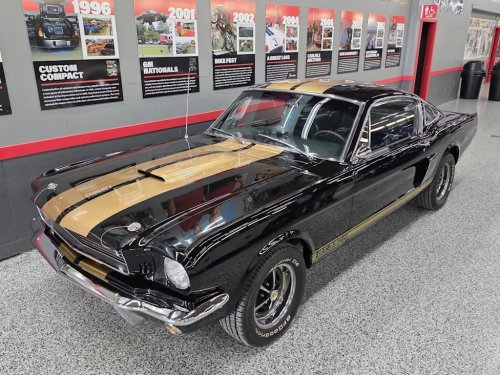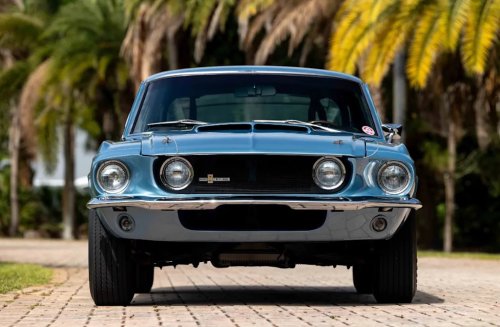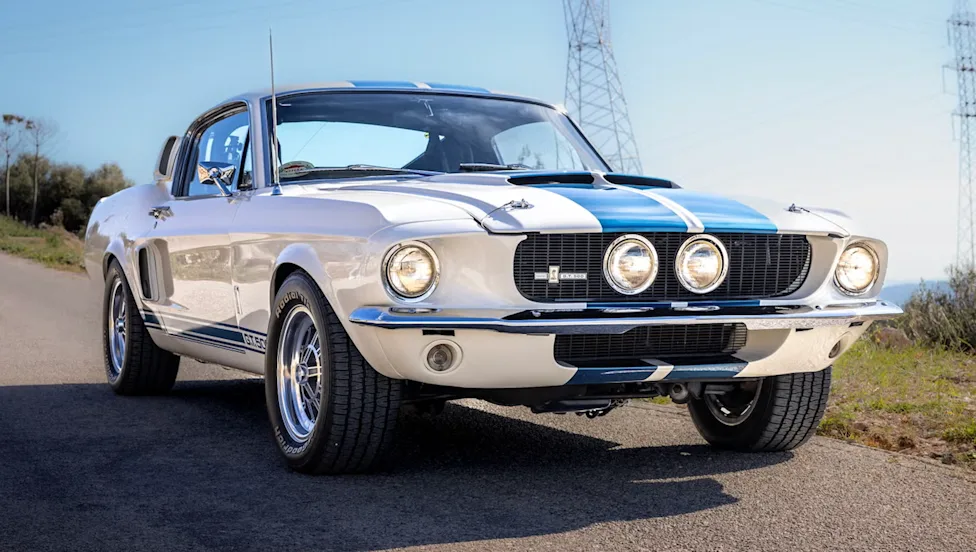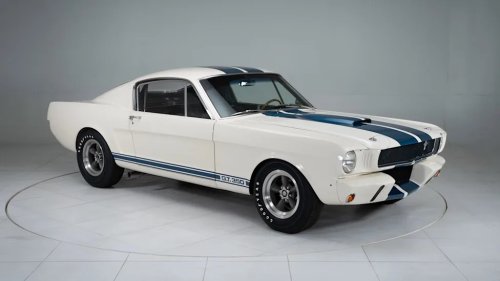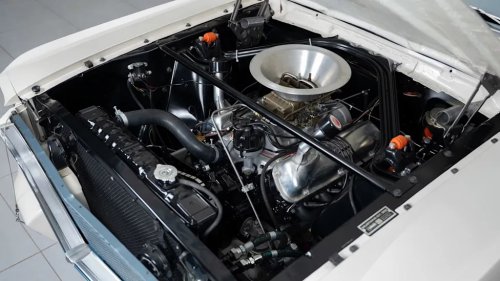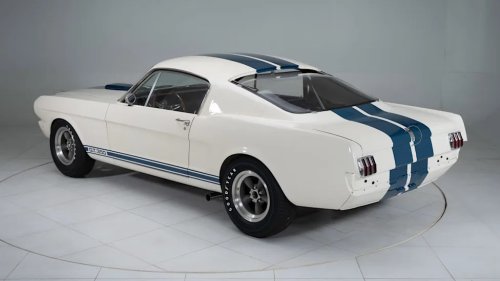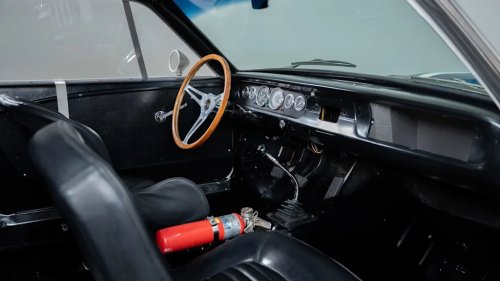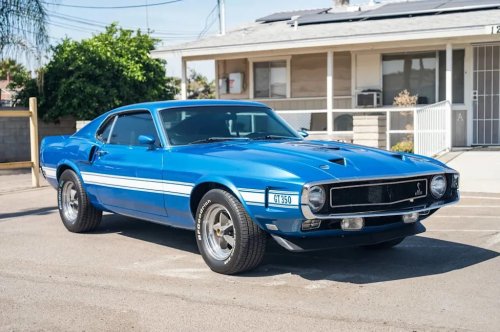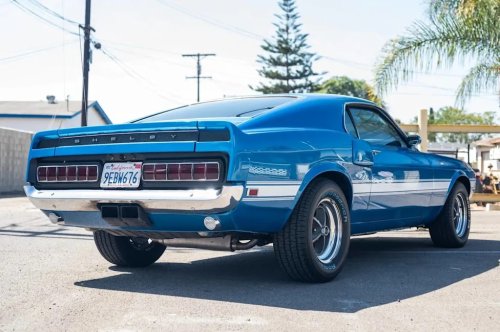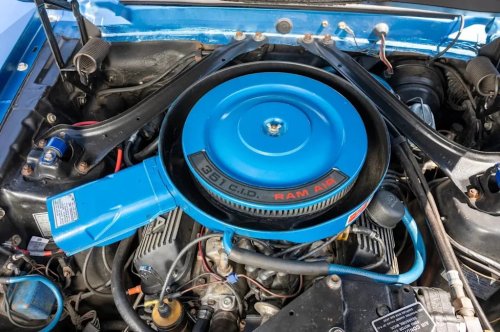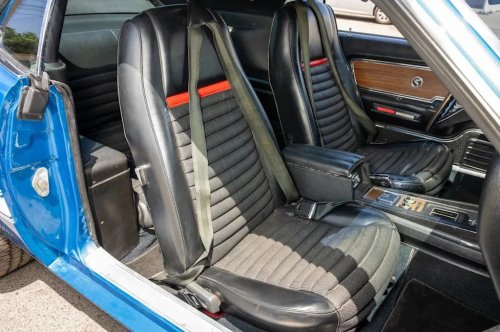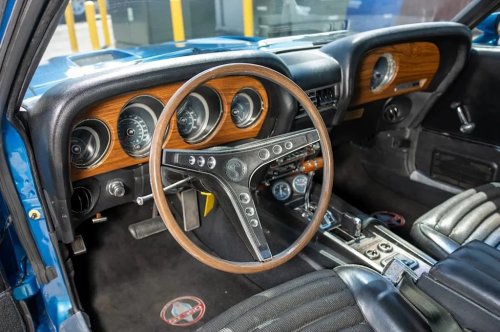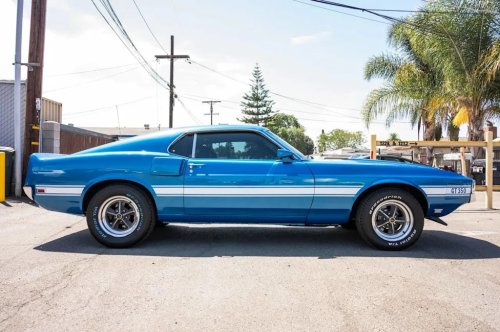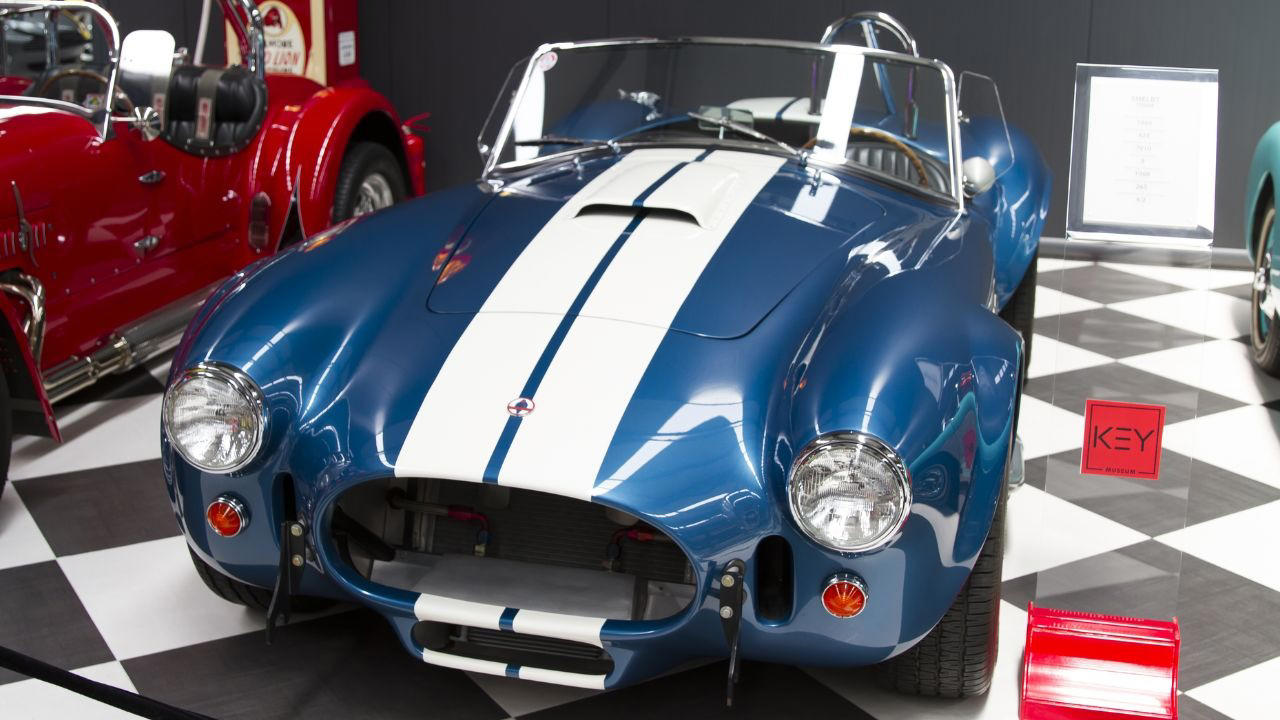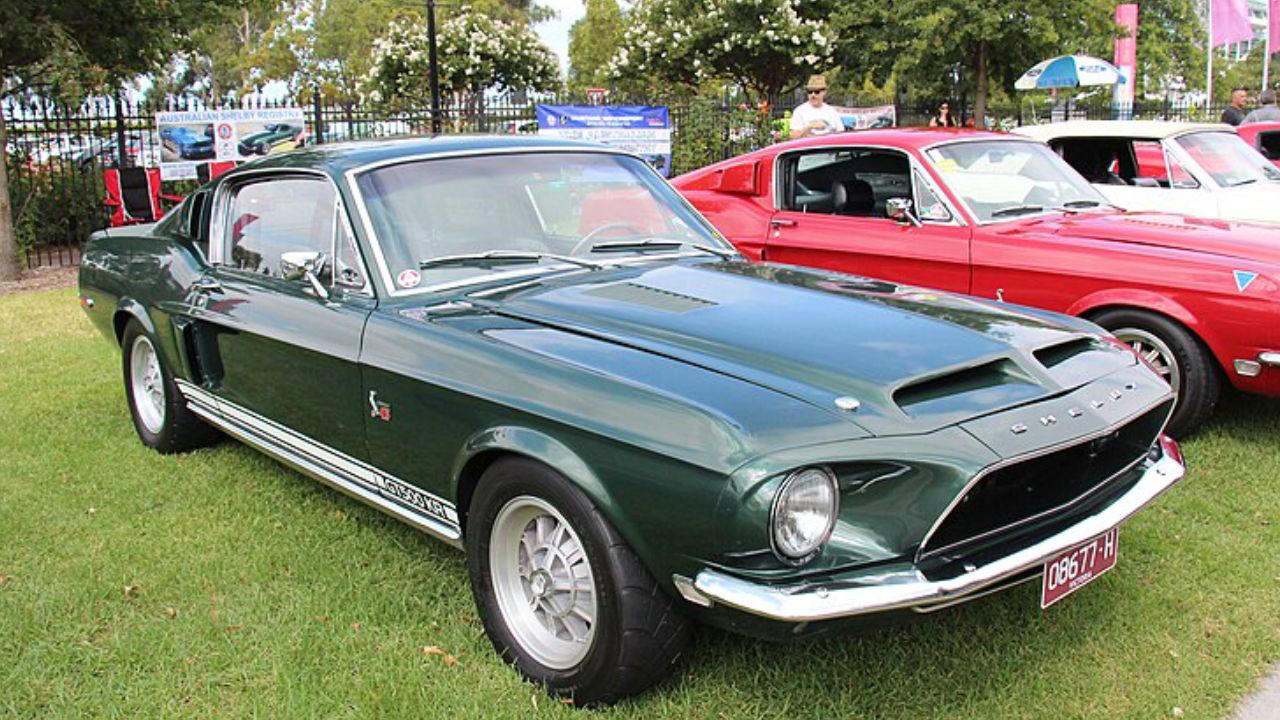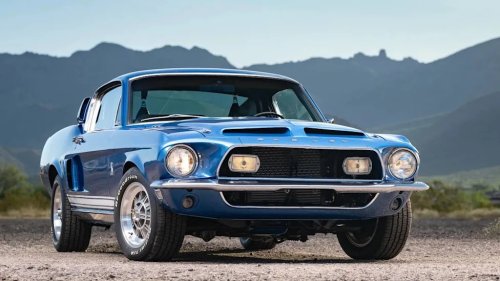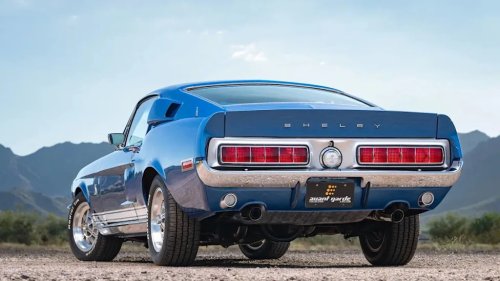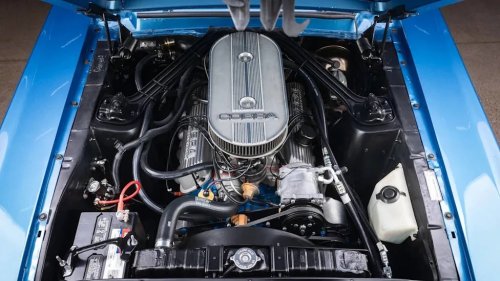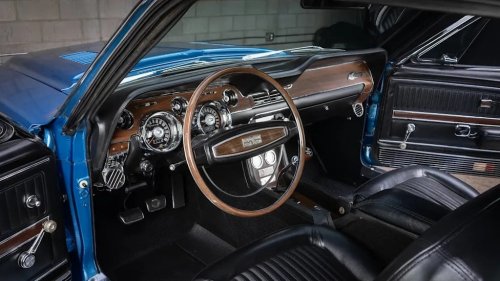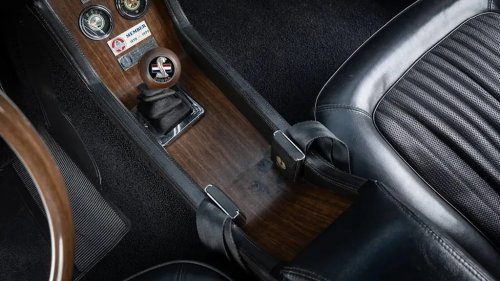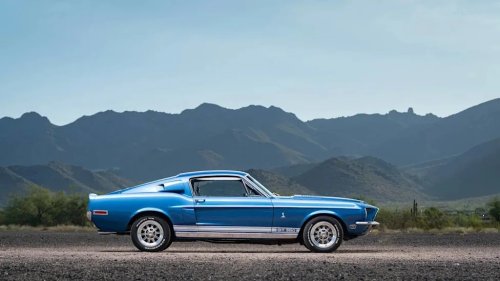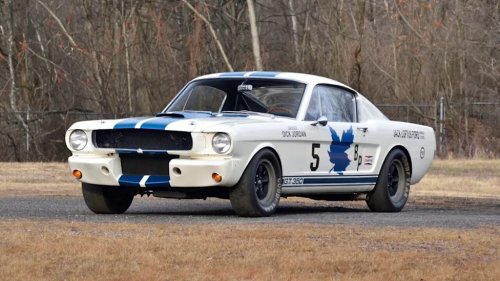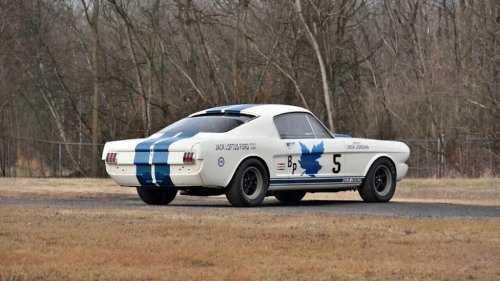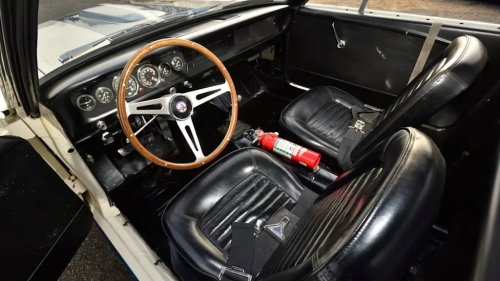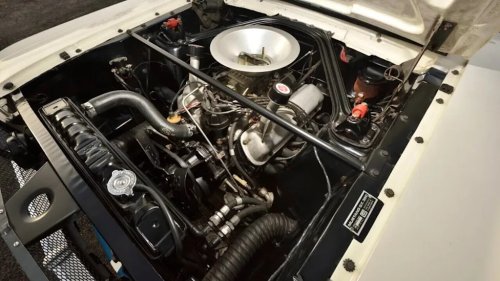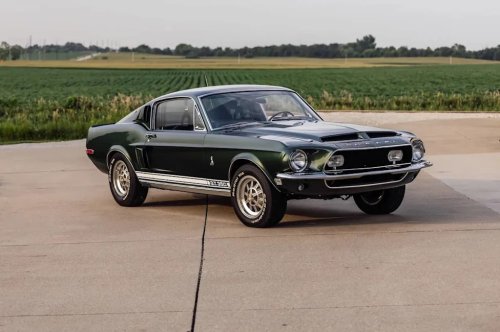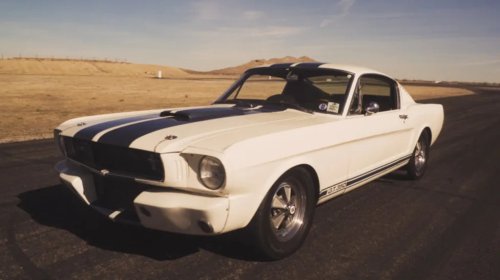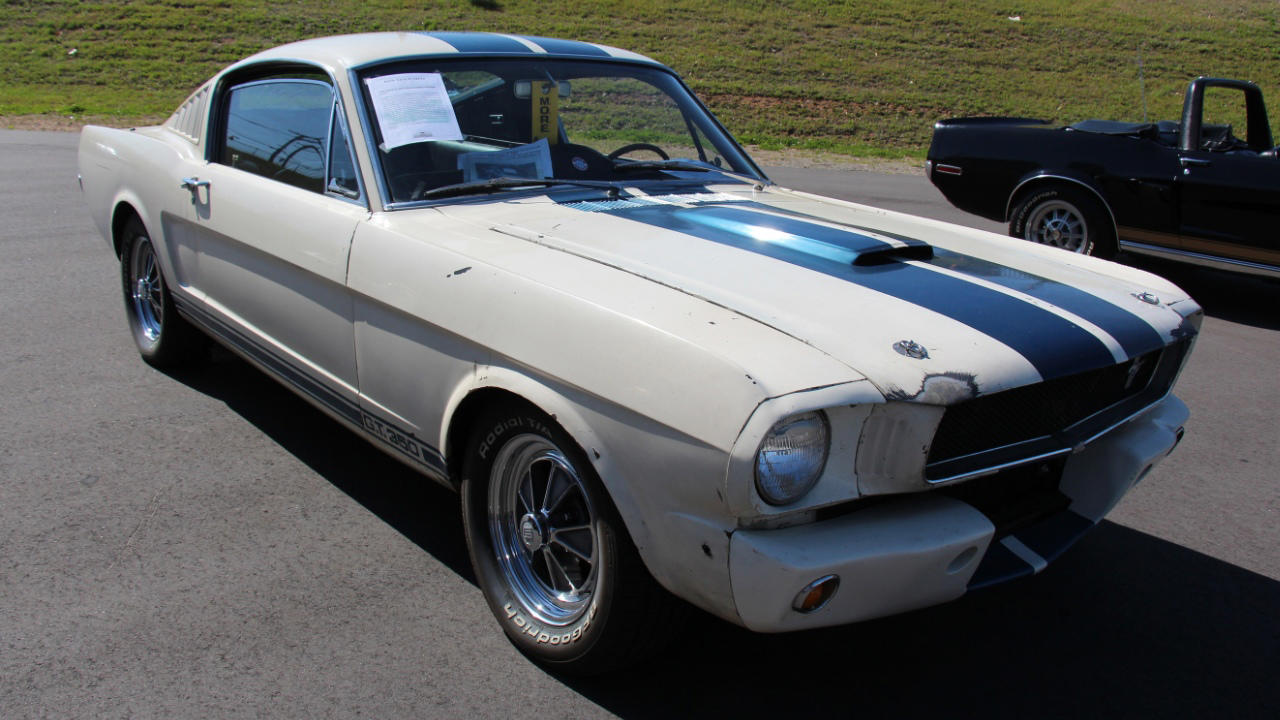



















The 1965 Shelby GT350 began life with far fewer comfort features than most realizeToday, the 1965 Shelby GT350 is remembered as one of the most desirable American performance cars ever built. With its Wimbledon White paint, Guardsman Blue stripes, and the signature touch of racing legend Carroll Shelby, the GT350 has become an icon of the muscle car era. Many enthusiasts picture it as a high-performance version of the already-popular Ford Mustang—a car that combined speed with the everyday practicality buyers expected from a sporty coupe. The reality was considerably more extreme. When the original GT350 debuted in 1965, it sacrificed many of the comfort features buyers took for granted. In its earliest form, the car was less a refined grand tourer and more a street-legal race car. Shelby’s goal wasn’t to create a luxurious Mustang. He wanted a machine capable of winning races. As a result, the first GT350s arrived with fewer conveniences than many modern collectors realize. Ford Wanted a Racing Champion The story begins shortly after the launch of the Ford Mustang in April 1964. The Mustang was an immediate success. Its sporty styling, affordable pricing, and wide range of options attracted buyers from across the country. Ford had created an entirely new market segment almost overnight. But success in showrooms wasn’t enough. Ford also wanted credibility on the race track. During the 1960s, racing victories translated directly into showroom traffic. Winning on Sunday often helped sell cars on Monday. To establish the Mustang as a serious performance machine, Ford needed a version capable of competing successfully in production-based racing. That task fell to Carroll Shelby. Fresh off his success with the Cobra sports car program, Shelby had developed a reputation for transforming ordinary production vehicles into formidable racing machines. Ford believed he was the perfect person to turn the Mustang into a championship contender. Shelby agreed—but only if he could build the car his way. The GT350 Was Designed for Competition First Unlike many modern performance cars, which are expected to balance comfort, technology, and speed, the original GT350 had a much narrower mission. Its primary purpose was homologation. To compete in the Sports Car Club of America (SCCA) B-Production racing class, Ford needed to produce a street-legal version of the competition car. That meant Shelby wasn’t designing a comfortable commuter. He was creating a road-going race machine that satisfied the rulebook. Every decision reflected that objective. Rather than adding luxury features, Shelby focused on reducing weight, improving handling, and increasing performance. The result was a car that felt dramatically different from a standard Mustang. No Rear Seat Perhaps the most surprising feature of the early 1965 GT350 was what it didn’t have. The rear seat was gone. In its place sat a fiberglass platform. Shelby viewed the rear seating area as unnecessary weight. Since racing was the priority, eliminating the seat helped simplify the car while reinforcing its competition-focused character. For buyers accustomed to traditional coupes, this was a major departure. The Mustang’s rear seat had been one of its selling points. It allowed the car to function as practical transportation for small families or groups of friends. The GT350 abandoned that practicality entirely. Passengers could sit up front. Everyone else could find another ride. Limited Sound Deadening Modern performance cars often isolate occupants from noise, vibration, and harshness while still delivering impressive speed. The original GT350 took the opposite approach. Sound-deadening materials were minimized compared to many ordinary street cars. Mechanical sounds that manufacturers typically worked to suppress remained part of the driving experience. Engine noise filled the cabin. Road noise was noticeable. The car constantly reminded occupants that performance—not comfort—was the priority. For enthusiasts, that rawness became part of the appeal. For buyers expecting a refined Mustang, it could come as a surprise. Air Conditioning Wasn’t Part of the Plan Air conditioning was becoming increasingly popular in American automobiles during the mid-1960s. The GT350 largely ignored that trend. Shelby’s focus on performance meant additional weight and power-consuming accessories were viewed as unnecessary compromises. The earliest GT350s emphasized racing capability rather than creature comforts. The absence of luxury options reinforced the car’s purpose. This wasn’t intended to be a boulevard cruiser. It was built for drivers who cared more about lap times than cabin temperature. Racing Hardware Took Priority While comfort features disappeared, performance upgrades appeared everywhere. Shelby and his team modified the Mustang’s suspension to improve handling and cornering ability. The steering felt more precise. The chassis became more responsive. Under the hood sat Ford’s high-performance 289-cubic-inch V8. Shelby added a high-rise intake manifold, a larger carburetor, revised exhaust components, and numerous other upgrades that boosted output to approximately 306 horsepower. That figure may seem modest today, but in 1965 it transformed the lightweight Mustang into a serious performance machine. The GT350 wasn’t merely quicker than a standard Mustang. It was an entirely different animal. Even the Interior Reflected the Car’s Mission Step inside an original 1965 GT350 and the racing influence becomes immediately obvious. The cabin lacked many of the decorative touches found in more luxurious vehicles of the era. The focus remained squarely on the driver. A wood-rim steering wheel added a sporting feel. Performance-oriented instrumentation provided critical information. Controls were simple and purposeful. There was little emphasis on luxury because luxury wasn’t part of the car’s job description. Everything inside the GT350 existed to support driving. Buyers Didn’t Always Know What They Were Getting One reason the GT350’s stripped-down nature surprises people today is that the Shelby name eventually became associated with increasingly refined performance cars. Later GT350 models gained additional convenience features. Over time, the Shelby Mustang evolved into a more complete street-performance package. The original 1965 version was different. Many buyers attracted by the Mustang’s popularity may not have fully appreciated how uncompromising Shelby’s creation truly was. This was not simply a faster Mustang. It was a competition car that happened to be legal for public roads. That distinction mattered. Owners quickly discovered that the GT350 demanded more involvement than a typical American performance car. Success on the Track Validated Shelby’s Approach Shelby’s decision to prioritize performance over comfort paid off almost immediately. The GT350 proved highly competitive in SCCA racing. Drivers found the car agile, responsive, and capable of challenging established sports cars from both domestic and foreign manufacturers. Victories helped establish the Mustang’s performance credentials. More importantly, they validated Shelby’s philosophy. Every deleted comfort feature, every pound saved, and every performance modification contributed to the car’s success. The GT350 wasn’t stripped down for the sake of being stripped down. It was engineered with a specific goal in mind. Winning. Why Collectors Value the Early Cars Today, collectors place special value on the earliest 1965 GT350s precisely because of their uncompromising nature. Later Shelby Mustangs became more refined and comfortable. While those cars have their own appeal, many enthusiasts view the original GT350 as the purest expression of Carroll Shelby’s vision. The absence of luxury features is no longer seen as a drawback. Instead, it serves as evidence of the car’s racing roots. Every missing convenience tells part of the story. The deleted rear seat, sparse interior, and focus on performance remind collectors that the GT350 was born from competition rather than marketing. It represents a time when manufacturers were willing to sacrifice comfort in pursuit of speed. A Mustang Unlike Any Other Looking back more than half a century later, it’s easy to assume the 1965 Shelby GT350 was simply an upscale performance Mustang. In reality, it was something much more focused. Carroll Shelby stripped away many of the conveniences buyers expected because he wasn’t interested in building a comfortable cruiser. He was creating a machine capable of dominating the race track while satisfying production-car regulations. The result was a Mustang with fewer comfort features than most people realize, but also one with a level of authenticity that remains difficult to match. The 1965 GT350 succeeded because it never tried to be everything to everyone. It was loud, uncompromising, and unapologetically focused on performance. And that is exactly why it remains one of the most revered American performance cars ever built. More from Fast Lane Only Unboxing the WWII Jeep in a Crate 15 rare Chevys collectors are quietly buying 10 underrated V8s still worth hunting down Police notice this before you even roll window down The post The 1965 Shelby GT350 began life with far fewer comfort features than most realize appeared first on FAST LANE ONLY.