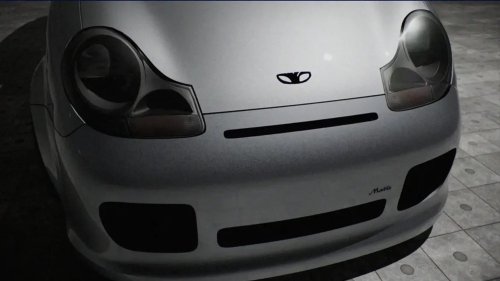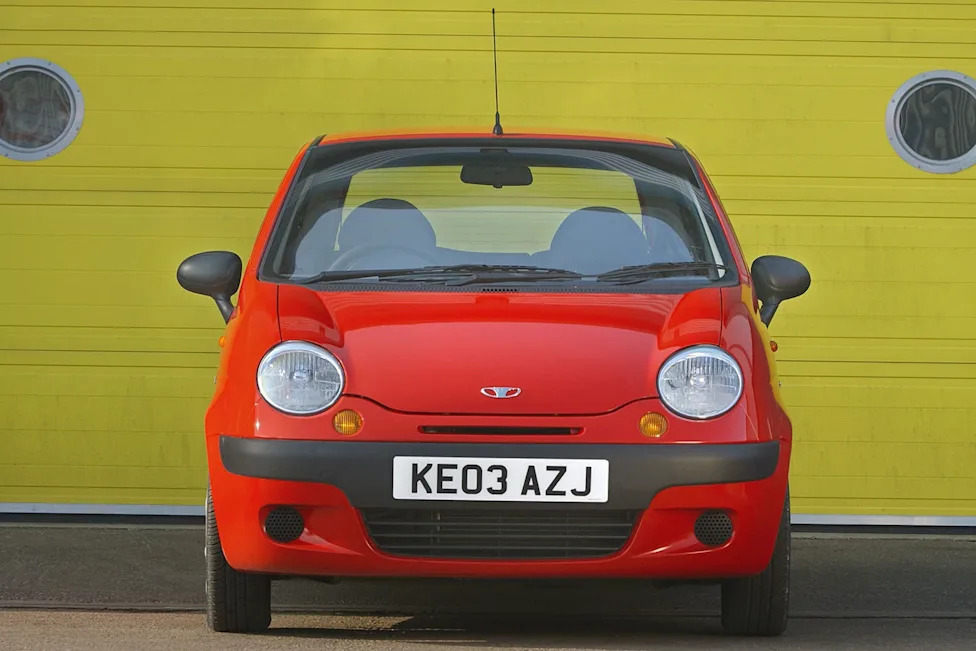
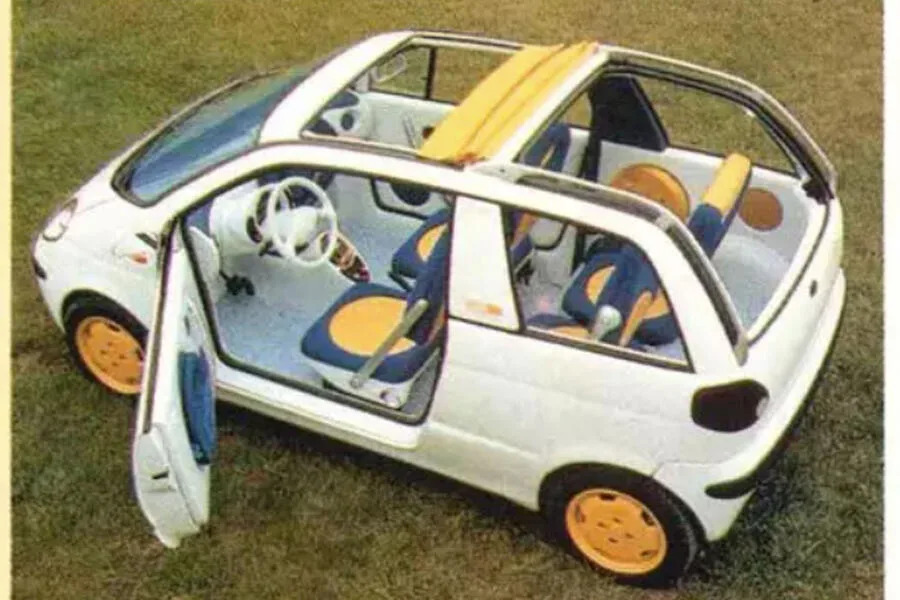
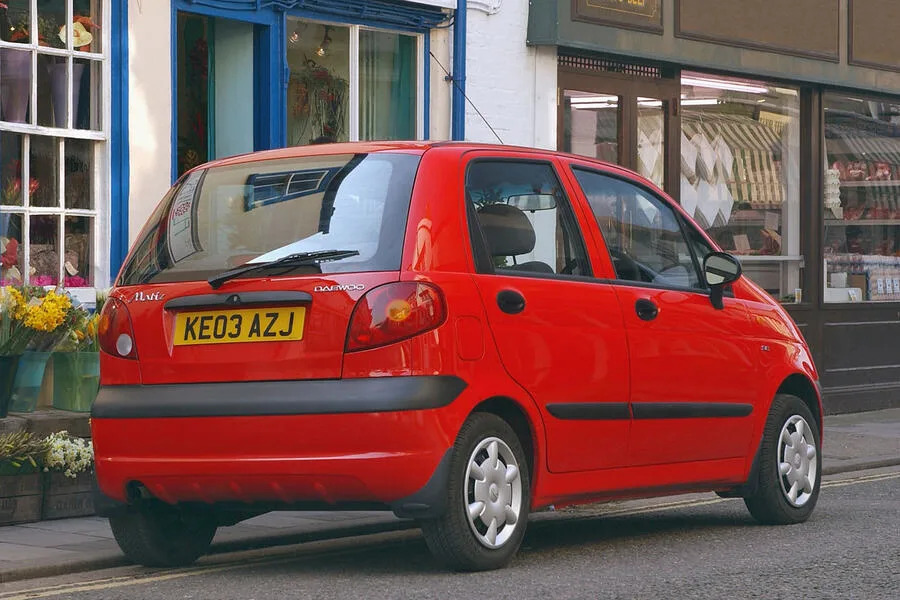



















The new 1.0 litre Daewoo MatizThe new 1.0 litre Daewoo MatizIt probably wasn't the outcome that Paolo Cantarella had banked on.Back in 1991, Fiat Auto's car enthusiast boss launched a design competition especially for Italian coachbuilders. The idea was that they would produce an assortment of concept cars based on the then new Fiat Cinquecento, the neatly squared-off version released that year.Cantarella's aims were multiple. The designs would draw more attention to Fiat's smallest. They'd provide a boost for Italy's fading coachbuilding industry. And their Turin motor show reveal would be a useful extra draw for a once important Italian industry showcase that was rapidly losing relevance.AdvertisementAdvertisementCantarella's laudable initiative unleashed nine full-sized designs, some instantly recognisable as Cinquecento derivatives, others bearing no visual relation to it at all. The most desirable of these was Bertone's two-seat roofless Rush concept, the least perhaps Boneschi's worthily rustic baby taxi.Stola, Coggiola, IDEA, Maggiora, Pininfarina, Zagato and ItalDesign all reworked Fiat's new baby. The most outlandish was a Cinquecento of drastically narrowed upper body, allowing a bicycle to be carried alongside a slender cabin containing tandem seating for two. That was the work of Zagato and another solid score in this famous coachbuilder's quest for the weird. Pininfarina's near-useless pick-up truck was perhaps the lamest effort, but the most subtly mature car, and the prettiest, was ItalDesign's Lucciola. Prettier, indeed, than the rigidly rational lines of the car on which it was based. A mildly curvy three-door hatch, like the Cinquecento, the Lucciola had twin folding fabric roofs that removed the rear window.Ital Lucciola conceptVery presciently, it was propelled by an electric motor supplemented by a small, diesel engine. Here was a range-extending hybrid, years before the BMW i3.AdvertisementAdvertisementAll of which made the Fiat it was based on look like yesterday's car. And since the Cinquecento had only just been launched, Fiat was hardly going to scrap it in favour of this attractive machine.But the Lucciola did see production. ItalDesign hawked the design about until it was taken up by Daewoo, the budget South Korean brand that in Britain sold its cars cheaply and at fixed prices in an effort to attract customers deterred by the gruesome business of negotiating with salesmen.The Matiz was one of Daewoo's more savoury offerings, this city car's modest price and aspirations prompting any driver to expect less of it. It was also one of Daewoo's better-looking cars, even though it took six years for the original ItalDesign concept to make production.The Lucciola's round-eyed headlights and steep sloping bonnet survived largely intact, as did the subtle sculpting of the Fiat's flanks, shaped to reference those of the original 1957 500.AdvertisementAdvertisementGone was the double-section sliding fabric roof and the mildly wild interior, the body gaining an extra pair of doors instead. That made the Matiz one of the few city cars to offer such convenient boarding. Most rival city cars, such as the Ford Ka and Seat Arosa, provided only two passenger doors.It was also one of the first Daewoos that wasn't heavily based on a discarded Vauxhall-Opel design, which allowed it to appear contemporary, unlike the rest of the Daewoo range.Daewoo Matiz rearHandling? It had some, although one magazine's discovery that reversing and simultaneously giving the steering wheel a bold jerk could fell a Matiz did little for its reputation among those who read about cars.For the bulk who didn't read the scribblings of motoring hacks, such failings were irrelevant, especially as such reverse-gear topplings could be achieved with other narrow-tracked, high-roofed vehicles too. AdvertisementAdvertisementThe Daewoo's noisily dawdling performance provided plenty of time to ponder the merits of your keenly priced machine, 60mph coming into view after the passage of 17 throbbing, three-cylinder seconds, but in the cityscapes for which it was intended, this mattered little.Certainly not to the almost 60,000 people who bought one, plenty of whom might otherwise have acquired a Fiat Cinquecento. Not ideal for Fiat's Cantarella, then, who chose not to make any of the concepts his competition had sired. And the Turin show? It staggered on for eight more years until 2000, before being revived as an outdoor public festival in 2015, an event more about selling road cars than igniting concept car-fuelled dreams.The decline of Italy's coachbuilders persisted, as most major car makers, Fiat included, hugged the design process close and in-house.AdvertisementAdvertisementStill, if you want a Daewoo Matiz – surely fine Festival of the Unexceptional fodder – you'll need to move fairly swiftly. Of the 59,000-odd sold here, few survive. Still, they're now so cheap that you could try modding one to make it look more like a Lucciola. Although I could think of better ways of blowing your time.]]>