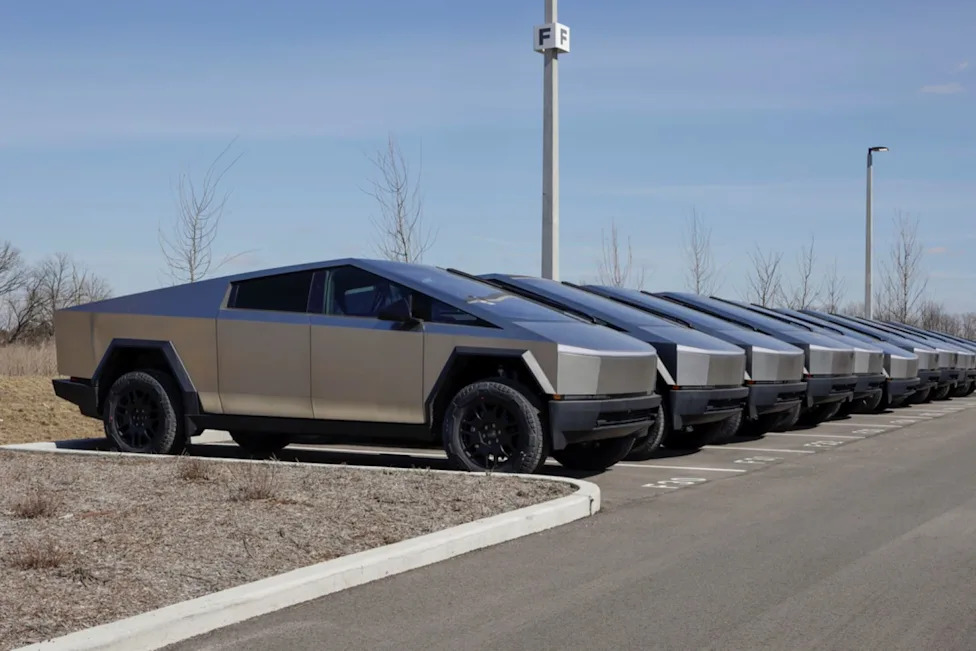
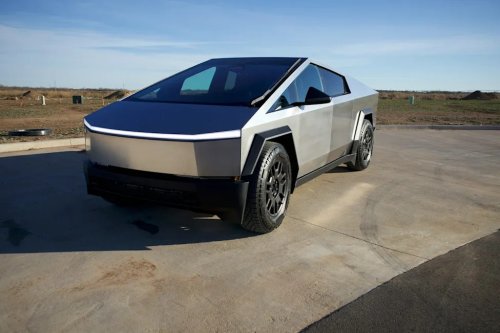
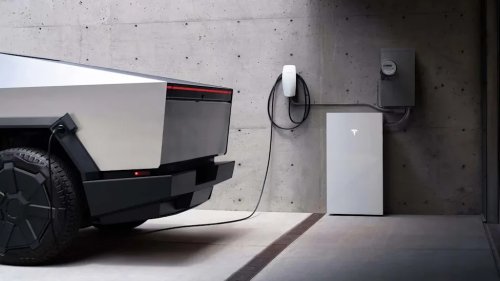
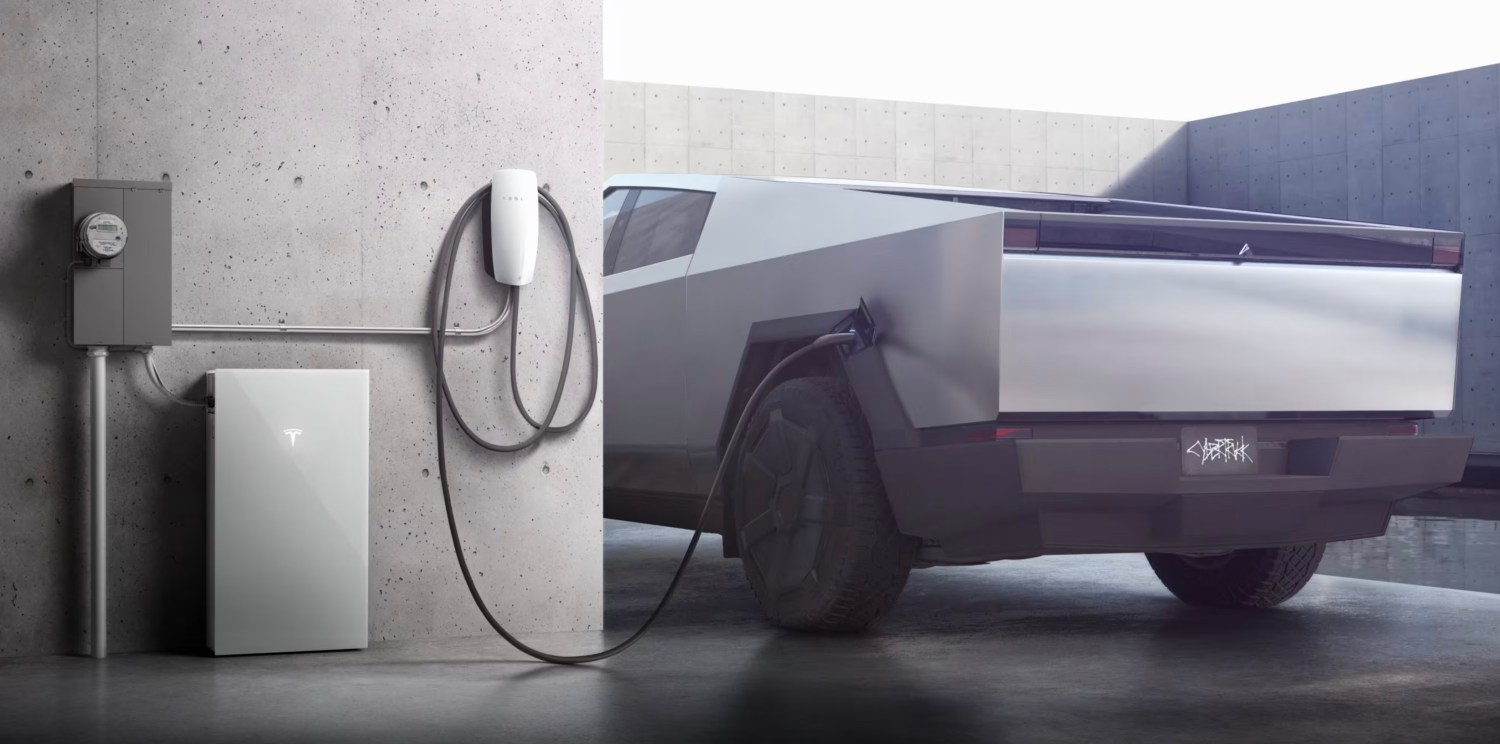
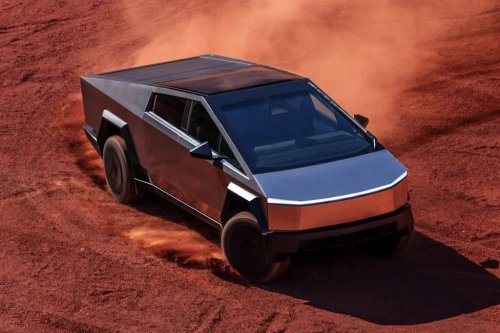
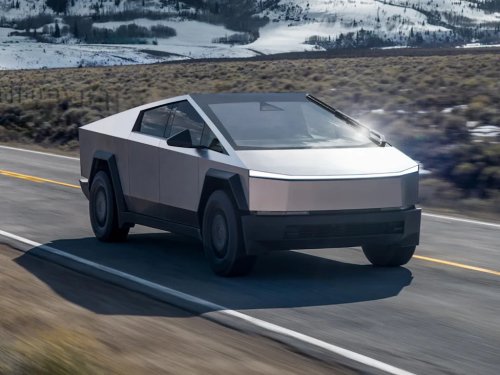
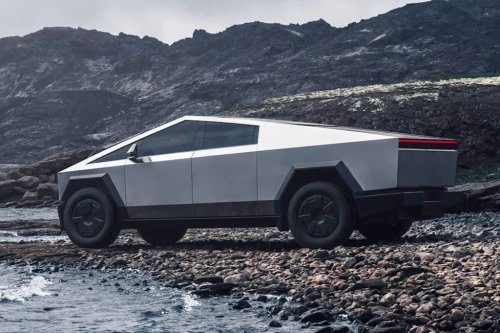
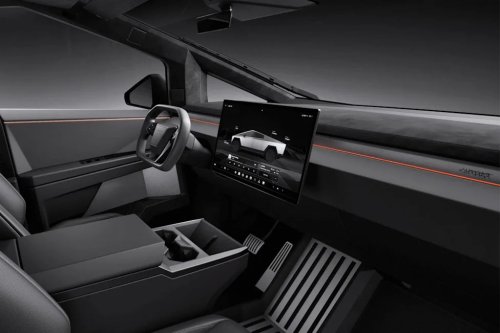
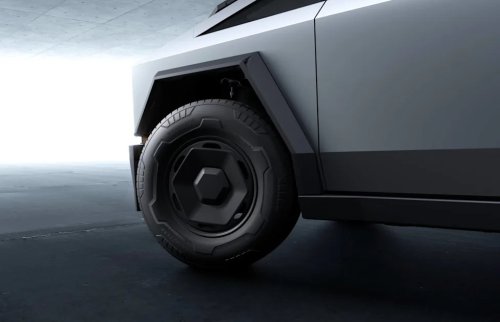
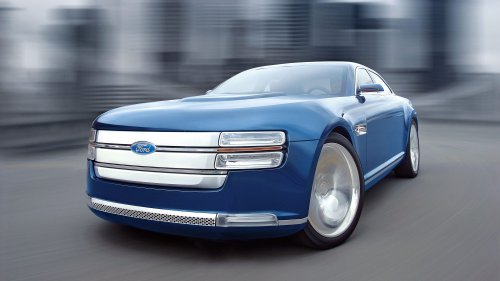
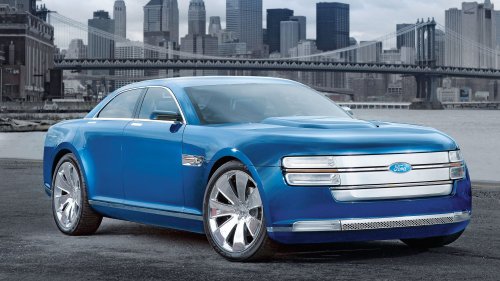
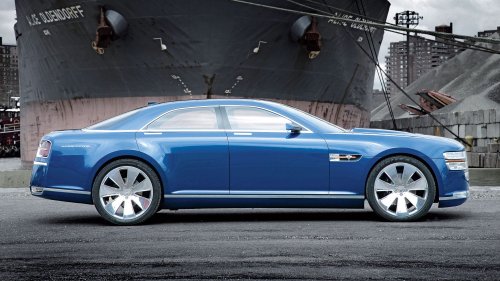
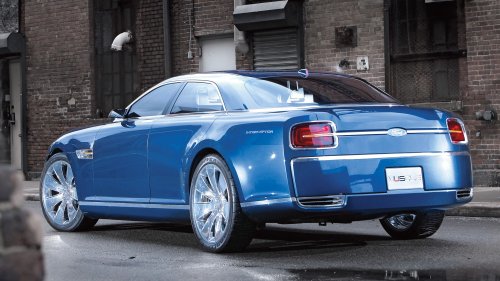
Image: Deposit PhotosBack in 2019, CNBC's Jim Cramer watched the Cybertruck reveal and called it the "E-Edsel." Most people laughed. Nobody's laughing now. Q1 2026 delivered the truck's worst quarterly performance since launch — just 3,519 units, according to Cox Automotive data. That's from a vehicle Elon Musk once projected at 250,000 units per year. Bloomberg has since made the Edsel comparison official, framing the Cybertruck as potentially the biggest automotive flop of the EV era.From Hype to Hard NumbersMusk promised a quarter-million trucks a year — Tesla delivered roughly 8% of that target, then lost half of that.In 2024, Tesla moved about 39,000 Cybertrucks in the U.S. during its first full year on sale. Then 2025 cut that nearly in half: 20,237 units, the steepest decline for any EV in the American market that year, per Cox Automotive. Q1 2026 sank further to 3,519 deliveries, down 45.1% from the same quarter a year earlier — not a rounding error, but a product in measurable trouble.AdvertisementAdvertisementThe gap between ambition and reality is genuinely staggering:2024 U.S. sales: ~39,000 units (Cox Automotive)2025 U.S. sales: ~20,237 units — a 48.1% decline, steepest drop for any EV that yearQ1 2026 U.S. deliveries: 3,519 units — lowest since launch, down 45.1% from Q1 2025The Edsel in the RoomWhen nearly one in five trucks sold goes to the owner's other companies, the demand story starts looking like fiction.Registration and fleet data indicate that nearly one in five Cybertrucks sold in Q4 2025 went not to retail customers but to companies owned by Musk himself — SpaceX and xAI. Electrek has reported hundreds, possibly thousands, of units acquired this way. Fast Company called the Cybertruck "the biggest flop in decades." The internal buying doesn't disprove that characterization — it underlines it.AdvertisementAdvertisementThe truck itself isn't terrible on paper. Towing capacity is genuinely strong, reaching figures that comfortably outpace a typical F-150 configuration. But raw capability doesn't close the sale when the entry price sits at $69,990 for a stainless steel polygon most truck buyers never requested. That's a significant premium over a base Ford F-150's roughly $40,000 starting point — for a segment where utility and value retention drive purchase decisions far more than futuristic aesthetics.Quality concerns added pressure from the start. Multiple recalls within the first 13 months — covering wipers, trim pieces, and structural issues — reinforced the perception that buyers were absorbing beta-test reliability at flagship prices. Traditional truck buyers who need a workhorse, not a conversation starter, found the Ford F-150 Lightning and Rivian R1T considerably less risky. Like a prestige streaming series canceled after one season despite a massive marketing push, the Cybertruck moved from viral sensation to cautionary tale at remarkable speed.What Comes NextA cheaper AWD variant is reportedly on the way — but the Edsel comparison is already part of the permanent record.The Ford Edsel became shorthand for corporate hubris and misread markets. The Cybertruck is earning a similar distinction for the tech era — a reminder that even the most hyped product cannot manufacture demand it never genuinely had. A lower-cost AWD variant was anticipated for mid-2026. Whether that resets the narrative or simply extends the decline remains a genuinely open question.From the coolest cars to the must-have gadgets, GadgetReview's daily newsletter keeps you in the know. Subscribe - it's fun, fast, and free.