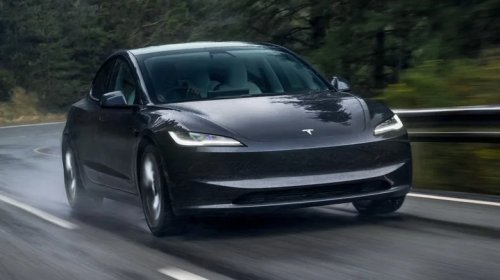
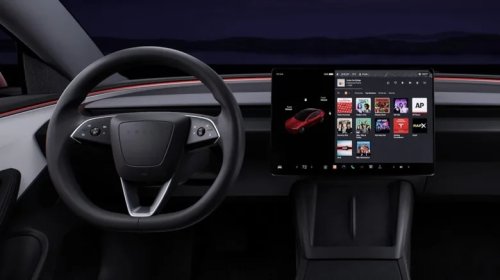
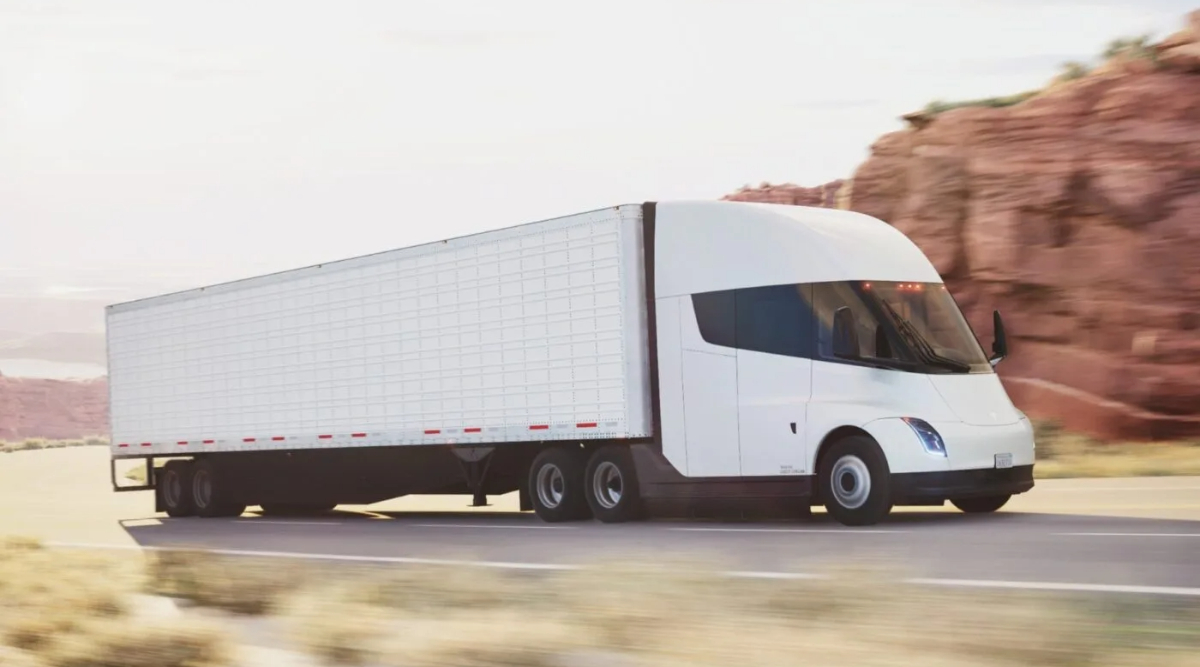
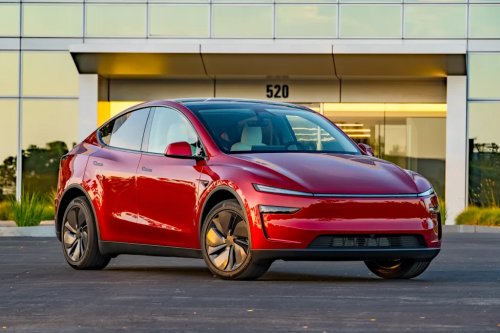
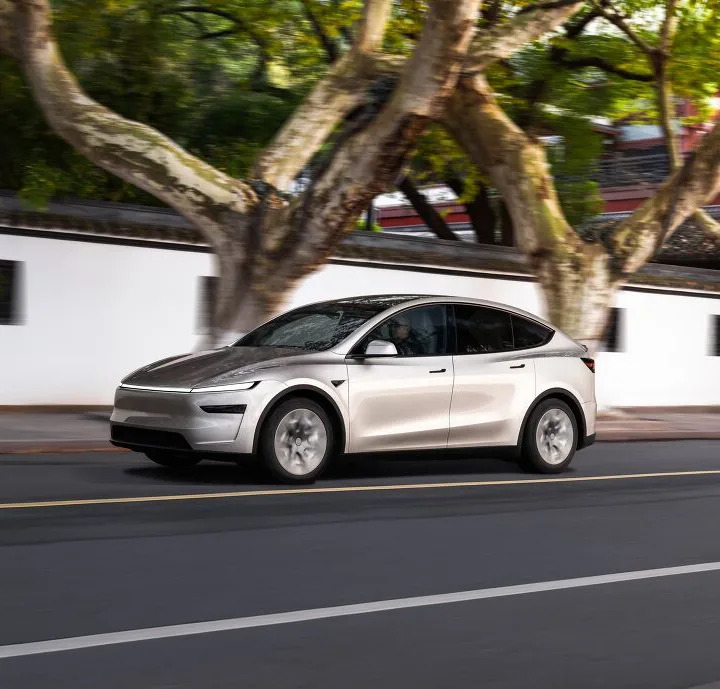
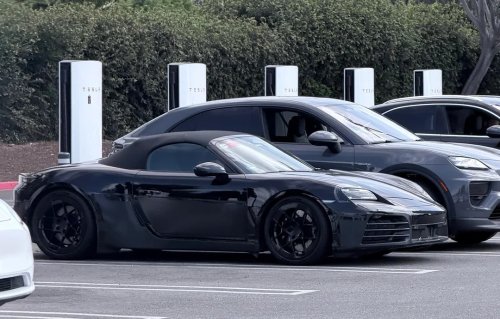
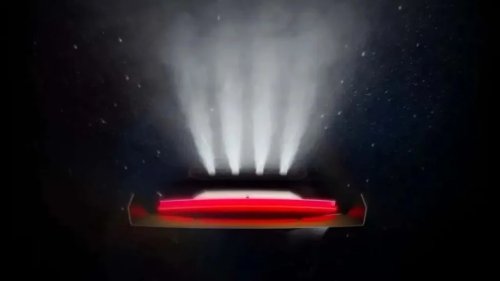
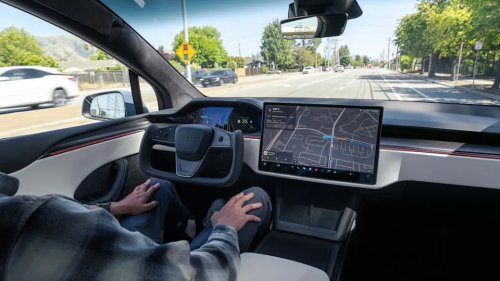
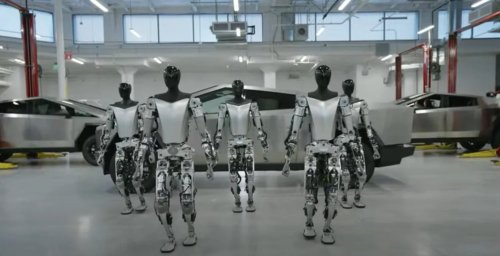
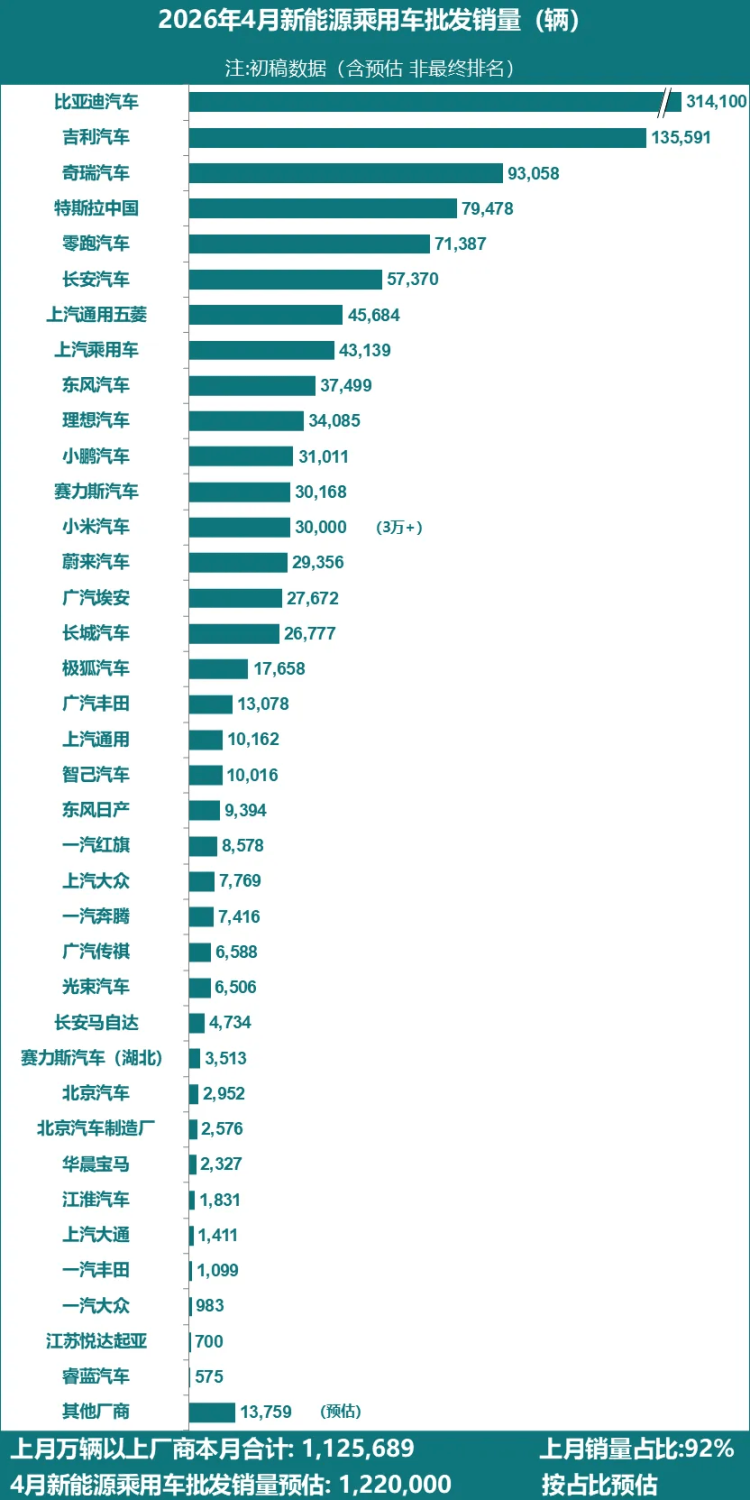
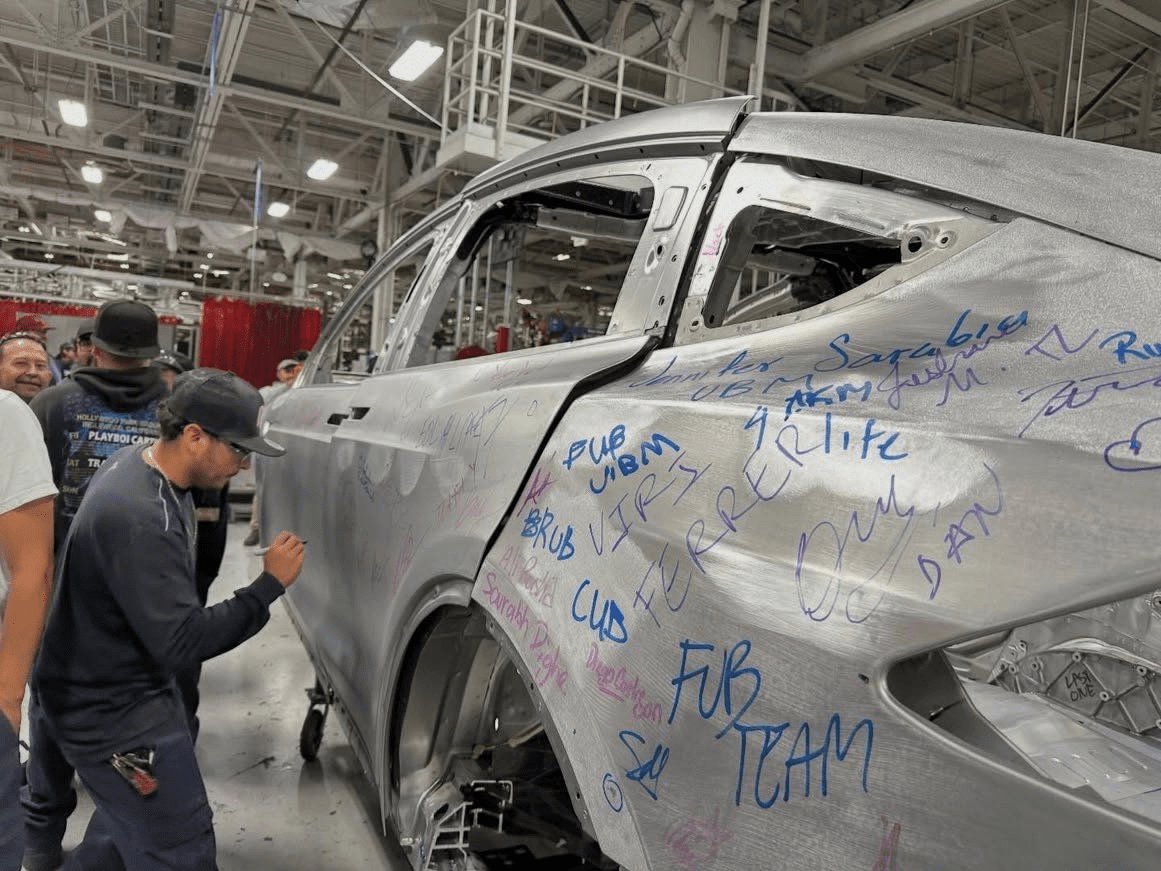
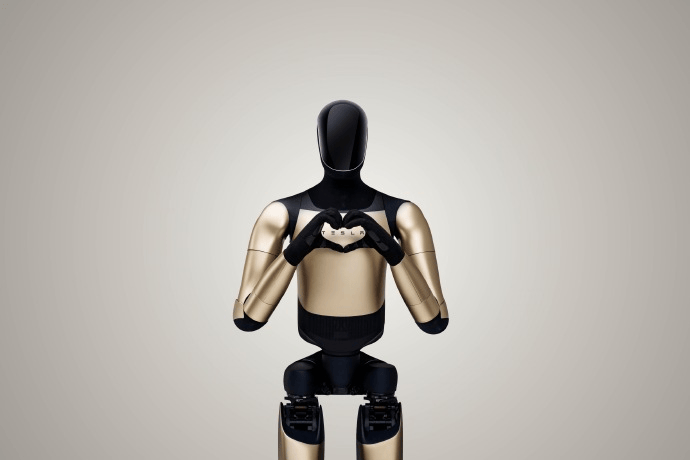
On May 7, the China Passenger Car Association (CPCA) released preliminary wholesale sales data for China’s new energy passenger vehicle market in April 2026. The data showed national NEV wholesale sales are estimated to have reached 1.22 million units in April, up 7% year-on-year and 7% month-on-month, marking a recovery from the relatively weak momentum seen during the first quarter. The CPCA said persistently high global oil prices continued to accelerate the shift from gasoline-powered vehicles toward new energy vehicles. In addition, a wave of new model launches during the 2026 Beijing Auto Show, combined with pre-holiday consumer demand ahead of the May Day holiday, helped boost sales toward the end of April. NEV Passenger car wholesales data in April, compiled by CPCA Among automakers, BYD remained the top seller with wholesale sales of 314,100 vehicles in April. Geely Auto ranked second with 135,600 units, while Chery placed third with 93,100 units. Tesla China reported wholesale sales of 79,478 vehicles in April, up 40% year-on-year. However, sales declined 7.2% from March’s 85,670 units, causing Tesla to slip from third to fourth place in the monthly ranking. Despite the ranking decline, Tesla’s Gigafactory Shanghai remains one of the company’s most important global production hubs. In the first quarter alone, the Shanghai factory delivered 213,000 vehicles, accounting for more than half of Tesla’s global deliveries. Including April figures, Tesla China’s cumulative wholesale sales for the first four months of 2026 reached 292,500 vehicles. Notably, Tesla recently confirmed the discontinuation of the Model X. According to information shared by Tesla employees on social media, the final Model X rolled off the production line at the company’s Fremont factory in California. Final Model X rolled off the production line The Model S and Model X were previously Tesla’s flagship products and once served as key benchmarks in the global premium EV market. However, after the Model 3 and Model Y became Tesla’s core volume drivers, demand and market visibility for the S/X lineup gradually weakened. As the products aged and sales volumes declined, Tesla began reallocating production capacity. Elon Musk previously confirmed that part of the Fremont factory lines originally dedicated to the Model S and Model X would be converted for production of the Optimus humanoid robot. Tesla’s Optimus humanoid robot Meanwhile, Tesla continues expanding its charging infrastructure in China. As of April, Tesla had built more than 2,600 Supercharger stations across mainland China. Just yesterday, Tesla also announced that more than 1,000 Supercharger stations and over 400 destination charging stations nationwide had been opened to non-Tesla brands.

















 +22 others