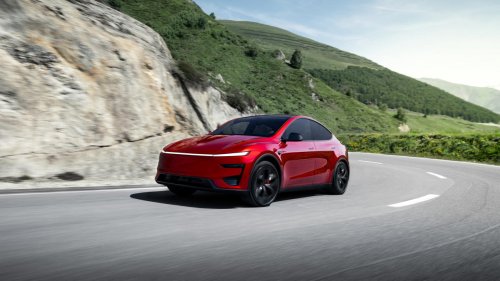
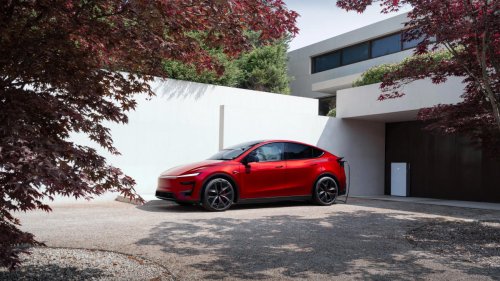
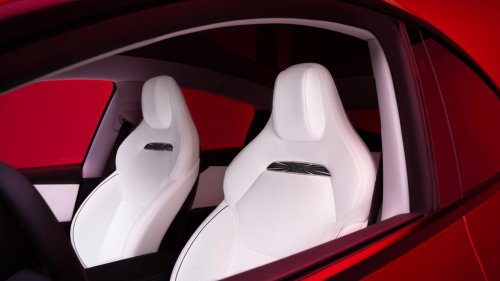
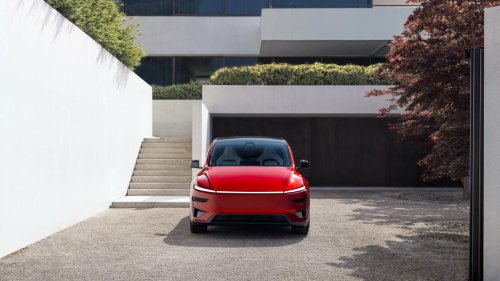
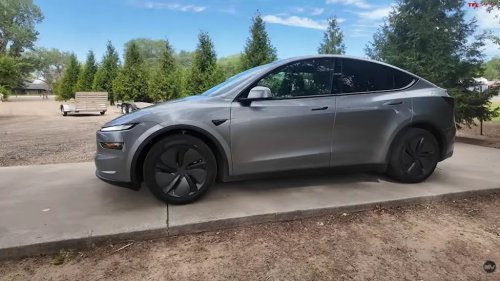
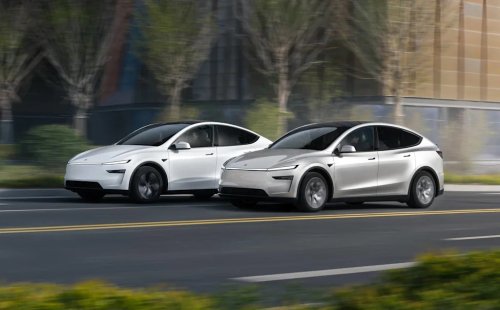
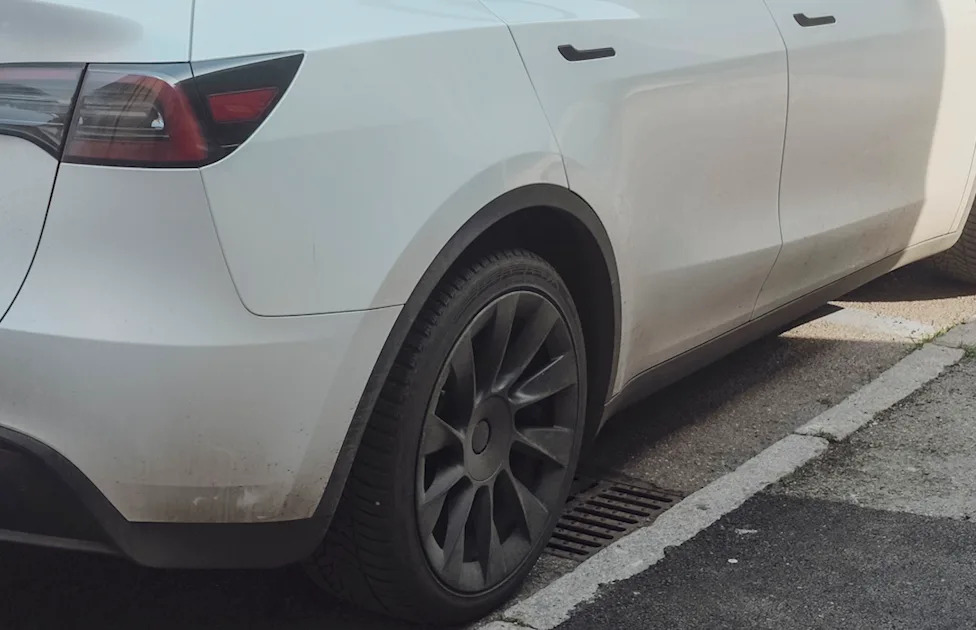
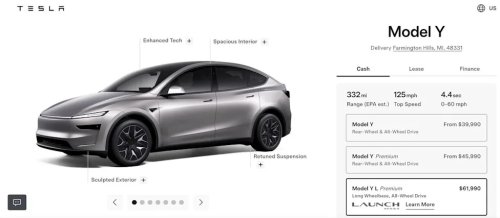
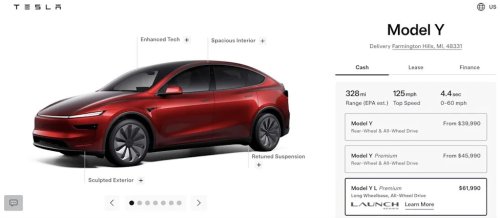
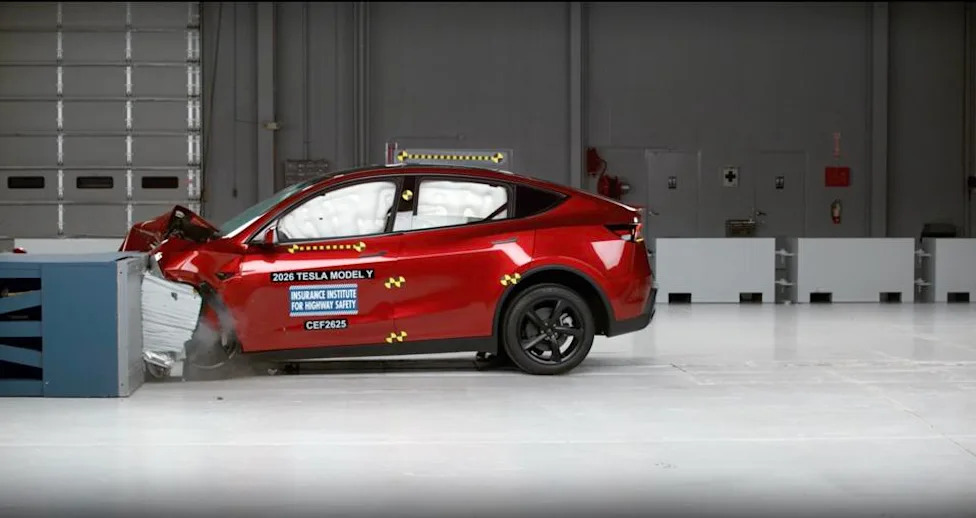
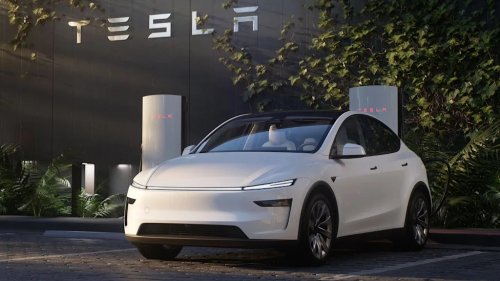
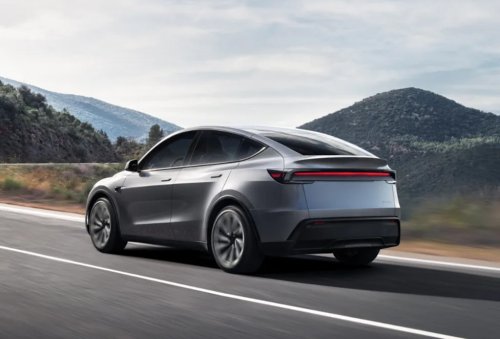
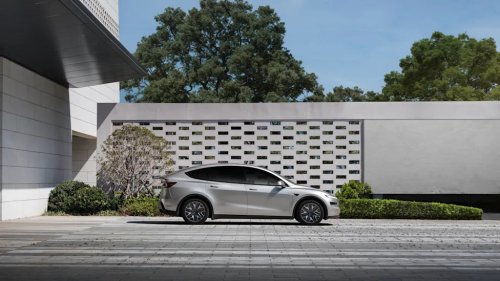
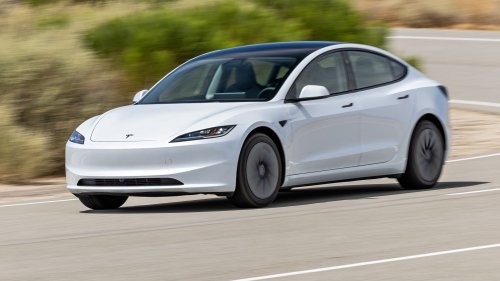
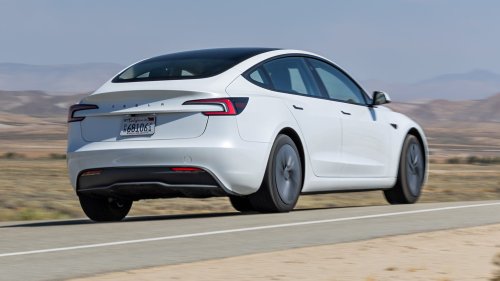
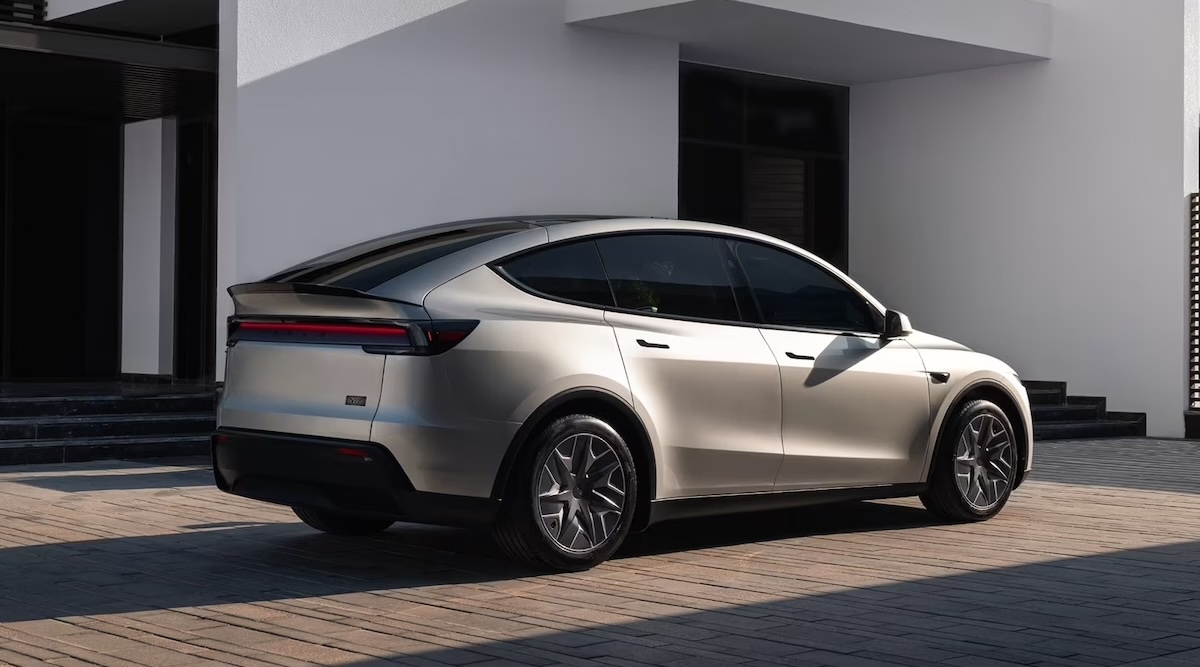
The Tesla Model Y is the best-selling EV in the United States. It also ranks 647th out of 827 vehicles for insurance affordability, which puts it firmly in the "more expensive than almost everything" category. That's a strange combination for a car that starts under $40,000 and is marketed as a practical family crossover. No one cross-shops a Model Y expecting Porsche-level insurance premiums, and yet here they are. The numbers, without the spinFull-coverage insurance on a 2026 Tesla Model Y averages roughly $2,725 to $3,529 per year, depending on which data source and methodology you trust. MoneyGeek pegs the 2026 model at around $380 per month for full coverage. Insurify puts the 2025 Model Y at $396 per month. Insure.com lands at $3,529 annually. The spread is wide because insurance pricing depends heavily on driver age, location, driving history, and which insurer is doing the quoting, but the consistent theme across every analysis is the same: the Model Y costs more to insure than the average vehicle by a significant margin.For context, the national average for full-coverage car insurance sits around $2,500 to $2,700 per year. The Model Y exceeds that by anywhere from $200 to $1,000 or more annually, depending on the trim. The Performance variant, with its 456 horsepower and 3.5-second 0-60 time, predictably costs more to cover than the base rear-wheel-drive model.Why the Model Y is expensive to insure The answer isn't complicated, but it is frustrating: the Model Y is expensive to repair after an accident, and insurance companies set premiums based on what they expect to pay in claims. Tesla builds the Model Y with aerospace-grade aluminum panels and a unibody construction that improves safety and reduces weight. Both are great for driving. Both are terrible for your body shop bill. Replacing a genuine Tesla Model Y front bumper costs approximately $2,000 before labor. A comparable bumper on a non-Tesla SUV runs $500 to $700. That price gap exists across nearly every body panel, sensor, and trim piece on the vehicle.The problem compounds from there. Tesla-certified body shops are the only facilities with access to genuine Tesla parts, proprietary repair procedures, and specialized tools for working on the car's aluminum structure. There aren't enough of them. The limited supply of qualified shops means longer wait times, less price competition, and higher labor rates that can reach $305 per hour. Insurance companies see all of this in their claims data and adjust premiums accordingly. The 2026 model year premium jumpNewer vehicles always cost more to insure than older ones, but the gap between a 2026 Model Y and even a 2022 model is striking. MoneyGeek data shows monthly premiums ranging from $380 for a 2026 model down to $229 for a 2020 model. That's a 66% premium increase for a vehicle that's six years newer. Part of this reflects the higher replacement value of a new car. Part of it reflects the 2026 Model Y's updated technology, including new sensors, cameras, and software that cost more to repair or recalibrate after a collision. Every time Tesla adds a feature that improves the driving experience, the insurance industry adds a line item to the repair estimate.State-by-state realityWhere the Model Y is parked matters almost as much as the cost to fix it. Louisiana is consistently the most expensive state for Model Y insurance, with annual full-coverage premiums approaching $5,700. Hawaii tends to be the cheapest, at around $1,890. That's a $3,800 difference for the same car, same driver profile, same coverage level, in two different zip codes. States with no-fault insurance laws, high population density, frequent severe weather, or elevated theft rates all push premiums higher. Michigan, Florida, and New York consistently rank near the top of the cost table. Wyoming and Maine tend to sit near the bottom. Tesla's own insurance programTesla sells its own auto insurance in select states, and it takes a fundamentally different approach to pricing. Instead of relying on demographic factors like age, credit score, and marital status, Tesla Insurance uses a real-time Safety Score derived from driving behavior: hard braking frequency, aggressive turning, unsafe following distance, and forward collision warnings.The pitch is straightforward: drive carefully, pay less. In theory, a cautious 25-year-old could pay less than a reckless 45-year-old, which inverts the traditional insurance model. Some owners report significant savings through the program, particularly those who maintain high Safety Scores and drive conservatively. Others find that the scoring system is punitive toward anyone who drives in heavy traffic, where hard braking events are sometimes unavoidable, regardless of skill.The verdictThe Tesla Model Y is not outrageously expensive to insure by luxury EV standards. Compared to a Model S, Model X, or most European electric SUVs, it's actually the more affordable option. But compared to a Toyota RAV4, a Honda CR-V, or even a Hyundai Ioniq 5, the Model Y's insurance costs are noticeably higher, and the gap is growing rather than shrinking. The root cause isn't a mystery. Tesla built a car that's safer to crash in but more expensive to fix afterward, and insurance companies care a lot more about the second part.