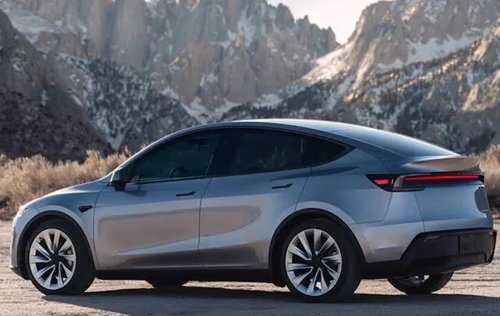
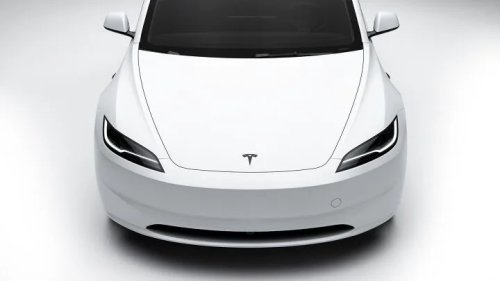
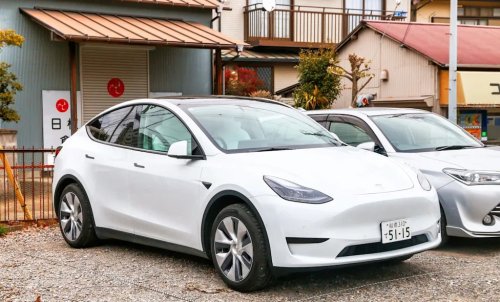
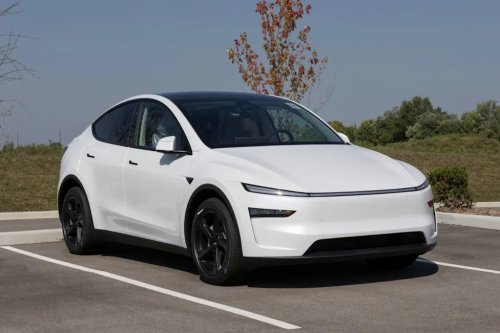
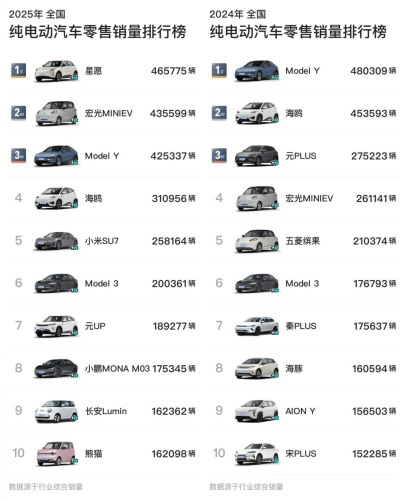
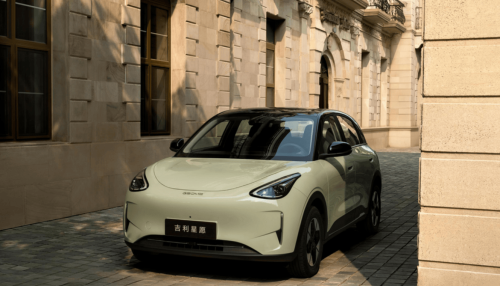
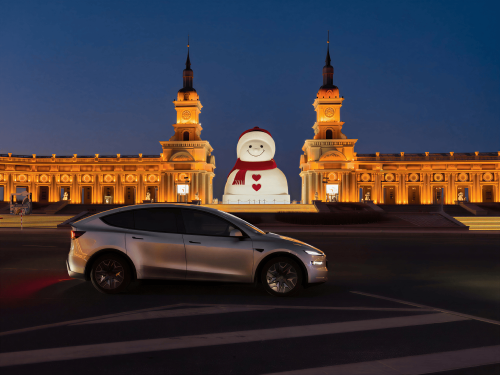
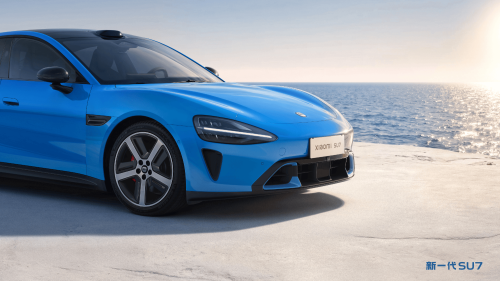
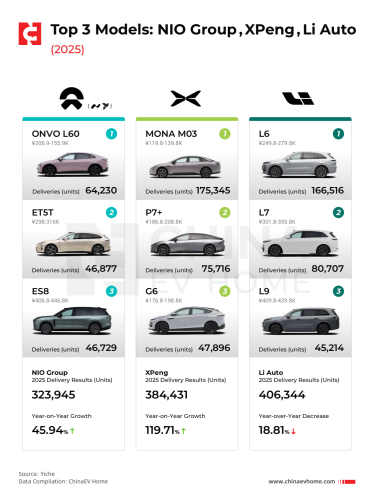
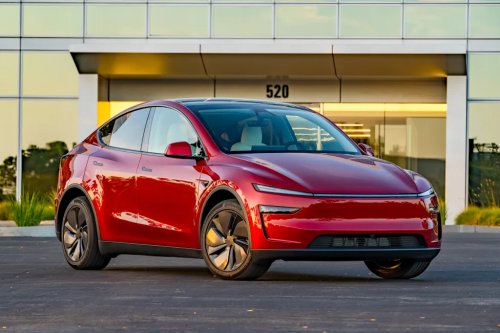
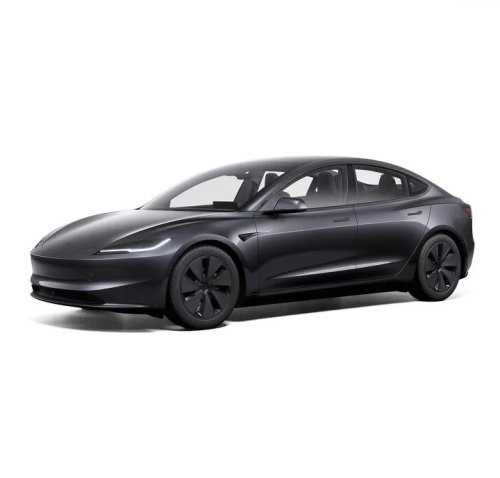
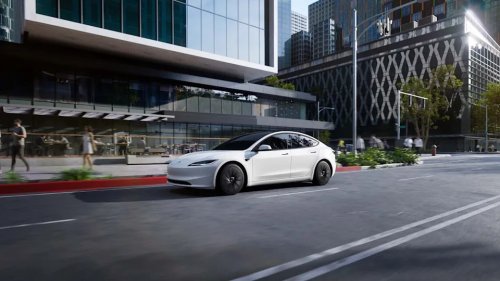
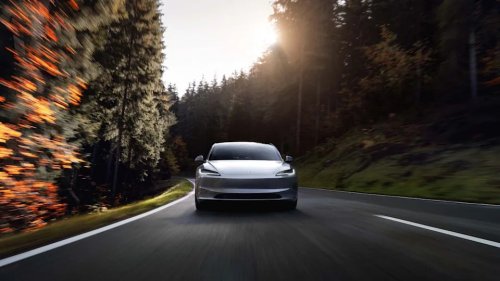
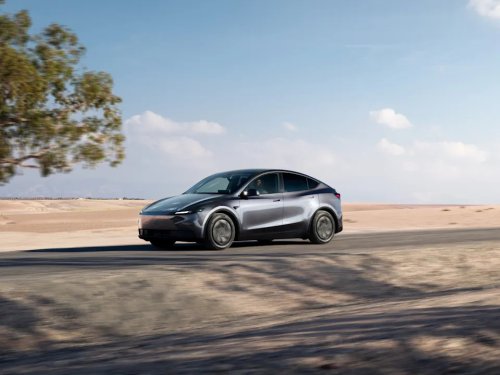
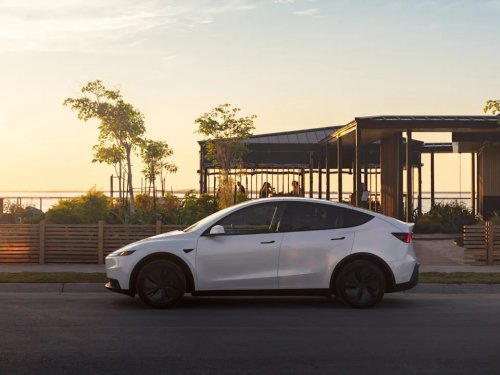
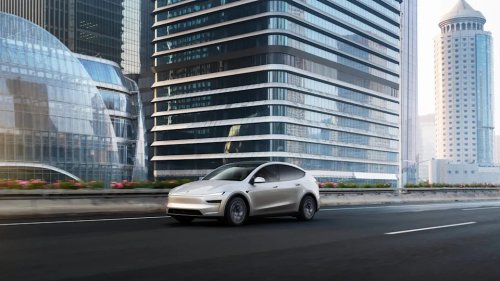
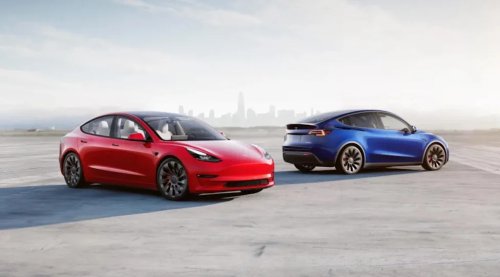
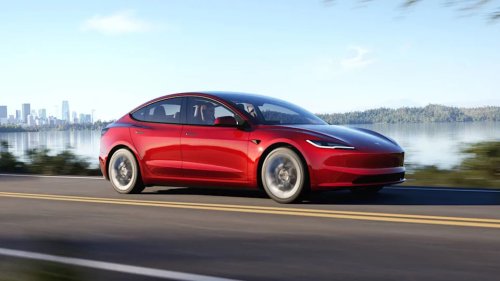
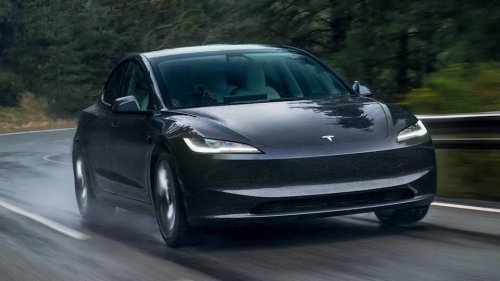
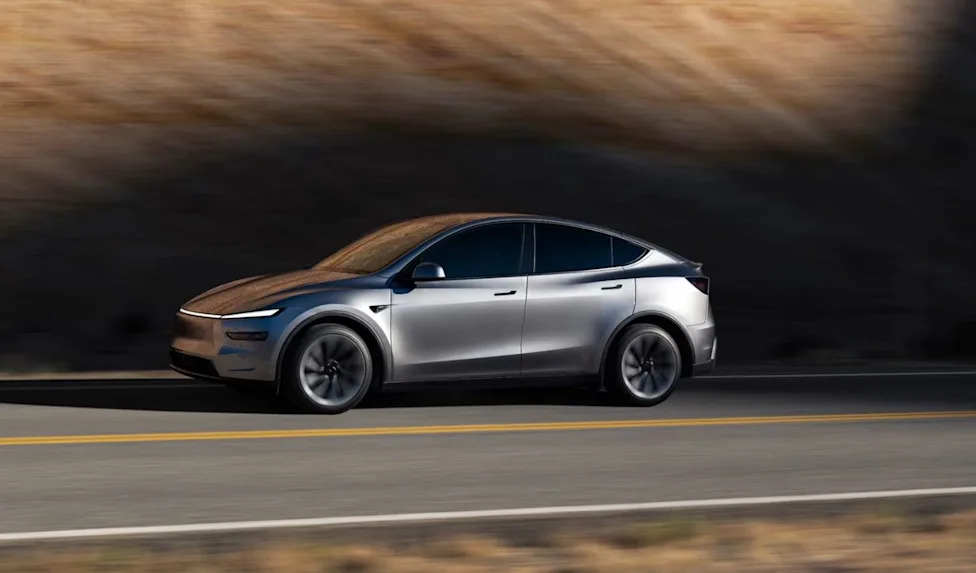
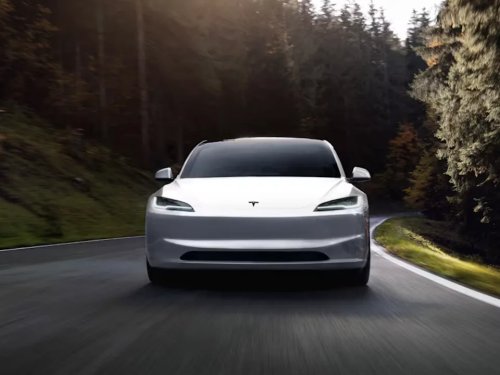
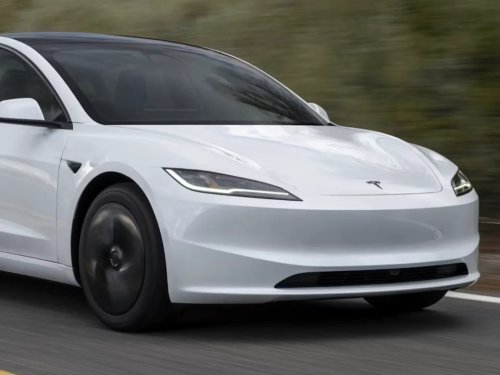
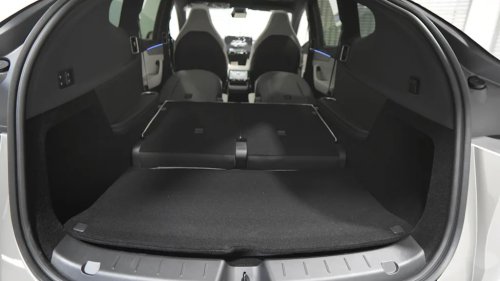
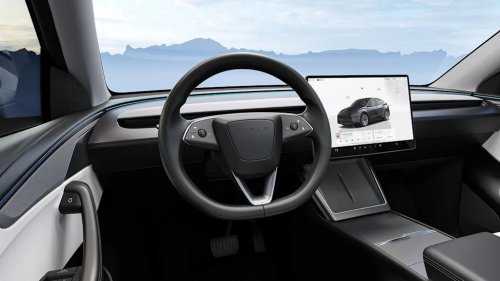
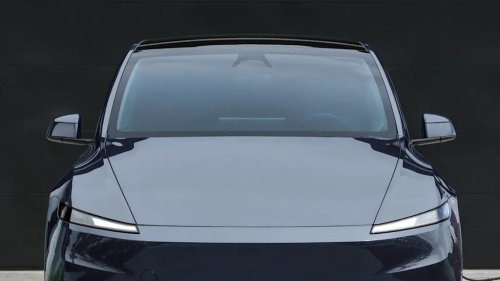
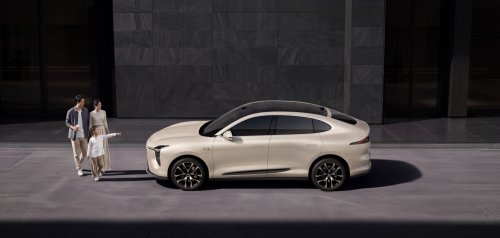
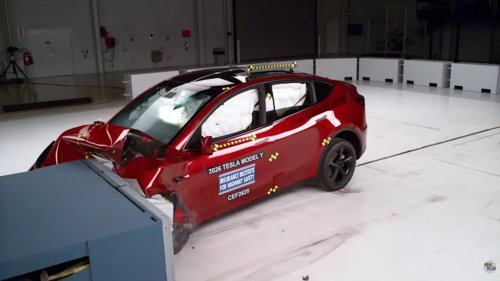
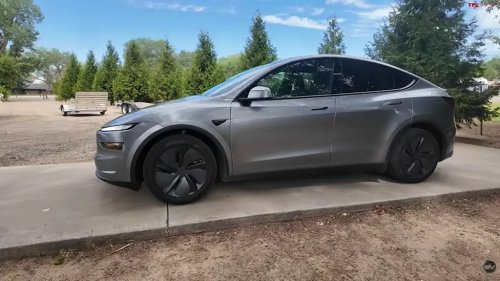
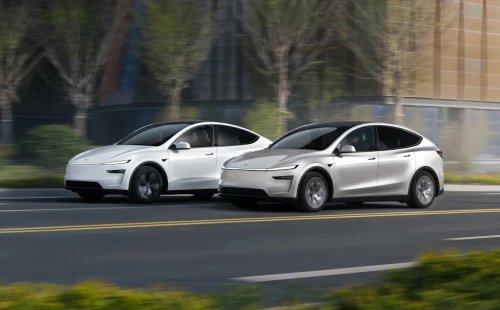
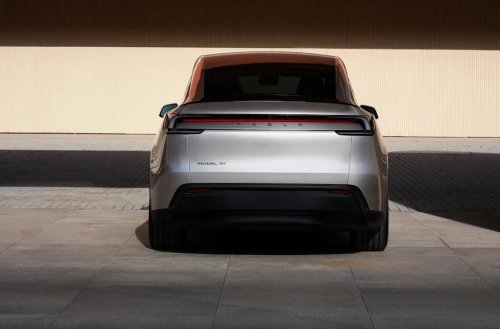
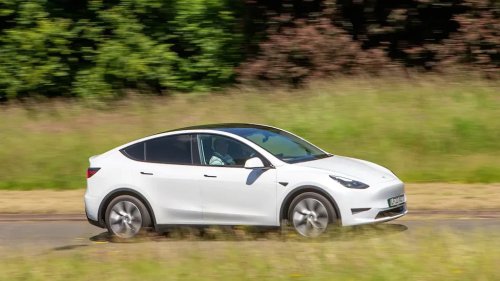
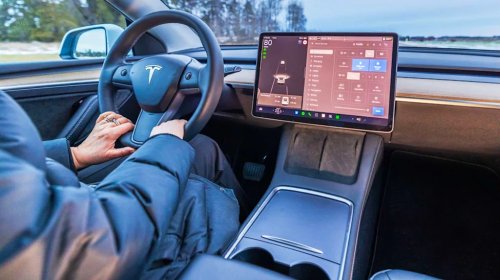
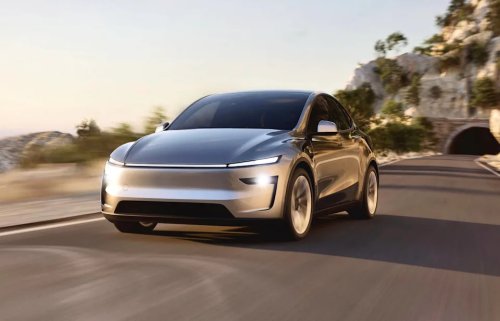
Micro and small EVs remain hot, emerging as the key battlefield for traditional automakers’ EV spin-off brands. 2025 witnessed a transformative reshuffle in China’s battery electric vehicle (BEV) market. According to data from the China Passenger Car Association (CPCA), the annual retail sales of BEVs reached 7.877 million units in 2025, a year-on-year increase of 24.4%. BEVs accounted for 61.5% of the total new energy vehicle market, maintaining their fundamental role. With the addition of several popular new models, the competitive landscape of the sales rankings has also undergone significant changes. Referencing sales figures provided by Yiche, let’s examine the top 10 best-selling battery electric vehicle models in China for 2025: Geely Galaxy Xingyuan (465,775 units) SAIC-GM-Wuling Hongguang MINIEV (435,599 units) Tesla Model Y (425,337 units) BYD Seagull (310,956 units) Xiaomi SU7 (258,164 units) Tesla Model 3 (200,361 units) BYD Yuan UP (189,277 units) Xpeng MONA M03 (175,345 units) Changan Lumin (162,362 units) Geely Panda (162,098 units) 2025 China’s Top 10 BEV Models by Sales vs 2024 China’s Top 10 BEV Models by Sales From a macro perspective, the BEV market has developed a distinct hierarchical structure. Geely’s Xingyuan, with sales of 466,000 units, dethroned the long-reigning Tesla Model Y to claim the top spot, becoming the most significant variable on the list. Launched as recently as October 2024, this A0-class sedan starts at just 69,800 RMB. It comes standard with features like an integrated 11-in-1 intelligent electric drive, the Flyme Auto cockpit system, and a CTP (Cell-to-Pack) battery, fully demonstrating the competitive sincerity of traditional automakers’ “new-generation” brands. Following closely in second place remains a mini vehicle—the Wuling Hongguang MINIEV, with annual sales of 436,000 units, keeping the race with the Xingyuan intensely tight. It is noteworthy that mini and small cars occupy five out of the ten spots on this TOP 10 list, including the Geely Xingyuan, Hongguang MINIEV, BYD Seagull, Changan Lumin, and Geely Panda. Their combined sales reached 1.537 million units, highlighting the immense market vitality of economical electric vehicles. Geely Galaxy Xingyuan Another major variable is the Tesla Model Y. With the launch of several BEV models directly competing with the Model Y, its once-dominant market share has been diluted. In 2025, the Model Y sold 425,337 units, an 11.45% decrease year-on-year, causing its rank to drop from 1st in 2024 to 3rd. Despite this, it remains the only mid-to-high-end pure electric SUV in the TOP 10. In contrast, the Tesla Model 3 sold 200,361 units for the year, a 13.3% increase compared to 176,793 units in 2024, maintaining its 6th place position unchanged. Model Y L The Xiaomi SU7 and Xpeng MONA M03 are the new faces on this year’s list. Notably, the Xiaomi SU7 was officially launched in March 2024. 2025 marked its first full calendar year of deliveries, and without any facelift, it achieved annual sales of 258,164 units to secure 5th place, demonstrating formidable competitiveness. The product’s advantages are expected to further expand following the upcoming upgrade for the new generation SU7. The new generation SU7 As Xpeng’s main volume driver, the Xpeng MONA M03 delivered 175,345 units for the year, earning the 8th position on the list. This indirectly validates the market trend where intelligent features in the new energy sector are shifting from being “premium options” to becoming “standard equipment” in mid-range vehicles. Furthermore, on this year’s list, BYD, which had four models in the 2024 top ten, retained only two in 2025—the BYD Seagull (310,956 units) and the BYD Yuan UP (189,277 units), holding the 4th and 7th positions respectively. The annual sales ranking reveals a clear trend: the popularity of mini and small electric vehicles is not waning; instead, this segment has become a main battlefield for the new energy sub-brands of traditional automakers. Models like the Geely Xingyuan, BYD Seagull, Changan Lumin, and Geely Panda… are generally affordably priced with compact dimensions. Their lower price brackets appeal to a broader audience, and when combined with distribution advantages in lower-tier cities, mini and small BEVs are most likely to achieve scale. On the other side of the list, intelligent models represented by the Model Y, Model 3, Xiaomi SU7, and Xpeng MONA M03 are redefining the competitive threshold for the mid-to-high-end BEV market. Features like intelligent cockpits, advanced driver-assistance systems, and computing power are increasingly becoming essential considerations for car buyers. Looking ahead to 2026, one wonders how many of these current “familiar faces” will remain on the list.



















 +73 others










![Not sold on Tesla Powerwall? There are great battery alternatives out there [update]](https://cdn.topcarnews.net/thumb/id/aHR0cHM6Ly9pMC53cC5jb20vZWxlY3Ry-ZWsuY28vd3AtY29udGVudC91cGxvYWRz-L3NpdGVzLzMvMjAyNi8wNy9ob21lLXNv-bGFyLWJhdHRlcnkucG5nP3c9MTUwMCZh-bXA7cXVhbGl0eT04MiZhbXA7c3RyaXA9-YWxsJmFtcDtzc2w9MQ/18e81f395a77dbb42269ab5e106fea41.png?t=20261006&post_id=68280)