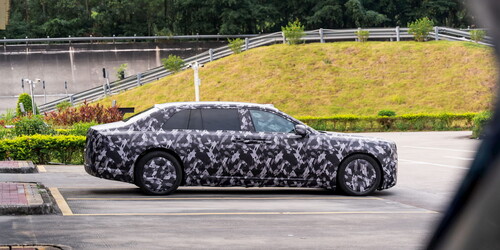
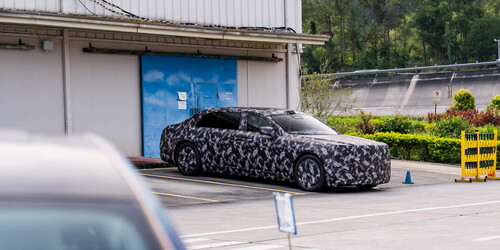
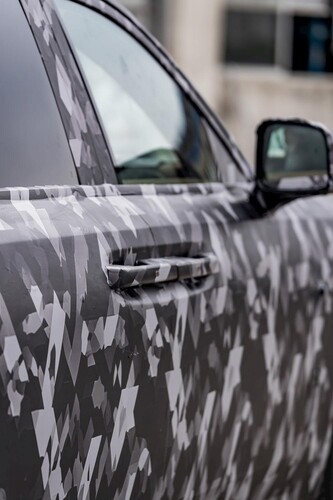
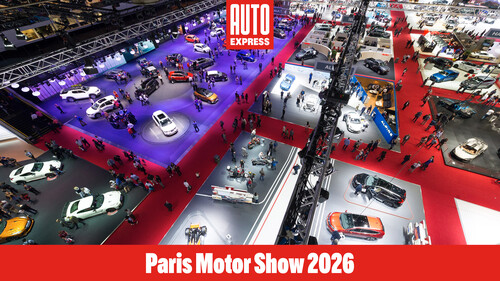
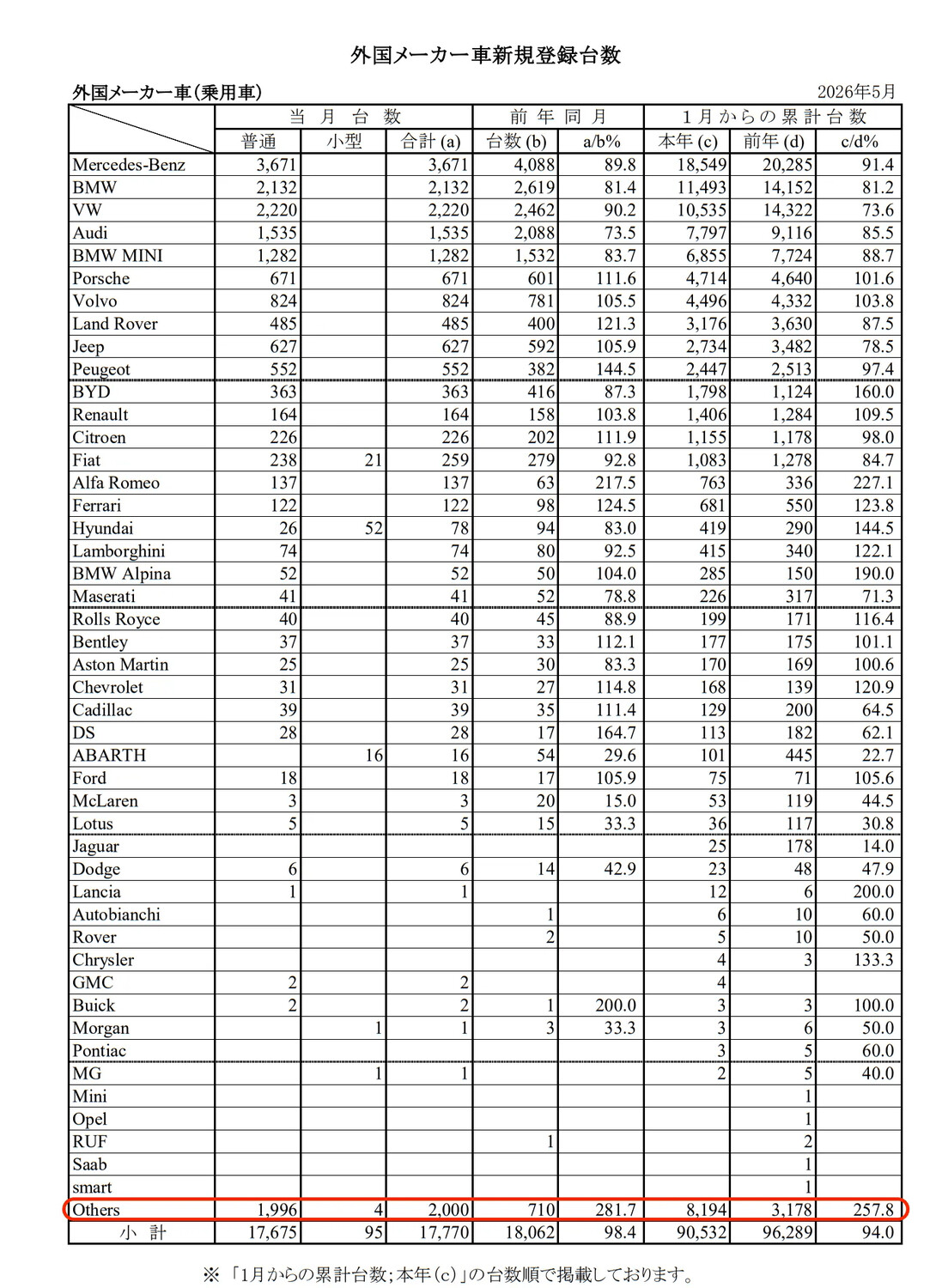
Isabelle Rogers · 4 months ago@isabellerogers80China-Made Tesla Model Y Tops Japan’s Imported Car Rankings in May Liked by+64 othersBYDMercedes-Benzaudibmwmercedes-benzteslavolvoPost commentRelated PostsAugust 2026 Off-Road/High-End/Shooting-Brake Sales Rankings: Tesla Model Y Leads, Fangchengbao Titan 7 Stands Out | Gasgoo Auto Research InstituteAva Turner · 11 days agoBYD Da Han Claims Global Flagship Status 90 · Isabelle Lewis · 2 months agoBYD's ultra-luxury EV with coach doors spotted ahead of its debutAnnabelle Roy · 16 days agoAmerica’s EV Charging Is a Mess. The CEO Trying to Fix It Explains Why 65 · Samuel Hall · 23 days agoWhy Tesla quietly renamed its 'Full Self-Driving' mode in EuropeVictoria Campbell · 11 days agoAustralian Plugin Vehicle Sales, September Update — Are Mainstream Media Finally Waking Up?Jackson Labelle · 12 days agoNew BYD Shark pick-up to go Ford Ranger hunting in the UK very soonCharlotte Harris · 11 days agoParis Motor Show 2026: your guide to all the key cars 50 · Connor Scott · 16 days agoFord CEO Says U.S. Must Not Fall To Scourge Of Chinese Cars, It's Already 'Too Late' For Europe 82 · Claire Campbell · 23 days agoParis Motor Show 2026 live: Citroen 2CV reborn, next-gen Vauxhall Astra and so much moreAbigail Campbell · 11 days agoFrance Passenger Car Market in September 2026: BYD Surges, Chinese Brands Reach 8.1% ShareAdam Pelletier · 13 days agoHave Chinese EVs peaked in the UK? BYD and Leapmotor hit record sales numbers, but new tariffs could put the brakes onAva Poirier · 14 days agoParis Motor Show 2026: A-Z of all the key carsAmelia Brown · 17 days agoCalifornia woman trades in Mercedes, then paper imitation of her license plate triggers fines, toll bills 66 · Mia Fortin · 24 days agoPssst! Wanna See A Driverless Electric Truck?Aiden Martin · 12 days agoTop Selling Electric Vehicles in the World — 27% EV Share in August!Alexander Mitchell · 19 days agoJaguar And Kia Just Proved That Design Matters Just As Much As SpecsCarter King · 14 days agoPeugeot E-208 Rental Car ReviewJackson Leblanc · 19 days agoThe 2027 Mercedes G 580 EV Gets A NACS Port, More Range, And Faster Charging 21 · Kaitlyn Smith · 24 days agoAre Aero Caps A Worthwhile Upgrade for Electric Vehicles? Testing the HALOBLK HALODISCSAva Macdonald · 12 days ago





 +64 others