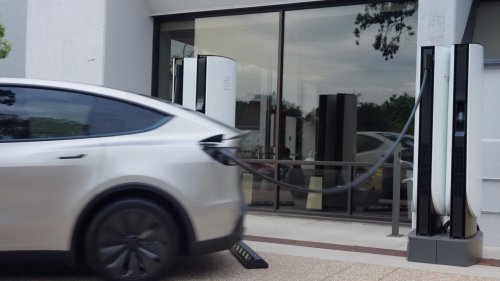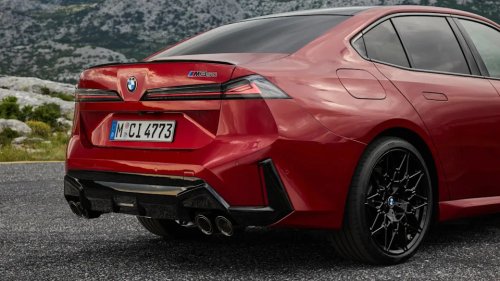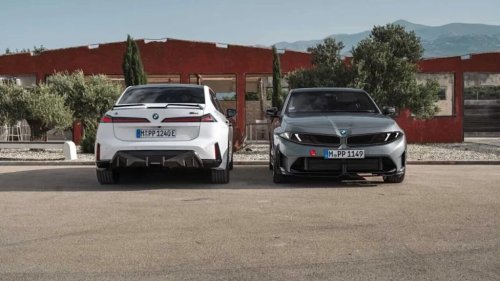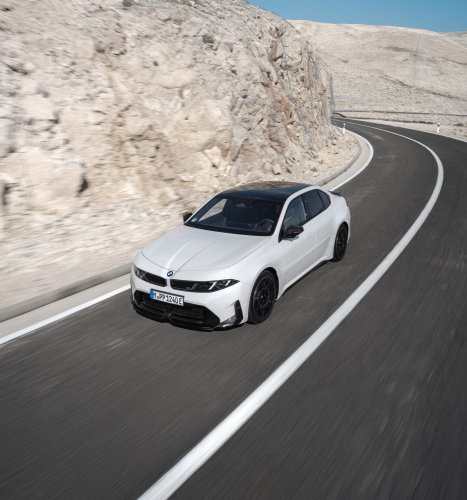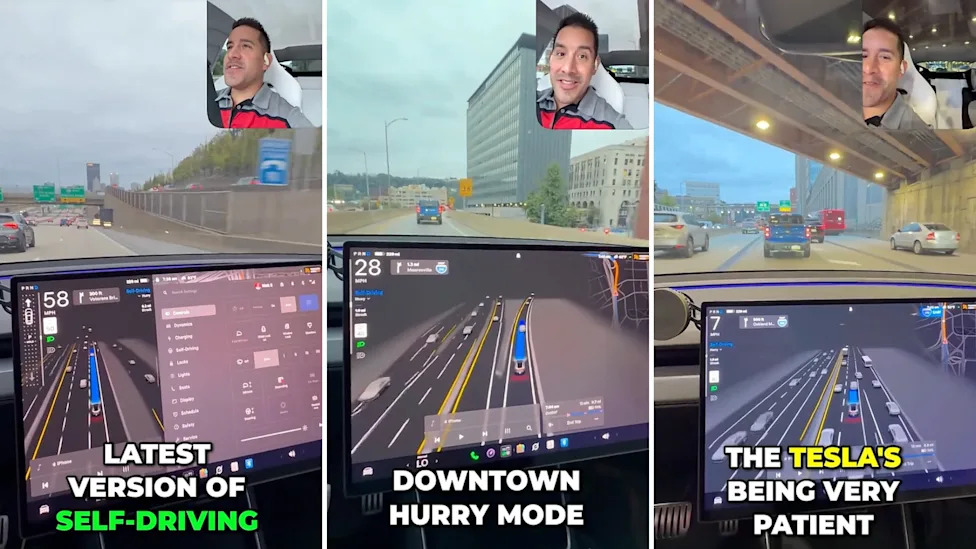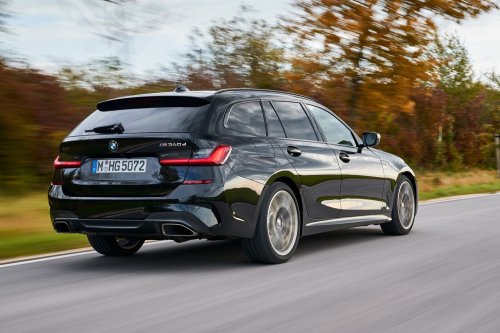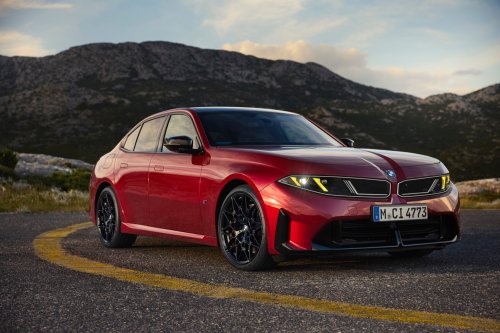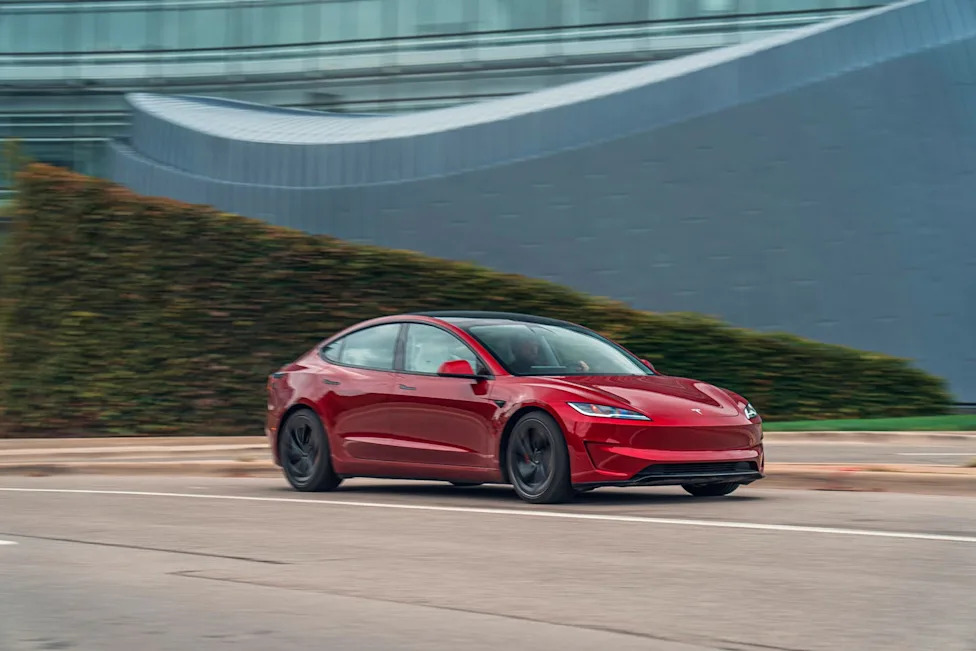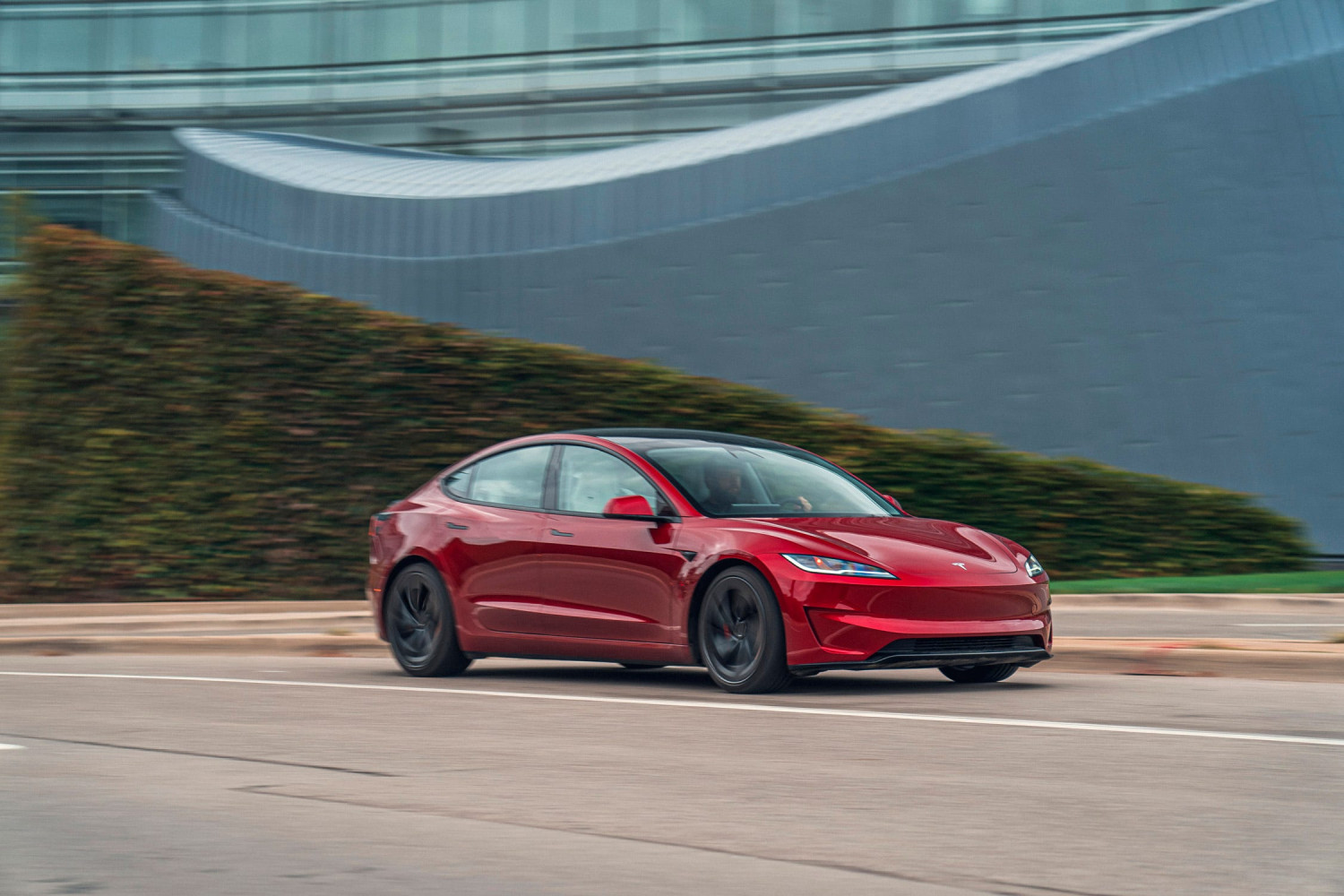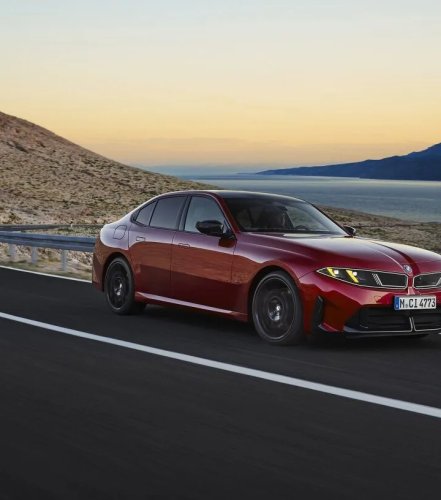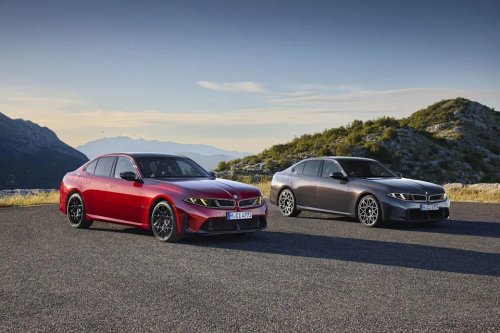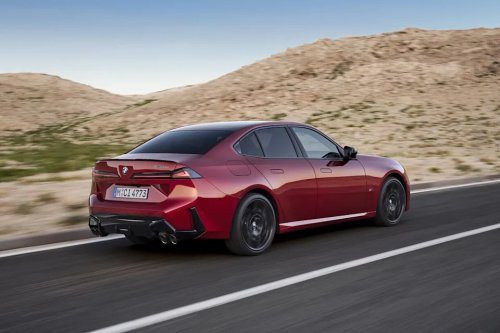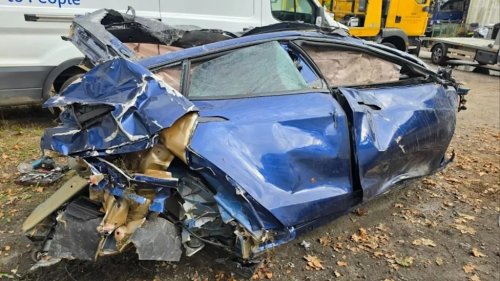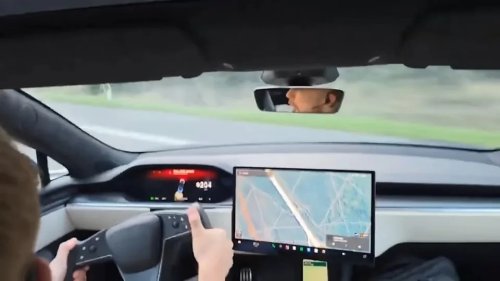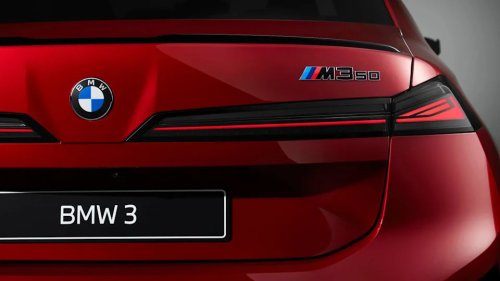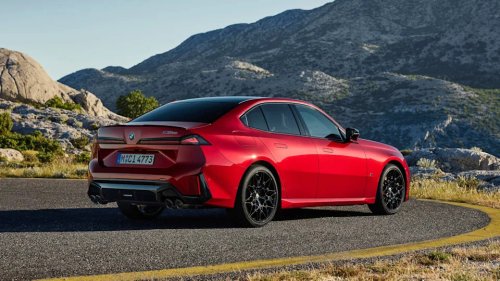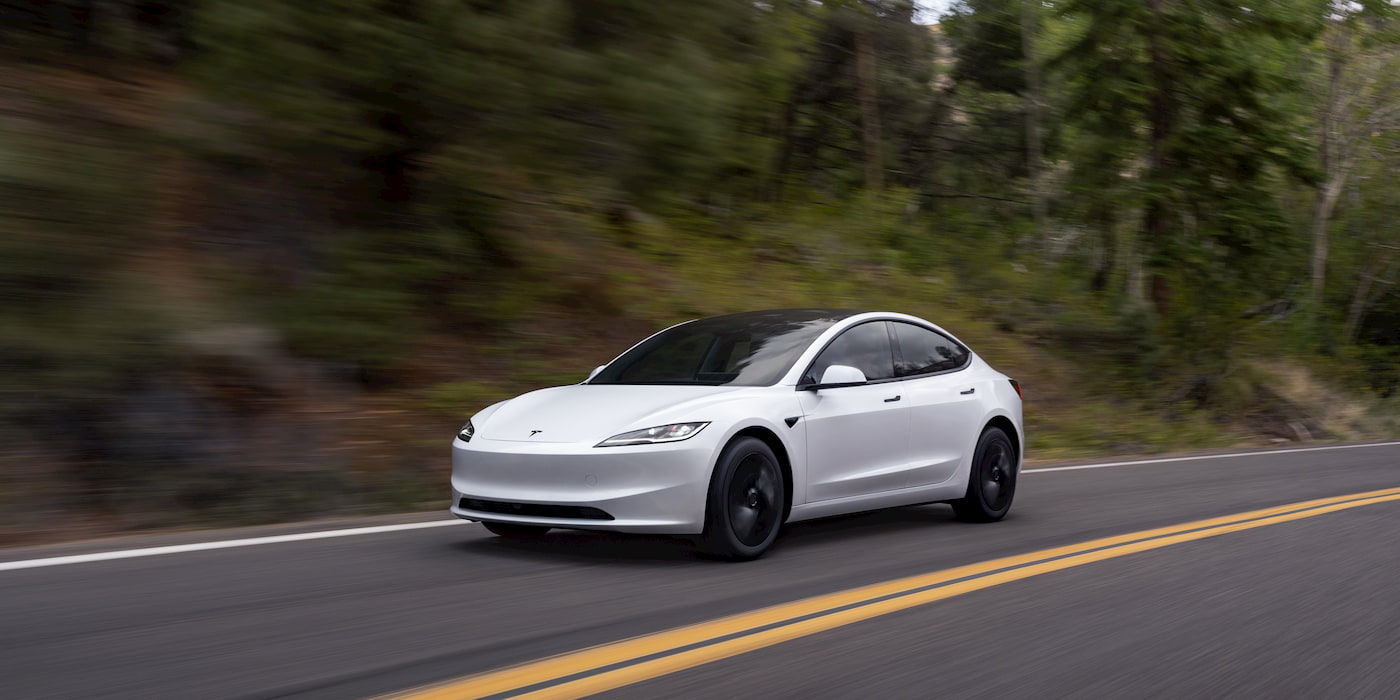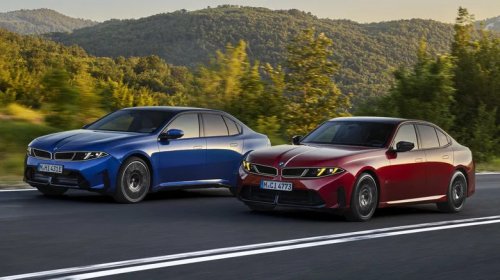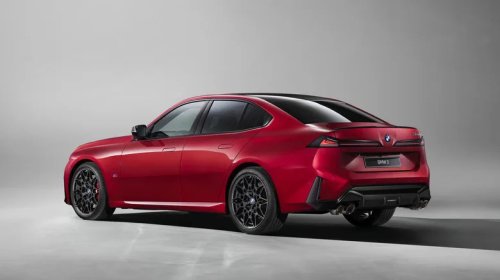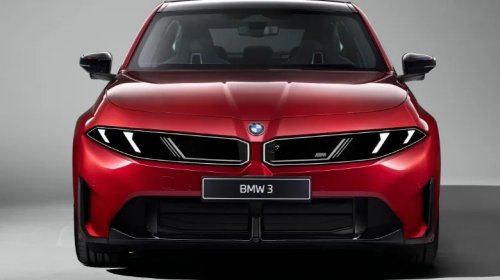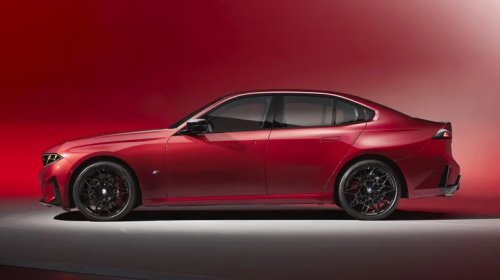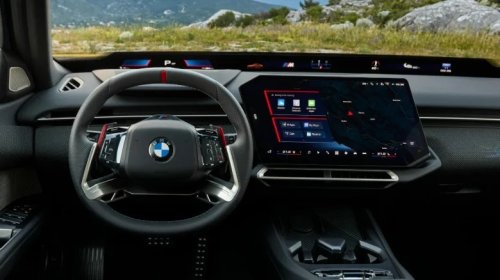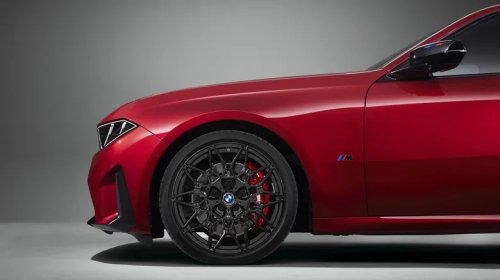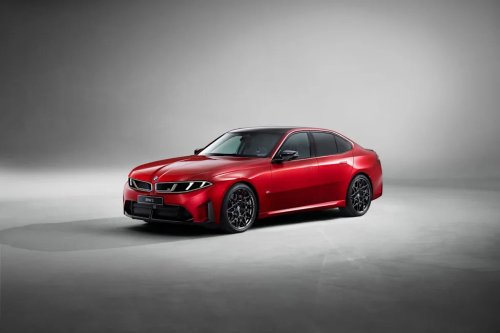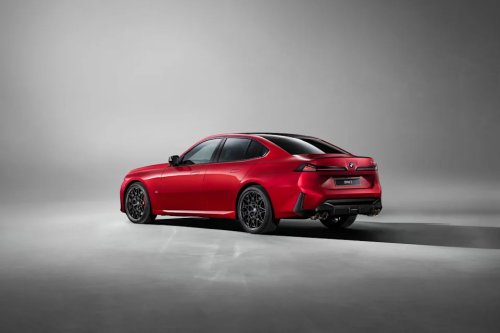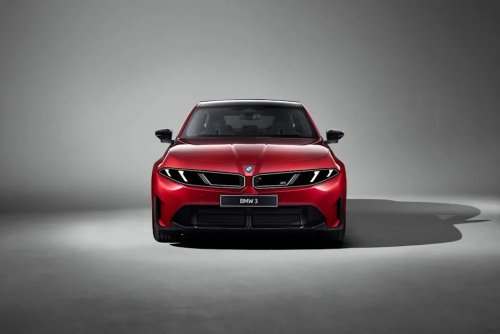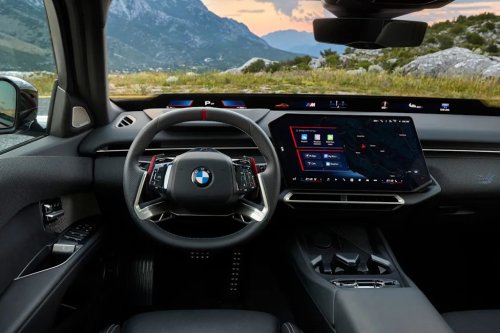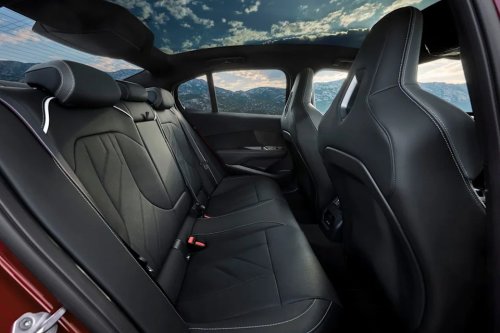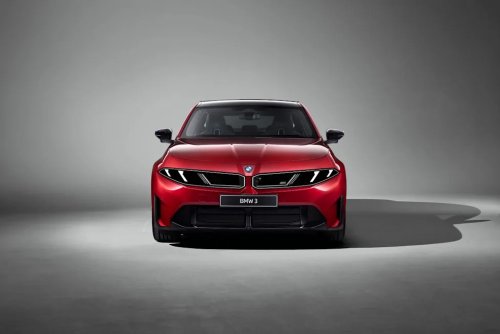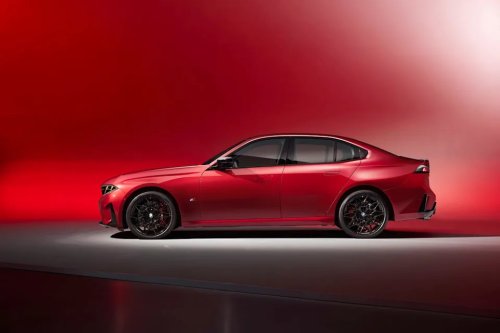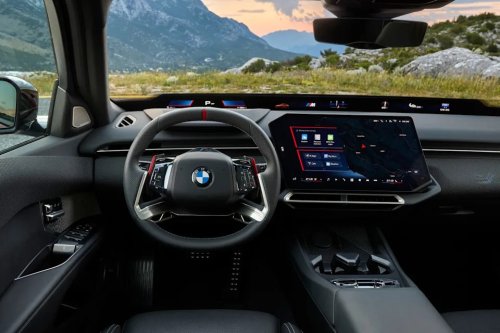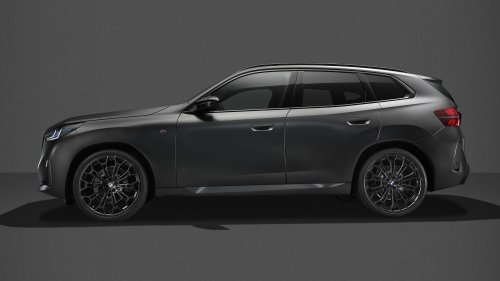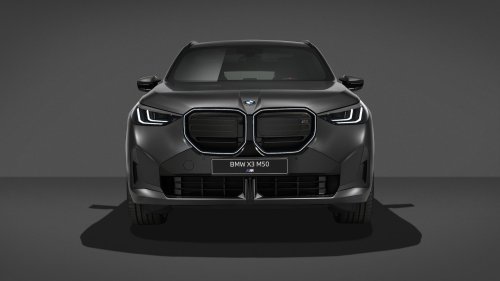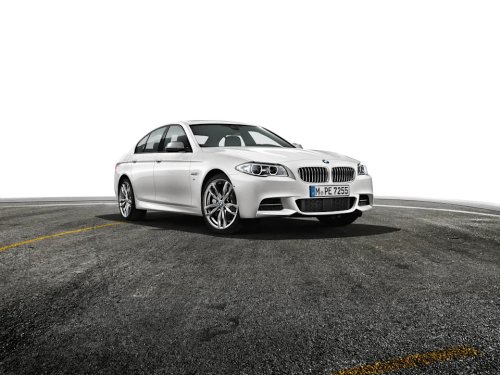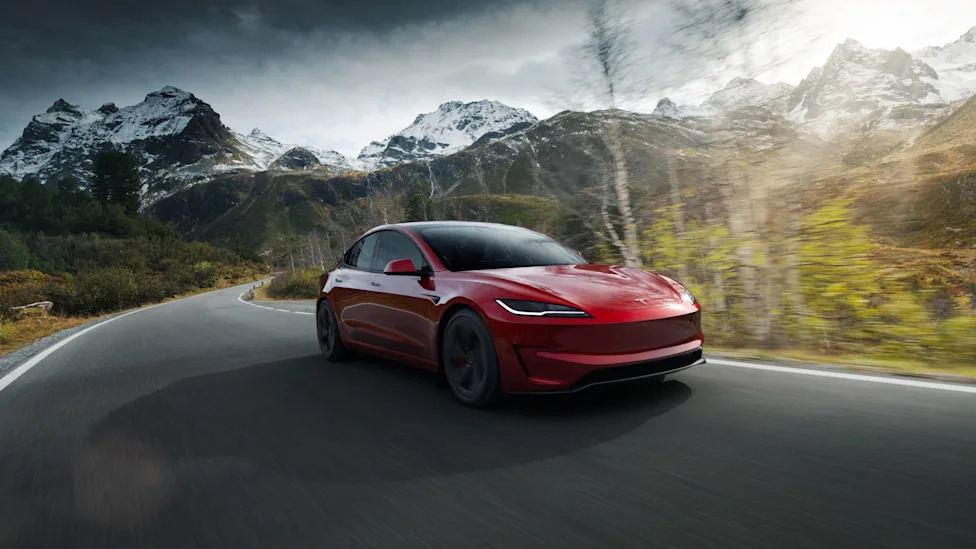
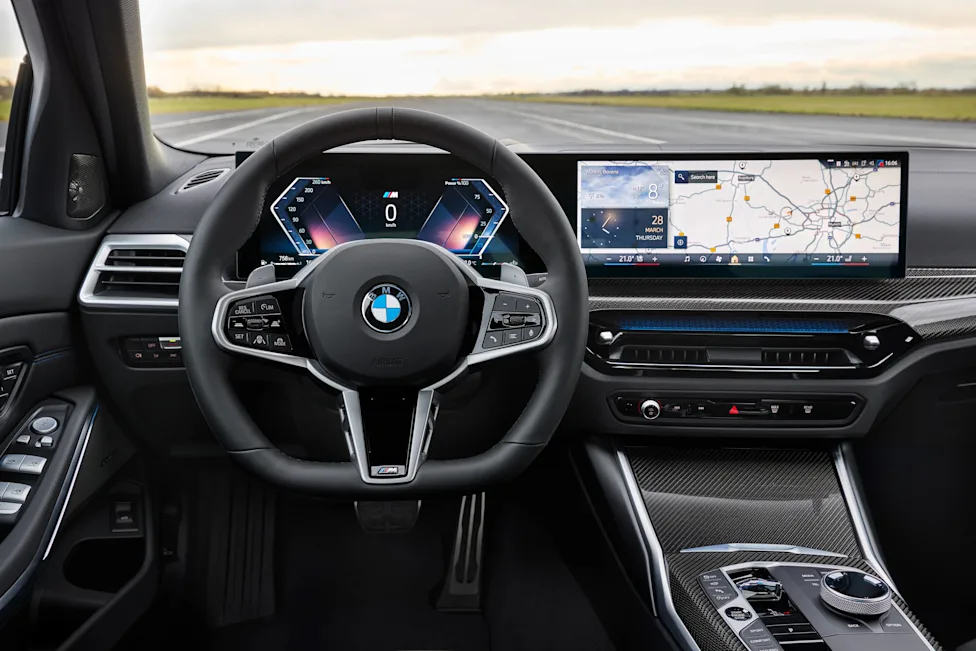
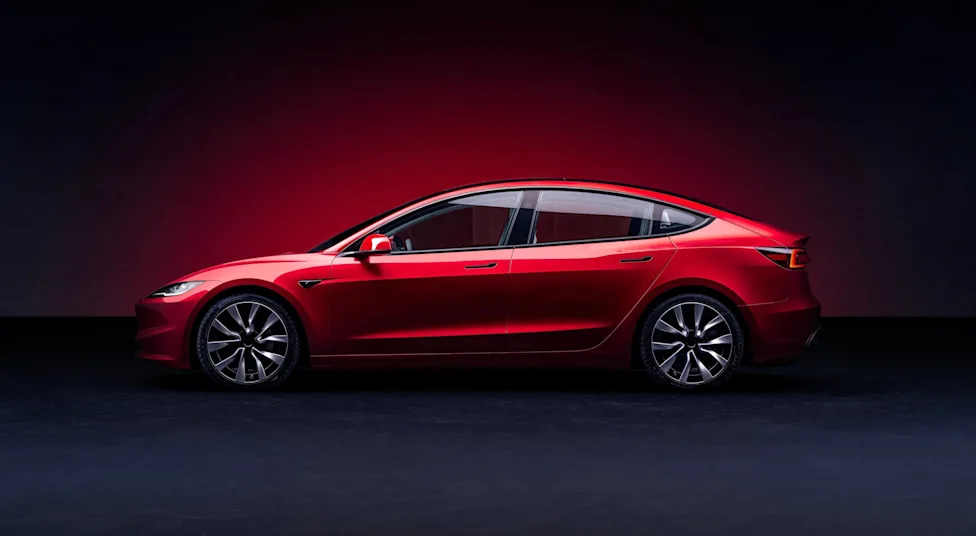

















Autoblog and Yahoo may earn commission from links in this article.They may not be direct rivals, but the BMW 3 Series and Tesla Model 3 are two of the most popular compact sedans in the luxury and electric segments, respectively. Both have been around for a good few years, with the Tesla introduced in 2017 and the G20 3 Series a year later. Given that EVs have a few structural advantages in crash tests, these two vehicles make for an interesting comparison in terms of safety. Based on the latest tests conducted by the Insurance Institute for Highway Safety (IIHS), which popular sedan comes out on top if safety is a top priority? Here's a look at how the 2026 models of each sedan performed.Crashworthiness: Same Strengths, Similar WeaknessesThe IIHS runs three major crash tests, which are the small overlap front, moderate overlap front, and side-impact tests. The small overlap front involves a collision with the vehicle's front corner, while the moderate overlap front represents an offset crash between two vehicles. For each test, vehicles are assigned a score of Good, Acceptable, Marginal, or Poor.BMW 3 SeriesTesla Model 3Small Overlap FrontGoodGoodModerate Overlap FrontAcceptableAcceptableSideNot testedGoodBoth cars attained the maximum rating for the small overlap front test, but there was room for improvement in the moderate overlap front test, where both earned an Acceptable rating. In the BMW, the IIHS rated the rear passenger restraints and dummy kinetics as Marginal, which brought down the overall score. In the Tesla, the testers rated the sedan as Marginal in the chest-injury section for rear-seat passengers. Due to these results, both cars failed to meet the minimum requirements to achieve an IIHS safety award.The 3 Series has not yet been tested for side impacts, but there was no issue with the Model 3's level of protection in this test.AdvertisementAdvertisementOverall, both cars are mostly safe and secure in a crash and we'd rate them about equal. Small refinements for rear-seat safety in the moderate overlap front test could help both sedans attain a safety award.Related: BMW X5 Vs. Mercedes-Benz GLE-Class: Which Luxury SUV Is The Safest?Crash Avoidance: A Victory For The Tesla2026 Tesla Model 3 PerformanceTeslaIn the crash-avoidance category, the IIHS evaluates how well a car can avoid a collision between it and another car or pedestrian. The safety authority also tests the effectiveness of each vehicle's headlights, which can be important in helping a driver spot a hazard.BMW 3 SeriesTesla Model 3Crash Prevention (vehicle-to-vehicle)MarginalGoodCrash Prevention (pedestrian)GoodGoodHeadlightsAcceptableAcceptableTesla's crash-avoidance technology is one of the best in the industry, and is bolstered by the advances the company has made in enabling hands-free point-to-point driving. The Model 3 attained Good scores in both crash-prevention tests, although its headlights were rated as merely Acceptable.2026 BMW 3 SeriesBMWView the 2 images of this gallery on the original articleAdvertisementAdvertisementThe BMW fell short in the vehicle-to-vehicle crash-prevention test. Whereas the Model 3 was successfully able to avoid a collision at 43 mph (the highest tested speed), the 3 Series was not and could only reduce its speed to 38 mph in these tests. A crash at 38 mph can still cause significant vehicle damage and injury.Certain newer BMWs like the X3 performed much better in these tests, so the age of the 3 Series could now be counting against it. The Tesla outshines the BMW in overall crash prevention.Related: 2027 BMW i3 Vs. Tesla Model 3: 5 Major DifferencesFinal Verdict: Tesla Model 3 Is Safer2026 Tesla Model 3TeslaTesla has a strong safety record for crash safety and crash prevention, and the Model 3 mostly lives up to that standard. Although rear-seat safety needs some improvement in the moderate overlap front test, there are no major red flags in the Tesla's safety repertoire. It's also very good at avoiding a collision, and although IIHS testing doesn't include the car's available self-driving system, Tesla's own data indicates that its cars are involved in far fewer crashes when this system is active.AdvertisementAdvertisementThe BMW 3 Series put in a solid performance in the crash tests it was evaluated for, but some rear-seat safety concerns stopped it from achieving top marks. Its crash-avoidance systems and headlights are also not perfect. These results shouldn't stop you from considering a 3 Series and it's still the more luxurious, engaging vehicle here, but the Model 3 is a better option for safety-conscious motorists.Related: Cybertruck Owner Says Tesla's Full Self-Driving Helped Avoid a Deadly CrashThis story was originally published by Autoblog on Aug 21, 2026, where it first appeared in the Features section. Add Autoblog as a Preferred Source by clicking here.