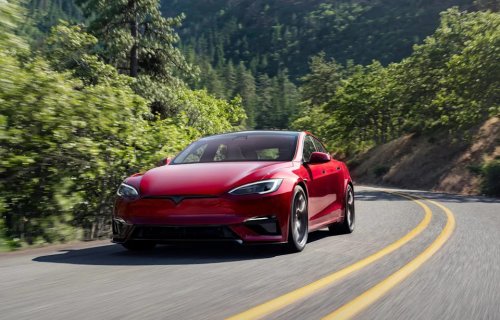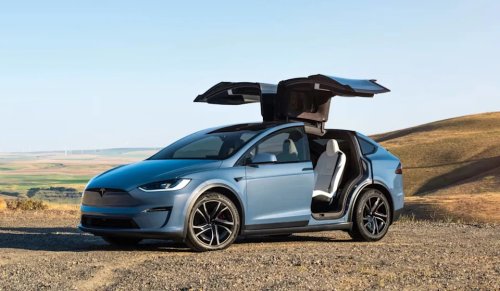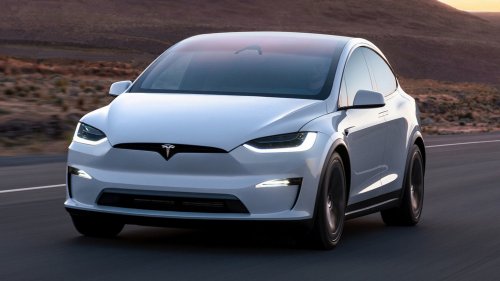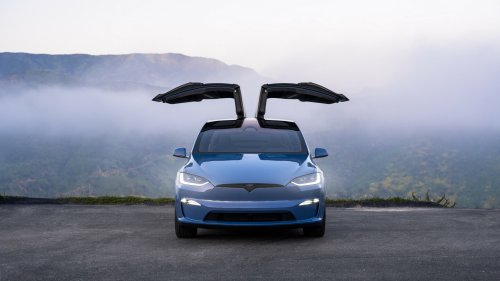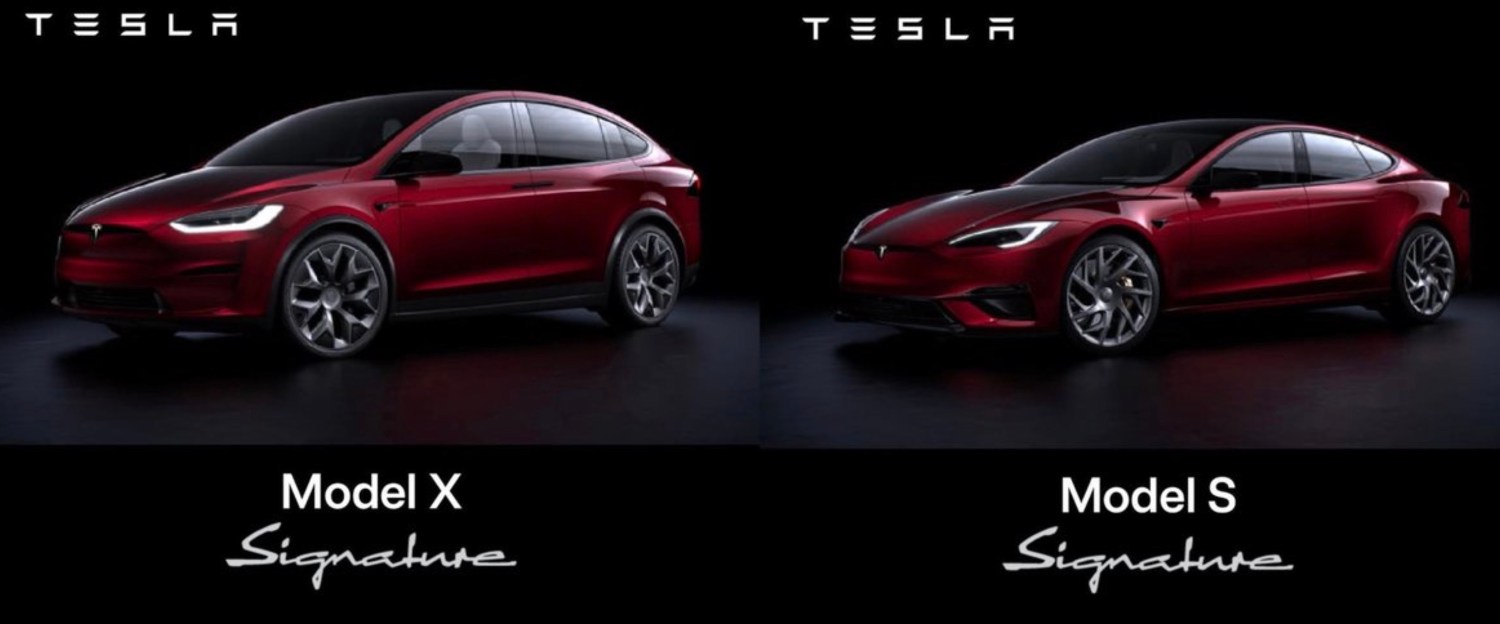



















Tesla is requiring buyers of its limited Signature Edition Model S and Model X to sign a “No Resale Agreement” that threatens $50,000 in liquidated damages, or the full resale value, whichever is greater, if they flip the vehicle within the first year. An invited buyer shared the agreement with Electrek, revealing that Tesla is reviving the same anti-flipping strategy it tried and ultimately abandoned with the Cybertruck back in 2023-2024. What the agreement says The document, titled “Signature Edition No Resale Agreement,” acknowledges that the Signature Edition Model S and Model X are “a limited release” and lays out strict conditions for the first year of ownership. Buyers agree not to sell or “otherwise attempt to sell” the vehicle within the first year following delivery. If unforeseen circumstances force a sale, buyers must notify Tesla in writing and give the company “reasonable time” to purchase the vehicle back at the original purchase price — minus $0.25 per mile driven, reasonable wear and tear, and the cost to bring the car up to Tesla’s Used Vehicle Cosmetic and Mechanical Standards. Advertisement - scroll for more content If Tesla declines to buy the car back but authorizes a third-party sale, the buyer can only proceed “after receiving written consent from Tesla.” The penalty clause is where it gets aggressive. If a buyer breaches the agreement — or Tesla has “reasonable belief” that a breach is about to happen — the company can seek injunctive relief to block the title transfer or demand liquidated damages of $50,000 or the full value received from the sale, whichever is greater. Tesla also reserves the right to refuse to sell the buyer any future vehicles. A $159,420 vehicle with strings attached Tesla announced the Signature Edition last week as the final farewell for the Model S and Model X, which are being discontinued after more than a decade of production. Only 250 Model S units and 100 Model X units will be made, all in an exclusive Garnet Red with gold accents, white Alcantara interior, and numbered dash plaques. Both models are priced at $159,420 and come loaded with the Luxe Package, which includes Full Self-Driving (Supervised), lifetime Supercharging, four years of Premium Service, and lifetime Premium Connectivity. Access is invite-only — Tesla emailed select owners directly. At that price point and with only 350 total units, the secondary market premium could be significant, which is clearly what Tesla is trying to prevent. Tesla tried this with Cybertruck — and gave up Tesla deployed a nearly identical anti-flipping clause with the Cybertruck launch in late 2023. The original purchase agreement threatened the same $50,000 penalty and right of first refusal for any resale within the first year. At the time, early Cybertrucks were selling for as much as $200,000-$350,000 on the secondary market. The clause became a saga. Tesla added it, removed it after backlash, reinstated it weeks later, and then quietly dropped it for good by mid-2024 as Cybertruck supply caught up with demand and resale premiums evaporated. Tesla never publicly enforced the penalty against any Cybertruck flipper, though some owners reported being blacklisted from future purchases. The Signature Edition is a fundamentally different situation. With only 350 units ever being produced and no prospect of additional supply, the scarcity is real and permanent — unlike the Cybertruck, which was simply supply-constrained early on. That makes the resale restriction more defensible in theory, but the enforceability questions remain the same. Electrek’s Take The no-resale agreement is understandable given the circumstances. These are genuinely limited vehicles — only 350 will ever exist — and Tesla has a legitimate interest in making sure they go to actual enthusiasts rather than flippers looking to profit from artificial scarcity. The $0.25/mile depreciation formula and right of first refusal are fairly standard mechanisms in the luxury and collector car world. That said, it’s pretty funny that Tesla thinks these are on a similar level as Ferraris when it comes to collectors/flippers. Also, we have to question whether Tesla will actually enforce this any more successfully than it did with the Cybertruck. The $50,000 liquidated damages clause looks intimidating on paper, but actually pursuing it in court would generate terrible PR and the legal outcome is far from certain. Courts in many states are skeptical of liquidated damages clauses that function as penalties rather than genuine pre-estimates of harm, and it’s hard to argue Tesla suffers $50,000 in damages because someone resold a car they already paid $159,420 for. The more likely enforcement mechanism is the blacklist threat. Tesla refusing to sell you future vehicles is something the company can do unilaterally, and for the type of buyer who gets invited to purchase a $159,420 limited edition, that threat probably carries more weight than the monetary penalty. Stay up to date with the latest content by subscribing to Electrek on Google News. You’re reading Electrek— experts who break news about Tesla, electric vehicles, and green energy, day after day. Be sure to check out our homepage for all the latest news, and follow Electrek on Twitter, Facebook, and LinkedIn to stay in the loop. Don’t know where to start? Check out our YouTube channel for the latest reviews.