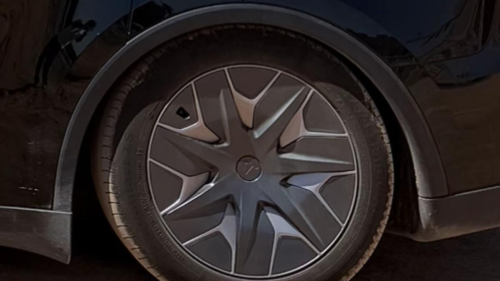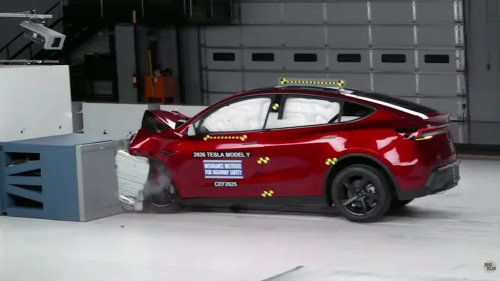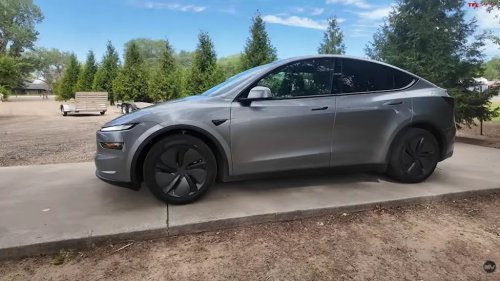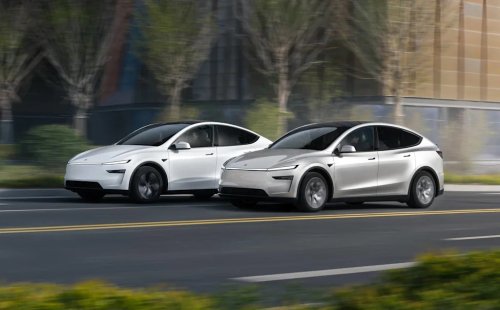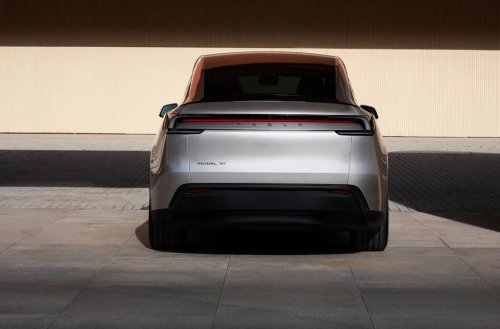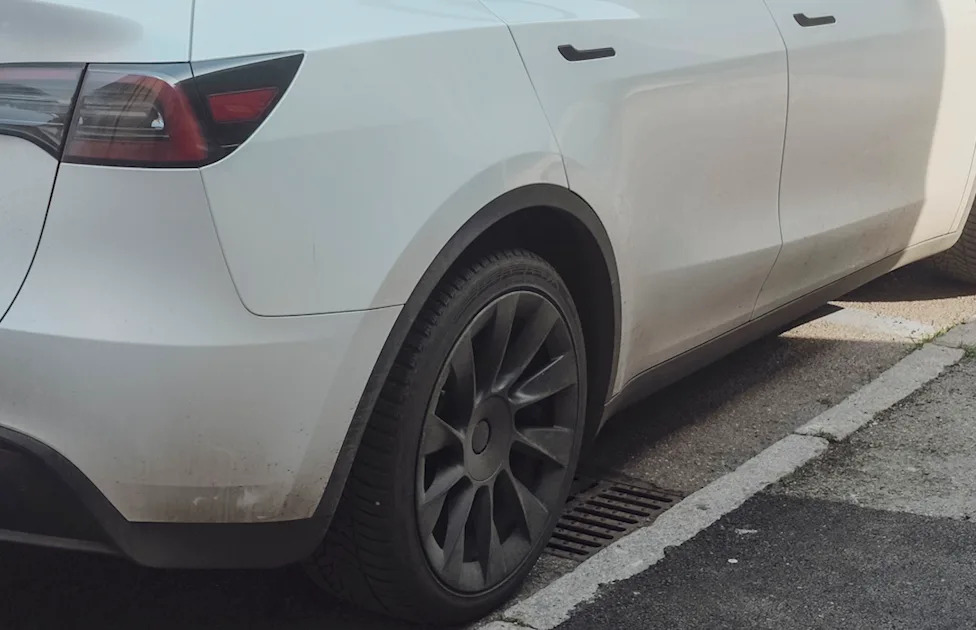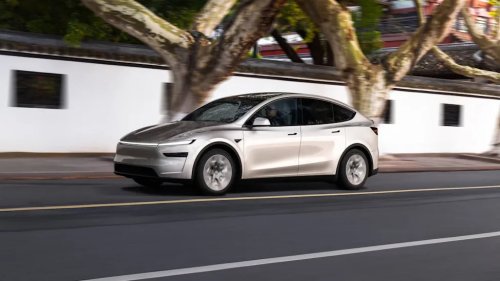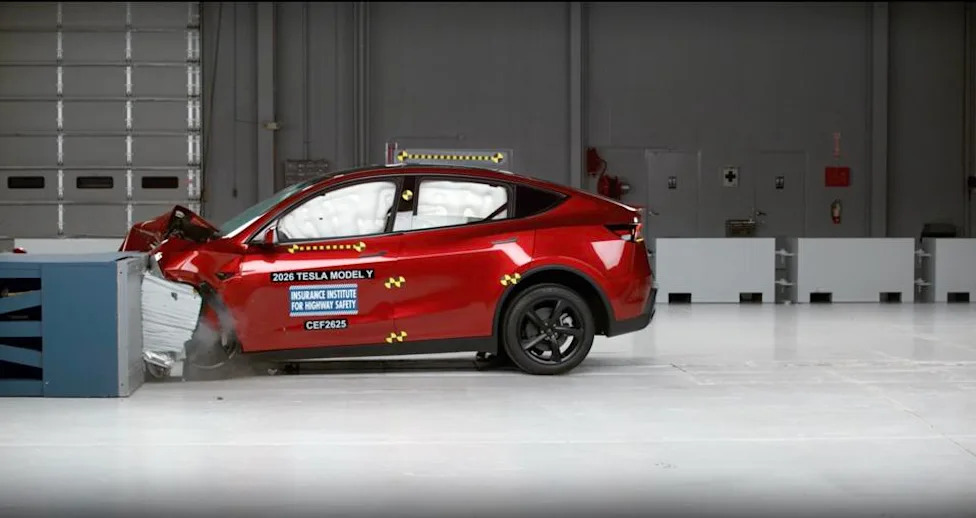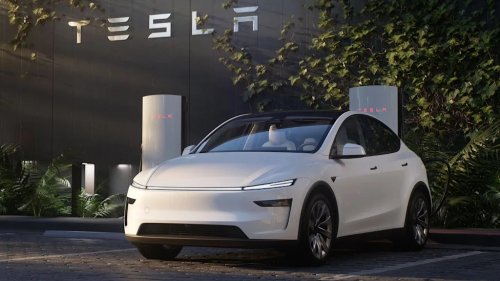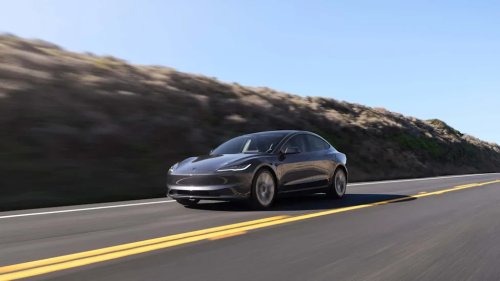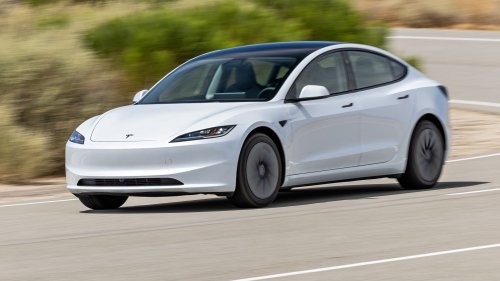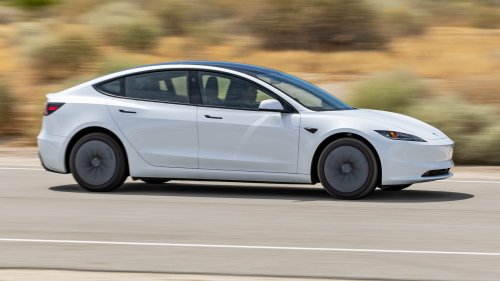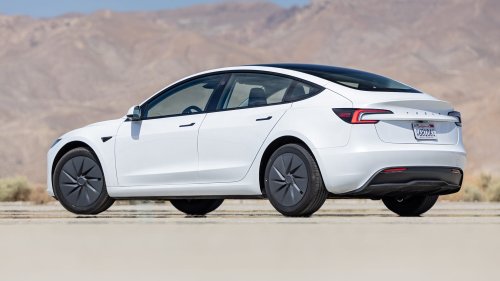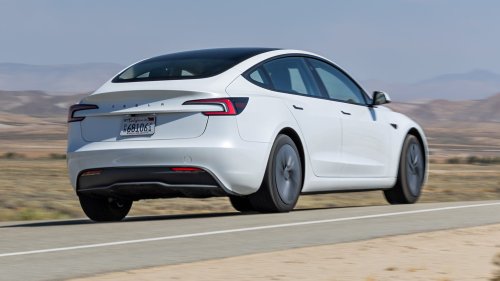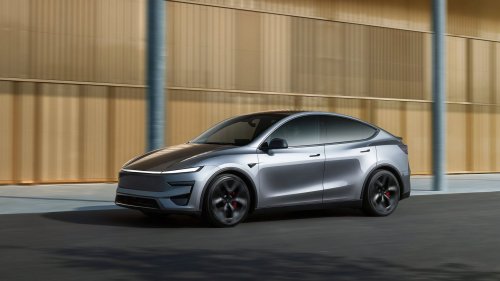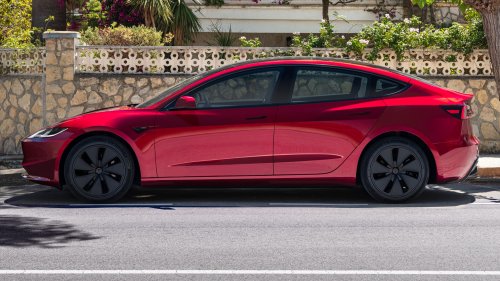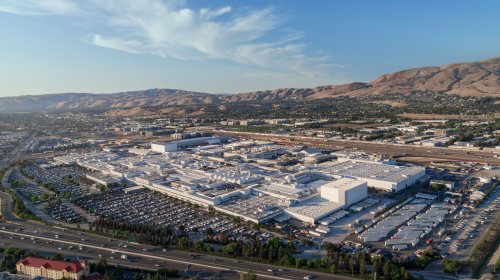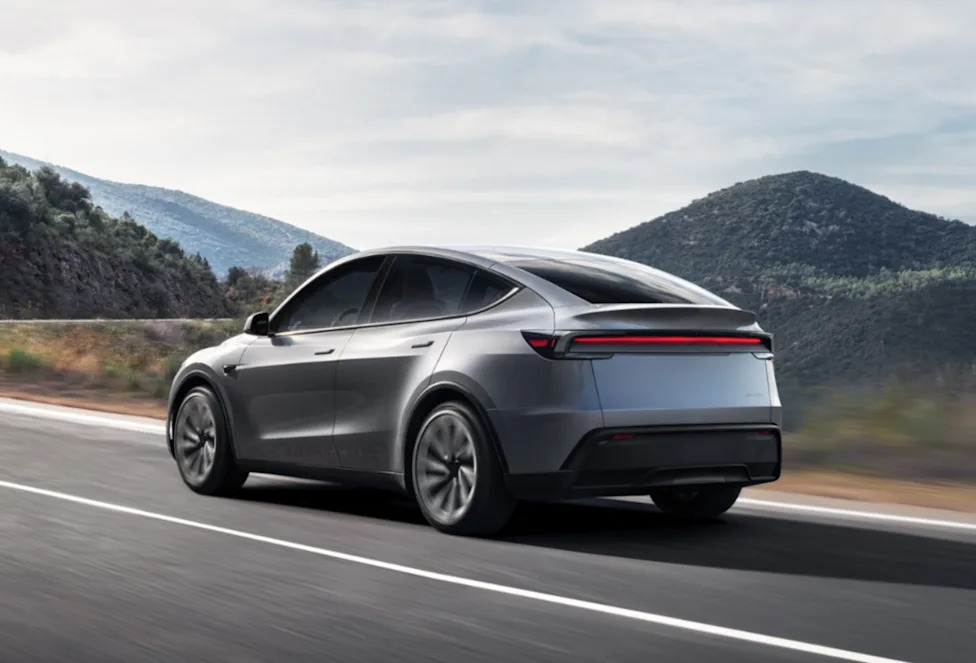

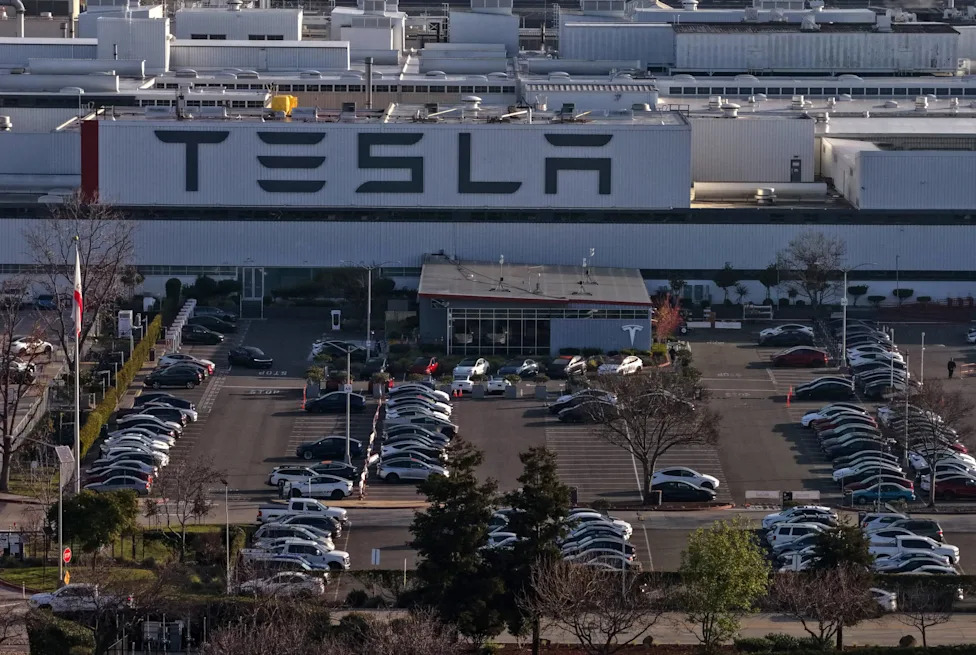



















Autoblog and Yahoo may earn commission from links in this article.Tesla is recalling a batch of 2026 Model Y crossovers due to improperly tightened front suspension fasteners. The safety action, documented by the National Highway Traffic Safety Administration (NHTSA), warns that loose lateral link bolts could degrade handling performance and increase the risk of a crash.The campaign highlights ongoing manufacturing consistency challenges for the electric vehicle manufacturer. Industry tracking data shows Tesla ranks ninth among automotive brands in total recall filings this year. Regulatory oversight remains attentive, particularly after the EV maker recently addressed a potential 2.26 million vehicle safety concern primarily through software updates rather than physical service visits.Assembly Line ErrorAccording to the NHTSA filing, the recall affects specific 2026 Model Y units assembled between July 26 and August 4, 2026. The root cause was identified as an automated assembly tool that was temporarily deactivated during production, allowing front suspension lateral link fasteners to pass through the line without reaching required torque specifications.AdvertisementAdvertisementIf these bolts loosen or separate during operation, the vehicle's front suspension geometry can shift suddenly. This condition compromises steering stability, potentially causing a loss of driver control. Service centers will inspect the affected fasteners, torque them to proper specifications, or replace damaged mounting hardware at no cost to owners. Notification letters are scheduled for distribution by late October.This front-end mechanical issue follows separate chassis concerns observed in overseas markets. Just this week, several Model Y owners documented rear suspension component failures under normal driving conditions. The combination of assembly line torque oversights and field reports has drawn renewed focus toward quality verification protocols across the brand's production facilities.TeslaNot Something an OTA can FixWhile manufacturing glitches occur across all major automakers, loose structural fasteners on newly delivered vehicles point to gaps in basic assembly line verification. Automated torque equipment is standard across the industry, but robust secondary inspection checks are essential to prevent critical hardware from leaving the factory under-torqued.Tesla has demonstrated strong capabilities in resolving electronic and software issues remotely through over-the-air updates. However, mechanical integrity relies entirely on rigorous factory-floor execution. As production scales across global plants, maintaining strict physical quality control remains vital to ensuring consumer trust and vehicle safety.This story was originally published by Autoblog on Sep 3, 2026, where it first appeared in the News section. Add Autoblog as a Preferred Source by clicking here.