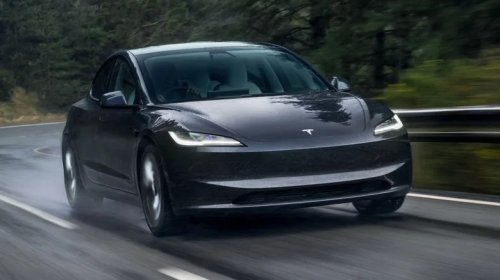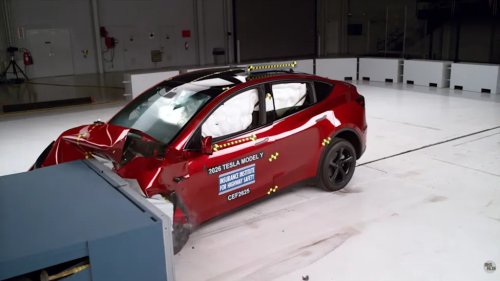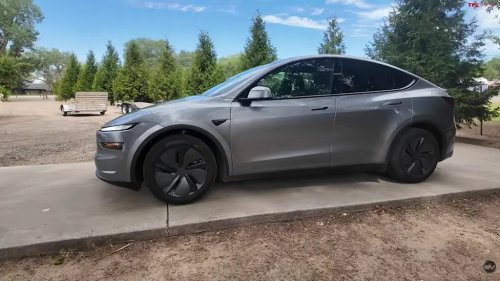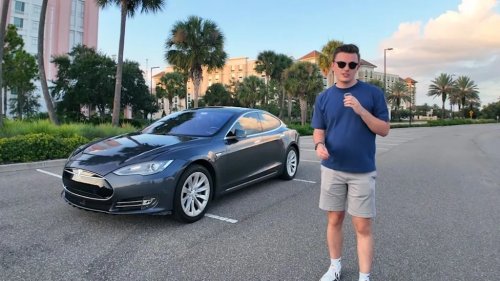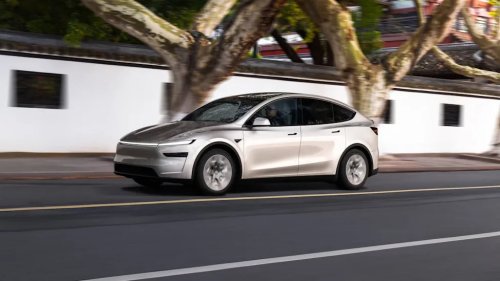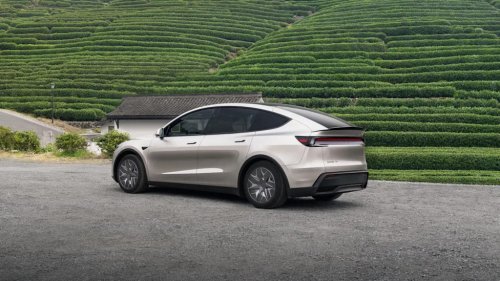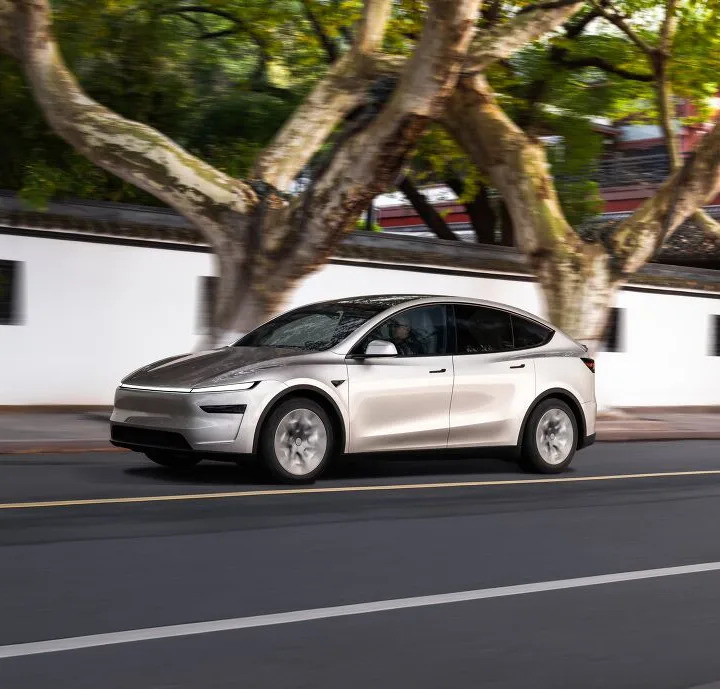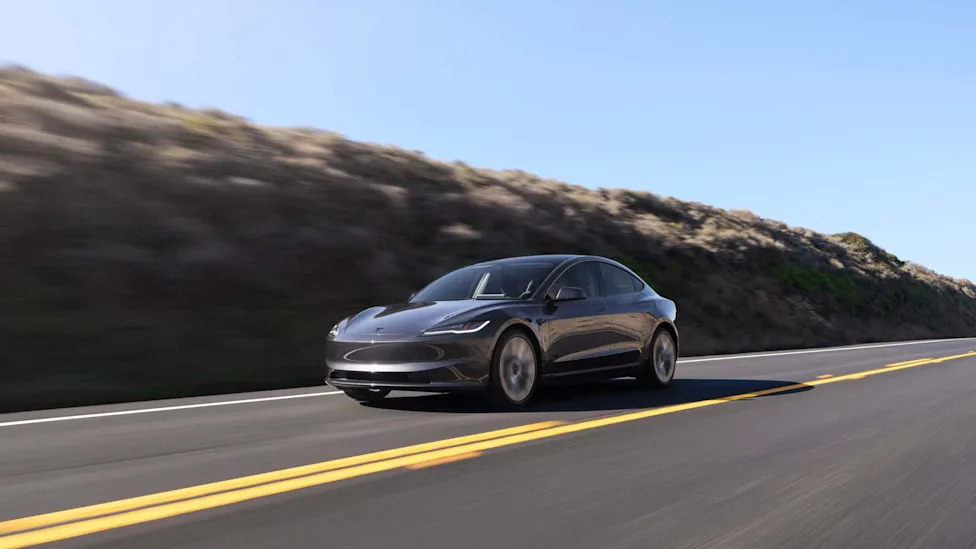
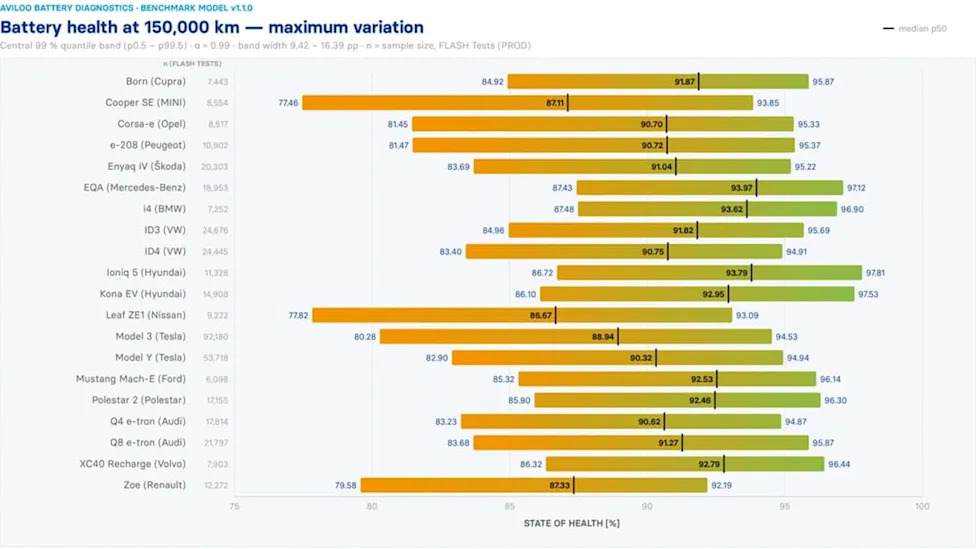




















2026 Tesla Model 3 StandardIn a study that tested the battery longevity of half a million EVs, Tesla came in near the bottom of the pack.EV batteries don't degrade as much as people once feared, research shows. But results after tens of thousands of miles can vary widely across models. The Tesla Model 3 was among the weakest performers in a large study of battery aging. The Model Y did better. Now that EVs have been mainstream for about a decade, we have more real-world data on battery longevity than ever. Thankfully, it turns out that modern EV batteries hold up pretty well, even after years of racking up miles and charging sessions. Some makes and models do better than others, though. One giant study published this week laid out how popular EVs age, and anybody in the market for a used Tesla Model Y or Model 3 should take note. On Wednesdaly, Aviloo, a battery diagnostics company from Austria, released the results of 500,000 EV battery tests conducted around the world since 2022. It zeroed in on 20 models and laid out the median battery health score for each model at three different mileages: 50,000 kilometers (31,068 miles), 100,000 km (62,137 miles), and 150,000 km (93,205 miles). The battery health score reflects how much of the vehicle's original, usable battery capacity is left.Aviloo battery state-of-health chartWhile the two Teslas weren't the worst performers—those would be the Nissan Leaf, Renault Zoe, and Mini Cooper SE—they were outshone by most of the pack. None of the vehicles in the study fared all that badly. The Leaf had the lowest median state-of-health, at 86.67%, which isn't bad at all after nearly 100,000 miles. AdvertisementAdvertisementAt 150,000 km, the median Tesla Model Y had 90.32% of its usable battery capacity. That's an EPA range reduction in the neighborhood of 30 miles. The Model 3 didn't perform as well, with a median state-of-health of 88.94%. By comparison, the median Hyundai Ioniq 5 had 93.79% of its battery capacity left after that many kilometers, while the Ford Mustang Mach-E came in at 92.53%.What's also notable is that the Teslas seemed to lose most of their battery capacity in the first 50,000 km. From brand new to that first milestone, the Tesla Model 3 dropped 6%. But then from 50,000-100,000 km, it lost only around 3%, with only another 3% from 100,000-150,000 km. The rate of loss slowed over time, which is line with what other research on battery degradation has shown. So just because a Tesla or other EV lost 10% of its range in the first 100,000 miles, that doesn't mean it'll be down 20% after 200,000. Just remember that the median doesn't tell the whole story. The range of possible outcomes is important to consider, too, if you're looking to buy a used Tesla. Aviloo shared a spread of results that it says encompasses 99% of vehicles within each model.At the low end, Model 3s had as little as 80.28% of their battery capacity remaining after 150,000 km. The lowest Model Y SoH was 82.90%. The high end for each model was 94.53% and 94.94%, respectively. This tracks with what we've observed in real-world examples too. We recently saw a 2023 Tesla Model Y that had a 77% state of health after around 110,000 miles. That car saw an exceptionally long daily commute and lived in a hot part of the U.S. AdvertisementAdvertisementSo while a roughly 10% drop in range looks like a good benchmark for around 100,000 miles in a Model Y or Model 3, that's not a guarantee. Cars that were driven hard, charged to 100% constantly, or kept somewhere hot like the American Southwest might be worse off. On the other hand, if you find a model that was treated well and kept in a temperate climate, you could be in for a pleasant surprise.More EV StoriesNissan LEAF 30-kWh Battery Degrades More Rapidly Than 24-kWh PackThis 3-Year-Old Tesla Model Y Went 100,000 Miles And Barely Fast-Charged. Here's How The Battery Held UpI Drove The $138,000 Range Rover Electric Off-Road. It Was ExceptionalEVs Hit A Record 98.7% Market Share In Norway. These Are The Top Sellers