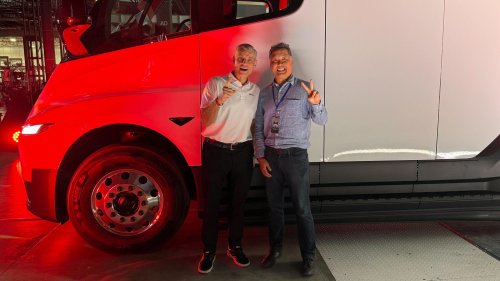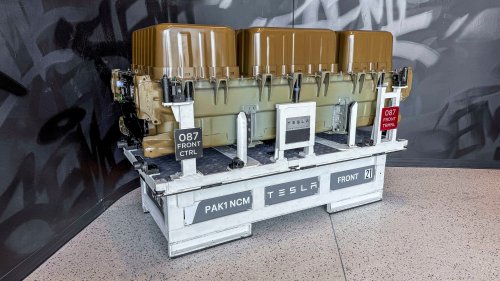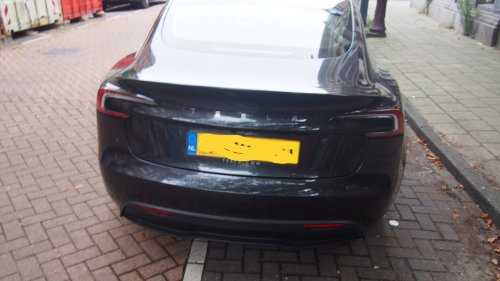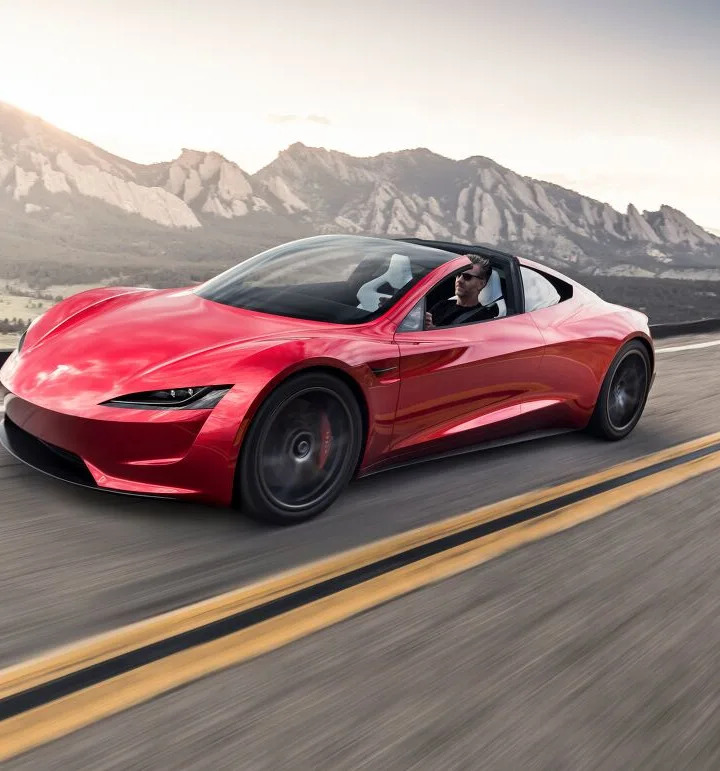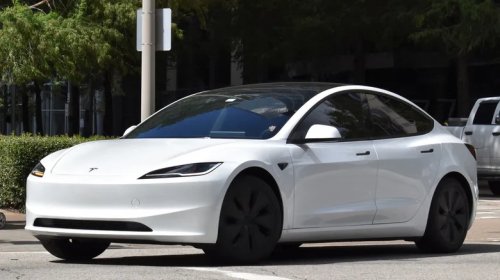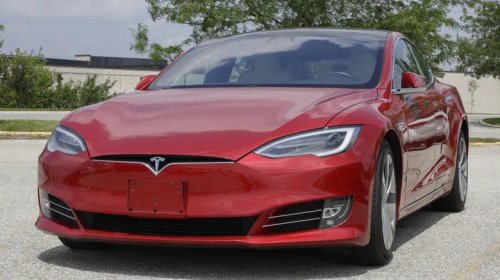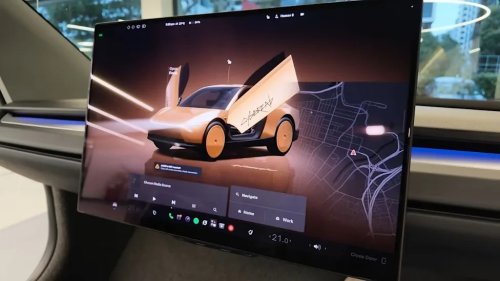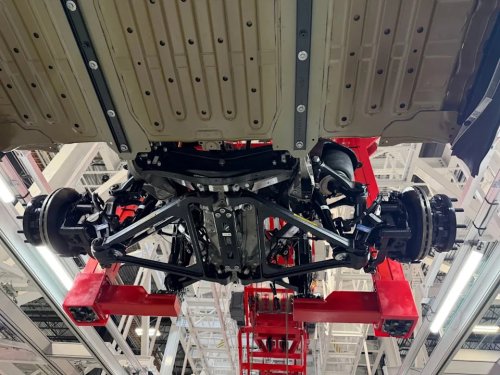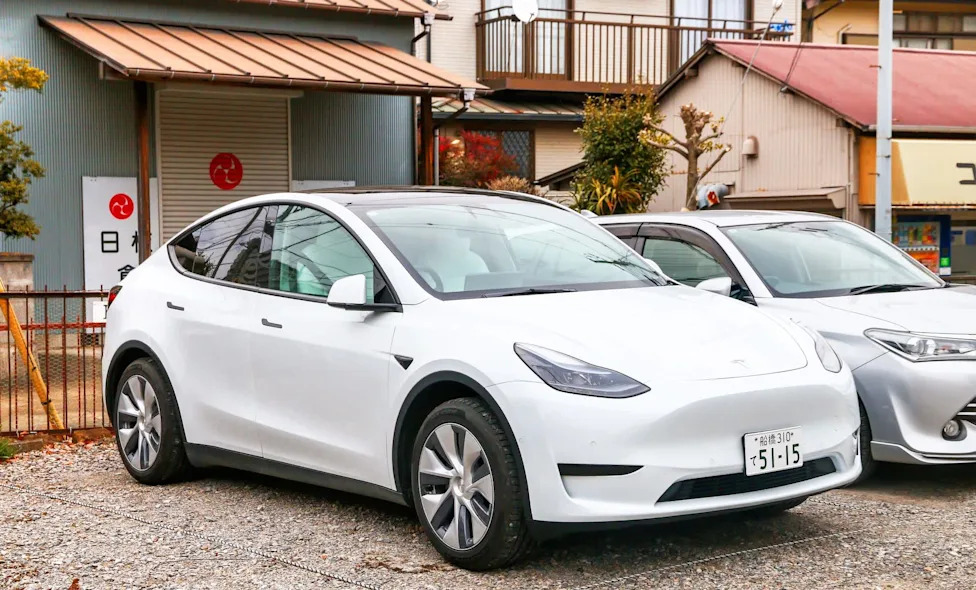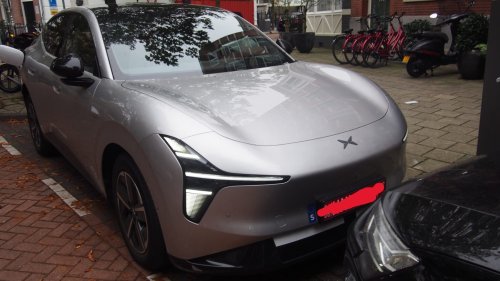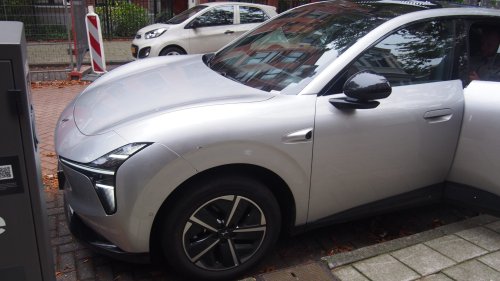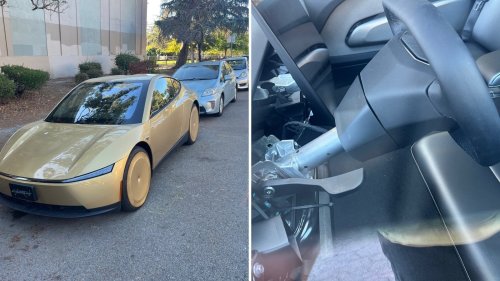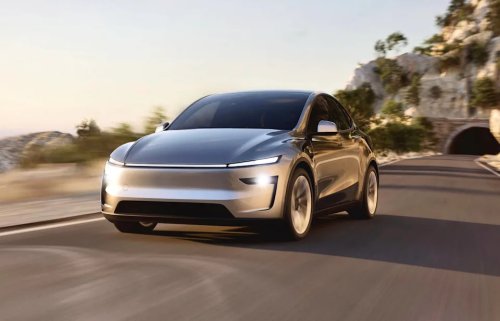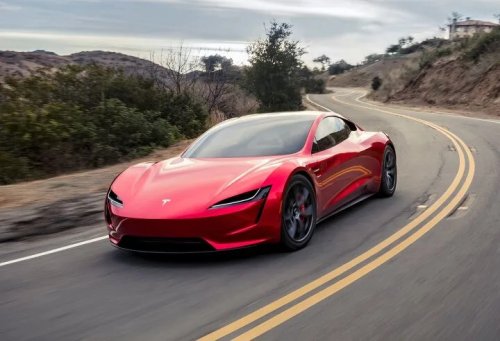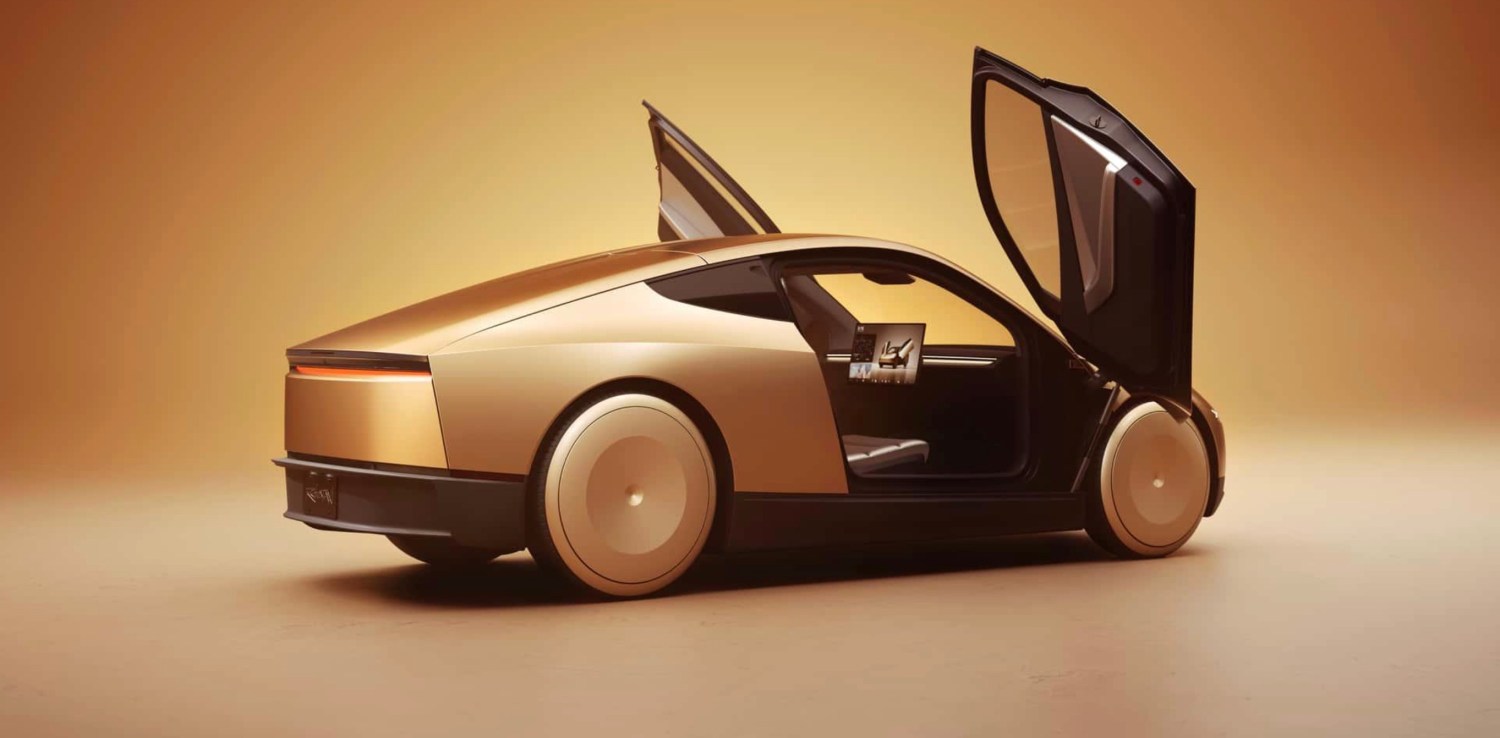



















Tesla’s Cybercab has been certified at 165 Wh/mi, making it the most efficient electric vehicle ever produced — by a wide margin. The next most efficient EV on the market, the Lucid Air Pure, consumes 28% more energy per mile. Tesla VP of Vehicle Engineering Lars Moravy confirmed the figure, which represents a certified rating — not a marketing claim or internal target. It’s an impressive achievement, but it comes with a massive asterisk: Tesla accomplished this by building a tiny two-seat robotaxi with no steering wheel, no pedals, and a sub-50 kWh battery pack. How the Cybercab compares to every other EV To put 165 Wh/mi in context, here’s how it stacks up against the most efficient EVs currently rated by the EPA: Tesla Cybercab: 165 Wh/mi Lucid Air Pure RWD (19″): 230 Wh/mi — 28% less efficient Tesla Model 3 RWD (18″): 240 Wh/mi — 31% less efficient Tesla Model Y RWD (18″): 240 Wh/mi — 31% less efficient Hyundai Ioniq 6 SE RWD (18″): 241 Wh/mi — 32% less efficient Toyota bZ3X XLE FWD: 260 Wh/mi — 37% less efficient Tesla Model S AWD (19″): 270 Wh/mi — 39% less efficient The gap between the Cybercab and every other EV on the road is enormous. Even Tesla’s own Model 3 — one of the most efficient passenger EVs you can buy — needs nearly a third more energy to cover the same distance. Advertisement - scroll for more content It’s efficient because it barely does anything Here’s the thing: calling the Cybercab the “most efficient EV ever” is technically accurate, but it’s a bit like comparing a motorcycle’s fuel economy to a sedan’s. The Cybercab is a purpose-built, two-seat autonomous pod with no driver controls. No steering column, no pedal assembly — all of that weight and complexity is gone. Tesla designed a teardrop-shaped body that narrows significantly at the rear, optimized purely for aerodynamics rather than rear passenger comfort or cargo space. The result is a vehicle with a sub-50 kWh battery pack that Tesla claims can deliver close to 300 miles of range. But every passenger car on the market carries a steering wheel, pedals, four or five seats, a trunk, crash structures designed for occupants in multiple locations, and all the weight that comes with it. The Cybercab ditched all of that in favor of a single mission: carry two passengers as cheaply as possible per mile. That’s a legitimate engineering strategy for a robotaxi fleet vehicle. It’s not a fair comparison to a car you’d actually buy. The efficiency matters for Tesla’s robotaxi economics Where the 165 Wh/mi figure genuinely matters is in the economics of running a robotaxi fleet. Energy cost per mile is one of the biggest operating expenses for any ride-hailing service, and the Cybercab’s efficiency gives Tesla a structural cost advantage over competitors. At average US electricity rates of roughly $0.16/kWh, the Cybercab costs about $0.026 per mile in energy — compared to roughly $0.038 per mile for a Model 3 and $0.048 for a Hyundai Ioniq 5. Over hundreds of thousands of miles in fleet service, those fractions of a cent add up. The small battery pack also means faster charging times and lower per-vehicle battery costs — both critical for fleet economics. Tesla has said the Cybercab will cost $30,000, and the efficient powertrain is a big part of hitting that price target. Tesla confirmed Cybercab production has started at Giga Texas in April, though the ramp is expected to be slow initially. The company still hasn’t solved unsupervised autonomous driving — the first steering wheel-less unit rolled off the line in February, but Tesla’s supervised robotaxi fleet currently crashes at roughly four times the rate of human drivers. Meanwhile, the program has been hit by a leadership exodus, with three senior leaders departing since February. Electrek’s Take The Cybercab’s 165 Wh/mi efficiency rating is genuinely impressive engineering. Getting close to 300 miles of range from a sub-50 kWh battery pack is a real achievement, and it demonstrates that Tesla’s powertrain team still knows how to push boundaries. But we need to be honest about what’s happening here. Tesla achieved this number by building the most constrained vehicle imaginable — two seats, no controls, a tiny footprint. That’s not a criticism of the vehicle’s purpose; a robotaxi should be optimized for cost-per-mile, and utility. The problem is that the efficiency record is meaningless if Tesla can’t solve the autonomy problem. A robotaxi that can’t drive itself is just a very efficient two-seat car that nobody can use. And right now, Tesla’s unsupervised driving isn’t ready to scale. So yes, hate it or love it, the Cybercab is the most efficient EV ever made. Whether that matters depends entirely on whether Tesla can deliver on the autonomy promise that makes the whole concept work. Whether you drive a Tesla or any other EV, powering your car with home solar is the smartest way to lock in low energy costs — and efficiency like the Cybercab’s proves how far a kilowatt-hour can go. With electricity rates climbing nearly 10% last year, home solar protects you against future rate increases. And with lease and PPA options, you can go solar with zero upfront cost and start saving immediately. If you want to find the best deal, check out EnergySage. It’s a free service with hundreds of pre-vetted installers competing for your business, so you save 20 to 30% compared to going it alone. No sales calls until you pick an installer. Get your free quotes here. Stay up to date with the latest content by subscribing to Electrek on Google News. You’re reading Electrek— experts who break news about Tesla, electric vehicles, and green energy, day after day. Be sure to check out our homepage for all the latest news, and follow Electrek on Twitter, Facebook, and LinkedIn to stay in the loop. Don’t know where to start? Check out our YouTube channel for the latest reviews.