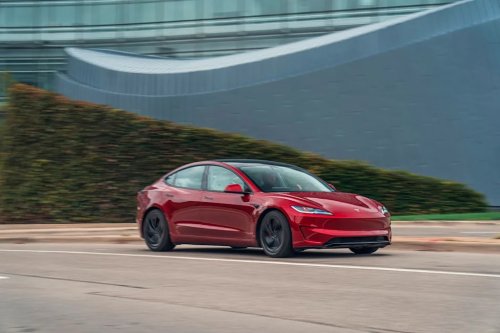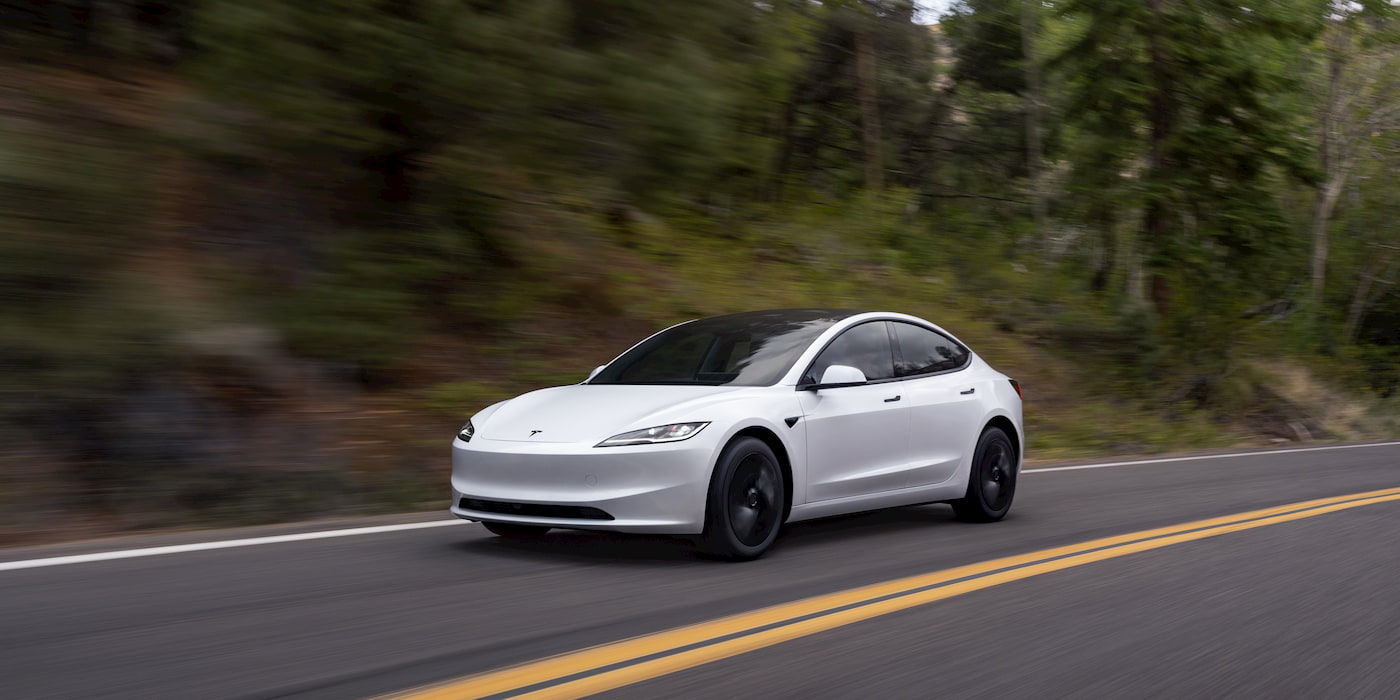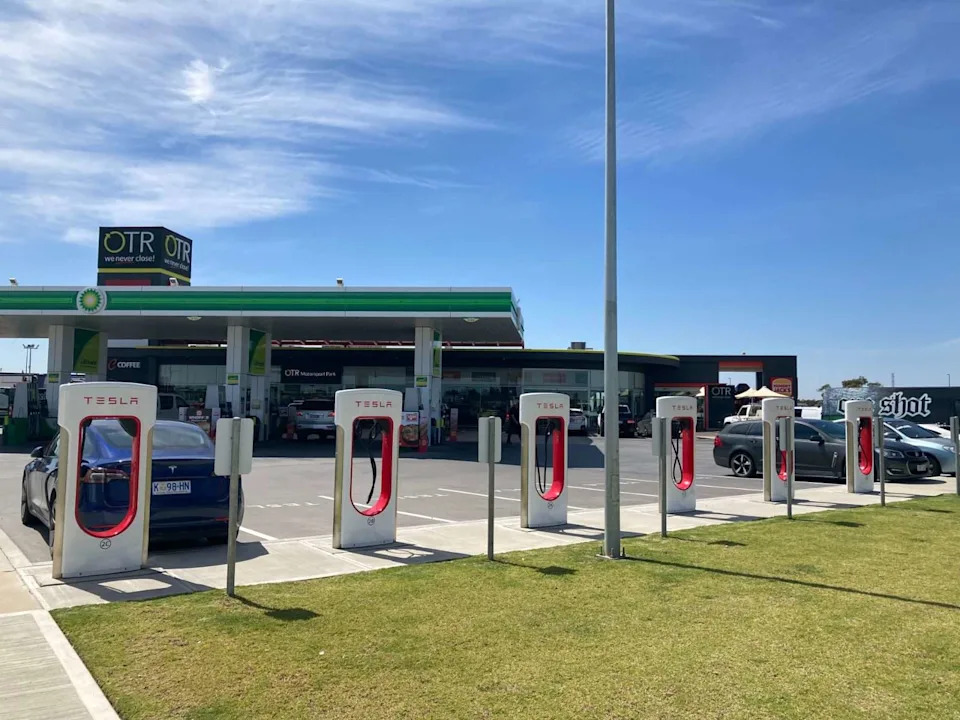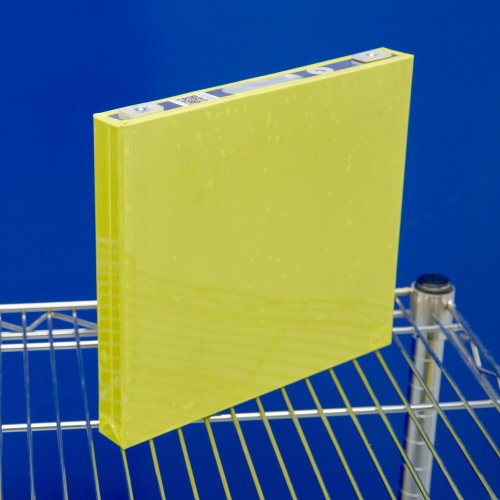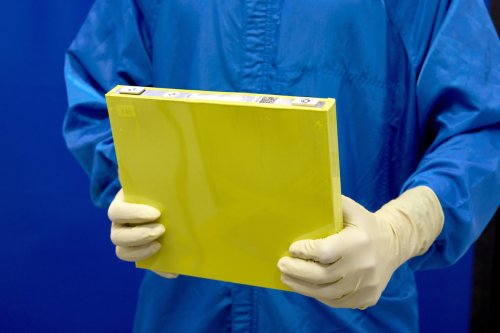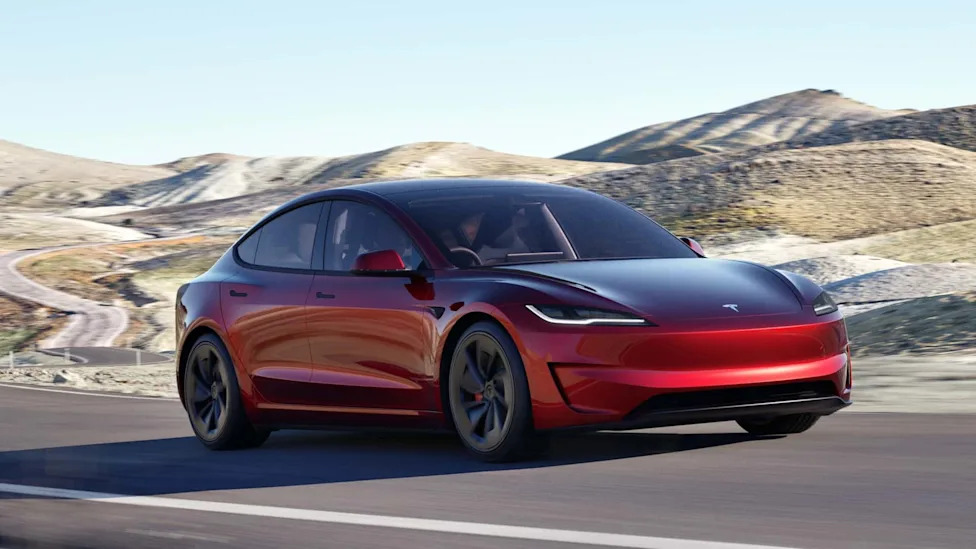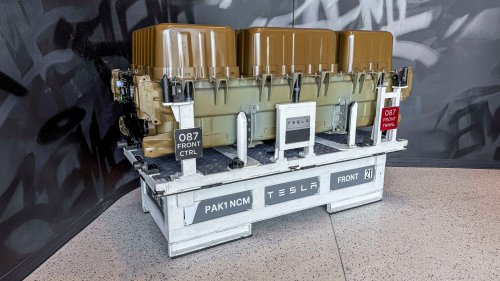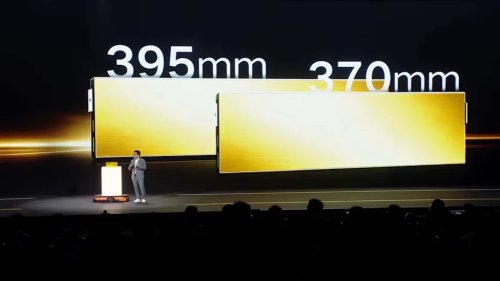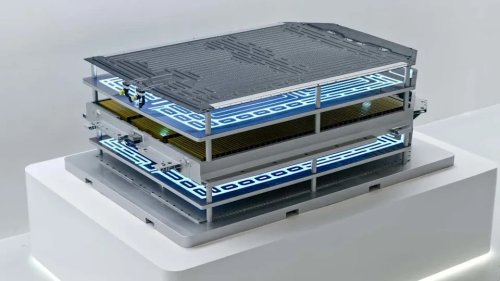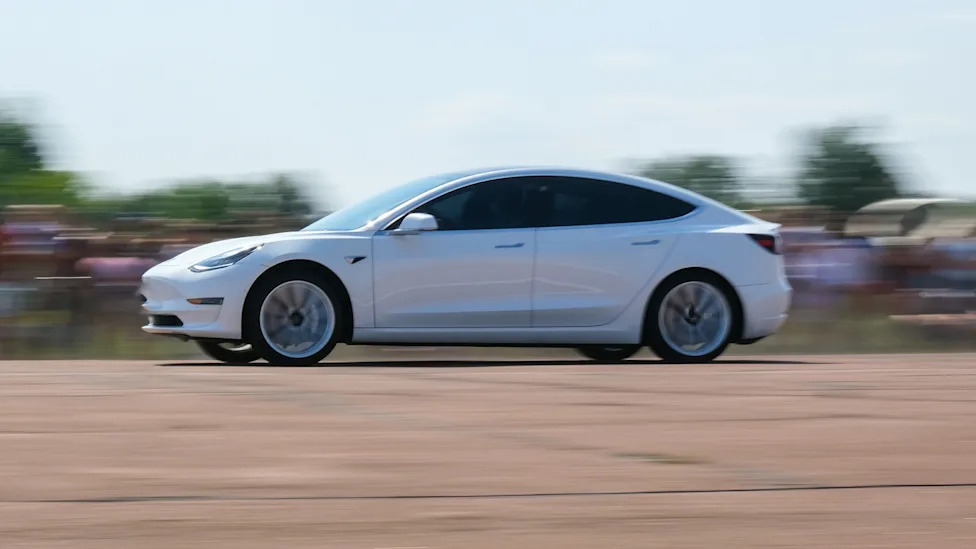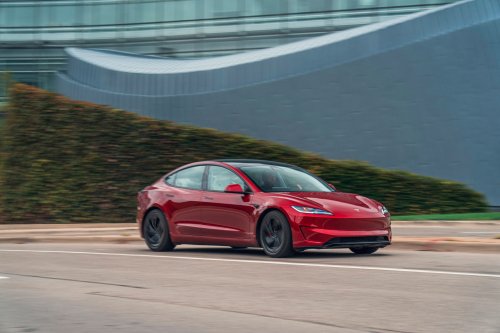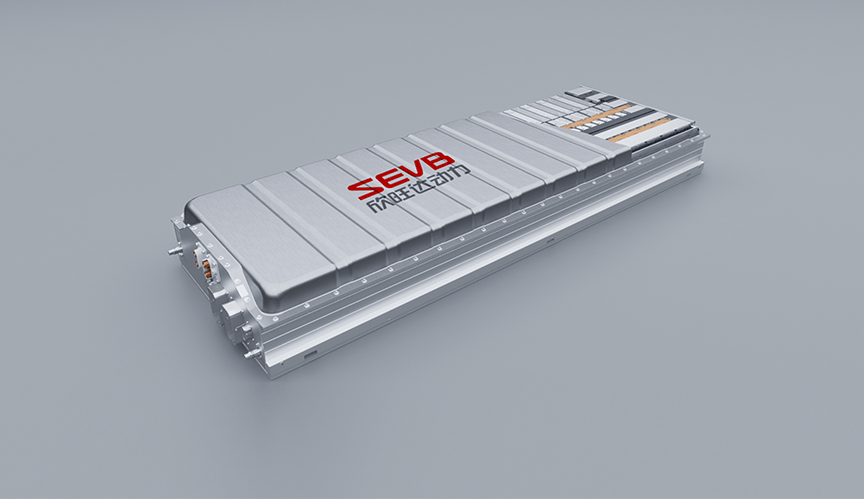
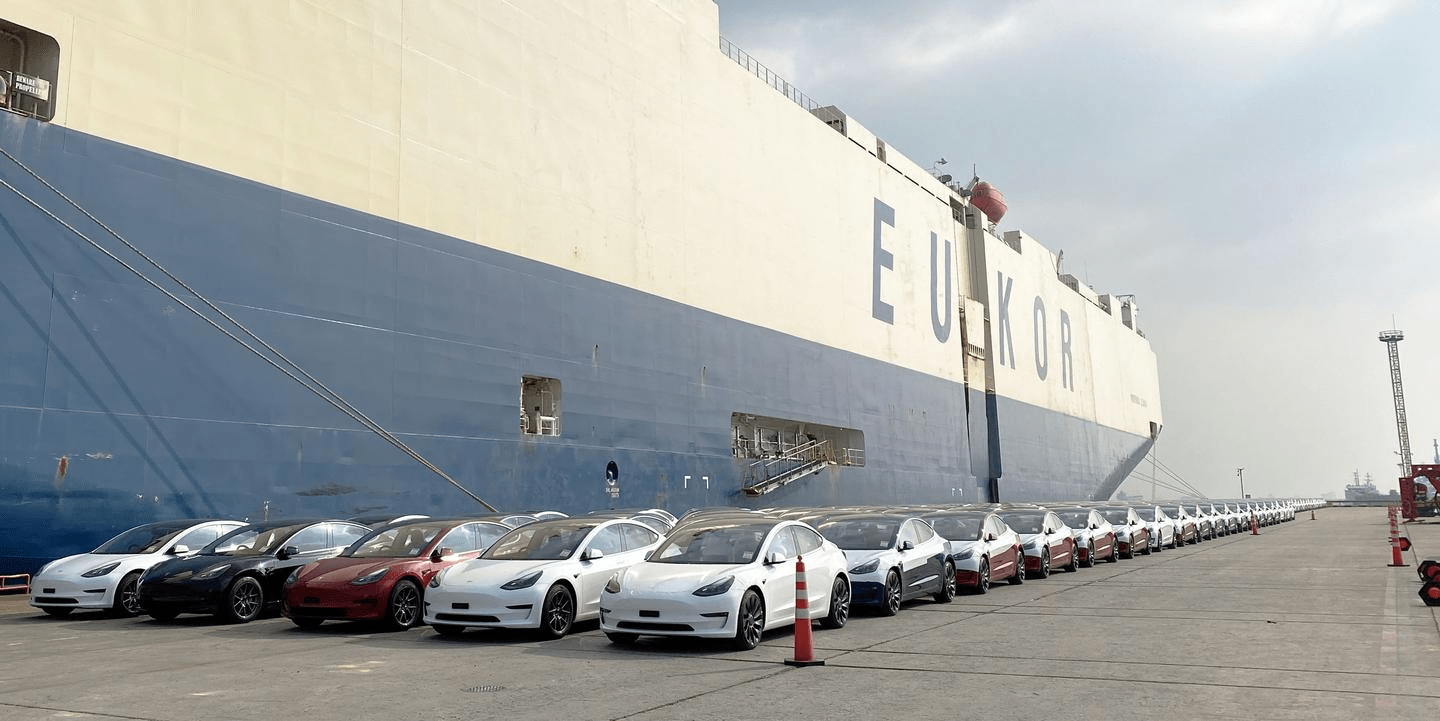
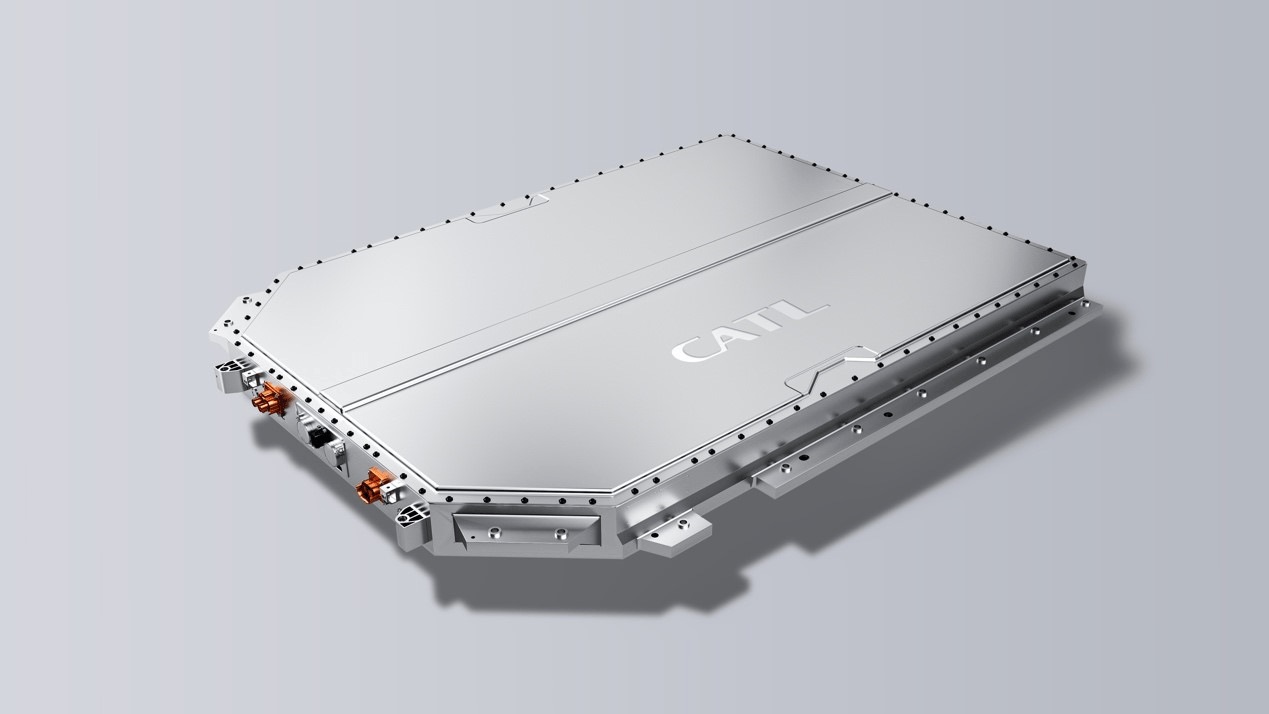

















Sunwoda’s subsidiary Sunwoda Power has entered Tesla’s global supply chain, becoming its fifth battery supplier after CATL, Panasonic, LG Energy Solution, and BYD, according to domestic media report citing supply chain sources. Relevant battery cells have already been shipped from Sunwoda’s Yiwu plant in Zhejiang and are being installed in vehicles produced at Tesla’s Shanghai Gigafactory for overseas markets. Actual supply has been ongoing for some time. In terms of supply structure, this cooperation differs from previous arrangements. Tesla is no longer directly procuring battery modules but instead sourcing battery cells from Sunwoda, while handling module and PACK integration in-house, further reducing costs. Sunwoda Power battery This shift reflects Tesla’s continued cost pressure. Power batteries typically account for more than 30% of total vehicle cost, making them a primary lever for cost optimization. Historically, Tesla has relied on CATL for lithium iron phosphate (LFP) batteries and on Panasonic and LG Energy Solution for high-performance models. However, these suppliers either offer limited pricing flexibility or follow higher-cost technology pathways, constraining margin improvements. Compared with leading suppliers, second-tier battery makers such as Sunwoda tend to adopt more aggressive pricing strategies. At the same time, they are deploying third-generation LFP materials capable of supporting 3C charging rates, achieving a balance between cost and performance. Tesla’s Model 3 exported from China From a timeline perspective, the current batch of batteries is mainly used in export models. Based on Tesla’s usual practice, new suppliers typically undergo a validation cycle of nearly one year before being introduced into domestic models, leaving short-term adoption in China uncertain. For a long time, the power battery market has been dominated by CATL and BYD, with other players facing difficulty in breaking through despite smaller gaps in installed capacity. CATL power battery Entry into Tesla’s supply chain represents a significant opportunity for Sunwoda to expand its market position. Prior to this, Sunwoda had already established a joint venture with Li Auto. Batteries co-developed by Li Auto and manufactured by Sunwoda are expected to be deployed in upcoming models this year. In addition, Xiaomi’s new vehicle, equipped with Sunwoda batteries, is also set to launch this year. For Tesla, its automotive business remains the core revenue driver. In 2025, its annual deliveries declined by 8.6%, while automotive revenue fell by 10%. With emerging businesses such as robotaxi and xAI yet to scale, cost control in vehicle manufacturing has become increasingly critical.