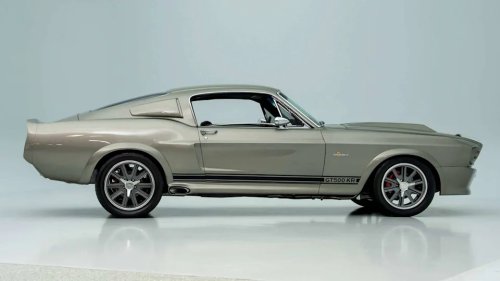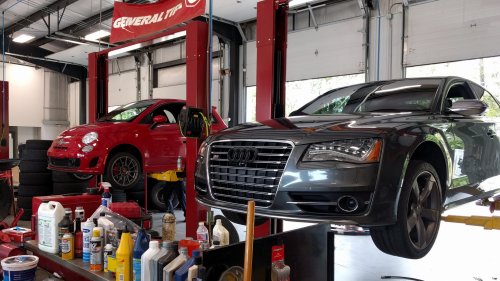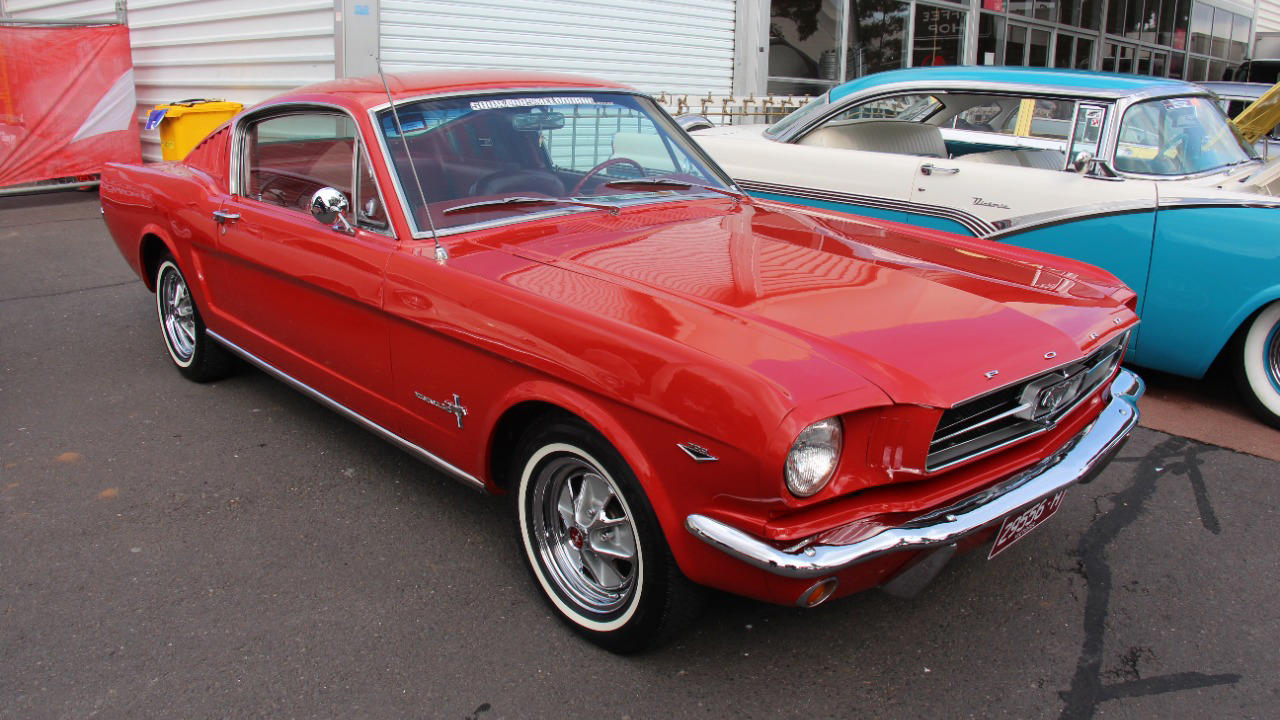























Two people who bought cars from Sunset Auto Sales in Wichita have their money back, $10,600 and $10,000, and none of it was paid by Sunset Auto Sales.The checks were drawn on the dealership's licensing surety bond, the coverage Kansas requires every new and used car dealer to carry. The Sedgwick County District Attorney's Office announced the refunds on Wednesday, Sept. 2, after what it described as more than 500 days of investigation and litigation, according to the office's release as reported by KAKE and KSN. The bonding company first denied the claim. The money arrived only after a prosecutor sued the dealership and its manager, the owner settled on terms that closed the business, and the DA's office pressed the claim with the Kansas Department of Revenue's Dealer Licensing division.That is a lot of government effort for $20,600, and it shows where a used-car buyer in Kansas stands when a small lot stops returning calls. The dealer bond is often the only money left once a dealership folds. State law makes it hard for a buyer to reach that money alone, and a dealer that hurts enough customers can drain it.A 2006 Mustang GT with no title and a transmission job that never happenedThe first complaint traces to September 2024, when a customer bought a 2006 Ford Mustang GT from Sunset as a gift for his daughter. He paid for the car. Sunset never delivered the title, so the family could not register it. He paid out of pocket for repairs the car needed. Then the transmission failed, and the dealer took the car back to replace it, at more cost to him. According to the DA's office, Sunset never replaced the transmission and never returned the car. When he asked for a refund, the office said, the dealership responded with "promises to take corrective action but never corrected the issues."The DA's office says Sunset Auto Sales charged one buyer for a transmission replacement it never performed, then kept the car. Photo by Jimmy Nilsson Masth on Unsplash (illustrative; not the shop or vehicle in the case)A second customer filed a similar complaint soon after. Both cases went to investigator Jimmie Merrick. KAKE's account of the release says the dealership's manager kept offering assurances that the matter would be resolved while the owner relocated to Texas. After the dealership was given several chances to make the buyers whole, Assistant District Attorney Chris Garcia sued the dealership and its manager. The litigation ended in a settlement with the owner under which Sunset stopped doing business. Merrick handed the first buyer a $10,600 check on July 30. The $10,000 check for the second buyer went by mail.The release, as the two stations published it, does not name the owner or the manager, and it does not say what became of the Mustang. The DA's office describes the buyers as defrauded. The case ended in a settlement, and the release does not describe a court finding of fraud.Kansas gives a seller 60 days to hand over a titleThe missing title is the earliest red flag in this case, and Kansas law puts a date on it. Under K.S.A. 8-135, a seller must deliver the signed-over title when the buyer takes the car, or at a time the two sides agree on, capped at 60 days after delivery, weekends and holidays included. That agreement has to be made on a form provided by the state's Division of Vehicles. A dealer is treated as holding the title once it has applied to the state for it.The same statute gives a new owner a 60-day window to apply for registration, with temporary registration required to drive in the meantime, and makes it unlawful to drive the car on public roads after that period unless it has been registered. The buyer applies by presenting the assigned title. A buyer still waiting on paperwork on day 61 owns a car he cannot legally drive, which is where the Mustang buyer ended up.The release does not say why Sunset never produced the title, and a buyer doesn't need to know why. A lapsed 60-day deadline is a specific statutory fact to put in a complaint, which carries more weight than another phone call to the lot. Title paperwork is also where some far worse dealer cases begin; this summer a Salt Lake City lot called The Good Car Dealer was accused of forging title documents to put hail-damaged cars back on the road as clean.The $50,000 bond pays on a court judgment, not a complaintK.S.A. 8-2404 requires every licensed new or used vehicle dealer to keep a $50,000 corporate surety bond, written in the name of the state of Kansas for the benefit of any buyer or seller the dealer harms. It covers losses caused by conduct that would be grounds to suspend or revoke a dealer's license. K.S.A. 8-2410 lists those grounds, and they include knowingly defrauding a retail buyer to the buyer's damage.The bond does not pay because a customer files a complaint. Under 8-2404, the proceeds are paid after the state's director of vehicles determines that a Kansas court has entered a final judgment and that the judgment resulted from a violation of the dealer licensing act or from conduct that would justify discipline. That determination is exempt from the state's administrative procedure and judicial review acts. If the surety still refuses, the person named in the judgment has to go back to court to enforce payment, and a court that finds the refusal wrongful must award that person reasonable attorney fees.For a buyer acting alone, the route to a bond check runs through a lawsuit, a final judgment and a state determination, with a possible second lawsuit against the surety after that. The release does not say why Sunset's surety first denied the claim, or whether the settlement was entered as a judgment. It does show that two buyers got paid in full after a county prosecutor filed the suit and the state's licensing office got involved. Most people out $10,000 on a used car cannot easily pay a lawyer to do the same.One $50,000 pot for every customer a dealer harmsThe statute caps the surety's total liability for all breaches at the amount of the bond. The Department of Revenue's D-30 bond form states that the cap holds regardless of how many years the bond stays in force or how many claims are made against it. Sunset's two refunds used $20,600. If no one else claimed against the bond, $29,400 remained; the release does not say whether there were other claims.A larger collapse would exhaust it. A lot that leaves eight buyers $10,000 short apiece has run up $80,000 in losses against a $50,000 bond, and beyond that the buyers are chasing whatever the owner still has. That is how a Minnesota dealer case ended this summer, with a settlement sized to what the dealer told the state it could pay rather than to what customers lost.The surety can also leave. Under 8-2404 it may cancel a bond on 30 days' notice to the director, after which it is no longer liable for anything the dealer does once the cancellation takes effect. Conduct before that date stays covered.The required amount has changed, too. The current statute sets it at $50,000, and the D-30 form at that figure carries an April 2021 revision date; the statute's most recent amendment took effect Jan. 1, 2022. The department's online dealer and salesperson handbook, marked as revised in June 2018, still lists a $30,000 bond for used vehicle dealers. The statute controls.Where a buyer at a small lot has leverageThe Sunset case points to three moments. The first is at signing: if the title doesn't come with the keys, get the delivery date written on the state's form and treat 60 days as the outer limit. The second is the repair handoff. The Mustang buyer gave the car back to the seller for a transmission replacement, and from then on the dealer held the car, the paperwork and the money. A written repair order with a price and a return date won't stop a dealer determined to stall, but it gives an investigator a document to work from.The third is timing the complaint. The Sedgwick County District Attorney's Consumer Protection Division takes complaints at 316-660-3600, and the Department of Revenue's Dealer Licensing bureau oversees the license the bond is attached to. A complaint filed while the lot is still open and its bond still in force has more behind it than one filed after the owner has moved out of state.As written, Kansas law sends a buyer through a court judgment before a dealer's bond pays anything, and caps that bond at $50,000 no matter how many buyers one dealer harms. Sunset's two customers were made whole because a county prosecutor carried their case for more than 500 days. A buyer without that help has to bring the lawsuit, win the judgment and deal with the surety alone.Should a Kansas buyer have to win a lawsuit before a dealer's bond pays anything?⚡ Read the full article on The Auto Wire