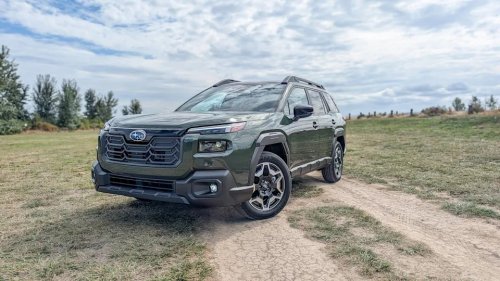
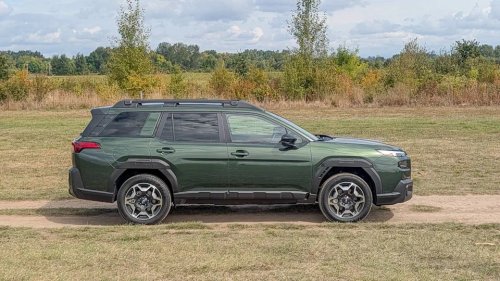
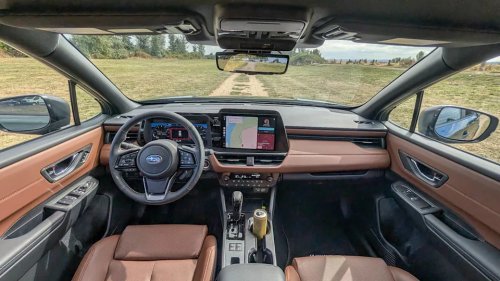
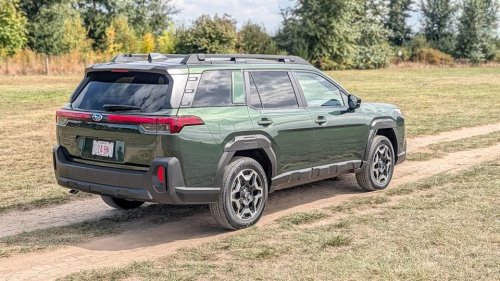
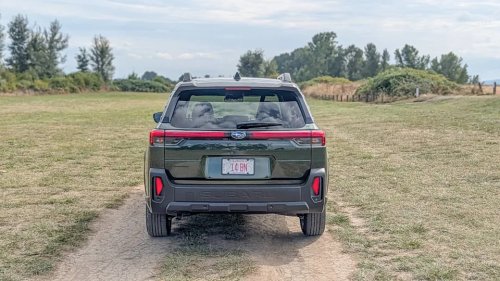
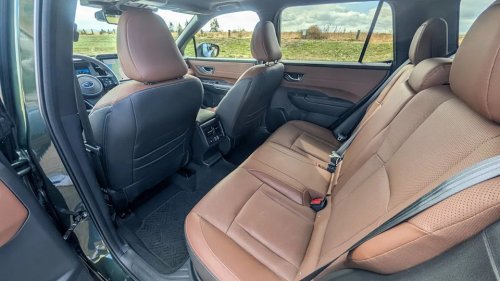
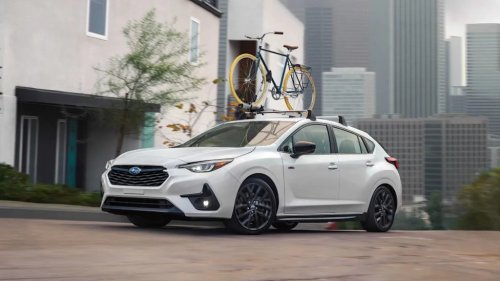
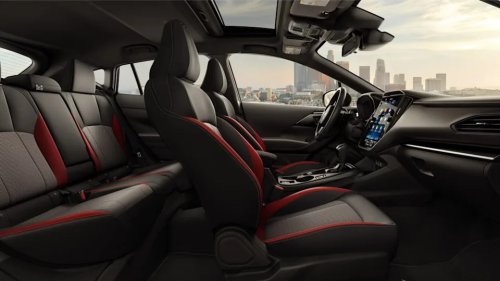
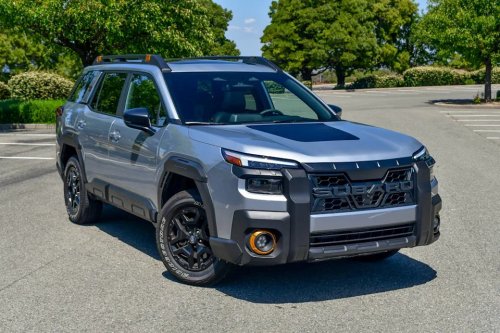
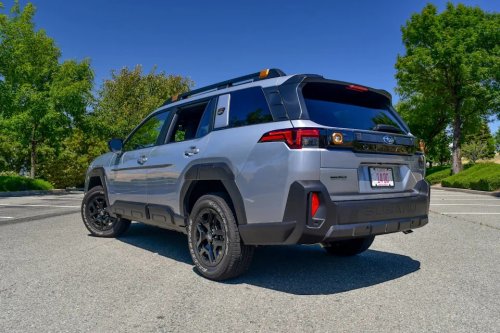
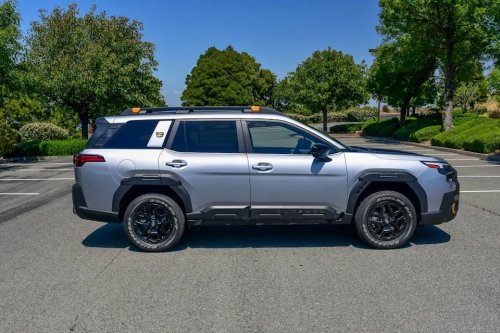
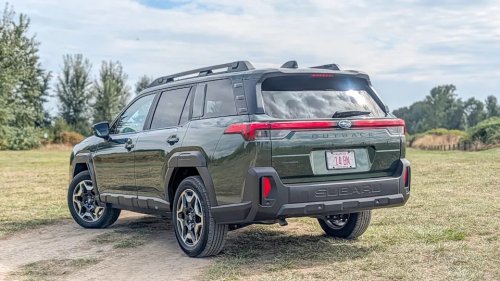
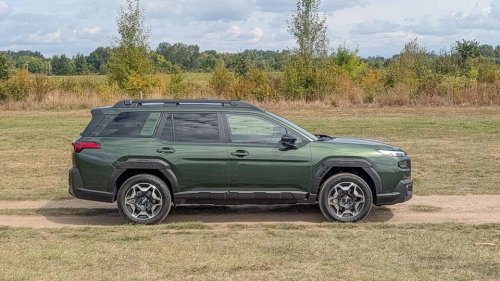
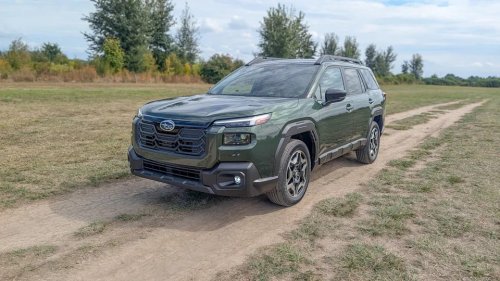
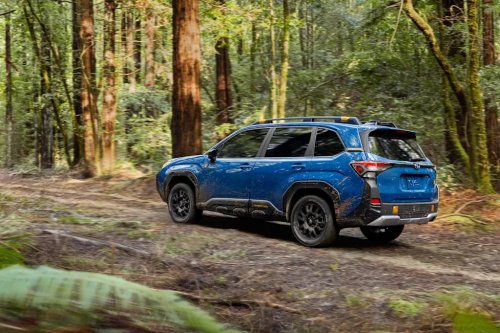
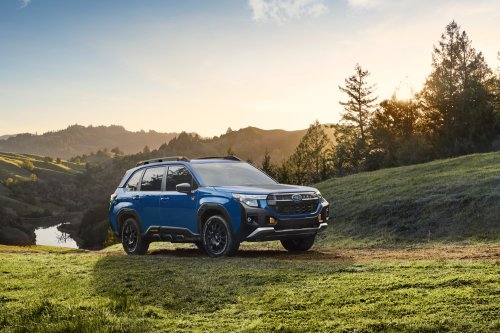
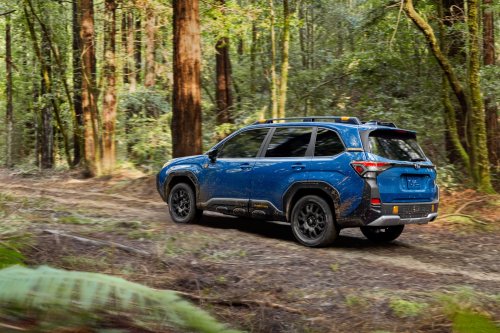
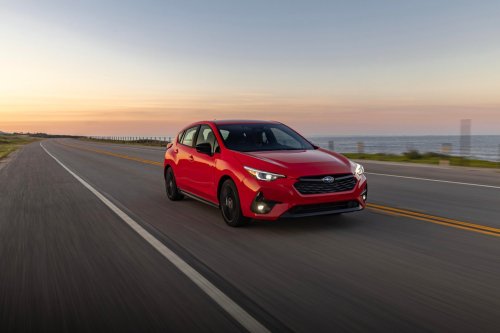
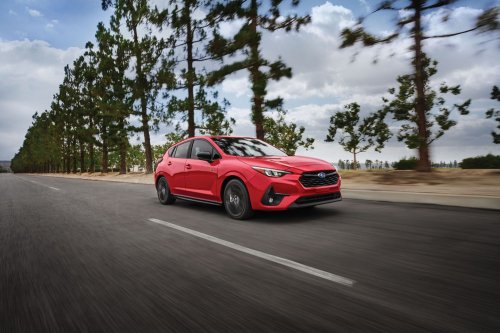
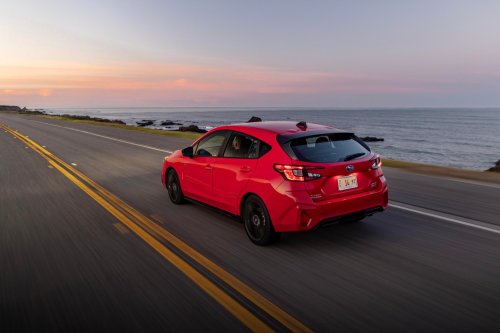
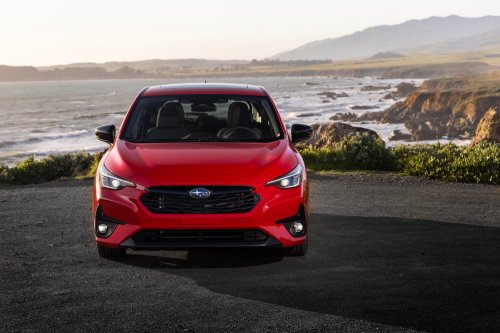
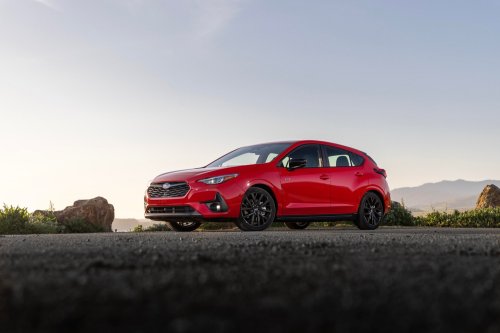
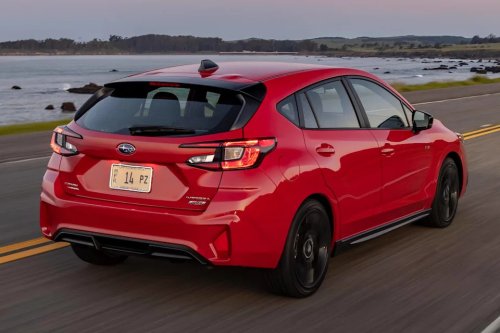
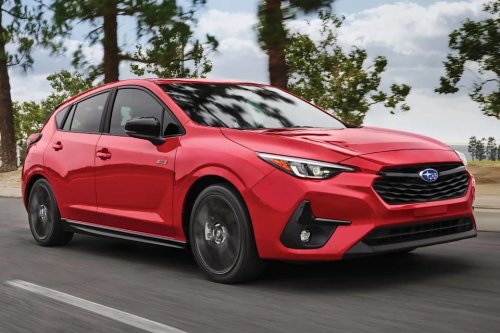
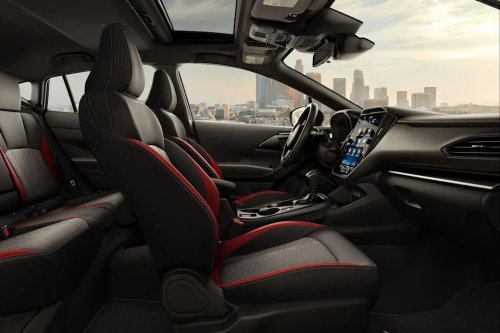
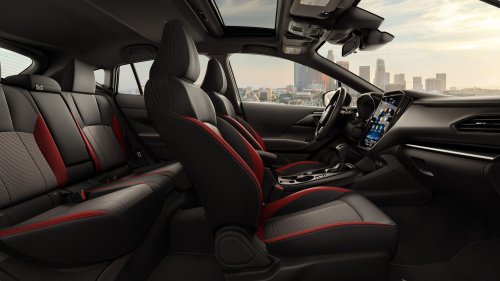
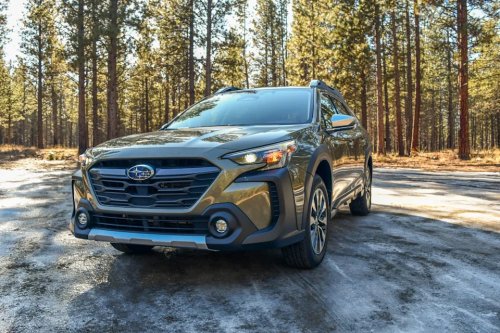
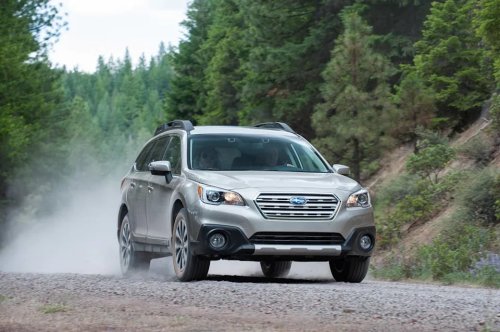
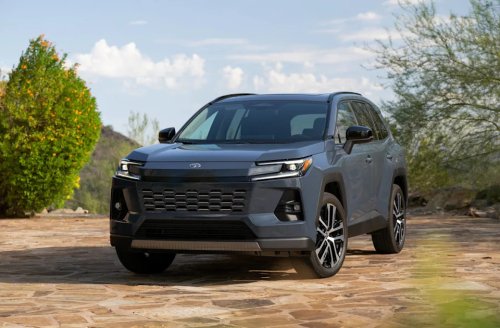
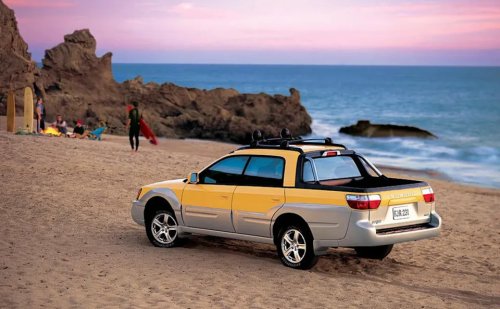
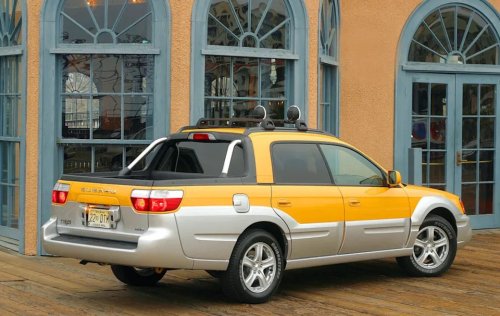
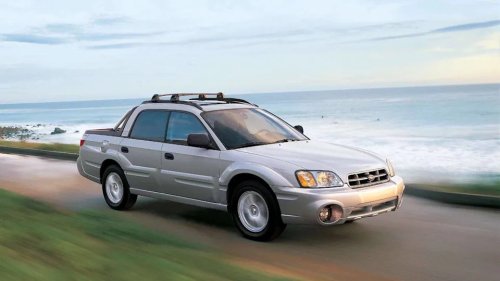
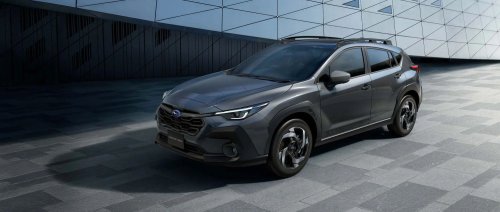
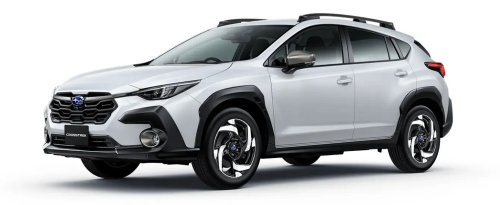
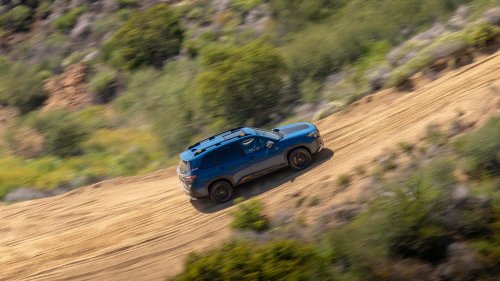
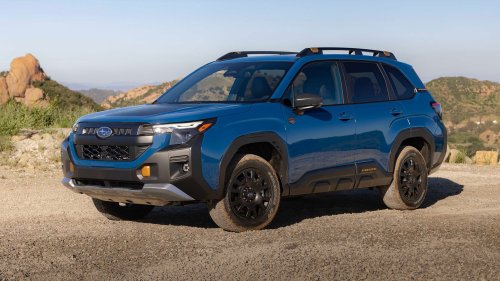
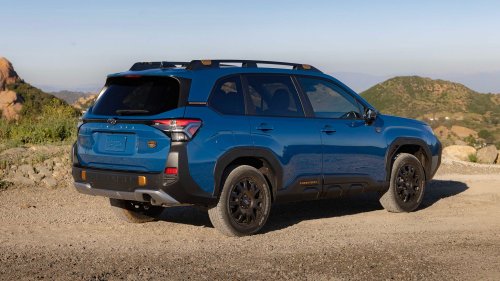
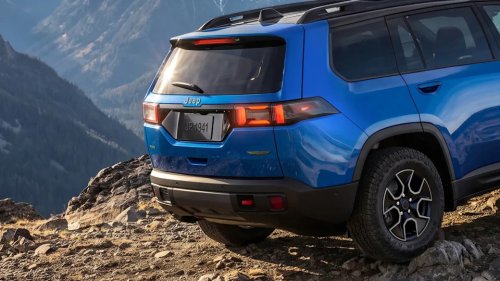
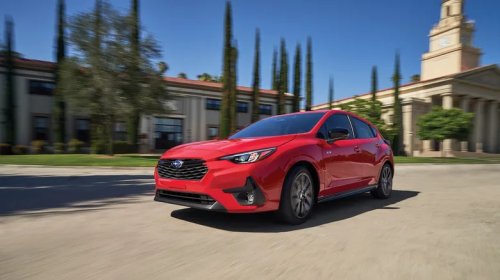
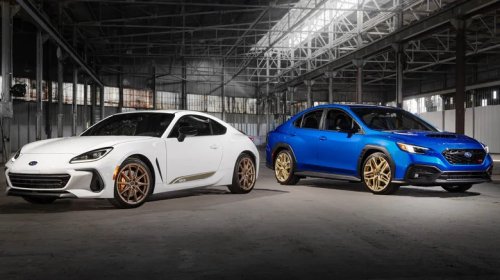
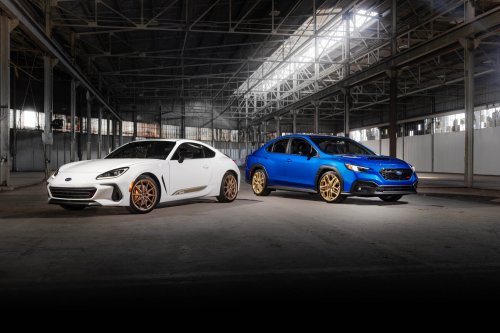
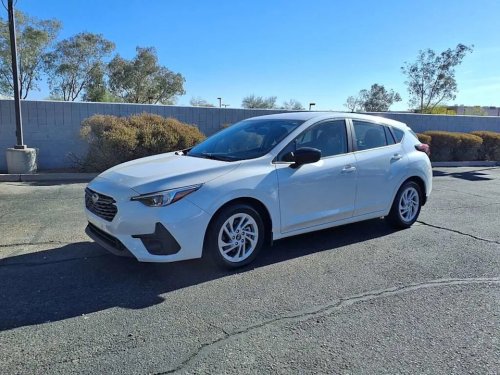
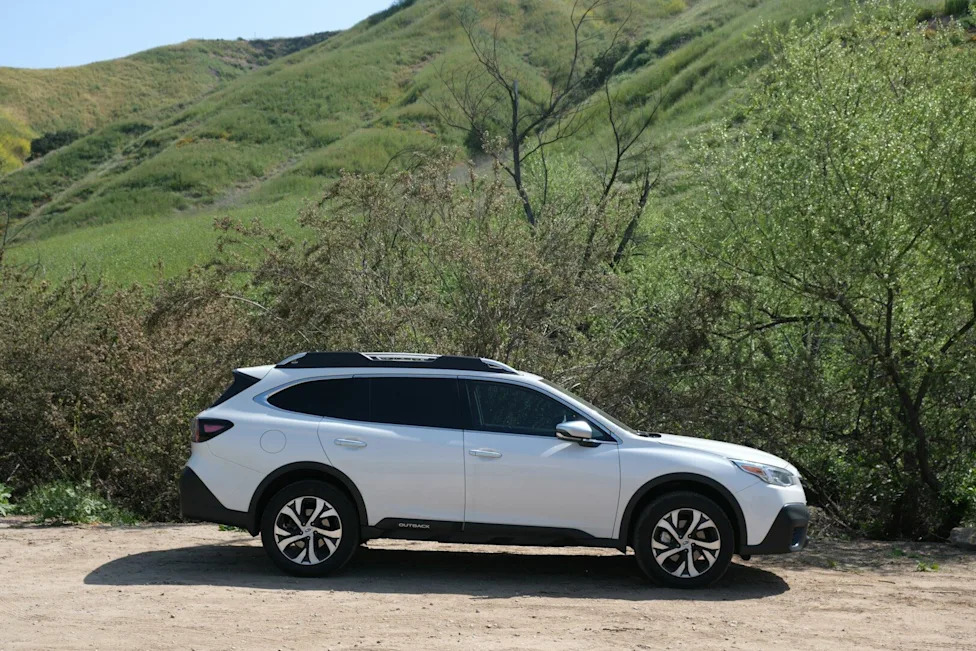
Subaru's 541,000-Vehicle Recall Isn't About a Broken Part. It's About a Label Nobody Checked for Seven YearsHalf a million Subarus are heading back into the recall system this year, and not one of them needs a new part.Subaru of America filed paperwork with NHTSA on July 7 disclosing that 541,237 vehicles carry an incorrect Gross Axle Weight Rating on their federally required certification label. The fix isn't a wiring harness, a software flash, or a trip to the parts counter. It's a new sticker. Subaru is mailing owners a corrected label, and if you'd rather not peel off the old one yourself, a dealer will install it for free.That's the entire remedy. Read that twice, because it's the whole story hiding underneath the headline number.AdvertisementAdvertisementAccording to NHTSA campaign 26V436000, the recall covers Ascent SUVs from model years 2019 through 2026, Forester and Forester Hybrid models from 2025 and 2026, and the 2026 Crosstrek Hybrid. Not the standard gas Crosstrek. Just the hybrid. That detail matters more than it looks, and we'll get back to it.The number in question is the Gross Axle Weight Rating, a figure required under Federal Motor Vehicle Safety Standard 110, the regulation covering tire selection and rims. GAWR tells owners, dealers, and tire shops the maximum load a single axle can carry. It isn't decorative. Tire load ratings and towing math trace back to that number. Get it wrong, and someone could load a vehicle, or fit tires to it, based on a capacity it doesn't actually have. NHTSA's consequence statement doesn't hedge: an incorrect GAWR "may lead to an overloaded vehicle, increasing the risk of a crash."So no bent axle, no faulty wiring, no fire risk. Just a wrong number on a required label. That's precisely why this recall is more interesting than its size suggests.Here's the detail that should stop you: the Ascent's affected model years run from 2019, its first full model year on sale, through 2026. That's essentially the SUV's entire production life, spanning a mid-cycle refresh and a full generational redesign. A wrong number sat on a federally mandated safety label through years of engineering changes and annual model-year certification filings, and nobody flagged it until now.AdvertisementAdvertisementThat's not how most people picture recalls working. We assume someone is constantly re-checking these figures. In practice, a GAWR gets calculated once, tied to a specific axle and suspension hardware set, then carried forward on paperwork year after year, as long as nothing about the underlying components appears to change, even if the original number was wrong from day one.The Forester and Crosstrek Hybrid piece of this recall points to the same root cause wearing a different disguise. Only the newest Forester and Forester Hybrid model years made the list, and only the Crosstrek Hybrid, not its gas sibling. Subaru builds all three nameplates on shared underpinnings, and when a label error traces back to shared axle or suspension componentry rather than one bad part number, it tends to surface exactly like this: scattered across multiple models and model years, arriving all at once instead of as one clean, contained batch.Now compare this to Kia's Telluride seat-fire recall, announced earlier this month and close in scale at 462,869 vehicles. That one requires a dealer to physically replace a seat control module: real parts, real labor, real appointment slots, real cost to Kia. Subaru's recall covers more vehicles by raw count, 541,237 of them, and the entire remedy is a mailed adhesive label.That comparison is the lesson worth keeping. Recall size, measured in units affected, tells you almost nothing about severity or cost to the manufacturer. NHTSA logs both the same way, in the same database, with the same alarming unit counts. A half-million-vehicle recall reads like a crisis in a headline. This one will likely cost Subaru little more than postage and a print run. Owners who want to know how worried to be should skip the unit count and go straight to the remedy section, because that's where the real story always sits.AdvertisementAdvertisementThere's a sharper irony buried in which model carries the most units. The Ascent exists because Subaru needed a genuine three-row, family-hauling SUV to compete with the Highlander and Pilot, and its entire pitch rests on capacity: eight seats, a claimed tow rating north of 5,000 pounds, enough room to make buyers skip a minivan. That pitch depends on the numbers on the vehicle being correct. A wrong axle weight rating on the one Subaru built specifically around hauling capacity isn't just an administrative footnote. It's a mismatch on the exact spec line shoppers cross-referenced against Toyota and Honda in the first place.None of this requires owners to do anything urgent. Subaru expects to mail notification letters around August 25, with corrected labels to follow. Owners can call Subaru customer service at 1-844-373-6614 and reference recall number WRH-26, or check their VIN through NHTSA once the campaign fully loads into the system. Anyone unsure what a mailer like this actually requires, versus a "do not drive" notice, should read our breakdown of what to do when your car gets recalled before assuming the worst.This recall also lands in the middle of one of the busiest recall years on record. Ford alone has topped 10 million recalled vehicles in 2026 across dozens of separate NHTSA campaigns, and axle-related paperwork has already tripped up more than one automaker this year: Ford's own Mustang and Mach-E recall this month bundled a cracked rear axle problem in with an unrelated wiper defect, two unrelated failures reported in a single filing. Subaru's situation adds a new variation to that pattern, a recall triggered not by a part failing, but by documentation that never caught up to it.It's worth remembering the last time Subaru's name showed up in a recall this large. Alongside Toyota and Lexus, the company recalled more than a million vehicles for a rearview camera software glitch, a defect drivers could actually see appear on a screen. This one, almost nobody will ever notice. It's printed on a sticker inside a door jamb that most Ascent owners have looked at exactly once, on the day they bought the car.AdvertisementAdvertisementNot every recall means something on your car is broken. Sometimes it just means the paperwork finally caught up to reality, seven years late.Join our Newsletter, follow our Instagram page, and connect with us on Facebook.
















 +1 others