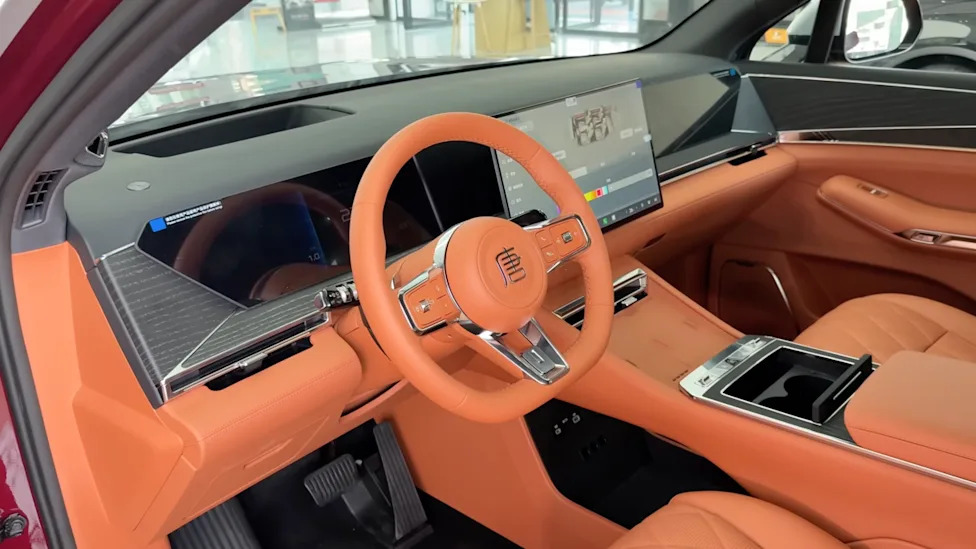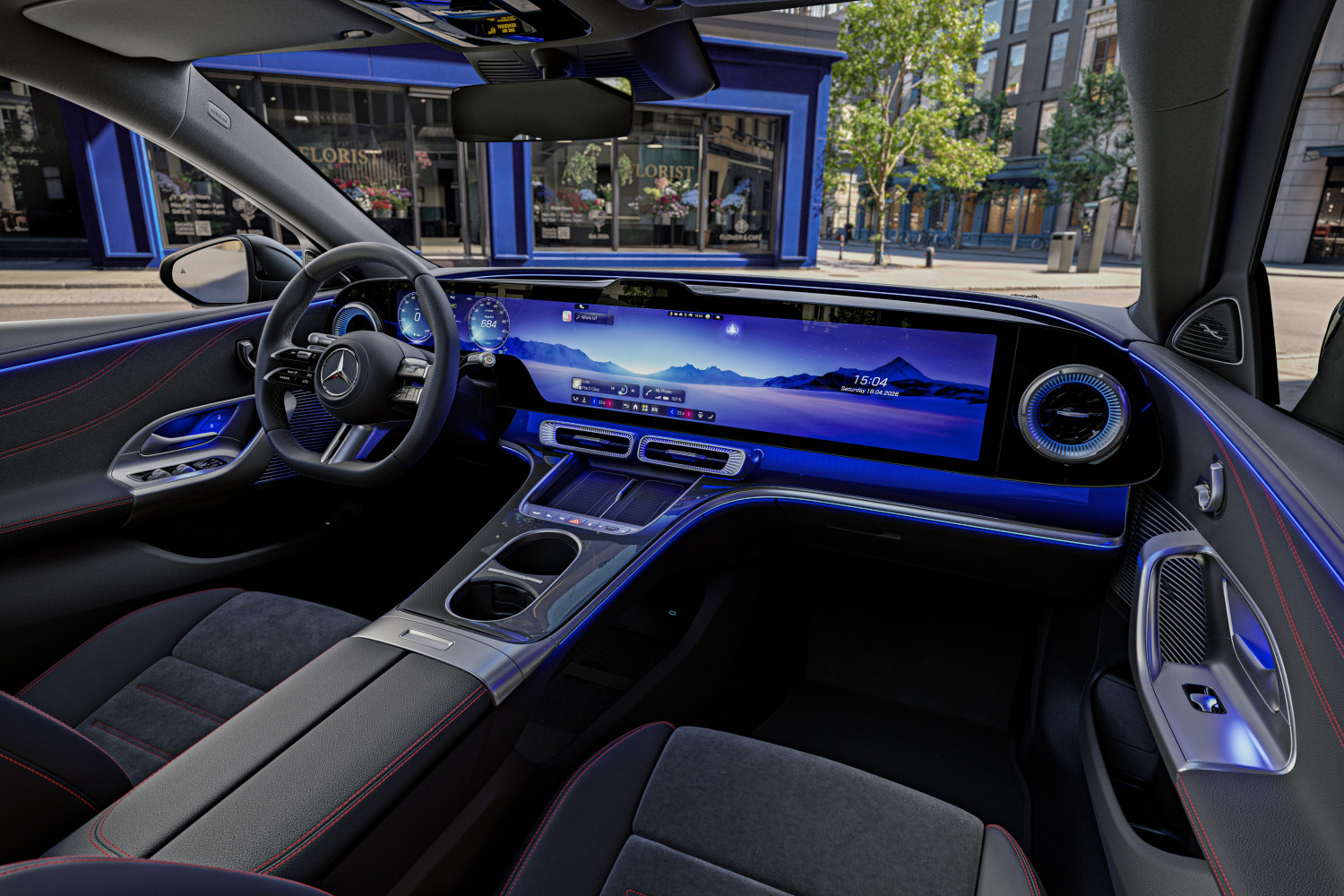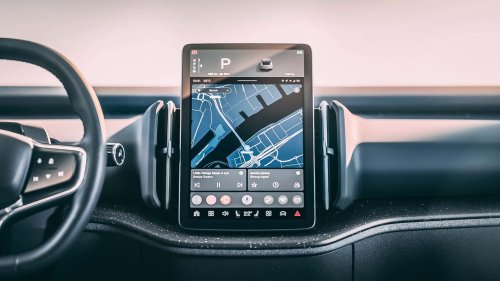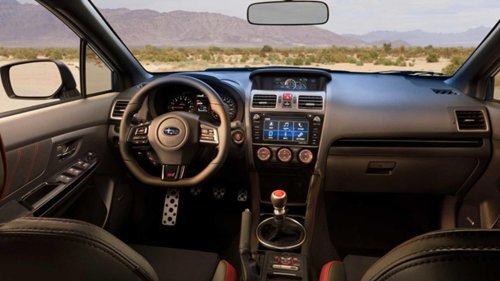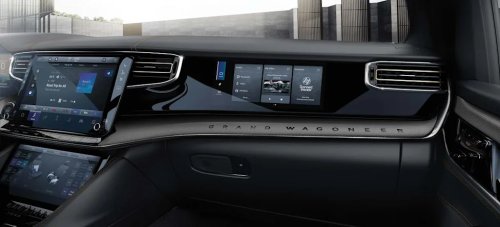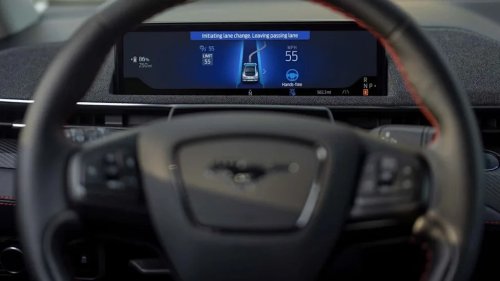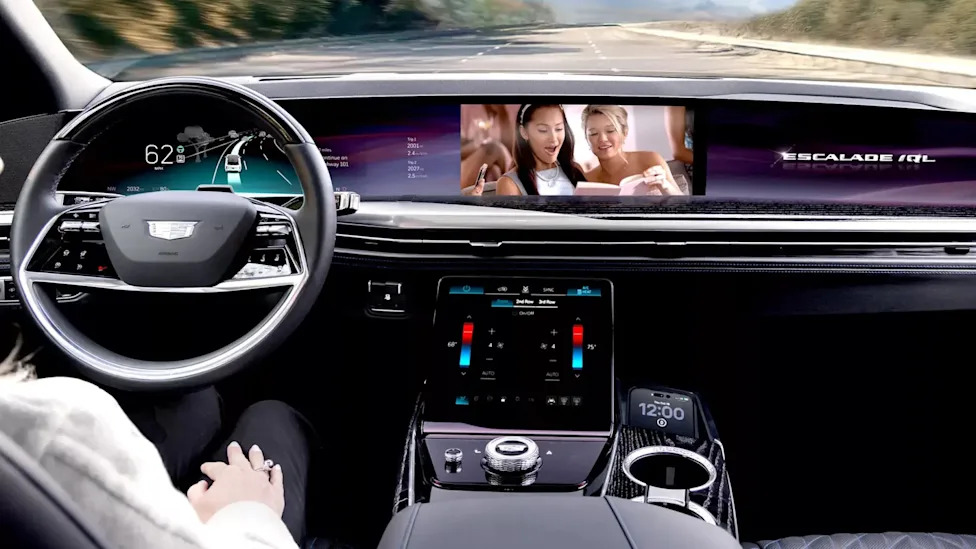
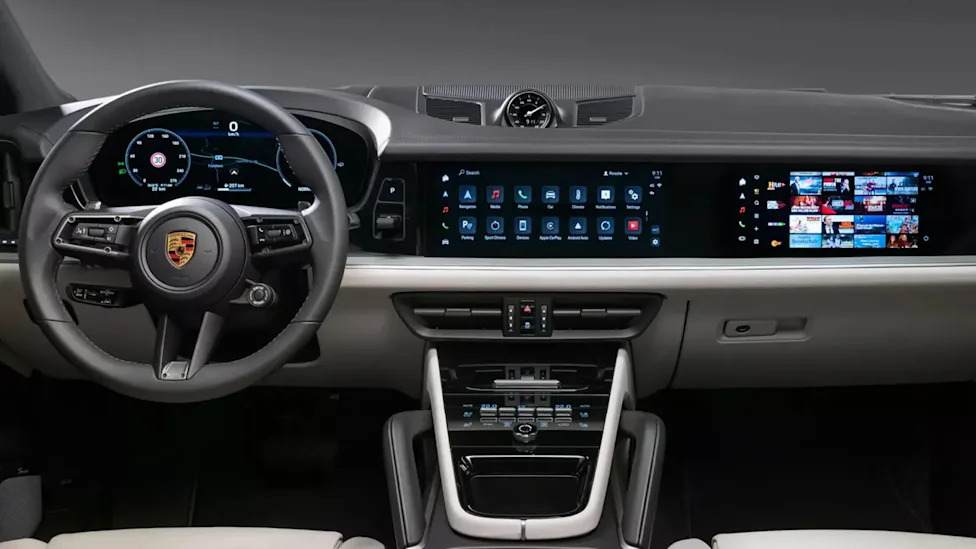



















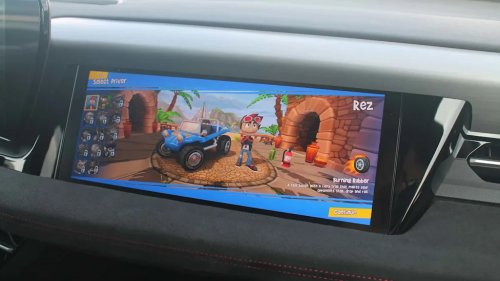

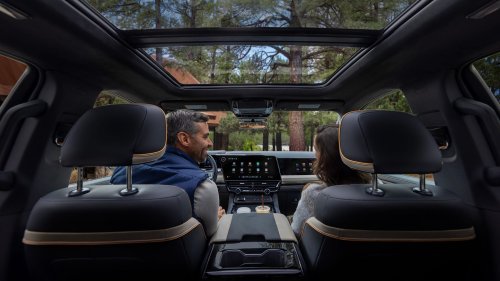
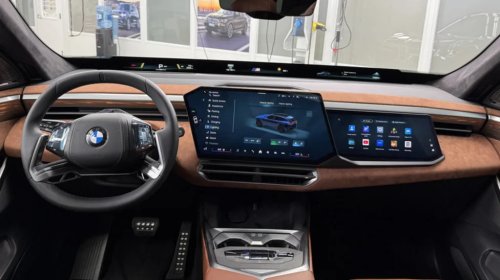
Image Credit: Cadillac.Automakers have spent years transforming dashboards into sprawling collections of digital displays. Instrument clusters became screens, infotainment systems grew larger, and eventually manufacturers decided the front passenger deserved a display of their own.That approach looks impressive at an auto show, where an enormous wall of glass can instantly make a cabin appear futuristic. Whether owners actually find all of those screens useful once the novelty wears off is another question.The latest JD Power 2026 U.S. Tech Experience Index Study offers an interesting look at what drivers actually value after living with new vehicle technology. Based on responses from 68,084 owners of 2026 model-year vehicles, the study examined 40 technologies ranging from convenience features to driver-assistance systems.AdvertisementAdvertisementIts conclusion presents automakers with an uncomfortable challenge: sophisticated technology doesn't automatically create a better ownership experience. In several cases, the features owners appreciated most were the ones quietly working in the background rather than competing for their attention.Passenger Screens Aren't Getting Much AttentionImage Credit: Porsche.Passenger displays delivered one of the study's most striking results. JD Power found that 35% of owners whose vehicles have a passenger screen said they had never even tried using it.At the opposite end of the spectrum, only 6% said they use the passenger display every time they drive. The screens are more common and see greater use in premium vehicles, but overall engagement remains surprisingly limited.Owners who do use them aren't necessarily enjoying a trouble-free experience either. Passenger screens recorded 21.3 problems per 100 vehicles, making them one of the most problematic technologies evaluated in the study.AdvertisementAdvertisementJD Power also noted that some vehicles equipped with passenger displays had higher rates of infotainment-related problems in its 2026 U.S. Initial Quality Study. Adding another screen can therefore mean adding another potential source of frustration.Drivers Prefer Technology That Stays Out Of The WaySome of the highest-rated features took almost the opposite approach. Smart ignition earned the highest overall satisfaction rating while producing only 2.4 problems per 100 vehicles.Smart climate control and smart driver preferences also performed well. Rather than asking occupants to navigate another interface, these technologies automate routine tasks with relatively little interaction."The technology customers value most is often the technology they barely notice because it simply works," JD Power's Doron Hikry said. The results suggest owners aren't rejecting new technology outright; they simply appear to value features that make driving easier without adding unnecessary complexity.Even Hands-Free Driving Isn't An Automatic WinThe same pattern appeared with driver-assistance technology. JD Power found that conventional Level 2 systems requiring drivers to keep their hands on the wheel outperformed more advanced Level 2+ hands-free systems in execution and overall experience.AdvertisementAdvertisementInterestingly, the hands-free systems actually generated slightly fewer reported problems, at 13.8 per 100 vehicles compared with 14.3 for Level 2 technology. Their additional capability still wasn't enough to produce a better overall ownership experience.There were plenty of technological winners elsewhere. Cadillac ranked highest overall and among premium brands for innovation with 641 points out of 1,000, while Hyundai topped the mass-market category for the seventh consecutive year with 524 points.The message from owners isn't that cars have become too technologically advanced. Instead, JD Power's findings suggest the best automotive technology may be the kind that solves a problem so seamlessly that drivers barely have to think about it.If you want more stories like this, follow Guessing Headlights on Yahoo so you don't miss what's coming next.