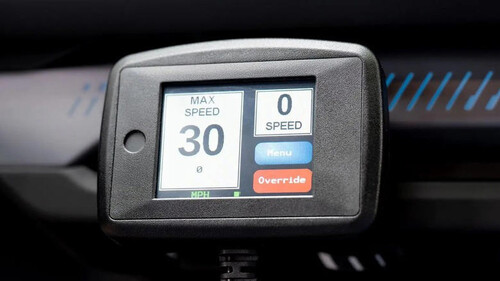
Image Credit: Filippo Carlot / ShutterstockFor decades, lawmakers have relied on fines, points, suspended licenses, and the occasional courtroom lecture to deal with chronic speeders. Now, several states are pushing a far more technological solution: physically preventing repeat offenders from driving too fast in the first place. The idea sounds futuristic, but it is already moving through legislatures across the country.Illinois could soon become one of the latest states to require certain drivers to install speed-limiting devices in their vehicles after repeated speeding or reckless driving offenses. Similar proposals are already advancing in Virginia, Washington, D.C., and Arizona, reflecting a move toward using intelligent speed assistance systems as a road-safety tool rather than simply punishing drivers after the fact.The technology itself is relatively simple in concept. Using GPS data and digital speed-limit mapping, the systems can prevent a vehicle from exceeding the posted limit or warn the driver when they attempt to speed. Lawmakers increasingly see these systems as an alternative to suspending licenses outright, especially since many suspended drivers continue driving illegally anyway.AdvertisementAdvertisementWhether drivers will accept that level of oversight is another question entirely. Supporters argue the systems could save thousands of lives, while critics warn about privacy concerns, inaccurate mapping data, subscription costs, and the uncomfortable precedent of governments electronically controlling how fast private citizens can drive.Illinois Could Join A Growing List Of StatesIllinois House Bill 4948 would create an Intelligent Speed Assistance program beginning in 2028 if approved by the Senate. Under the proposal, drivers convicted of two qualifying speeding or reckless-driving offenses within a 12-month period could be required to install a speed-limiting device in their vehicle.Rather than revoking licenses entirely, the state would issue affected drivers a restricted license tied to participation in the ISA program. Drivers would have 14 days to install the device, and they would generally be responsible for covering all associated costs unless they qualify for low-income assistance programs.Virginia and Washington have already passed similar legislation, while Arizona lawmakers continue debating a proposal focused specifically on extreme speeding offenses such as driving over 100 mph or participating in street racing. The trend suggests lawmakers increasingly view traditional penalties as ineffective against habitual offenders.Why Lawmakers Are Pushing The TechnologyImage Credit: Veyron Photo/Shutterstock.According to data cited by lawmakers and the National Highway Traffic Safety Administration, speeding contributes to roughly 29 percent of all traffic fatalities in the United States. That translates to nearly 12,000 deaths annually, making excessive speed one of the largest contributors to deadly crashes.AdvertisementAdvertisementSupporters of ISA systems argue that the devices offer a practical compromise between public safety and keeping offenders mobile enough to continue working and handling daily responsibilities. In many parts of the country, losing a license can effectively mean losing access to employment, healthcare, or even basic errands.Advocates also point out that similar systems already exist for drunk-driving offenders through ignition interlock devices. In their view, electronically restricting vehicle speed is simply the next logical evolution of targeted driver-monitoring programs.The Technology Sounds Better On Paper Than In RealityDespite the appealing safety pitch, intelligent speed limiters are far from flawless. Most systems rely heavily on GPS mapping and cellular data to determine local speed limits, and those databases are not always accurate or up to date.Temporary construction-zone limits, rural roads with poor connectivity, and mapping errors can all create situations where the system either allows excessive speed or restricts drivers incorrectly. Some drivers have already reported navigation systems displaying wildly inaccurate speed limits on certain roads, raising concerns about how reliable mandatory speed enforcement technology would actually be in everyday driving.AdvertisementAdvertisementCost is another major issue. Installation can reportedly range from roughly $100 to $250, with additional monthly subscription fees adding another financial burden. In Arizona, estimates suggest some systems could cost drivers more than $100 per month to maintain, effectively turning speeding penalties into an ongoing expense rather than a one-time punishment.Privacy Concerns Are Becoming Harder To IgnoreFile Photo for illustration purposes. Photo Courtesy: Autorepublika.The deeper concern for many drivers is not necessarily the speed limiting itself, but the amount of data these systems could collect. Many ISA providers already offer vehicle-tracking and monitoring services for commercial fleets and parents monitoring teen drivers.Critics worry that expanding these systems into court-ordered programs could open the door to broader government or insurance company access to driving data. Questions about who can view location history, driving behavior, and compliance records remain largely unanswered in many of the proposed laws.California’s recent debate over mandatory speed-warning systems for new vehicles highlighted how politically sensitive the issue has become. Governor Gavin Newsom ultimately vetoed a bill that would have required warning systems in all new cars by 2030, citing concerns about conflicting with federal standards, even though the proposed systems would only warn drivers rather than actively limit speed.The Bigger Debate Is About Driver FreedomThe conversation around speed-limiting technology goes well beyond traffic enforcement. For supporters, the devices represent a targeted way to reduce deadly crashes caused by a relatively small group of repeat offenders. For critics, they represent another step toward increasingly automated control over personal vehicles.AdvertisementAdvertisementAutomakers are already moving toward more advanced driver-assistance systems, and safety organizations such as the Insurance Institute for Highway Safety have shown growing support for anti-speeding technology. Europe already mandates intelligent speed assistance systems in new vehicles, meaning the U.S. could eventually face similar pressure regardless of state-level legislation.For now, these systems are aimed primarily at drivers with repeated reckless-driving convictions rather than ordinary motorists. Still, as the technology improves and lawmakers continue looking for ways to reduce traffic deaths, the idea of digitally restricting vehicle speed may not remain limited to chronic offenders forever.If you want more stories like this, follow Guessing Headlights on Yahoo so you don’t miss what’s coming next.