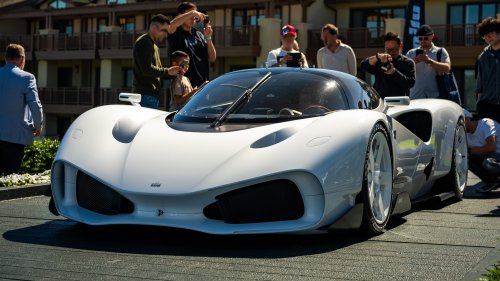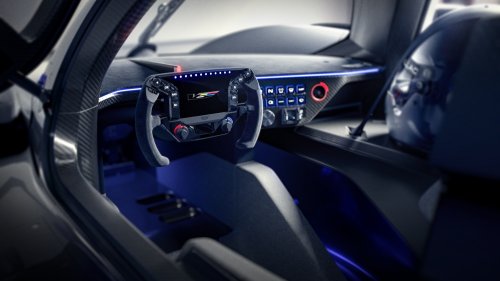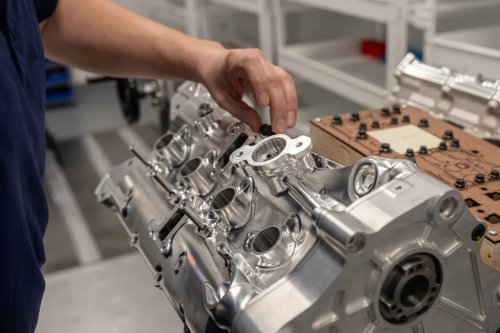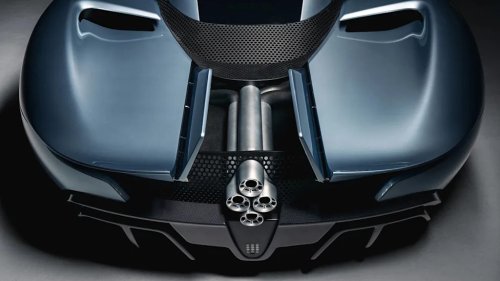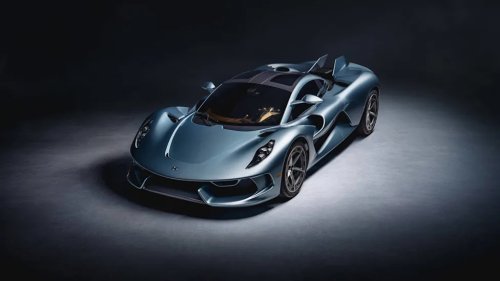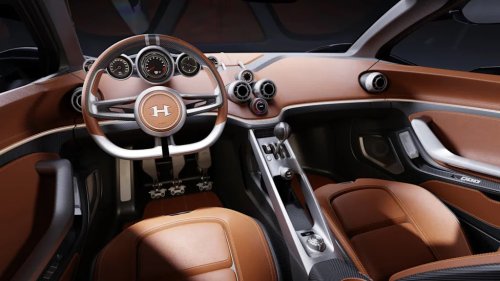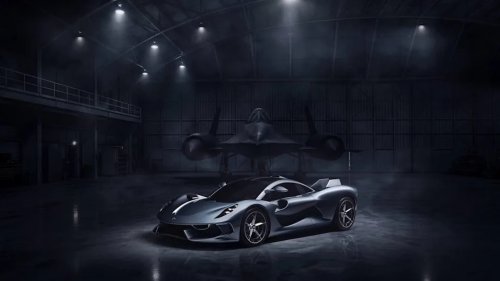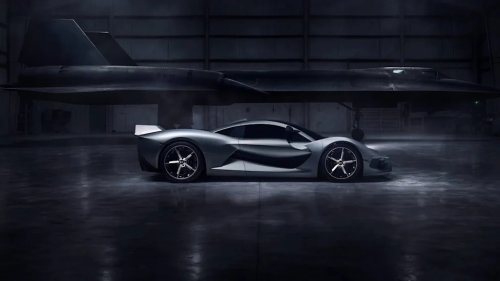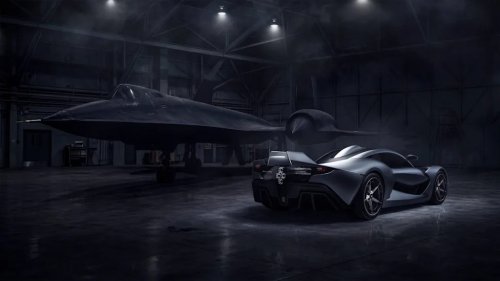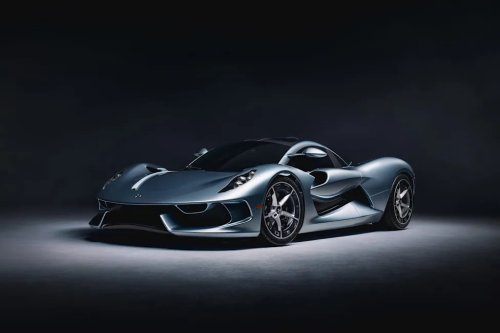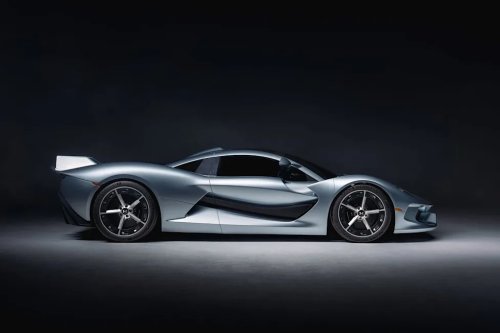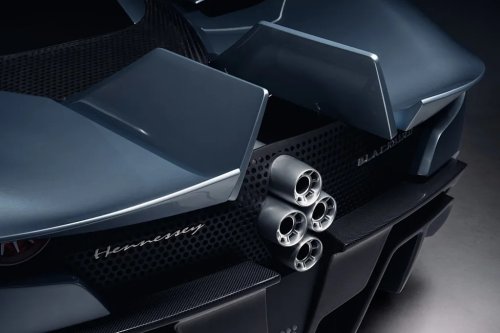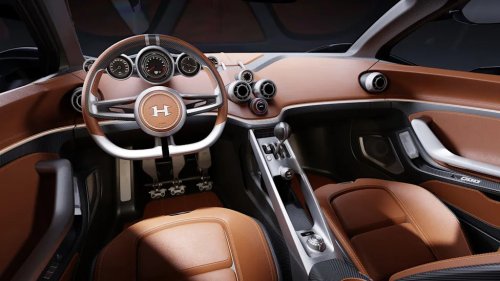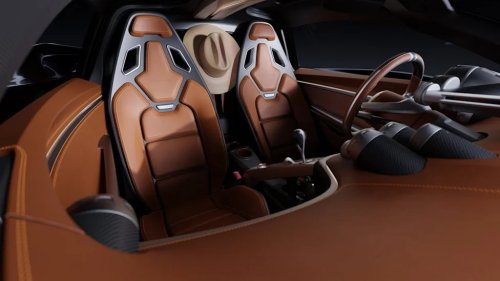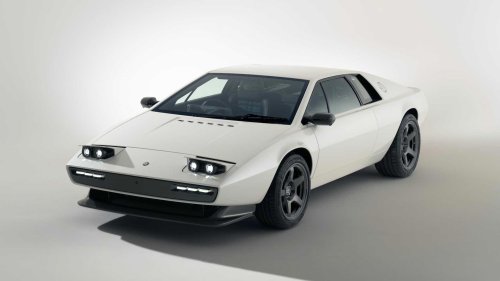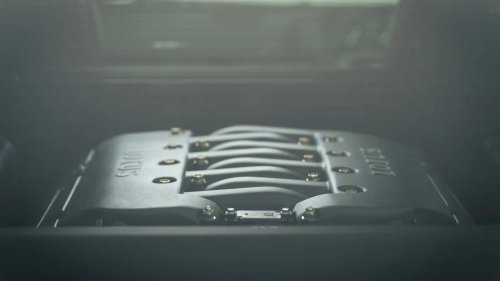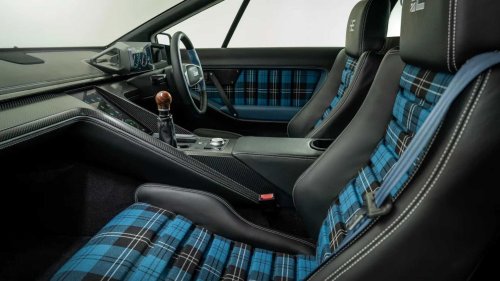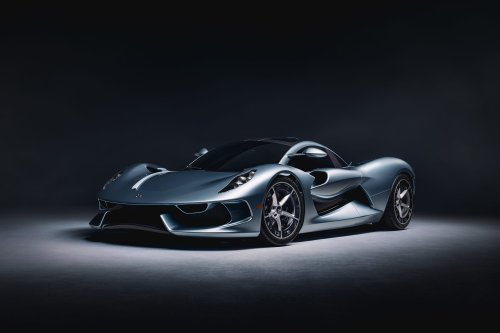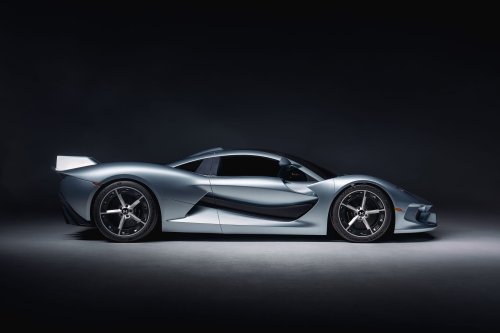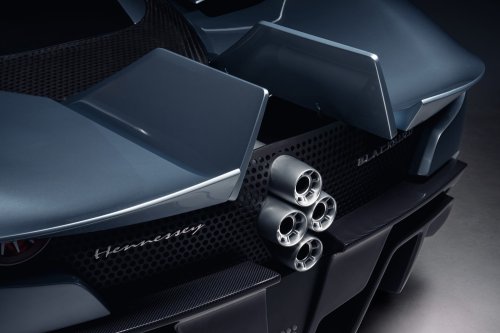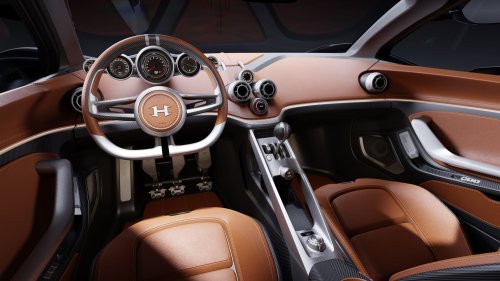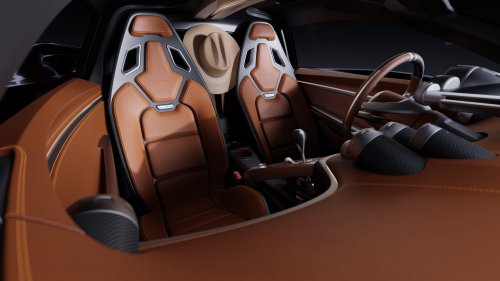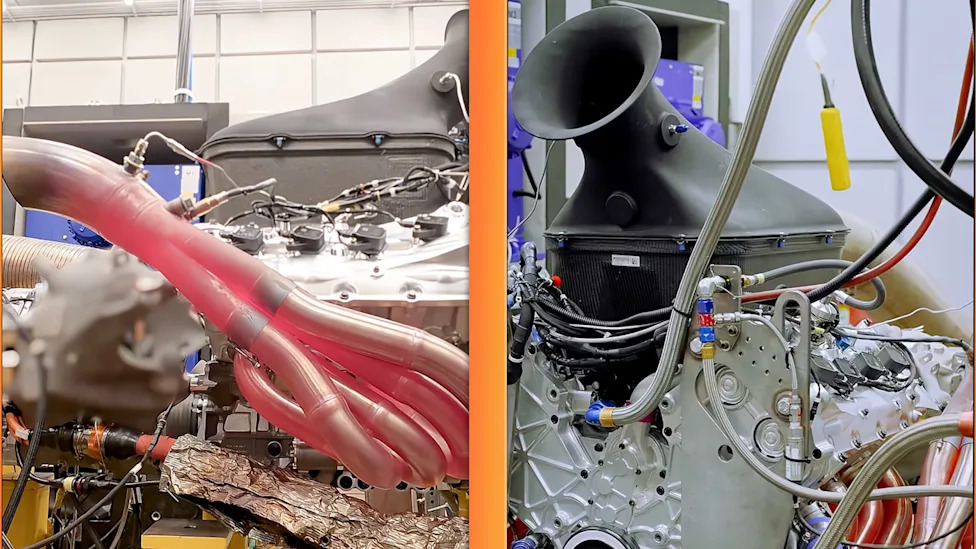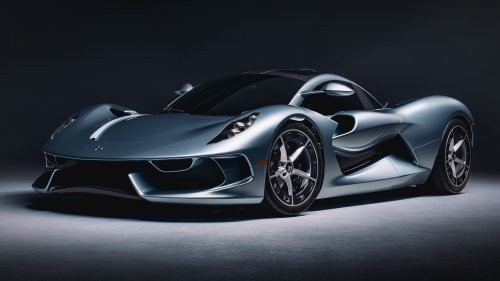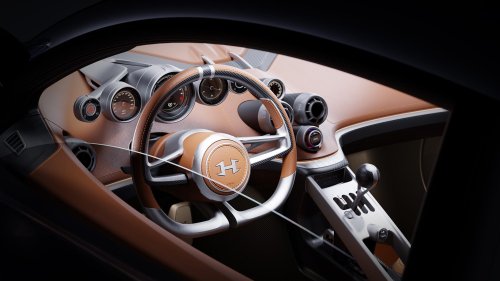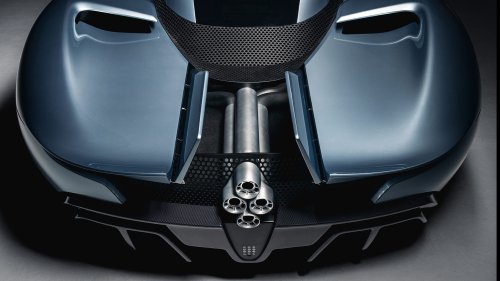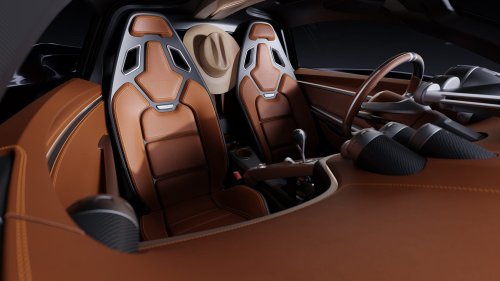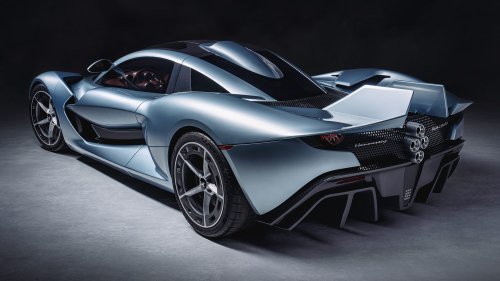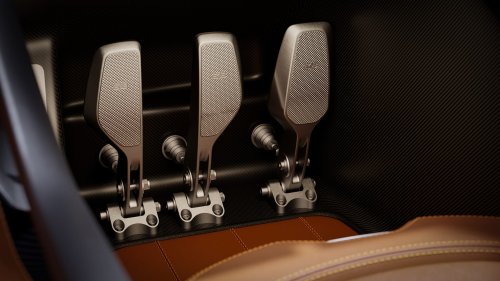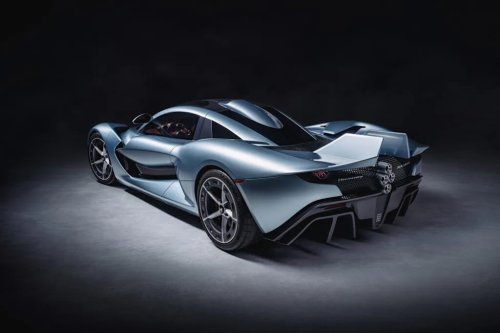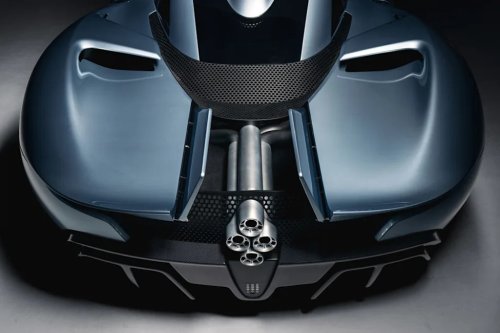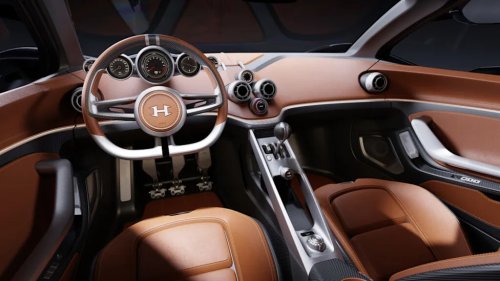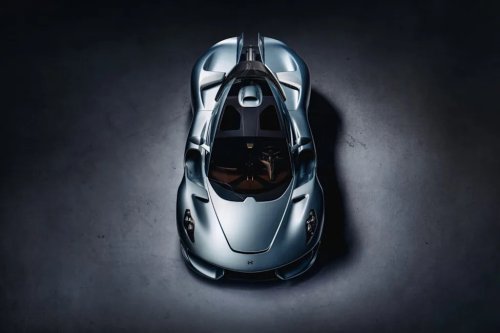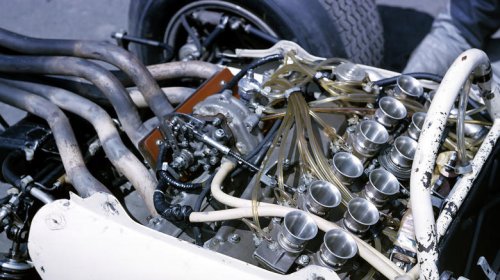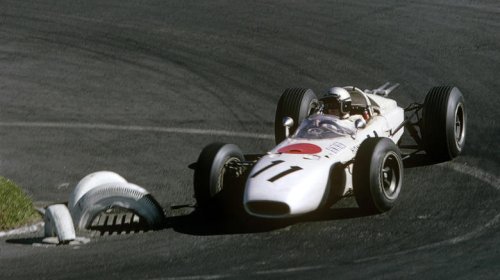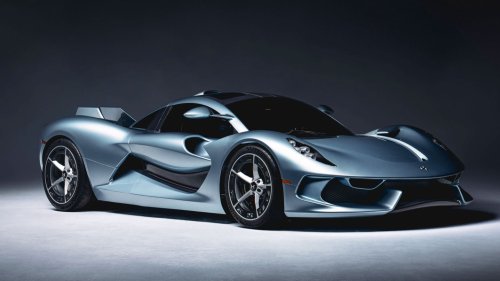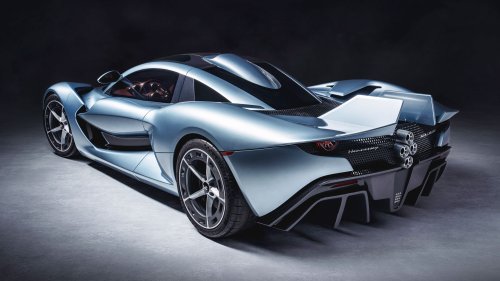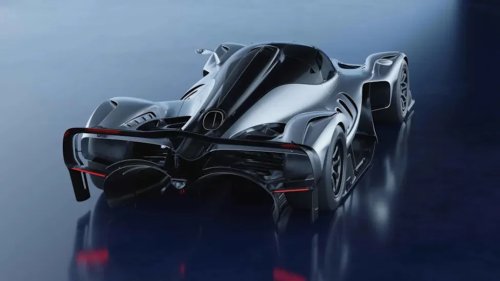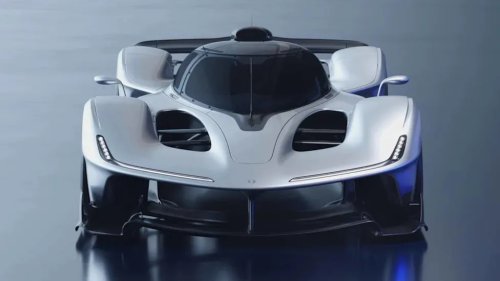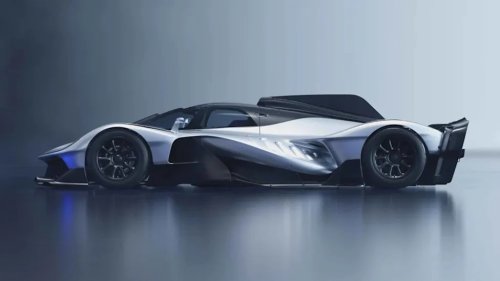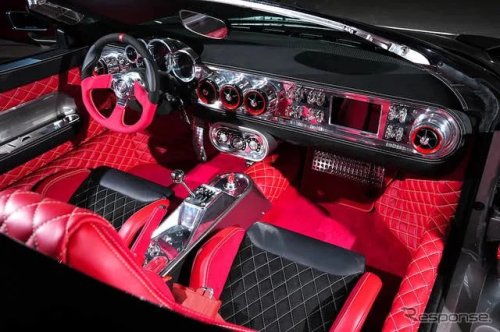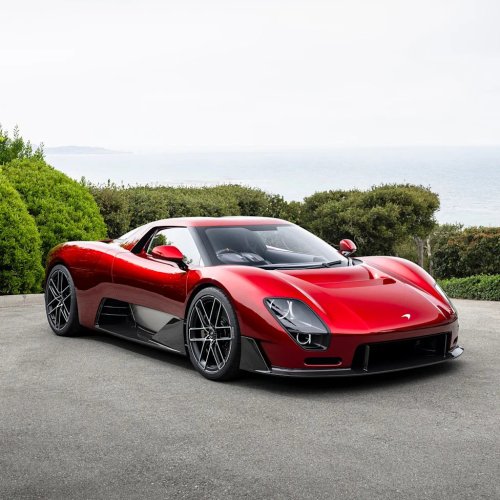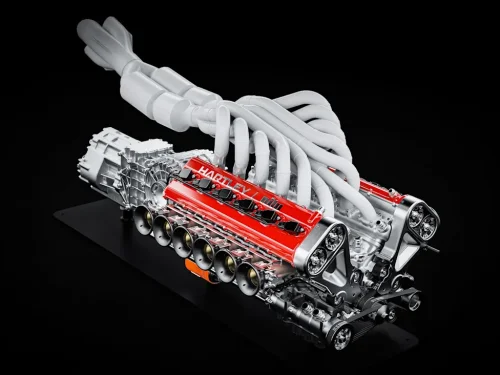
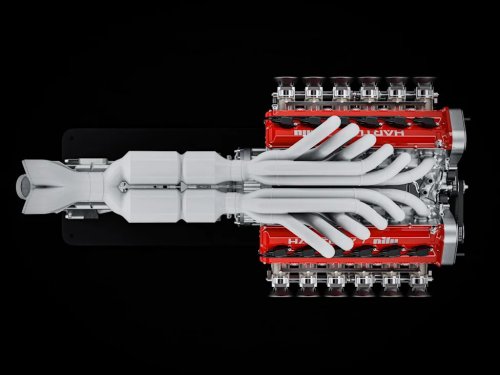
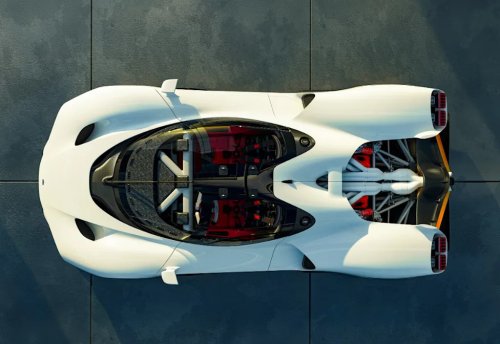
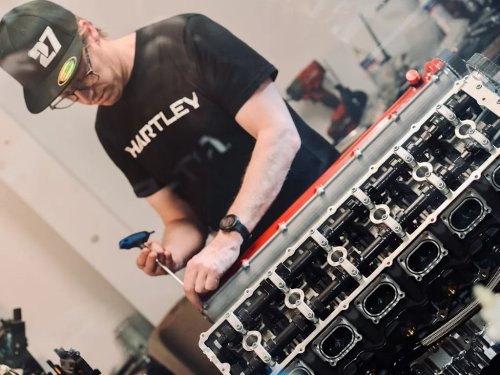



















Nilu27 Hypercar V12 Fires UpNilu27Nilu hypercar V12 fires up at Hartley Engines in New Zealand.First dyno runs exceed the 1,070-hp target.Next step: Put it in a car.There were those who said the 6.5-liter naturally aspirated 80-degree V12 in the Nilu hypercar would never fire. Well click 'em and weep, naysayers. The combustion cycle not only works but sounds magnifico."In an automotive landscape increasingly dominated by digital interfaces and electrified powertrains, the Nilu hypercar from Nilu27 has delivered a resounding, high-RPM response," the company said.AdvertisementAdvertisement(Note: Nilu is the name of the car, Nilu27 is the company that makes it. That's not confusing at all, is it? But the rest of this makes more sense, and it truly sounds impressive. Read on!)Nilu27Two years ago, after a career for which any designer would sell his soul, designer Sasha Selipanov set out on his own. His idea was to make an analog supercar—no digital interface, no computer-controlled anything, no icon appearing on the dash saying, "You look tired, better pull over and rest."His career up to that point had been so impressive it looked made up. In his 20 years of experience he had penned more than 50 projects for Koenigsegg, Bugatti, Genesis, Lamborghini, Volkswagen, Audi, Skoda, Bentley, Seat, and even Hyundai and WayRay.His career highlights include: the Bugatti Chiron, Koenigsegg Gemera, Bugatti Vision GT, Koenigsegg CC850, Bugatti 2015 Atlantic, Lamborghini Huracan, Genesis Essentia, Genesis Mint, and the WayRay Holograktor. Any one of those could be the art-of-choice for any budding car enthusiast's bedroom wall.Nilu27But he never got to do things exactly his way; he was always working for The Man, even though the men were generally pretty good to work for.AdvertisementAdvertisementSo before he could create the car he really wanted, Selipanov had to know what he didn't want. And when it came to modern cars, sports cars, and supercars in particular, there was plenty he didn't want."We've had, as an industrial civilization, an infatuation with technology that has taken us off track," Selipanov said at the car's August 8, 2024 Los Angeles reveal. "I think we've added a lot of items to spec sheets. Modern hybrid cars, modern sports cars, modern supercars are more capable than ever before. But are they emotionally more fulfilling?"That was a rhetorical question."I think they are not," said Selipanov. "I think that infatuation with technology and adding more items to the spec sheets of cars—seamless shifts, lane assist, autonomous driving, connectivity, digitalization—has actually, one step at a time, disconnected the driver from the car. There's a lot of interfaces they have to navigate."AdvertisementAdvertisementSo Selipanov and his wife Inna made their own car, the Nilu you see here. It has a fabulous V12 engine mounted behind the two seats that was going to be capable of over 1,000 hp, sending it to 60 mph in 1.9 seconds.The Nilu is a purely analog car in a digital age, right down to the manual levers on the adjustable seats."The idea was that we should try to eliminate every kind of interface between the driver and the road and then try to boil down a car to its essence. Every single technological advancement has basically added a layer of complication in terms of what we do to drive our vehicles."Nelson Hartley from Hartley Engines, echoed the excitement from the workshop floor in New Zealand: "To see this bespoke V12 come to life after months of intense development is an indescribable feeling. This isn't just an engine; it's a piece of art that pushes the boundaries of what a naturally aspirated power unit can do. We knew we had something special on paper, but seeing it outperform expectations on the dyno right out of the gate is phenomenal."' expand='Nilu27Hence the all-new V12. The heart of the Nilu is a 6.5-liter 80-degree V12, with a dozen large bores and a dozen short strokes for easy high-revving. Its magnificent bundle-of-snakes exhaust comes out of the top like a Ferrari Grand Prix car from the late-'60s.AdvertisementAdvertisementMade by Hartley Engines in New Zealand, Selipanov says the V12 is, "one of the most powerful and visually striking naturally aspirated engines in the world," with an output aimed simply as "more than 1,000 horsepower.""And while its large bore and short stroke will make it rev like an electric motor, the even-fire engine will provide the driver with the perfect amount of tactile vibration," Nilu27 promised."Make no mistake, this is not an OEM engine from another manufacturer converted to the Hot V. This is a bespoke, large-bore, short-stroke monster," said Nelson Hartley, founder and CEO of Hartley Engines. "It's got aggressive cams, aggressive port flow, lightweight components, and exotic materials. We want to get a cold sweat every time the V12 starts and revs."And two years later, it works.AdvertisementAdvertisement"The power unit is a masterclass in traditional internal combustion engineering," Nilu27 said after the engine fired up. "And while the engine was originally projected to produce 1,070 horsepower, initial dyno testing has already exceeded those projections, while reaching a spine-tingling 11,000 rpm redline."Following further testing final calibration and refinement cycles in New Zealand, Nilu27 said, the V12 engine will soon leave Palmerston North for the Nilu27 R&D and production facilities in Lahr, Germany. Once there, it will be integrated into the company's first driving prototype. But it might go farther than that."The synergy between Nilu27 and Hartley Engines has sparked a broader commercial venture, prompted by significant market demand and multiple inquiries from other automotive companies looking for high-performance internal combustion solutions. As a result, Nilu27 and Hartley Engines are finalizing a joint venture, which will focus on the design and production of similar high-performance, road-certified engines for third-party clients."So far so good.