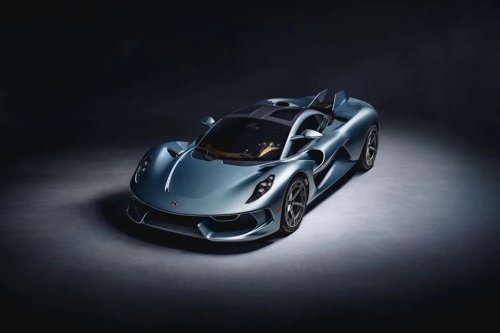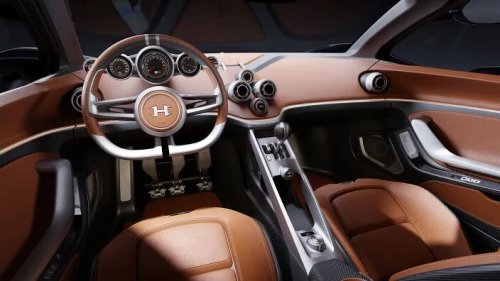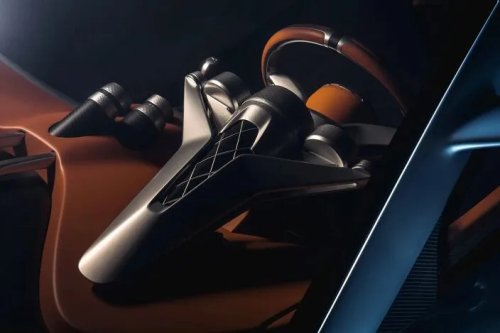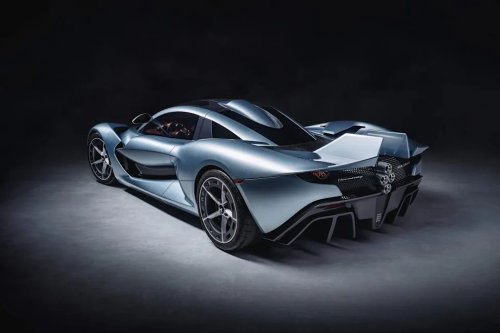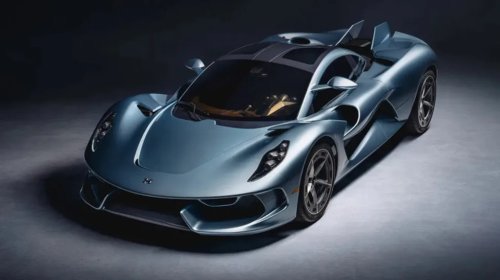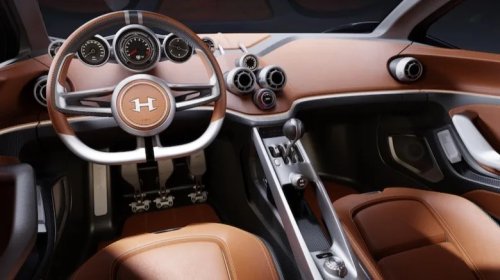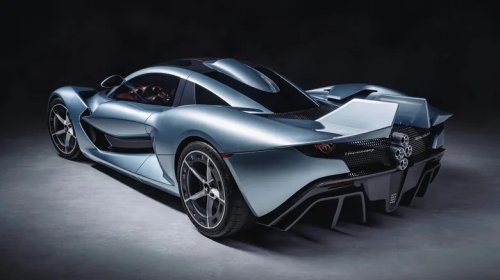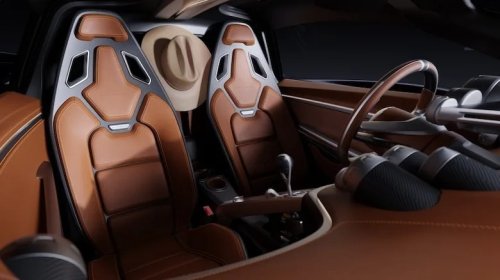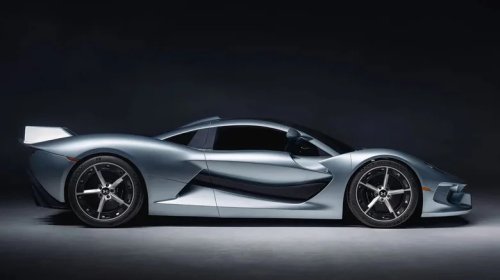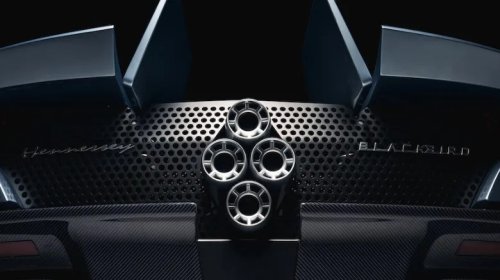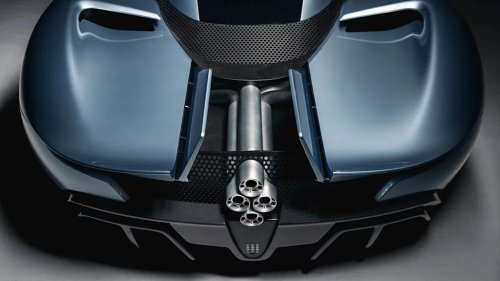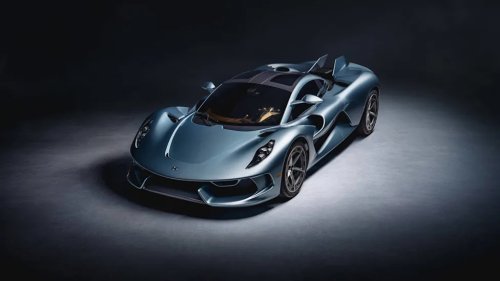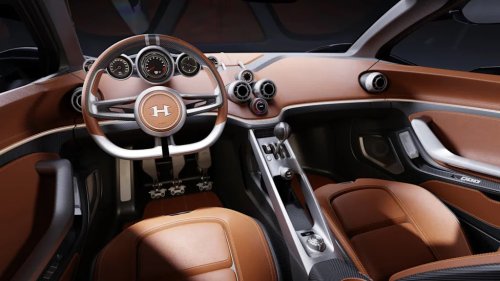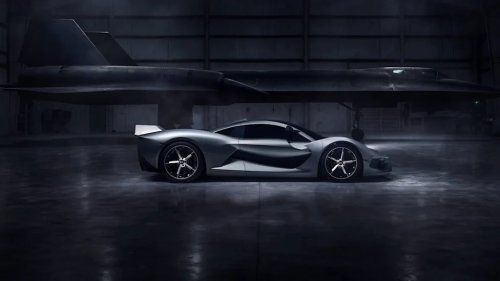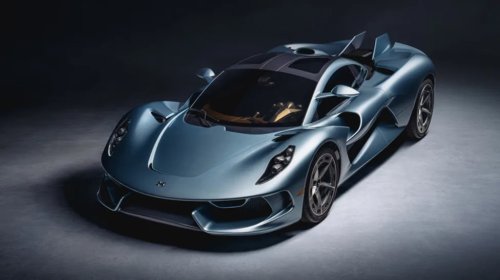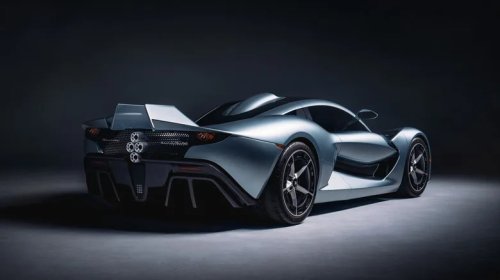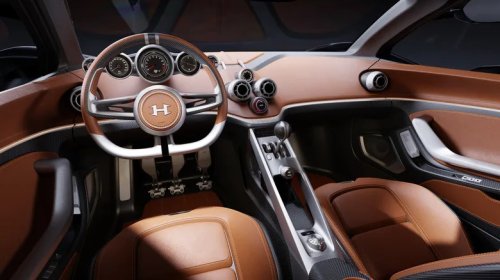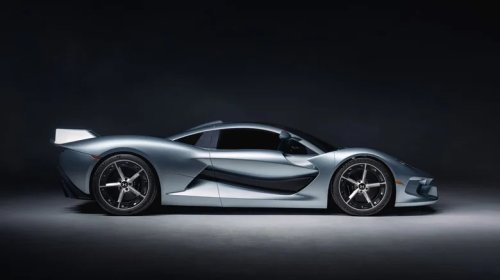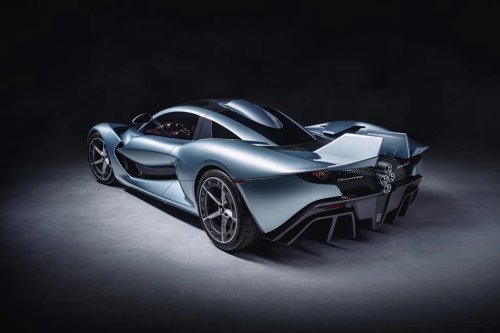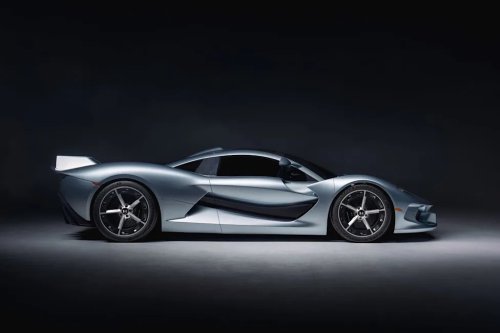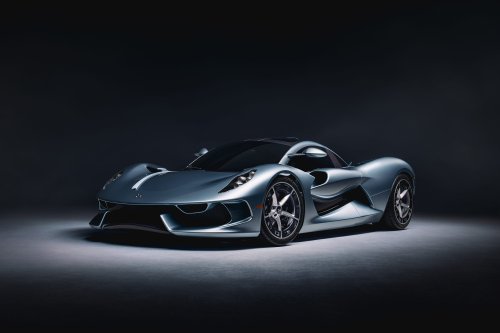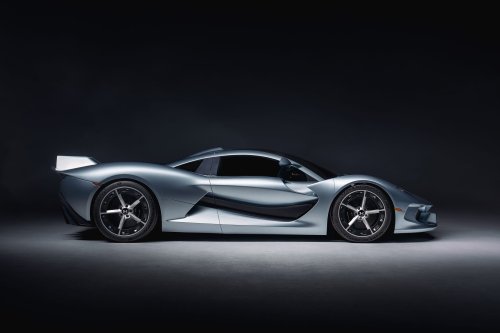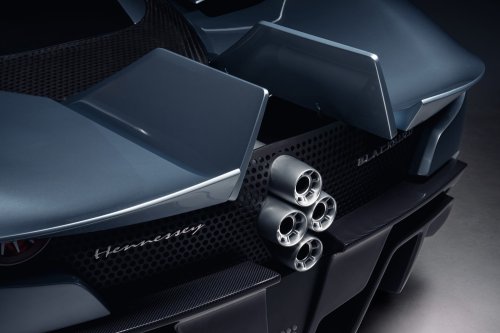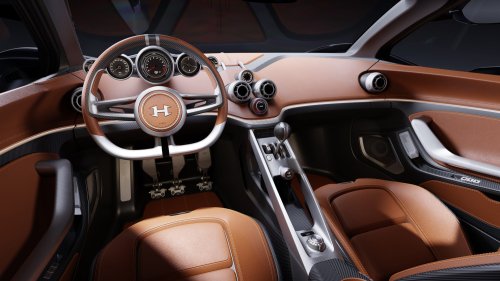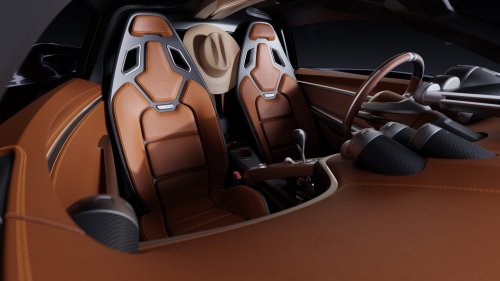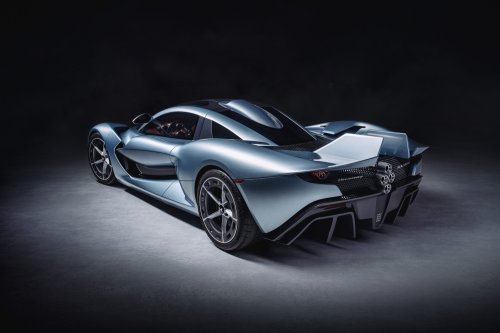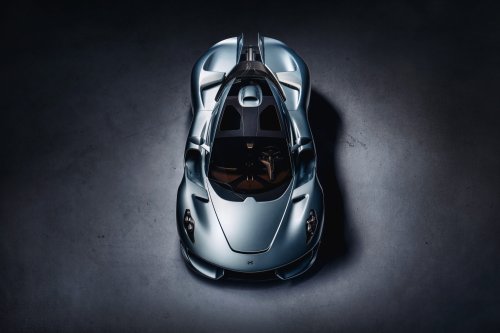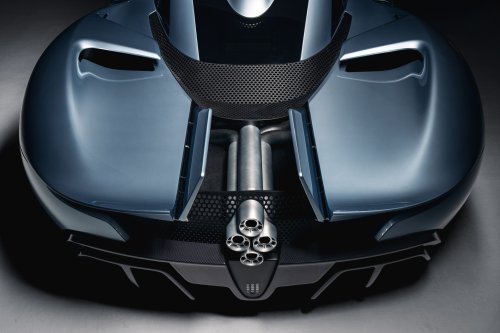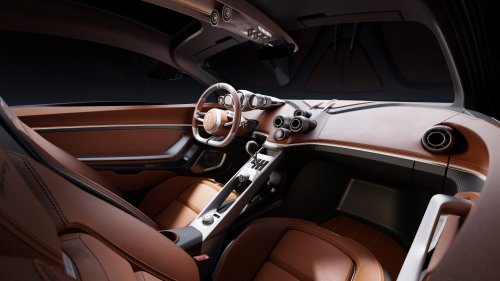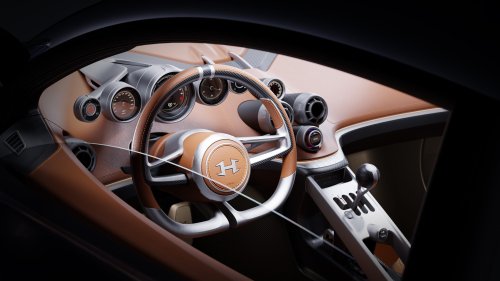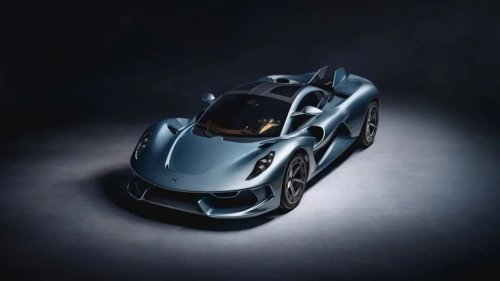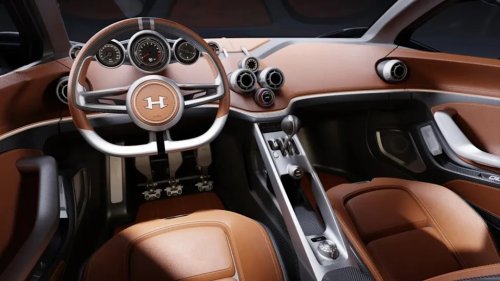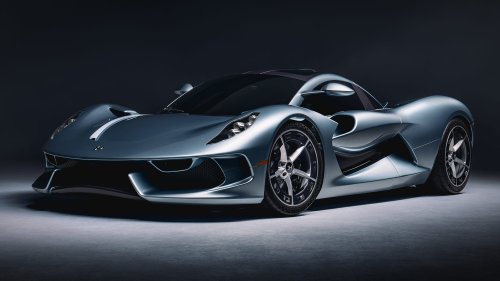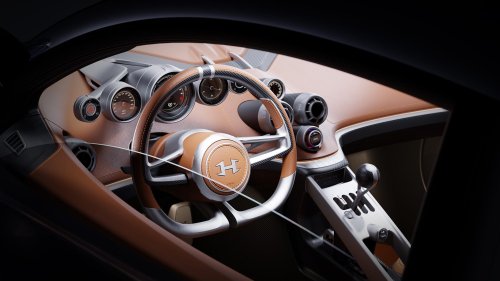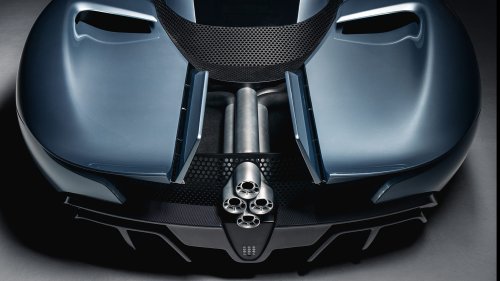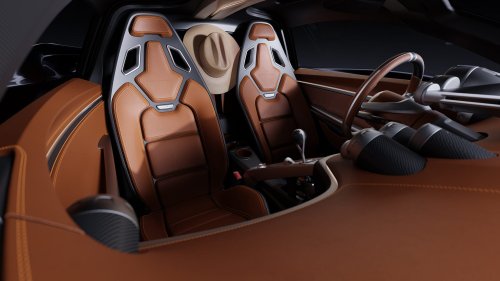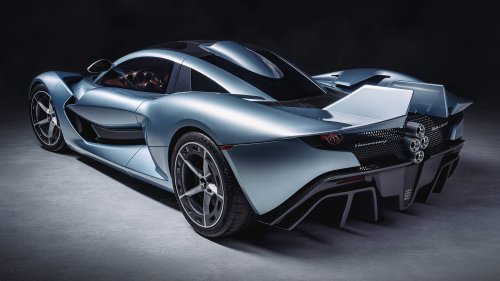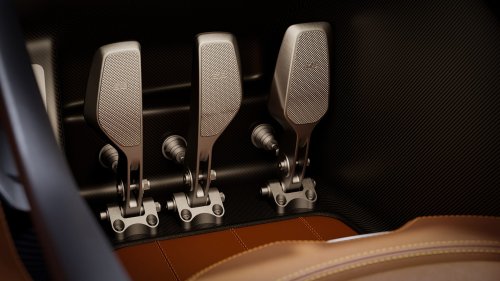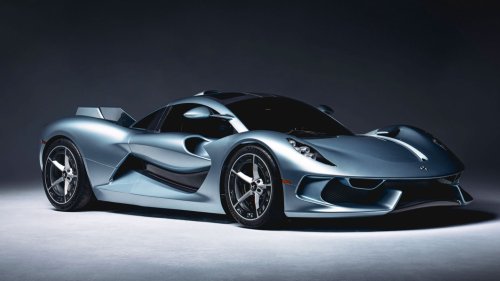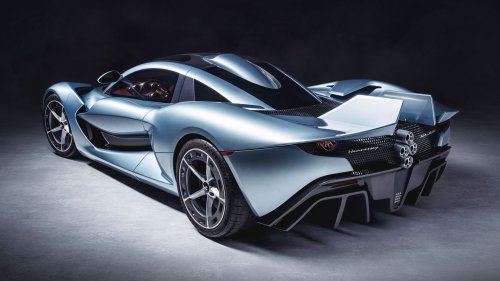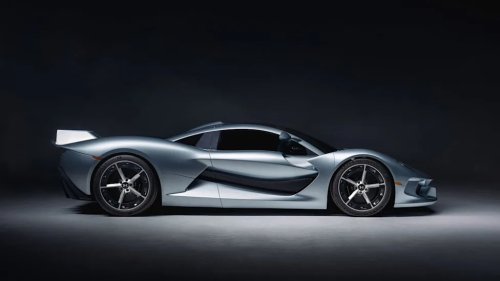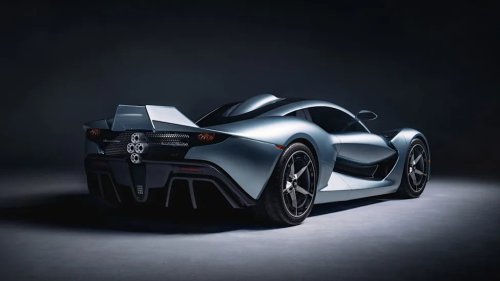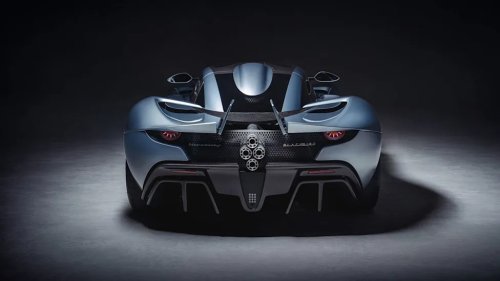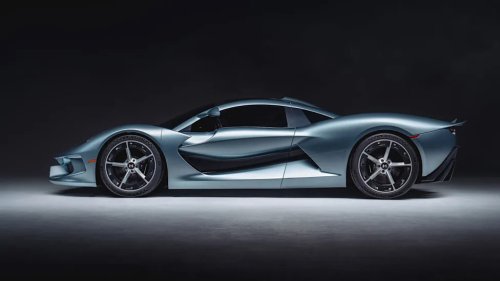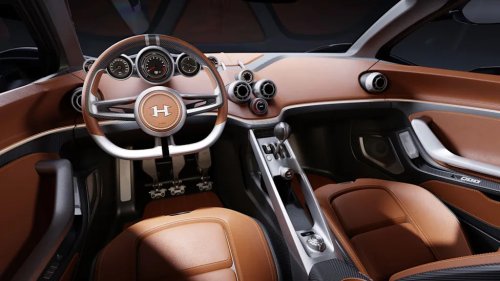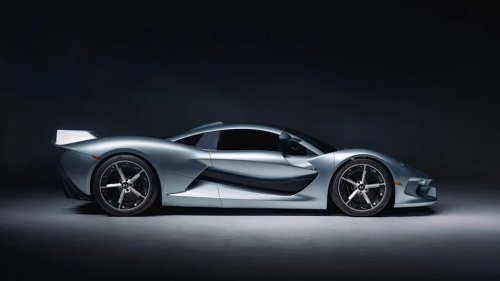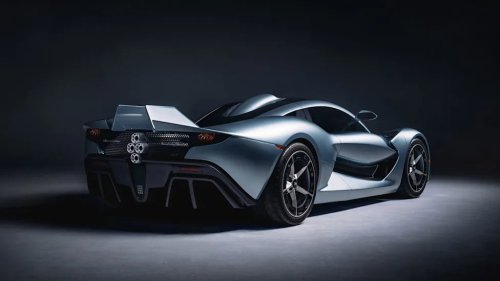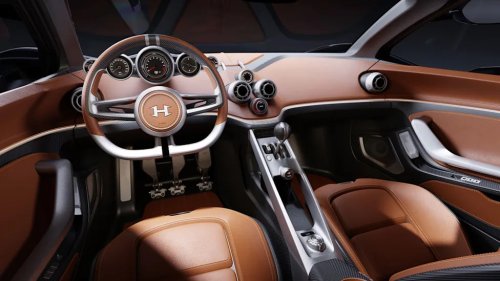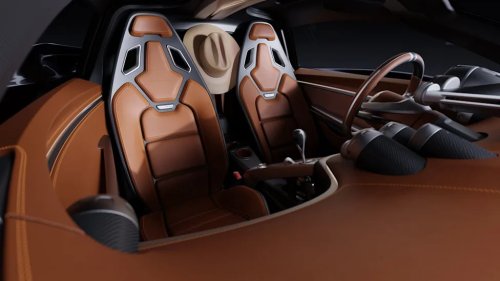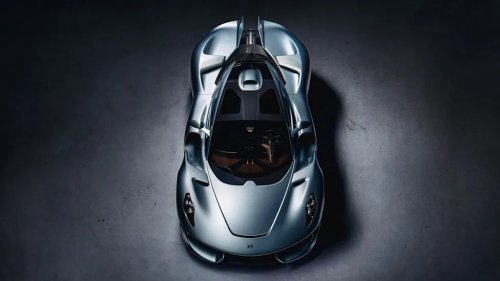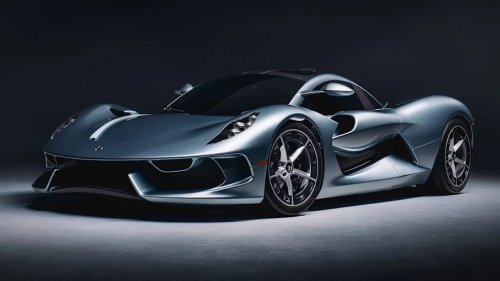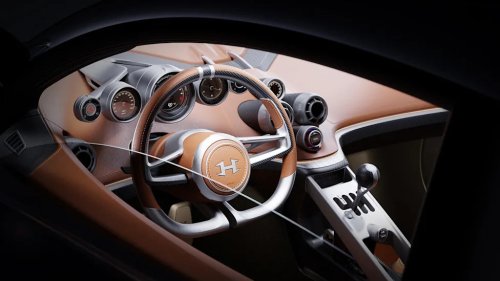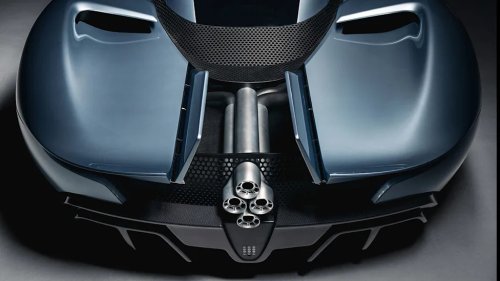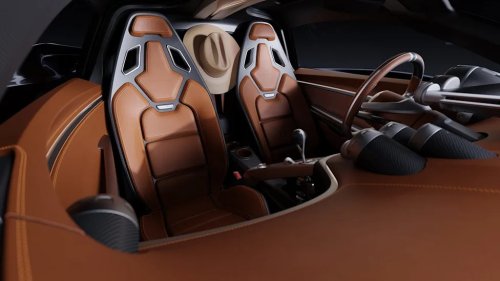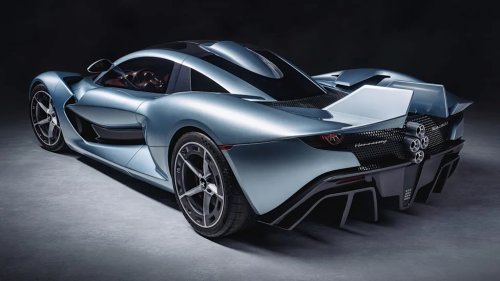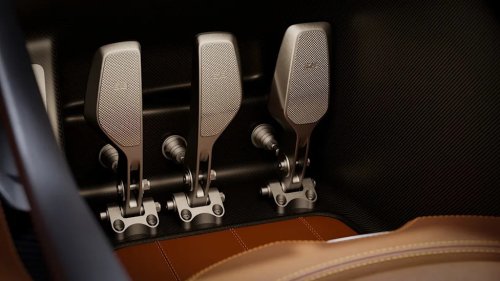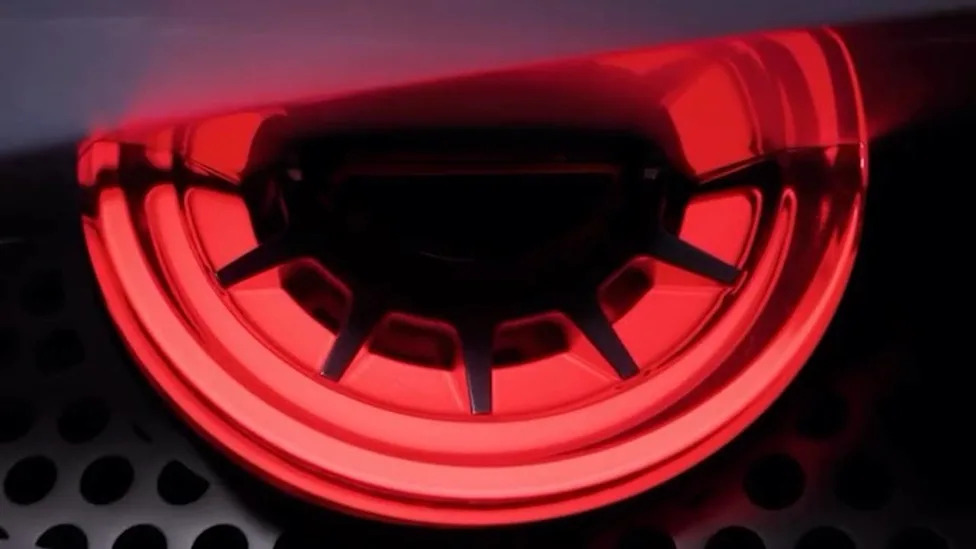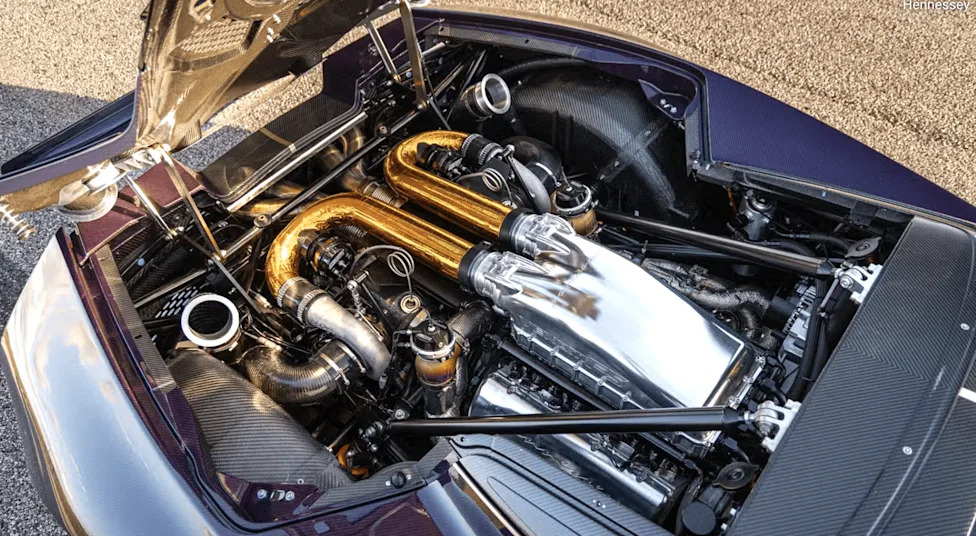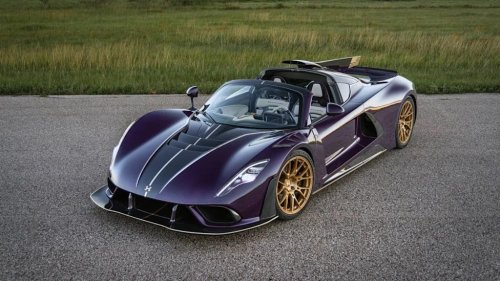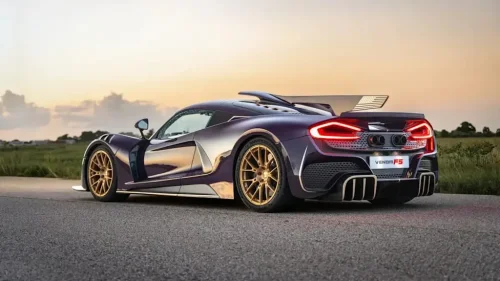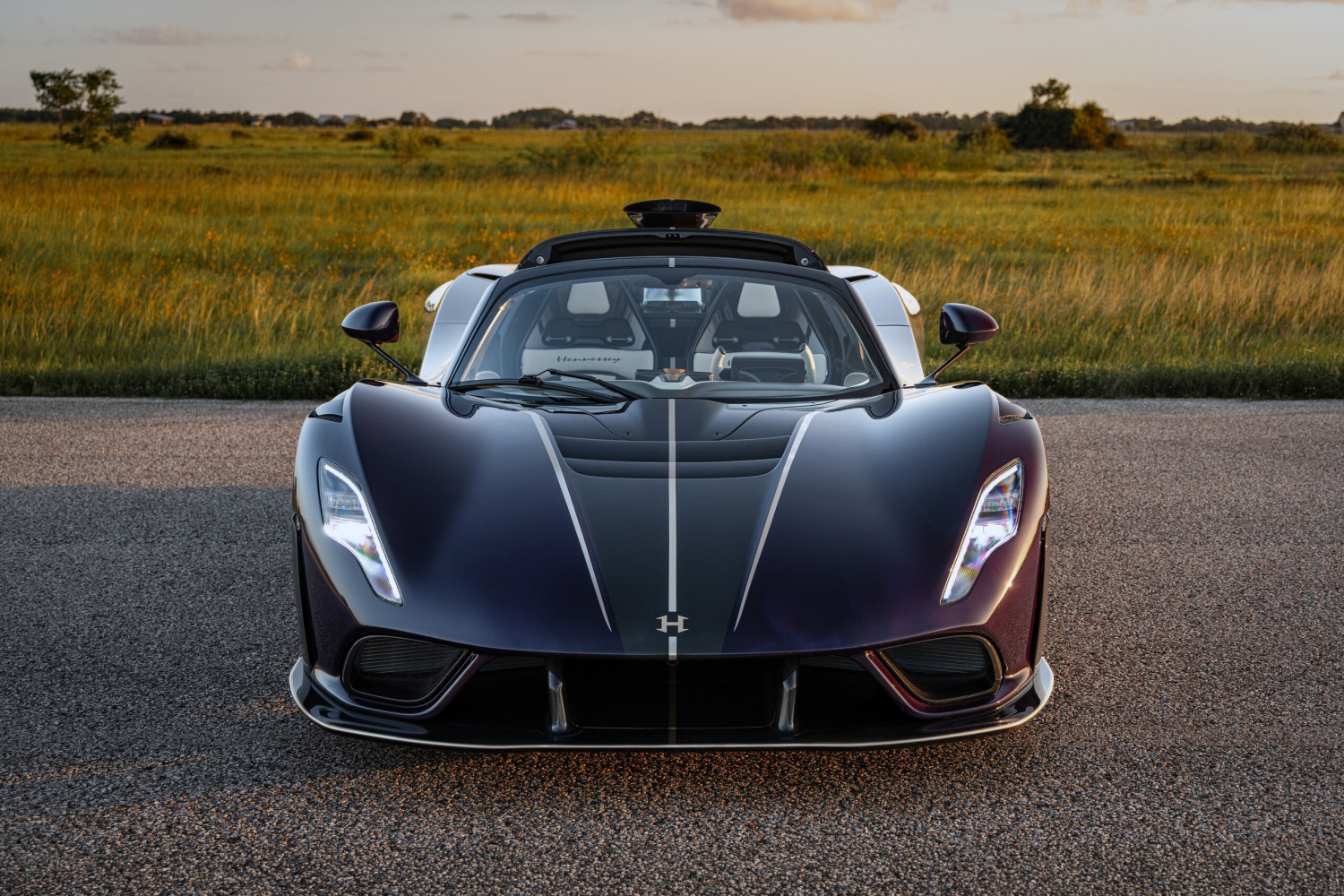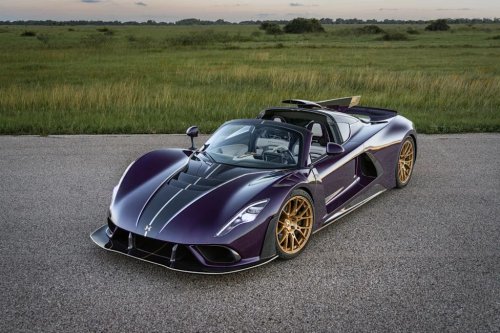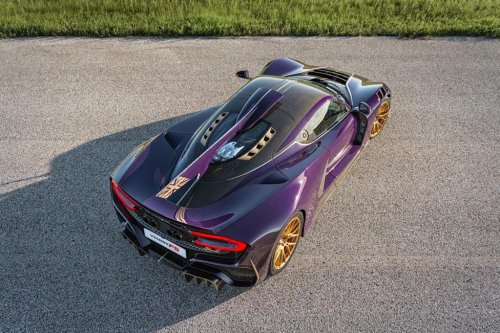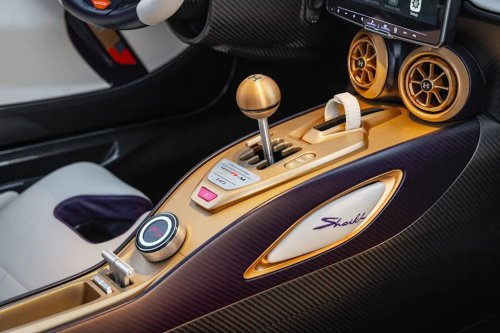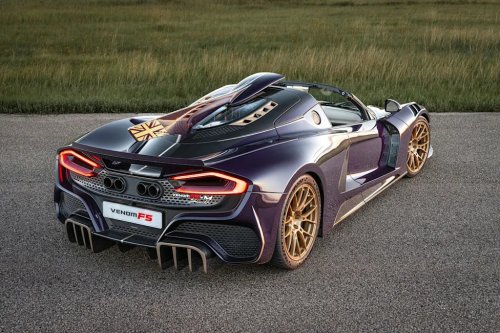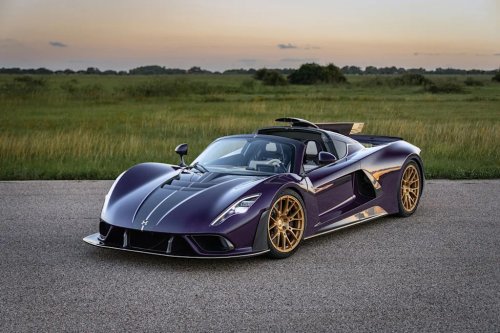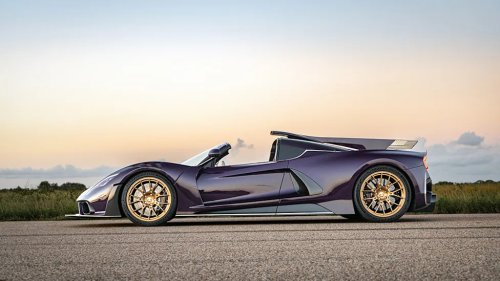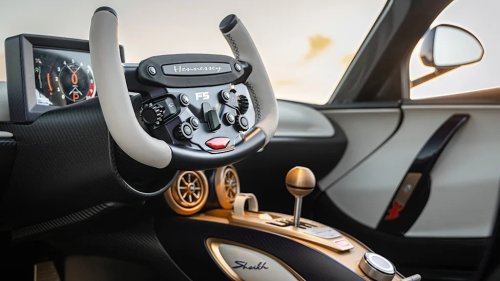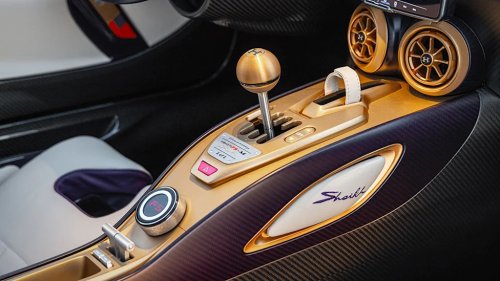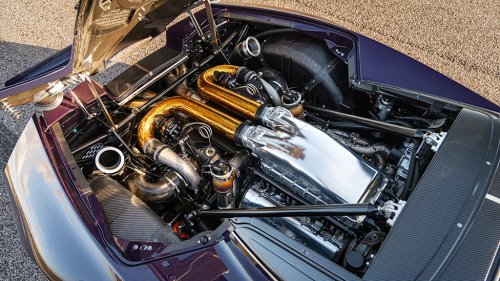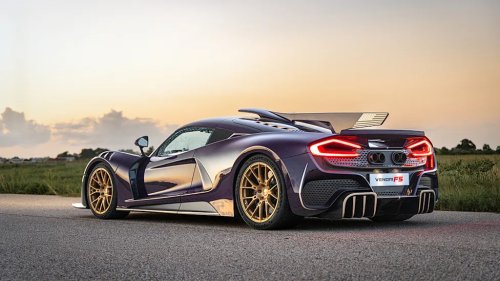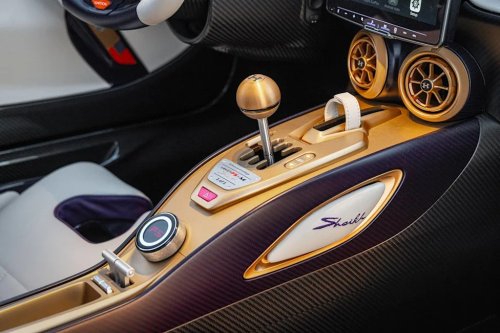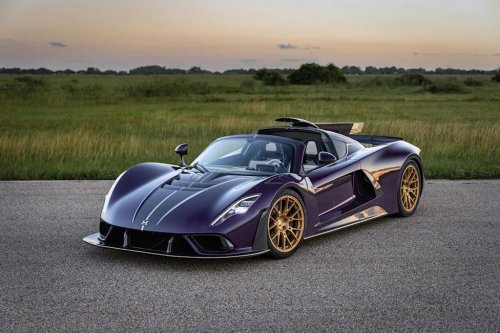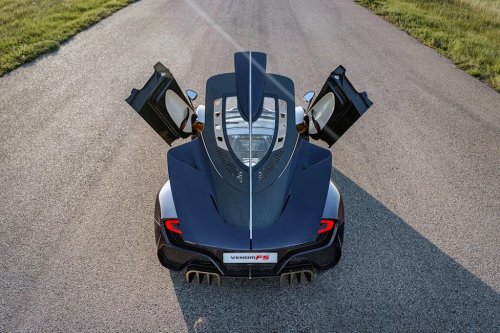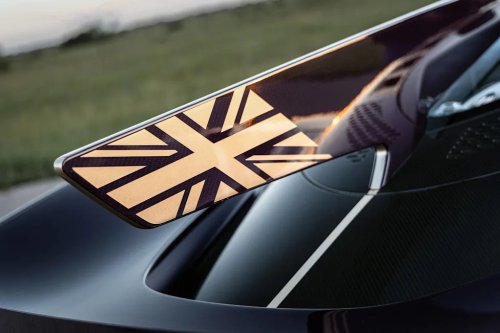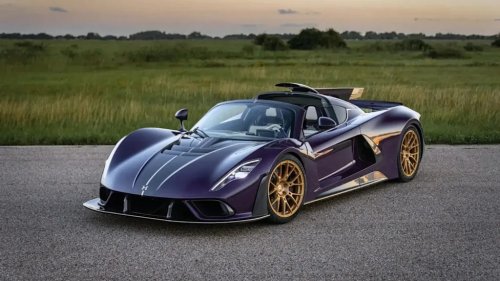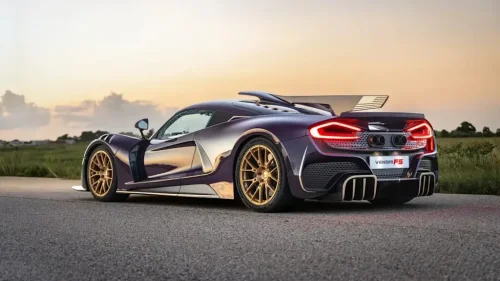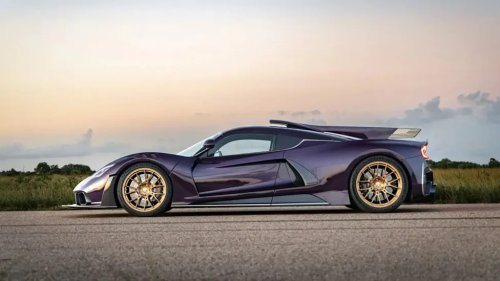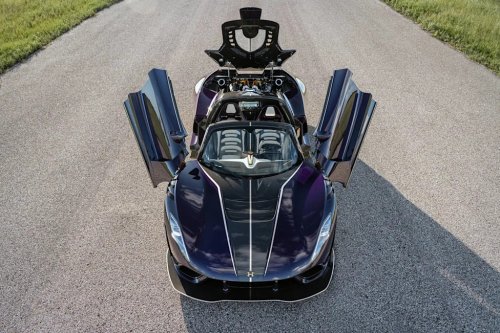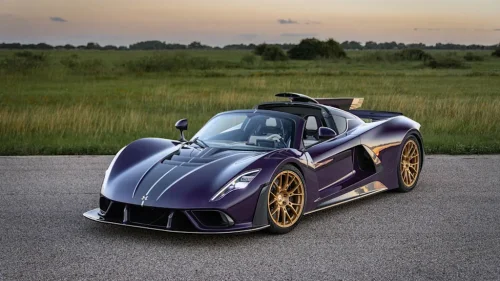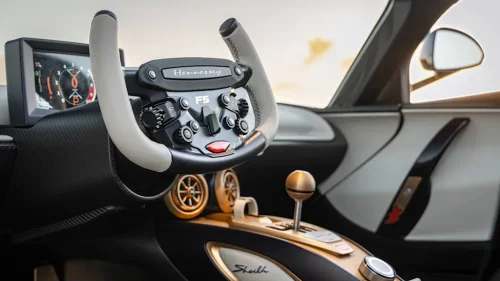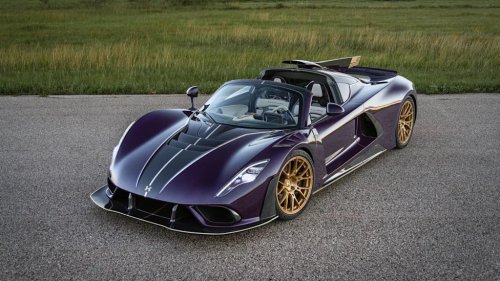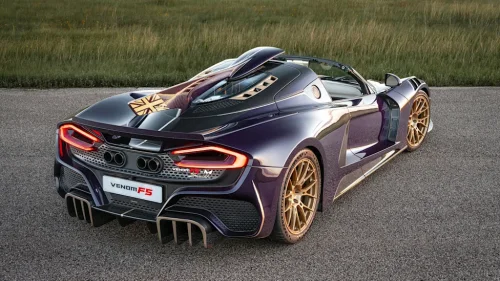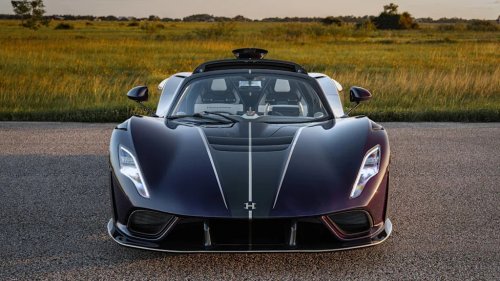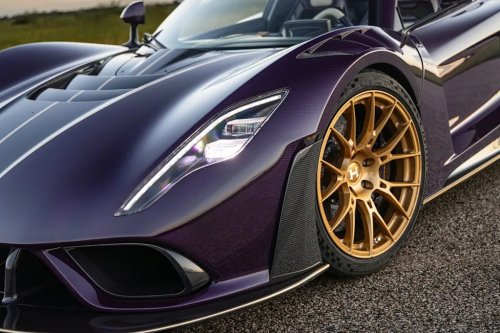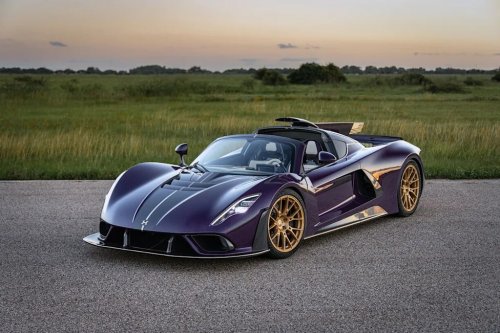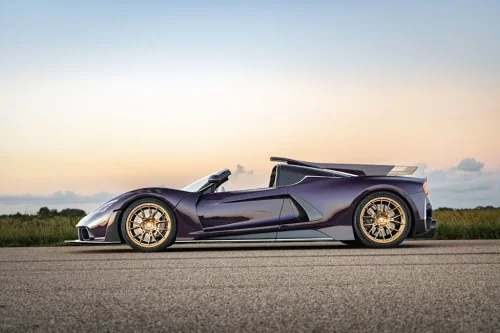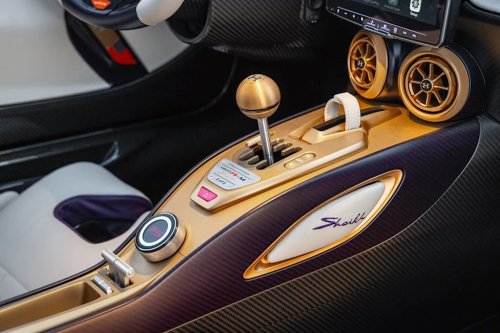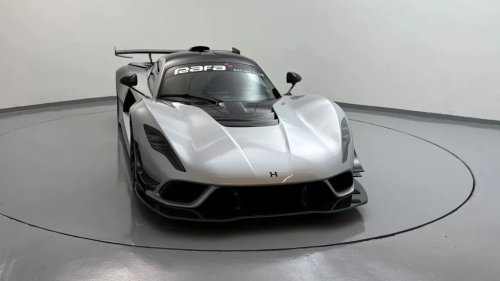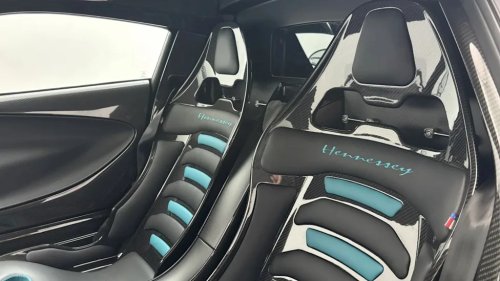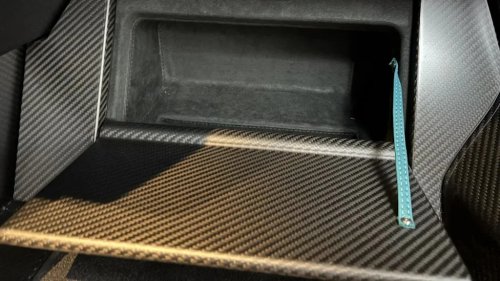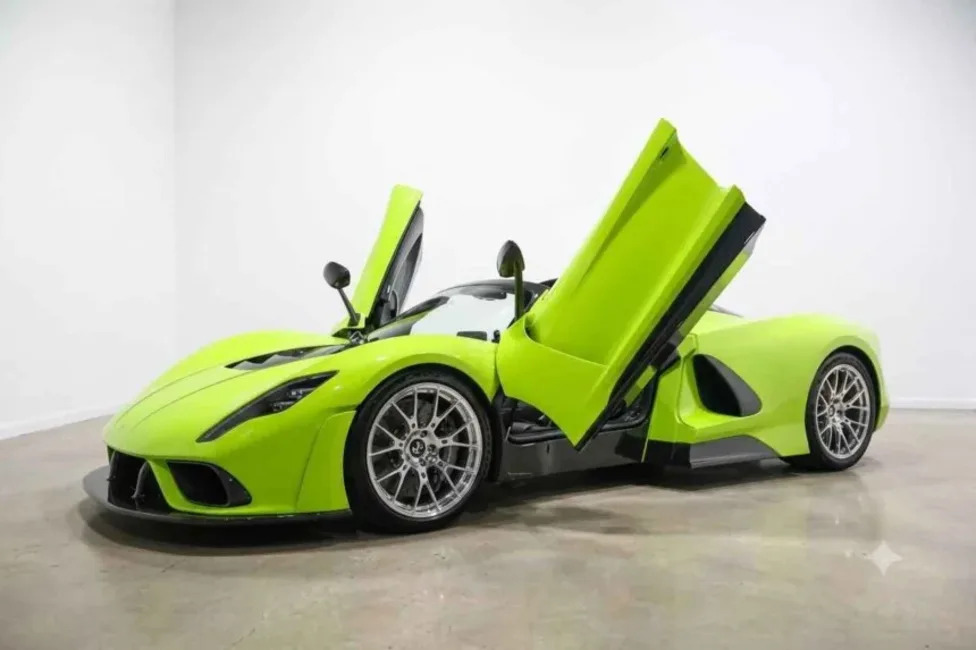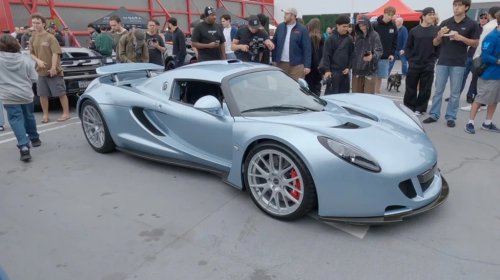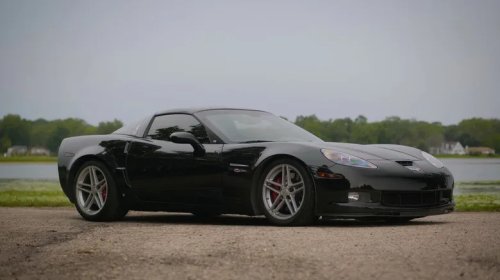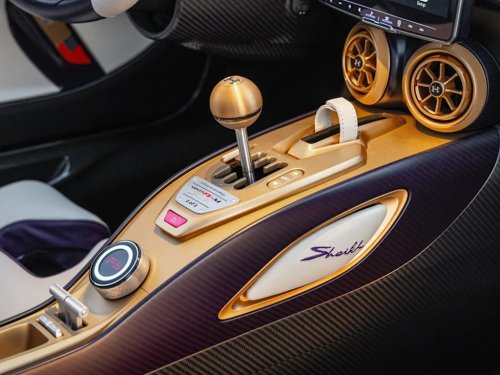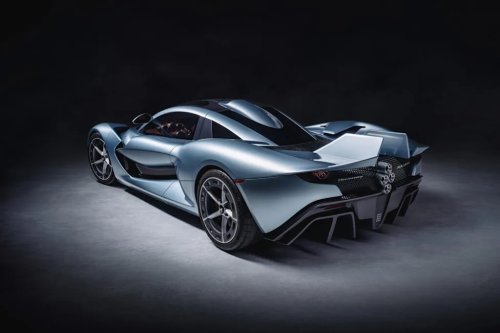
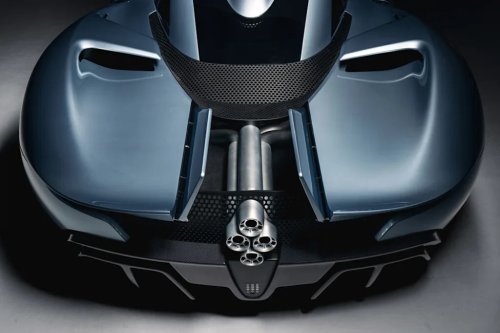
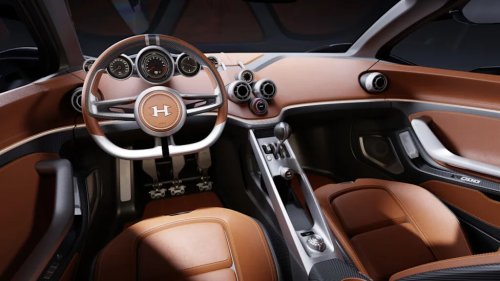
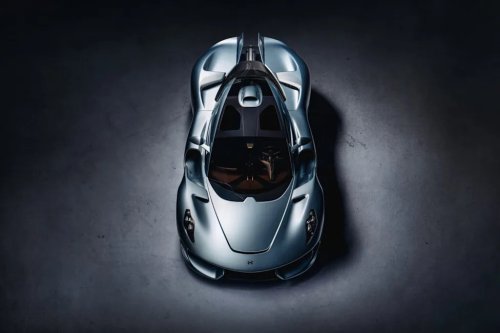


















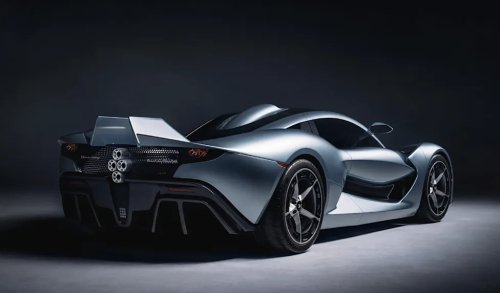
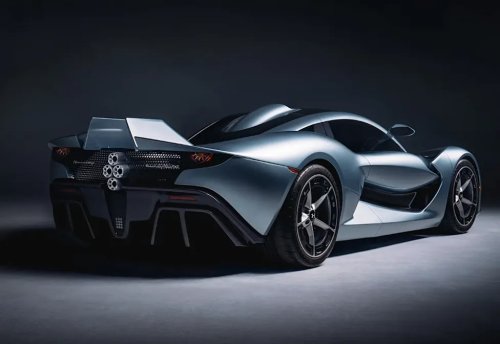
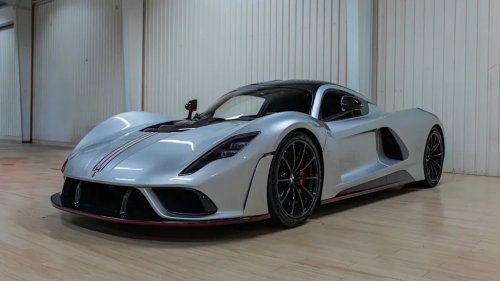
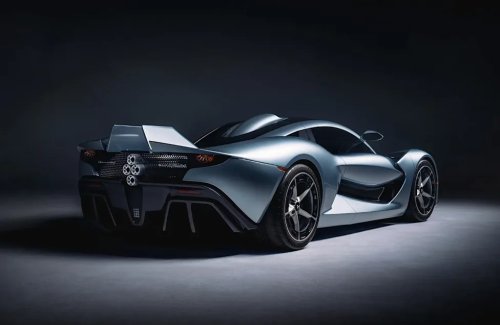
Hennessey built its reputation on raw, turbocharged excess – the Venom F5 produces over 2,000 horsepower and once crossed the standing half-mile at 221 mph. The Blackbird, revealed today, goes in the opposite direction entirely. No turbochargers, no hybrid system, no screens, and a six-speed gated manual as the only transmission on offer. For a company whose previous headline act redlined at the outer limits of what internal combustion can produce, this is a big change.The heart of the Blackbird is a 6.2-liter naturally aspirated V8 built in collaboration with Ilmor Engineering, a company established by former Cosworth engineers with support from Roger Penske – the same outfit responsible for developing the Chevrolet engine currently powering IndyCar competition.Hennessey claims targets of 800 to 850 horsepower and a redline north of 9,000 rpm, which would make it the most powerful and highest-revving naturally aspirated V8 in any road-legal production car. To put that figure in context, the Corvette Z06's 5.5-liter flat-plane V8 generates 670 hp – itself a formidable engine. The Blackbird's unit has overhead cams rather than pushrods, which should give it a very different character to anything else wearing the Hennessey badge. Performance targets sit at 0-60 in 2.5 seconds and 220 mph flat out, underpinned by a carbon tub, carbon bodywork, and a target dry weight under 3,000 pounds.The SR-71 Isn't Just a Name BadgeThe design story runs deeper than an aerospace-themed press release. Hennessey Director of Design Nathan Malinick spent weeks sketching the actual SR-71 before putting pen to the car, and the influence shows up in ways that go beyond surface decoration. The body-side chine line – the single hard crease that runs the length of the car – is lifted directly from the aircraft's distinctive pinched fuselage profile. Two vertical rear stabilizers activate on their own once the car reaches 71 mph, rotating within a range of 71 degrees in either direction, functioning simultaneously as aerodynamic downforce elements and the most recognizable nod to jet fighter aesthetics on the entire vehicle. The quad exhaust configuration, meanwhile, came from somewhere else: the diamond-shaped outlet on the Bell X-1, the aircraft Chuck Yeager flew through the sound barrier in 1947."Beauty is not a byproduct, it must be intentional," Malinick says in the official release. "With Blackbird, every decision our team made, inside and out, was guided by our vision to create the ultimate touring hypercar: one that strikes a perfect balance between elegance and aggression, beauty and purpose, inspiring people to fall in love at first sight."AdvertisementAdvertisementInside, the philosophy is what the company calls "analog overload." There are no infotainment screens anywhere in the car – not hidden, not optional, just absent. Navigation, Apple CarPlay, and Android Auto run through the driver's phone, held in a bespoke Hennessey-designed holster. A whiskey compass mounted on the dash is a direct reference to the SR-71's cockpit instruments. The focal point of the interior is a large central tachometer, which makes sense given that the point of this engine is the top of its rev range. John Hennessey claims the Blackbird represents "the beginning of a new book" for the company, and the screen-free cabin is probably the clearest statement of that.A Grand Tourer That Can Actually TourOne thing that separates the Blackbird from most hypercars at this price is that Hennessey genuinely engineered it for distance. The brief called for the ability to cover over 800 miles in a single day, which required a larger cabin than the Venom F5, gullwing doors for easier entry and exit, adaptive suspension with proper NVH targets, and enough luggage space to fit two full-size carry-on bags in the front trunk with additional storage in the rear quarters and inside the cabin. The SR-71 connection goes beyond visual inspiration: the legendary reconnaissance aircraft set records for speed across long distances, and that same spirit of sustained, point-to-point performance shaped Hennessey's vision for how the Blackbird would be driven in the real world.At $2.5 million before taxes, the Blackbird will be built in a run of just 71 units, putting it in the same rarified price territory as the GMA T50 – the most direct point of comparison for a naturally aspirated, stick-shift hypercar that prioritizes the driving experience over raw performance figures. More than two-thirds of the run was allocated before the public debut, which is set for August 14 at The Quail during Monterey Car Week. Customer deliveries are targeted for 2029 to 2030, as the Venom F5 production cycle winds down around 2028.Whether the Blackbird fully delivers will depend on the Ilmor engine hitting its targets and the analog experience matching the concept on paper. But the premise – an 800-plus horsepower, naturally aspirated, screen-free, manual-transmission hypercar designed to be driven across a continent and parked next to a Venom F5 without repeating it – is a more interesting one than most Texas-sized spec sheets tend to produce.