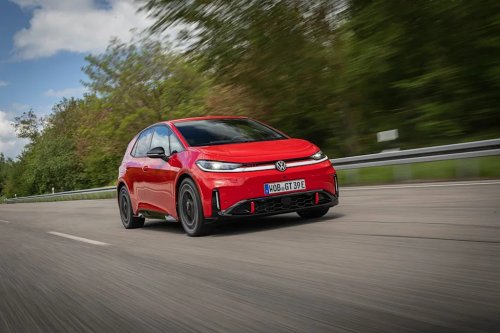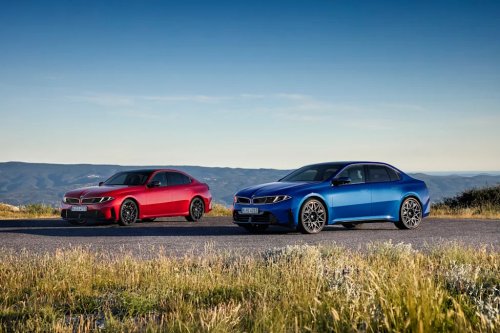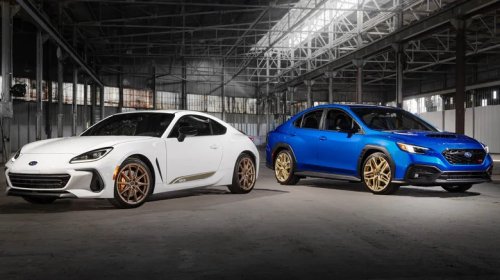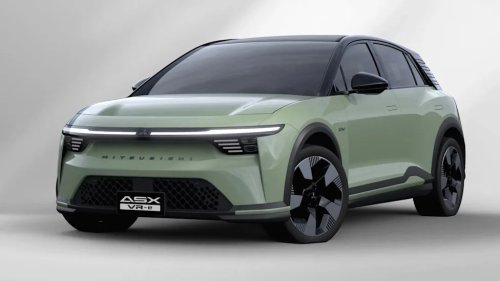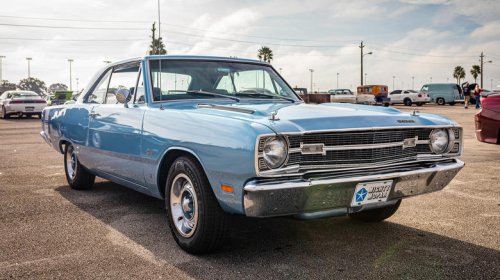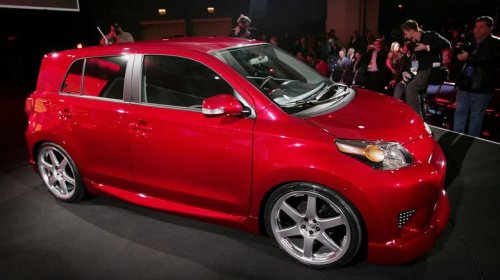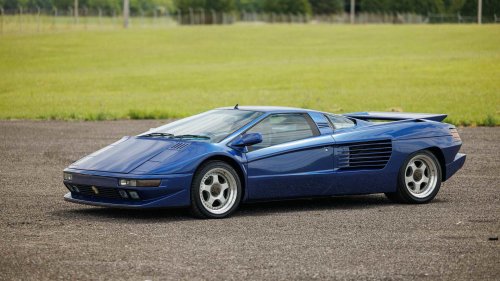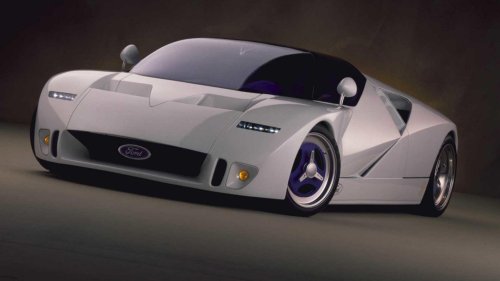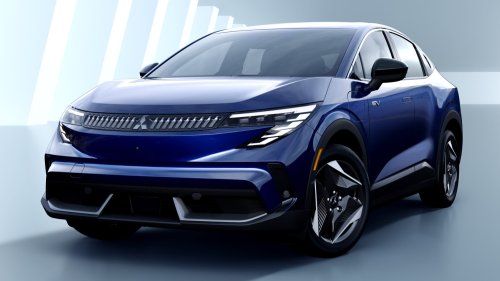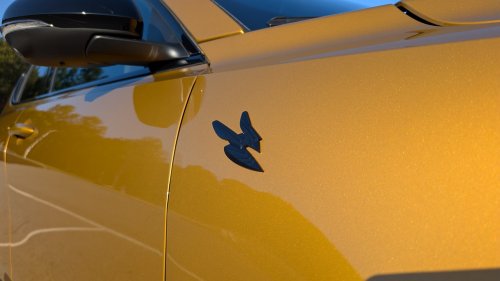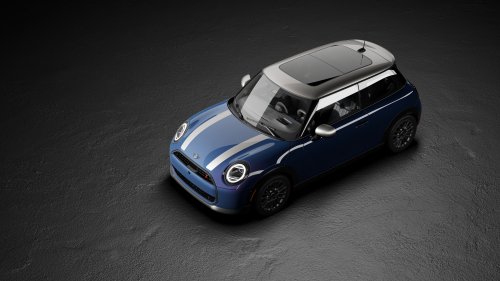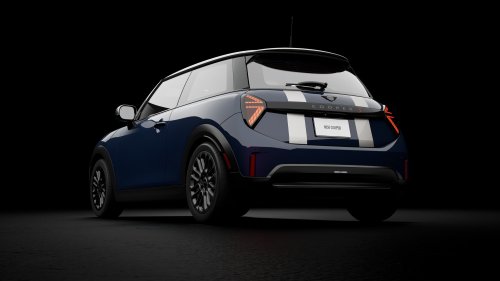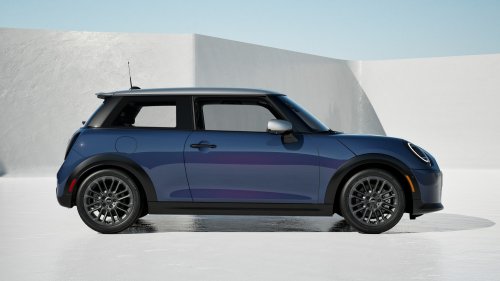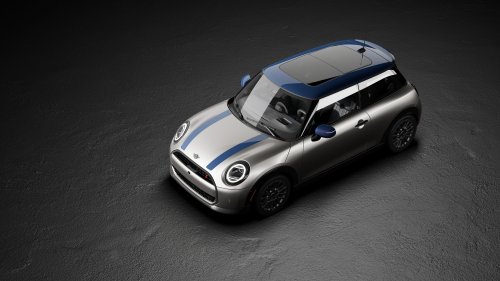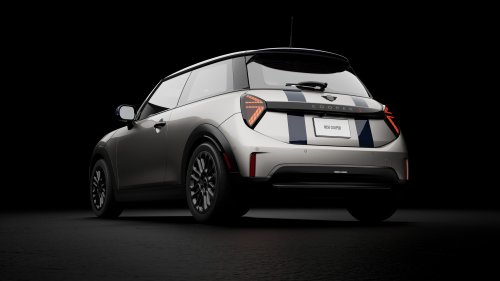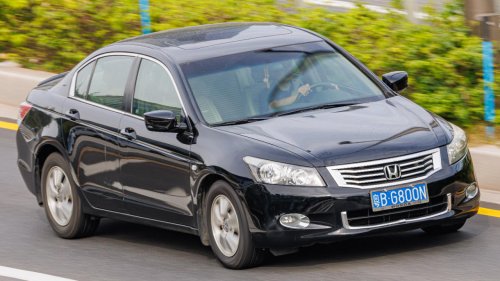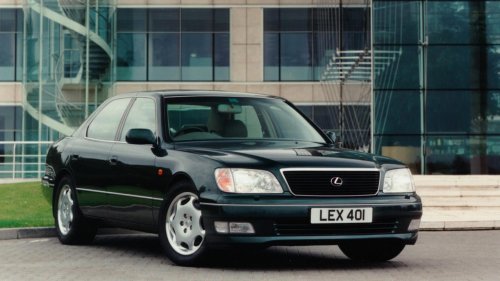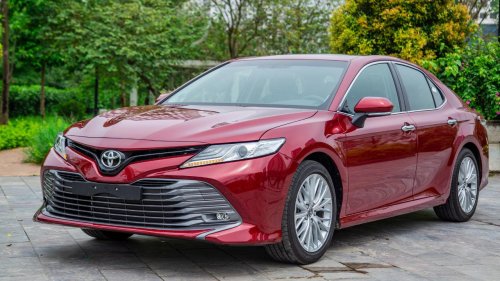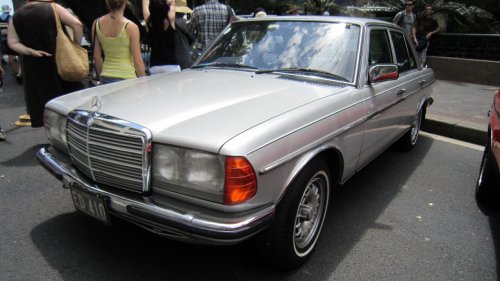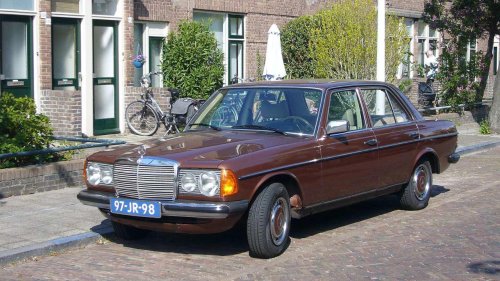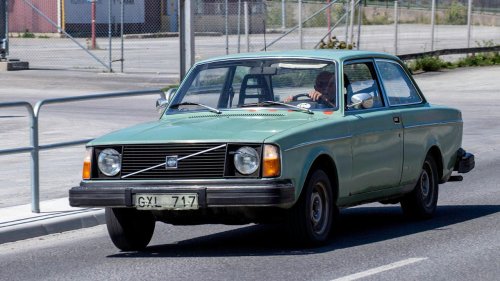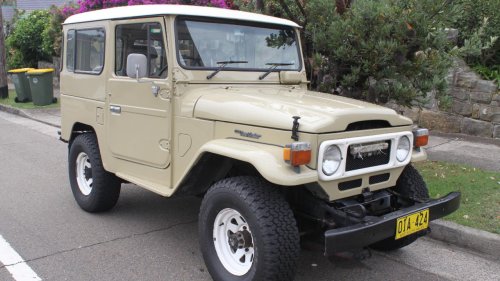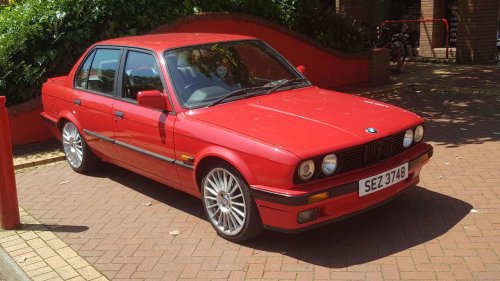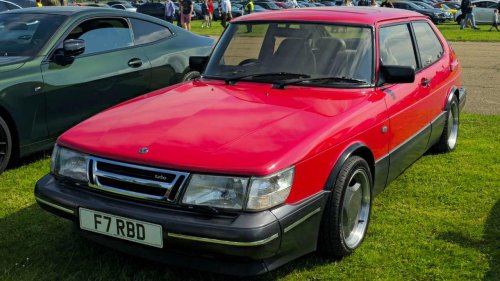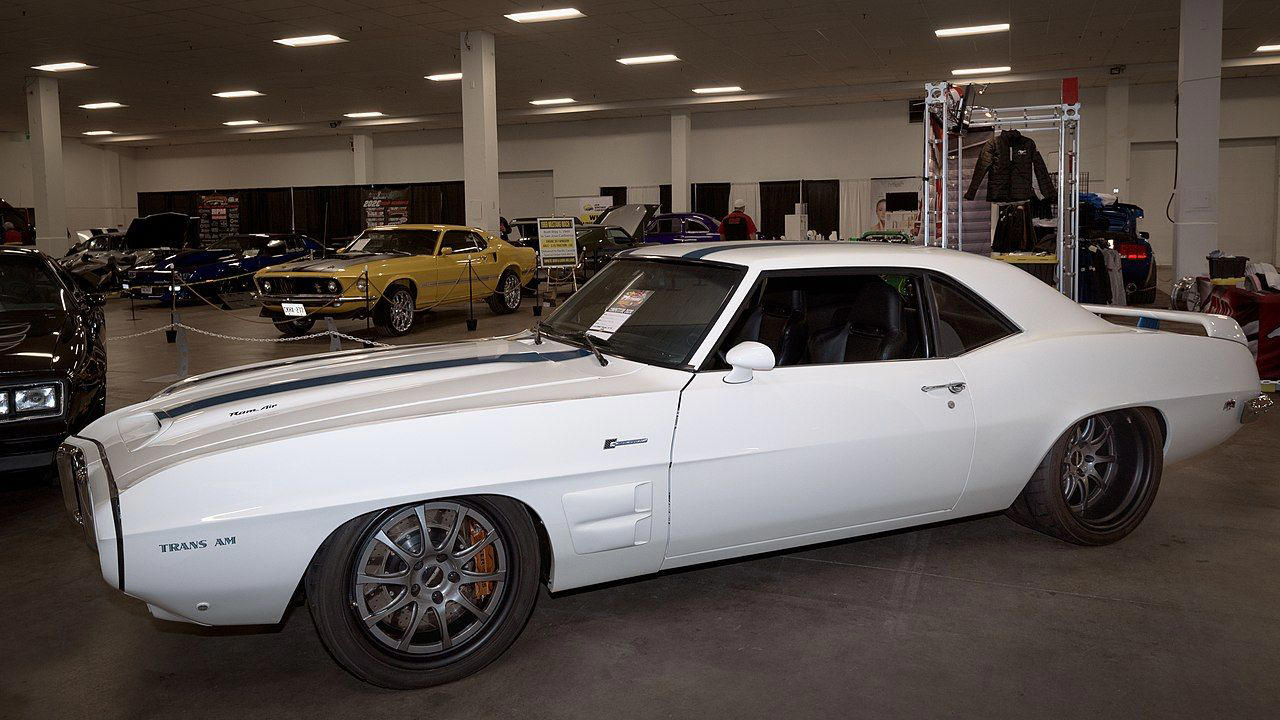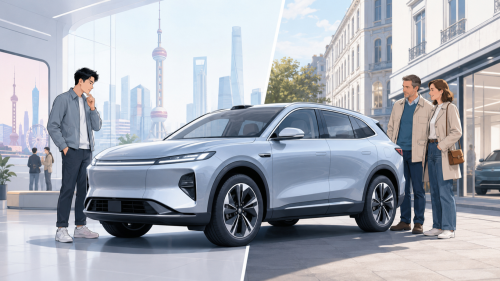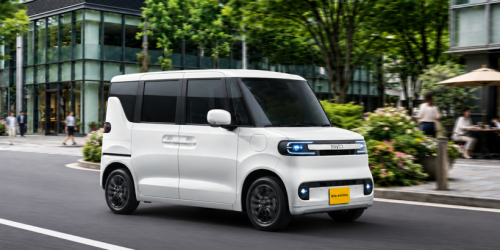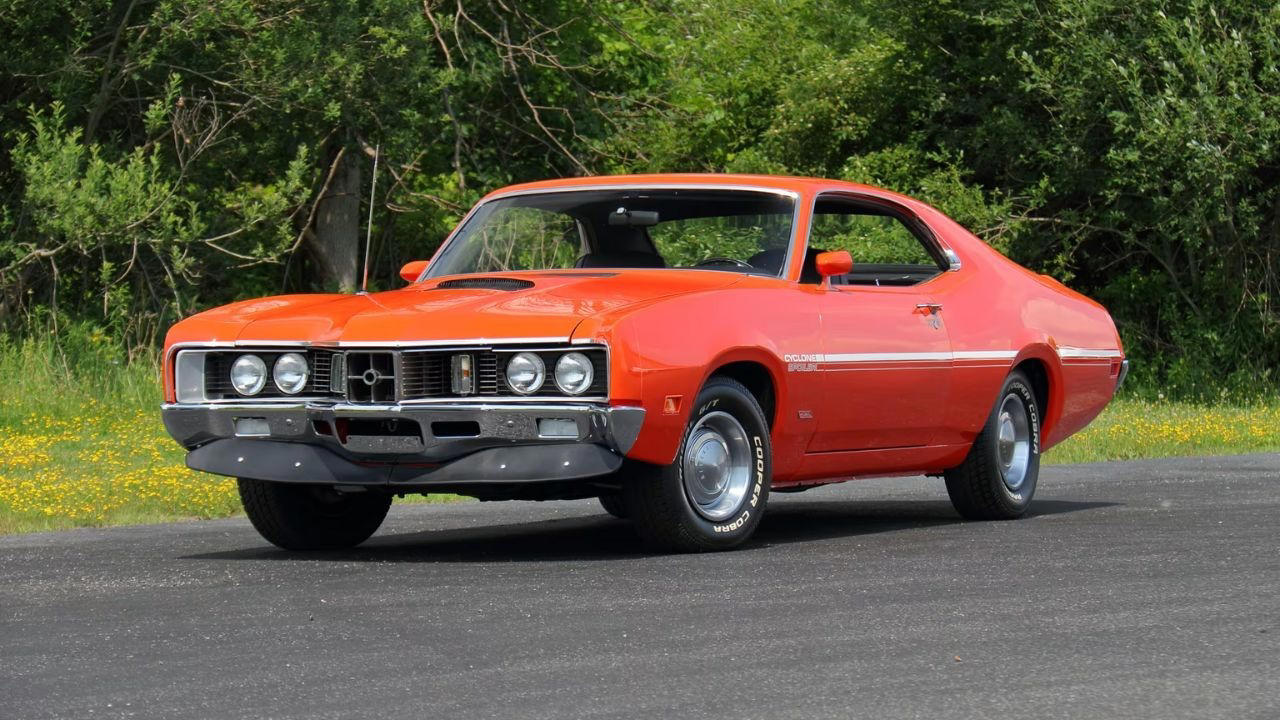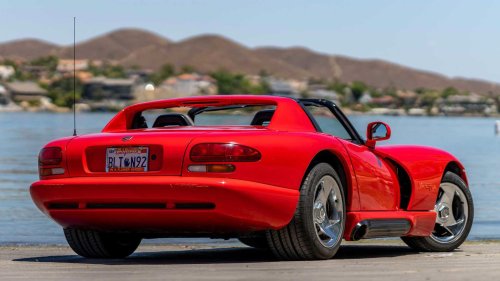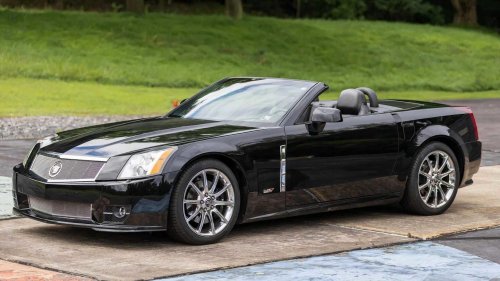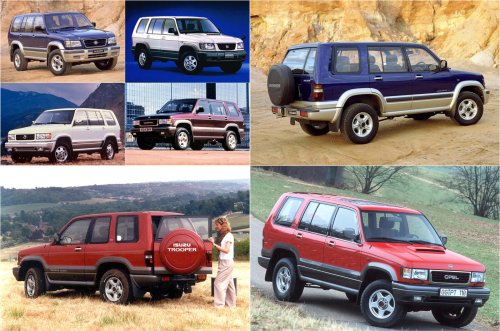














































For decades car makers have confused buyers by offering models with an array of identities.It’s a practice known as badge engineering, not to be confused with platform sharing or joint ventures, both of which have become increasingly common in recent years. Some car companies have over-indulged while others know better than to mess with their branding.Here we bring you more than six decades of the badge-engineered car – and you’ll see that the same automakers crop up time and again while others don’t get a mention at all. They’re the smart ones. The year mentioned references the first year of production of the second model in the family:Cadillac Cimarron (1982) - 2 MODELSWhen General Motors (GM) realised in the early 1980s that BMW and Mercedes were stealing sales in parts of the luxury car market, it stuck Cadillac badges onto the Chevrolet Cavalier in a bid to compete in the smaller luxury car class. But the high prices and four-cylinder engines made the Cimarron (pictured) a laughing stock; even the introduction of a V6 in 1985 did nothing to make the car more saleable.Ford F-150 (2002) – 2 MODELSWith the F-150 being the world’s biggest-selling truck, in 2002 Ford decided to take it upmarket with a Lincoln edition called the Blackwood, it couldn’t fail. Well that’s what Ford assumed, but in reality the Blackwood bombed with little more than 3000 made in a single model year before the plug was pulled.Rolls-Royce Silver Shadow (1965) – 2 MODELSAfter Rolls-Royce had acquired Bentley Motors in 1931 the two brands shared much the same model range, albeit sometimes with significant differences. Not where the Silver Shadow and Bentley T-Series (pictured) were concerned though; the two were interchangeable and because buyers saw the Rolls-Royce as the more prestigious brand, just 2280 four-door T-Series Bentleys were sold, compared with around 30,000 Silver Shadows.Toyota IQ (2011) – 2 MODELSWhen Aston Martin needed to cut its average CO2 emissions across its range it hit upon the bright idea of rebadging the Toyota IQ as the Cygnet (pictured), albeit it with a few bodywork updates, an interior retrim, and a hefty price-tag.But the company seriously over-estimated demand and production was wound up after less than three years with just 786 cars built; Aston had predicted 2000 per year.Triumph Acclaim (1981) – 2 MODELSBritish Leyland signed a deal with Honda in 1979 to collaborate on forthcoming models. The former’s Triumph Dolomite was getting old so it rebadged the Honda Ballade and sold it as the Triumph Acclaim (pictured).There were no Triumph parts in the Acclaim at all, aside from the badges – and it was by far the most reliable car the company had ever sold. But you're a brave person if you turn up to a Triumph heritage event in one of these…Land Rover Discovery (1993) – 2 MODELSWhen Honda realised that it needed a 4x4 in its armoury in the early 1990s, it licenced the original Discovery from Land Rover and sold it in Japan and New Zealand as the Crossroad (pictured). It’s the only production-car V8 Honda has ever made. Honda reintroduced the Crossroad in 2007, now engineered in-house.Lancia Delta (2011) – 2 MODELSWhen Fiat merged with Chrysler it proved how shameless it could be with its abuse of brands. First we got the Lancia Delta and Lancia Ypsilon rebadged as Chryslers for the UK market with hopelessly ambitious premium pricing, and then the Chrysler 200 (pictured) and Grand Voyager were rebadged as Lancias, the former sold as the Flavia.All were notably unsuccessful.Saab 9-2X (2005) – 2 MODELSIn 2005 Saab launched an estate car that should never have happened. Little more than a rebadged Subaru Impreza, the Saab 9-2X came about because GM owned Saab plus a stake in Fuji Heavy Industries, the owner of Subaru. Made for just two seasons, around 10,000 9-2Xs were built.Opel Omega (1996) – 3 MODELSGeneral Motors Europe selling the same car with Opel and Vauxhall badges was to be expected, but less predictable was that this car should cross the Atlantic to wear Cadillac badges. It was a simple enough idea: GM needed an entry-level model that was spacious and comfortable and could take the fight to German imports, so surely a German import by GM itself could do the job?When the Catera (pictured) failed to find buyers GM thankfully resisted the temptation to then nail on an array of other US badges such as Buick or Oldsmobile.Mini (1961) – 3 MODELSBMC didn’t always get carried away and nail every available badge to every model; sometimes it held back. The posh Riley Elf was an example of this; it was sold under only the Riley and Wolseley brands (as the Elf and Hornet respectively).Autozam AZ-1 (1992) – 3 MODELSHere’s one for all you geeks out there; this is about as obscure as it gets. The Autozam AZ-1 (pictured) was sold by Mazda but it was actually engineered by Suzuki, which sold its own version called the Cara.Volkswagen Up (2011) – 3 MODELSThe Volkswagen Group rules the roost when it comes to repackaging; its first generation MQB platform fuelled 15 different models. But sometimes we get the same car wearing different badges instead, with no attempt to separate them – which is why the Volkswagen Up (pictured right) also came in virtually identical Seat Mii (pictured centre) and Skoda Citigo (pictured left) flavours, sold in most global markets apart from North America.Mitsubishi 3000GT (1991) – 3 MODELSSold in Japan as the Mitsubishi GTO (pictured), this junior supercar was marketed as the 3000GT in most markets around the world. That included the US, where confusingly, buyers could also buy it as the Dodge Stealth.Opel GT (2007) – 3 MODELSOne of the sharpest-looking sports cars of the past 20 years deserved a wide audience and that’s exactly what the Opel GT got. It was sold across Europe wearing Opel badges while in the US it was the Saturn Sky (pictured) or the Pontiac Solstice.Ford Escape (2001) – 3 MODELSWhen the first-generation Ford Escape arrived in 2001 it was developed in conjunction with Mazda – which is why the Mazda Tribute was the same car, along with the Mercury Mariner because Ford just couldn’t resist a bit of badge engineering.Vauxhall/Opel Zafira (2001) – 3 MODELSDepending on the market, Subaru means different things to different people. While many love its WRX STi rally car for the road, for many Subaru is all about tough workhorses such as its Forester and Legacy.What it isn’t is a purveyor of ultra-dull seven-seat MPVs – but that’s what Subaru created when it stuck its own badge onto the Vauxhall/Opel Zafira to come up with the Traviq (pictured).Daewoo Lanos (1997) – 4 MODELSDesigned by Giorgetto Giugiaro and introduced in 1997, the Daewoo Lanos (pictured) was quite a neat-looking small hatch, so no wonder an array of companies queued up to build it under licence.These included Polish company FSO and Russia’s ZAZ.Suzuki Vitara – 4 MODELSDepending on the market the Vitara (pictured) was sold as the Suzuki Sidekick, Chevrolet Tracker or Geo Tracker. GM’s Geo brand (1989-2016) consisted entirely of rebadged cars made by other companies; the Prizm was really a Toyota Sprinter, the Storm was an Isuzu Impulse, the Spectrum was an Isuzu I-Mark and the Metro as we’ll see was a rebadged Suzuki Swift.Buick Terraza (2005) – 4 MODELSGM was at it again, bamboozling buyers by offering four versions of this minivan, each differing from the others only by its badging. As well as a Buick Terraza option there were also Chevrolet Uplander, Pontiac Montana SV6 and Saturn Relay editions (pictured), all of which were as forgettable as each other.Plymouth Town & Country (1983) – 5 MODELSWhen Chrysler launched the world’s first people-carrier in 1983, buyers could choose between Dodge Grand Caravan, Plymouth Grand Voyager or Chrysler Town & Country editions. Later on, despite having the perfectly good Sharan people carrier at its disposal, VW licenced the Chrysler minivan and sold it as the Routan (pictured) while the Fiat-Chrysler tie-up also led to it being sold as a Lancia for a while.Chevrolet Aveo (2002) – 6 MODELSThe original Chevrolet Aveo grew out of the Daewoo Kalos – a car that was as dull as it’s possible to get. Despite its lack of talent the Aveo was sold around the globe as the Holden Barina, Pontiac G3 (pictured), ZAZ Vida and in Canada it was even sold as the Suzuki Swift+.Hillman Avenger (1970) – 6 MODELSBritain’s Rootes Group was at it again, with this rear-wheel drive family car that arrived in 1970. Originally sold as the Hillman Avenger, there were also Talbot, Sunbeam and Dodge versions of it, while in the US it was sold as the Plymouth Cricket (pictured); in Argentina it was sold as the Volkswagen 1500.GMC Envoy (1998) – 6 MODELSGM has played the badge engineering card seriously heavily over the years, largely because it used to have an awful lot of brands and it also reserved different brands for different countries. But it can’t always use that excuse, because the Saab 9-7X, Chevrolet Trailblazer, GMC Envoy (pictured), Buick Rainier, Isuzu Ascender and the Oldsmobile Bravada were all sold in the US.BMC Farinas (1959) – 6 MODELSThe British Motor Corporation was formed in 1952 with the merger of Austin and Morris. The latter also owned the MG, Riley and Wolseley brands and the badge engineering began immediately – but it reached fever pitch in 1959 with the arrival of the big Farina saloon, which was offered in every form imaginable: Austin Cambridge, Morris Oxford (pictured), Riley 4/68, Wolseley 15/60, MG Magnette and in six-cylinder form there was a Vanden Plas edition too.BMC ADO16 (1962) – 6 MODELSBMC carried on with smaller cars in the 1960s too. There was no way each marque could have its own distinct model range so BMC just stuck an array of badges onto each model, which is why we ended up with Austin, Morris, Wolseley, Riley, Vanden Plas and MG versions of the 1100 and 1300.Mitsubishi Starion (1982) – 6 MODELSSold as the Colt Starion in the UK (pictured – known later as the Mitsubishi Starion), this rather neat sporting hatch could be bought in the US as a Chrysler, Dodge or Plymouth Conquest. Or just for good measure, US buyers could also buy theirs as a Mitsubishi Starion.Humber Sceptre (1966) – 7 MODELSWhatever BMC could do, the Rootes Group could match. The company’s Arrow range arrived in 1966 and remained in production until 2005 in Iran. In that time the car was sold as the Singer Gazelle and Vogue, Hillman Hunter (pictured) and Humber Sceptre; later there would be Chrysler Hunter and Vogue editions while the car would end its days as the Paykan in Iran.Chevrolet Captiva Sport (2006) – 7 MODELSGeneral Motors gave this car a different identity all over the world. Australia got it as the Holden Captiva, the UK as the Vauxhall Antara while elsewhere in Europe it was the Opel Antara. Sold as the Saturn Vue in North America, in South America it was the Chevrolet Captiva Sport (pictured) – while in South Koreans it was the Daewoo Winstorm MaXX.Holden Monaro (2001) – 7 MODELSThis time the Holden Monaro (pictured) built in Australia was also sold as the Vauxhall Monaro (later the VXR8) in the UK, while in the US the car was sold as the Pontiac GTO and G8 as well as the Chevrolet Lumina, Caprice and SS. Sadly, Holden’s remaining Australian factory closed in 2017 and the Holden brand itself died in 2021.Chevrolet Venture (1997) – 7 MODELSIt’s another GM badge-fest, with this minivan introduced in 1997 and coming with a bewildering variety of identities. For the US market there was the Chevrolet Venture, Pontiac Montana and Trans Sport along with the Oldsmobile Silhouette (pictured). It was sold as the Buick GL8 in China while European buyers got it as either the Opel or Vauxhall Sintra.Suzuki Swift (1988) – 8 MODELSThe first Swift was sold under various badges mostly owned by General Motors , but the second generation model of this small car - sold as two-door and four-door saloons, and three-door and five-door hatchbacks - took things to another level. Produced in 11 different locations across the world including Canada, Indonesia and Venezuela, Suzuki sold it under six different model names alone.But it was also sold as the Maruti Suzuki 1000 (India), Changan Suzuki Lingyang (China), Chevrolet Sprint and Pontiac Firefly (Canada), Chevrolet Swift and Forsa (Latin America), Geo Metro (US, pictured), Holden Barina (Australia), and Subaru Justy (Europe). Production only finally ended, in Pakistan, in 2016.Chevrolet Spark (2009) – 8 MODELSThe Chevrolet Spark (pictured) wore a multitude of identities including the Chevrolet Beat and Holden Barina Spark while its successor was also marketed as the Opel Karl, Holden Spark and Vauxhall Viva.The original car (from 1998) was even more confusing as it carried Daewoo, Pontiac, FSO, Chevrolet and Formosa badges, among others.Talbot Horizon (1978) – 9 MODELSWinner of the European Car of the Year in 1978, this otherwise forgettable hatchback featured Chrysler, Talbot or Simca badges in Europe , while in America it was sold under the Plymouth (Horizon (pictured), Scamp, Turismo) and Dodge (Charger, Omni, Rampage) banners.Opel Kadett (1984) – 9 MODELSThe Kadett badge goes right the way back to 1936, but when the model went front-wheel drive in 1979 GM got quite carried away. This car would also be sold as the Chevrolet Kadett, Pontiac Le Mans, Passport Optima, and once the car had been revised once more it also wore an array of Daewoo badges (Cielo, Le Mans, Nexia, Racer), as well as the Vauxhall (pictured) and Opel Astra.Isuzu Trooper (1991) – 11 MODELSNot for the first nor indeed last time in this story, the prolific nature of this large SUV reflects the imperial scale of General Motors, which bought a large slice of Japan’s Isuzu in 1972.The second generation Trooper was more luxurious than the first one and filled various gaps in GM’s global SUV lineup, which saw it sold as the Chevrolet Trooper (US and Canada), Opel Monterey (continental Europe), Vauxhall Monterey (UK), Holden Jackaroo and Monterey, and HSV Jackaroo (Australia). Other companies bought the model in to fill some of their gaps too; Honda sold it as the Acura SLX in the US and Honda Horizon in Japan, while it was sold as the Sanjiu 3-Nine Isuzu Trooper in China.