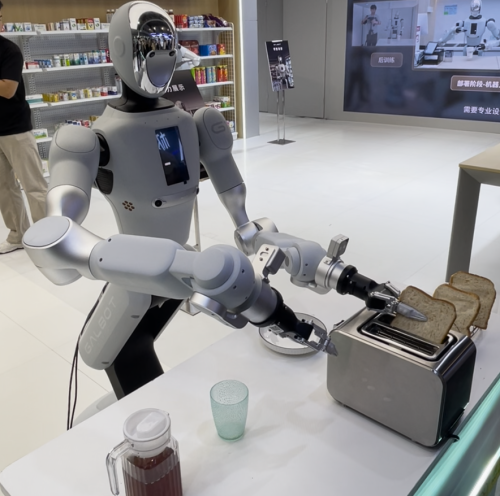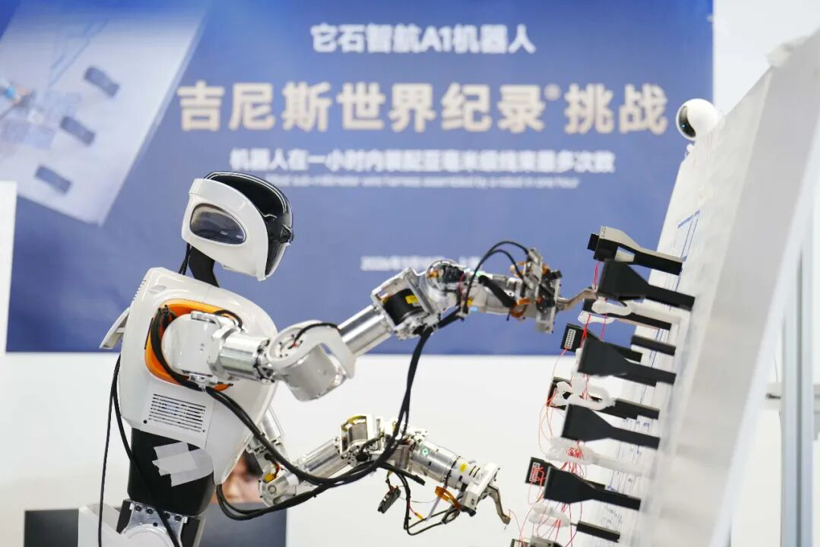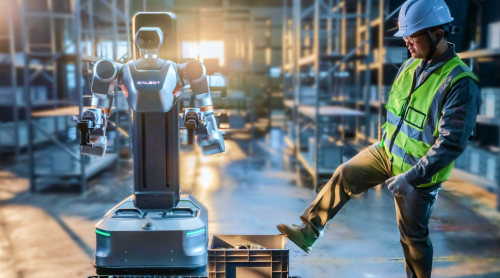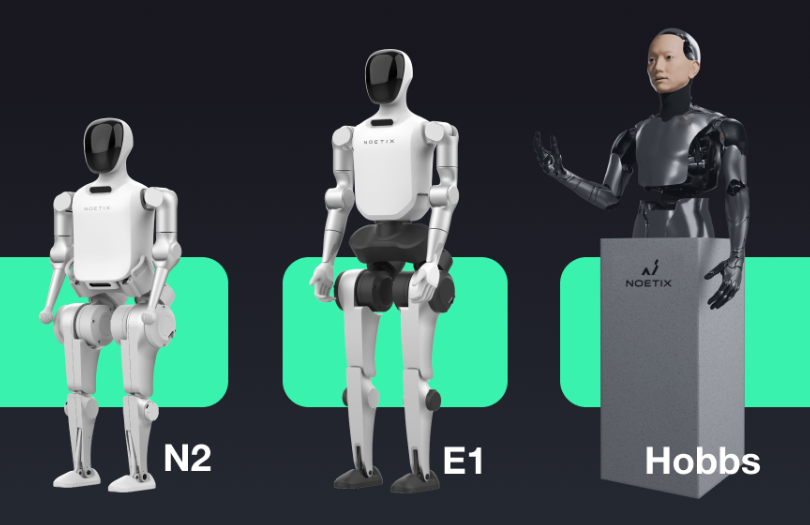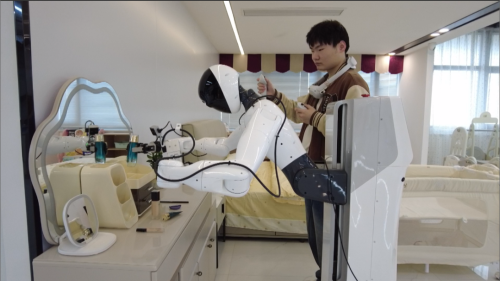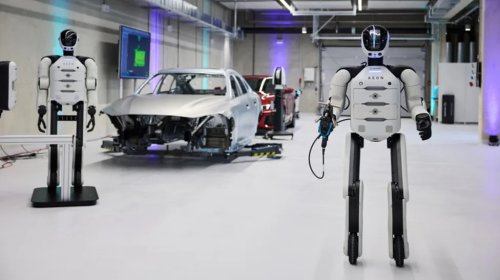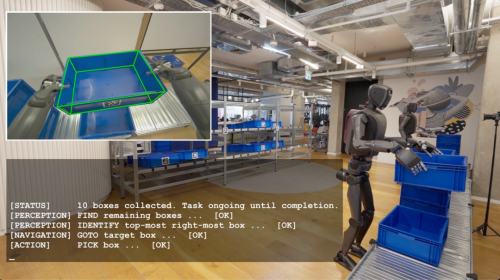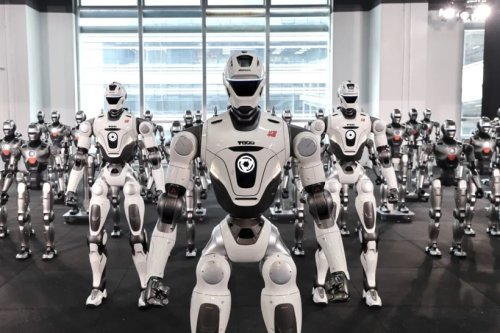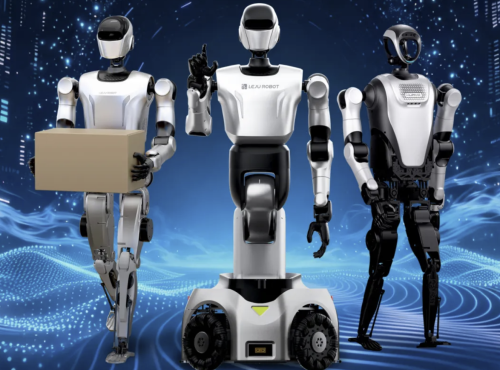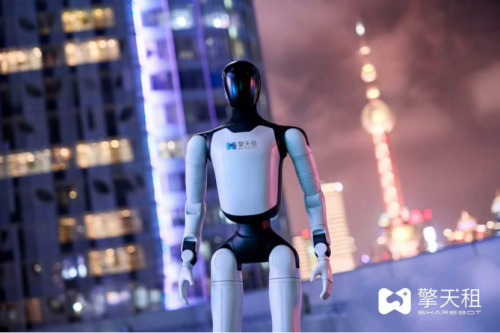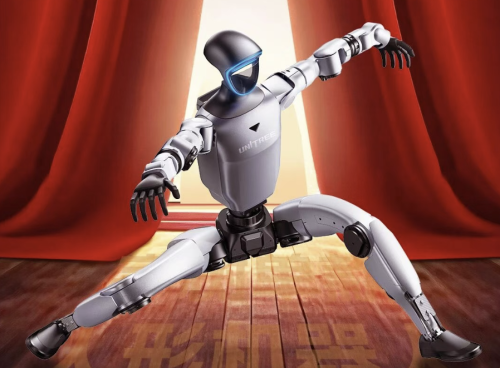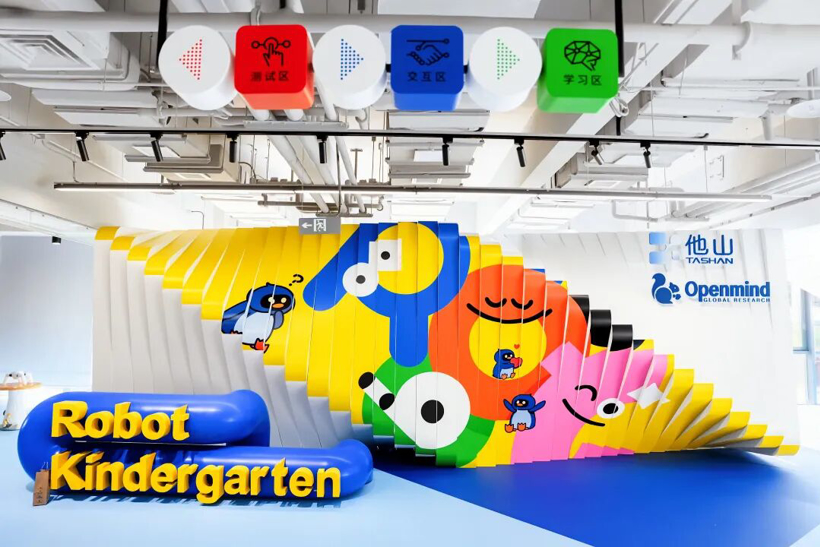



















Gasgoo Munich-Gasgoo reports that the "Robot Kindergarten," a joint initiative by Tashan Technology and the team of Richard Sutton—the 2024 Turing Award winner known as the "father of reinforcement learning"—and OpenMind, has officially opened at Shougang Park in Beijing's Shijingshan District. This establishes a new physical training paradigm for embodied intelligence, according to Shougang Group.Unlike traditional robot training centers that rely on imitating human demonstration data, this platform features three functional zones: testing, learning, and interaction. It incorporates robots of various forms from companies including Unitree and Accelerated Evolution. The core objective is to immerse robots in a real physical environment where they accumulate experience through perception, action, feedback, reflection, and continuous trial and error, gradually developing autonomous intelligence.Image Source: Tashan TechnologyHou Guangdong, Tashan Technology’s vice president of R&D, explained that the first phase aims to extend robots' online operating hours, reduce hardware damage, and establish basic adaptive capabilities such as autonomous charging. Subsequent phases will focus on iterating algorithms to achieve self-cognition, motion control, object interaction, and even multi-agent collaboration. The project prioritizes building a cross-model general transfer learning framework, rather than hard-coding robots with single, repetitive skills.Sutton noted that the "Robot Kindergarten" represents a ground-up exploration, echoing Alan Turing’s early vision of "simulating a child's mind to enable autonomous growth." Traditional training models that rely on human demonstrations have inherent limitations; robots require continuous, full-lifecycle learning through trial and error within real environments, reports China Science Communication. Tactile electronic skin serves as a critical hardware foundation, endowing robots with the perception needed to explore safely.The opening event also unveiled seven joint research projects, focusing on key areas such as tactile and pain perception mechanisms. The R&D team aims to replicate the way infants explore the world, driving the realization of true embodied intelligence, while inviting broader industry collaboration. Whether robots can successfully evolve their capabilities within this "kindergarten" remains to be seen.