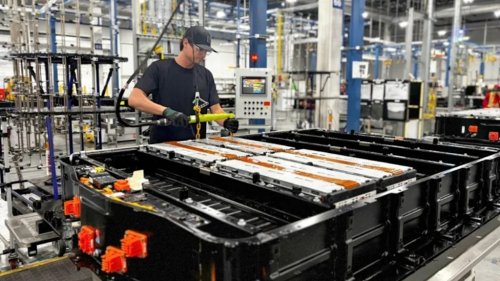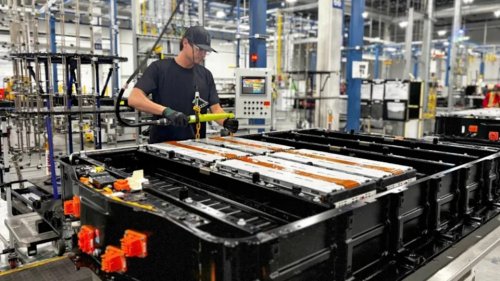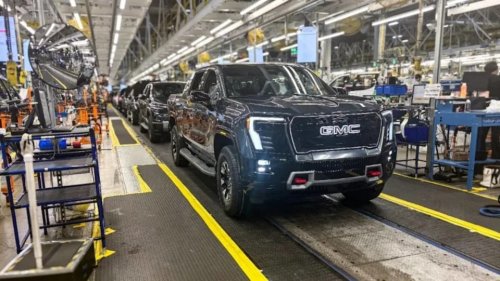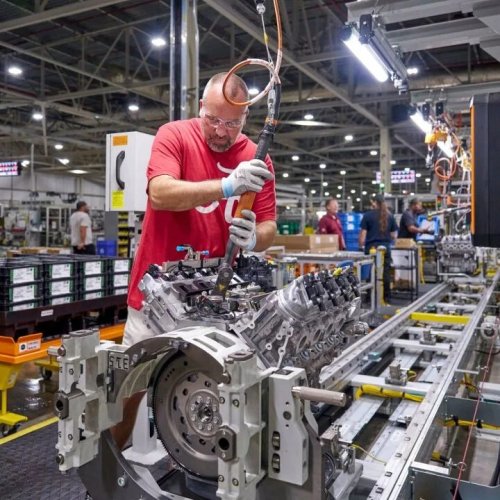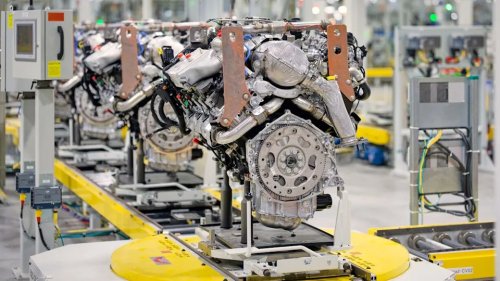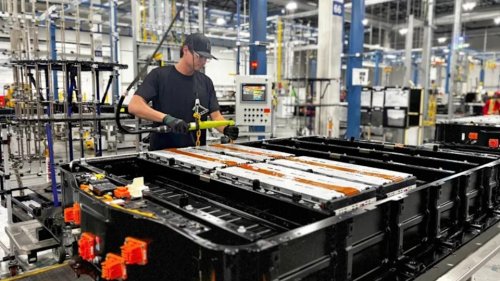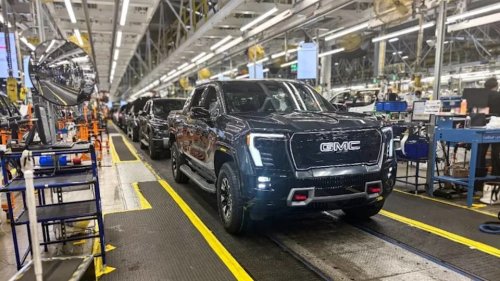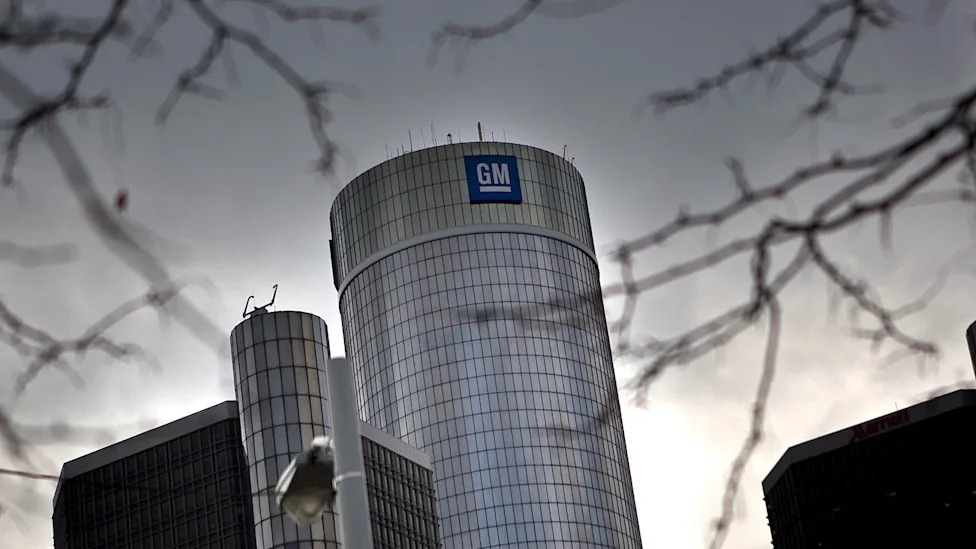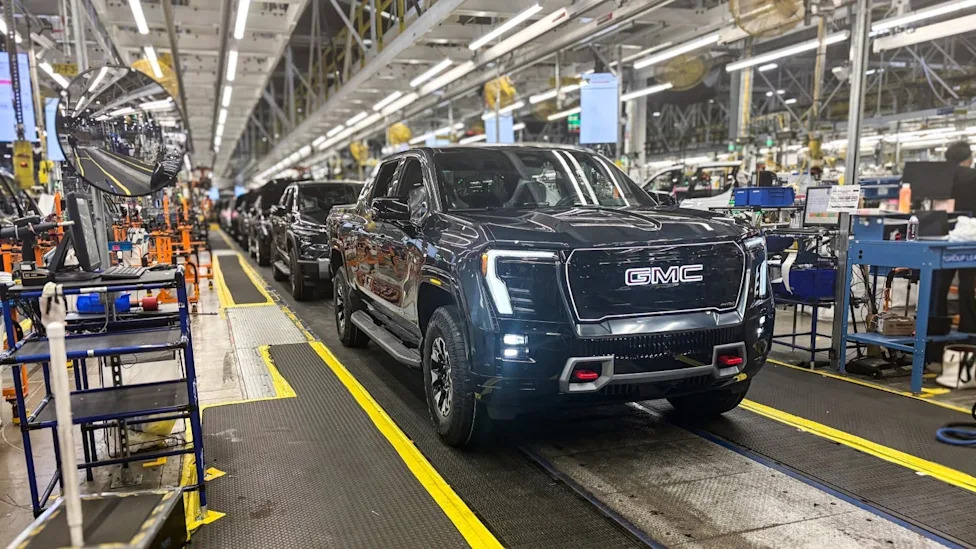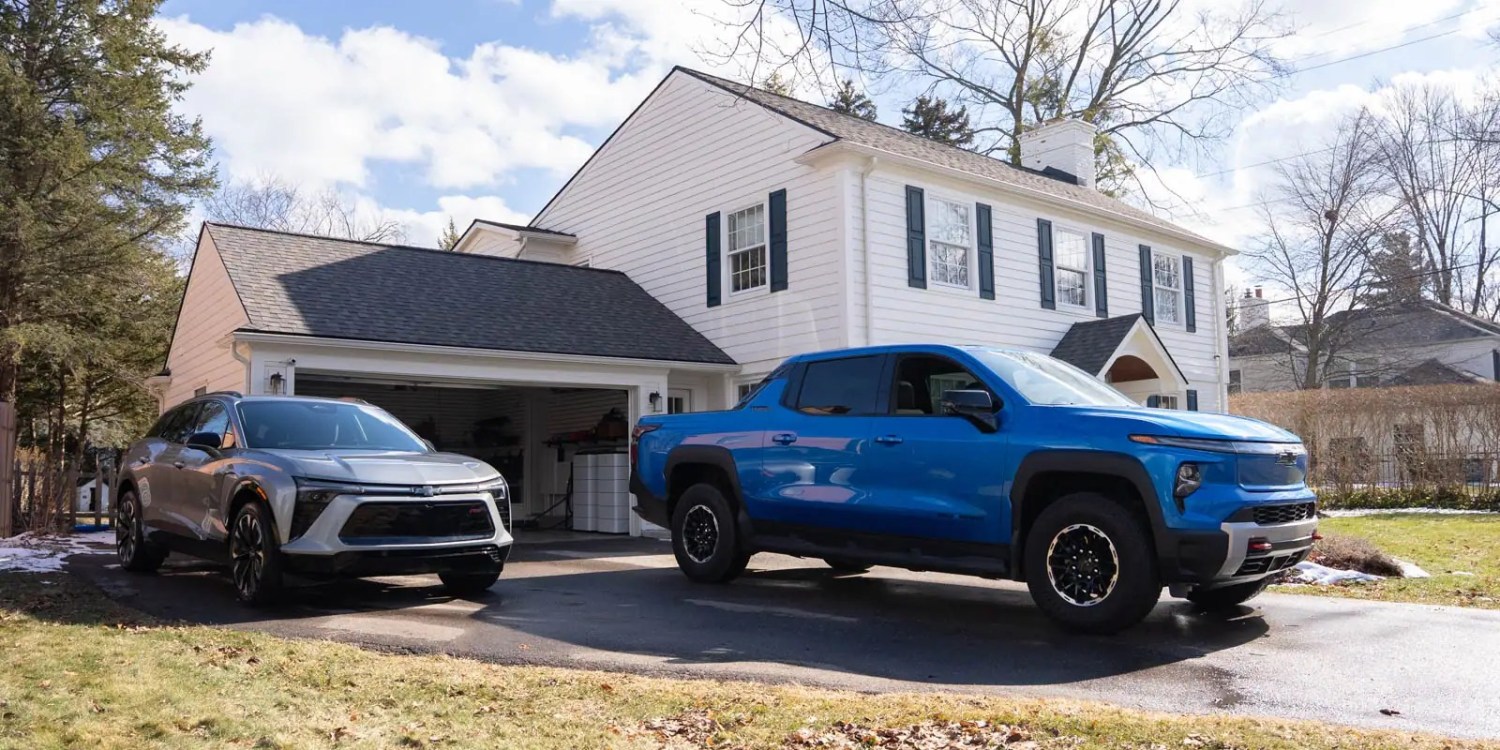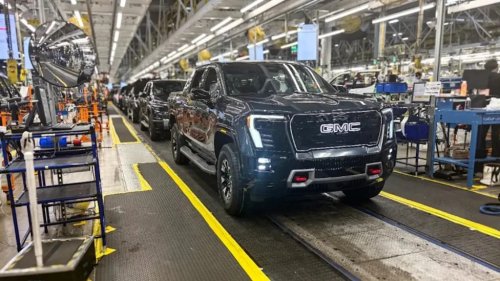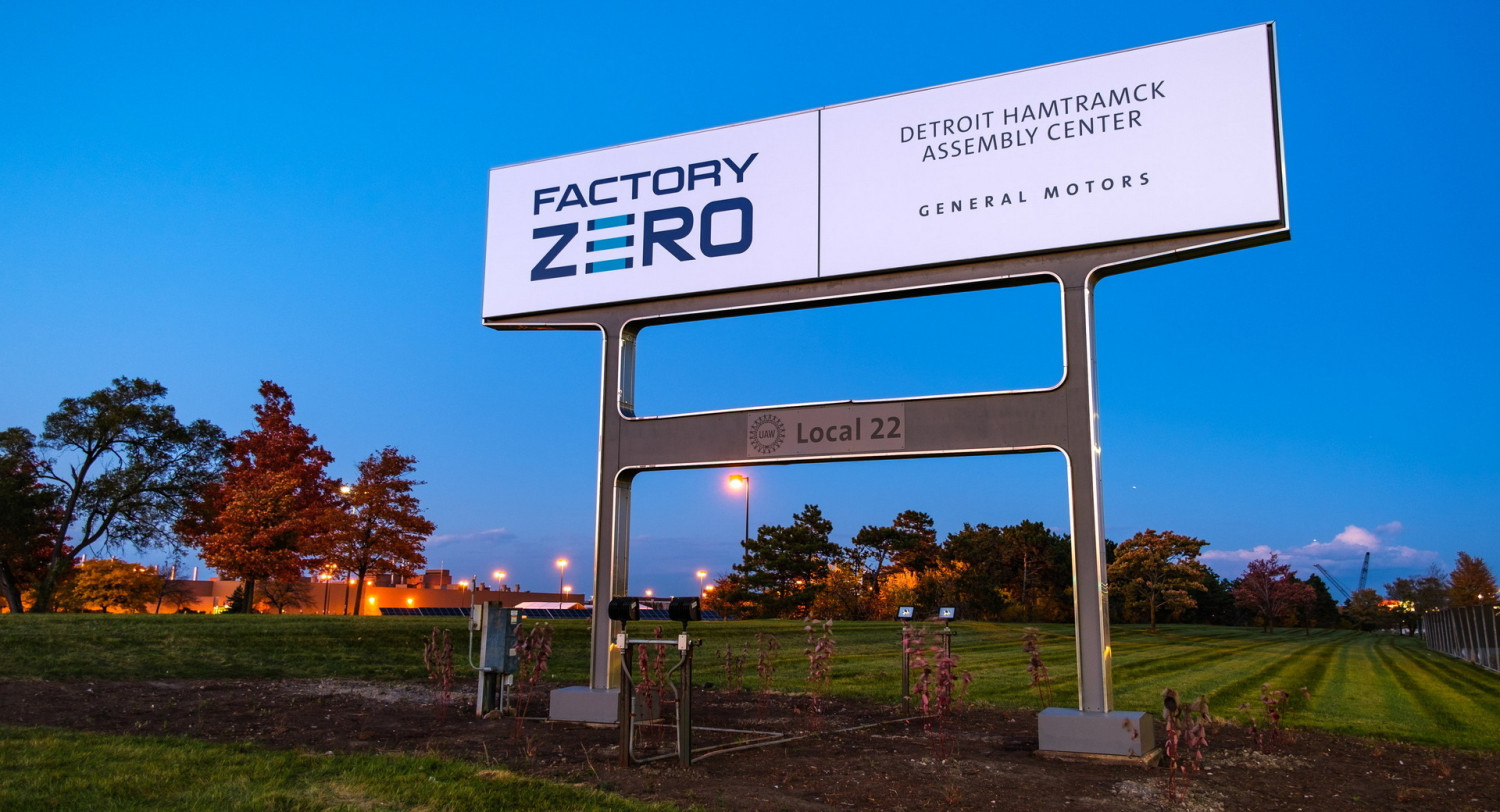
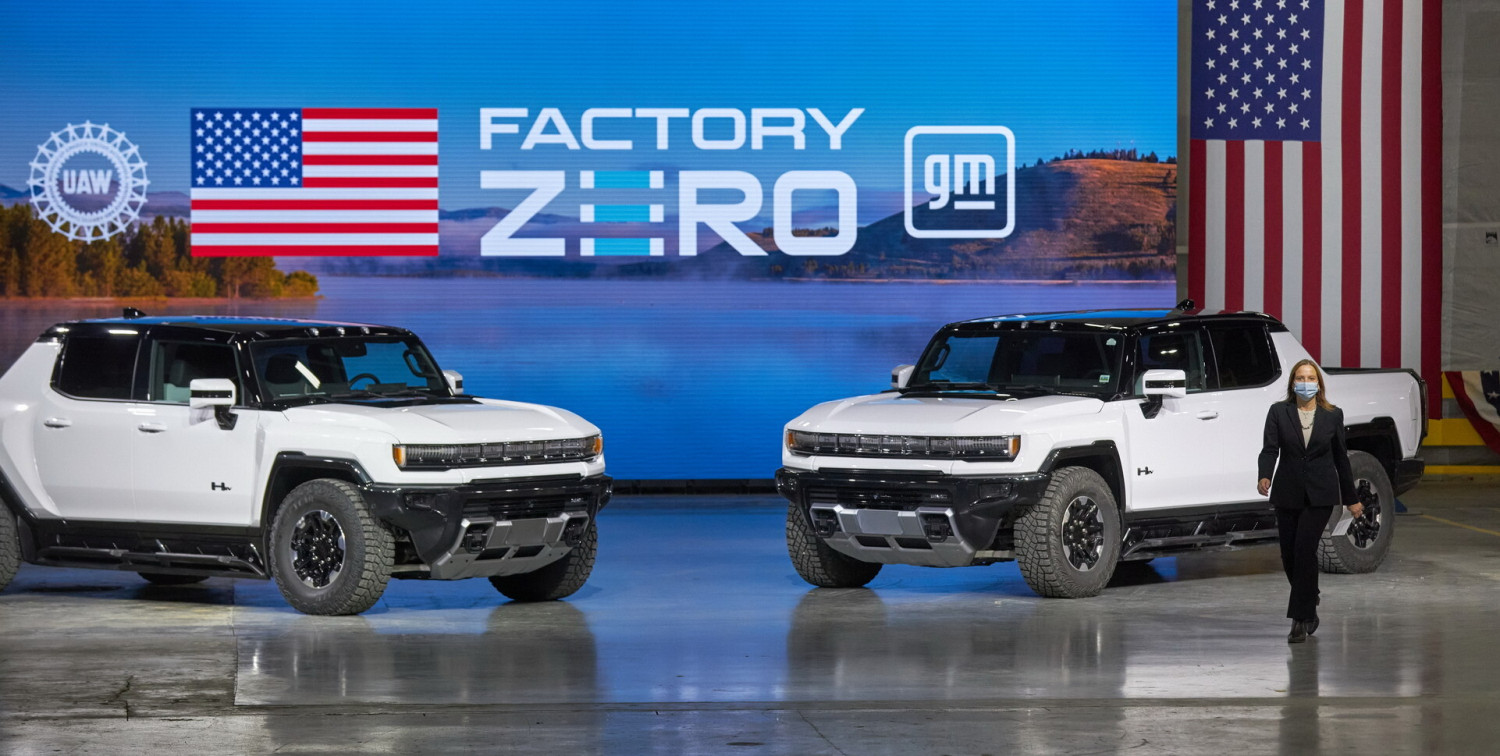



















GM has installed roughly 50 new robots at its Factory Zero plant in Detroit. The robots work alongside humans and help to attach body panels onto cars. Factory Zero site has been hit with layoffs and multiple production pauses. It appears that some robots at GM’s Factory Zero are getting better treatment than the people who build cars next to them. Weeks after GM softened its EV commitments and laid off more than 1,000 workers at the site, the company started bolting more collaborative robots onto the assembly line. The move comes as more automakers keep reaching for automation and AI to hold down labor costs and keep production on home soil, and GM is no exception. According to UAW Local 22 president James Cotton, who represents workers at the plant, GM has added roughly 50 new ‘cobots’ there. The machines work directly alongside people and attach various parts to vehicles along the production line. Cotton says they’re taking jobs from the very members he represents. He identified the new arrivals as Fanuc-made cobots and claimed union members are “disgusted” by their growing presence at the plant. Read: GM Pauses Production Of Two Hyped-Up EVs, Sending 1,300 Workers Home “It’s always a concern when you see a robot coming to a plant, especially after they have laid off over a thousand people,” he told Crain’s Detroit. “They say it’s the wave of the future, and if that’s so, they’re taking away jobs from people.” Cotton also said the union has filed grievances against GM over the deployment and raised concerns about machines working in close proximity to people. GM spokesman Kevin Kelly says the robots are being installed as part of its push to add more advanced technologies to its operations. GM also noted the robots help to improve safety and ergonomics while also keeping “operations flexible and competitive.” The automaker confirmed that dozens of the units have recently been added at the plant as part of its broader automation strategy. To better protect the workers it represents, the UAW may need to strengthen the language in its contracts regarding robots. In its current deal, it has a passenger regarding the ‘Implementation of Advanced Technologies.’ Wayne State University professor Marick Masters says the UAW “is going to have to come to grips with its [contract language] more forcefully than it has up to this time.” Half The Hours It Used To Take Masters told Crain’s Detroit that the number of labor hours needed to build a vehicle has fallen by roughly 50 to 70 percent since the 1980s and described automation as a disruptive trend whose full impact remains unclear. GM’s Factory Zero, once known as the Detroit-Hamtramck site, was overhauled several years ago to exclusively build EVs. However, as EV demand has been restricted in the US, shifts have been cut from the site, and workers have been laid off. In addition, production has been paused on multiple occasions.The issue is expected to become a significant topic heading into the UAW’s 2028 contract negotiations. “Right now, we’re going through one of the most profound technological revolutions of our lifetimes with artificial intelligence, the threat of humanoid robotics and mass automation,” UAW president Shawn Fain said. “It’s a profound threat and a challenge to our way of life, to our economy and our political system.” Fain added: “We need to be clear about this. We are in a fight for humanity.”