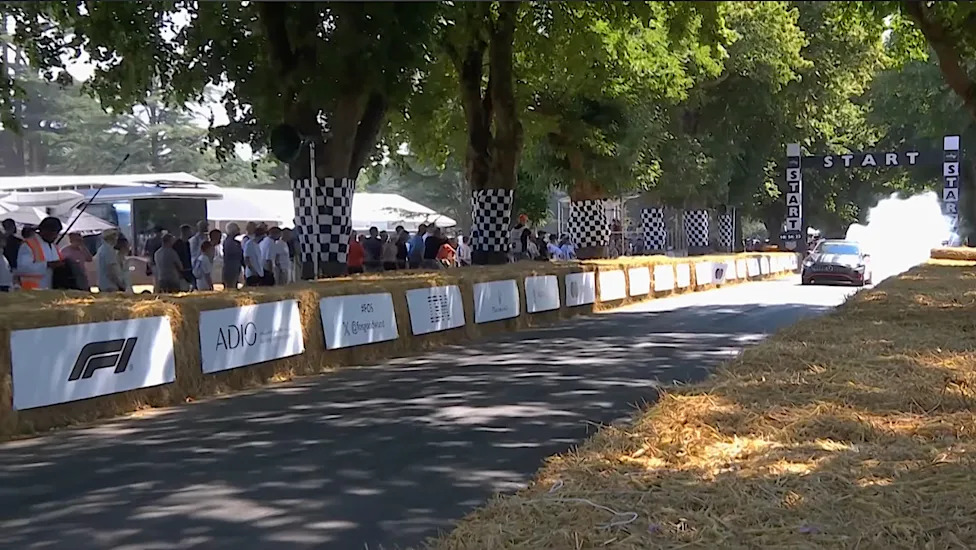
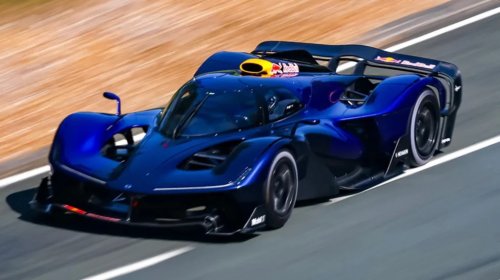
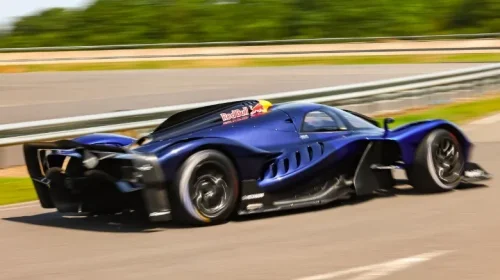
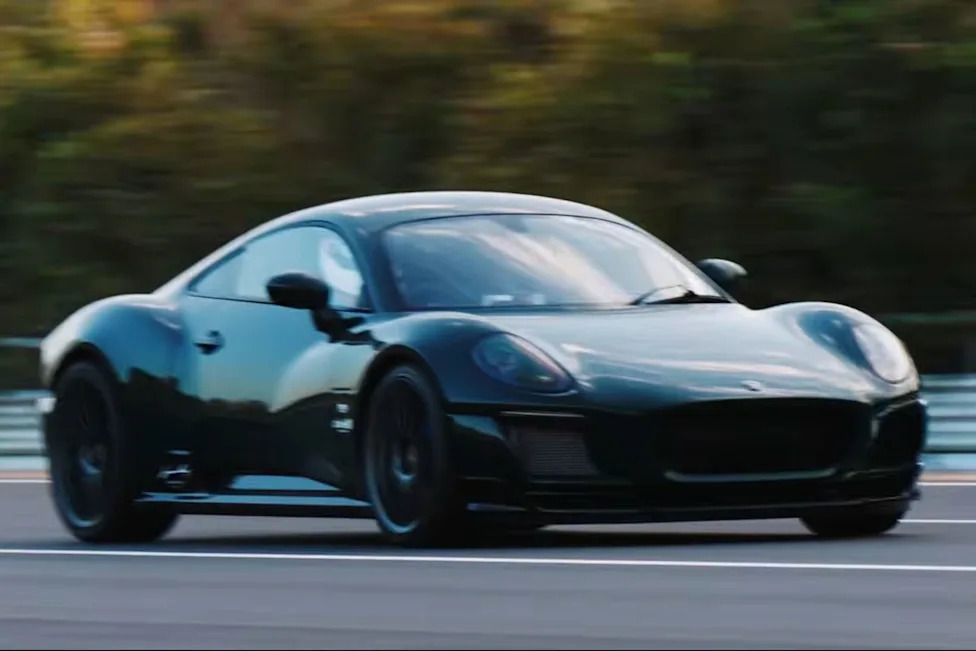
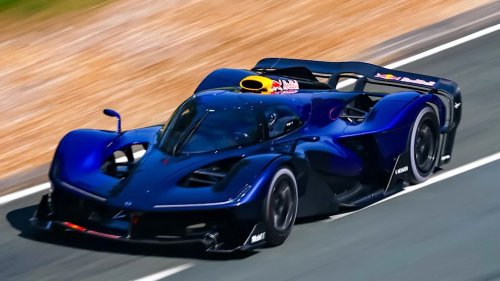
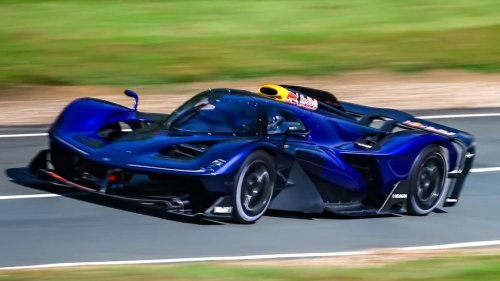
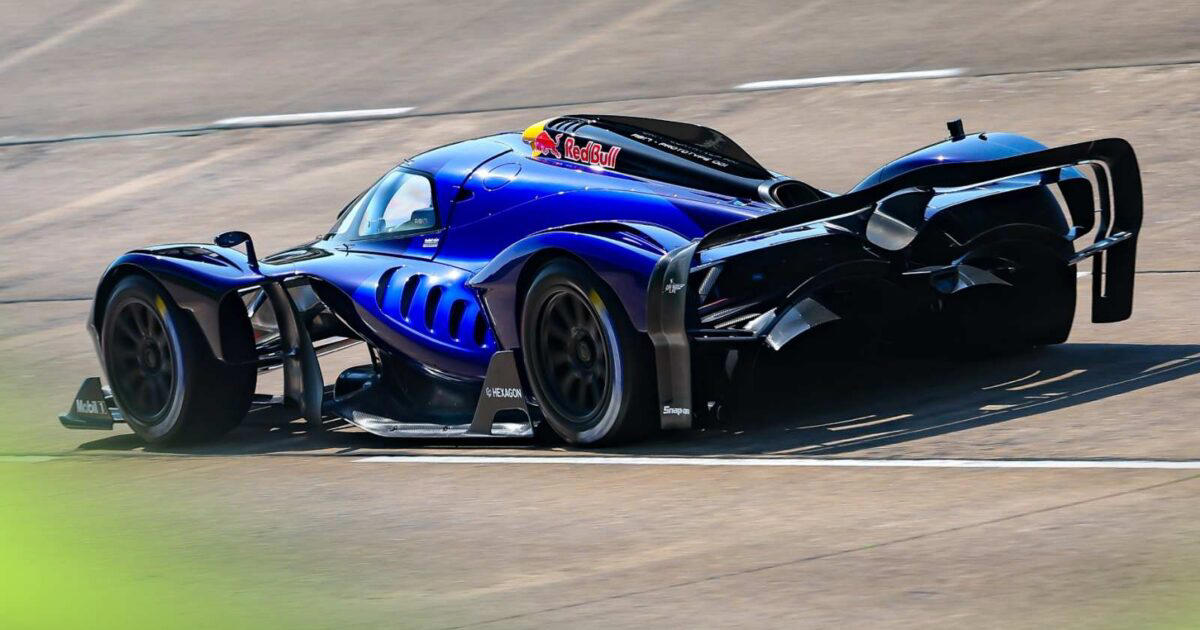
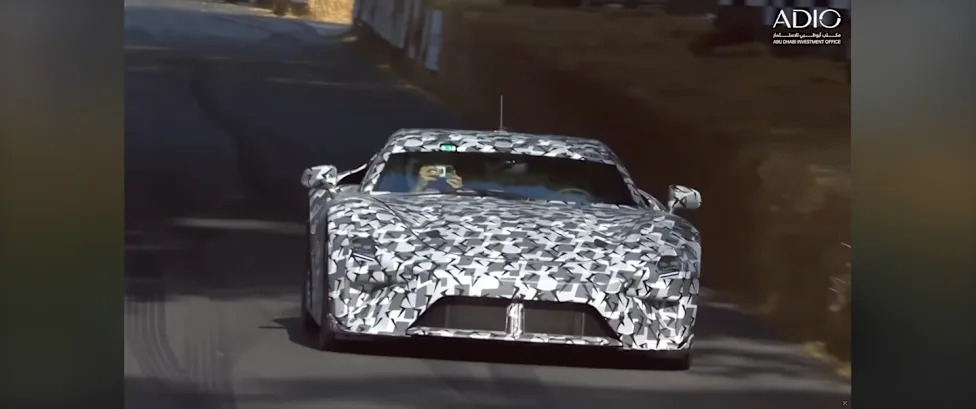
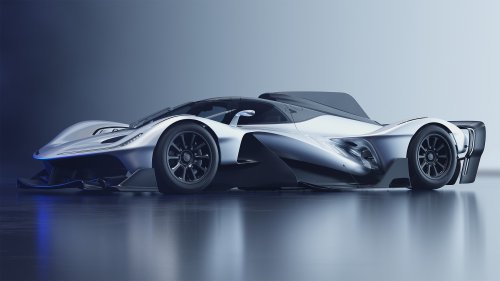
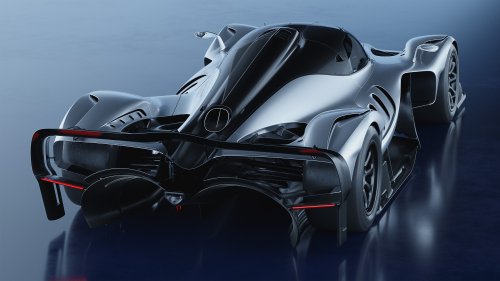
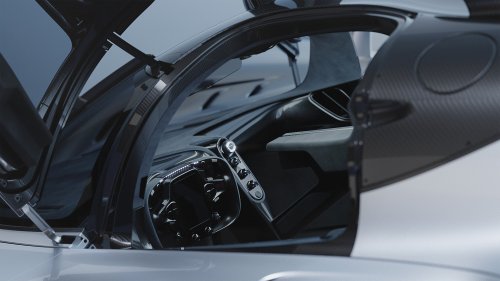
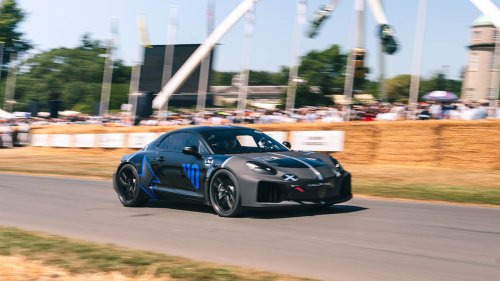
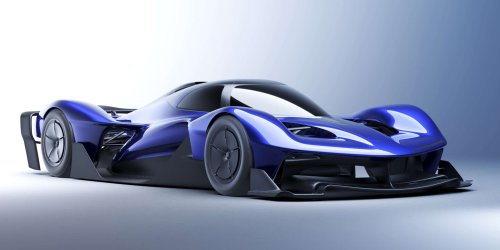
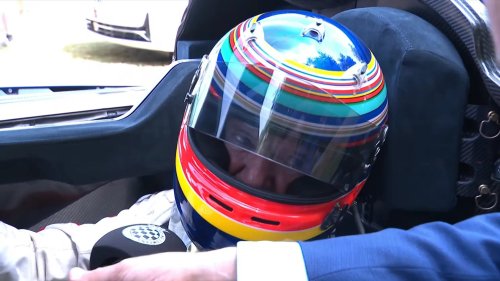
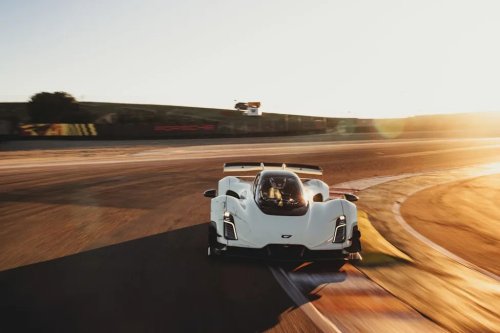
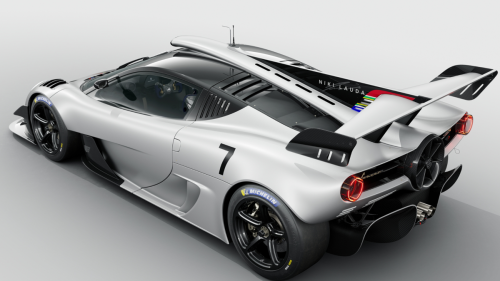
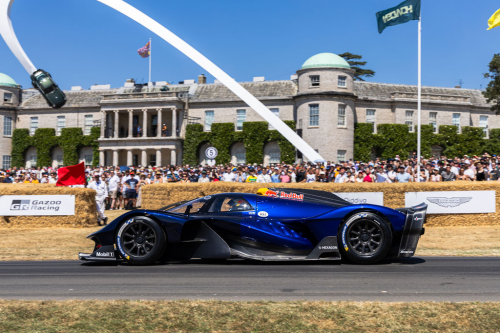
(TestMiles) – Red Bull has spent two decades building winning Formula One cars. Now it is building something customers can own. The Red Bull RB17 is a two-seat, track-only hypercar with Formula One ambitions, a 15,000-rpm V10 and a price near $7.5 million. The car appeared as a static model at the 2024 Goodwood Festival of Speed. On July 9, 2026, it returned as a working prototype and made its first public track appearance on the hillclimb. Designer Adrian Newey drove the opening run. That felt appropriate because the RB17 is his unrestricted performance manifesto: no road regulations, racing rulebook or cost cap telling the engineers to behave. Red Bull RB17 Makes Its Public Track Debut The Goodwood run was a demonstration rather than a timed attack. Red Bull said the prototype had completed only about 500 kilometers of testing, so the objective was to show the car, hear it and gather data. Newey still revealed its character, including a brief visit to the grass at Turn 2. Later runs were handled by Yuki Tsunoda, Isack Hadjar, Alisha Palmowski, Harrison Newey and others. Goodwood turned the RB17 from numbers and promises into a machine that could run, change direction and make a noise loud enough to reorganize nearby wildlife. A 15,000-RPM V10 With Hybrid Assistance At the center is a Cosworth-developed 4.5-liter naturally aspirated V10. Red Bull says the hybrid system produces more than 1,200 horsepower, with roughly 200 horsepower coming from an electric motor integrated into the transmission. The V10 is designed to rev to 15,000 rpm, although the Goodwood prototype was limited to about 10,000 rpm. Even then, it sounded closer to a classic Formula One car than a modern supercar. Power goes to the rear wheels through a carbon-fiber gearbox. Red Bull targets a weight below 900 kilograms, or roughly 1,984 pounds, and a top speed above 217 mph. Adrian Newey Built the Car F1 Rules Would Ban The RB17 is not simply a supercar wearing Red Bull badges. Its aerodynamics use ground effect, active systems and an enormous underbody to generate downforce without depending entirely on a towering rear wing. Newey was free to use ideas that racing regulations restrict or prohibit. The result is intended to deliver Formula One-comparable lap times while carrying two people. That passenger seat matters. Most cars approaching this performance are single-seat competition machines. The RB17 lets an owner share the experience, assuming the passenger has complete trust, a strong neck and no immediate lunch plans. Production Has Started, but Deliveries Are Later Red Bull Advanced Technologies plans to build 50 RB17s. Assembly reportedly began in May 2026, but the Goodwood car remained an early prototype rather than a customer-ready example. Current expectations place initial deliveries in 2027 or later. That delay is understandable. A 1,200-horsepower machine weighing less than many economy cars deserves more than a hurried final inspection. Owners will receive simulator training, driver development, setup assistance and supported circuit events. The goal is to make the RB17 usable by track enthusiasts. Why the RB17 Matters Beyond Its 50 Owners The RB17 will never be practical, affordable or common. It will not improve the school run, and it may require an engineering briefing before breakfast. Its significance is that Red Bull has moved from racing-team expertise into low-volume vehicle production without pretending this is a normal road car. Goodwood showed the project has crossed from ambitious concept to functioning automobile. For most people, the RB17 will remain something to watch rather than drive. Still, hearing Newey’s final Red Bull project climb the hill offered a useful reminder: sometimes the most interesting production cars are built without any obligation to be sensible. Copyright 2026 Nexstar Media, Inc. All rights reserved. This material may not be published, broadcast, rewritten, or redistributed.












 +3 others