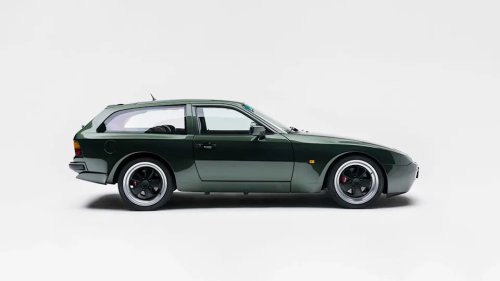
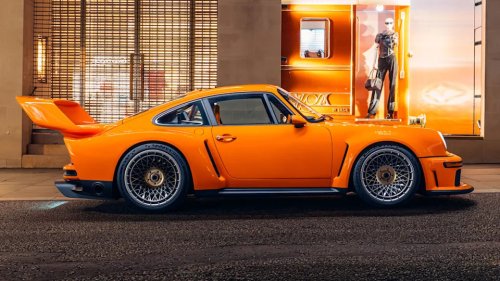
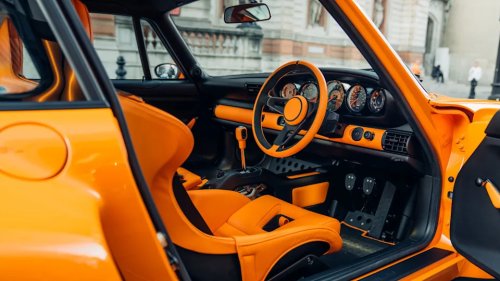
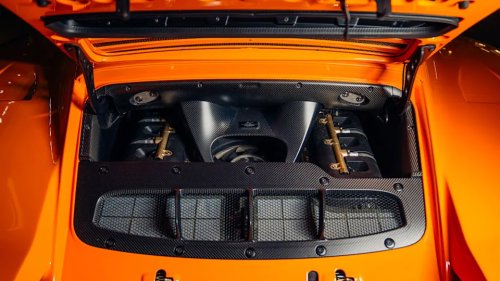
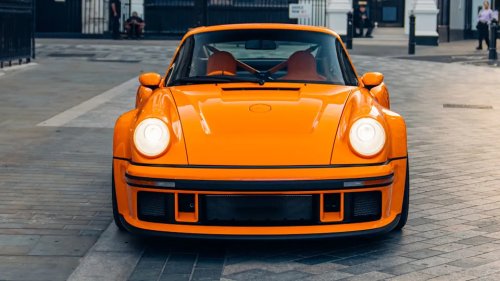
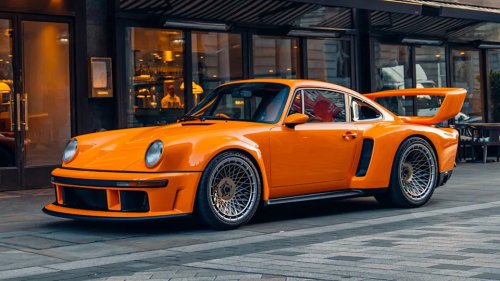
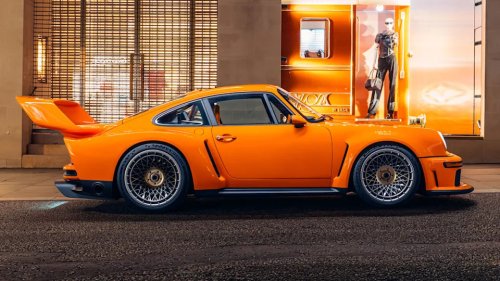
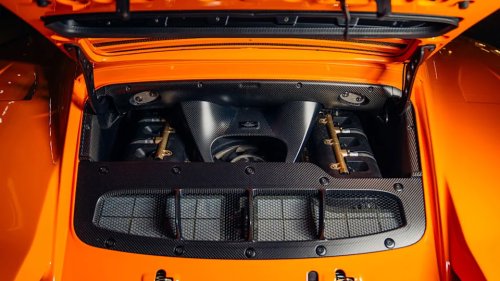
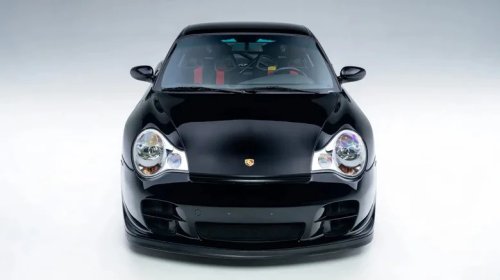
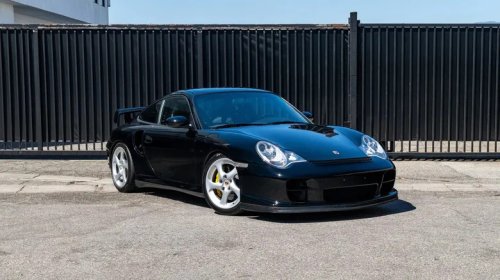
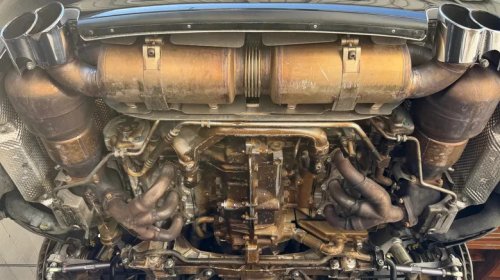
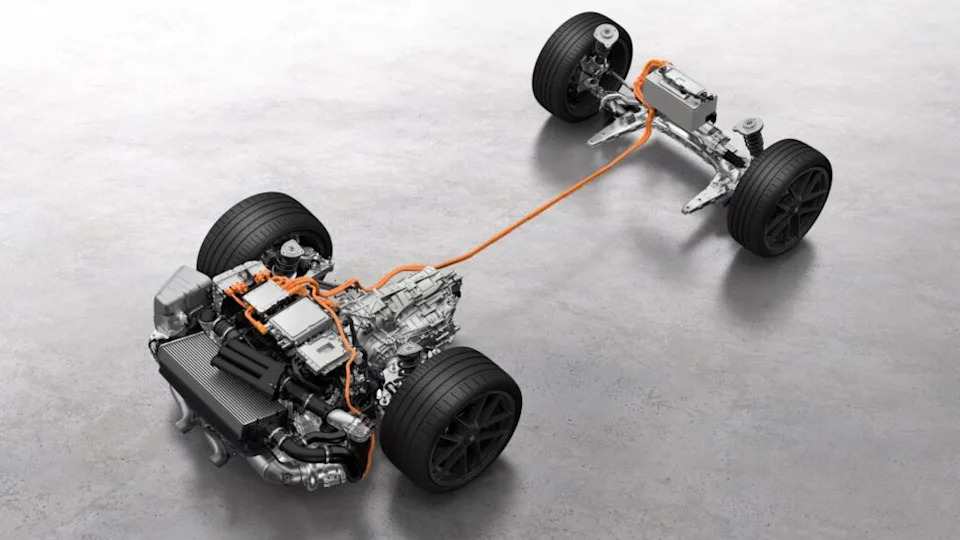
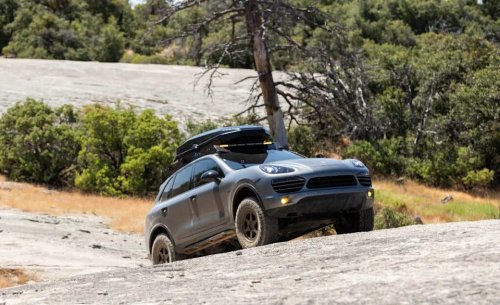
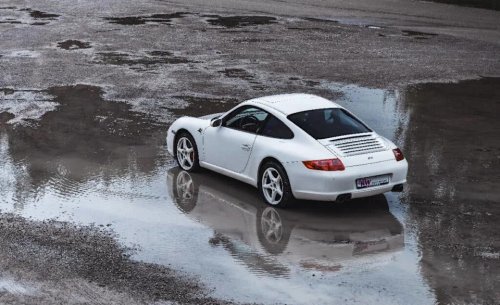
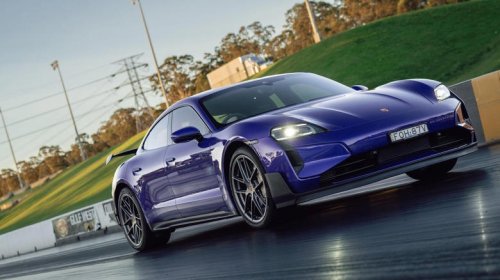
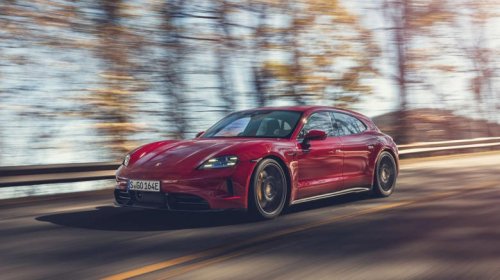
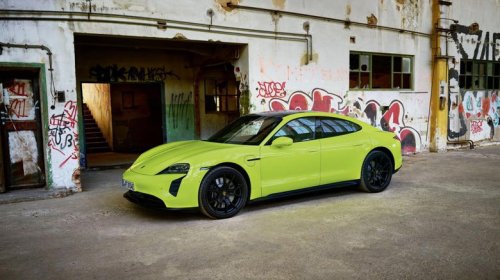
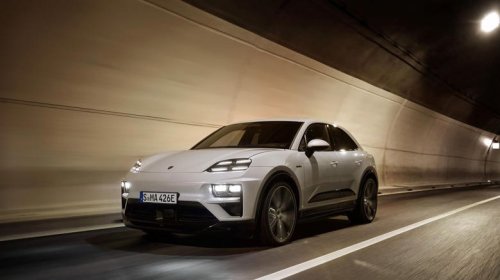
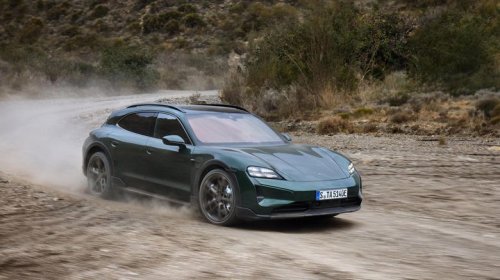
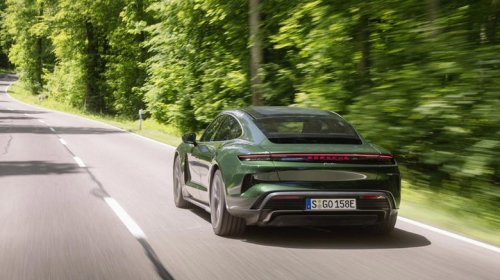
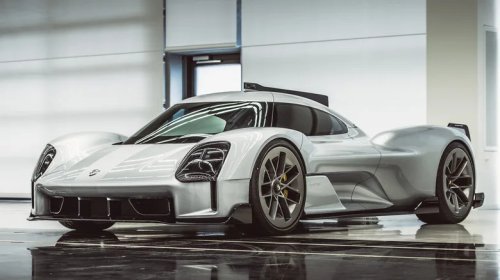
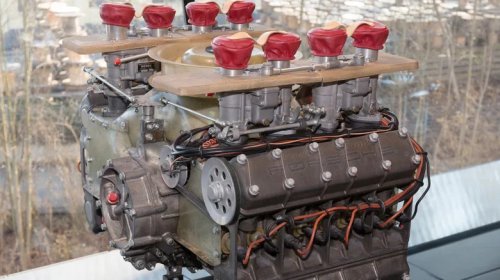
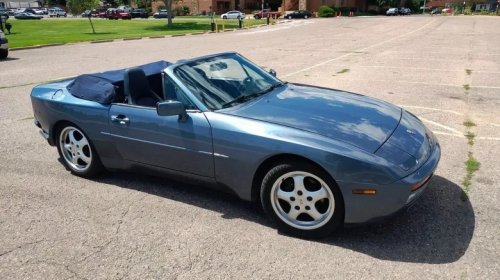
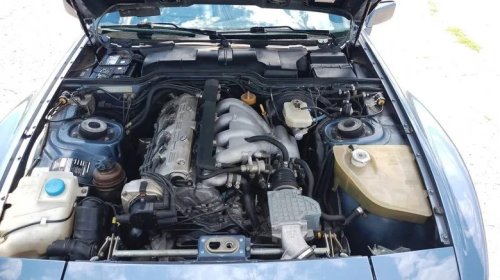
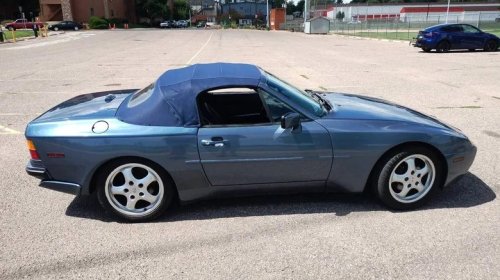
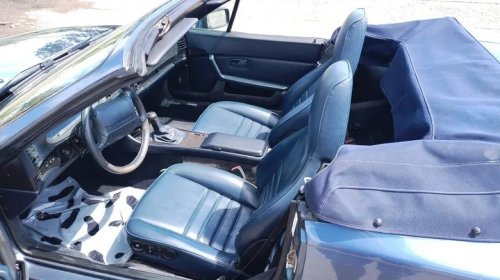
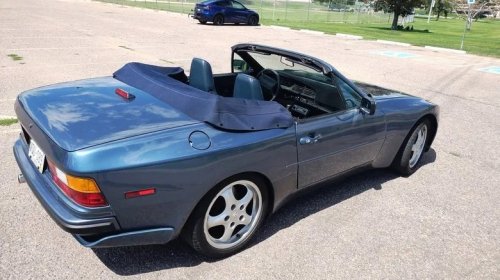
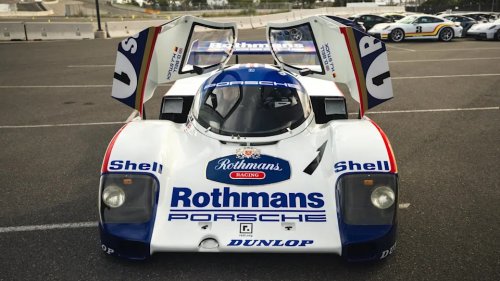
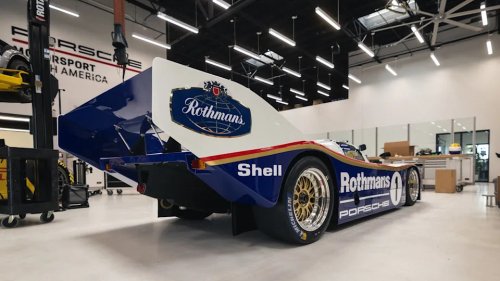
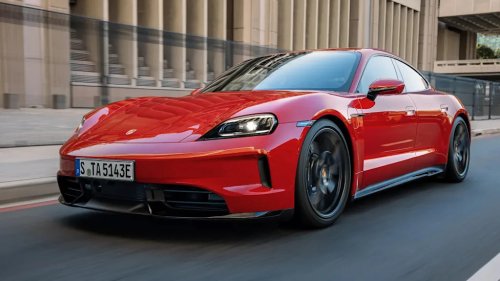
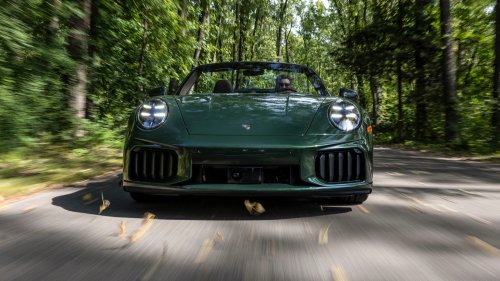
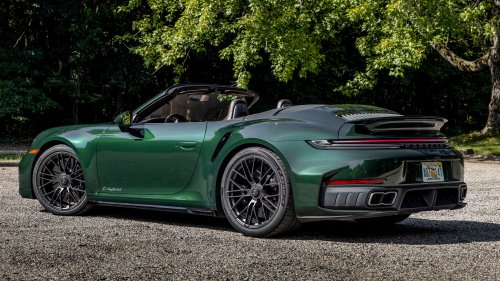
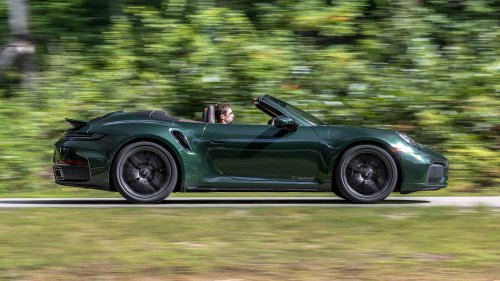
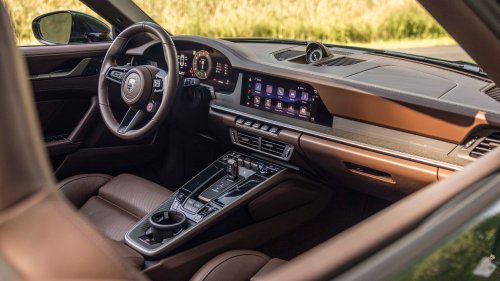
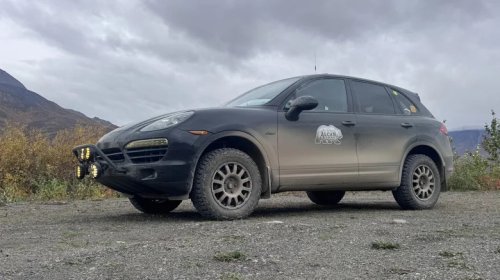
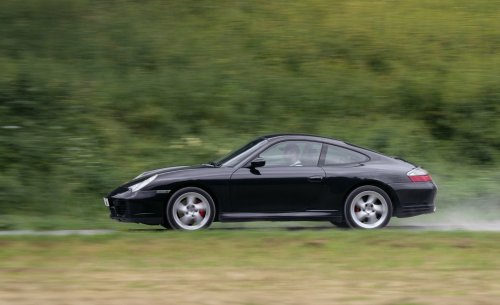
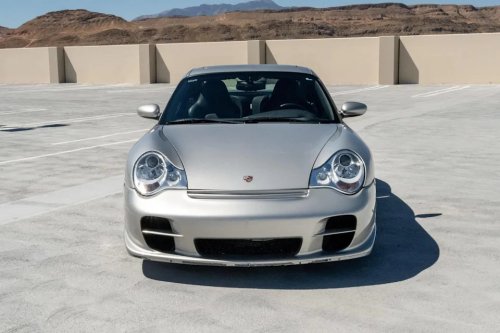
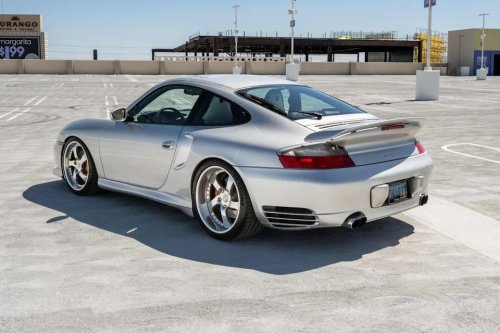
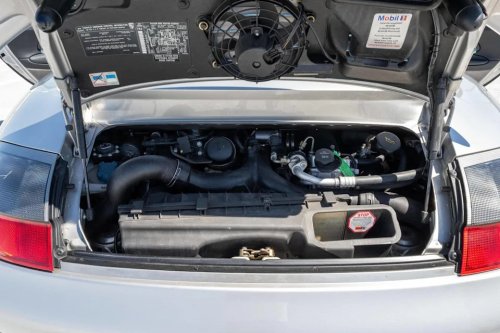
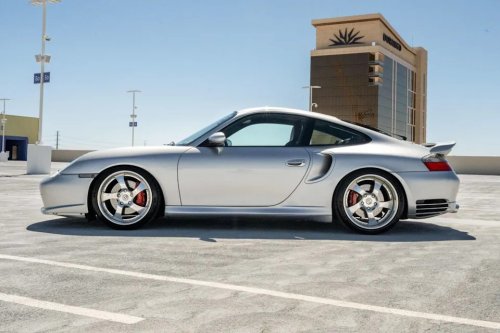
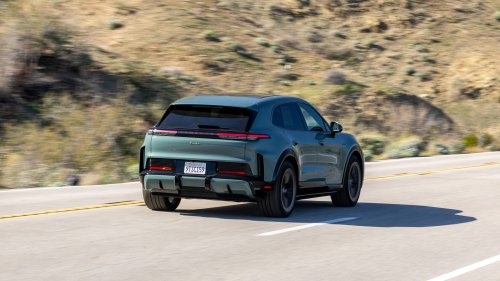
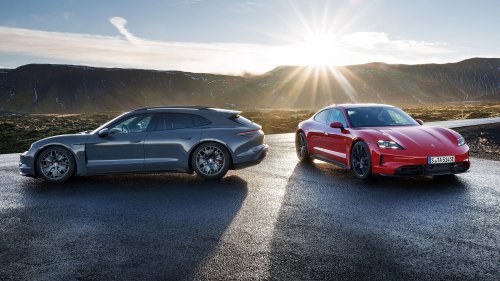
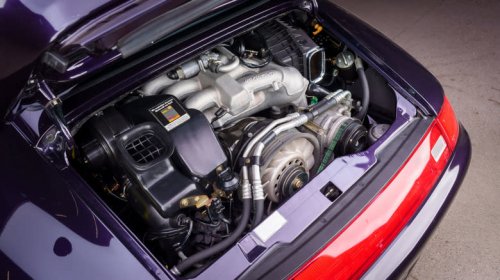
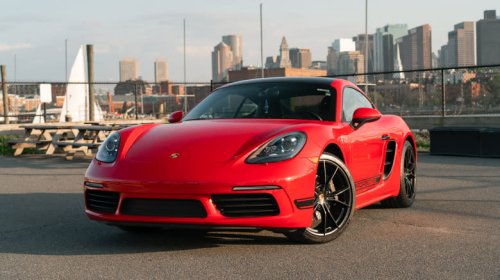
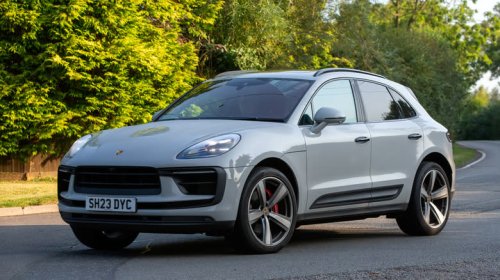
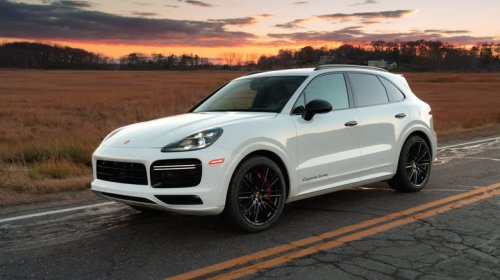
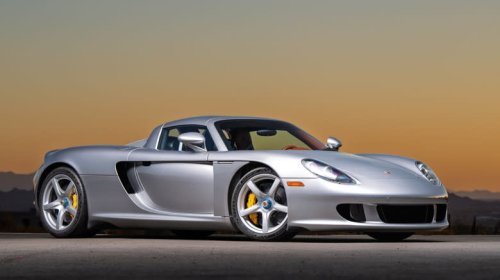
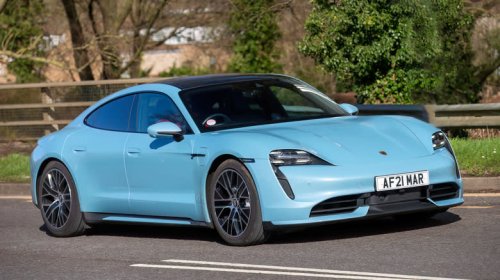
A flat-six engine inside a Porsche 911 - JoshBryan/ShutterstockSince 1963, an air-cooled (later water-cooled) six-cylinder boxer engine has been used in a car so iconic that both its engine placement and configuration have largely remained unchanged. It's the Porsche 911 and its famed flat-six engine, a combination that has come to define the brand itself. Today, we associate Porsche with flat-six engines, but that wasn't always the case. Porsche has dabbled with different engine configurations, both before and after the flat-six was conceived.In fact, while 911 was busy becoming an icon, Porsche's motorsport division was obsessed with winning. To dominate Le Mans, it built the legendary air-cooled flat-12 for the 917 racecar — a monster that produced around 1,000 horsepower in the terrifying turbo Can-AM 917/30. Porsche also experimented with a 7.2-liter flat-16 engine, which was a massive naturally aspirated unit. Porsche's obsession also yielded failures, like the Type 3512 V12 for the Footwork-Arrows F1 team in 1991, which turned out to be too heavy and too weak to compete properly.For brevity, however, let's focus on the road-going Porsches. The brand started off with the flat-four engine configuration, later introducing the inline-four, V6, V8, and even a V10 engine.AdvertisementAdvertisementRead more: 12 Non-Corvettes That Are Powered By Corvette EnginesThe flat- and inline-four: beginnings followed by balanceA red Porsche 718 Cayman parked at a marina - Ethan Yetman/ShutterstockThe four-cylinder Porsche is often treated like the budget choice, but it was more about precision and survival. In the 1930s, there was the Porsche 356, which used a flat-four motor based on the Volkswagen Beetle engine. But when the 911 arrived, it was expensive, and the brand found itself needing a budget sports car. The solution came in the form of the 912, a car with the 911 body and a 1.6-liter flat-four from the 356 SC. In fact, the 912 was lighter and more balanced than the early tail-happy 991s.The real shift happened in the '70s with what Porsche calls the "Transaxle era". The 924 was launched with a 2.0-liter inline-four that was water-cooled and mounted in the front. This engine originated in an Audi and was even used in AMC Gremlins. By the time the 944 arrived, it used a 2.5-liter powerhouse, which essentially was half of a V8 engine. With the help of counter-rotating balancer shafts from Mitsubishi, the 944 was smooth and reliable. This evolution culminated in the 968, which featured a 3.0-liter inline-four, one of the largest four-cylinder engines ever put in a production car — and it managed to produce 236 horsepower.Today, the four-cylinder lives on in forced induction and flat-four guise in the 718 Boxster and Cayman. This motor is proof that you don't need six cylinders to make a car feel like a precision instrument; you just need Porsche's obsession with weight distribution.The V6 engine: twin-scroll hot-V dynamicsA grey Porsche Macan on a country road - Sue Thatcher/Getty ImagesWe can't be talking about non-flat-six Porsches without addressing their workhorse, the V6. For a long time, Porsche used a Volkswagen-sourced VR6, but the brand has reclaimed the design for itself in the last decade. Its current 2.9-liter twin-turbo V6 found in the Macan S and GTS is a masterpiece of "hot-V" engineering. In this layout, the twin-scroll turbochargers are nestled inside the 90-degree "V" of the engine, which makes for extremely short exhaust paths between the exhaust valves and the turbos. This creates near-instantaneous boost and offers instant throttle response.AdvertisementAdvertisementThe engine also features an advanced thermal management system where the exhaust manifolds are integrated into the cylinder heads and cooled by the engine's coolant jacket. This allows the engine to warm up faster and also lowers exhaust gas temperature under high-load conditions. It's a Porsche-developed heart that delivers 434 horsepower and over 405 pound-feet of torque in the Macan GTS.The V6 is the engine that bridges the gap between the efficiency of a four-cylinder engine and the raw power of a V8. While it might not feel as evocative as the flat-six, it is smooth, torque-rich, and surprisingly vocal when you pin the throttle. It's good enough for Porsche to drop plans for an EV-only power train for its upcoming flagship SUV.The V8 engine: Alusil block with 90-degree V8 integrationA white Porsche Cayenne Turbo on the highway - Ethan Yetman/ShutterstockIn the mid-1970s, Porsche leadership believed the 911 was reaching the end of its lifespan. This caused the brand to push for the development of the high-tech, front-engined 928. To power this grand tourer, it used a brand-new all-aluminum 90-degree V8. This engine block used Alusil, a silicon-aluminum alloy. Instead of using traditional heavy iron liners, the cylinder bores were chemically etched to expose hard silicon crystals, creating a lightweight, low-friction, and extremely durable wear surface.The 928's V8 evolved from a 4.5-liter unit with about 237 horsepower to the 5.4-liter monster producing 345 horsepower and revving up to 6,250 rpm. After the 928's retirement in 1995, Porsche returned to V8s in 2002 with the Cayenne, saving the company from financial ruin. These modern V8s moved to a Hot-V turbocharged configuration in the Panamera and Cayenne Turbo models, where twin turbochargers are placed between the cylinder banks.AdvertisementAdvertisementThe current 4.0-liter twin-turbo V8 found in the Cayenne Turbo GT makes incredible strides in modern internal combustion. It features central injector positions and Plasma cylinder coatings (a process where a molten iron is sprayed onto the aluminum bore to create a tough, low-friction surface). This allows for tighter tolerances and a higher compression ratio, aiding its output of 650 horsepower. Porsche made a good call in sticking to this engine design, especially because V8s are not going out of fashion anytime soon.The V10 engine: a 68-degree high-revving masterpieceA silver Porsche Carrera GT parked on the highway - JoshBryan/ShutterstockAdvertisementAdvertisementThe holy grail of non-flat-six Porsche engines is the 5.7-liter V10 found in the Carrera GT. Its origins are purely competitive, beginning as a 3.5-liter F1 engine and evolving into a 5.5-liter unit for the LMP 2000 Le Mans project. The production 980/01 engine utilized a 68-degree bank angle, and was a melting pot of exotic materials like forged titanium connecting rods, Nikasil-coated bores, and sodium-cooled exhaust valves.Technically, the most significant innovation was the removal of a traditional flywheel. Instead, the Carrera GT uses the Porsche Ceramic Composite Clutch. This twin plate ceramic dry clutch is incredibly compact and lightweight, allowing the engine to be mounted extremely low in the chassis for a lower roll center. The V10 revs up to its 8,400 rpm redline with the instantaneous, violent response of a racing engine.The engine also employs a complex dry-sump lubrication system, and with a compression ratio of 12.0:1, it produces 603 horsepower and 437 pound-feet of torque. It was so good that its performance was held back by the tires of its time. With modern tires, the Carerra GT posted a significantly quicker Nürburgring lap time.T-Hybrid and electric propulsion: The shift from traditional flat-six enginesA sky blue Porsche Taycan on the road - Sue Thatcher/Getty ImagesYes, it's unfair to compare Porsche's hybrid and EV drivetrains with its iconic flat-six, but the writing is on the wall — the former two are the future. Thankfully, Porsche's move towards electrification is defined by a refusal to sacrifice performance for efficiency. This began with the 918 Spyder, which used two electric motors and a 4.6-liter V8 to achieve a total system output of 874 horsepower. The Taycan took this forward by being the first production EV to utilize an 800-volt system architecture, rather than the industry-standard 400V. This allows for significantly higher charging speeds (up to 350KW) and reduced cable weight due to lower current requirements for the same power output.AdvertisementAdvertisementThe most recent technical milestone is the T-Hybrid system in the 2024 Carrera GTS. This is a performance hybrid that ditches the heavy batteries of a plug-in for a lightweight 1.9 kWh high-voltage unit. The centerpiece is the electric exhaust turbocharger which uses an integrated electric motor capable of spooling it to maximum boost instantaneously, regardless of engine load. This motor also acts as a generator, recovering up to 11kW of energy from the exhaust alone.Complementing the eTurbo is a permanently-excited synchronous motor integrated into the new eight-speed PDK transmission. The motor provides an additional 110 pound-feet of torque from a standstill, filling the gaps in the combustion engine's torque curve. By moving to an electric A/C compressor and eliminating the belt drive for the starter generator, the weight penalty for this hybrid system is just 110 pounds.Want more like this? Join the Jalopnik newsletter to get the latest auto news sent straight to your inbox, and add us as a preferred search source on Google.Read the original article on Jalopnik.



















 +5 others