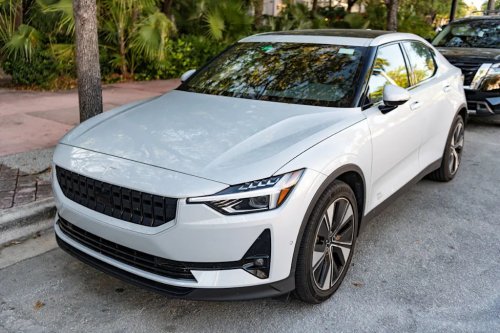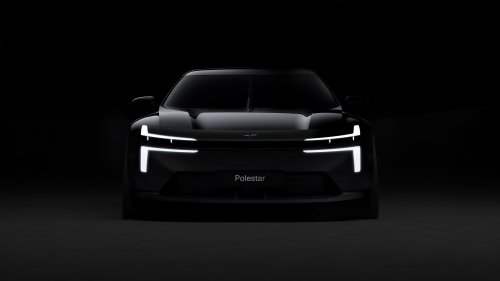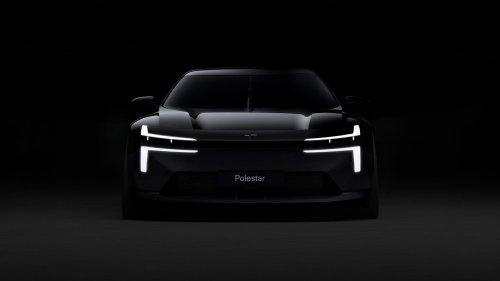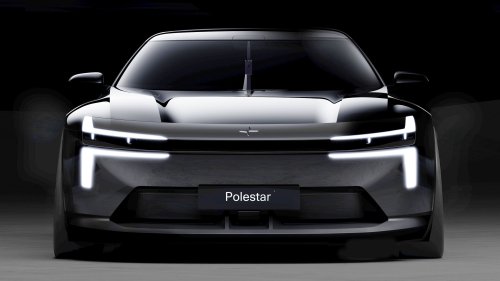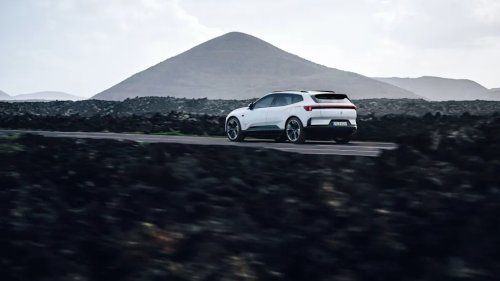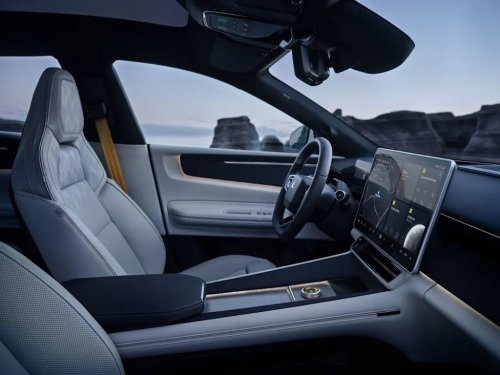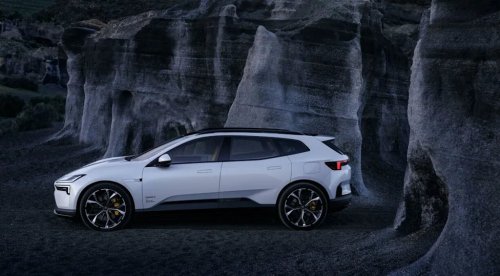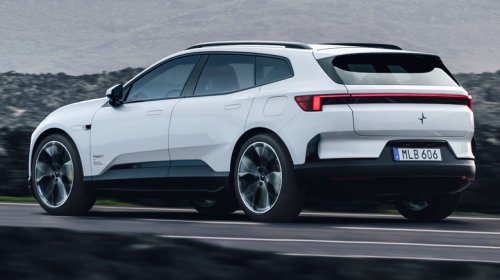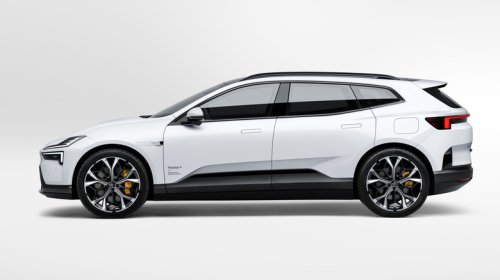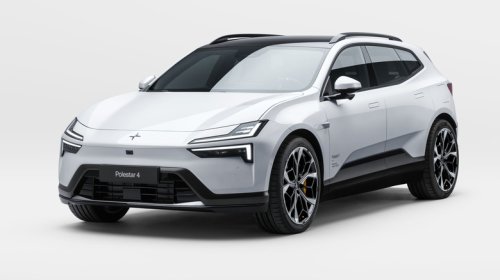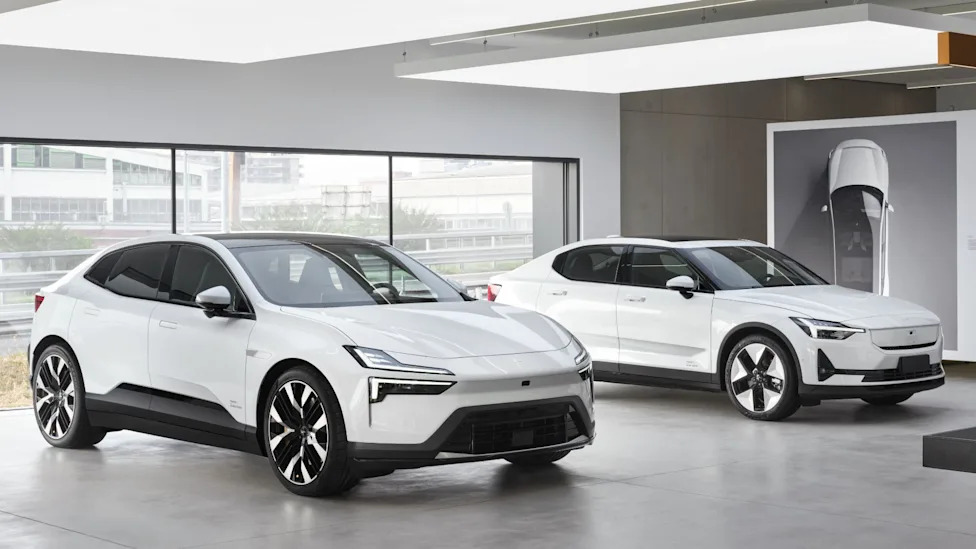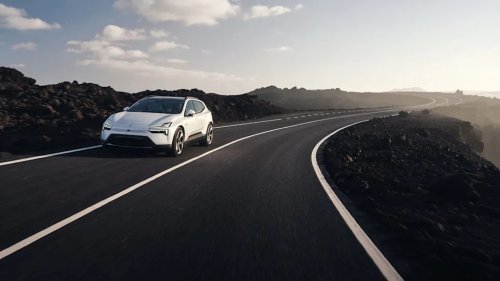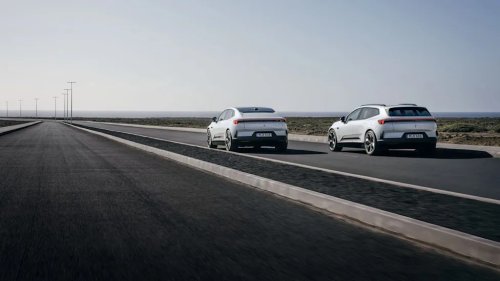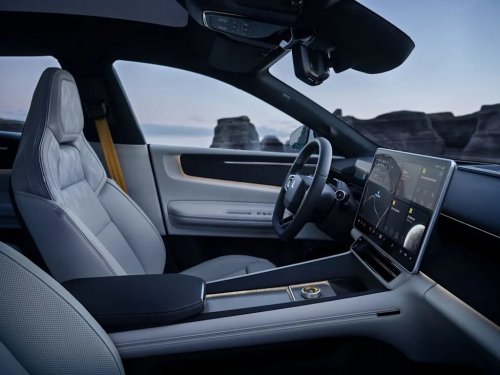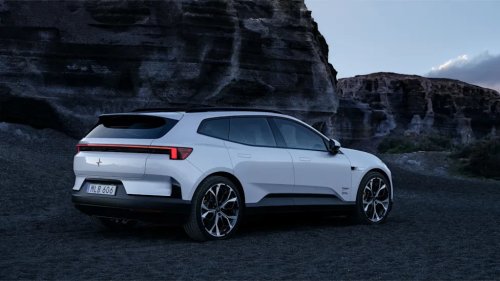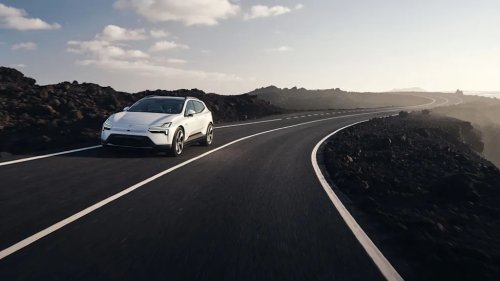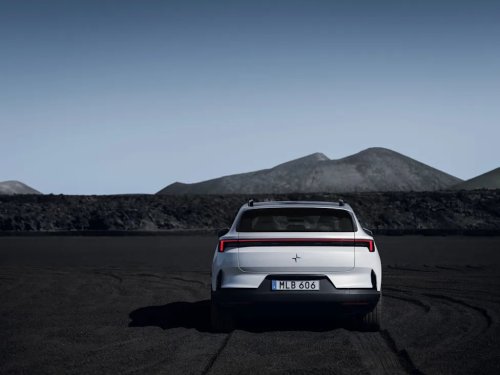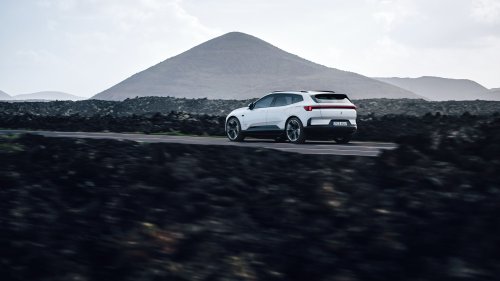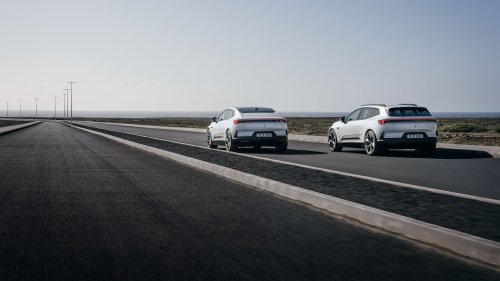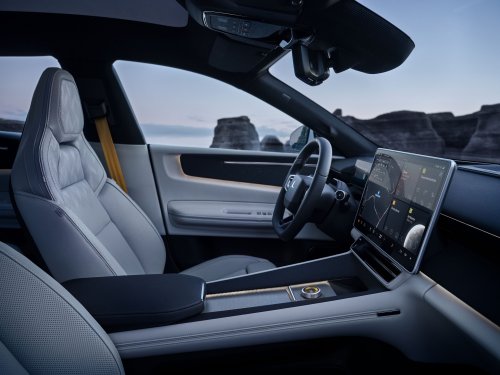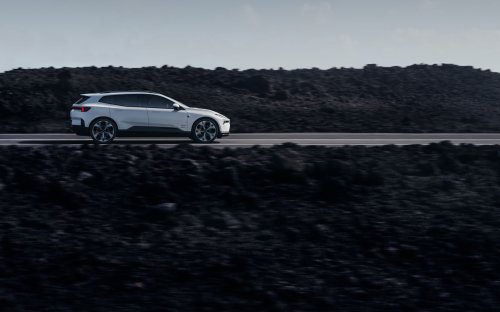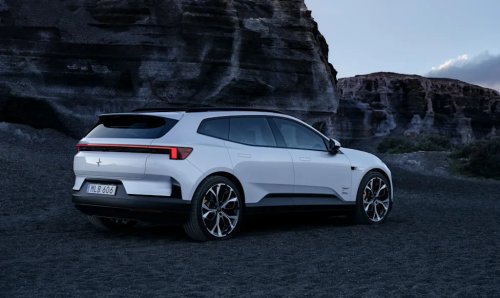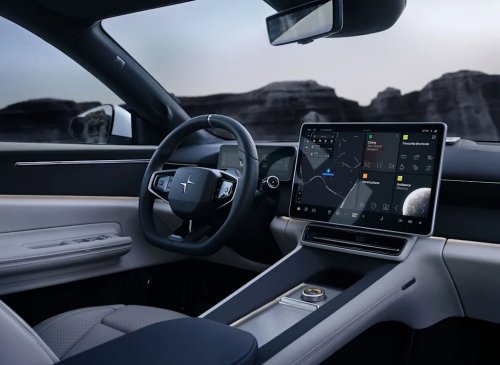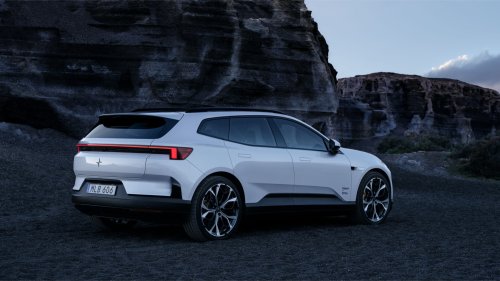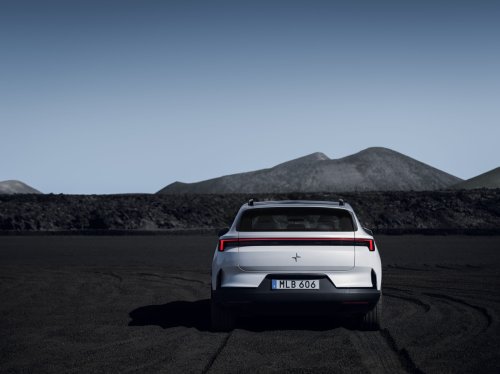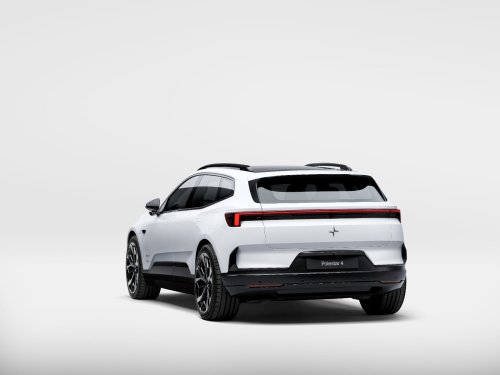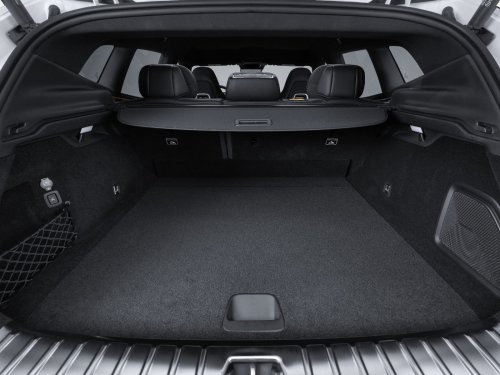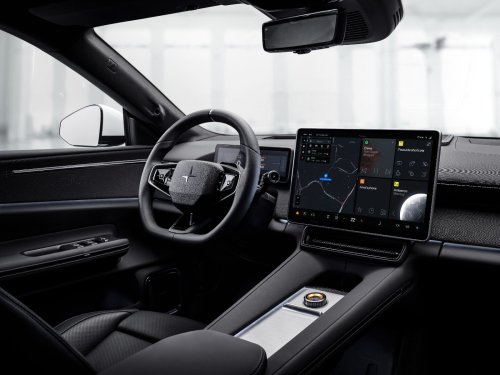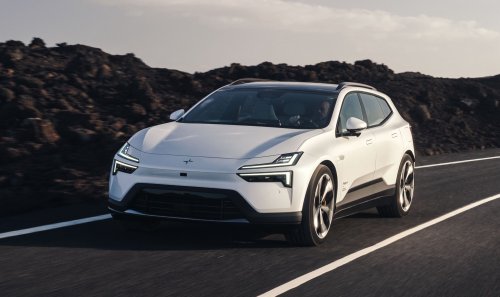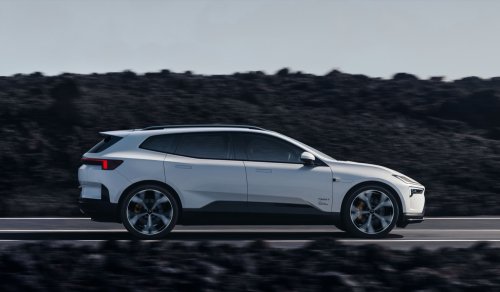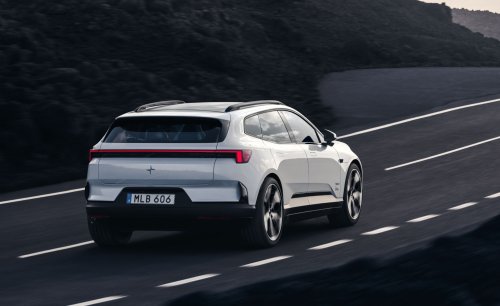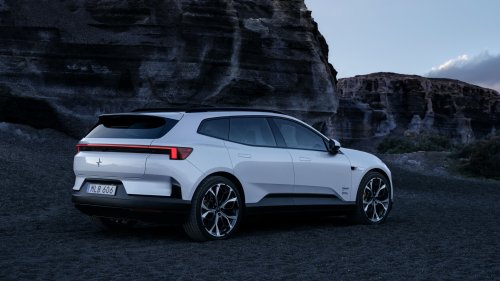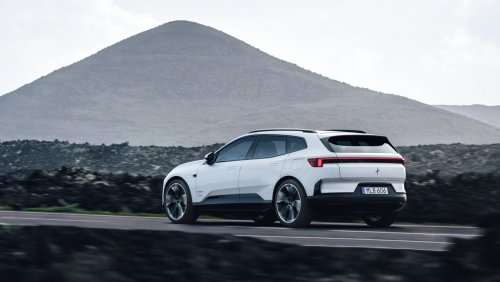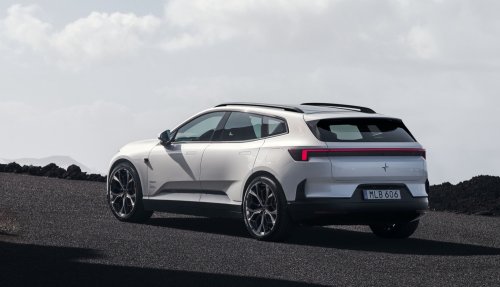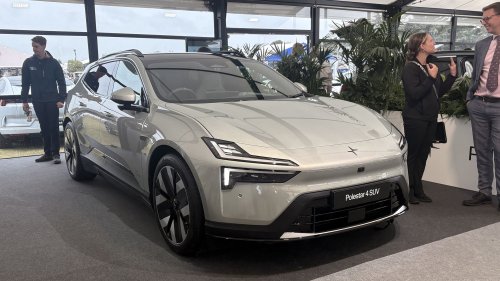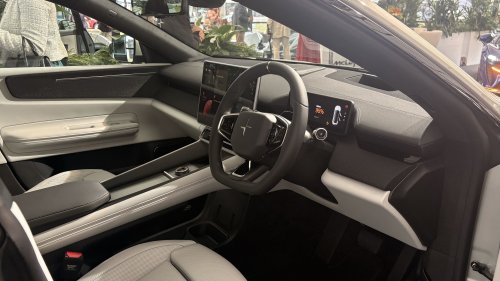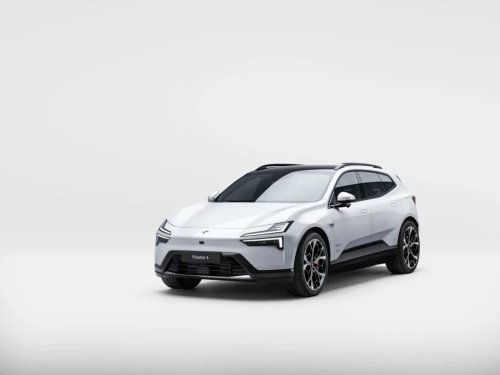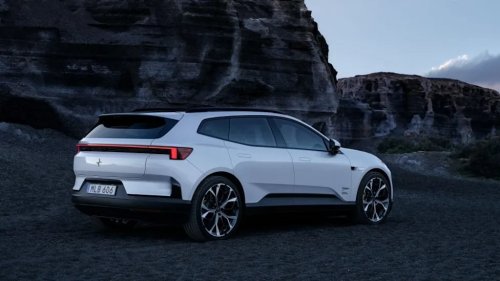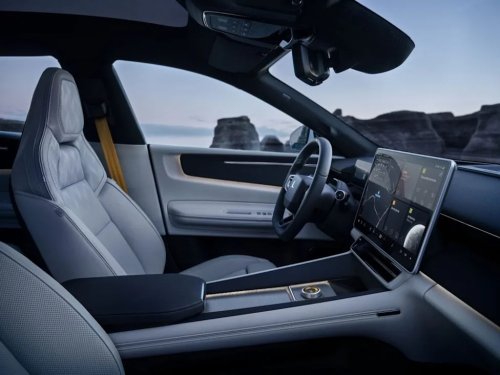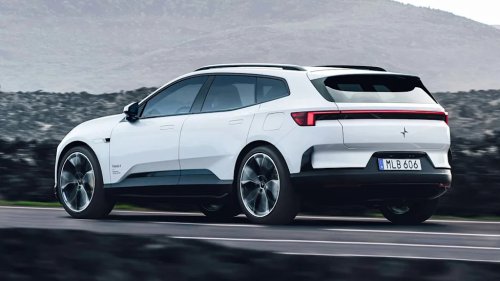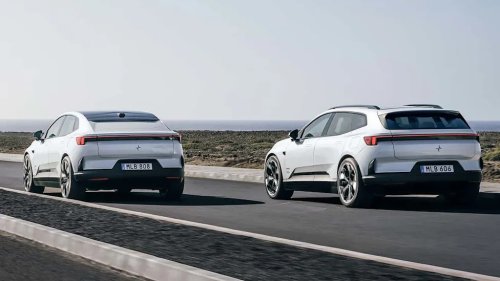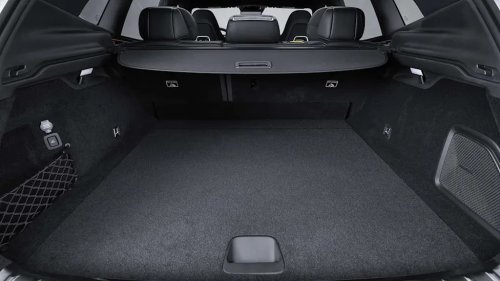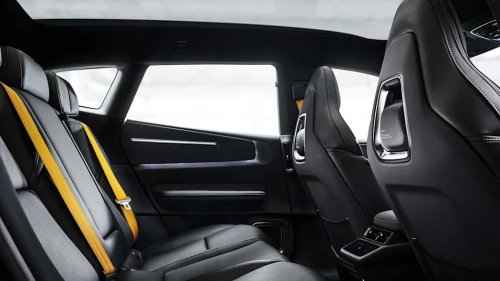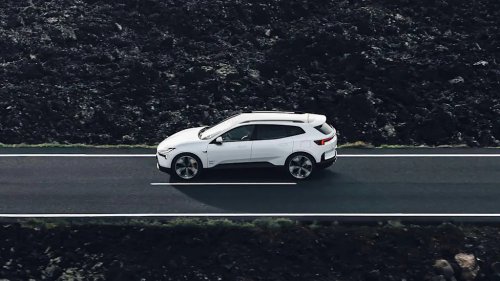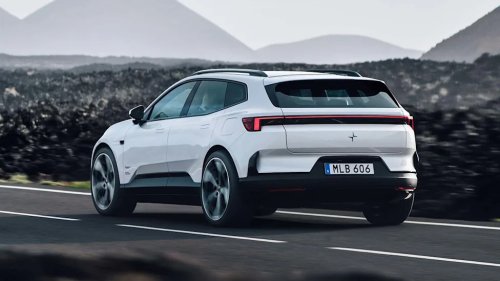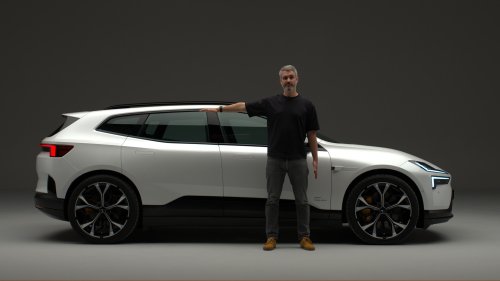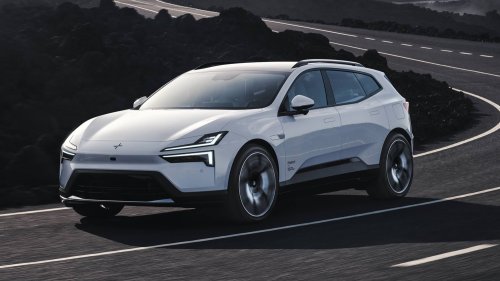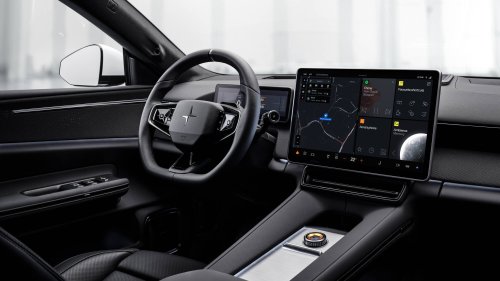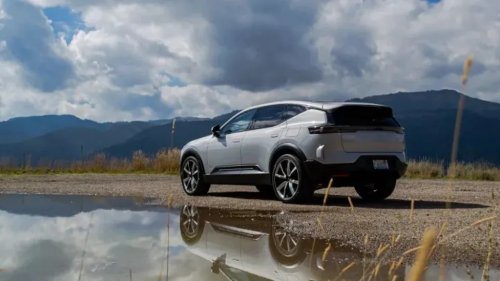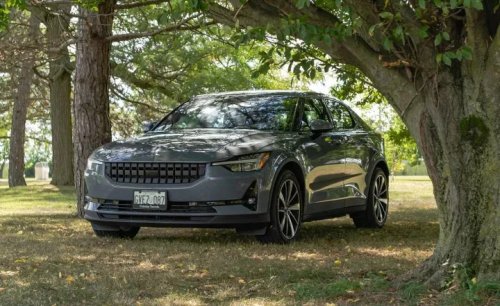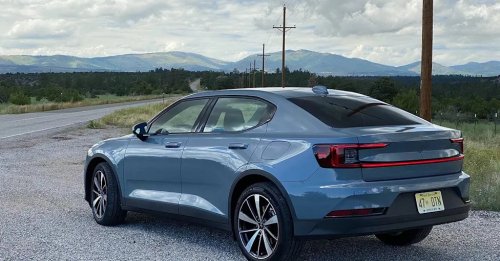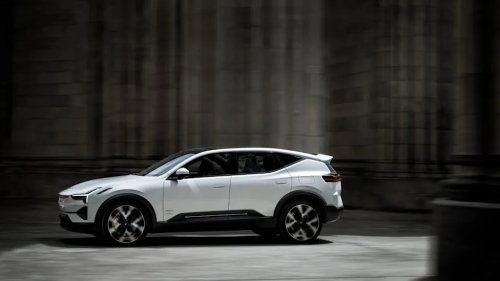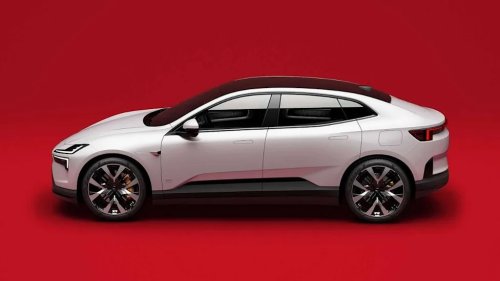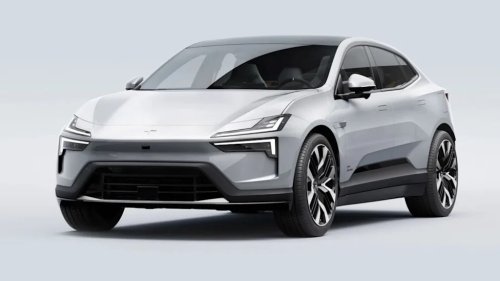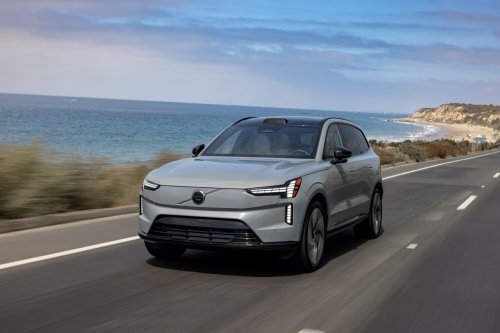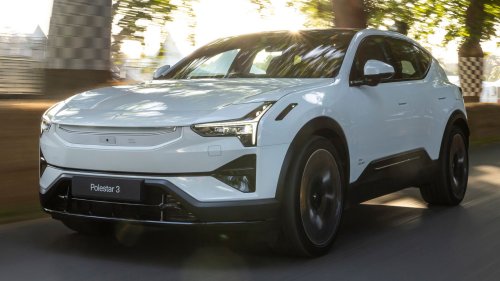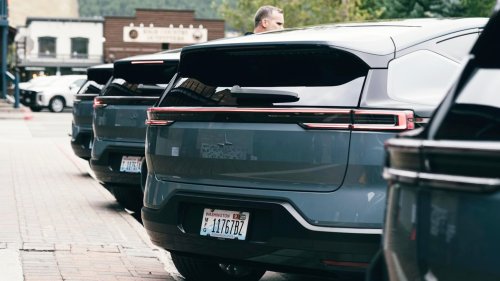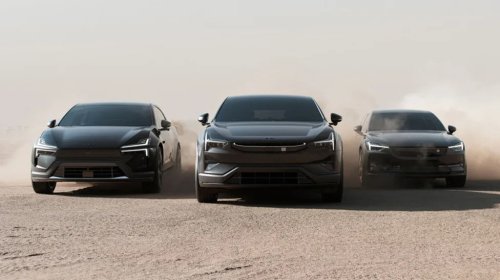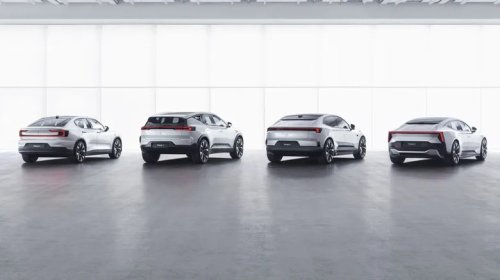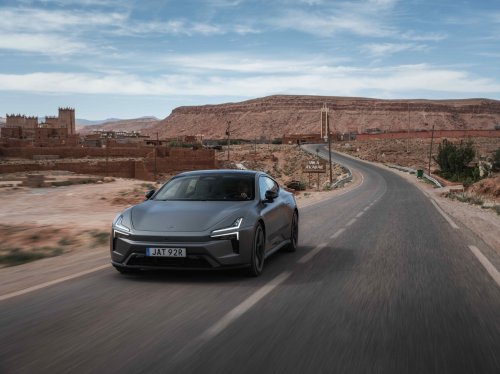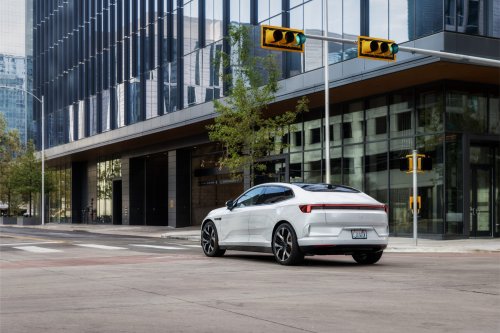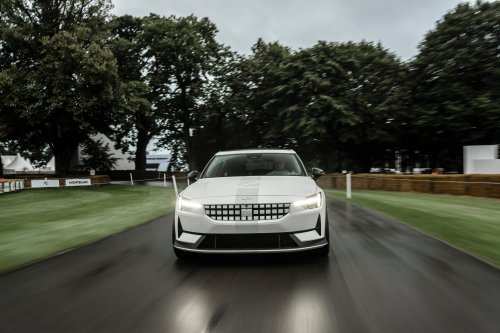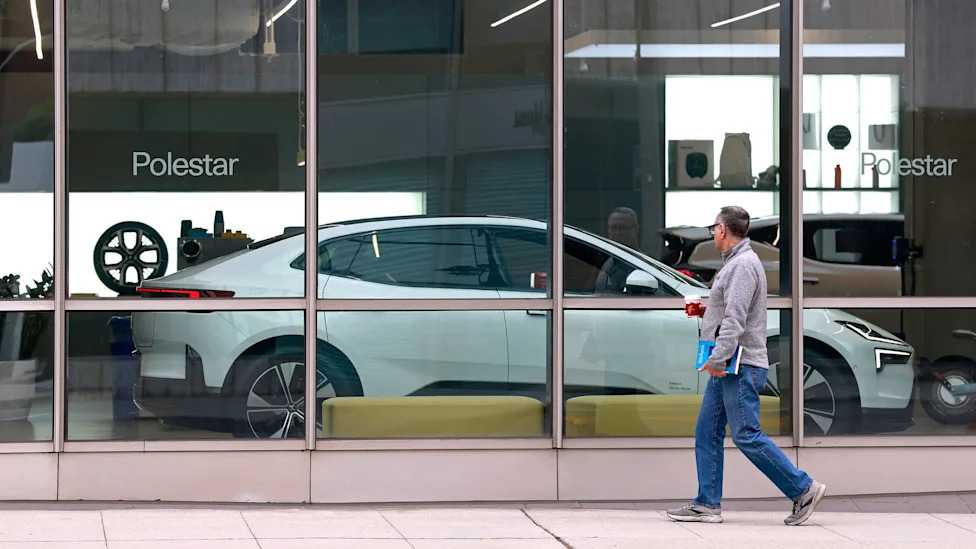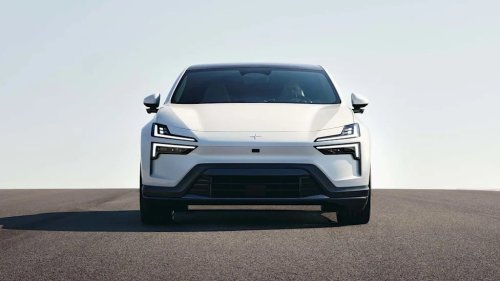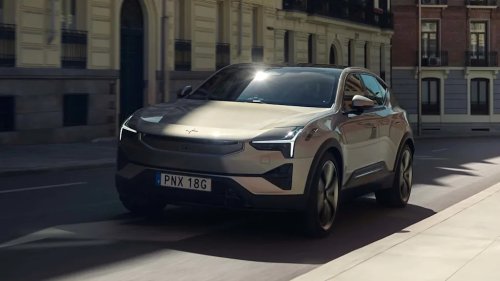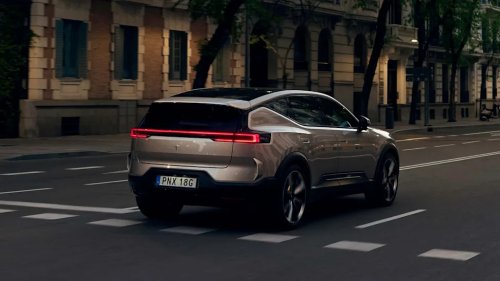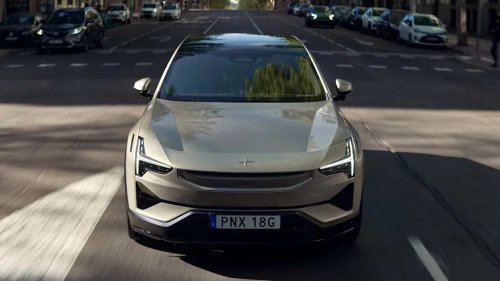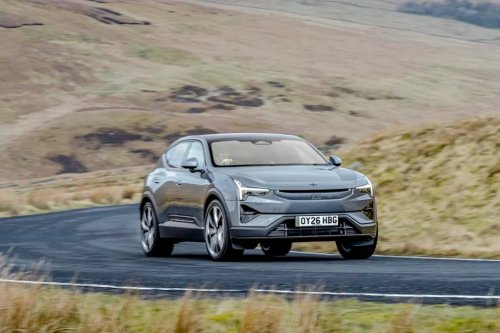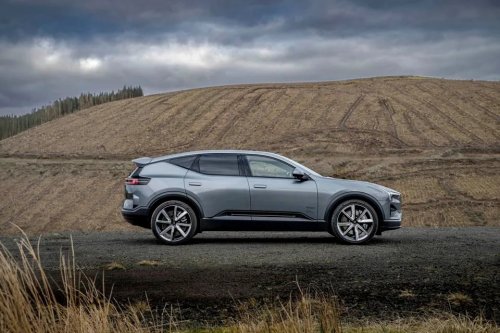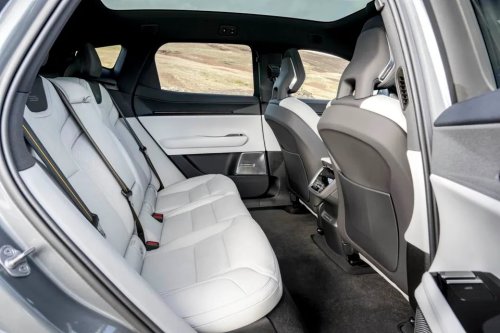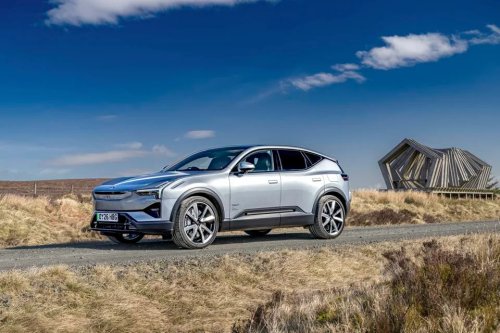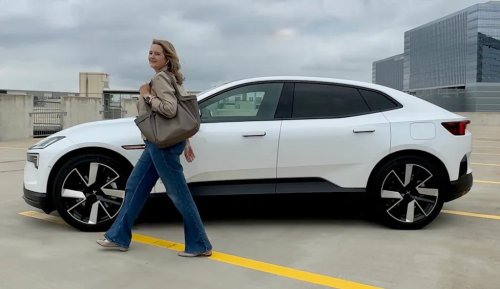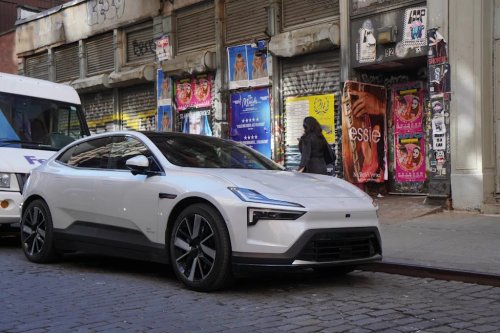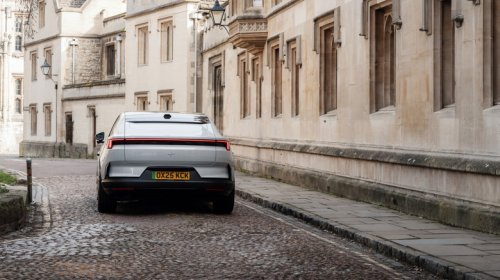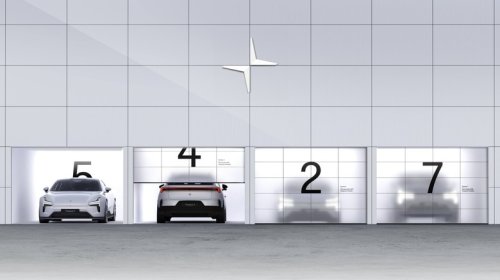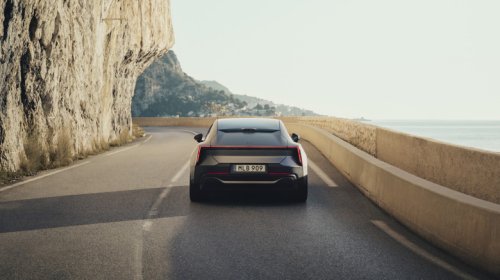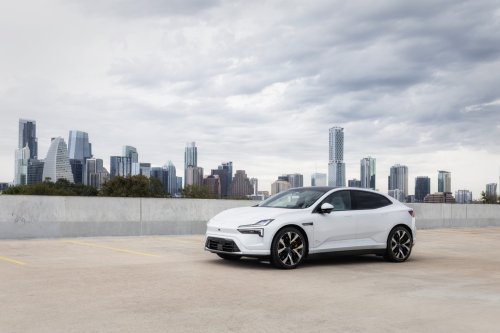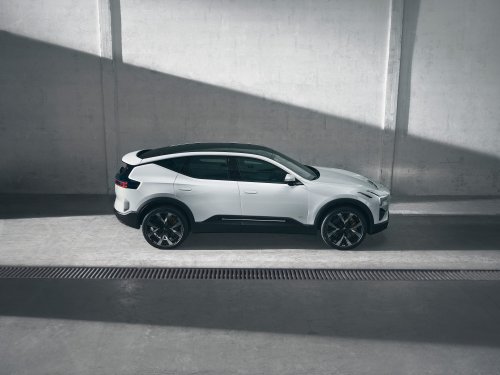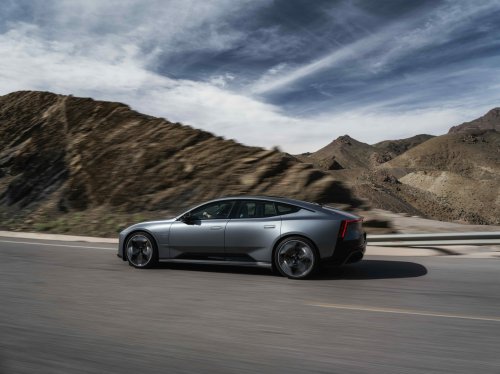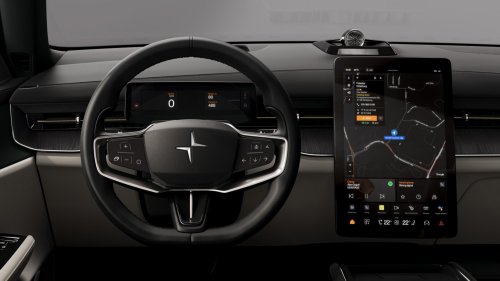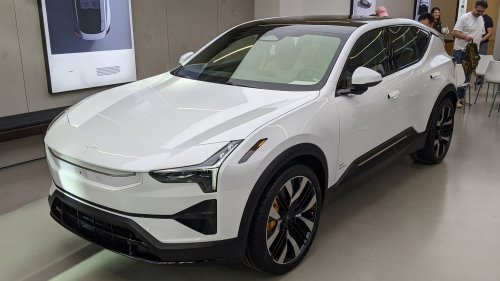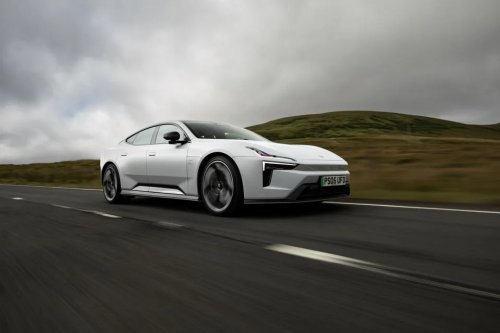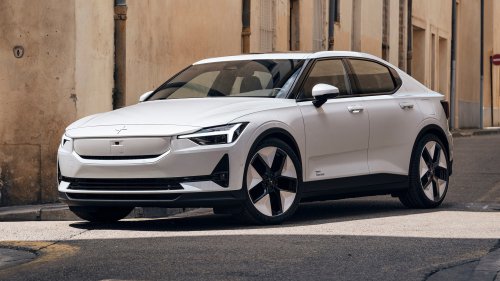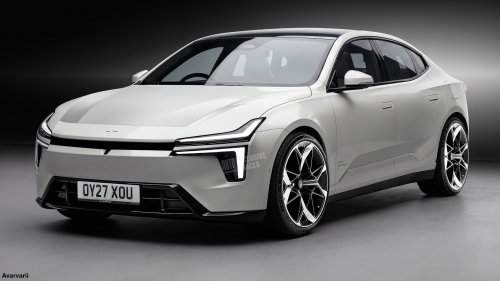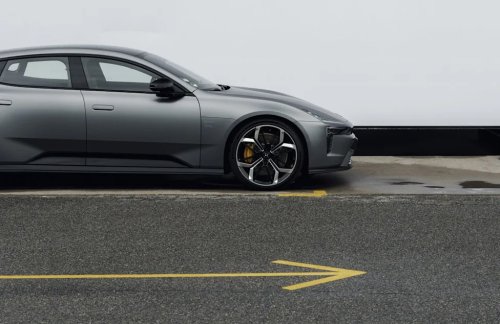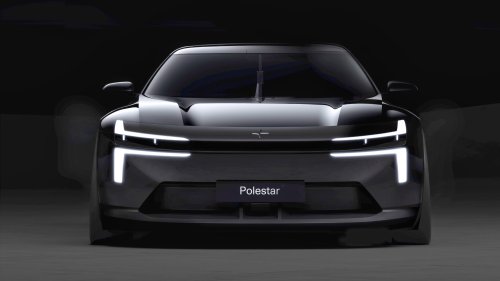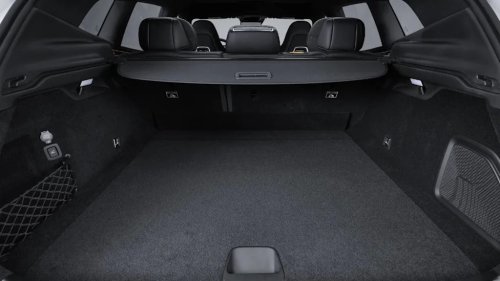
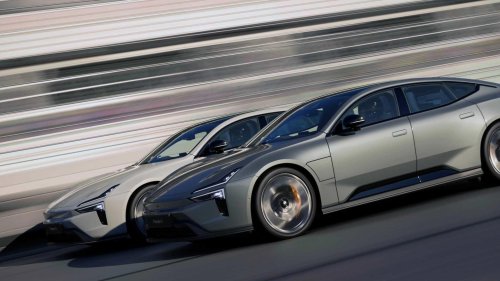
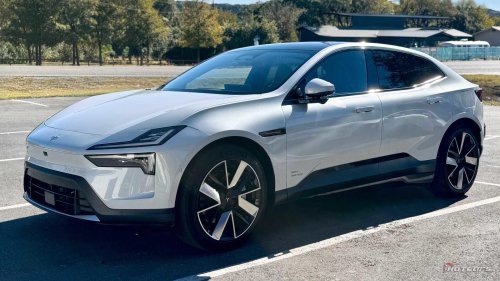
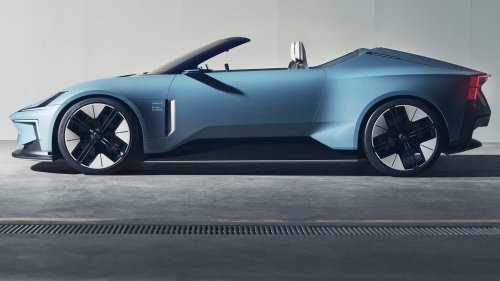



















Polestar’s U.S. run just hit a federal brick wall. The Department of Commerce’s Bureau of Industry and Security has denied the Swedish EV brand authorization to sell new vehicles in the United States starting with the 2027 model year, effectively pushing Polestar out of one of the world’s most important car markets. Current inventory can still move, and owners won’t suddenly lose service access, but future U.S. Polestars now look about as likely as a manual transmission in a robotaxi. Why Polestar Got Caught In The Rule Amanda Cline / HotCarsThe issue comes down to the U.S. Connected Vehicle Rule, a federal regulation aimed at keeping Chinese and Russian vehicle software and hardware out of cars sold in America. The rule targets vehicles that connect to the outside world through systems like Bluetooth, Wi-Fi, cellular, satellite links, telematics, and certain automated driving tech. In other words, the problem is not just where the car gets bolted together. It is what runs inside the car and who may have control over that tech.PolestarThat last part is what hits Polestar. The brand presents itself as Swedish, and its headquarters sit in Gothenburg. Still, Geely, the Chinese auto giant, controls the company. Geely also owns Volvo Cars, and that creates a weird twist. Volvo received U.S. approval to keep selling connected vehicles after talks with officials about governance, technology, and data security, while Polestar did not get the same pass. What U.S. Buyers Can Still Get Amanda Cline / HotCarsPolestar says it will keep selling existing U.S. stock of the Polestar 3 and Polestar 4, and it plans to keep supporting current customers through its service network. That should calm owners for now, although the long-term parts and service picture will need watching. Rare EVs can age well when support stays strong. They can also turn into very expensive garage sculpture when support dries up.The bigger loss sits in the future showroom. U.S. buyers may miss the Polestar 5, the low-slung electric grand tourer that many fans saw as the brand’s first true “want one now” car. They may also miss the next Polestar 2 and the planned Polestar 7 compact SUV, which Polestar says it intends to build in Europe. The Polestar 6 roadster remains another painful “what could have been” for American drivers who like their EVs with more drama than a spreadsheet. HotCars Take Via: PolestarPolestar built some genuinely interesting EVs, and the U.S. market feels less fun without them. The Polestar 3 had the size, stance, and hardware to tempt buyers away from the usual luxury electric SUVs. The Polestar 5 looked even better. Still, this is not just a Polestar story. It is a warning shot for every automaker that relies on global software, global suppliers, and complicated ownership structures.Source: Bureau of Industry and Security