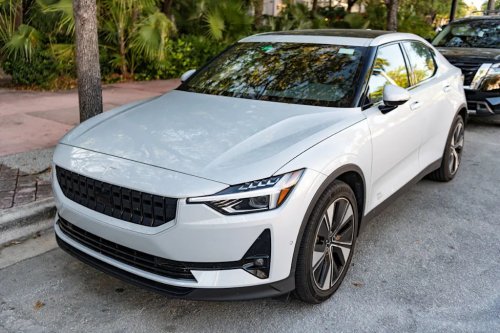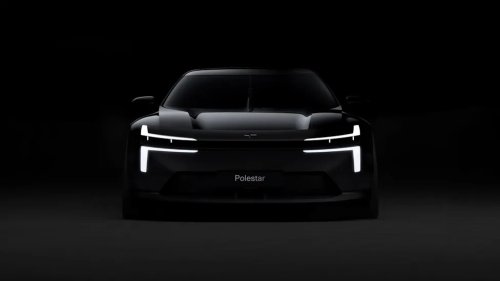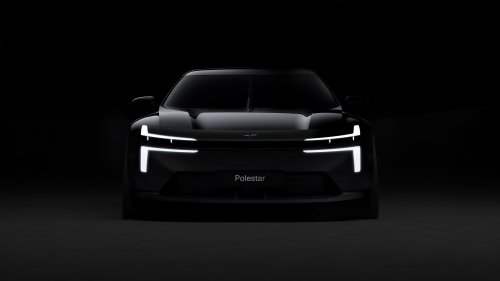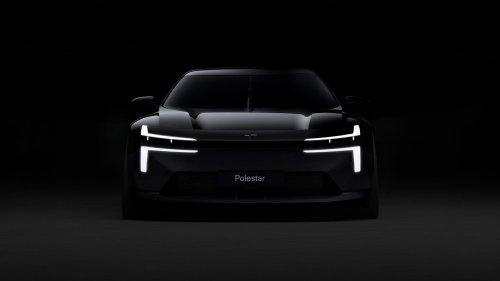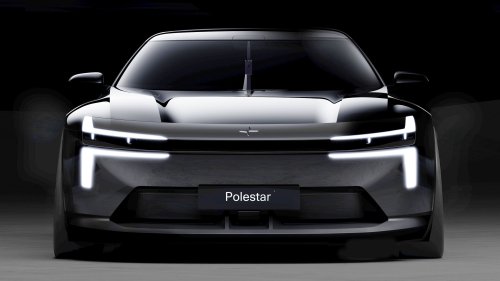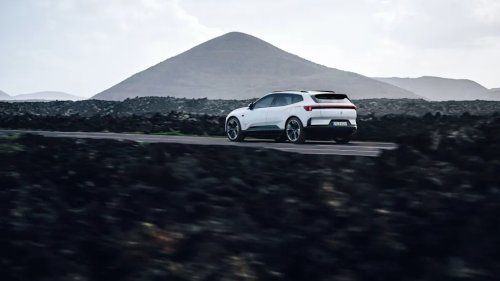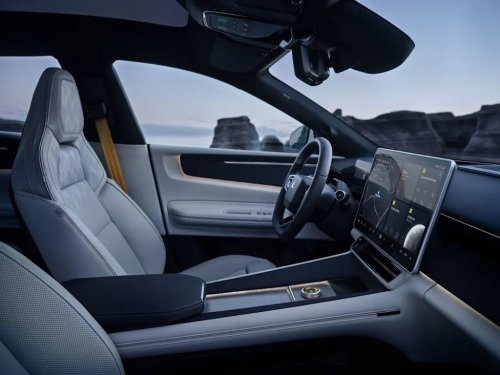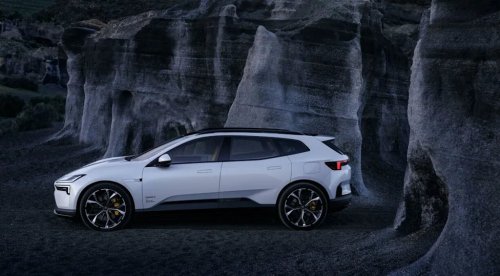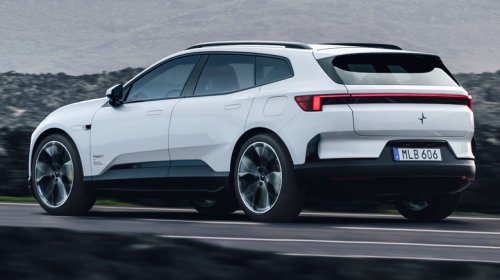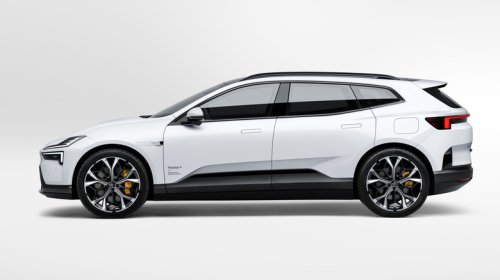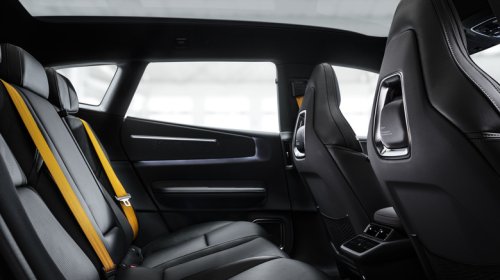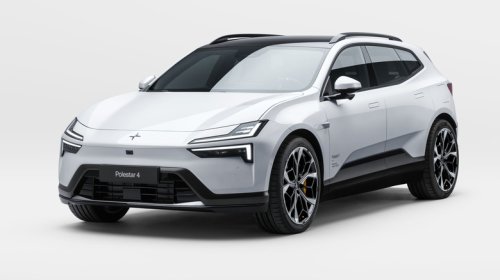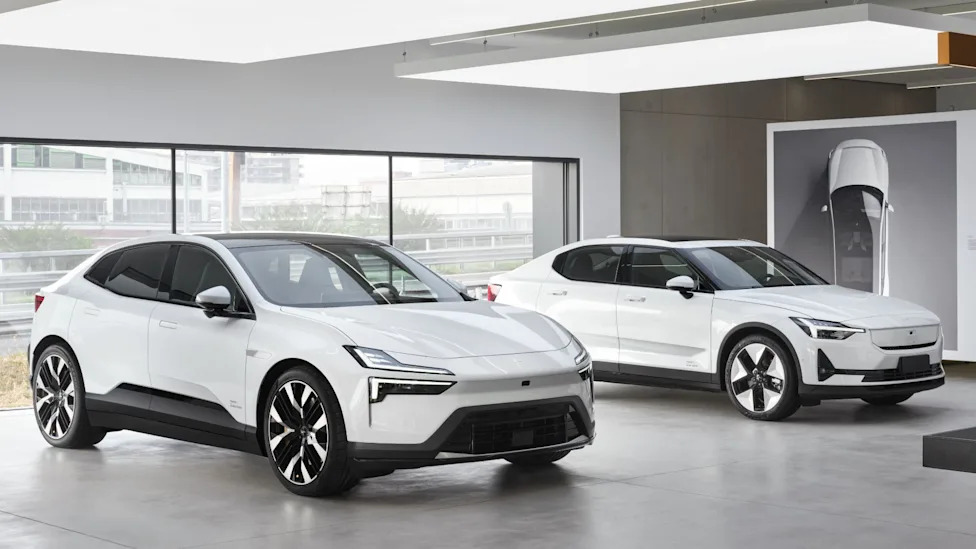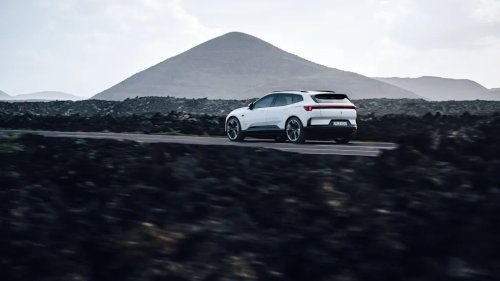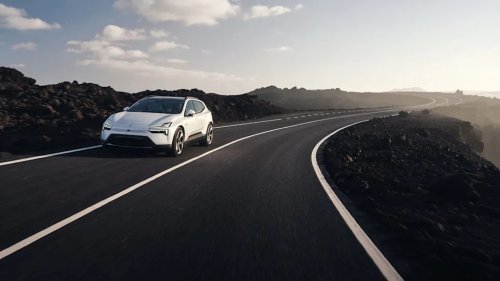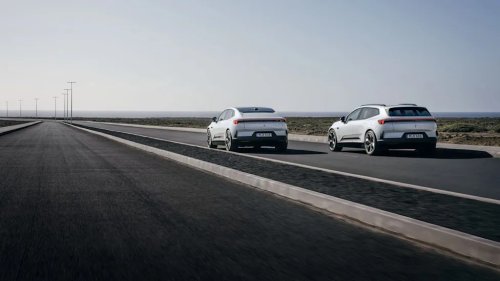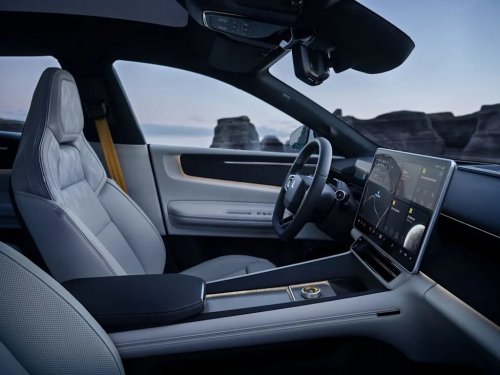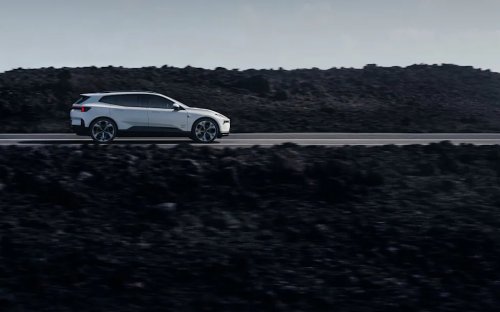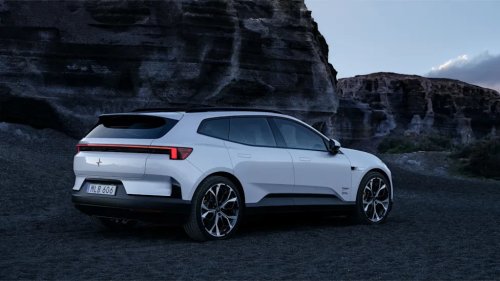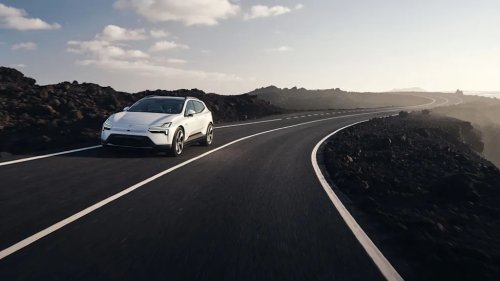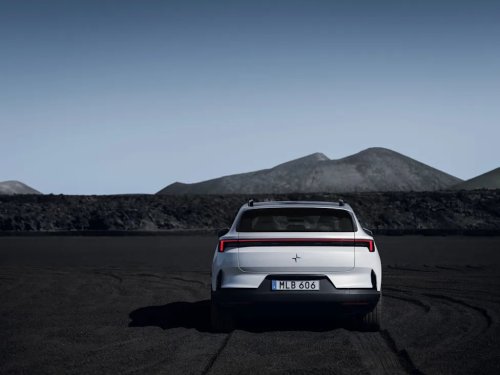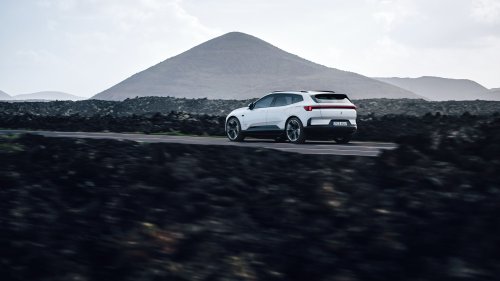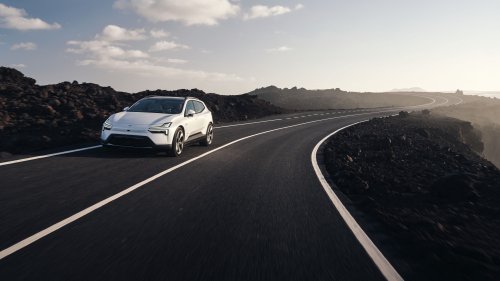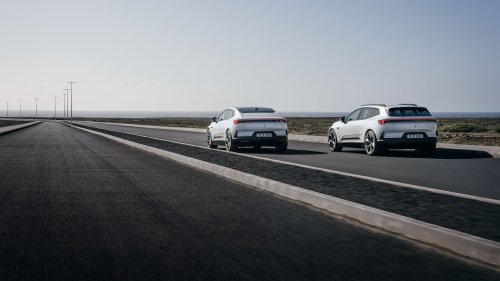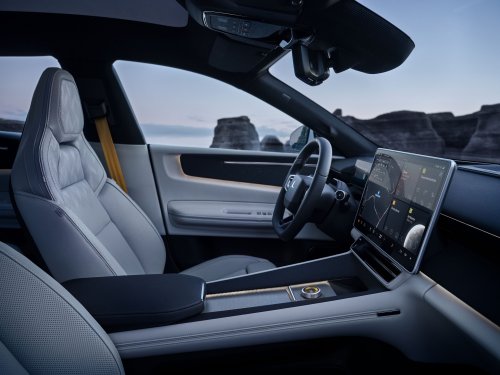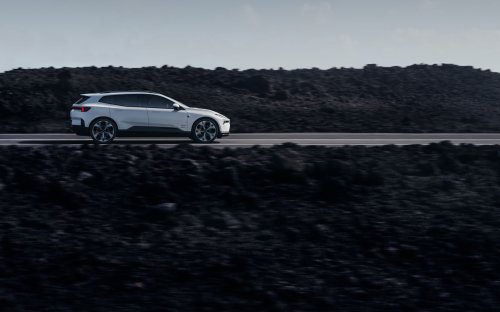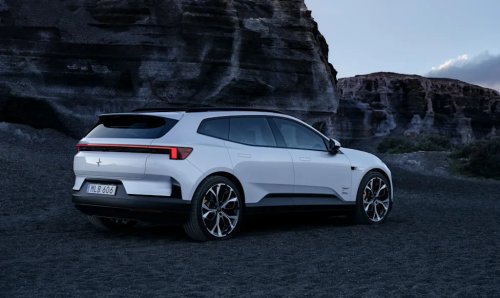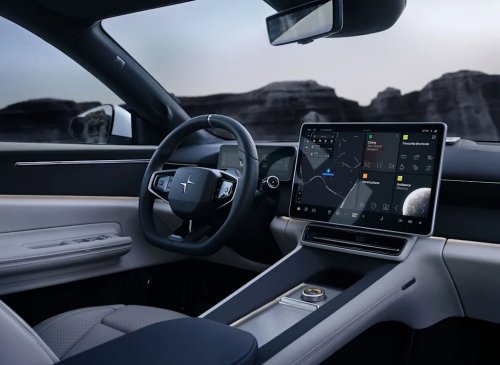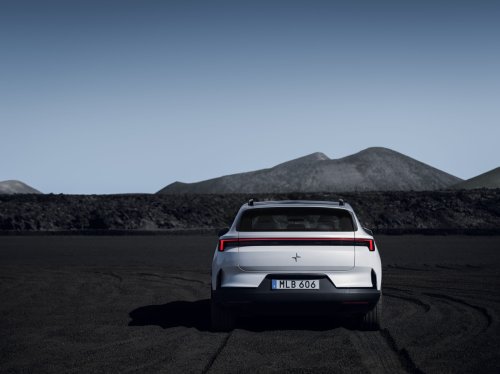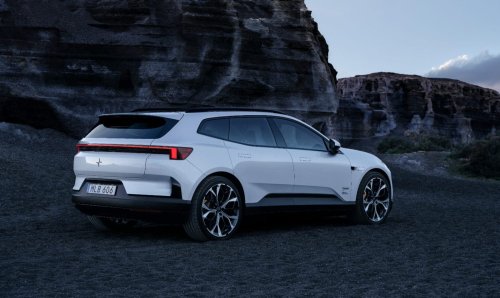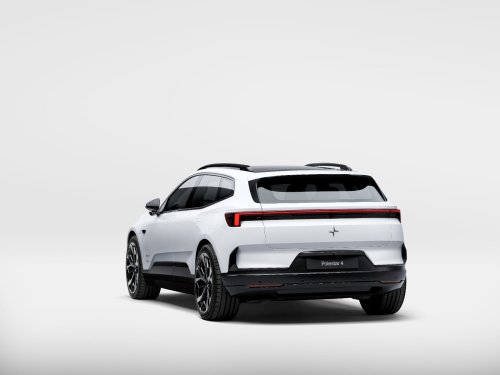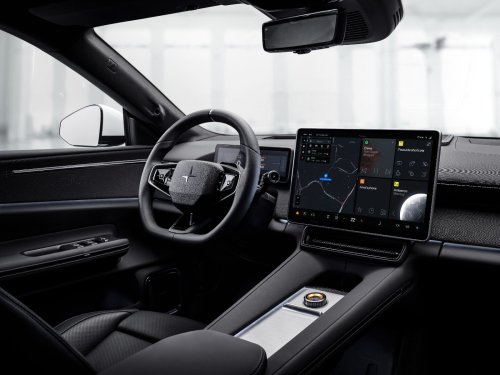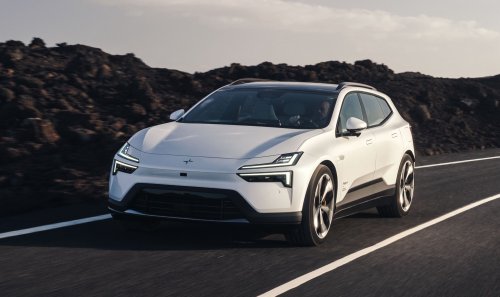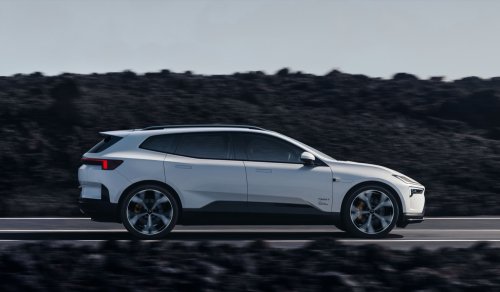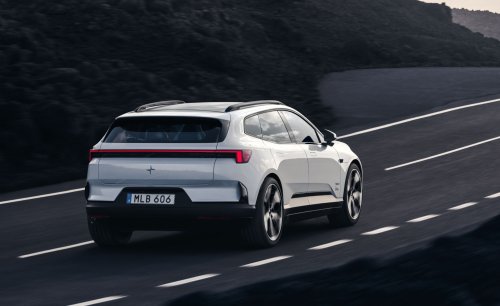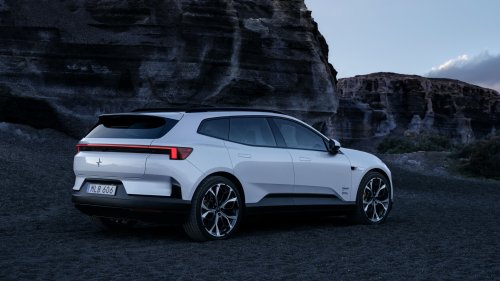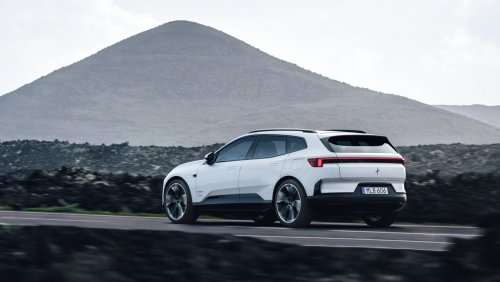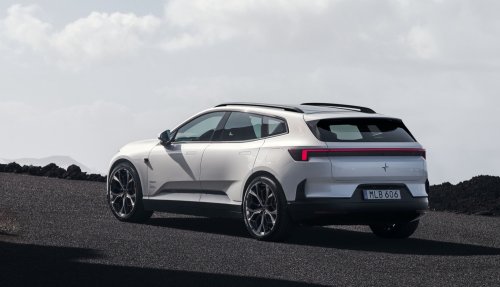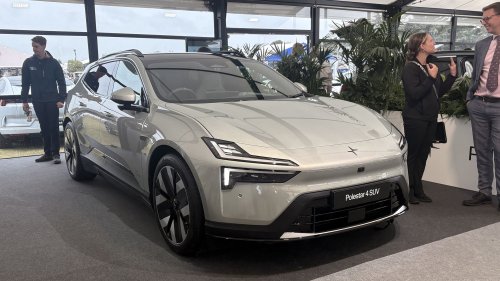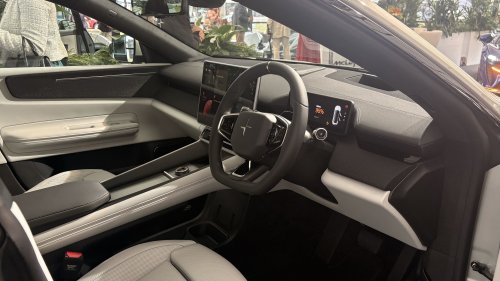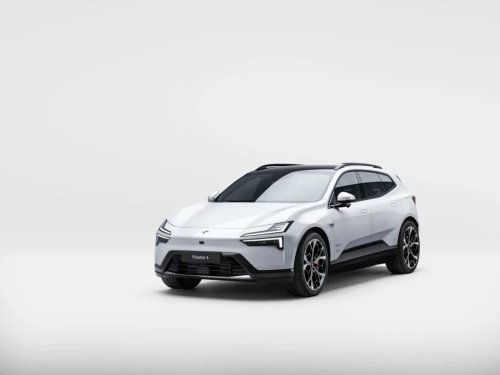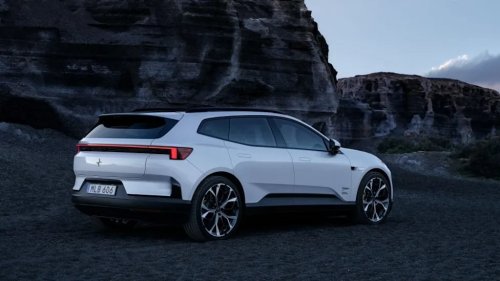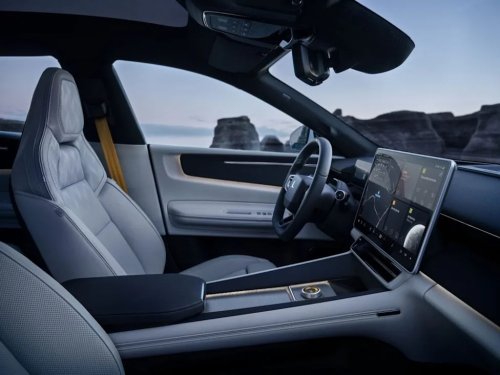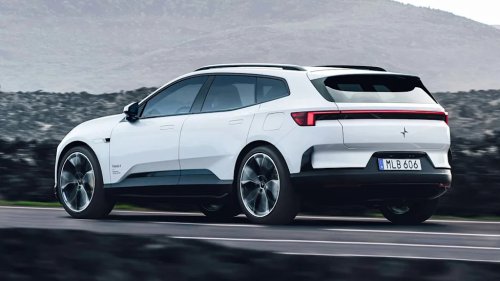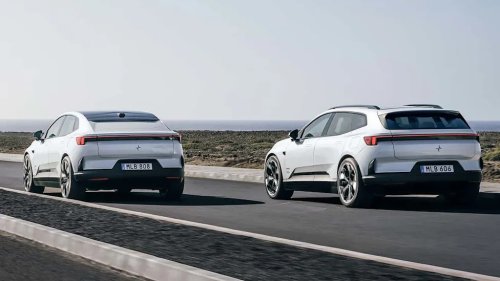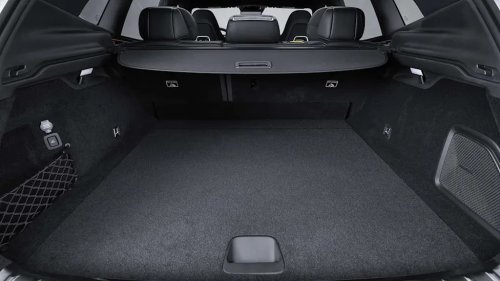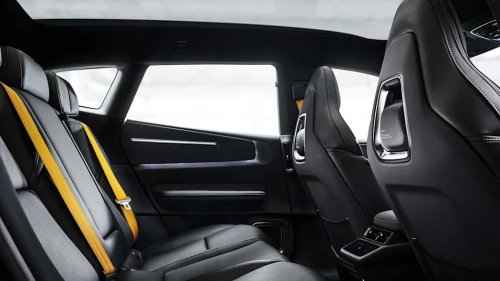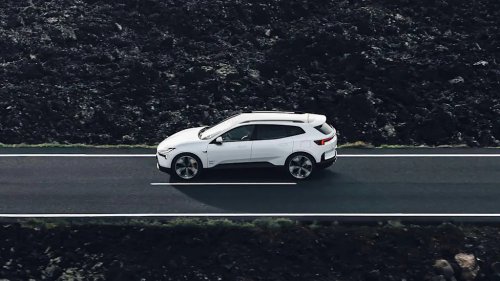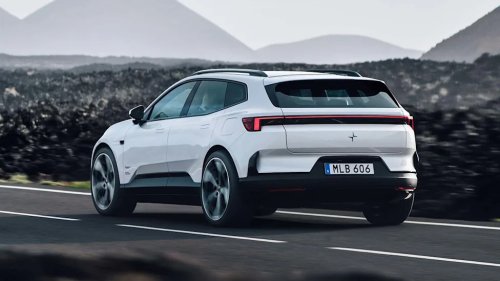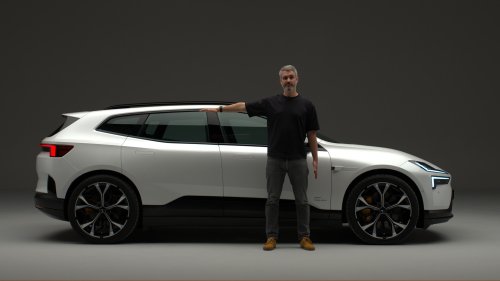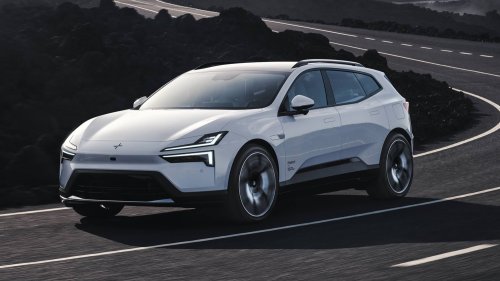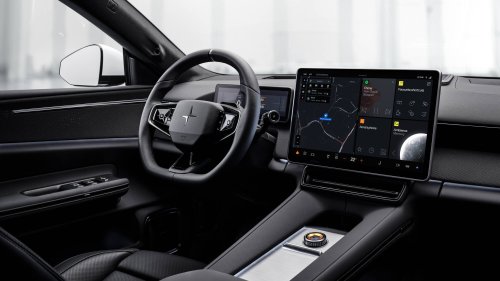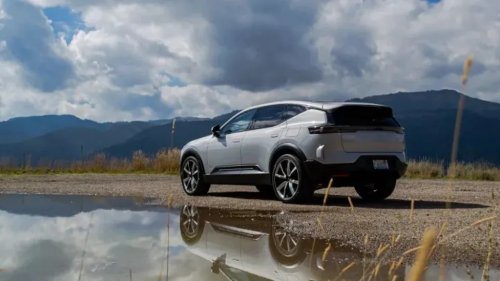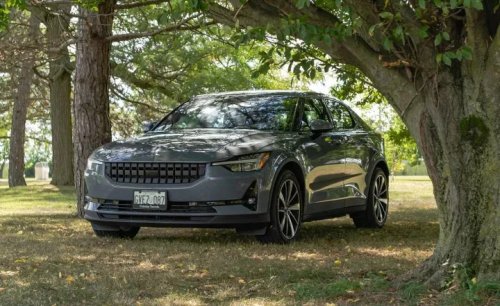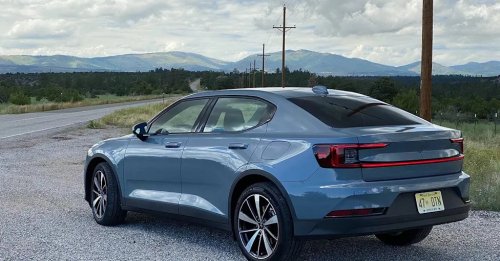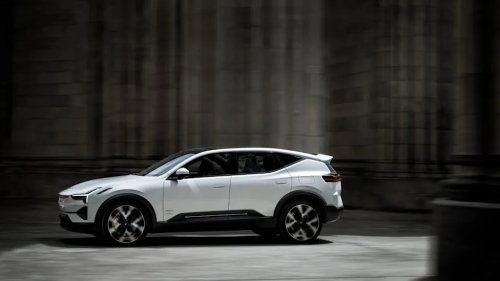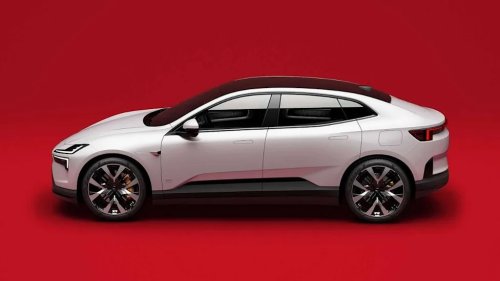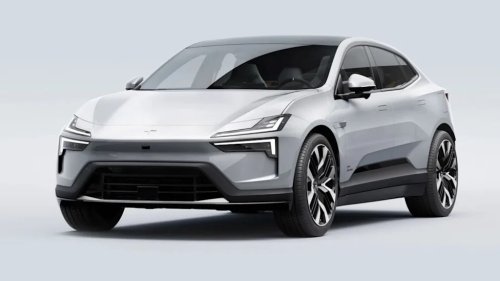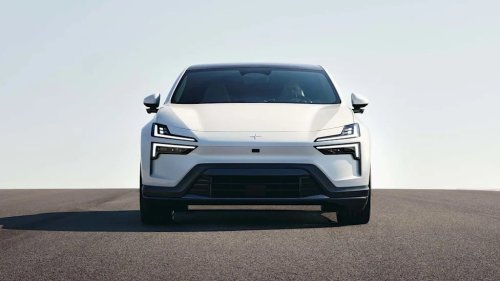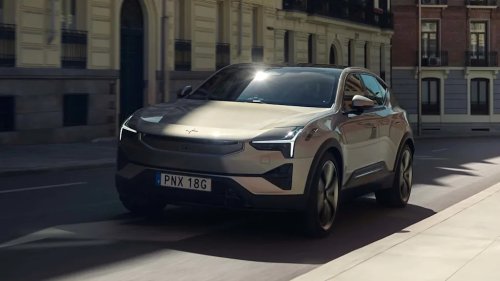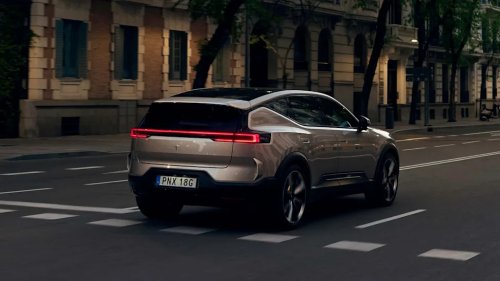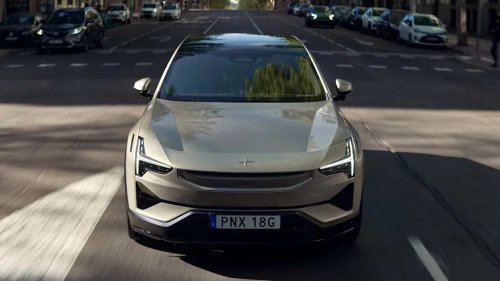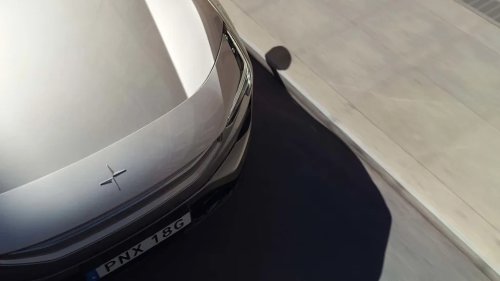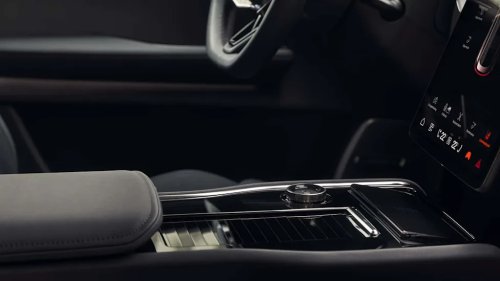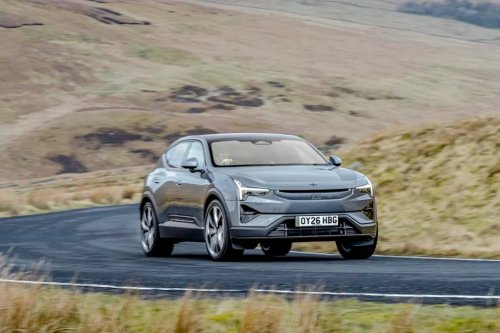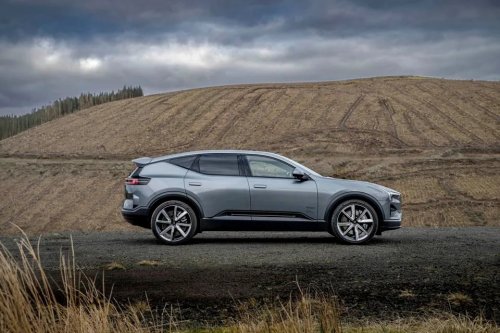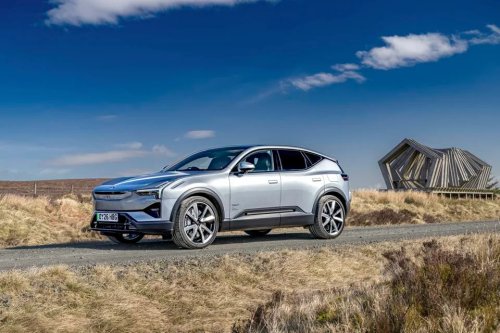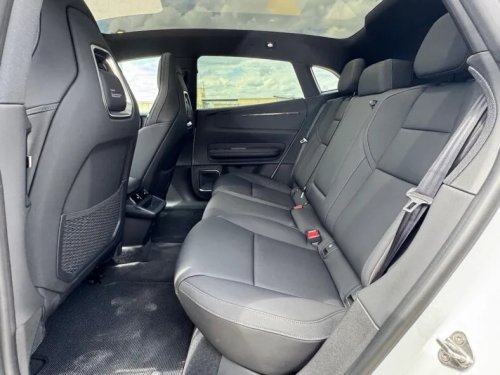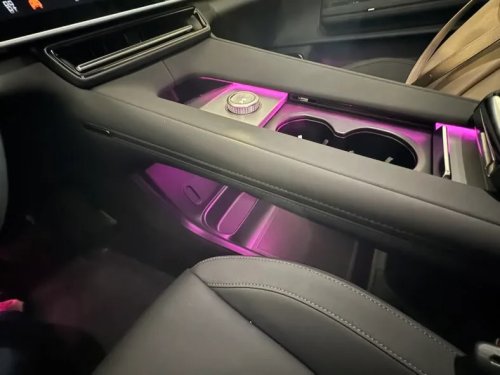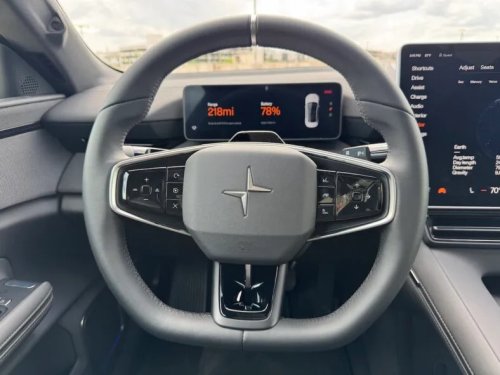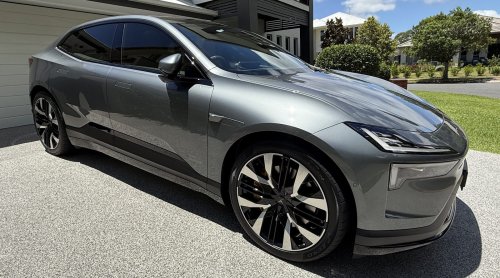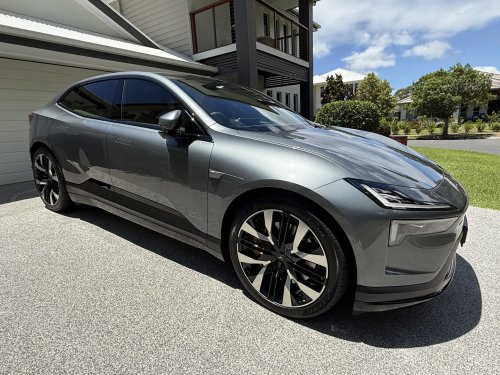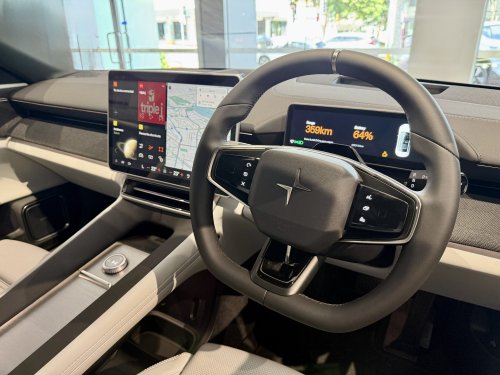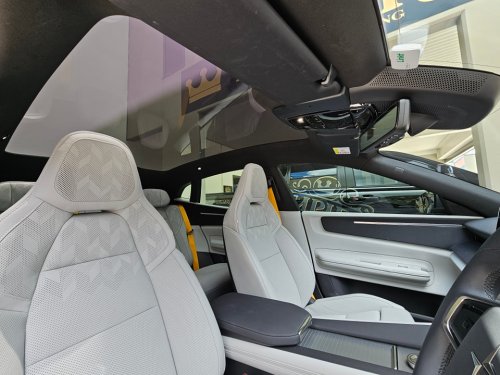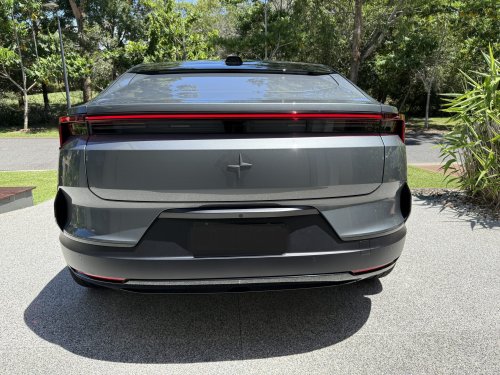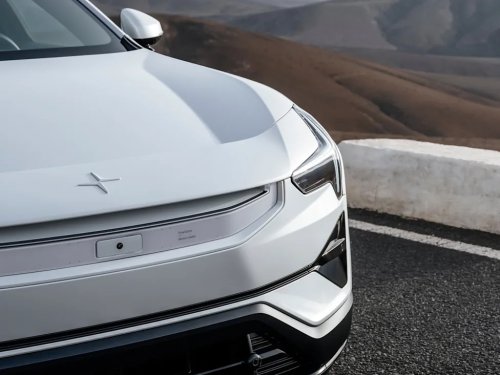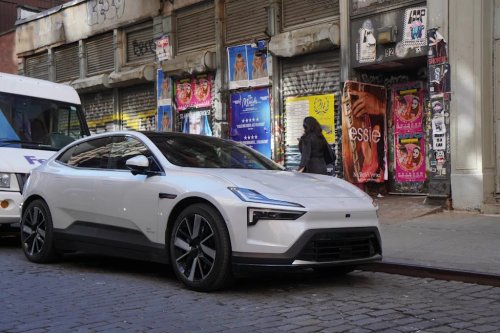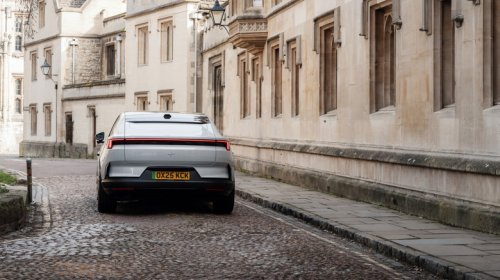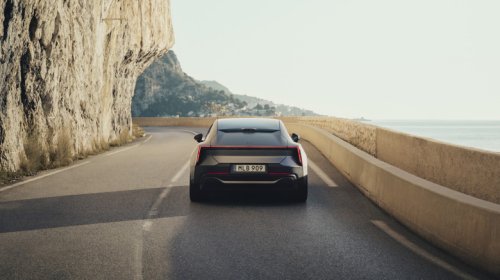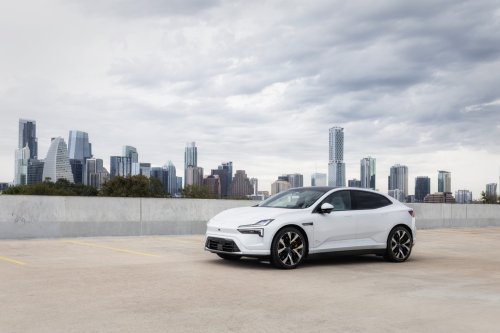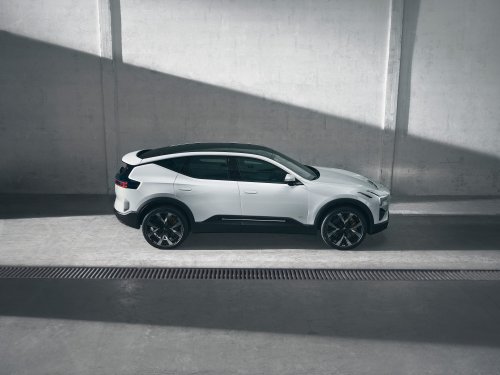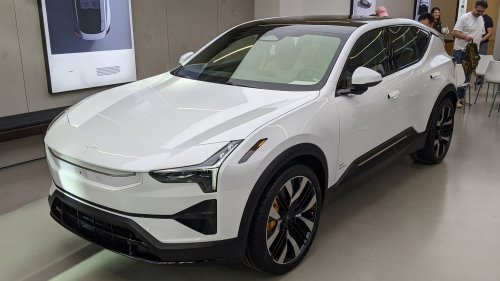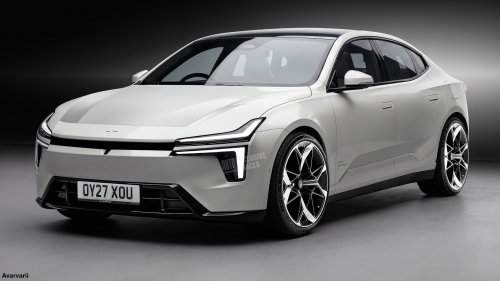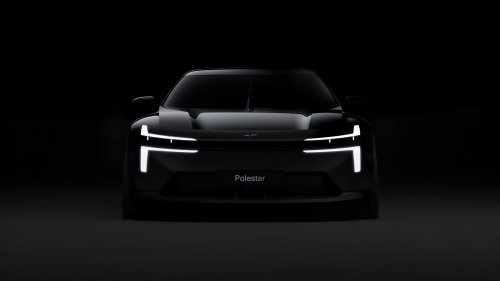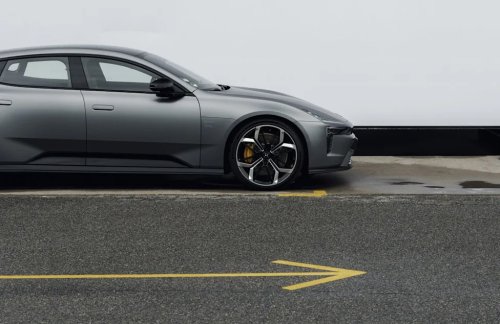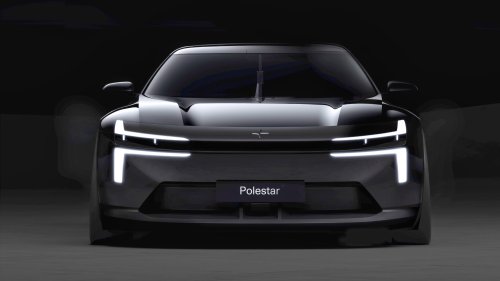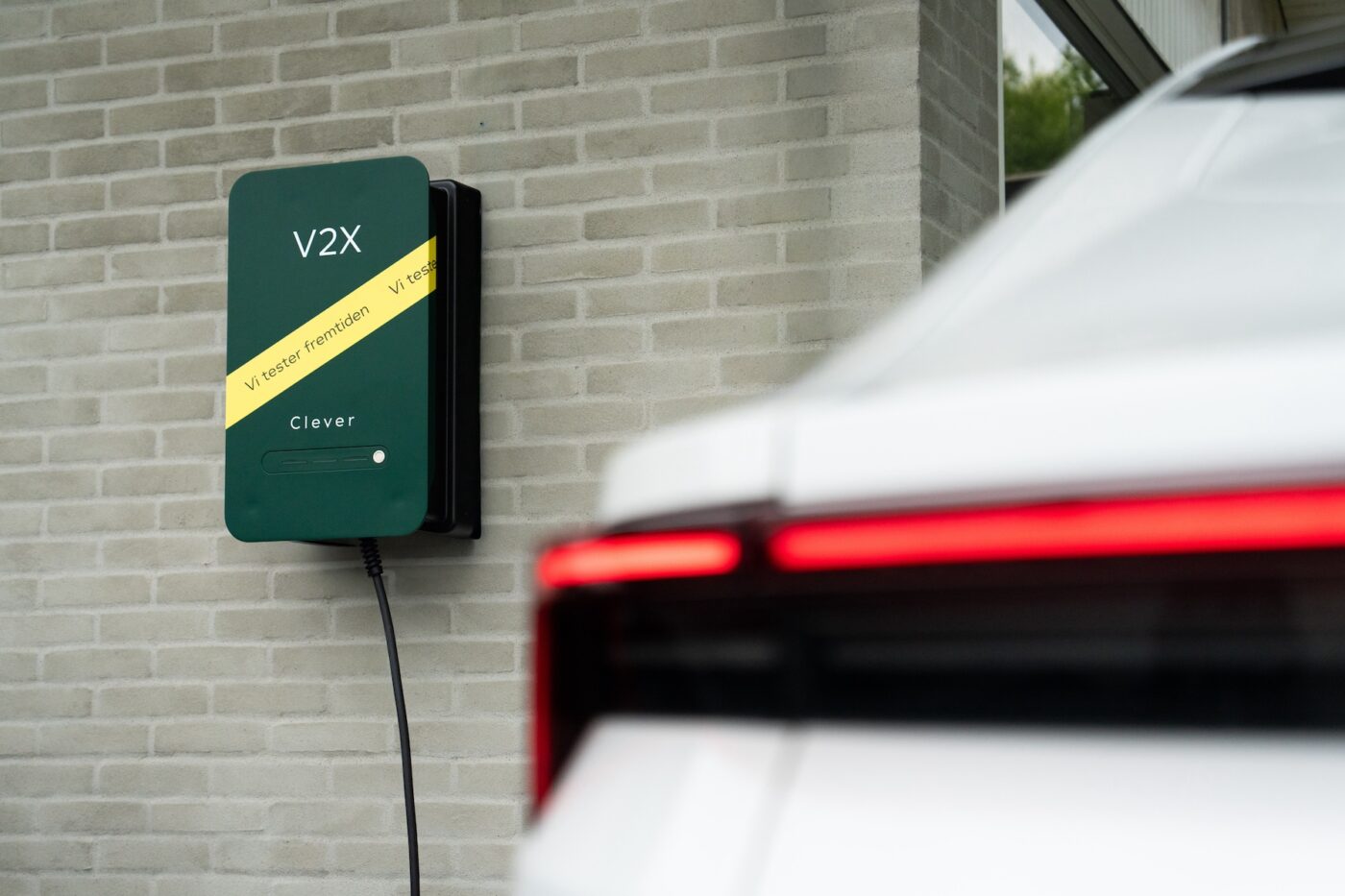



















Image: PolestarAccording to charging infrastructure provider Clever, more than 600,000 large-scale power banks are already travelling on Danish roads. The company is referring to electric vehicles and their batteries, which typically offer several times the capacity of residential home storage systems.Clever is now partnering with Chinese-Swedish EV manufacturer Polestar to test whether traction batteries can help stabilise the electricity grid while also lowering household energy costs.This initiative focuses on bidirectional charging, specifically on V2X by the partners. V2X involves feeding power back from the vehicle into the home grid or public power grid for various applications. Specifically, three scenarios are being explored:Powering the home during periods of particularly high electricity demand (V2H)Feeding power back into the public grid during peak load phases (V2G)Providing emergency power to the home in the event of a power outage (island mode)As part of a technical pilot project, DC wallboxes that support bidirectional charging and V2X solutions will be installed in selected Danish households. Clever describes this pilot as the first of its kind for a ‘complete V2X solution,’ with the project set to run until autumn 2026.Christina Fink, CEO at Clever, said: “We are now taking V2X from a vision of the future to everyday reality. Denmark will be one of the first places where the electric car not only uses electricity but can also deliver it back to the home and the electricity grid when needed. In 2027, the ambition is for Clever to launch the first commercial V2X solutions. This is the beginning of a new chapter, where the electric vehicle battery can both create value for the electric vehicle owner and strengthen the energy system.”“In the future, the electric vehicle will not only transport people, but also energy,” added Henrik Bang, Managing Director of Polestar Denmark. “If electricity prices are high or the energy supply fails, the vehicle can become your power bank for the home or grid, reducing everyday energy costs and, in many cases, supporting increased use of renewable energy. This is a huge opportunity that puts consumers and their cars at the centre of the green energy transition.”The Polestar 4 will be used for the pilot. While this model does not yet support bidirectional charging or V2X solutions as standard, it has been enabled for this project. Polestar plans to make the model available for corresponding commercial offerings at a later stage via an over-the-air update.However, the pilot project from Clever and Polestar is far from Europe’s first initiative in bidirectional charging. Numerous carmakers and energy providers are already running similar programmes, including Volkswagen Commercial Vehicles together with Enercity.At least two projects have already progressed beyond the pilot stage into commercial operation. Renault and The Mobility House launched a V2G offering in France in autumn 2024. In Germany, E.ON and BMW introduced the country’s first V2G offering alongside the market launch of the new BMW iX3 in March 2026, supported by the accompanying BDL Next research project.polestar.com, linkedin.com