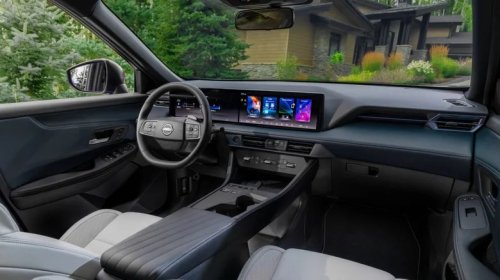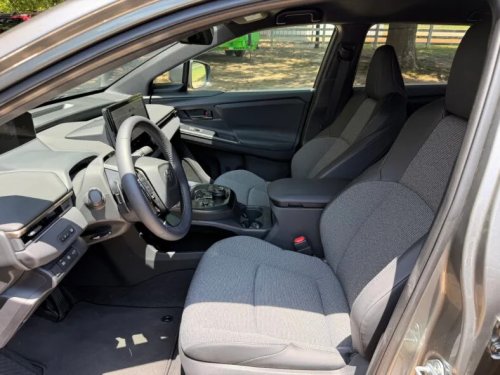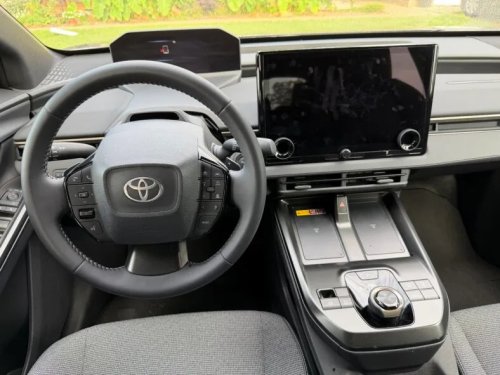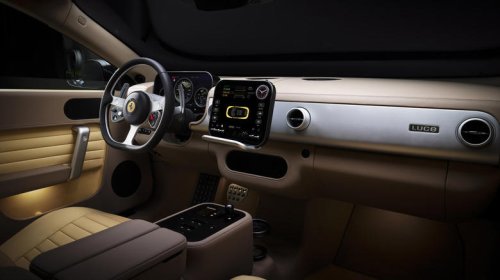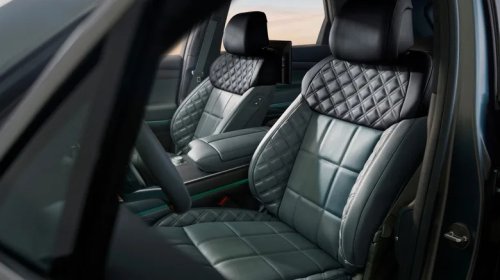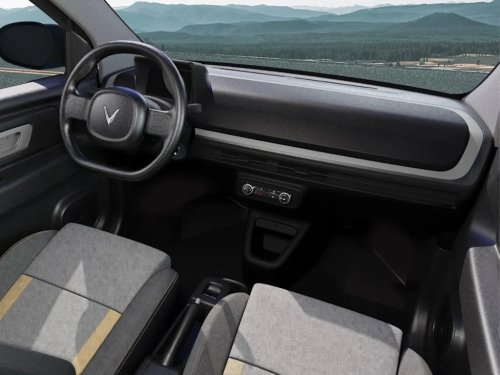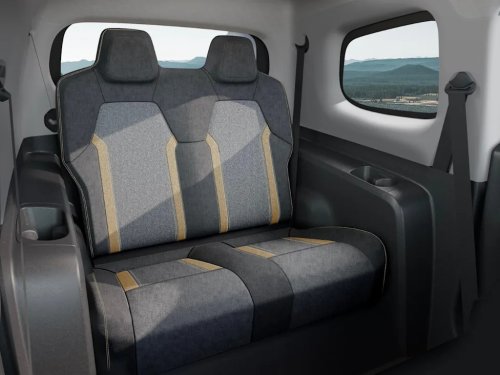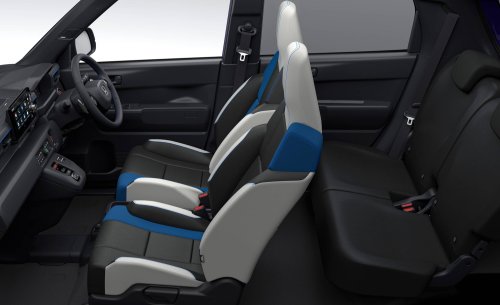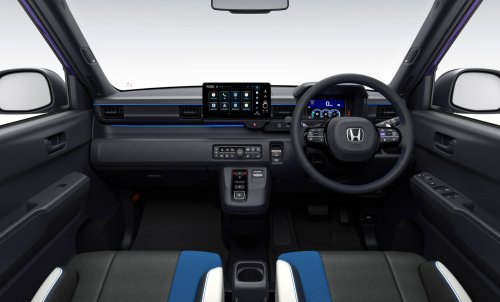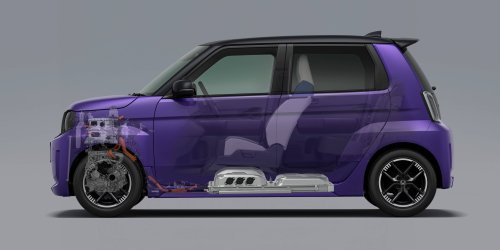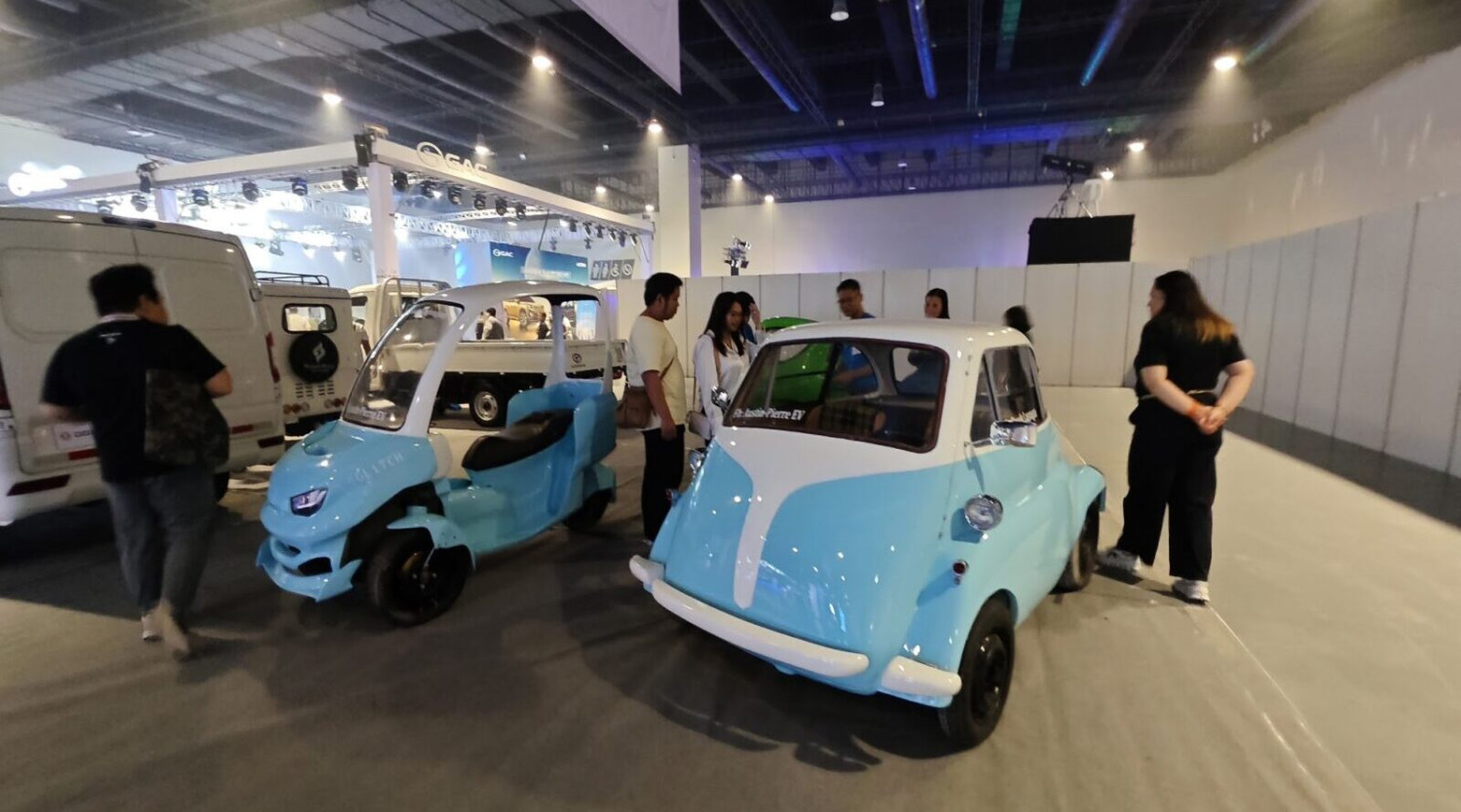
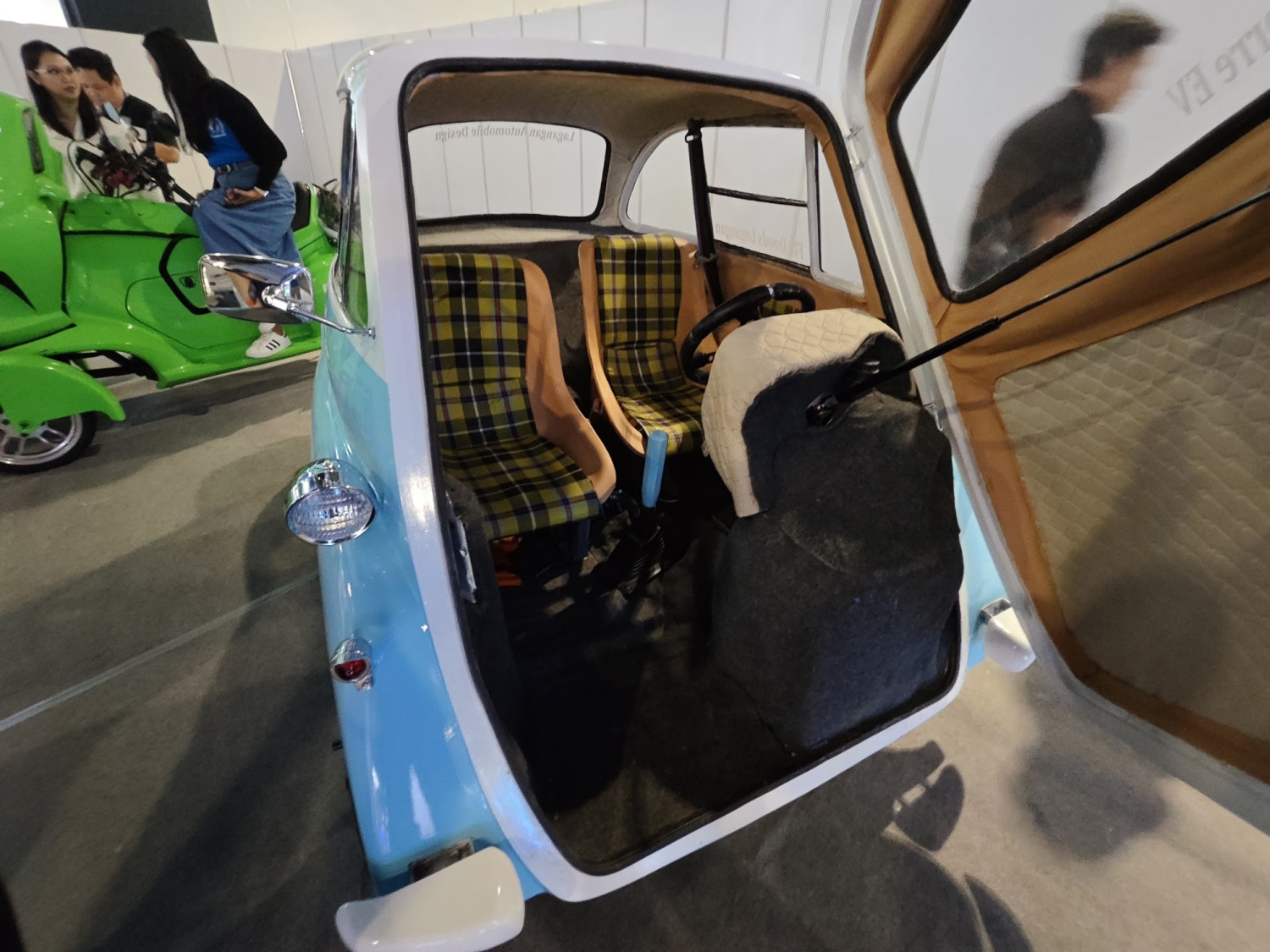
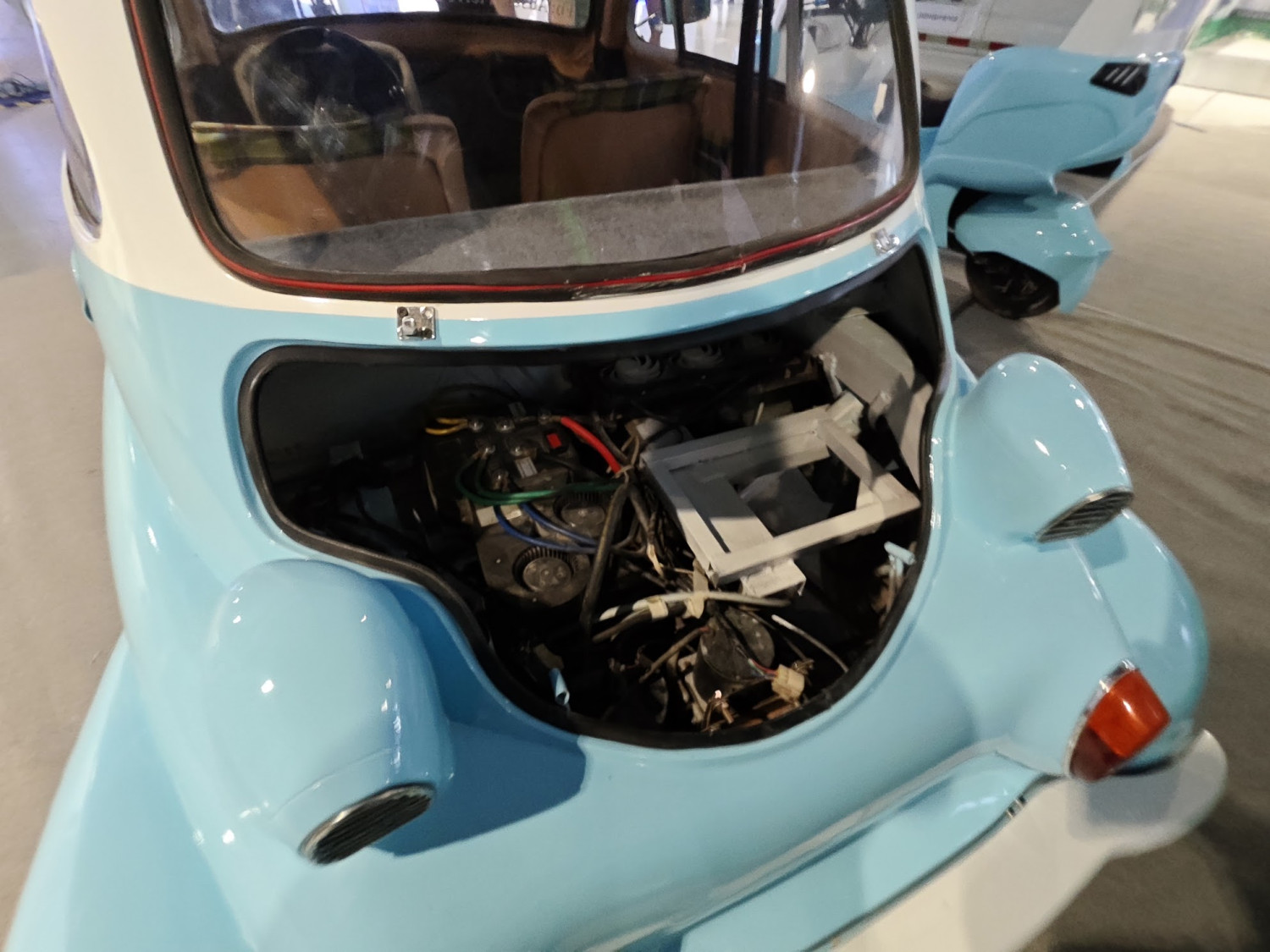



















In the world of high-performance automotive engineering, “Class-A surfaces” and aerodynamic symmetry are the benchmarks of success. These are the standards Adonis Lagangan mastered while building the fiberglass shell of the original British Keating TKR supercar capable of blistering speeds exceeding 400 km/h (~248 mp/h). But today, Lagangan isn’t focused on breaking land speed records. He is focused on breaking the Philippines’ dependence on imported, inefficient transport. As the founder of a coach-building startup, Austin-Pierre Motor Vehicle Manufacturing, Lagangan is pivoting from the world of elite coachbuilding to the rigorous reality of the electric vehicle (EV) startup. His mission? To prove that the Philippines doesn’t just need more EVs — it needs EVs designed by Filipinos, for Filipino roads. From ICE to EV Lagangan’s journey began with a mechanical engineering degree and a decade at Mitsubishi Heavy Industries. This wasn’t “tinkering;” it was a masterclass in disciplined systems engineering and documentation. When he first developed the Genius MUV (Micro Utility Vehicle), the “M” stood for internal combustion. In 2014, fuel prices were spiking, but EV technology was still in its infancy — batteries were bulky, expensive, and prone to thermal instability. “The real trigger,” Lagangan explains, “was when affordable EV components became available and my funding allowed me to explore them. That’s when it became clear that electric was the future.” Inside the e-Setta EV is a mix of textures and technologies. Photo for CleanTechnica by author. The “Bedroom” Prototype Perhaps the most striking chapter of the Austin-Pierre story took place in a company housing bedroom in Indonesia. While working as an OFW (Overseas Filipino Worker) to fund his dream, the COVID-19 pandemic forced Lagangan into lockdown. Rather than wait, he turned his living space into a design lab. Using 3D CAD — a skill he mastered long before it was an industry standard — Lagangan virtually tested fitment and ergonomics, reducing the need for costly trial and error. He emerged from lockdown with the wooden body patterns for the Genie E-Trike, a modular platform designed to address the specific “last-mile” commuting needs of the Philippine masses. Engineering vs. Importing: The Quality Gap The Philippine market is currently flooded with low-cost EV imports, many of which struggle with the country’s unique tropical climate and intense duty cycles. Lagangan sees this as his primary competitive advantage. “Imported vehicles may be cheaper upfront, but they often rely on lower-quality components like lead-acid batteries,” says Lagangan. “Our vehicles are better adapted to Philippine conditions. We focus on durability, local serviceability, and educating the customer on long-term value over initial cost.” By focusing on e-trikes and logistics vehicles rather than passenger cars, Lagangan is practicing “capital efficiency.” The development costs are lower, but the social and environmental impact is higher. These vehicles are the backbone of Philippine commerce, and electrifying them is the fastest way to hit national carbon reduction goals. The EVIDA Catalyst and the 10-Year Vision The timing for Austin-Pierre couldn’t be better. With the Electric Vehicle Industry Development Act (EVIDA) now law, the Philippine government is mandating a transition to sustainable transport. For Lagangan, this is the signal he’s been waiting for. However, the hurdle remains capital. While he has proven the technology through self-funded prototypes, scaling to a full manufacturing line requires the kind of institutional support and grants often reserved for larger, established players. “In ten years, I envision Austin-Pierre producing locally designed EVs at scale,” Lagangan concludes. “Beyond delivering vehicles, we want to train a new generation of Filipino EV engineers. With the right support, our engineering can reach across ASEAN and Africa, showcasing that the Philippines is ready to compete on the global stage.” From the bedroom-built prototype to the halls of Mitsubishi, Adonis Lagangan has spent a career preparing for this moment. The “Motion Sickness” of the past is being replaced by the silent, efficient hum of a locally made electric future. A tiny 10W direct drive electric motor with a lithium-ion battery bank recycled from solar array batteries. Photo for CleanTechnica by author.