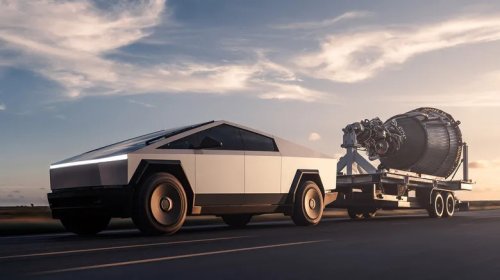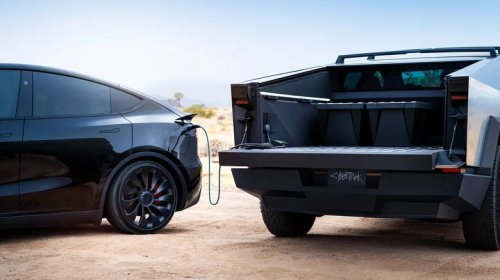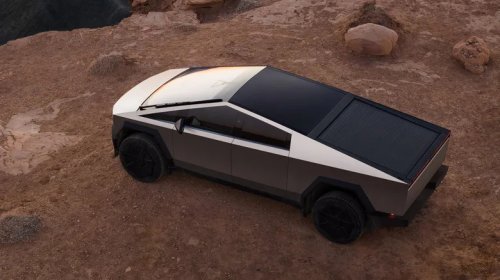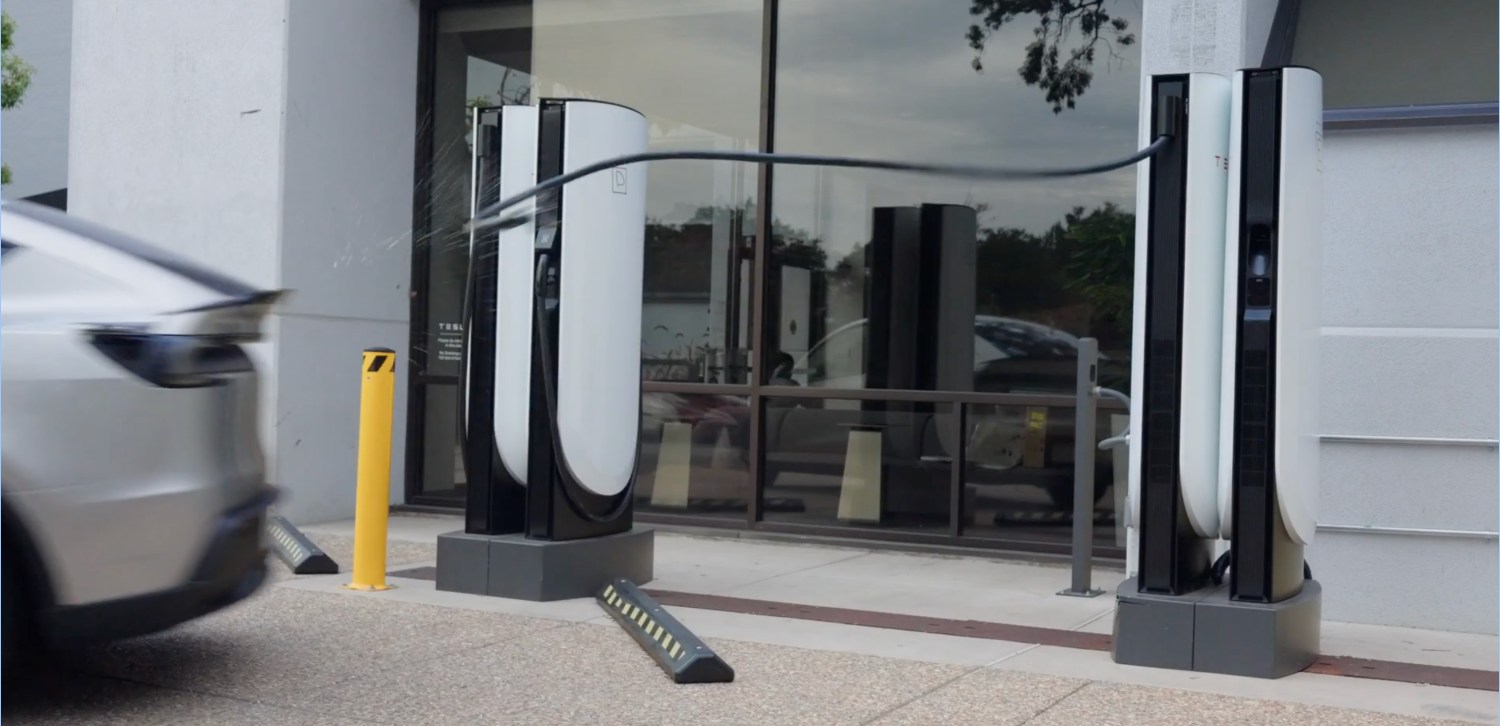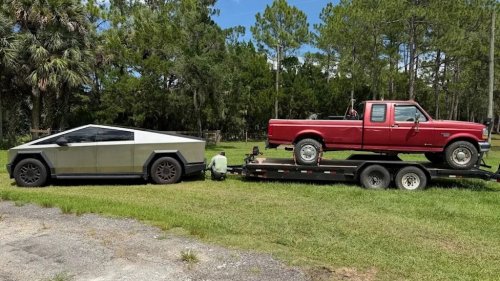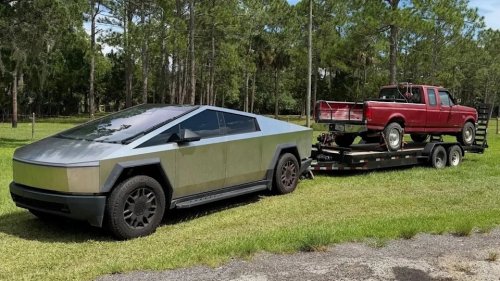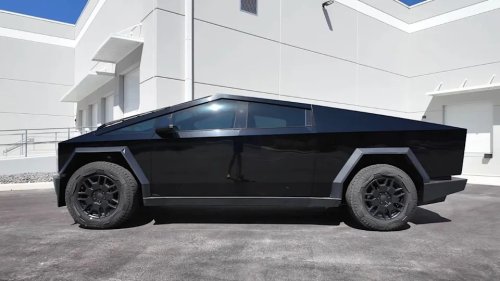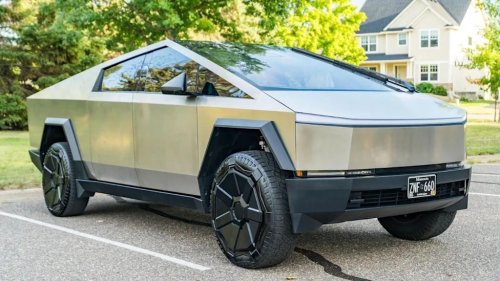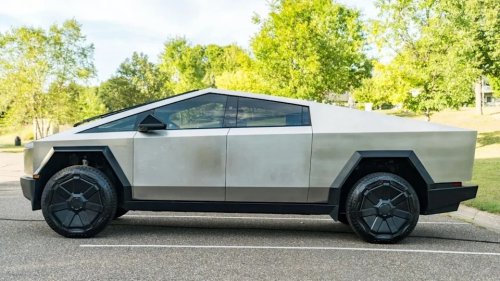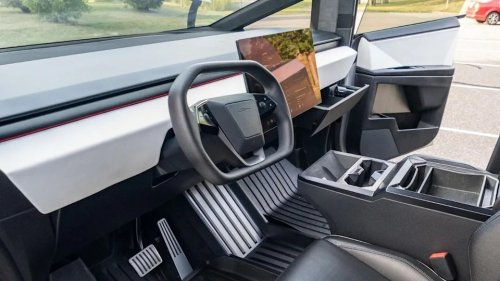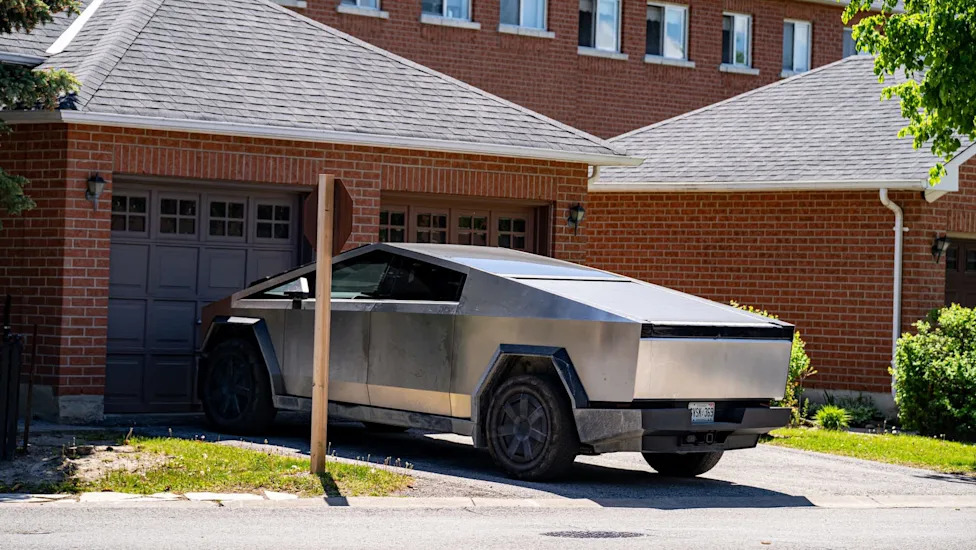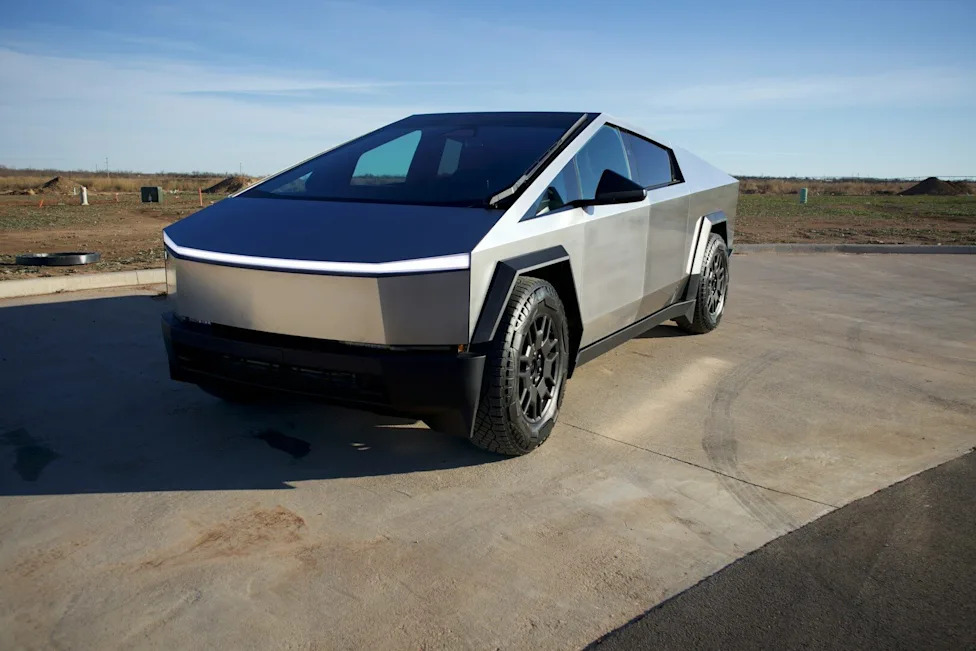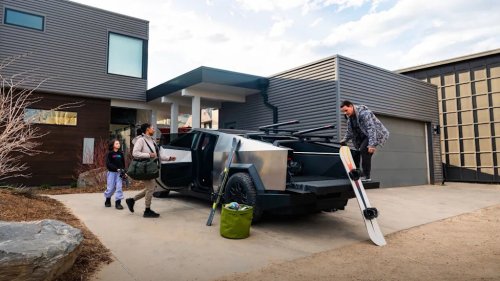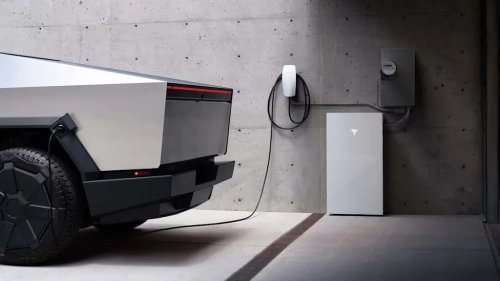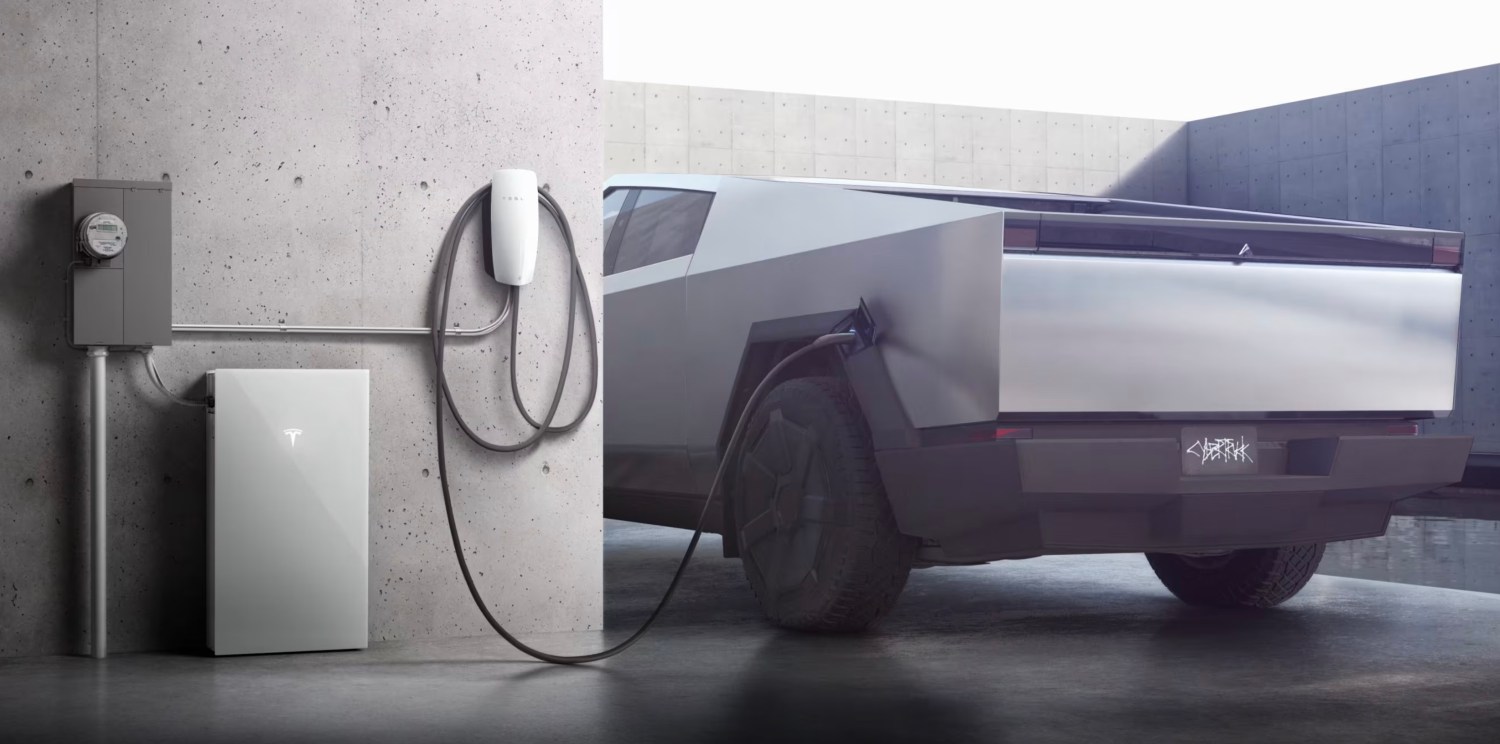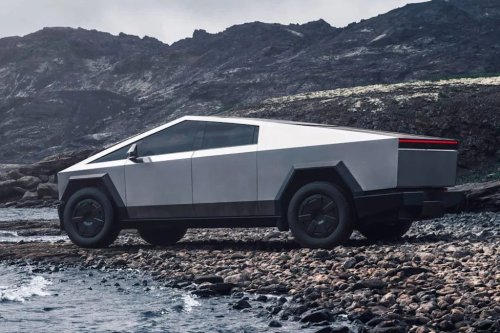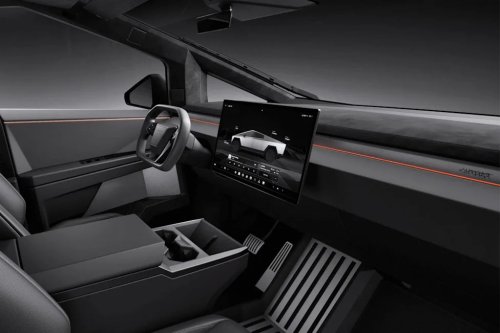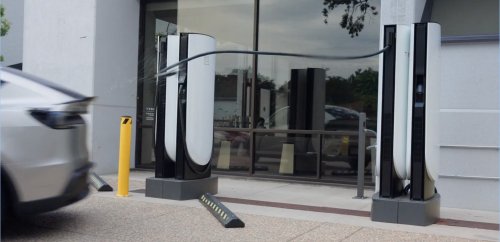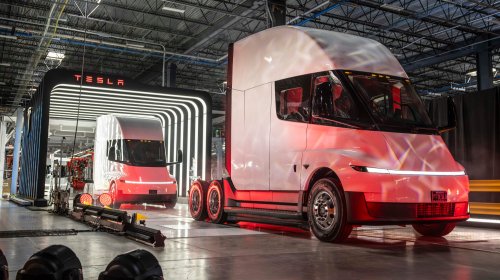



















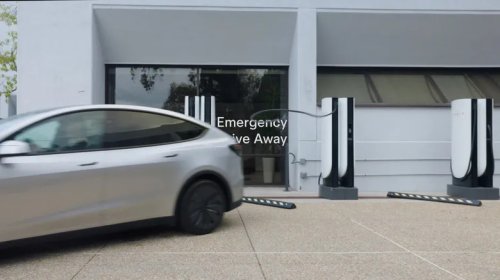
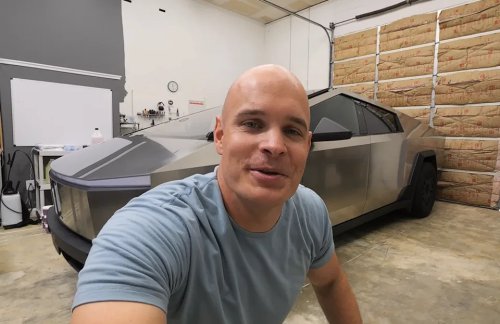
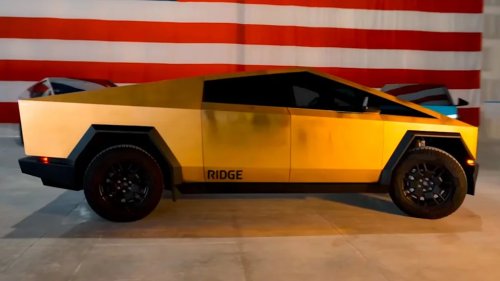
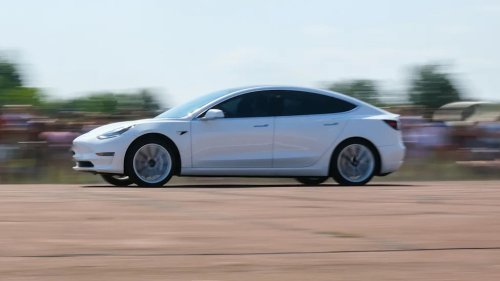
Image: TeslaThe companies announced that the Cybertruck, together with the Tesla Powershare Gateway and Universal Wall Connector, has been approved for participation in PG&E’s residential V2X programme. The system allows customers to install Tesla’s Powershare Home Backup and activate Powershare Grid Support, enabling energy to flow between vehicle, home and grid.“Electric vehicles can do more than move people—they can help power homes and support the grid,” said Jason Glickman, Executive Vice President of Strategy and Growth at PG&E. “By welcoming Tesla into our residential V2X programme, we’re expanding customer choice while making California’s grid more flexible, resilient, and affordable.”PG&E states that the programme marks the first AC-based vehicle-to-grid application approved for customers in California. Other carmakers, such as Ford and General Motors, are already part of the programme. The latter joined last year, providing its 19.2 kW bidirectional PowerShift charger and V2H Bundle to enable Vehicle-to-Home functionalities.The list of incentives remains the same. Customers enrolled in the pilot programme can receive incentives of up to $4,500 towards bidirectional charging equipment and interconnection costs. Additional compensation is available for participation in grid events and continued enrolment. During periods of high demand, vehicles can export electricity to the grid in response to utility signals, including programmes such as PG&E’s Emergency Load Reduction Program.“Powershare Grid Support enables Tesla vehicles to strengthen our electricity system, while earning money for EV owners,” said Colby Hastings, Senior Director of Tesla’s Residential Energy business. “Our unique integrated architecture makes vehicle-to-grid dramatically cheaper than alternatives, and PG&E’s V2X programme will accelerate customer adoption.”This is also not the first time that PG&E and Tesla collaborated with regard to grid stabilisation. In 2022, the companies kicked off a pilot programme using Tesla Powerwall chargers to set up a virtual power plant (VPP) to help support electric grid reliability. The initiative is part of PG&E’s Emergency Load Reduction Program (ELRP) pilot. This 5-year programme began in 2021 and was designed to pay customers for either reducing their electricity consumption or increasing electrical supply back into the grid during electrical grid emergencies.pge.com