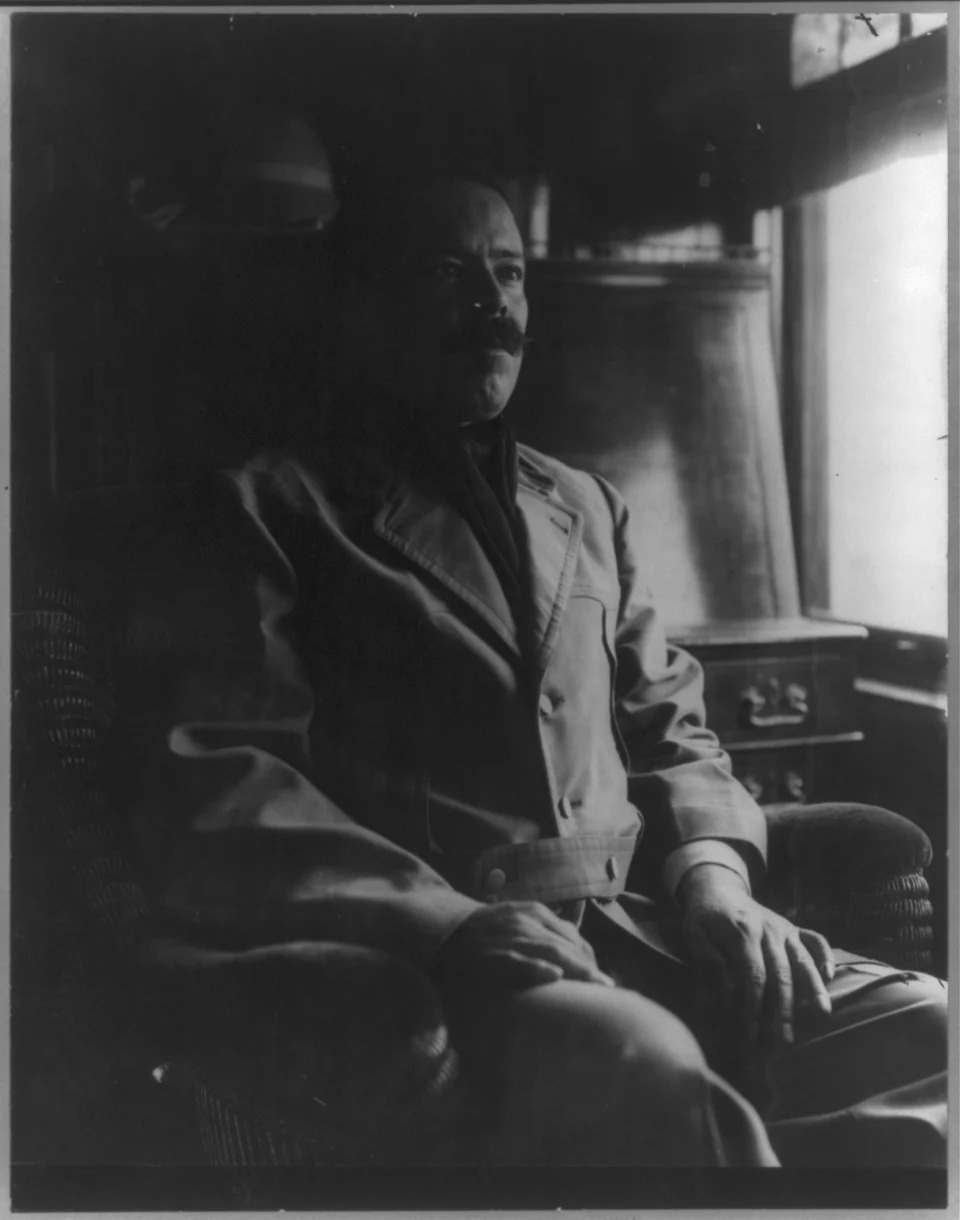
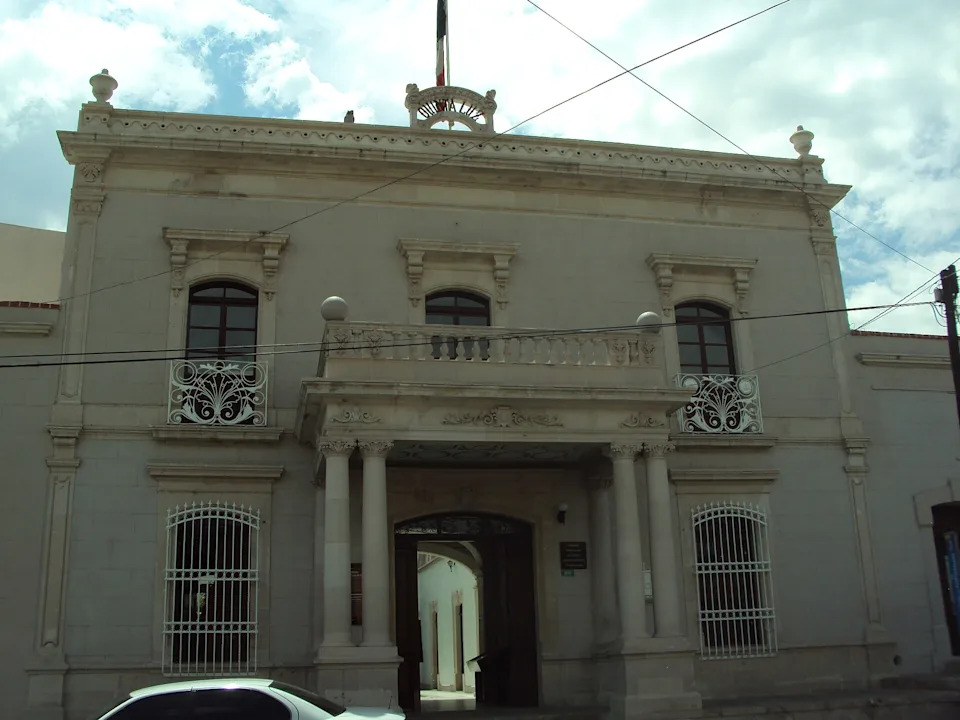
The gunmen were already in position, inside a house along a street in Hidalgo del Parral, when Pancho Villa's black 1919 Dodge Brothers touring car came into view on the morning of July 20, 1923. They opened fire. Villa and several of the men riding with him were killed.The Dodge took dozens of rounds. More than a century later, it still wears them.Half the 'cursed' cars we're covering this month come with a legend and no paperwork. This one comes with a date, a street in Parral and the holes.The man behind the wheelVilla commanded the División del Norte and was one of the central figures of the Revolution. He was also a raider, a folk hero and, to plenty of people on both sides of the border, a villain.Villa during the Revolution. Photo: Library of Congress via Wikimedia Commons, Public domainBy 1923 he had made his peace with the government and retired to a ranch at Canutillo. Retirement didn't shrink the list of people who wanted him dead. The ambush in Parral was carefully planned, and it was over in moments.Where it ended upWhat makes the Dodge unusual among famous death cars is where it ended up. It's now displayed at the Museo Histórico de la Revolución in Chihuahua City, housed in Quinta Luz, the large home where Villa's widow lived for decades. The museum presents it as the actual car, bullet holes and all.Quinta Luz in Chihuahua City, home of the Museo Histórico de la Revolución. Photo: Battroid via Wikimedia Commons, CC BY-SA 3.0Collectors spend whole careers chasing provenance this clean. The date, the place, the owner and what happened are all part of the historical record, and the car has been in institutional hands for a long time. There's no chain of custody to argue over and no questionable paperwork, which is rare for any historic vehicle, let alone one tied to a political killing.One ordinary car, one very bad morningOn its own, a 1919 Dodge Brothers touring car is about as exciting as a Camry was in 2005: tough, plain and everywhere. Most survivors are pleasant, affordable antiques. Put Villa behind the wheel on that particular morning and it becomes a national artifact.It isn't going anywhere. Like JFK's Lincoln, cars like this don't cross auction blocks or get price-guide valuations. They set the benchmark instead. When someone offers a car with a dramatic backstory (or restores one, as the owner of Tupac's BMW learned the hard way), the Villa Dodge shows what real documentation looks like.If you were the museum's conservator, what would you be willing to touch on this car, and what would you never touch?SourcesPancho Villa — WikipediaMuseo Histórico de la Revolución — Lonely Planet⚡ Read the full article on Backfire News